Best Educational Cartoons for Kids in 2025

A Complete Guide for Parents

As digital learning continues to evolve, parents are becoming more selective about the content their children watch. In 2025, the demand for high-quality educational cartoons for kids has reached an all-time high. Families now want animated series that combine entertainment with learning—covering language development, moral lessons, science, early mathematics, and emotional intelligence.

This guide explores the best educational cartoons for kids in 2025, why they are trending, and how they support mental, emotional, and cognitive growth. If you’re searching for valuable learning content for your child, this article will help you make informed choices.


Why Educational Cartoons Matter in 2025:

Today’s children learn differently. Early exposure to screens means they absorb information faster through visuals, colors, and characters. Educational cartoons create an immersive learning environment where kids learn naturally while having fun.

Key benefits include:

  • Enhanced vocabulary and language skills

  • Improved problem-solving and analytical thinking

  • Better understanding of numbers, shapes, sounds, and colors

  • Stronger emotional intelligence and social behavior

  • Increased creativity and imagination

  • Safe entertainment without harmful messaging

The best part? Children perceive these cartoons as fun, not study—making learning effortless.


Top 10 Educational Cartoons for Kids in 2025:

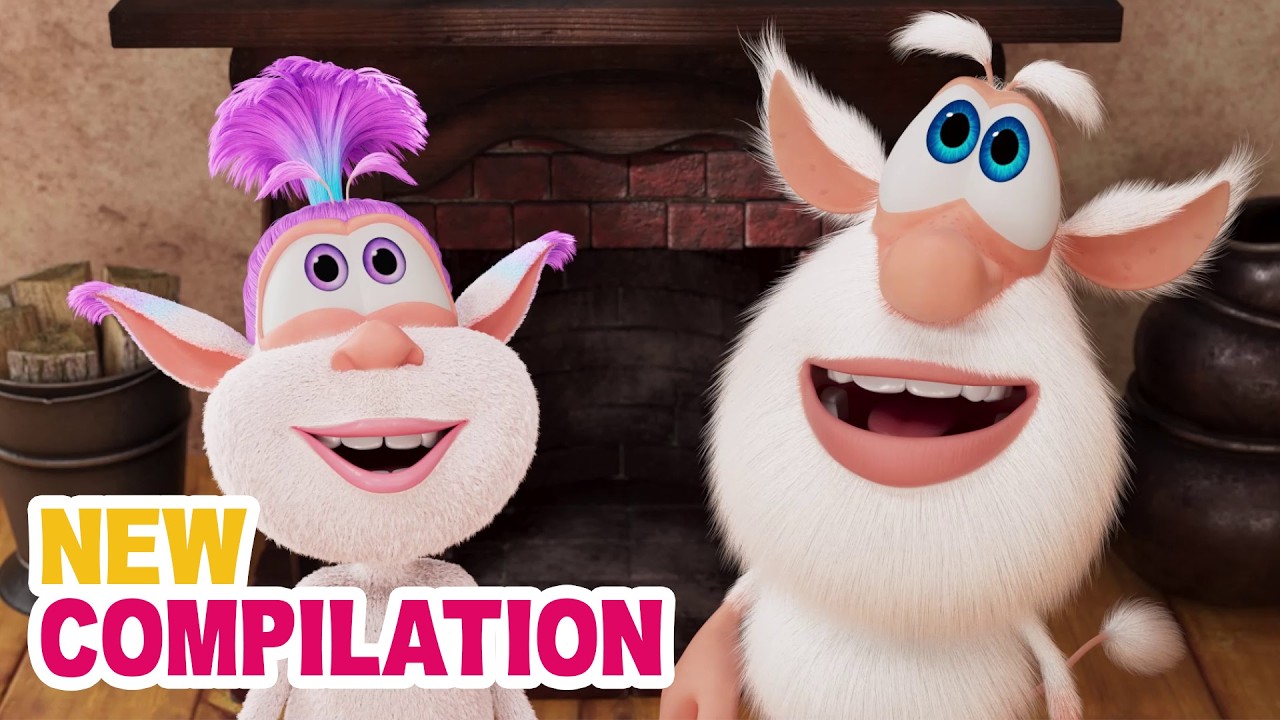
1. Booba Educational Adventures (2025 Edition)

Booba remains a favorite among toddlers for his curiosity-driven adventures. The series introduces children to new environments, safety rules, and basic science concepts.

Why it’s trending:

  • Non-verbal learning suitable for all languages

  • Encourages observation and critical thinking

  • Kids learn by watching Booba explore real-world situations

  • Perfect for toddlers and preschoolers


2. Super Simple Learning World

Ideal for early English learners, this series uses colorful animations, easy rhymes, and step-by-step learning.

Focus areas:

  • Alphabet A–Z

  • Numbers, counting, and shapes

  • Opposites, colors, and phonics

  • Simple manners and good habits

Its soft music and gentle pacing make it perfect for toddlers and preschoolers.


3. Dino Learners: The Smart Adventures

Dino-themed learning adventures combine science, history, and teamwork for children aged 4–10.

Learning benefits:

  • Boosts curiosity about dinosaurs and prehistoric life

  • Teaches teamwork and problem-solving

  • Introduces basic geography and animal behavior


4. Little Genius World

Designed to stimulate mental growth, this 2025 series engages kids with puzzles, mini-games, and creative challenges.

Key themes:

  • Memory-building activities

  • Logical reasoning and early math

  • Creative drawing and imagination

  • Shape recognition and pattern analysis


5. Alphabet Town Adventures

Perfect for toddlers learning ABCs, this series strengthens early reading skills.

Why parents choose it:

  • Correct pronunciation of English words

  • Vocabulary-building through animated stories

  • Engaging visuals keep kids motivated


6. The Kindness Club

Emotional intelligence (EQ) is a key focus of this series, which teaches morals and social skills gently and entertainingly.

Lesson themes:

  • Sharing and caring

  • Respect and honesty

  • Friendship and empathy

  • Managing feelings


7. Space Explorers Jr.

This space-themed cartoon sparks curiosity about planets, stars, and the cosmos.

Learning highlights:

  • Names of planets and their characteristics

  • Basics of space travel

  • Stars, moons, and galaxies explained simply


8. Momo’s Math World

One of the most fun math learning series of 2025, turning numbers and problem-solving into an adventure.

Focus areas:

  • Numbers and counting

  • Addition and subtraction

  • Shapes and measurements

  • Early problem-solving


9. Healthy Habits with Zoya

Health education meets fun! Zoya encourages children to adopt healthy daily habits.

Topics include:

  • Eating nutritious food

  • Brushing teeth properly

  • Sleeping on time

  • Simple exercises

  • Keeping surroundings clean


10. The Creative Arts Studio

Creativity-focused learning helps children explore art, music, dance, and crafts.

Benefits:

  • Improves hand–eye coordination

  • Boosts artistic confidence

  • Encourages emotional expression


How to Choose the Right Educational Cartoon

Before selecting a cartoon, consider:

  • Age-appropriate content – Avoid shows that are too simple or too advanced.

  • Positive messaging – Ensure lessons about kindness, honesty, and safety.

  • Pacing – Slow, clear visuals prevent overstimulation.

  • Interactive elements – Songs, repetition, and simple tasks enhance learning.

  • Language clarity – Dialogue should be child-friendly and easy to understand.

Choosing the right cartoon can significantly improve your child’s early development and learning speed.


Final Thoughts

In 2025, educational cartoons are more than entertainment—they’re powerful learning tools that nurture language skills, emotional intelligence, creativity, and problem-solving. Whether your child enjoys science, language, adventure, or moral stories, these top 10 series offer safe, engaging, and educational experiences.

Start your child’s learning adventure today by exploring these cartoons on trusted platforms like YouTube or dedicated educational websites such as boobacartoon.com.
Advertisement
Booba Coloring Pages & How to Use Them for Learning
Booba coloring pages are more than just a fun activity—they provide children with opportunities to develop creativity, motor skills, and early learning abilities. Coloring helps children express themselves while enhancing focus, hand-eye coordination, and even early academic skills. In this guide, we explore Booba coloring pages and how to use them for educational purposes, making learning both playful and effective. Why Booba Coloring Pages Are Perfect for Kids: Booba’s simple, expressive design makes it ideal for coloring. Key benefits include: Clear outlines: Easy for children to color inside Engaging characters: Booba, Spike, Loola, and Mr. Beak spark imagination Safe and non-violent: Perfect for ages 3–7 Versatile learning opportunities: Can be combined with lessons on colors, shapes, and creativity Educational Benefits of Coloring Booba Pages: 1. Fine Motor Skill Development Coloring requires controlled hand movements, improving: Grip strength Precision Hand-eye coordination Example: Coloring Booba’s round eyes or expressive hands helps strengthen small muscles necessary for writing and drawing. 2. Creativity and Imagination Booba’s world is playful and imaginative. Coloring allows children to: Experiment with colors freely Create unique interpretations of familiar characters Imagine new adventures Example: Children can color Booba’s clothes, toys, and surroundings in ways that reflect their creativity. 3. Learning Colors and Shapes Parents can guide children to: Identify primary and secondary colors Learn about shapes by coloring different objects in the scene Understand patterns and symmetry Example: Coloring a scene with balloons, blocks, and a toy box can teach color recognition and shape differentiation. 4. Emotional Expression Booba’s exaggerated expressions help children explore emotions while coloring. Happiness, surprise, or mischief can be discussed Encourages empathy and emotional awareness Safe outlet for expressing feelings through art Example: A surprised Booba can prompt discussions about emotions and storytelling. 5. Focus and Concentration Coloring requires sustained attention, helping kids develop focus and patience. Completing a page builds a sense of accomplishment Encourages attention to detail Prepares children for structured learning tasks Example: Coloring all elements in a Booba adventure scene helps children concentrate for longer periods. 6. Storytelling and Language Skills Booba coloring pages can spark creative storytelling. Children can narrate what Booba is doing while coloring. Encourages vocabulary development Improves verbal skills Fosters narrative thinking Example: “Booba is sliding on a pillow, and Spike is chasing a ball” – children create mini-stories while coloring. 7. Social Interaction and Sharing Coloring can be turned into a group activity: Siblings or friends can color together Encourages collaboration and sharing Teaches patience and taking turns Example: Two children coloring a Booba scene together can practice teamwork and social skills. 8. Calm and Mindfulness Coloring is a relaxing activity, helping children: Manage emotions Reduce restlessness Develop mindfulness and focus Example: After an active day, Booba coloring pages can provide a quiet, creative break. Tips for Using Booba Coloring Pages Effectively: Provide a variety of tools: Crayons, colored pencils, and markers Combine with learning prompts: Ask questions like “What color should Booba’s toy be?” Encourage storytelling: Let children narrate the scene while coloring Create themed sets: Group pages by adventure, music, or indoor play Display finished work: Boosts confidence and motivates kids Conclusion: Booba coloring pages are both fun and educational, helping children develop fine motor skills, creativity, focus, emotional awareness, and early academic abilities. When combined with storytelling, discussion, and group activities, these coloring pages become a powerful tool for learning while keeping the playful spirit of Booba alive. Parents and educators can easily integrate these pages into home activities, classrooms, or daycare centers, ensuring that children learn while having fun.
Dinosaur Stories for Children
Dinosaurs have fascinated children for generations with their enormous size, mysterious history, and exciting adventures. Dinosaur stories for children bring these prehistoric creatures to life through colorful cartoons, friendly characters, and imaginative storytelling. These stories are not only entertaining but also educational, teaching children about science, history, teamwork, and problem-solving. In this article, we explore why dinosaur cartoons are so popular, their educational benefits, and how parents can use them to encourage learning and creativity. ⭐ Why Dinosaur Stories Are Popular with Kids: 1. Fascination with Prehistoric Creatures: Children are naturally curious about dinosaurs. Cartoons give them a safe and fun way to explore these creatures and their world. 2. Imaginative Storytelling: Dinosaur cartoons combine fantasy, adventure, and humor, making stories engaging and memorable. 3. Relatable Characters: Friendly dinosaur characters help children relate to lessons about friendship, courage, and kindness. 4. Visual and Audio Learning: Bright animations and fun sounds keep children engaged while helping them retain information about dinosaurs and prehistoric life. 5. Safe Learning: Animated stories allow children to learn about large, potentially scary creatures in a safe, entertaining environment. ⭐ Popular Themes in Dinosaur Stories: 1. Adventures in Prehistoric Times: Stories often follow dinosaurs exploring jungles, volcanoes, and rivers, teaching children about different environments. 2. Friendship and Teamwork: Cartoons focus on dinosaurs helping each other, sharing, and solving problems, reinforcing social and moral lessons. 3. Science and History: Some stories introduce facts about dinosaur species, fossils, and their behavior in a fun and age-appropriate way. 4. Problem-Solving and Creativity: Characters face challenges, encouraging children to think creatively and learn problem-solving skills. 5. Fun and Humor: Animated dinosaurs often have funny traits or adventures, keeping children entertained while learning. ⭐ Educational Benefits of Dinosaur Stories: 1. Develops Curiosity: Children learn about prehistoric life, evolution, and the natural world, fostering a love for science. 2. Builds Vocabulary: Cartoons introduce terms like “Tyrannosaurus,” “Triceratops,” “volcano,” and “fossil” in a fun, understandable way. 3. Encourages Moral Values: Stories about helping friends, sharing, and bravery instill positive social and emotional values. 4. Enhances Cognitive Skills: Following storylines, remembering character names, and understanding plots improve memory and critical thinking. 5. Stimulates Imagination: Children create their own dinosaur worlds, adventures, and stories, boosting creativity and imaginative play. ⭐ Tips for Parents to Make the Most of Dinosaur Cartoons: ✔ 1. Watch Together: Discuss dinosaur names, behaviors, and adventures to reinforce learning. ✔ 2. Encourage Drawing and Crafts: Let children draw dinosaurs, create models, or make prehistoric scenes inspired by the cartoons. ✔ 3. Ask Questions: Questions like “What would you do if you were a dinosaur?” help children think creatively and engage with the story. ✔ 4. Reinforce Facts: Introduce simple facts about dinosaurs to combine fun and education effectively. ✔ 5. Limit Screen Time: Keep episodes short and interactive, ideally 20–30 minutes, to balance entertainment and other learning activities. ⭐ Conclusion: Dinosaur stories for children are a fantastic way to combine entertainment, imagination, and education. Through vibrant animations, adventurous storytelling, and friendly dinosaur characters, children learn about prehistoric life, moral values, problem-solving, and creativity. Parents and educators can use these cartoons to foster curiosity, develop cognitive and social skills, and inspire children to explore science and history. Dinosaur cartoons make learning about the past fun and memorable, creating a love for stories, knowledge, and imaginative play that lasts a lifetime.
Funny Way to Build Good Habits
Cartoons play a very important role in a child’s early learning. Whether it’s sharing toys, speaking politely, or helping friends, cartoon stories make manners easy for children to understand. Kids naturally learn better when something is shown in a fun, colorful, and story-based format. That’s why cartoon stories about good manners have become one of the most effective tools for parents and teachers. In today’s busy world, reminding kids about manners again and again can be challenging. But when the same lessons come through a cute animated character, children not only enjoy watching but also remember the message. Let’s explore how cartoon stories help improve manners in kids and which habits are most important. ⭐ Why Cartoons Are Effective for Teaching Manners 1. Kids Understand Visual Messages Quickly Children learn better with pictures and actions. Cartoons show how to behave in real-life situations, which makes learning natural and effortless. 2. Stories Create Emotional Impact When kids see their favorite cartoon hero helping others or apologizing, they feel inspired to do the same. 3. Repetition Makes Learning Strong Cartoons repeat moral messages in simple ways. When children see good manners again and again, they become part of their daily behavior. 4. Learning Feels Like Fun, Not School Most kids resist long lectures but happily watch a 5-minute animated story. This converts manners into enjoyable lessons. ⭐ Important Manners Kids Learn Through Cartoons 1. Saying “Please” and “Thank You” Politeness is one of the first manners parents want kids to learn. In cartoon stories, characters often use polite language, showing kids when and how to say “please,” “thank you,” and “sorry.” 2. Sharing with Friends One of the biggest challenges for toddlers is sharing toys or snacks. Cartoon stories show how sharing brings happiness and how refusing to share can hurt others. 3. Helping Parents and Friends Kids learn responsibility when they see animated characters helping in small tasks like cleaning up, organizing toys, or helping a friend in trouble. 4. Respecting Elders Respectful behavior—listening, not interrupting, and speaking kindly—is often highlighted in kids’ cartoons. 5. Patience and Waiting for Their Turn Children naturally want everything instantly. Cartoons teach them that waiting for their turn is an important manner. 6. Keeping the Environment Clean Many cartoons show characters picking up trash, keeping rooms tidy, and caring for nature. ⭐ Benefits of Using Cartoon Stories for Manners 1. Kids Remember Moral Lessons Longer Because stories have characters, actions, and emotions, children remember the moral values more deeply. 2. Builds Social and Emotional Skills Kids learn empathy, kindness, cooperation, and problem-solving from cartoon-based storytelling. 3. Helps Parents Guide Kids Easily Instead of scolding, parents can say, “Remember what the cartoon character did?” This makes discipline gentle and effective. 4. Safe and Positive Entertainment Good-manner cartoons are clean, age-appropriate, and free from harmful content. ⭐ Examples of Manners Highlighted in Popular Cartoon Stories Helping Friends Stories where a character helps someone fix a broken toy, opens the door for others, or supports a sad friend help kids understand kindness. Apologizing When Wrong Cartoons teach that saying “sorry” is important and shows courage. Kids learn it’s okay to make mistakes but important to apologize. Listening Carefully Animated characters often remind kids to listen to instructions and follow rules in school, home, and playground. Tidy Up Time A common theme shows characters cleaning up after playing, encouraging kids to do the same. ⭐ How Parents Can Use Cartoons to Teach Manners: 1. Watch Together When parents watch with their kids, they can point out important lessons and discuss them. 2. Repeat the Lessons During the Day For example, say:“Just like the cartoon taught, we should share our toys.” 3. Choose High-Quality Content Pick cartoons that focus on learning and character-building instead of violence or meaningless humor. 4. Encourage Kids to Practice the Learned Manners Praise them when they apply a good habit they saw in the cartoon. ⭐ Why Manners Matter in Early Childhood: Good manners help children: Make more friends Build confidence Become responsible Communicate politely Grow into emotionally strong individuals Cartoon stories make this journey easier by showing good habits in an entertaining, child-friendly way. ⭐ Conclusion: Teaching manners doesn’t have to feel difficult or boring. Cartoon stories provide a joyful and effective way to help kids learn how to behave politely, share with others, and build strong character. When children watch animated stories that highlight kindness, respect, and responsibility, they naturally start adopting these habits in daily life. Cartoons aren’t just entertainment—they are powerful learning tools that shape behavior, personality, and values. With the right selection of videos, parents can guide their children toward becoming polite, caring, and well-mannered individuals.
Animated Experiments for Kids
Introducing children to science at an early age helps spark curiosity, creativity, and problem-solving skills. Science for kids – animated experiments and fun facts is a fun and engaging way to teach complex scientific concepts in a simple, understandable, and entertaining format. Through colorful animations, interactive visuals, and playful characters, children can learn about science while having fun. This article explores why animated science videos are effective, their educational benefits, and how parents can use them to encourage a love for science. ⭐ Why Animated Science Videos Are Effective for Kids: Animated science experiments and fun facts are ideal for young learners because they combine visual learning, interactivity, and entertainment: 1. Visual Representation of Complex Ideas: Science concepts like gravity, magnets, or chemical reactions can be hard for children to grasp. Animations simplify these ideas through bright visuals and step-by-step demonstrations. 2. Engaging and Interactive: Cartoons and animations keep children interested and encourage participation. Many videos ask kids to guess outcomes or make predictions, making learning active. 3. Memorable Learning: Fun characters, storytelling, and humor make scientific concepts stick in children’s minds longer than traditional teaching methods. 4. Safe Experiment Demonstrations: Animated experiments allow children to see exciting experiments without any risk of harm, chemicals, or accidents. 5. Encourages Curiosity: Animated science videos spark curiosity and inspire children to ask questions, explore, and conduct safe experiments at home or in school. ⭐ Popular Themes in Science for Kids Videos: 1. Simple Experiments: Animated experiments show easy, safe science projects like mixing colors, creating volcanoes, or floating objects, which children can try at home with parental guidance. 2. Fun Science Facts: Videos share amazing facts about space, animals, plants, weather, or the human body in a fun, animated format that captures attention. 3. Everyday Science: Cartoons explain scientific principles in daily life, such as why it rains, how plants grow, or how magnets work, making learning relatable. 4. Adventure-Based Learning: Characters go on exciting science adventures, exploring the ocean, outer space, or the rainforest, combining storytelling with scientific discovery. 5. Interactive Quizzes and Challenges: Animated quizzes challenge kids to test their knowledge, solve puzzles, or predict experiment outcomes, reinforcing learning and critical thinking. ⭐ Educational Benefits of Science for Kids Videos: 1. Develops Scientific Thinking: Children learn to observe, hypothesize, experiment, and draw conclusions, laying the foundation for scientific thinking. 2. Boosts Curiosity and Exploration: Animated science encourages children to ask questions and explore the world around them creatively. 3. Improves Cognitive Skills: Watching animated experiments develops memory, attention, problem-solving, and analytical skills. 4. Enhances Language and Communication: Narration and dialogues in videos improve vocabulary, listening skills, and comprehension of scientific terms. 5. Encourages Hands-On Learning: After watching, children are inspired to try simple experiments themselves, connecting theory with practice. ⭐ Tips for Parents to Make the Most of Animated Science Videos: ✔ 1. Watch Together: Sit with your child and discuss the experiments, asking them questions to reinforce understanding. ✔ 2. Encourage Safe Experiments: Try simple, safe experiments at home to complement what they see in videos. ✔ 3. Connect Science to Daily Life: Relate experiments to everyday experiences, like explaining evaporation while drying clothes or floating objects in water. ✔ 4. Limit Screen Time: Even educational videos should be balanced with active play and hands-on activities. ✔ 5. Praise Curiosity: Encourage children to ask questions and explore, reinforcing their interest and confidence in learning science. ⭐ Conclusion: Science for kids – animated experiments and fun facts is an exciting way to introduce children to the wonders of the natural world. Through vibrant animations, storytelling, and interactive experiments, children learn scientific concepts, develop problem-solving skills, and cultivate curiosity. Parents and educators can use these videos to make science enjoyable, safe, and memorable. By combining animated demonstrations with hands-on activities, children not only understand how the world works but also develop a lifelong love for science and exploration. Animated science videos are more than entertainment—they are a gateway to learning, discovery, and imagination for young minds.
How to Stop Kids from Watching Scary Cartoons
In the age of endless streaming, algorithm-driven suggestions, and peer sharing, scary or age-inappropriate cartoons can easily find their way to your child's screen, leaving them with nightmares, anxiety, and a shaken sense of security. Simply banning content is less effective than building media literacy and healthy digital habits. This 2026 guide provides proactive strategies to shield your child's imagination, empower their choices, and restore peace to their viewing experience. Understand the "Why": Why Kids Are Drawn to Scary Content : Before setting rules, understand the pull. Children might seek out scary cartoons to: Test boundaries and feel a sense of thrill or maturity. Connect with peers who are talking about a popular but scary show. Process fears in a controlled, fictional environment (though often backfires). Simply stumble upon it due to autoplay or misleading thumbnails on child-focused platforms. Your goal isn't to bubble-wrap them, but to ensure their media consumption is appropriate for their emotional development and doesn't cause undue distress. Build Your First Line of Defense: The Technical Safeguards : Make it difficult for inappropriate content to reach them accidentally. Use Dedicated, Kid-Safe Profiles: On every streaming service, create a separate profile for your child with the highest parental restriction settings. Disable autoplay and search functions on these profiles. Curate Watchlists Together: Proactively fill their profile's "Watchlist" or "My List" with pre-approved, high-quality shows from trusted sources like boobacartoon.com. This gives them a "menu" of great choices. Invest in a Quality Parental Control App: Use an app that allows you to whitelist specific shows or channels, rather than just blocking by age rating, which can be too broad. Some apps can even alert you if new, unapproved content is accessed. Secure All Devices: Apply these settings not just on the TV, but on tablets, phones, and shared computers. A rule is only as strong as its weakest device link. Shift from Police Officer to Media Mentor: The Conversational Strategy : Empowerment through understanding is more durable than fear of punishment. Have "The Scary Stuff" Talk Early: Calmly explain, "Sometimes cartoons or movies are made to scare people for fun, but your brain isn't ready for that yet. It can stick in your mind and make you feel really worried, even when you're safe. My job is to help you find shows that are fun without the scary shadows." Teach Them to "Check the Gauge": Create a simple, 3-level system they can use with you: Green Light: "Fun for everyone! Like our favorite shows about friendship." Yellow Light: "Might have some loud surprises or arguments. Let's watch this together first." Red Light: "Has scary monsters, mean ghosts, or things that could give us bad dreams. We'll skip these until you're older." Role-Play the "Exit Strategy": Practice what to do if something scary comes on: 1) Close your eyes. 2) Call for a parent. 3) Say, "This is too scary for me, please turn it off." Assure them they will never be in trouble for following this plan. Provide Amazing Alternatives: Flood the Zone with Good Content : The best way to stop an unwanted behavior is to replace it with a more appealing one. Become a Curator of Joy: Actively seek out and celebrate hilarious, adventurous, and beautiful cartoons. Make watching them a special, shared event with popcorn and blankets. Leverage Trusted Hubs: Use platforms known for safe, quality content. Bookmark sites like boobacartoon.com that are designed with emotional safety in mind. Connect Cartoons to Cool Activities: After watching a show about explorers, go on a nature hike. After a show about builders, use a kit from kidtoys.site to create something. This reinforces that the best adventures often happen off-screen. Navigate Peer Pressure and "Everyone Else is Watching It" : This is a common challenge for school-age children. Acknowledge & Reframe: "I understand your friends are talking about that show. It can feel lonely to be left out. But every family has different rules based on what they know is right for their kid's heart and brain." Give Them Scripts: Arm them with what to say to friends: "My mom says my brain's not ready for that yet," or "I'm not allowed, but I heard about this other cool show called [Alternative Show] instead." Host a Viewing Party: For older kids, if a mildly spooky but popular show is borderline, consider watching the first episode together at home. Your presence and commentary ("Wow, that music is sure trying to make us scared!") can demystify it and provide a safe processing space. What to Do If They've Already Seen Something Scary: The Clean-Up Protocol : If exposure happens, your reaction is critical. Stay Calm & Comfort: Do not shame or say "I told you so." Hold them, offer comfort, and reassure them they are safe. Name and Tame the Fear: Have them draw the scary monster, then help them make it silly—give it polka dots, a tiny hat, or a squeaky voice. This robs the image of its power. Perform a "Brain Delete": Use a playful imagination exercise. "Okay, let's open your mind's computer. Find that scary file... and drag it to the trash! Now, let's download a happy file—remember when we went to the water park?" Re-establish Safety Rituals: Extra cuddles, a nightlight check, and a calming bedtime story from a trusted source can rebuild a sense of security. Resources from learn.universitiesforllm.com can offer more structured strategies for calming childhood anxieties. Conclusion: Protecting Wonder, Not Just Enforcing Rules : The mission is to guard your child's capacity for joyful, secure play and sleep. By combining robust technical controls with open, empathetic communication and by actively filling their media diet with uplifting alternatives, you stop scary cartoons not with a harsh "no," but with a more compelling "yes." You are saying yes to peaceful sleep, yes to a fearless imagination, and yes to a childhood where screens are a source of wonder, not worry. With the supportive frameworks from learn.universitiesforllm.com, the guaranteed-safe stories from boobacartoon.com, and the engaging real-world play from kidtoys.site, you have a full toolkit to nurture a resilient, happy, and creatively confident child.
Best YouTube Channels for Toddlers
YouTube has become a popular platform for young children, offering fun, educational, and engaging videos. However, parents must ensure that toddlers watch age-appropriate content that promotes learning, creativity, and safe screen time. This guide highlights the best YouTube channels for toddlers, suitable for ages 1–4, and offers tips for parents to make the experience both fun and safe. Why Choosing the Right Channel Matters: Safety First: Toddlers can accidentally access inappropriate content. Educational Value: High-quality channels teach numbers, colors, letters, and basic life skills. Entertainment with Learning: Bright visuals, songs, and playful characters keep toddlers engaged while learning. Interactive Experience: Encourages singing, dancing, and role-playing, enhancing physical and cognitive development. Top YouTube Channels for Toddlers: 1. Tiny Tunes World Focuses on songs, nursery rhymes, and interactive storytelling. Helps toddlers learn language, rhythm, and coordination. 2. Little Learners Club Engaging videos on colors, shapes, numbers, and basic concepts. Short episodes perfect for toddlers’ attention span. 3. Happy Critters TV Fun animated characters teach sharing, friendship, and emotional awareness. Combines humor with social and emotional learning. 4. Giggle Garden Outdoor adventures with toddlers-friendly characters. Encourages exploration, observation, and nature awareness. 5. Playful Pals Features playful characters in creative scenarios. Promotes imagination, role-playing, and problem-solving skills. 6. Fuzzy Friends Fun Short, funny clips designed to entertain and educate. Teaches basic cognitive and social skills while keeping toddlers engaged. Tips for Parents Using YouTube for Toddlers: Enable YouTube Kids: Provides safe, curated content suitable for toddlers. Set Screen Time Limits: Limit to 30–60 minutes per day for this age group. Co-View and Interact: Watch together to encourage singing, dancing, and discussion. Pre-Select Content: Choose videos aligned with learning goals and age-appropriateness. Encourage Offline Play: Balance screen time with reading, crafts, and outdoor activities. Benefits of the Right YouTube Channels: Cognitive Development: Enhances memory, language, and problem-solving skills. Social-Emotional Skills: Teaches sharing, empathy, and cooperation through character interactions. Creativity: Inspires drawing, crafts, and imaginative play. Fun Learning: Makes education engaging and enjoyable for toddlers. Safe Entertainment: Provides a controlled environment for screen exposure. Final Thoughts: Choosing the best YouTube channels for toddlers ensures that screen time is educational, entertaining, and safe. Parents can enhance the experience by watching together, engaging in activities, and setting clear limits, creating a balanced, fun, and enriching digital experience for young children.
Top Cartoons Similar to Playful Cartoon Characters Kids Will Love
Kids love funny, curious, and colorful animated characters. Many children who enjoy one playful cartoon are often drawn to similar shows that combine humor, creativity, and learning. This guide highlights top cartoons similar to playful animated characters, helping parents choose age-appropriate, engaging, and educational content for children aged 3–8. Why Kids Love Playful Cartoons: Bright Colors and Fun Animations: Eye-catching visuals keep kids engaged. Expressive Characters: Funny faces and exaggerated actions appeal to young viewers. Simple Stories: Easy-to-follow plots help children understand cause and effect. Humor and Slapstick Comedy: Silly antics make learning fun. Positive Lessons: Episodes often teach friendship, creativity, problem-solving, and empathy. Top Cartoons Similar to Playful Characters: 1. Pip and Pop Adventures Focuses on curious, playful creatures exploring their world. Teaches problem-solving, cooperation, and curiosity. 2. Tiny Tales Short, humorous episodes perfect for toddlers. Highlights colors, numbers, and shapes with visual storytelling. 3. Happy Critters Club Group of animal friends engaging in funny adventures. Encourages friendship, sharing, and teamwork. 4. Momo’s Magical World Combines fantasy, humor, and educational content. Episodes promote creativity, imagination, and storytelling. 5. Fuzzy Friends Fun Focuses on curiosity, exploration, and learning through play. Teaches basic concepts like shapes, letters, and problem-solving. 6. Giggle Garden Outdoor adventures with playful characters. Encourages observation skills, nature awareness, and imagination. Tips for Parents Choosing Cartoons: Check Age Appropriateness: Ensure content is suitable for your child’s age. Mix Education with Entertainment: Look for shows with learning opportunities and fun stories. Watch Together: Co-viewing promotes discussion, comprehension, and bonding. Encourage Activities Post-Episode: Drawing, crafts, or role-play extends learning. Monitor Screen Time: Balance viewing with offline activities, outdoor play, and reading. Benefits of Watching Similar Cartoons: Creativity and Imagination: Inspires storytelling, drawing, and role-play. Social Skills: Characters model friendship, sharing, and empathy. Cognitive Skills: Episodes teach problem-solving, observation, and sequencing. Emotional Understanding: Helps children recognize feelings and emotions. Final Thoughts: Children who enjoy playful cartoon characters can benefit from exploring similar animated shows. By choosing age-appropriate, entertaining, and educational cartoons, parents can enhance creativity, learning, and social skills, while keeping screen time fun and safe.
Booba Story Time: Create Your Own Adventure
Booba’s playful and curious world is perfect for storytelling activities. “Booba Story Time” allows children to create their own adventures, improving imagination, language skills, and creativity while having fun. This guide explains how to set up Booba story time, tips for encouraging storytelling, and fun activities to help children aged 3–8 craft their own Booba adventures. Why Booba Story Time Works for Kids: Expressive Characters: Booba’s exaggerated expressions inspire stories and imaginative scenarios. Simple Actions: Silent comedy and clear actions make it easy for children to understand and adapt for storytelling. Hands-On Creativity: Children can draw, act, or narrate their own stories. Language Development: Storytelling improves vocabulary, sentence structure, and communication skills. Materials Needed: Booba coloring pages or drawing templates Blank paper or notebooks Crayons, colored pencils, or markers Puppets or masks for role-play Optional: Props like pillows, toys, or small household items Steps to Create Your Own Booba Adventure: 1. Choose Your Characters Include Booba as the main character. Add friends like Spike, Loola, or Mr. Beak. Children can invent their own supporting characters. Educational Tip: Encourages creativity, character development, and imagination. 2. Set the Scene Decide where the adventure takes place: indoors, playground, kitchen, or imaginary world. Encourage children to describe the environment using colors, shapes, and objects. Learning Tip: Develops observation, description, and spatial awareness. 3. Decide on the Adventure Brainstorm simple storylines: Booba discovers a hidden toy Booba chases a balloon Booba solves a small puzzle or problem Educational Tip: Enhances problem-solving, sequencing, and planning skills. 4. Create Story Pages or Script Draw scenes on paper or write short sentences describing Booba’s actions. Use speech bubbles or thought bubbles for expressive ideas. Learning Tip: Boosts literacy, sequencing, and storytelling skills. 5. Act Out the Adventure Children can wear Booba masks or puppets to act out their stories. Use toys, cushions, or household props to make scenes more interactive. Educational Tip: Encourages role-play, cooperation, and social-emotional learning. 6. Share the Story Children can present their stories to family members or classmates. Encourage discussion about each adventure, what Booba learned, and what could happen next. Educational Tip: Enhances public speaking, confidence, and reflective thinking. 7. Repeat and Expand Story time can be ongoing: children can continue the same adventure or create new ones. Introduce new characters or challenges for Booba to face. Learning Tip: Fosters creativity, memory, and narrative development. Fun Activities to Complement Booba Story Time: Draw Your Adventure: Illustrate each scene as a mini comic. Build a Set: Use pillows, blocks, or toys to create Booba’s world. Story Dice: Roll dice with pictures to decide what happens next in the story. Collaborative Storytelling: Group storytelling where each child adds a scene. Interactive Puppets: Use puppets to act out dialogues or silent comedy. Educational Benefit: These activities combine play, creativity, and cognitive development while keeping children engaged. Educational Benefits of Booba Story Time: Language Skills: Enhances vocabulary, sentence formation, and narrative ability. Creativity & Imagination: Children invent scenarios, characters, and adventures. Problem-Solving: Deciding how Booba overcomes obstacles builds critical thinking. Social Skills: Group storytelling encourages sharing, listening, and collaboration. Emotional Awareness: Acting out feelings improves empathy and emotional expression. Final Thoughts: Booba Story Time is a fun, educational, and interactive way to engage children. By creating their own adventures, children develop creativity, storytelling skills, social-emotional learning, and cognitive abilities. Whether through drawing, acting, or narrating, Booba inspires kids to explore, imagine, and share their playful worlds.