Help Sogs
Best Adventure Cartoon Stories for Children
Adventure cartoons are a favorite among children because they combine excitement, exploration, and learning in one engaging package. In 2025, adventure cartoon stories have become a popular tool for teaching problem-solving, teamwork, creativity, and curiosity while entertaining toddlers and preschoolers. Through imaginative journeys and colorful characters, children learn valuable life skills, moral lessons, and knowledge about the world. This guide explores the benefits of adventure cartoons, top series for 2025, and tips for parents to maximize learning through these exciting stories. Why Adventure Cartoons Are Great for Children: Adventure cartoons engage children in ways that make learning fun and memorable: Encourage curiosity: Children explore new worlds, animals, and concepts through animated adventures. Teach problem-solving: Characters encounter challenges, showing children how to think creatively and logically. Promote teamwork and cooperation: Many stories involve friends or teams working together to overcome obstacles. Introduce moral lessons: Courage, honesty, kindness, and perseverance are woven into adventures. Enhance imagination: Colorful settings and imaginative storylines boost creativity and innovation. By watching adventure cartoons, children absorb knowledge naturally, making screen time both entertaining and educational. Key Learning Lessons in Adventure Cartoons: Problem-Solving and Critical ThinkingCharacters face puzzles, obstacles, or mysteries that require thinking and planning. Teamwork and CooperationChildren see friends working together to achieve goals, reinforcing collaboration skills. Courage and ResilienceHeroes and characters face fears or challenges, teaching children bravery and perseverance. Respect and KindnessInteractions between characters often highlight empathy, sharing, and politeness. Exploration and CuriosityChildren learn about different places, animals, and cultures through fun adventures. Top Adventure Cartoon Series for Children in 2025: 1. Booba Adventure Tales: Booba’s curiosity-driven adventures take children on journeys through forests, cities, and imaginative worlds. Highlights: Non-verbal storytelling for universal understanding Encourages observation, exploration, and problem-solving Perfect for toddlers and preschoolers 2. Dino Learners: Adventure Edition: Dinosaur-themed adventures teach children about prehistoric life, science, and teamwork. Learning benefits: Basic paleontology and dinosaur facts Geography and environmental concepts Adventure-based problem-solving Recommended for ages 4–10 3. Little Hero Adventures: Animated mini-stories where small characters embark on courageous journeys, teaching moral and social lessons. Key lessons: Overcoming fears and challenges Cooperation and helping friends Empathy and resilience 4. Forest Friends Adventures: Animal characters explore forests, rivers, and mountains, solving problems and learning lessons along the way. Learning highlights: Nature and environmental awareness Social skills and teamwork Critical thinking and observation 5. Space Explorers Jr.: A space-themed adventure series that introduces children to planets, stars, and basic astronomy in a fun way. Benefits: Sparking curiosity about science and space Learning cosmic facts through story-driven adventures Encourages problem-solving and imagination How Parents Can Enhance Learning: Adventure cartoons can be more effective with parental guidance: Watch together: Discuss challenges characters face and ask, “What would you do?” Encourage role-play: Children can act out adventures, strengthening imagination and problem-solving skills. Repeat favorite episodes: Repetition reinforces learning and understanding. Relate lessons to real life: Highlight teamwork, courage, or creativity in daily activities. Mix with offline activities: Drawing maps, creating storyboards, or mini-adventures at home. Limit screen time: Short, focused sessions maximize learning without overwhelming toddlers. Recommended Adventure Cartoon Stories for Children in 2025: Booba Adventure Tales – Observation, exploration, and problem-solving Dino Learners: Adventure Edition – Dinosaurs, teamwork, and science learning Little Hero Adventures – Courage, empathy, and social lessons Forest Friends Adventures – Nature, animals, and cooperation Space Explorers Jr. – Space, curiosity, and critical thinking These series are safe, colorful, and educational, providing children with fun-filled adventures that stimulate creativity, learning, and social skills. Final Thoughts: Adventure cartoons are more than just entertainment—they are powerful educational tools. In 2025, these stories help children develop critical thinking, teamwork, moral values, and curiosity, all while enjoying colorful and imaginative worlds. Parents can maximize learning by: Watching episodes together and discussing challenges Encouraging children to act out adventures Combining screen time with offline exploration and activities With the right adventure cartoons, screen time becomes an opportunity for learning, creativity, and social growth, helping children build skills that last a lifetime. Tip for Parents: Ask children to retell or draw the adventure story in their own words to reinforce comprehension, creativity, and memory.
Help Sogs
Best Learning Videos for Kids in 2025
Early childhood is the perfect time for children to learn basic shapes and colors, which are essential building blocks for cognitive development, creativity, and problem-solving skills. In 2025, shape and color learning videos for preschoolers have become one of the most engaging ways to teach these concepts. By combining vivid visuals, catchy songs, and interactive animations, these videos make learning fun, memorable, and effective. This guide explores the benefits of shape and color learning videos, top series for preschoolers in 2025, and tips for parents to enhance learning. Why Shape and Color Videos Are Important: Preschoolers learn best through visuals and interactive content, making animated videos ideal for teaching shapes and colors: Boosts visual recognition: Children quickly identify shapes and colors through repetition and vibrant imagery. Enhances memory retention: Songs and animations help kids remember concepts more easily. Supports cognitive development: Sorting, matching, and recognizing shapes and colors improve critical thinking. Encourages creativity: Children learn to combine shapes and colors to create patterns, drawings, and crafts. Provides interactive learning: Animated videos often include prompts, songs, and activities for active participation. Through these videos, preschoolers develop essential skills while having fun, making early education enjoyable. Key Learning Areas in Shape and Color Videos: Basic Shapes Circle, square, triangle, rectangle, star, and heart Animated examples of shapes in everyday objects Colors Primary colors: red, blue, yellow Secondary colors: green, orange, purple Shades and combinations through playful storytelling Shape and Color Recognition Matching shapes with objects Identifying colors in daily life Simple puzzles and interactive games Patterns and Sorting Learning sequences with shapes and colors Sorting objects by shape or color Encourages analytical thinking and problem-solving Creativity and Art Combining shapes and colors in drawing or building activities Encourages imagination and fine motor skills Top Shape and Color Learning Video Series for Preschoolers in 2025 1. Super Simple Shapes and Colors A favorite series for early learners, combining songs, visuals, and repetition to teach basic shapes and colors. Highlights: Animated characters demonstrate shapes in daily objects Fun songs for color and shape recognition Slow-paced and toddler-friendly 2. ABC Kids – Shapes and Colors Edition This series uses alphabet characters and playful animations to reinforce color and shape learning. Learning benefits: Letter and shape association (A for Apple – round shape) Primary and secondary colors introduced interactively Encourages singing along and participation 3. Booba Learns Colors and Shapes Booba explores different objects and environments while teaching shapes and colors in a playful way. Why it’s popular: Non-verbal storytelling suitable for all languages Observation-based learning Short episodes perfect for attention spans of 2–6 years 4. Little Learners: Colors & Shapes Mini-stories and songs help preschoolers identify shapes and colors in everyday situations. Key learning points: Matching shapes and colors with objects Reinforces vocabulary for shapes and colors Interactive prompts encourage participation 5. Fun Animal Colors & Shapes Animals are used to teach shapes and colors in fun, memorable ways. Learning highlights: Associating colors with animals and objects Introduces patterns and simple puzzles Combines entertainment with educational content How Parents Can Enhance Learning Parents can help children maximize the benefits of shape and color learning videos: Watch together: Point out shapes and colors in the video and at home. Ask interactive questions: “Can you find a red circle?” or “Which objects are triangles?” Repeat favorite videos: Reinforces recognition and memory. Practice offline: Use toys, blocks, or drawing activities to reinforce concepts. Encourage creativity: Let children create art using shapes and colors learned in the videos. Keep sessions short: 5–10 minute videos work best for attention spans of preschoolers. Recommended Shape and Color Learning Videos for 2025 Super Simple Shapes and Colors – Songs and animated examples ABC Kids – Shapes and Colors Edition – Alphabet-based learning Booba Learns Colors and Shapes – Observation and play-based learning Little Learners: Colors & Shapes – Mini-stories and interactive prompts Fun Animal Colors & Shapes – Animal-themed shape and color education These videos are safe, colorful, and educational, helping preschoolers recognize shapes, identify colors, and develop creativity while having fun. Final Thoughts Shape and color learning videos are more than just entertaining—they are essential tools for early childhood development. In 2025, animated series combine bright visuals, music, and interactive storytelling to make learning engaging and effective. Parents can enhance learning by: Watching videos together and discussing concepts Reinforcing lessons with offline activities and creative play Repeating episodes to strengthen memory and recognition With the right videos, preschoolers develop foundational cognitive skills, creativity, and visual awareness while enjoying colorful and fun animations. Tip for Parents: Encourage children to sort toys or draw using learned shapes and colors after watching videos to reinforce learning and motor skills.
Help Sogs
Funny Way to Build Good Habits
Cartoons play a very important role in a child’s early learning. Whether it’s sharing toys, speaking politely, or helping friends, cartoon stories make manners easy for children to understand. Kids naturally learn better when something is shown in a fun, colorful, and story-based format. That’s why cartoon stories about good manners have become one of the most effective tools for parents and teachers. In today’s busy world, reminding kids about manners again and again can be challenging. But when the same lessons come through a cute animated character, children not only enjoy watching but also remember the message. Let’s explore how cartoon stories help improve manners in kids and which habits are most important. ⭐ Why Cartoons Are Effective for Teaching Manners 1. Kids Understand Visual Messages Quickly Children learn better with pictures and actions. Cartoons show how to behave in real-life situations, which makes learning natural and effortless. 2. Stories Create Emotional Impact When kids see their favorite cartoon hero helping others or apologizing, they feel inspired to do the same. 3. Repetition Makes Learning Strong Cartoons repeat moral messages in simple ways. When children see good manners again and again, they become part of their daily behavior. 4. Learning Feels Like Fun, Not School Most kids resist long lectures but happily watch a 5-minute animated story. This converts manners into enjoyable lessons. ⭐ Important Manners Kids Learn Through Cartoons 1. Saying “Please” and “Thank You” Politeness is one of the first manners parents want kids to learn. In cartoon stories, characters often use polite language, showing kids when and how to say “please,” “thank you,” and “sorry.” 2. Sharing with Friends One of the biggest challenges for toddlers is sharing toys or snacks. Cartoon stories show how sharing brings happiness and how refusing to share can hurt others. 3. Helping Parents and Friends Kids learn responsibility when they see animated characters helping in small tasks like cleaning up, organizing toys, or helping a friend in trouble. 4. Respecting Elders Respectful behavior—listening, not interrupting, and speaking kindly—is often highlighted in kids’ cartoons. 5. Patience and Waiting for Their Turn Children naturally want everything instantly. Cartoons teach them that waiting for their turn is an important manner. 6. Keeping the Environment Clean Many cartoons show characters picking up trash, keeping rooms tidy, and caring for nature. ⭐ Benefits of Using Cartoon Stories for Manners 1. Kids Remember Moral Lessons Longer Because stories have characters, actions, and emotions, children remember the moral values more deeply. 2. Builds Social and Emotional Skills Kids learn empathy, kindness, cooperation, and problem-solving from cartoon-based storytelling. 3. Helps Parents Guide Kids Easily Instead of scolding, parents can say, “Remember what the cartoon character did?” This makes discipline gentle and effective. 4. Safe and Positive Entertainment Good-manner cartoons are clean, age-appropriate, and free from harmful content. ⭐ Examples of Manners Highlighted in Popular Cartoon Stories Helping Friends Stories where a character helps someone fix a broken toy, opens the door for others, or supports a sad friend help kids understand kindness. Apologizing When Wrong Cartoons teach that saying “sorry” is important and shows courage. Kids learn it’s okay to make mistakes but important to apologize. Listening Carefully Animated characters often remind kids to listen to instructions and follow rules in school, home, and playground. Tidy Up Time A common theme shows characters cleaning up after playing, encouraging kids to do the same. ⭐ How Parents Can Use Cartoons to Teach Manners: 1. Watch Together When parents watch with their kids, they can point out important lessons and discuss them. 2. Repeat the Lessons During the Day For example, say:“Just like the cartoon taught, we should share our toys.” 3. Choose High-Quality Content Pick cartoons that focus on learning and character-building instead of violence or meaningless humor. 4. Encourage Kids to Practice the Learned Manners Praise them when they apply a good habit they saw in the cartoon. ⭐ Why Manners Matter in Early Childhood: Good manners help children: Make more friends Build confidence Become responsible Communicate politely Grow into emotionally strong individuals Cartoon stories make this journey easier by showing good habits in an entertaining, child-friendly way. ⭐ Conclusion: Teaching manners doesn’t have to feel difficult or boring. Cartoon stories provide a joyful and effective way to help kids learn how to behave politely, share with others, and build strong character. When children watch animated stories that highlight kindness, respect, and responsibility, they naturally start adopting these habits in daily life. Cartoons aren’t just entertainment—they are powerful learning tools that shape behavior, personality, and values. With the right selection of videos, parents can guide their children toward becoming polite, caring, and well-mannered individuals.
Help Sogs
Educational Lessons Kids Learn from Booba
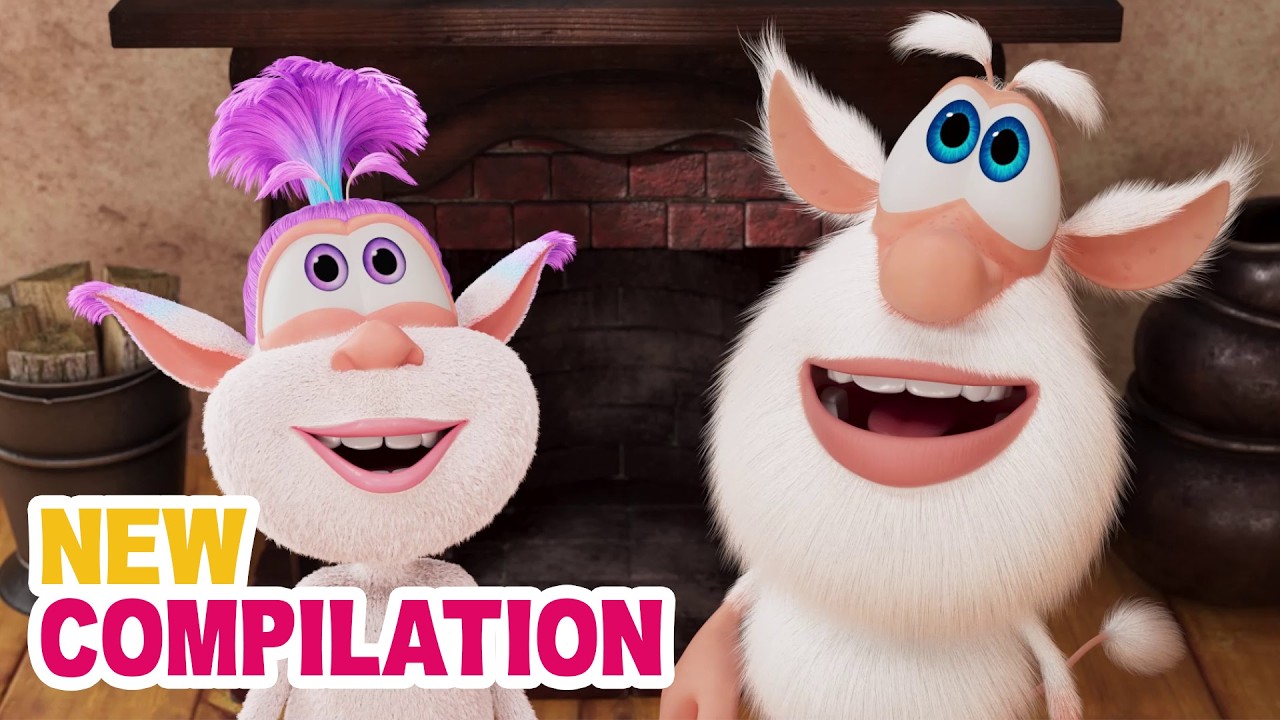
Booba is more than just a funny, playful cartoon character. While children laugh at his antics and enjoy colorful adventures, they also absorb important educational lessons through visual storytelling, problem-solving, and imaginative play. In this article, we explore the educational lessons kids learn from Booba, why parents trust the show, and how it supports early childhood development. 1. Curiosity and Exploration: Booba’s defining trait is his boundless curiosity. He touches, examines, and experiments with everything in his environment—whether it’s a kitchen gadget, a toy, or a new object. Educational Value: Encourages children to ask questions Promotes exploration in safe environments Develops early scientific thinking skills Example: Booba poking at a gadget teaches children to observe cause-and-effect in their surroundings. 2. Problem-Solving Skills: Many Booba episodes feature challenges or funny obstacles. For example, catching a balloon, climbing objects, or figuring out how a toy works. Educational Value: Encourages children to think critically Teaches that trial-and-error is okay Develops logic and reasoning skills Example: Booba trying multiple ways to reach a toy shows kids that persistence and creativity solve problems. 3. Emotional Understanding: Booba’s exaggerated facial expressions and body language make it easy for children to understand emotions, even without dialogue. Educational Value: Improves emotional recognition Teaches empathy by seeing reactions of other characters Encourages healthy expression of feelings Example: When Booba laughs, cries, or shows surprise, children learn to identify similar feelings in themselves and others. 4. Creativity and Imagination: Booba turns everyday objects into playful adventures—turning a cardboard box into a vehicle or a balloon into a toy animal. Educational Value: Promotes creative thinking Stimulates imaginative play Encourages innovative problem-solving Example: Booba’s inventive play inspires kids to use imagination with real-life objects, rather than relying solely on pre-made toys. 5. Cause-and-Effect Learning: Every action Booba takes leads to a reaction—he knocks over objects, pours water, or pops bubbles. Educational Value: Strengthens understanding of cause-and-effect relationships Teaches responsibility for actions Improves predictive thinking Example: Booba spilling water teaches children that actions have outcomes, subtly reinforcing accountability. 6. Social Skills and Cooperation: Although Booba is mostly a solo character, he interacts with secondary characters like Loola, Spike, or Mr. Beak. These interactions teach basic social lessons. Educational Value: Encourages cooperation and teamwork Demonstrates friendly behavior and sharing Introduces positive conflict resolution Example: Booba working around Spike’s mischief shows kids how to adapt and respond to others. 7. Patience and Persistence: Many episodes show Booba attempting a task multiple times, failing, and finally succeeding. Educational Value: Builds resilience Teaches patience and delayed gratification Reinforces learning through repetition Example: Booba repeatedly chasing a balloon teaches children to keep trying without frustration. 8. Observational Skills: Booba often notices small details that lead to fun discoveries or solutions. Educational Value: Enhances attention to detail Encourages mindful observation Boosts problem-solving efficiency Example: Spotting a tool or toy needed to complete a task teaches children to look closely at their environment. 9. Motor Skills Development: Through physical comedy, Booba jumps, slides, climbs, and balances on objects. Educational Value: Improves gross motor skills Encourages coordination and spatial awareness Supports active, healthy play Example: Watching Booba climb or jump motivates children to engage in similar safe movements. 10. Safe Risk-Taking: Booba’s adventures involve minor risks—sliding down a staircase or playing with a bouncing ball—without any real danger. Educational Value: Teaches assessing and taking safe risks Encourages confidence in exploration Prepares children for problem-solving in real-life situations Example: Booba experimenting with new objects encourages children to try new things safely. Why Parents Approve of Booba: Parents trust Booba because: Episodes are non-verbal, safe, and non-violent Humor and chaos are controlled and age-appropriate Lessons are naturally embedded without preaching Supports cognitive, emotional, and social development Final Thoughts: Booba is much more than a funny cartoon—it’s an educational tool disguised as entertainment. Children learn curiosity, problem-solving, emotional awareness, creativity, cause-and-effect, social skills, patience, observation, motor skills, and safe risk-taking—all while laughing and enjoying colorful adventures. For parents and educators, Booba episodes provide a safe, fun, and developmentally valuable viewing experience for children aged 2–7 years.
Help Sogs
Booba Silent Comedy: Why It Works for Every Culture
Booba is a universally loved cartoon character, and one of the biggest reasons for his global popularity is his silent comedy style. Unlike many other shows that rely on dialogue or language-specific jokes, Booba communicates entirely through visual humor, expressions, and playful actions. This unique approach allows children and families from every culture and language background to enjoy the content equally. In this article, we explore why Booba’s silent comedy works so well worldwide, the psychological reasons behind it, and the benefits for kids. 1. Visual Humor is Universal: Silent comedy relies on visual cues, exaggerated gestures, and facial expressions. Booba’s large eyes, open mouth, and dramatic reactions make it instantly clear what he is feeling or doing. Why it works for every culture: No need for language comprehension Humor is instantly understandable Children and adults can laugh together Example: Booba slipping on a toy or reacting to a bouncing ball is funny in any country, regardless of spoken language. 2. Easy for Kids to Follow: Young children, especially ages 2–7, often cannot fully understand dialogue-heavy shows. Booba’s silent comedy is: Simple to follow Engaging through action and movement Fun without requiring reading or listening skills Psychological Impact:Children develop attention, observation, and comprehension skills while enjoying the show. 3. Cross-Cultural Appeal: Booba’s silent comedy removes cultural barriers. There are no jokes that depend on specific language, slang, or cultural references. Why this matters: Children worldwide can enjoy the same humor Parents can introduce Booba to multilingual households Episodes are universally shareable Example: A Japanese child and a Brazilian child can laugh at the same scene, even without translation. 4. Encourages Emotional Understanding: Silent comedy emphasizes emotions through expression, which helps children recognize and understand feelings. Why it’s effective globally: Smiling, laughing, surprise, or frustration is universally recognized Children learn empathy and emotional awareness Language differences do not hinder emotional learning Example: Booba reacting with surprise to a falling object teaches children that unexpected events can be funny and safe. 5. Promotes Imaginative Play: Booba often turns ordinary objects into playful adventures. Silent storytelling encourages children to imagine the story themselves, rather than relying on dialogue. Educational Value: Encourages creativity Develops imagination Kids can invent their own explanations for Booba’s actions Example: A cardboard box becomes a car, spaceship, or hiding place—all interpretable differently by children in different cultures. 6. Humor Without Conflict: Booba’s comedy is always safe, light-hearted, and non-violent. There are no culturally sensitive jokes or language-based misunderstandings. Why this matters: Safe for all children Parents feel comfortable letting kids watch Humor is inclusive and universally enjoyable Example: Booba falling into a pile of pillows or chasing bubbles is funny without being harmful or offensive. 7. Short Episodes Suit Short Attention Spans: Most Booba episodes are short, fast-paced, and action-packed, which suits children with limited attention spans. Global benefit: Engaging for children everywhere No need for long explanations or cultural context Encourages repeated viewing, which reinforces learning Psychological Impact:Short, repetitive episodes help children develop memory and observational skills. 8. Builds Early Cognitive Skills: Silent comedy stimulates problem-solving, pattern recognition, and cause-and-effect learning. Children watch Booba try, fail, and succeed at small challenges. Why it transcends culture: Skills are universal Children learn through action, not words Enhances early cognitive development globally Example: Booba experimenting with a rolling ball teaches persistence and observation in every culture. 9. Multi-Generational Entertainment: Because Booba is silent, adults can enjoy the humor too. Families around the world can watch together without needing translation. Why it works cross-culturally: Promotes shared entertainment Strengthens family bonds Humor is universally appealing Example: Parents laugh along while toddlers are entertained, creating a shared viewing experience. 10. Supports Early Language and Observation: While Booba doesn’t speak, the silent comedy style enhances children’s listening, observation, and storytelling skills. Benefits: Children can describe what they see in their own words Supports language development indirectly Encourages active engagement rather than passive watching Example: A child explaining Booba’s adventure to a friend or parent strengthens communication skills. Final Thoughts: Booba’s silent comedy is more than just entertainment—it’s a universal, cross-cultural tool for learning, creativity, and fun. Children worldwide can enjoy Booba without language barriers while developing curiosity, problem-solving skills, emotional awareness, and imaginative play. The genius of Booba lies in its simplicity: funny, safe, and universally relatable.