Themed Party Favors for Kids: A 2025 Guide to Fun, Simple & Memorable Gifts

Party favors are the final thank-you note, a small token of appreciation for sharing in the celebration. For a party inspired by gentle, curious characters, the best favors aren't just branded trinkets—they're useful, playful, and spark imagination long after the cake is gone. This 2025 guide offers creative, affordable, and low-waste favor ideas that capture a spirit of discovery and fun.


The New Rules for Modern Party Favors :

Move beyond plastic junk. Today's best favors are:

  • Useful or Experiential: Something kids will actually use or enjoy doing.

  • Low-Waste & Thoughtful: Minimal plastic, functional packaging.

  • Interactive: Encourages play, creation, or discovery.

  • Cohesive: Ties into the party theme without being overly commercial.


Category 1: The "Create & Explore" Favor Bag (Ages 3-7) :

Favors that are an activity in themselves.

  • DIY "Curiosity" Play Dough Kit:

    • The Idea: A small jar or clear bag of homemade blue play dough (non-toxic, scented with vanilla if desired). Attach a tag that says, "Shape Something Wonderful!" Include a couple of simple tools like a craft stick and a small cookie cutter in a basic shape (circle, star).

    • Why It Works: It's sensory, creative, and the container becomes part of the play. It aligns perfectly with hands-on, tactile discovery.

  • "Mystery Seed" Planting Pot:

    • The Idea: A small terracotta pot painted a solid, cheerful blue (or wrapped in blue paper). Fill it with soil and bury a mystery seed packet for a fast-growing plant like beans, sunflowers, or basil. Tag: "Watch Curiosity Grow!"

    • Why It Works: It's a living, growing favor that teaches patience and care. The "mystery" element adds excitement.

  • "I Spy" Discovery Bottle:

    • The Idea: A clear plastic bottle filled with rice or sand dyed blue, and a mix of small hidden treasures (a tiny plastic lightbulb, a question mark charm, a button, a bead). Hot glue the lid shut for safety. Attach a laminated list of items to find.

    • Why It Works: It’s a calming, focus-building activity. Kids can shake and search for the hidden items again and again.


Category 2: The "Useful Adventure Gear" Favors (Ages 5-10) :

Items that will be used in everyday play.

  • Personalized "Explorer" Water Bottle Strap:

    • The Idea: A simple, adjustable nylon bottle strap (available in bulk online) customized with a wooden bead painted with two simple dot eyes. It instantly turns any water bottle into a sidekick for adventures.

    • Why It Works: Incredibly practical for school, sports, and outings. The personalization makes it special.

  • "Secret Message" Notepad & Decoder Pen:

    • The Idea: A small, memo-sized notepad with a blue cover. Pair it with a "invisible ink" pen (UV pen that writes in clear ink, requiring the attached UV light to read). Tag: "For Your Top-Secret Discoveries."

    • Why It Works: Combines writing practice with spy-game fun. The interactive element is a huge hit.

  • "Build-Your-Own" Snack Mix & Container:

    • The Idea: A reusable silicone pouch or small metal tin. Set up a snack mix station at the party with blue-tinted popcorn, yogurt-covered pretzels, chocolate chips, and cereal. Let each child fill their own container to take home.

    • Why It Works: Edible, zero-waste, and involves the kids in the favor creation. The container is reusable.


Category 3: The "Imagination & Play" Favors (All Ages) :

Favors that fuel storytelling and pretend play.

  • Storytelling Dice:

    • The Idea: One or two large wooden dice with simple pictures drawn or glued on each face (a key, a door, a treasure chest, a surprised face, a foot, a question mark). Package in a small muslin bag.

    • Why It Works: Encourages creative language and storytelling. A game that can be played alone or with friends.

  • Character "Face" Bean Bag Toss Game:

    • The Idea: A small favor bag containing three homemade bean bags (simple squares of blue fabric filled with rice or beans, sewn shut) and a paper plate with a face drawn on it (two big eyes and a smile). Kids can take it home and play a tossing game.

    • Why It Works: It's an instant game. Promotes active play and motor skills.

  • "Color Your Own" Canvas Pouch:

    • The Idea: A plain, light-colored canvas drawstring pouch. Include a few fabric markers. Kids can decorate their own favor bag at the party or at home, making it a truly personal keepsake.

    • Why It Works: The bag is the favor and the packaging. It’s functional for storing small toys later.


The Presentation: Making it Special :

How you package favors matters just as much as what's inside.

  • Thematic Packaging: Use blue paper bags, boxes, or reusable fabric bags. Tie with a simple white or black ribbon.

  • Simple, Clever Tags: Instead of just the guest's name, use tags with phrases like:

    • "Thanks for exploring with me!"

    • "Stay Curious!"

    • "A small treasure from our adventure."

  • Practical Containers: Let the container be part of the favor (the planting pot, the canvas pouch, the silicone snack bag).


What to Avoid: The Favor Hall of Shame :

  • Single-Use Plastic Toys: They break instantly and become landfill.

  • Candy Overload: A small treat is fine, but don't make sugar the main gift.

  • Overly Commercial Items: Cheap, mass-produced trinkets with no play value.

  • Anything with Small, Loose Parts for Young Kids: Always consider age and choking hazards.


Conclusion: Favors That Feel Like a Gift, Not an Afterthought :

The goal of a modern party favor is to leave a little spark of the party's joy in each guest's hands. By choosing favors that are interactive, useful, or creative, you're giving a gift that respects parents (less clutter!), delights kids (fun to use!), and reflects a thoughtful, playful celebration.

It’s a small way to say thank you for the biggest gift of all—sharing in your child's special day.
Advertisement
Fun Way to Teach Nutrition to Kids
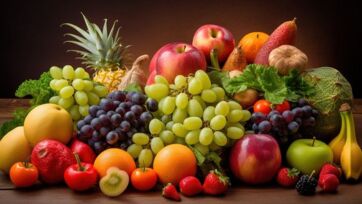
Teaching children about healthy eating can sometimes be a challenge, especially when they prefer sweets, snacks, and fast food. Healthy eating cartoons for kids offer an engaging and fun way to introduce nutritious foods, balanced meals, and good eating habits. By combining colorful animations, catchy songs, and relatable characters, these cartoons make learning about nutrition enjoyable and memorable for preschoolers and young children. ⭐ Why Healthy Eating Cartoons Are Important: Children develop their eating habits early in life. Animated stories and cartoons can effectively: 1. Introduce Nutritional Concepts: Cartoons can explain the importance of fruits, vegetables, grains, dairy, and proteins in a way children can understand. 2. Encourage Positive Eating Habits: Characters who enjoy healthy foods inspire children to try new fruits, vegetables, and balanced meals. 3. Build Awareness About Junk Food: Through stories, kids can see the negative effects of excessive sugar, fast food, and unhealthy snacks without feeling scared or forced. 4. Make Learning Fun: Bright visuals, fun music, and playful storylines capture attention and help children retain information better. ⭐ Popular Themes in Healthy Eating Cartoons: 1. Fruit and Vegetable Adventures: Characters explore gardens or farms, picking colorful fruits and vegetables, teaching children to recognize and enjoy healthy foods. 2. Balanced Plate Stories: Cartoons show animated meals with all food groups, helping kids understand how to create a balanced diet. 3. Fun Cooking Shows: Animated chefs or children cook simple healthy recipes, encouraging kids to participate and learn basic kitchen skills. 4. Superhero Nutrition: Superheroes gain energy and strength from healthy foods, motivating children to choose nutritious options over junk food. 5. Interactive Songs and Rhymes: Songs about eating fruits, drinking milk, or trying vegetables reinforce learning through repetition and fun. ⭐ Educational Benefits of Healthy Eating Cartoons: 1. Teaches Nutrition Naturally: Children learn which foods are healthy, why they are important, and how to eat them in a balanced way. 2. Encourages Healthy Habits: By seeing favorite characters eat well, children are more likely to try new foods and develop lifelong healthy habits. 3. Improves Cognitive Skills: Interactive cartoons that ask children to count fruits, identify colors, or sort foods also strengthen early math and cognitive skills. 4. Supports Emotional Learning: Characters who feel happy, energetic, or strong after eating healthy foods teach children to connect nutrition with positive feelings. 5. Promotes Family Involvement: Parents can watch cartoons with children and encourage healthy meals together, making learning a shared and enjoyable experience. ⭐ Tips for Parents to Make the Most of Healthy Eating Cartoons: ✔ 1. Watch Together: Discuss the foods characters eat and encourage children to try similar options in real life. ✔ 2. Connect to Real Meals: Reinforce cartoon lessons by preparing fruits, vegetables, and balanced meals with children. ✔ 3. Encourage Fun Challenges: Turn healthy eating into a game, like tasting a new fruit each day, inspired by cartoon stories. ✔ 4. Keep Screen Time Moderate: Even educational content should be limited. 20–30 minutes per day is ideal for preschool children. ✔ 5. Ask Questions: After watching, ask questions like: “Which fruits did the character eat?” or “Why is it good to eat vegetables?” to reinforce learning. ⭐ Conclusion: Healthy eating cartoons for kids are a powerful tool to teach nutrition, balanced diets, and positive food habits in a fun and engaging way. Through colorful animations, interactive songs, and relatable characters, children learn the value of fruits, vegetables, proteins, and other essential foods. By integrating these cartoons into daily routines, parents can encourage children to make healthier choices, understand the importance of nutrition, and develop lifelong habits. With bright visuals, entertaining storylines, and valuable lessons, healthy eating cartoons make learning about food fun, memorable, and enjoyable for every child.
Best Educational Cartoons for Kids in 2025
A Complete Guide for Parents As digital learning continues to evolve, parents are becoming more selective about the content their children watch. In 2025, the demand for high-quality educational cartoons for kids has reached an all-time high. Families now want animated series that combine entertainment with learning—covering language development, moral lessons, science, early mathematics, and emotional intelligence. This guide explores the best educational cartoons for kids in 2025, why they are trending, and how they support mental, emotional, and cognitive growth. If you’re searching for valuable learning content for your child, this article will help you make informed choices. Why Educational Cartoons Matter in 2025: Today’s children learn differently. Early exposure to screens means they absorb information faster through visuals, colors, and characters. Educational cartoons create an immersive learning environment where kids learn naturally while having fun. Key benefits include: Enhanced vocabulary and language skills Improved problem-solving and analytical thinking Better understanding of numbers, shapes, sounds, and colors Stronger emotional intelligence and social behavior Increased creativity and imagination Safe entertainment without harmful messaging The best part? Children perceive these cartoons as fun, not study—making learning effortless. Top 10 Educational Cartoons for Kids in 2025: 1. Booba Educational Adventures (2025 Edition) Booba remains a favorite among toddlers for his curiosity-driven adventures. The series introduces children to new environments, safety rules, and basic science concepts. Why it’s trending: Non-verbal learning suitable for all languages Encourages observation and critical thinking Kids learn by watching Booba explore real-world situations Perfect for toddlers and preschoolers 2. Super Simple Learning World Ideal for early English learners, this series uses colorful animations, easy rhymes, and step-by-step learning. Focus areas: Alphabet A–Z Numbers, counting, and shapes Opposites, colors, and phonics Simple manners and good habits Its soft music and gentle pacing make it perfect for toddlers and preschoolers. 3. Dino Learners: The Smart Adventures Dino-themed learning adventures combine science, history, and teamwork for children aged 4–10. Learning benefits: Boosts curiosity about dinosaurs and prehistoric life Teaches teamwork and problem-solving Introduces basic geography and animal behavior 4. Little Genius World Designed to stimulate mental growth, this 2025 series engages kids with puzzles, mini-games, and creative challenges. Key themes: Memory-building activities Logical reasoning and early math Creative drawing and imagination Shape recognition and pattern analysis 5. Alphabet Town Adventures Perfect for toddlers learning ABCs, this series strengthens early reading skills. Why parents choose it: Correct pronunciation of English words Vocabulary-building through animated stories Engaging visuals keep kids motivated 6. The Kindness Club Emotional intelligence (EQ) is a key focus of this series, which teaches morals and social skills gently and entertainingly. Lesson themes: Sharing and caring Respect and honesty Friendship and empathy Managing feelings 7. Space Explorers Jr. This space-themed cartoon sparks curiosity about planets, stars, and the cosmos. Learning highlights: Names of planets and their characteristics Basics of space travel Stars, moons, and galaxies explained simply 8. Momo’s Math World One of the most fun math learning series of 2025, turning numbers and problem-solving into an adventure. Focus areas: Numbers and counting Addition and subtraction Shapes and measurements Early problem-solving 9. Healthy Habits with Zoya Health education meets fun! Zoya encourages children to adopt healthy daily habits. Topics include: Eating nutritious food Brushing teeth properly Sleeping on time Simple exercises Keeping surroundings clean 10. The Creative Arts Studio Creativity-focused learning helps children explore art, music, dance, and crafts. Benefits: Improves hand–eye coordination Boosts artistic confidence Encourages emotional expression How to Choose the Right Educational Cartoon Before selecting a cartoon, consider: Age-appropriate content – Avoid shows that are too simple or too advanced. Positive messaging – Ensure lessons about kindness, honesty, and safety. Pacing – Slow, clear visuals prevent overstimulation. Interactive elements – Songs, repetition, and simple tasks enhance learning. Language clarity – Dialogue should be child-friendly and easy to understand. Choosing the right cartoon can significantly improve your child’s early development and learning speed. Final Thoughts In 2025, educational cartoons are more than entertainment—they’re powerful learning tools that nurture language skills, emotional intelligence, creativity, and problem-solving. Whether your child enjoys science, language, adventure, or moral stories, these top 10 series offer safe, engaging, and educational experiences. Start your child’s learning adventure today by exploring these cartoons on trusted platforms like YouTube or dedicated educational websites such as boobacartoon.com.
Is This Playful Animated Character Good for Child Development?
Animated characters and funny silent cartoons have captured the attention of children worldwide. Parents often wonder whether watching these shows is beneficial for child development. The playful and curious behavior of these characters, combined with visual humor, makes them highly engaging for young audiences. In this guide, we explore the educational, social, and cognitive benefits of watching playful animated characters and how they can be integrated into learning and play for children aged 3–8. Why Children Love Playful Animated Characters: Visual Humor: Exaggerated facial expressions and slapstick comedy attract young children. Curiosity & Exploration: Characters are often curious, exploring their surroundings, encouraging children to explore and ask questions. Silent Storytelling: The absence of complex dialogue helps children understand emotions, expressions, and actions. Relatable Playfulness: Funny mishaps and silly antics resonate with kids’ everyday experiences. Cognitive Benefits: Problem-Solving: Watching characters overcome challenges can inspire children to think critically. Observation Skills: Children learn to notice subtle details, like expressions or changes in the environment. Memory & Sequencing: Following storylines improves short-term memory and logical sequencing. Tip for Parents: Encourage your child to retell the story in their own words, boosting comprehension and language skills. Social & Emotional Development: Empathy: Understanding how characters feel in different situations helps children develop empathy and emotional intelligence. Conflict Resolution: Funny mishaps often resolve peacefully, modeling problem-solving and patience. Cooperation & Sharing: Characters often interact with friends, subtly teaching teamwork and cooperation. Creativity & Imaginative Play: Children often imitate the character’s actions, promoting imaginative role-play. Crafting, drawing, or creating stories inspired by these characters enhances creativity and fine motor skills. Parents can integrate hands-on activities like drawing, coloring, or simple DIY crafts. Screen Time Guidelines for Parents: Age-Appropriate Viewing: Select shows suitable for preschoolers or early elementary children. Moderation: Limit screen time to 20–40 minutes at a time for younger children. Active Engagement: Encourage discussions, role-play, or drawing after watching episodes. Balanced Activities: Combine screen time with physical play, reading, and social interaction. How to Make Viewing Educational: Story Retelling: Ask children to narrate what happened in their own words. Character Analysis: Discuss emotions, actions, and problem-solving methods of characters. Activity Integration: Turn episodes into craft or drawing sessions inspired by the story. Learning Connections: Highlight letters, numbers, colors, or shapes seen during the episode. Final Thoughts: Playful animated characters and funny silent cartoons can be beneficial for child development when used responsibly. They support cognitive, social, emotional, and creative growth while providing entertainment. By actively engaging with children during or after viewing, parents can maximize the learning and developmental benefits.
Booba-Themed Birthday Party Ideas
Planning a birthday party for young kids can be exciting but also challenging. If your child loves Booba, a Booba-themed birthday party is a perfect way to combine fun, creativity, and learning. From decorations and games to food and party favors, Booba-inspired ideas make every child feel like they are in a playful adventure. In this guide, we provide fun, safe, and creative Booba-themed birthday party ideas for children aged 3–7. 1. Invitations Inspired by Booba: Start the party excitement with creative invitations: Use Booba images or templates Bright, playful colors like neon pink, blue, or yellow Include fun phrases like “Join Booba’s Adventure Party!” Educational Tip: Children can help color or decorate invitations, practicing fine motor skills and creativity. 2. Booba Decorations: Decorations set the tone for the party: Balloons, banners, and streamers in Booba’s signature colors Tablecloths, plates, and cups featuring Booba or playful motifs DIY cardboard props like Booba’s favorite objects: toys, balloons, pillows Fun Tip: Use confetti and colorful props to create a playful, chaotic Booba environment. 3. Booba-Themed Cake: The cake is always a party centerpiece: Booba-shaped cake or cupcakes decorated with Booba faces Bright colors with fun edible props like balloons or stars Optionally, make cupcakes with mini Booba toppers Educational Tip: Let kids help decorate cupcakes for hands-on creativity and color recognition. 4. Booba-Inspired Games: Bring Booba’s playful adventures to life with games: Balloon Chase Adventure – Kids chase colorful balloons, mimicking Booba. Obstacle Course – Pillows, cushions, and toys create a mini adventure. Treasure Hunt – Hide toys or candy around the room. Booba Freeze Dance – Dance like Booba, freeze when music stops. DIY Booba Masks – Craft activity where kids make and wear Booba masks. Educational Value: These games boost motor skills, creativity, and teamwork. 5. Themed Party Favors: Party favors make kids excited and extend the fun: Mini Booba toys or figurines Coloring pages and crayons DIY mask kits or stickers Booba-themed goodie bags with bright colors Fun Tip: Encourage kids to take their DIY masks or colored pages home to practice creativity. 6. Booba Photo Booth: Set up a small photo booth with props: Booba masks, plush toys, balloons Bright backgrounds with Booba-themed decorations Kids can pose and act out Booba’s adventures Educational Value: Encourages imaginative play and storytelling. 7. Party Music and Dance: Booba’s silent comedy is full of physical comedy and action: Play fun, upbeat music for dancing Encourage kids to mimic Booba’s movements Include games like “Booba Says” for fun movement-based interaction Educational Tip: Enhances gross motor skills, rhythm, and coordination. 8. Booba Snack Ideas: Keep snacks fun, colorful, and thematic: Mini sandwiches cut into fun shapes Colorful fruit skewers Cupcakes or cookies decorated like Booba’s face Healthy snacks disguised as playful treats Educational Tip: Discuss colors, shapes, and healthy eating while serving snacks. 9. Craft Corner: Provide a creative area for kids: Coloring Booba pages DIY Booba masks Sticker decorating stations Playdough modeling of Booba characters Educational Value: Encourages fine motor skills, creativity, and focus. 10. Ending the Party: Conclude with a memorable touch: Booba-themed thank-you notes Photo mementos Small Booba figurines or toys as keepsakes This makes the party interactive, fun, and educational. Final Thoughts: A Booba-themed birthday party combines fun, creativity, and learning. With bright decorations, playful games, themed food, and DIY crafts, children enjoy a safe and exciting adventure that mirrors Booba’s animated world. Parents and educators can use these ideas to host memorable, engaging, and educational celebrations for kids aged 3–7.
Best YouTube Channels for Toddlers
YouTube has become a popular platform for young children, offering fun, educational, and engaging videos. However, parents must ensure that toddlers watch age-appropriate content that promotes learning, creativity, and safe screen time. This guide highlights the best YouTube channels for toddlers, suitable for ages 1–4, and offers tips for parents to make the experience both fun and safe. Why Choosing the Right Channel Matters: Safety First: Toddlers can accidentally access inappropriate content. Educational Value: High-quality channels teach numbers, colors, letters, and basic life skills. Entertainment with Learning: Bright visuals, songs, and playful characters keep toddlers engaged while learning. Interactive Experience: Encourages singing, dancing, and role-playing, enhancing physical and cognitive development. Top YouTube Channels for Toddlers: 1. Tiny Tunes World Focuses on songs, nursery rhymes, and interactive storytelling. Helps toddlers learn language, rhythm, and coordination. 2. Little Learners Club Engaging videos on colors, shapes, numbers, and basic concepts. Short episodes perfect for toddlers’ attention span. 3. Happy Critters TV Fun animated characters teach sharing, friendship, and emotional awareness. Combines humor with social and emotional learning. 4. Giggle Garden Outdoor adventures with toddlers-friendly characters. Encourages exploration, observation, and nature awareness. 5. Playful Pals Features playful characters in creative scenarios. Promotes imagination, role-playing, and problem-solving skills. 6. Fuzzy Friends Fun Short, funny clips designed to entertain and educate. Teaches basic cognitive and social skills while keeping toddlers engaged. Tips for Parents Using YouTube for Toddlers: Enable YouTube Kids: Provides safe, curated content suitable for toddlers. Set Screen Time Limits: Limit to 30–60 minutes per day for this age group. Co-View and Interact: Watch together to encourage singing, dancing, and discussion. Pre-Select Content: Choose videos aligned with learning goals and age-appropriateness. Encourage Offline Play: Balance screen time with reading, crafts, and outdoor activities. Benefits of the Right YouTube Channels: Cognitive Development: Enhances memory, language, and problem-solving skills. Social-Emotional Skills: Teaches sharing, empathy, and cooperation through character interactions. Creativity: Inspires drawing, crafts, and imaginative play. Fun Learning: Makes education engaging and enjoyable for toddlers. Safe Entertainment: Provides a controlled environment for screen exposure. Final Thoughts: Choosing the best YouTube channels for toddlers ensures that screen time is educational, entertaining, and safe. Parents can enhance the experience by watching together, engaging in activities, and setting clear limits, creating a balanced, fun, and enriching digital experience for young children.
Dinosaur Stories for Children
Dinosaurs have fascinated children for generations with their enormous size, mysterious history, and exciting adventures. Dinosaur stories for children bring these prehistoric creatures to life through colorful cartoons, friendly characters, and imaginative storytelling. These stories are not only entertaining but also educational, teaching children about science, history, teamwork, and problem-solving. In this article, we explore why dinosaur cartoons are so popular, their educational benefits, and how parents can use them to encourage learning and creativity. ⭐ Why Dinosaur Stories Are Popular with Kids: 1. Fascination with Prehistoric Creatures: Children are naturally curious about dinosaurs. Cartoons give them a safe and fun way to explore these creatures and their world. 2. Imaginative Storytelling: Dinosaur cartoons combine fantasy, adventure, and humor, making stories engaging and memorable. 3. Relatable Characters: Friendly dinosaur characters help children relate to lessons about friendship, courage, and kindness. 4. Visual and Audio Learning: Bright animations and fun sounds keep children engaged while helping them retain information about dinosaurs and prehistoric life. 5. Safe Learning: Animated stories allow children to learn about large, potentially scary creatures in a safe, entertaining environment. ⭐ Popular Themes in Dinosaur Stories: 1. Adventures in Prehistoric Times: Stories often follow dinosaurs exploring jungles, volcanoes, and rivers, teaching children about different environments. 2. Friendship and Teamwork: Cartoons focus on dinosaurs helping each other, sharing, and solving problems, reinforcing social and moral lessons. 3. Science and History: Some stories introduce facts about dinosaur species, fossils, and their behavior in a fun and age-appropriate way. 4. Problem-Solving and Creativity: Characters face challenges, encouraging children to think creatively and learn problem-solving skills. 5. Fun and Humor: Animated dinosaurs often have funny traits or adventures, keeping children entertained while learning. ⭐ Educational Benefits of Dinosaur Stories: 1. Develops Curiosity: Children learn about prehistoric life, evolution, and the natural world, fostering a love for science. 2. Builds Vocabulary: Cartoons introduce terms like “Tyrannosaurus,” “Triceratops,” “volcano,” and “fossil” in a fun, understandable way. 3. Encourages Moral Values: Stories about helping friends, sharing, and bravery instill positive social and emotional values. 4. Enhances Cognitive Skills: Following storylines, remembering character names, and understanding plots improve memory and critical thinking. 5. Stimulates Imagination: Children create their own dinosaur worlds, adventures, and stories, boosting creativity and imaginative play. ⭐ Tips for Parents to Make the Most of Dinosaur Cartoons: ✔ 1. Watch Together: Discuss dinosaur names, behaviors, and adventures to reinforce learning. ✔ 2. Encourage Drawing and Crafts: Let children draw dinosaurs, create models, or make prehistoric scenes inspired by the cartoons. ✔ 3. Ask Questions: Questions like “What would you do if you were a dinosaur?” help children think creatively and engage with the story. ✔ 4. Reinforce Facts: Introduce simple facts about dinosaurs to combine fun and education effectively. ✔ 5. Limit Screen Time: Keep episodes short and interactive, ideally 20–30 minutes, to balance entertainment and other learning activities. ⭐ Conclusion: Dinosaur stories for children are a fantastic way to combine entertainment, imagination, and education. Through vibrant animations, adventurous storytelling, and friendly dinosaur characters, children learn about prehistoric life, moral values, problem-solving, and creativity. Parents and educators can use these cartoons to foster curiosity, develop cognitive and social skills, and inspire children to explore science and history. Dinosaur cartoons make learning about the past fun and memorable, creating a love for stories, knowledge, and imaginative play that lasts a lifetime.
Teaching Good Habits With Cartoon
Learn Good Habits with Cartoon in 2025 Teaching children good habits is a critical part of early education. In 2025, animated cartoon stories have become one of the most effective ways to help kids learn positive behaviors such as hygiene, healthy eating, time management, and kindness. By combining entertaining storytelling with visual learning, cartoons turn everyday lessons into memorable and enjoyable experiences for children. This guide explores the benefits of cartoon stories for teaching good habits, highlights top series for kids, and provides tips for parents to make learning effective and fun. Why Teaching Good Habits Through Cartoons Matters: Toddlers and preschoolers are highly receptive to visual and auditory learning. Animated cartoons can model behavior, making lessons relatable and easier to understand. Key benefits of cartoon stories for good habits: Promotes healthy routines: Brushing teeth, washing hands, eating nutritious foods. Encourages social skills: Sharing, politeness, and teamwork. Supports emotional development: Managing feelings, patience, and empathy. Reinforces learning through repetition: Characters act out habits consistently. Safe and engaging: Fun storytelling avoids fear or negative messaging. By seeing their favorite characters practice good habits, children are more likely to imitate positive behaviors in real life. Top Good Habits Taught Through Cartoons: Cartoon stories can cover a wide range of practical and social skills, including: Personal Hygiene Brushing teeth, washing hands, bathing regularly. Cleaning up after meals and playtime. Using visuals and songs to make routines fun. Healthy Eating Encouraging fruits, vegetables, and balanced meals. Teaching children to avoid excessive sweets. Showing animated characters enjoying healthy food. Time Management & Routine Waking up, going to bed on time, and completing tasks. Practicing organization and responsibility. Kindness and Social Skills Sharing toys, saying “please” and “thank you.” Helping friends, siblings, and pets. Managing emotions like anger or jealousy. Environmental Awareness Keeping surroundings clean and organized. Caring for plants, animals, and nature. Top Cartoon Series Teaching Good Habits in 2025: 1. Healthy Habits with Zoya: One of the most popular series in 2025, Zoya teaches children personal hygiene, exercise, and nutrition in a fun and interactive way. Highlights: Cheerful character engaging toddlers in daily routines. Songs and repetitive actions to reinforce learning. Suitable for ages 3–7. 2. Booba Educational Adventures: Booba’s curious adventures now include lessons on good manners, sharing, and safety. Benefits: Non-verbal storytelling, making it accessible to all children. Encourages observation and imitative learning. Perfect for toddlers and preschoolers. 3. Super Simple Learning World: Habits Edition: This series combines songs, animations, and storytelling to teach healthy and social habits. Learning focus: Daily routines like brushing, washing, and tidying up. Encourages cooperation and sharing among peers. Uses colorful visuals to maintain attention. 4. Little Hero Adventures: Life Lessons: Animated mini-stories where characters practice responsibility and kindness in everyday situations. Key themes: Encourages empathy, patience, and helping others. Problem-solving and decision-making modeled by characters. Short, engaging episodes suitable for young children. 5. The Kindness Club: Good Habits Edition: This series blends emotional intelligence with habit learning, teaching children to manage feelings and interact politely. Benefits: Builds empathy and emotional awareness. Reinforces positive behaviors through storytelling. Suitable for toddlers and early school-age children. How to Make Cartoon Learning About Habits Effective: Parents can take several steps to ensure children internalize good habits from cartoon stories: Watch together: Parents can discuss lessons and model behaviors. Repeat favorite episodes: Repetition strengthens memory and understanding. Practice in real life: Encourage children to apply habits seen in cartoons. Ask questions: “Why do you think Zoya washes her hands?” fosters critical thinking. Mix with offline activities: Drawing charts, creating routines, and role-playing. Keep screen time balanced: Short, focused sessions are most effective for toddlers. Recommended Cartoon Stories for Teaching Good Habits: Here’s a curated list of top animated series for 2025: Healthy Habits with Zoya – Hygiene, exercise, and nutrition Booba Educational Adventures – Manners, sharing, and safety Super Simple Learning World: Habits Edition – Daily routines and cooperation Little Hero Adventures: Life Lessons – Responsibility and empathy The Kindness Club: Good Habits Edition – Emotional intelligence and social skills These cartoons make learning habits fun, visual, and memorable, helping toddlers adopt positive routines naturally. Final Thoughts: Teaching good habits through animated stories is a powerful method for early childhood development. In 2025, these cartoons combine entertainment, repetition, and interactive visuals to instill essential life skills in toddlers and preschoolers. Parents can enhance learning by: Watching alongside children Discussing lessons and asking questions Reinforcing habits in daily routines With the right series, screen time becomes an educational adventure, helping children develop hygiene, healthy eating, social skills, and emotional intelligence—all while having fun. Tip for Parents: Encourage children to act out habits from cartoons, like brushing teeth or sharing toys. This strengthens understanding and makes learning active rather than passive.
Healthy Balance Between Cartoons & Outdoor Play
In the modern childhood ecosystem, animated worlds and the natural world both offer vital forms of enrichment. The key to healthy development isn't choosing one over the other, but skillfully weaving them together. This 2026 guide provides a practical, positive framework for creating a balanced "play diet" where screen stories and muddy knees complement each other, fostering a child who is both digitally savvy and physically vibrant. The Synergy Principle: Two Halves of a Whole : Understand that cartoons and outdoor play develop different, but complementary, skill sets: Quality Cartoons (like those on boobacartoon.com) can: Spark imagination, model social-emotional skills, introduce new concepts and vocabulary, and provide cultural touchstones. Unstructured Outdoor Play (inspired by kidtoys.site) develops: Gross motor skills, risk assessment, connection to the natural world, sensory integration, and independent problem-solving. The goal is cross-pollination—letting inspiration from one fuel creativity in the other. Rule #1: Sequence Matters – "Outside First, Screens After" : Leverage natural motivation. The pull of screens is strong; use it as a reward for, or a cooldown after, physical activity. The Non-Negotiable Morning Rule: No screens before going outside (or to school). Morning light regulates circadian rhythms and boosts mood for the day. The Afternoon Protocol: "Backpack down, shoes on." Institute a routine where the first chunk of time after school/homework is dedicated to outdoor or physical play. Screen time becomes the later, relaxing option. The Weekend Framework: "Adventure first, movie later." Plan a family hike, park visit, or backyard project in the morning or early afternoon, with a special cartoon or movie as a shared evening treat. Rule #2: Create Explicit Links – "Bring the Screen Outside" : Actively bridge the two worlds to break the false dichotomy. Theme Your Adventures: After watching a show about explorers, go on a "mission" to map the backyard. After a cartoon about bugs, go on a magnifying-glass expedition to find real ones. Outdoor Storytelling: Use action figures or toys outside to act out new episodes of their favorite show, encouraging them to invent original outdoor-based plots. "Be the Cartoon" Game: Play a game where you all physically act out the events of a cartoon episode—running like the characters, hiding like them, solving a physical puzzle they faced. Rule #3: Curate for Inspiration, Not Just Passivity : The type of screen content directly influences the desire for active play. Choose Pro-Social & Active Cartoons: Select shows where characters solve problems, work as a team, go on adventures, and are curious about the world. This subconsciously primes active, engaged behavior. Implement the "Now Do It" Rule: After watching a short, inspiring segment (e.g., characters building a fort, having a dance party, identifying clouds), immediately pause and say, "Cool! Let's go try that!" This turns passive viewing into an active launchpad. Use Screens as a Creative Tool: Instead of only watching, use a tablet outside to photograph nature, film a homemade "documentary," or follow a video tutorial for an outdoor craft project. Rule #4: Design an Irresistible Outdoor Environment : Make the outdoors as engaging and accessible as the digital world. Stock an "Outdoor Kit": Keep a bin by the door filled with "adventure gear": a magnifying glass, binoculars, sidewalk chalk, bubbles, a small shovel, a ball, and durable toys from kidtoys.site designed for sand, dirt, and water. Embrace "Boring" Time: Allow for stretches of unstructured time in the yard or park. It is from the "I'm bored" moment that the most creative, child-directed outdoor play emerges. Get Involved Yourself: Your participation is the ultimate upgrade. Kick a ball, draw with chalk, point out clouds, or just sit and read on a blanket. Your presence validates the outdoor space as valuable. Rule #5: Implement the "1:1 Ratio" Guideline (Time or Theme) : Establish a clear, fair balance that children can understand. The Time-Based Ratio: For every 30 minutes of recreational screen time, aim for 30 minutes of outdoor/physical play. Use visual timers for both to make it tangible. The Thematic Ratio: If screen time is consumptive (watching), ensure the next activity is creative or active (building, drawing, running). If they play a digital game, follow it with an analog game. Rule #6: Reframe the Narrative Around Both Activities : The language you use shapes their perceived value. Talk About Outdoor Play with Enthusiasm: "I can't wait to get some sunshine and fresh air!" or "Let's go recharge our brains outside!" Talk About Screen Time with Purpose: "Let's watch an episode to get ideas for our fort," or "It's time to relax with our favorite characters." Never Use Screens as a Pacifier or Reward/Punishment: This artificially elevates their value. Instead, frame both screen time and outdoor time as regular, valuable parts of a healthy day. The Role of Parental Modeling : You cannot coach from the couch. Your habits set the standard. Be Seen Playing Outside: Garden, read in a hammock, practice yoga on the lawn. Show that outdoors isn't just for kids. Be Intentional with Your Own Screens: Practice what you preach. Have phone-free outdoor time. Say out loud, "I'm putting my phone away so I can fully enjoy being outside with you." Conclusion: Cultivating a Hybrid Childhood : The healthiest childhood is a hybrid one. It respects the digital storytelling that is part of our world while fiercely protecting the irreplaceable, sensory-rich experiences of the physical world. By implementing sequenced routines, creating direct links between content and activity, and modeling enthusiasm for both, you teach your child to self-regulate and appreciate the unique gifts of both domains. Supported by the inspiring stories from boobacartoon.com and the open-ended play prompts from kidtoys.site, you’re not just managing time—you’re cultivating a child who can find wonder in a pixelated galaxy and the dirt beneath their feet.