Booba Crafts for Preschoolers

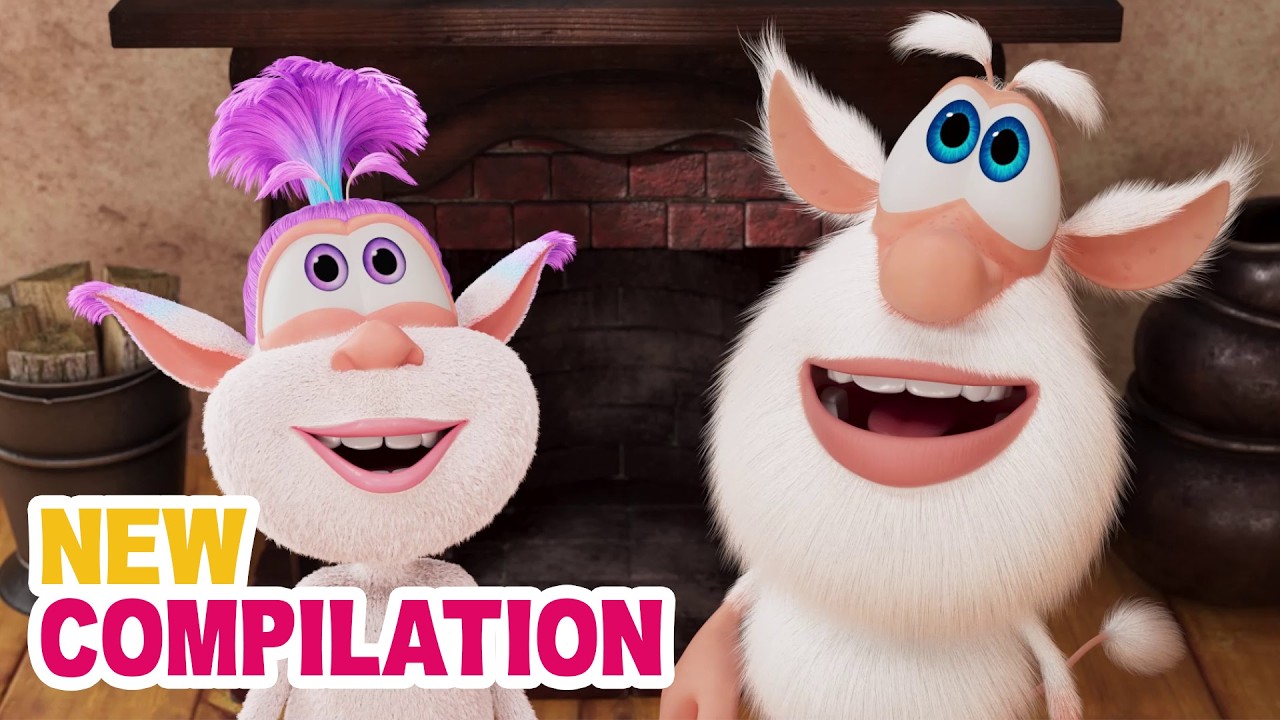
Booba is a playful, curious, and visually engaging character that sparks creativity and imagination in young children. For preschoolers, crafting activities inspired by Booba are not only fun but also educational, promoting fine motor skills, creativity, and problem-solving.

In this guide, we explore easy and engaging Booba crafts for preschoolers, designed for children aged 3–5, suitable for home, preschool classrooms, or daycare centers.


Why Booba Crafts Are Perfect for Preschoolers:

  1. Visual Engagement: Booba’s expressive eyes, fluffy body, and exaggerated actions captivate young children.

  2. Simple Designs: Easy shapes and bold outlines are ideal for preschool-level crafts.

  3. Hands-On Learning: Cutting, gluing, and coloring enhance fine motor development.

  4. Imaginative Play: Crafting Booba characters allows role-play and storytelling.


Top Booba Craft Ideas for Preschoolers:

1. Booba Paper Mask

  • Materials: Printable Booba template, cardstock, crayons, child-safe scissors, elastic string

  • Activity: Color, cut, and assemble a Booba mask

  • Learning: Enhances motor skills, creativity, and role-play


2. Booba Hand Puppets

  • Materials: Paper bags, markers, glue, colored paper

  • Activity: Decorate bags to create Booba puppets

  • Learning: Encourages storytelling, imaginative play, and social interaction


3. Booba Coloring Sheets

  • Materials: Printable coloring pages, crayons, colored pencils

  • Activity: Color Booba in different scenes

  • Learning: Improves hand-eye coordination, color recognition, and focus


4. Booba Balloon Art

  • Materials: Balloons, markers, colored paper

  • Activity: Draw Booba faces on balloons

  • Learning: Enhances creativity and visual expression


5. Booba Paper Plate Craft

  • Materials: Paper plates, glue, colored paper, crayons

  • Activity: Make Booba’s face on a plate

  • Learning: Teaches shapes, textures, and spatial awareness


6. Booba Collage

  • Materials: Scrap paper, magazines, glue, markers

  • Activity: Cut and paste shapes to recreate Booba’s adventures

  • Learning: Boosts creativity, observation, and fine motor skills


7. Booba Finger Puppets

  • Materials: Felt, glue, markers

  • Activity: Create small Booba finger puppets for storytelling

  • Learning: Encourages role-playing, storytelling, and hand dexterity


8. Booba Origami

  • Materials: Colored paper

  • Activity: Fold paper to make Booba or related objects

  • Learning: Enhances spatial reasoning, sequencing, and fine motor skills


9. Booba Craft Stick Characters

  • Materials: Popsicle sticks, markers, glue, colored paper

  • Activity: Make Booba and friends on sticks for imaginative play

  • Learning: Promotes creative thinking and storytelling


10. Booba Sensory Bottles

  • Materials: Clear plastic bottles, glitter, small Booba figures, water

  • Activity: Fill bottles with water and decorations for visual play

  • Learning: Encourages focus, sensory exploration, and calm play


Educational Benefits of Booba Crafts:

  • Fine Motor Skills: Cutting, coloring, and gluing improve hand strength and coordination.

  • Creativity & Imagination: Children interpret Booba’s adventures in their own way.

  • Cognitive Development: Planning craft steps encourages problem-solving and sequencing.

  • Social Skills: Craft activities in groups teach sharing, cooperation, and communication.

  • Emotional Expression: Recreating Booba’s expressions helps children explore feelings.


Tips for Parents and Educators:

  • Supervise cutting and gluing activities for safety.

  • Encourage children to narrate stories while crafting.

  • Rotate crafts for variety: masks, puppets, and coloring activities.

  • Display finished crafts to boost confidence and motivation.

  • Use Booba episodes as inspiration to connect crafts with storytelling.


Final Thoughts:

Booba crafts are a perfect combination of fun and education for preschoolers. Through hands-on activities like masks, puppets, coloring, and collages, children develop fine motor skills, creativity, imagination, and social abilities. Integrating Booba-inspired crafts into playtime or preschool activities ensures that learning and fun happen simultaneously.
Advertisement
Best Animal Cartoons for Kids in 2025
How Kids Can Learn with Fun Animal cartoons have always captured children’s imagination. In 2025, they are not just entertaining—they have become powerful learning tools. By combining colorful animation, fun characters, and educational storytelling, animal cartoons help toddlers and preschoolers learn about nature, animals, social skills, and essential life concepts. This guide explores the benefits of animal cartoons for kids, highlights top series in 2025, and provides tips for parents to make the most of these engaging learning resources. Why Animal Cartoons Are Great for Learning: Children naturally love animals, making them ideal learning companions. Animal cartoons provide a safe and playful way for children to: Learn about different animals: Names, habitats, diets, and behaviors. Develop empathy and social skills: Understanding feelings and actions of characters. Introduce science and nature concepts: Ecosystems, seasons, and environmental awareness. Enhance language skills: Vocabulary, pronunciation, and storytelling. Encourage problem-solving and teamwork: Characters often work together to overcome challenges. Animated animals turn learning into interactive and memorable experiences, keeping children engaged for longer periods. Types of Educational Animal Cartoons: 1. Animal Adventure Series: These cartoons follow animal characters on adventures, exploring forests, oceans, and jungles. They teach habitat, geography, and problem-solving skills. 2. Animal ABC and Counting Series: Animated animals introduce letters, numbers, and basic math concepts. Examples include counting fish, identifying animal names by letters, or sorting shapes. 3. Moral and Social Lessons Through Animals: Animals are often used to teach values and life skills. Stories about sharing, kindness, honesty, and cooperation resonate well with children. 4. Science and Nature Series: Some animal cartoons focus on biology, ecosystems, and wildlife conservation. They introduce kids to environmental awareness in a fun, digestible way. Top Animal Cartoons for Kids Learning in 2025: 1. Dino Learners: Smart Adventures: A dinosaur-themed series that combines fun with science learning. Learning benefits: Basic paleontology and dinosaur facts Problem-solving and teamwork Introduction to geography and prehistoric life Recommended age: 4–10 years 2. Booba’s Animal Adventures: Booba explores animal habitats and interactions in playful, curiosity-driven episodes. Highlights: Non-verbal storytelling suitable for all languages Encourages observation and critical thinking Perfect for toddlers and preschoolers 3. Animal ABCs with Friends: This series introduces letters and vocabulary using animal characters. Key learning areas: Alphabet recognition Vocabulary building Pronunciation practice Fun songs and rhymes 4. Little Wild Explorers: Animated mini-stories where animal friends learn life lessons, teamwork, and emotional skills. Themes include: Cooperation and friendship Problem-solving in small adventures Emotional intelligence and empathy 5. Forest Fun with Friends: A series focusing on habitat learning, nature awareness, and social skills through animal stories. Learning highlights: Identifying animals and their environments Understanding food chains and nature cycles Promoting environmental responsibility 6. Super Simple Animal Rhymes: A combination of songs and animations using animals to teach letters, numbers, colors, and shapes. Benefits: Engaging and interactive for toddlers Improves memory and language skills Multi-sensory learning through visual and auditory cues How Parents Can Maximize Learning: Parents can enhance the educational value of animal cartoons by: Watching together: Discuss animals, their habitats, and behaviors. Repeating favorite episodes: Repetition reinforces learning. Combining offline activities: Drawing animals, counting toys, or acting out stories. Asking questions: “Where does this animal live?” or “What does it eat?” to encourage thinking. Mixing genres: Combine adventure, ABC, and moral-based animal cartoons for well-rounded learning. Limiting screen time: Short, focused sessions are more effective for toddlers. Recommended Animal Cartoons for Kids Learning in 2025: Dino Learners: Smart Adventures – Dinosaurs and basic science concepts Booba’s Animal Adventures – Habitats, observation, and curiosity learning Animal ABCs with Friends – Letters, vocabulary, and rhymes Little Wild Explorers – Life lessons, teamwork, and emotional skills Forest Fun with Friends – Nature, animals, and environmental awareness Super Simple Animal Rhymes – Multi-skill learning with music and animals These series are safe, colorful, and educational, making them perfect for toddlers and preschoolers who love animals. Final Thoughts: Animal cartoons are not just entertaining—they are powerful educational tools. In 2025, they combine storytelling, music, and visuals to teach language, math, social skills, and environmental awareness. Parents can enhance learning by: Watching with children and discussing content Reinforcing concepts through real-life activities Encouraging creativity and empathy through role-play With the right animal cartoons, screen time becomes both fun and productive, helping children develop knowledge, skills, and emotional intelligence while enjoying vibrant, imaginative worlds. Tip for Parents: Encourage children to act out animal behaviors or stories, which strengthens memory, observation, and engagement while making learning interactive.
Best Cartoon Stories About Family and Love
Family and love are central to a child’s early development. In 2025, cartoon stories about family and love have become a favorite tool for parents to teach toddlers and preschoolers the importance of relationships, empathy, and emotional connection. These animated stories combine vivid visuals, engaging characters, and gentle storytelling to help children understand love, respect, and the value of family bonds. This guide explores the benefits of family-themed cartoons, highlights the top series for 2025, and provides tips for parents to reinforce these lessons in daily life. Why Family and Love Cartoons Matter: Children learn social and emotional skills by observing behaviors, and family-focused cartoons provide: Understanding of relationships: Shows positive interactions between family members. Emotional intelligence: Teaches children to recognize and express feelings. Empathy and compassion: Characters model care, patience, and kindness. Safe storytelling: Age-appropriate scenarios with no violence or adult themes. Role models: Illustrates healthy communication, respect, and cooperation. By combining entertainment with moral lessons, these cartoons help children build a strong emotional foundation. Key Lessons in Family and Love Cartoons: Respect for Family Members Encourages listening, sharing, and helping parents, siblings, and grandparents. Showing Love and Affection Hugs, kind words, and caring actions model positive emotional expression. Problem-Solving Together Family members work together to overcome challenges, teaching teamwork. Gratitude and Appreciation Shows children how to value and thank family members. Conflict Resolution Gentle guidance on managing disagreements and fostering understanding. Top Cartoon Stories About Family and Love in 2025: 1. The Family Tree Adventures: A popular series where family members go on adventures and solve problems together, teaching children the importance of unity and support. Highlights: Focuses on family bonding and teamwork Engaging and colorful animations for toddlers Age-appropriate moral lessons about love and cooperation 2. Booba’s Family Fun: Booba interacts with family-like characters, learning lessons about sharing, helping, and expressing affection. Why it’s popular: Non-verbal storytelling suitable for all languages Teaches social and emotional skills through playful actions Short episodes ideal for young children’s attention spans 3. Little Hearts Club: Animated mini-stories that show children helping their families, expressing love, and supporting friends. Key lessons: Empathy and compassion Cooperation and problem-solving Celebrating love and gratitude 4. Animal Families Tales: Animal characters model family dynamics, teaching children how family members care for and support each other. Learning highlights: Introduces concepts of sibling care and parent-child interaction Emotional lessons embedded in fun storytelling Encourages children to show love and empathy in real life 5. Super Simple Family Songs: Animated songs focus on family, love, and gratitude, reinforcing moral lessons through music. Benefits: Encourages participation through singing and dancing Helps toddlers remember positive behaviors Combines education, music, and gentle humor How Parents Can Reinforce Lessons: Parents can enhance learning from family and love cartoons by: Watching together: Pause to discuss feelings and interactions. Practice affection: Encourage hugs, kind words, and helping behaviors. Repeat favorite stories: Reinforces emotional lessons. Relate to real-life situations: Show children how lessons apply at home. Use creative play: Role-play family situations to teach empathy and cooperation. Praise positive behavior: Encourage children when they show love and respect. Recommended Cartoon Stories About Family and Love: The Family Tree Adventures – Adventures emphasizing bonding and teamwork Booba’s Family Fun – Observation-based lessons on sharing and affection Little Hearts Club – Mini-stories teaching empathy and problem-solving Animal Families Tales – Animal-themed family lessons Super Simple Family Songs – Musical reinforcement of love and gratitude These cartoons are safe, engaging, and educational, helping children understand relationships, develop empathy, and value family bonds. Final Thoughts: Cartoon stories about family and love are more than just entertainment—they are tools for emotional and social development. In 2025, animated series help children learn: How to express love and gratitude How to resolve conflicts and cooperate with family How to develop empathy and positive social skills Parents can enhance learning by: Watching and discussing episodes together Practicing real-life applications of lessons Encouraging creative and empathetic play With the right family-themed cartoons, children develop emotional intelligence and appreciation for loved ones while enjoying safe, colorful, and heartwarming stories. Tip for Parents: Encourage children to draw or act out scenes showing family love, which reinforces creativity, comprehension, and emotional expression.
Best Apps & Games for Young Explorers
For fans of gentle, curious characters, finding digital experiences that match that spirit of joyful, non-verbal discovery is key. The best apps and games nurture problem-solving, creativity, and exploration in a safe, ad-light environment. This 2025 guide curates top-tier picks that channel a similar sense of wonder, ensuring screen time is engaging, educational, and aligned with positive values. Our Selection Philosophy: What Makes a Great "Explorer" App? We prioritize apps and games that are: Curiosity-Driven: Focused on exploration, cause-and-effect, and open-ended discovery. Minimally Verbal: Relying on visual cues, sounds, and intuitive interaction over complex instructions. Commercially Safe: With no intrusive ads, aggressive in-app purchases, or data collection concerns. High-Quality & Respectful: Featuring calm design, pleasant sounds, and respect for the child's intelligence. Important Note: Always supervise initial play, use parental controls, and check age ratings (PEGI, ESRB) before downloading. Category 1: For Young Discoverers (Ages 2-4) – Tap, Explore, Giggle : These apps focus on simple cause-and-effect, sensory feedback, and gentle humor. App: "Toca Kitchen" (Toca Boca) Why It’s a Perfect Match: This is the digital equivalent of curious, messy experimentation. Kids can take various foods, cook them in silly ways (boil, fry, microwave), and feed them to characters who react with exaggerated, non-verbal expressions of delight or disgust. It’s all about discovery without rules or pressure. Key Features: No goals or scores, intuitive drag-and-drop, charmingly quirky reactions, and a one-time purchase model. App: "Sago Mini World" (Sago Sago) Why It’s a Perfect Match: This subscription-based suite offers dozens of mini-worlds to explore. Games like "Sago Mini Builders" or "Sago Mini Planes" let kids playfully interact with environments in unexpected ways—building wobbly towers or flying a plane to pop giant bubbles. The tone is consistently friendly, cheerful, and explorative. Key Features: Vast library of ad-free games, consistent gentle aesthetic, offline play, and a focus on open-ended fun. Game: "Peek-a-Zoo" by Duck Duck Moose Why It’s a Perfect Match: This app is a digital "hide and seek" focused on observation and identifying emotions/actions. Based on the classic "Peekaboo" format, it asks, “Who is crying?” or “Who is dancing?” fostering attentive looking and simple deduction in a joyful, animal-filled setting. Key Features: No ads, no in-app purchases, aligns with early learning standards for social-emotional growth. Category 2: For Creative Problem-Solvers (Ages 5-8) – Think, Tinker, Create : These selections encourage logical thinking, physics-based experimentation, and creative expression. Game: "Thinkrolls" Series (Avokiddo) Why It’s a Perfect Match: This award-winning series is pure logic and physics puzzles wrapped in charming characters. Kids guide a bouncy ball through increasingly complex mazes, manipulating objects like boxes, balloons, and teleporters. The problem-solving is non-verbal, trial-and-error based, and deeply satisfying—capturing the "aha!" moment of figuring things out. Key Features: Hundreds of levels, gradual difficulty increase, no reading required, and a one-time purchase. App: "Khan Academy Kids" Why It’s a Perfect Match: While educational, its spirit is one of joyful exploration. The "Creativity" section lets kids draw, color, and make stories. The friendly animal guides encourage curiosity across reading, math, and logic games in a completely free, ad-free environment. It feels like a playful clubhouse of learning. Key Features: 100% free, no ads, vast curriculum, and a strong emphasis on self-paced discovery. Game: "PBS Kids Games" App Why It’s a Perfect Match: This hub offers games from all PBS Kids shows. For explorer-minded kids, seek out games like "Wild Kratts Creature Math" (animal adventures) or "Cat in the Hat Builda-ma-loo" (inventive construction). The games are tied to educational curricula, vetted for safety, and feature beloved, positive characters. Key Features: Free, trusted source, new games added regularly, and parental resources. Category 3: For Budding Architects & Storytellers (Ages 7-10) – Build, Design, Imagine : These apps provide tools for complex creation and storytelling. Game: "Minecraft" (Education Mode or Creative Mode) Why It’s a Perfect Match: The ultimate digital sandbox for curiosity. In Creative Mode, with unlimited resources, kids can build anything they imagine—a wobbly tower, a hidden cave house, a giant pixel-art portrait of their favorite character. It’s a world governed by simple rules of placement and physics, encouraging endless experimentation. Key Tips: Use the Education Edition for a more structured, classroom-safe environment, or set up a private, supervised Creative Mode world. Supervise multiplayer. App: "Stop Motion Studio" Why It’s a Perfect Match: This app lets kids create their own animated shorts frame-by-frame using toys, clay, or drawings. It directly channels the spirit of making simple, funny, visual stories without words. They can make their plush toys go on curious adventures, mimicking the playful, physical comedy they love. Key Features: Intuitive interface, onion-skinning for smooth animation, and the ability to add sound effects and music. A powerful tool for patient creators. App: "Drawing Cartoon 2" Why It’s a Perfect Match: A step up from simple coloring apps, this provides easy tools to design original cartoon characters and simple animations. Kids can create their own curious explorer character, give them big eyes and expressive poses, and even make them walk or jump in a loop. Key Features: Bone-based rigging for easy animation, pre-set character templates to modify, and a focus on fun, cartoon-style creation. Essential Tips for Parents : Co-Play First: Sit with your child as they try a new app. Explore it together, which models how to engage with it thoughtfully. Use Device-Level Controls: Utilize "Guided Access" (iOS) or "Screen Pinning" (Android) to lock the device into a single app, preventing accidental exits or purchases. Seek Out "Paid-Up-Front" Models: Favor apps with a one-time purchase price over "free-to-play" models, which often rely on ads or microtransactions. Balance is Key: Pair digital exploration with hands-on play. After building in Minecraft, build with real blocks. After making a stop-motion film, act out a live play. Conclusion: Digital Tools for Real-World Curiosity : The best apps and games don't just entertain; they extend a child's natural desire to explore, figure things out, and create. By choosing high-quality, respectful digital experiences that prioritize discovery over consumption, you give your child a digital sandbox worthy of their imagination—one that complements the joyful, curious play inspired by their favorite gentle characters and real-world adventures.
What to Do If Your Child Watches Too Much YouTube
YouTube is a popular platform for children, offering educational videos, cartoons, and entertainment. However, excessive screen time can affect a child’s sleep, behavior, learning, and social skills. Parents need to find a balance between allowing educational content and preventing overuse, ensuring that YouTube remains a safe and beneficial resource. Excessive YouTube viewing can lead to passive consumption, reduced physical activity, and attention difficulties. Understanding why children watch too much and implementing strategies to manage screen time is essential for healthy development. Signs Your Child is Watching Too Much YouTube: Parents should be aware of these signs: Spending hours on the platform without breaks Ignoring meals, homework, or outdoor play Irritability or mood changes when screen time is limited Difficulty focusing on other tasks Preferring YouTube over social interaction or creative play Recognizing these signs early allows parents to intervene before negative effects increase. Set Clear Screen Time Limits: One of the most effective strategies is to establish daily screen time rules: Use device settings or parental control apps to enforce limits Schedule screen time after homework or physical activity Encourage a balance of educational and recreational content Start with reasonable limits (e.g., 30–60 minutes for preschoolers) Clear rules help children develop self-discipline and healthy viewing habits. Curate Safe and Educational Content: Instead of blocking YouTube completely, parents can guide children to age-appropriate content: Use YouTube Kids for controlled, child-friendly content Create playlists of educational videos and cartoons Discuss video topics and encourage learning beyond the screen Remove channels that contain violence, inappropriate language, or ads Curated content ensures children gain value from screen time while avoiding harmful material. Encourage Alternative Activities: To reduce overreliance on YouTube, parents should promote alternative activities: Reading books or listening to audiobooks Outdoor play and physical exercise Arts, crafts, and building projects Music, dance, and interactive learning games Balancing screen time with active, creative, and social activities supports overall development. Co-Viewing and Engagement: Parents can enhance learning and monitoring by watching with their children: Discuss what they are watching Ask questions about the content to encourage critical thinking Relate lessons from videos to real-life experiences Praise positive behavior and creativity inspired by videos Co-viewing ensures that children engage thoughtfully rather than passively consuming content. Set Up Device and App Controls: Many devices and apps allow parents to control usage and monitor activity: Enable screen time limits and device lock features Use parental controls to restrict content and track viewing Block or restrict channels with inappropriate content Adjust settings to prevent autoplay and endless video feeds These tools provide structured, safe, and manageable YouTube usage. Talk About Healthy Habits: Communication is key in helping children develop self-regulation: Explain why limits exist and the benefits of balance Encourage children to suggest alternative fun activities Set a routine for screen-free times (e.g., before bed, mealtimes) Model healthy media habits as a parent This teaches children to self-monitor and make responsible choices regarding screen time. Benefits of Controlled YouTube Usage: When YouTube usage is managed effectively: Children gain educational and creative benefits Screen time does not interfere with social or physical development Children develop critical thinking and media literacy Parents maintain peace of mind regarding online safety Controlled usage allows children to enjoy the benefits of digital content while minimizing potential risks. Conclusion: If your child watches too much YouTube, it’s essential to establish limits, curate content, and encourage alternative activities. By combining technology, engagement, and communication, parents can ensure that YouTube becomes a safe, educational, and enjoyable resource rather than a source of overexposure. Healthy screen habits foster learning, creativity, and balanced growth, preparing children for responsible digital consumption in the future.
Top School Supplies Inspired by Friendly Cartoon Characters
Getting ready for school can be an adventure with the right tools! Supplies featuring popular, gentle cartoon characters can make organization fun and spark excitement for learning. This 2025 guide highlights the best back-to-school essentials that combine quality, functionality, and the cheerful, curious spirit kids love—helping them stay organized and motivated all year long. Why Character Supplies Work : Themed supplies from favorite shows do more than just look fun. They: Build Positive Associations: Connect schoolwork with familiar, joyful characters. Encourage Responsibility: Kids are more likely to keep track of items they love. Spark Creativity: A cheerful pencil case or notebook can make brainstorming feel more like play. Note: Always prioritize quality and safety. Look for non-toxic certifications, durable materials, and age-appropriate designs from reputable brands. Category 1: The Core Essentials – For Daily Organization : These are the workhorses of the school bag, keeping everything in its place. The Ultimate Character Backpack with Padded Compartments: Why It’s a Top Pick: A well-designed backpack sets the tone. Look for one with a subtle but cheerful character patch or pattern, ergonomic padded straps, multiple compartments for organization, and durable, water-resistant fabric. A front pocket for a lunchbox and side pockets for a water bottle are must-haves. Key Features: Lightweight yet sturdy construction, reflective strips for safety, and a design that balances fun with practicality for school hallways. Insulated Character Lunch Box & Bento Set: Why It’s a Top Pick: Lunchtime is more fun with a friend. A high-quality insulated lunch bag featuring cheerful characters, paired with a Bento-style box with compartments, encourages healthy eating and reduces waste. Look for sets that are leak-proof, easy to clean, and sized right for your child's appetite. Key Features: Non-toxic, BPA-free materials, a sturdy zip, and an ice pack compartment. Bento dividers help make food visually appealing. Large, Zippered Pencil Case with Multiple Pockets: Why It’s a Top Pick: Chaos ends here. A spacious, structured pencil case with the cheerful character's face and internal organizers (loops for pencils, mesh pockets for erasers) keeps supplies from getting lost at the bottom of the bag. Key Features: Robust zipper, easy-to-clean lining, and enough room for pencils, pens, a small sharpener, and a glue stick. Category 2: The Writing & Creativity Toolkit – For Expressing Ideas : These supplies turn homework and notes into a more engaging activity. Character-Themed Notebook & Folder Set: Why It’s a Top Pick: Organization starts on page one. A matching set of durable poly folders and composition notebooks or binders with the cheerful character helps separate subjects. Look for reinforced edges on notebooks and sturdy prongs in folders. Key Features: Thick, bleed-resistant paper in notebooks; folders with interior pockets for loose sheets. Mechanical Pencils, Erasers & Highlighters Set: Why It’s a Top Pick: A curated set featuring small character details (like a topper on a pencil or a shaped eraser) makes writing and studying more enjoyable. Mechanical pencils eliminate the need for a sharpener, and brightly colored highlighters are essential for note-taking. Key Features: Non-toxic, break-resistant lead for pencils; latex-free, smudge-free erasers; highlighters with mild, vibrant ink. Art Supply Kit in a Carry Case: Why It’s a Top Pick: Perfect for art class or creative breaks. A kit with character branding that includes colored pencils, washable markers, crayons, and a small sketchpad in a portable case encourages artistic expression. Key Features: AP-certified non-toxic supplies, a case that closes securely, and a variety of colors for complete projects. Category 3: The Motivational Extras – For Fun & Function : These items add a special touch to the school routine. Character Water Bottle with Time Markings: Why It’s a Top Pick: Hydration is key to concentration. An insulated stainless-steel bottle decorated with friendly characters and time markers (e.g., "Drink by 10 AM!") serves as a fun, visual reminder to drink water throughout the day. Key Features: Leak-proof lid, easy-to-carry handle, vacuum insulation to keep drinks cold, and durable finish that won't peel. Desk Organizer with USB LED Light: Why It’s a Top Pick: Creates a dedicated, cheerful homework station. A small desk caddy shaped or decorated like the character's house, with compartments for supplies and a built-in, rechargeable LED light, fosters focus and organization at home. Key Features: Sturdy plastic or wood, cable management, and a warm, eye-friendly light for evening work. Interactive Homework Planner with Stickers: Why It’s a Top Pick: Teaches time management with a smile. A weekly planner featuring the cheerful character and themed stickers (stars, checkmarks, playful icons) allows kids to track assignments, tests, and goals in an engaging, rewarding way. Key Features: A simple, intuitive layout, plenty of space for writing, and a sheet of reusable stickers. Tips for Choosing & Using Themed Supplies : Involve Your Child: Let them pick their favorite character from a selection of high-quality options you've pre-approved. Ownership increases care. Label Everything: Use a permanent marker or fun labels to add your child's name to each item, especially on common character gear. Balance is Key: Pair one or two standout character items (like a backpack and lunchbox) with more neutral, durable essentials to keep the look cohesive and age-appropriate as they grow. Connect to Positive Habits: Use the themed planner to celebrate completed homework, or the water bottle to track healthy habits. Conclusion: Pack for Success with a Smile : The best school supplies for 2025 blend durability, smart design, and a touch of personalized joy. By choosing quality items inspired by positive, curious characters, you’re not just equipping a backpack—you’re helping build a positive mindset toward learning and organization. When school feels like an adventure, every assignment is a new discovery waiting to happen.
Why Playful Cartoon Characters Are Different from Other Kids’ Cartoons
Not all cartoons are created equal. Some animated shows are just for laughs, while others combine humor, creativity, and educational value. Playful cartoon characters stand out because they entertain while subtly teaching lessons, encouraging imagination, and engaging children in meaningful ways. This guide explains why playful cartoon characters are unique and how they benefit children aged 3–8 compared to other kids’ cartoons. 1. Unique Style and Expression: Visual Appeal: Playful characters often have exaggerated expressions, vibrant colors, and quirky designs. Non-Verbal Storytelling: Many actions and expressions convey emotions and humor without words, making them accessible to children of all language backgrounds. Distinct Animation Style: Fluid, dynamic movement keeps kids engaged and entertained. 2. Humor with Positive Lessons: Unlike some cartoons that rely solely on slapstick, playful characters mix humor with subtle learning. Episodes often teach problem-solving, sharing, curiosity, and empathy. Children laugh while learning, reinforcing cognitive and social skills. 3. Encourages Creativity and Imagination: Playful characters inspire children to draw, craft, role-play, and create stories. Episodes often feature fantastical scenarios that encourage imaginative thinking. Children learn to experiment and explore in both play and daily life. 4. Cross-Cultural Appeal: Minimal or no dialogue makes these cartoons universally understandable. Children from different cultures can enjoy, interpret, and learn from the visual storytelling. Promotes inclusivity and cultural understanding at an early age. 5. Interactive Learning Opportunities: Episodes can be used as storytelling prompts, drawing exercises, or role-play scenarios. Children are encouraged to retell stories, invent new endings, or act out scenes, enhancing language, creativity, and critical thinking skills. Unlike some cartoons, playful characters invite active participation rather than passive viewing. 6. Emotional and Social Development: Characters model empathy, cooperation, and curiosity, helping children understand emotions and relationships. Storylines often show problem-solving and teamwork, reinforcing positive social behavior. Helps children navigate real-life social situations through observation and imitation. Why Parents Prefer Playful Characters: Safe Content: Episodes are typically free of inappropriate violence or language. Educational Value: Combines learning with entertainment naturally. Creative Engagement: Encourages drawing, crafts, and storytelling. Easy Understanding: Non-verbal cues make it accessible to younger children. Universal Appeal: Children of all languages and backgrounds can enjoy and learn. Final Thoughts: Playful cartoon characters are more than just entertainment. They are interactive, educational, and imaginative, offering lessons in social skills, problem-solving, and creativity. Unlike other kids’ cartoons, they engage children actively, making learning fun, memorable, and globally accessible.
Best Number Learning Cartoons in 2025
Teaching numbers to preschool children can sometimes feel challenging, especially when kids have short attention spans and learn best through fun, visual activities. This is where “123 number learning cartoons for preschool children” become a powerful educational tool. Today’s kids are naturally drawn to colorful animations, catchy songs, and playful characters, and educational cartoons combine all these elements to teach numbers in an enjoyable way. In this article, we will explore how number learning cartoons help children understand early math concepts, why they are effective, and which types of number-learning videos are best for preschoolers. ⭐ Why Number Learning Cartoons Are Important for Preschool Children: When children are between the ages of 2 and 5 years, their brains absorb information quickly. This period is crucial for building early numeracy skills, including: Number recognition Counting ability Understanding quantity Basic sequencing Memory development Traditional teaching methods—like worksheets or repetitive writing—often feel boring to young kids. In contrast, 123 number learning cartoons use storytelling, visuals, sound effects, and music to make learning enjoyable. This type of learning also helps children stay focused for longer periods. Top SEO Keywords used naturally:123 number learning for kids, preschool learning videos, number learning cartoons, counting cartoons for toddlers, educational videos for preschoolers. ⭐ How 123 Number Learning Cartoons Help Children Learn Faster: Here are the major reasons why animated number-learning videos work so effectively: 1. Colorful Visuals Improve Memory: Bright visuals help children remember numbers more easily. When they repeatedly see a number with animations—like balloons, animals, cars—they start associating the number with an object. This boosts recognition and recall. 2. Music and Rhymes Strengthen Counting Skills: Most 123 learning cartoons include rhymes like “One, Two, Buckle My Shoe” or original counting songs. Music activates multiple parts of the brain and helps kids learn faster. 3. Repetition Makes Learning Natural: Preschoolers learn through repetition. Cartoons repeat numbers, counting sequences, and examples in different ways, reinforcing the information without making it feel boring. 4. Characters Make Learning Fun: Animated characters—like friendly animals, talking shapes, or cartoon kids—keep children engaged. Kids often imitate what they see, so when the cartoon says “Let’s count together!”, children naturally follow along. 5. Helps Children with Slow Learning: Cartoons move at a slow, clear pace. The voiceovers are simple, and the numbers flash on-screen clearly. This helps children who need extra time to understand concepts. ⭐ Best Types of 123 Number Learning Cartoons for Preschoolers: Not all educational videos are the same. Here are the most effective types of number-learning cartoons recommended for preschool children: 1. Counting Songs (1 to 10, 1 to 20, 1 to 100): These are perfect for beginners. Kids enjoy repeating the numbers along with music, which improves pronunciation and memory. Example themes: Count the balloons Farm animals counting Ocean animals counting Space-themed number songs 2. Interactive Number Cartoons: These videos ask questions like “Can you count the apples?” or “Where is number 5?” This makes children think instead of just watching passively. 3. Story-Based Number Learning: Short stories where characters go on adventures—like collecting treasures or finding toys—teach kids counting naturally. 4. Number Tracing Cartoons: Some cartoons show how to trace each number step-by-step. These help preschoolers prepare for writing in school. 5. Montessori-Inspired Learning Videos: Montessori counting videos use real-life objects and soft colors. They are calm, slow-paced, and very effective for early learners. ⭐ Benefits of Using Cartoons for Number Learning: 1. Boosts Early Math Confidence: Children who learn numbers early feel more confident when they enter school. They participate more in class activities and perform better in math. 2. Helps Speech Development: Cartoons teach pronunciation, rhythm, and voice modulation. This helps preschoolers improve vocabulary and communication skills. 3. Encourages Independent Learning: Kids can watch these videos on their own and learn without constant supervision. This builds curiosity and independence. 4. Ideal for Homeschooling: Parents who homeschool their children find 123 number learning cartoons extremely helpful. They make learning stress-free and enjoyable. 5. Supports Different Learning Styles: Some children learn through visuals, others through audio, and some by movement. Cartoons combine all three, making them ideal for every child. ⭐ Tips for Parents to Use Number Learning Cartoons Effectively: To make the most of these videos, follow these expert tips: ✔ 1. Limit Screen Time: Even educational content should be viewed in moderation. For preschoolers, 20–30 minutes of screen time is ideal. ✔ 2. Watch Together: Sit with your child and repeat the numbers with them. Kids learn better when parents participate. ✔ 3. Add Real-Life Counting: After watching a video, practice counting real objects like toys, fruits, or blocks. ✔ 4. Choose Age-Appropriate Content: Pick videos designed specifically for preschool (ages 2–5). Avoid overly fast or flashy videos. ✔ 5. Reinforce Learning through Play: Use number puzzles, counting books, and flashcards after watching cartoons to strengthen memory. Final Thoughts: 123 number learning cartoons are one of the best ways to teach counting skills to preschool children. These videos are colorful, engaging, and interactive, making early math feel like play. Whether your child is learning to recognize numbers for the first time or practicing counting up to 20 or 100, these animated videos provide a fun, effective, and stress-free approach to learning.
Playful Cartoon Characters vs. Classic Animation: Parents’ Comparison
Parents often wonder which cartoons are better for their children—modern playful characters or classic shows like Masha and the Bear. Each type of animation offers unique benefits and challenges for children aged 3–8. This guide provides a comprehensive comparison, helping parents choose engaging, safe, and educational content for their kids. 1. Entertainment and Engagement: Playful Cartoon Characters: Bright colors, quirky expressions, and funny antics keep children highly engaged. Classic Shows (e.g., Masha and the Bear): Combines humor with storytelling and life lessons. Comparison: Both entertain, but modern characters often include interactive and imaginative scenarios that encourage active participation. 2. Educational Value: Playful Characters: Episodes are designed to teach creativity, problem-solving, social skills, and empathy. Classic Shows: Focus more on storytelling, friendship, and basic moral lessons. Comparison: Playful characters may provide more hands-on learning opportunities, while classics emphasize narrative and emotional understanding. 3. Language and Communication: Playful Characters: May be non-verbal or minimally verbal, encouraging kids to interpret actions and describe scenes, improving vocabulary and narrative skills. Classic Shows: Mostly verbal, helping children learn words, expressions, and conversational language. Comparison: Both enhance communication, but in different ways—visual storytelling vs. dialogue-based learning. 4. Creativity and Imagination: Playful Characters: Inspire children to draw, role-play, and invent new scenarios. Classic Shows: Encourage storytelling and acting out scenes, fostering imagination with existing narratives. Comparison: Playful characters often invite more experimentation, while classics provide structured imaginative play. 5. Social and Emotional Development: Playful Characters: Teach empathy, teamwork, curiosity, and problem-solving. Classic Shows: Teach friendship, patience, and handling conflicts. Comparison: Both are valuable, but playful characters may engage children more actively in learning emotions and social skills. 6. Age Appropriateness: Younger Kids (3–5 years): Playful cartoon characters are generally easier to understand and more visually engaging. Older Kids (6–8 years): Classic shows are better for following storylines, dialogue, and moral lessons. Balanced Approach: Mixing both types of cartoons provides variety, learning, and entertainment. Tips for Parents: Co-View Episodes: Discuss actions, decisions, and emotions to reinforce lessons. Encourage Creativity: Have children draw, role-play, or write alternate endings. Set Screen Limits: Ensure healthy balance with outdoor play and reading. Monitor Behavior: Make sure children don’t imitate aggressive or unsafe actions. Mix Content: Combine playful cartoons with classics to cover learning, creativity, and emotional growth. Final Thoughts: Both modern playful cartoon characters and classic animations like Masha and the Bear offer unique advantages. Playful characters foster creativity, curiosity, and interactive learning, while classics teach storytelling, morals, and social-emotional lessons. The key is moderation, guided viewing, and active engagement, so children can learn, play, and grow through both types of shows.