Best Cartoon Stories About Sharing and Caring

Teaching children the values of sharing, caring, and empathy is essential for their social and emotional development. In 2025, cartoon stories about sharing and caring have become a favorite tool for parents to instill these qualities in toddlers and preschoolers. Through colorful animations, relatable characters, and engaging storytelling, children learn to interact positively with peers, family, and the world around them.

This guide explores the benefits of sharing and caring cartoons, highlights top series in 2025, and provides tips for parents to reinforce these important lessons.


Why Sharing and Caring Cartoons Matter:

Children naturally learn by observing behaviors. Cartoons help them internalize positive social skills in a safe and entertaining environment:

  • Encourage empathy: Characters demonstrate understanding and concern for others.

  • Promote teamwork: Children see characters sharing resources and working together.

  • Teach patience and fairness: Stories show taking turns and considering others’ feelings.

  • Improve communication skills: Characters express thoughts and feelings in healthy ways.

  • Create positive role models: Animated heroes model kindness, generosity, and cooperation.

By combining fun and education, these cartoons make lessons about sharing and caring memorable and actionable.


Key Learning Lessons in Sharing and Caring Cartoons:

  1. Sharing Toys and Resources

  • Demonstrates taking turns and letting friends use toys.

  • Encourages children to cooperate without conflict.

  1. Helping Others

  • Characters assist friends, family, and community members.

  • Teaches responsibility and compassion.

  1. Expressing Feelings

  • Encourages children to talk about emotions instead of acting out.

  • Models healthy conflict resolution.

  1. Kindness in Everyday Life

  • Saying thank you, complimenting, and offering help.

  • Reinforces polite and respectful behavior.

  1. Teamwork and Cooperation

  • Shows children achieving goals together, highlighting collaboration.


Top Cartoon Stories About Sharing and Caring in 2025:

1. The Kindness Club:

One of the most popular series in 2025, this cartoon teaches empathy, sharing, and moral values through soft storytelling.

Highlights:

  • Focus on friendship, honesty, and caring

  • Age-appropriate for toddlers and preschoolers

  • Engaging stories with colorful animation


2. Booba’s Caring Adventures:

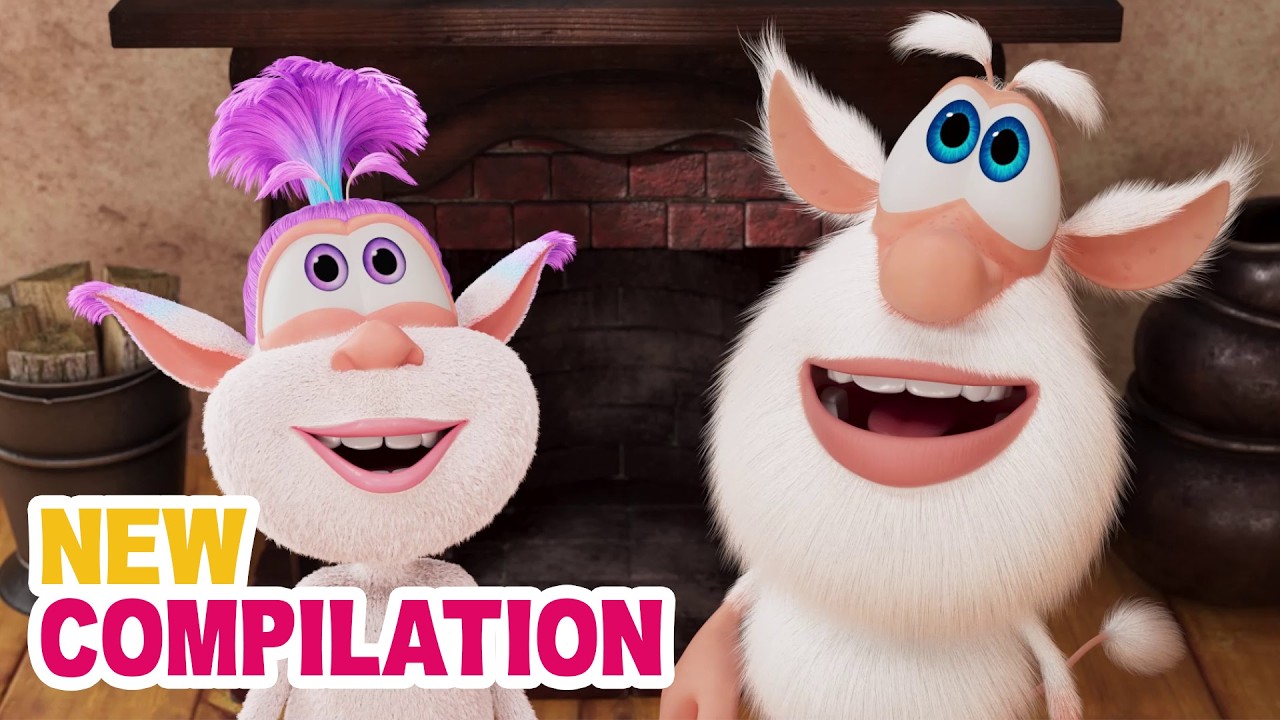
Booba explores everyday situations that demonstrate helping, sharing, and empathy.

Why it’s trending:

  • Non-verbal storytelling suitable for all languages

  • Encourages observation and understanding

  • Short episodes ideal for toddlers’ attention spans


3. Little Hero Friends:

Animated mini-stories where characters work together, share resources, and help one another.

Key lessons:

  • Cooperation and teamwork

  • Expressing feelings and resolving conflicts

  • Celebrating kindness and generosity


4. Forest Friends Share & Care:

Animal characters in the forest teach children about sharing food, toys, and space while learning about friendship.

Learning highlights:

  • Introduces empathy and compassion

  • Fun and engaging nature-based stories

  • Encourages children to apply lessons in real life


5. Super Simple Sharing Songs:

Animated songs teach sharing, caring, and polite behavior in an interactive way.

Benefits:

  • Reinforces lessons through music and repetition

  • Easy for toddlers to remember and follow

  • Combines learning with fun singing and dancing


How Parents Can Reinforce Lessons:

Parents can make sharing and caring lessons more effective by:

  1. Watching together: Pause and ask questions like, “How can we help our friend?”

  2. Role-playing: Practice sharing toys, taking turns, and helping others.

  3. Repetition: Re-watch favorite episodes to reinforce key values.

  4. Praise positive behavior: Encourage children when they share or show kindness.

  5. Discuss real-life situations: Relate cartoon lessons to playground, school, and home scenarios.

  6. Combine with offline activities: Art, games, and group activities can strengthen empathy and teamwork.


Recommended Cartoon Stories About Sharing and Caring:

  • The Kindness Club – Moral lessons and friendship

  • Booba’s Caring Adventures – Observation-based empathy

  • Little Hero Friends – Cooperation and teamwork

  • Forest Friends Share & Care – Animal-themed kindness stories

  • Super Simple Sharing Songs – Musical lessons in sharing and caring

These cartoons are safe, colorful, and educational, helping children learn empathy, kindness, and cooperation in an entertaining way.


Final Thoughts:

Cartoon stories about sharing and caring are more than just entertainment—they are tools for social and emotional development. In 2025, these animated series help children understand empathy, teamwork, and moral values while enjoying vibrant storytelling.

Parents can enhance learning by:

  • Watching together and discussing lessons

  • Practicing sharing and helping in real-life situations

  • Reinforcing values through praise and role-play

With the right cartoons, children develop important life skills while having fun, creating a foundation for empathy, kindness, and positive social interaction.

Tip for Parents: Encourage children to draw or act out scenes from the cartoons that show sharing and caring, reinforcing both creativity and the moral lesson.
Advertisement
Who Is Booba? Complete Character Guide for Kids
If your child enjoys fun, laughter, and imaginative adventures, chances are they already know Booba—the charming little creature who has taken the internet by storm. Booba is one of the most beloved animated characters for young children, thanks to his expressive face, adorable reactions, and exciting curiosity-filled world. But who exactly is Booba, and why do millions of kids love him so much? In this complete character guide, we explain everything parents and kids need to know about this funny and family-friendly cartoon character. Who Is Booba? Booba is a small, furry, and extremely curious creature who explores the world with child-like wonder. He does not speak words. Instead, he communicates through expressive sounds, funny gestures, and silly reactions. His biggest strength is his ability to turn the most ordinary things—like a lamp, a fridge, or a pair of shoes—into a hilarious adventure. Created by the animation studio 3D Sparrow, Booba first appeared on YouTube and quickly went viral among preschoolers. Today, the show is available on multiple streaming platforms, and Booba is recognized globally as a top children’s entertainment character. What Does Booba Look Like? Booba has a very unique and instantly recognizable appearance: A small white furry body Big blue eyes Pink cheeks A long tail Large ears A tiny backpack in some episodes His design is perfect for kids because it is both friendly and funny. His big expressions and exaggerated reactions make him enjoyable even for toddlers who cannot understand spoken language yet. What Makes Booba Popular Among Kids? Booba’s global popularity comes from several child-friendly qualities: 1. No Dialogue – Universal Entertainment Booba does not speak, which makes the show easy for children from all languages to enjoy. Kids focus on the actions, comedy, and visual storytelling, making it a perfect show for early learners. 2. Safe, Fun, and Educational Without violence, fear, or inappropriate content, Booba is completely safe for young children. The show encourages: Curiosity Exploration Creativity Problem-solving Each episode teaches children how to observe and learn from everyday things. 3. Short and Engaging Episodes Booba episodes are usually 3–5 minutes long, which matches the attention span of preschoolers. The fast-paced humor keeps kids laughing and entertained without overwhelming them. 4. Positive Character Personality Booba always remains cheerful, even when things go wrong. His reactions help children understand: It is okay to make mistakes Learning can be fun Curiosity leads to discovery His positive attitude is one of the main reasons parents trust this show. Booba’s Personality and Traits: Booba’s charm comes from his lovable personality. Some of his key traits include: Curiosity Booba is extremely curious. Whether he finds a toy, a kitchen gadget, or a musical instrument, he wants to explore it completely. This curiosity encourages kids to explore their environment safely. Playfulness He loves to play! Everything becomes a game for him. This playfulness helps kids develop imagination and creativity. Kindness Booba is friendly with everyone he meets, even if they cause trouble. His kindness teaches kids about empathy and good behavior. Bravery He often faces new things without fear. This trait inspires children to be confident and brave in new situations. Funny and Expressive Nature His silly reactions and big facial expressions make kids laugh instantly. Humor is a big part of why Booba is so addictive for children. Supporting Characters in Booba’s World: Booba is not alone in his adventures. Several characters join him and make the episodes more exciting. 1. Loola Loola is an active and energetic girl-like creature who loves to dance and play. She often joins Booba in exploring new places. 2. Googa Googa is the intelligent and inventive character in the Booba universe. He loves gadgets, tools, and creative ideas. 3. Spike Spike is the mischievous hedgehog who sometimes creates problems but always adds humor. 4. Mr. Beak Mr. Beak is a clever parrot who enjoys watching Booba’s silly actions while sometimes offering help. Together, these characters make the show more dynamic and enjoyable for kids. What Age Group Is Booba For? Booba is mainly designed for children aged 2 to 8 years, but toddlers and even older kids enjoy it due to its humor and visual appeal. Many parents say that even they enjoy watching Booba because of the comedy and creativity. Why Parents Approve of Booba Parents appreciate Booba because it: Avoids bad language Does not include violence Encourages positive learning Stimulates imagination Keeps kids engaged without harmful content It is a safe digital entertainment option compared to many noisy or aggressive children’s shows. Where Can Kids Watch Booba? Booba episodes are available on major platforms such as: YouTube Netflix Amazon Prime Booba’s official app (in some regions) This makes the show easy to access anywhere, anytime. Educational Benefits of Watching Booba: Although Booba is mostly a comedy show, it provides many learning opportunities: 1. Understanding Everyday Objects Kids learn how different items work—like a blender, vacuum cleaner, or mirror. 2. Visual Learning Skills Booba uses visual storytelling, which helps children improve observation and comprehension. 3. Social Skills Booba often interacts with friends, teaching kids about: Teamwork Sharing Friendship Cooperation 4. Creative Thinking Since Booba imagines new ways to use common things, children develop creative thinking and problem-solving skills. Booba Toys and Merchandise Booba’s popularity has led to many toys and merchandise for kids, including: Plush toys Storybooks Coloring books Puzzles School supplies These items help children engage with their favorite character in real life. Final Thoughts: Why Kids Love Booba So Much: Booba is more than just a cartoon character—he is a source of joy, creativity, and learning. His curious nature, funny adventures, and expressive personality make him a favorite among children everywhere. Without using any language, Booba communicates universal emotions that every child can understand. For parents searching for safe, educational, and fun entertainment, Booba is one of the best choices available today. His imaginative world encourages kids to explore, laugh, and learn—making him a truly unforgettable character.
Understand Feelings and Emotions in 2025
Emotional intelligence (EQ) is just as important as academic learning for young children. In 2025, emotional learning cartoons for kids have become an essential resource for parents and educators to help toddlers and preschoolers identify, express, and manage their feelings. Through engaging storytelling, colorful animations, and relatable characters, these cartoons teach empathy, self-awareness, and healthy social interactions. This guide explores the benefits of emotional learning cartoons, highlights top series in 2025, and provides tips for parents to enhance their child’s emotional development. Why Emotional Learning Cartoons Matter: Children often struggle to identify or express their feelings. Emotional learning cartoons provide: Recognition of emotions: Helps children understand happiness, sadness, anger, fear, and excitement. Healthy coping strategies: Teaches ways to manage difficult emotions. Empathy development: Shows characters caring for and understanding others. Social skills: Encourages sharing, teamwork, and effective communication. Safe environment: Provides age-appropriate guidance without judgment. By combining fun, storytelling, and visuals, these cartoons make emotional learning engaging and memorable for children. Key Emotional Skills Taught in Cartoons: Identifying Feelings Recognizing facial expressions, body language, and situations that cause emotions. Expressing Emotions Safely Encourages children to talk about feelings instead of acting out aggressively. Empathy and Compassion Understanding how others feel and showing care. Problem-Solving in Emotional Situations Learning to manage conflicts, disappointment, or frustration positively. Mindfulness and Self-Regulation Breathing, calming techniques, and reflective thinking for emotional control. Top Emotional Learning Cartoon Series for Kids in 2025: 1. The Feelings Club: A highly popular series where animated characters navigate everyday situations and express their emotions. Highlights: Shows multiple feelings like happiness, sadness, fear, and excitement Provides simple coping strategies for children Interactive and age-appropriate storytelling 2. Booba Learns Emotions: Booba explores situations where emotional awareness and empathy are required, teaching children through observation and playful actions. Why it’s trending: Non-verbal storytelling suitable for all languages Promotes curiosity, empathy, and social skills Short episodes perfect for toddlers’ attention spans 3. Little Hearts Feelings Tales: Mini-stories that focus on managing emotions, understanding others, and building empathy. Key lessons: Identifying feelings in themselves and others Responding appropriately to different emotional situations Celebrating empathy and kindness 4. Animal Emotions Adventures: Animal characters show joy, sadness, worry, and excitement, teaching children how to recognize and respond to feelings. Learning highlights: Emotional vocabulary introduction Problem-solving through social interactions Engaging storytelling with moral lessons 5. Super Simple Emotions Songs: Animated songs designed to teach toddlers about feelings, self-regulation, and social behavior in a fun, interactive way. Benefits: Reinforces emotional vocabulary Interactive songs encourage singing and participation Combines music, visuals, and moral lessons How Parents Can Enhance Emotional Learning: Parents can make emotional learning cartoons more effective by: Watching together: Pause to ask questions like, “How is this character feeling?” Encourage expression: Ask children to share their own feelings during or after the video. Repeat episodes: Reinforces understanding of emotions. Relate to real life: Discuss situations at home or school where the lesson applies. Practice coping strategies: Breathing, counting, or talking through emotions. Praise emotional intelligence: Encourage empathy, patience, and problem-solving behaviors. Recommended Emotional Learning Cartoons for Kids in 2025: The Feelings Club – Recognition and coping strategies Booba Learns Emotions – Observation-based emotional learning Little Hearts Feelings Tales – Mini-stories teaching empathy and emotional expression Animal Emotions Adventures – Emotional vocabulary and social skills Super Simple Emotions Songs – Musical reinforcement of emotional awareness These cartoons are safe, colorful, and educational, helping children understand, express, and manage their emotions while enjoying engaging stories. Final Thoughts: Emotional learning cartoons are more than entertainment—they are tools for lifelong emotional intelligence. In 2025, animated series help children: Recognize and express feelings appropriately Develop empathy and compassion Manage social interactions and conflicts positively Parents can maximize benefits by: Watching and discussing episodes together Encouraging real-life applications of emotional lessons Reinforcing empathy and coping strategies through play With the right emotional learning cartoons, children grow emotionally aware, empathetic, and socially skilled while enjoying safe, colorful, and interactive stories. Tip for Parents: Encourage children to draw or act out scenarios showing different feelings, which reinforces creativity, comprehension, and emotional expression.
Future of Kids’ Animation: Exciting Trends of 2025
The world of kids' animation is no longer just Saturday morning cartoons. It's a dynamic, fast-evolving landscape where new technology, changing viewing habits, and fresh creative ideas are shaping what the next generation will watch and love. Here’s a look at the key trends defining the future of animation for kids in 2025. 1. Hyper-Personalized & Interactive Stories : Animation is becoming a two-way street. Choose-Your-Own-Adventure Style: Platforms are experimenting with episodes where kids can make choices for the characters (e.g., "Should they go through the red door or the blue door?"), leading to different story outcomes. This boosts engagement and makes them co-creators of the narrative. AI-Assisted Customization: Imagine a show where the main character has your child's name or their favorite color appears in key scenes. While in early stages, AI is beginning to allow for subtle personalization within animated streams. 2. The Rise of "Calmimation" – Slower, Gentler Content : In response to overstimulation, a new genre focused on well-being is booming. Focus on Pacing & Mood: Shows with slower pacing, softer color palettes, and calming soundtracks are being designed to reduce anxiety and promote focus. Think less frenetic slapstick, more thoughtful exploration. Themes of Mindfulness: Plots will increasingly incorporate simple mindfulness, emotional regulation, and kindness as core elements, teaching SEL (Social-Emotional Learning) skills directly through the narrative. 3. Hybrid Techniques – Blending 2D, 3D & Real-World Elements : The lines between animation styles are blurring in exciting ways. 2D Charm with 3D Depth: Many shows use stylized 3D animation that retains the warmth and expressiveness of hand-drawn 2D, often with visible line work and textured, "crafted" feels. Mixed-Media Mashups: It’s becoming more common to see 3D characters interact with photorealistic backgrounds, or live-action kids inserted into animated worlds seamlessly, creating a unique and immersive visual experience. 4. Micro-Content & Vertical Animation : TikTok and YouTube Shorts have changed how kids consume media. Animation Designed for Phones: Studios are creating original, high-quality animated series made specifically for short-form, vertical video platforms. These are fast-paced, loopable, and designed to capture attention in under 90 seconds. Comedy in a Flash: The humor and storytelling are adapting to this ultra-quick format, relying on instant visual gags and concise character expressions. 5. Sustainability as a Core Theme & Production Goal : Eco-consciousness is moving from plot point to production principle. On-Screen Narratives: More stories will center on environmental stewardship, nature connection, and science-based problem-solving related to the planet. Behind the Scenes: Studios are adopting "green" production pipelines, using cloud rendering (which uses renewable energy) and developing tools to reduce the massive computational (and energy) cost of animation. 6. Global Stories, Authentic Voices : The world of animation is becoming as diverse as its global audience. Beyond Western Settings: We'll see a significant increase in shows set in and co-produced by countries across Africa, Asia, and South America, featuring local folklore, landscapes, and cultural nuances. Authentic Representation: There’s a strong push for creative teams (writers, directors, designers) to come from the cultures being portrayed, ensuring authentic and respectful storytelling. 7. The Educational Playground – "Edu-tainment" Gets Smarter : Learning is being woven into entertainment more seamlessly than ever. Stealth Learning: Curricula in coding basics, foundational logic, natural science, and emotional intelligence will be embedded directly into adventure plots and character challenges, not presented as separate "lesson time." Interactive Learning Companions: Animated characters may begin to appear in companion educational apps, breaking the "fourth wall" and encouraging kids to apply lessons from the show in interactive games. 8. AI as a Creative Tool, Not a Replacement : AI is entering the animation studio as a powerful assistant for artists. Inbetweening & Clean-Up: AI tools can handle time-consuming, repetitive tasks like generating in-between frames from an animator's key poses or cleaning up rough line art, freeing up human artists for more creative work. Background Generation & Effects: AI can quickly generate complex background variations or intricate effects (like flowing water or swarming crowds), allowing smaller studios to create visually rich worlds. 9. The "Phygital" Toy Connection : The link between screen and play is becoming more sophisticated. Toys with Digital Avatars: Physical toys (like those from kidtoys.site) will increasingly connect to apps, unlocking exclusive animated content, character backstories, or new abilities in a related game. Augmented Reality (AR) Integration: Shows will have companion AR apps that let kids bring characters into their real-world space through their tablet, blending animated play with physical environments. 10. Nostalgia Reimagined for a New Generation : Classics are getting smart updates. Legacy Characters, Modern Stories: Beloved characters from the 80s and 90s are returning in reboots that maintain their core spirit but update the humor, pacing, and social themes for today's kids and modern animation techniques. Cross-Generational Appeal: These updates are crafted to entertain both kids discovering them for the first time and their parents, fostering shared viewing experiences. Conclusion: A More Immersive, Inclusive & Intentional Future : The future of kids' animation in 2025 is bright, diverse, and thoughtfully designed. It’s moving towards experiences that are not just watched but felt and interacted with. It values calmness as much as comedy, authenticity as much as adventure, and seeks to connect with children on a more personal and global level. For young viewers, this means a richer, more engaging, and wonderfully varied animated world to explore.
Best Kids Cartoons about Friendship in 2025
Friendship is one of the most important lessons children can learn early in life. In 2025, cartoon episodes about friendship have become a popular way to teach toddlers and preschoolers social skills, empathy, cooperation, and conflict resolution in a fun and engaging way. Animated stories make abstract concepts like sharing, kindness, and loyalty easy to understand for young children. By watching characters navigate friendships, kids learn through observation and relate lessons to their own lives. This guide explores the benefits of friendship-themed cartoons, highlights top series for 2025, and provides tips for parents to maximize learning. Why Friendship Cartoons Are Important for Kids: Children learn social behavior best through modeling and storytelling. Cartoon episodes can: Teach sharing and cooperation: Children see characters resolving conflicts and working together. Encourage empathy: Understanding how characters feel helps kids recognize emotions in themselves and others. Reinforce communication skills: Listening, speaking politely, and expressing feelings are highlighted in stories. Promote problem-solving: Characters face challenges and find solutions collaboratively. Provide safe guidance: Lessons are delivered in a child-friendly, positive environment. Friendship cartoons turn social learning into fun and memorable experiences, making important life skills easier to grasp. Key Friendship Lessons Taught Through Cartoons: Sharing and CooperationCharacters often share toys, snacks, or resources, teaching toddlers how to take turns and cooperate. Kindness and EmpathyStories show caring for friends, animals, or family, helping children understand feelings and compassion. Conflict ResolutionEpisodes demonstrate how friends handle disagreements calmly, showing kids healthy ways to resolve arguments. Loyalty and TrustChildren learn the importance of being reliable and trustworthy in friendships. Inclusion and DiversityCartoons often feature characters of different backgrounds, teaching children to value diversity and include others. Top Cartoon Series About Friendship for Kids in 2025: 1. Booba and Friends: Booba’s adventures now include episodes focused on teamwork, sharing, and helping friends. Why it’s popular: Non-verbal, accessible to all languages Engages toddlers with fun exploration Teaches observation and empathy 2. The Kindness Club: The Kindness Club emphasizes friendship, empathy, and emotional intelligence in playful stories. Learning benefits: Promotes caring, sharing, and cooperation Builds communication and listening skills Suitable for preschoolers and early school-age children 3. Super Simple Learning World: Friendship Edition: This series combines songs, stories, and animated characters to teach social skills and friendship lessons. Highlights: Interactive and engaging for toddlers Reinforces sharing, honesty, and kindness Uses colorful visuals and repetition for better retention 4. Little Hero Adventures: Animated mini-stories focus on friendship challenges, problem-solving, and teamwork. Key lessons: Encourages collaboration in small tasks Models empathy and understanding of others Short, engaging episodes suitable for young children 5. Animal Friends Stories: Animals are used to teach friendship, cooperation, and empathy in a fun and relatable way. Learning focus: Caring for friends and community Working together to solve problems Respecting differences and including everyone How Parents Can Enhance Learning: Parents play a crucial role in reinforcing friendship lessons: Watch together: Discuss friendship moments and ask, “What would you do?” Encourage role-play: Children can act out friendship scenarios to strengthen understanding. Repeat episodes: Repetition helps toddlers internalize social behaviors. Relate lessons to real life: Point out moments of sharing, helping, and cooperating in daily life. Combine with offline activities: Games, collaborative tasks, and story-building encourage teamwork. Recommended Cartoon Episodes About Friendship in 2025: Booba and Friends – Teamwork, sharing, and empathy The Kindness Club – Caring, inclusion, and emotional intelligence Super Simple Learning World: Friendship Edition – Songs and stories reinforcing social skills Little Hero Adventures – Problem-solving and collaboration Animal Friends Stories – Friendship, cooperation, and respect for diversity These series are safe, engaging, and educational, helping children develop essential social skills while enjoying colorful animated adventures. Final Thoughts: Cartoon episodes about friendship are more than entertainment—they are tools for social and emotional development. In 2025, animated stories combine fun, music, and colorful visuals to teach children how to share, empathize, resolve conflicts, and value relationships. Parents can maximize learning by: Watching and discussing episodes together Encouraging children to practice social skills in real life Using role-play and games to reinforce friendship lessons With the right series, screen time becomes a positive, educational experience, helping toddlers and preschoolers build strong social foundations and lifelong skills. Tip for Parents: Ask children to retell friendship stories in their own words, which improves comprehension, empathy, and communication.
Storybooks & Educational Materials: A 2025 Guide to Nurturing Curiosity
Beyond the screen, the gentle and curious spirit of beloved characters can be a wonderful gateway to early literacy, emotional learning, and hands-on discovery. Finding the right books and learning materials that embody this spirit of playful exploration can enrich your child's development. This 2025 guide helps you identify high-quality storybooks, activity books, and educational tools that foster the same joy of "figuring things out." What to Look For: The Mark of Quality Learning Materials : The best resources share these traits: Visual Storytelling: Rich in pictures that tell the story, minimizing reliance on text—perfect for pre-readers and early readers. Focus on Process: Stories about solving problems, exploring environments, and discovering how things work. Emotional Simplicity: Themes of curiosity, surprise, friendship, and perseverance without complex moralizing. Interactive Elements: Flaps to lift, textures to feel, or prompts that engage the child directly. Durability: Thick, wipeable pages for young hands or sturdy bindings for frequent use. Category 1: Storybooks That Celebrate Curiosity & Discovery : These books capture the essence of exploration through visual narratives. Wordless & Nearly Wordless Picture Books: Why They're a Perfect Match: They rely entirely on visual sequencing, encouraging children to "read" the pictures, infer emotions, and tell the story in their own words—mirroring non-verbal, observational storytelling. Top Picks to Look For: "Journey" Trilogy by Aaron Becker: A breathtaking wordless adventure where a child uses a red crayon to draw doors into magical worlds. "Flora and the Flamingo" by Molly Idle: A wordless book about mimicry, friendship, and movement with interactive flaps. "The Snowman" by Raymond Briggs: A classic, gentle wordless story of a magical winter adventure. "Problem-Solving" Themed Stories: Why They're a Perfect Match: These books feature protagonists who encounter a puzzle or obstacle and must creatively find a solution through trial, error, and observation. Top Picks to Look For: "Rosie Revere, Engineer" by Andrea Beaty: Celebrates persistence, curiosity, and the spirit of invention after failed attempts. "The Most Magnificent Thing" by Ashley Spires: A girl tries to build something magnificent, dealing with frustration before her breakthrough. "Press Here" by Hervé Tullet:* The ultimate interactive book that turns reading into a series of magical cause-and-effect commands. Simple, Repetitive Phrase Books: Why They're a Perfect Match: For younger fans, books with minimal, repetitive text and bold, clear illustrations help build confidence in "reading" and prediction. Top Picks to Look For: Books by Eric Carle ("The Very Hungry Caterpillar") or Bill Martin Jr. ("Brown Bear, Brown Bear"). The rhythmic text and vibrant collage art are deeply engaging. Category 2: Educational Activity & Workbooks : These turn quiet time into skill-building time with a playful approach. "Seek-and-Find" & "I Spy" Visual Puzzle Books: Why They're a Perfect Match: They train attention to detail, focus, and visual discrimination—all through a game. The task is clear: look closely and discover. What to Look For: Books with busy, colorful scenes (like "Where's Waldo?" for older kids or the "I Spy" series for younger ones). Look for themes of exploration or silly chaos. Beginner Logic & Maze Books: Why They're a Perfect Match: They introduce basic reasoning and spatial skills without requiring reading. Navigating a maze is a silent, physical puzzle on paper. What to Look For: Books like "Kumon Thinking Skills Workbooks" or "Highlights™ Maze Puzzles." Start with simple, wide-path mazes and progress to more complex ones. Sticker Activity & Scene Creation Books: Why They're a Perfect Match: They combine fine motor skill development with storytelling and choice. Children decide where to place elements, creating their own unique scenes. What to Look For: Books with reusable stickers and open-ended backgrounds (a town, a forest, a room). Avoid ones with overly prescriptive instructions. Category 3: Hands-On Educational Materials & Kits : Learning through physical interaction. "How Things Work" Non-Fiction for Kids: Why They're a Perfect Match: Satisfies deep curiosity about everyday objects. Look for books with clear, cutaway diagrams and simple explanations. Top Picks to Look For: "How Machines Work: Zoo Break!" by David Macaulay or the "See Inside" series by Usborne Books, which have informative flaps to lift. Simple Science & Discovery Kits: Why They're a Perfect Match: They provide the tools for hands-on, cause-and-effect experimentation. The focus should be on the fun of the process, not a perfect result. What to Look For: Kits about magnets, color mixing, growing crystals, or basic physics (ramps and gears). Brands like Learning Resources or Thames & Kosmos offer quality beginner kits. Pattern Blocks & Tangram Puzzles: Why They're a Perfect Match: These are the ultimate open-ended, silent puzzles. Children explore shapes, symmetry, and geometry by fitting pieces together to match a picture or create their own designs. What to Look For: A set of wooden pattern blocks in classic shapes (hexagons, trapezoids, squares) with accompanying pattern cards. How to Integrate These Materials: Tips for Parents : "Book and Do" Pairing: After reading a book about building, get out the blocks. After a seek-and-find book, go on a nature walk to "spy" colors and shapes. Follow Their Lead: If they're obsessed with a page showing gears, find a simple gear toy or video to expand on that interest. Embrace the Silence: When looking at a wordless book, don't rush to narrate. Ask, "What do you think is happening here?" Let them be the storyteller. Quality Over Quantity: A few well-chosen, durable books and puzzles are better than a mountain of disposable activity pads. Conclusion: Building a Library of Wonder : The goal is to curate a collection of resources that don't just entertain, but actively engage your child's mind and hands. By choosing storybooks that prize visual discovery, activity books that challenge logic in a fun way, and hands-on materials that reward curiosity, you build a foundation for lifelong learning. You're not just buying books and puzzles—you're providing portals to new ways of thinking, all inspired by the simple, powerful joy of figuring it out.
History of Non-Verbal Comedy in Cartoons: From Silent Films to Modern Mime
The universal language of a slip on a banana peel, a look of shocked surprise, or a perfectly timed pause transcends words and cultures. In animation, non-verbal comedy—or visual slapstick—is not just a tool; it is the art form's foundational comedic heartbeat. This guide traces the rich history of how animators have made us laugh without saying a word, from flickering black-and-white reels to the hyper-expressive digital characters of today. The Silent Era: Birth of the Visual Gag (1900s-1920s) : Animation was born in the silent film era, inheriting its comedic DNA directly from masters like Charlie Chaplin and Buster Keaton. Key Pioneers: Winsor McCay: In Gertie the Dinosaur (1914), the interactive, personality-driven animation established a character audiences could connect with through gesture alone. Max Fleischer (Out of the Inkwell): The surreal interplay between a live-action animator and his mischievous cartoon creation, Koko the Clown, relied entirely on visual trickery and playful defiance. The Core Principle: Exaggerated Physics and Personality. Without dialogue, comedy came from rubber-limbed movements, impossible transformations, and characters whose every emotion was written large on their faces and in their body language. The Golden Age: Slapstick Perfected (1930s-1950s) : With sound came music and effects, but the best shorts remained masterclasses in visual storytelling. The Warner Bros. School of Anvil Comedy: Chuck Jones’s Philosophy: He established "The Rules" for characters like Wile E. Coyote and the Road Runner. The comedy was in the meticulous, cause-and-effect logic of failure. The coyote’s slow look down after running off a cliff is a silent masterpiece of realization. Tex Avery’s Hyperbole: Avery took exaggeration to its极限. Characters’ eyes would pop out, jaws would hit the floor, and bodies would stretch like taffy. The reaction was the joke, and it was always visual, rapid-fire, and wordless. Disney’s Emotional Pantomime: While Disney featured dialogue earlier, its early shorts and feature sequences (e.g., The Band Concert with Mickey, Playful Pluto with the flypaper) were built on elaborate pantomime. Animators studied live-action comedians to translate subtle, empathetic physical comedy into their characters. The Television Era: Limited Animation, Unlimited Expression (1960s-1980s) : Budget constraints led to limited animation, forcing creatives to rely even more on strong character design and clever visual wit. Hanna-Barbera’s Clever Shortcuts: Shows like Tom and Jerry (originally MGM) and later Scooby-Doo used repetitive chase sequences, but the comedy was in the anticipation and the elaborate, destructive payoff—a collapsing wall of shelves, a expanding bubble gum bubble. Character reactions (Tom’s scheming grin, Shaggy’s full-body shudder) told the story. The European Influence: French Animator René Laloux (Fantastic Planet) and others created surreal, often dialogue-light worlds where the comedy and horror were baked into the bizarre visual design and scenarios. British Shows like The Clangers: Communication was through musical whistles and pure physical action, making their curiosity and problem-solving universally understandable. The Modern & Digital Renaissance (1990s-Present) : Technology allowed for more nuanced animation, but the principles of silent comedy remained essential. The Return of the Pure Mime: Mr. Bean: The Animated Series successfully translated Rowan Atkinson’s live-action silent clowning into cartoon form, proving the timelessness of the format. Shaun the Sheep (Aardman): A spin-off from the dialogue-free Wallace & Gromit, this show became a global hit. Every plot point, emotion, and joke is conveyed through impeccable stop-motion animation, sound effects, and music. Pixar’s "Show, Don’t Tell" Ethos: Pixar’s short films (Geri’s Game, Piper) and key feature sequences (the first 30 minutes of WALL-E, much of Up’s marital montage) are legendary for their powerful, wordless storytelling. They use subtle facial animation and environmental details to convey complex emotions, making the comedy more heartfelt and the drama more profound. The Internet & Algorithmic Age: Web Cartoons & Short-Form Content: Platforms like YouTube favor quick, wordless humor that requires no translation or setup—perfect for viral loops. Characters like the early Simons Cat or countless indie animation memes thrive on simple, relatable visual gags. Modern TV Examples: Shows like The Amazing World of Gumball blend styles but often let its characters’ exaggerated, rubber-hose-inspired reactions deliver the biggest laughs without dialogue. Why Non-Verbal Comedy Endures & Matters : Universality: It bypasses language and age barriers. A toddler and a grandparent can laugh at the same slip-and-fall. Pure Visual Storytelling: It forces animators to be inventive, relying on the fundamental tools of the medium: timing, squash and stretch, anticipation, and expression. Emotional Clarity: When a character’s joy, frustration, or confusion is communicated solely through animation, it can feel more direct and authentic. The Foundation of Character: A character defined by their actions and reactions, not their words, often becomes more iconic and beloved (e.g., Gromit, WALL-E, Charlie Brown’s slumped walk). Conclusion: The Unspoken Bond Between Animator and Audience : The history of non-verbal comedy in cartoons is a history of animation itself—a testament to the power of moving drawings to connect with something primal in us. From the anarchic slapstick of a falling anvil to the subtle, heartbreaking glance of a lonely robot, it proves that the most powerful stories and the biggest laughs often come not from what is said, but from what is seen. In a world of endless chatter, the silent eloquence of a well-animated sigh or a perfectly executed double-take remains comedy in its purest, most global form.
Best Bedtime Stories for Kids in 2025
Bedtime can sometimes be a challenge for parents, especially when toddlers and preschoolers are full of energy. In 2025, bedtime animated stories have emerged as a powerful tool to help children relax, unwind, and sleep peacefully while also providing gentle learning opportunities. These stories combine soothing visuals, soft music, and engaging characters to create a calm environment that signals to children that it’s time to rest. In addition to promoting sleep, bedtime animations can teach moral lessons, mindfulness, and emotional regulation, making them a valuable resource for parents. Why Bedtime Animated Stories Are Important: Bedtime stories in animated form are more effective than traditional books for many children because they: Promote relaxation: Soft visuals, calm voices, and gentle music reduce stress and anxiety. Encourage a sleep routine: Consistent bedtime stories signal that it’s time to wind down. Teach life lessons: Morals, sharing, kindness, and mindfulness can be subtly integrated. Engage imagination: Children visualize gentle stories without overstimulation. Support language development: Narration helps improve vocabulary and comprehension. By combining entertainment with calmness, bedtime animated stories make it easier for parents to establish a nightly routine. Key Benefits of Bedtime Animated Stories: Better Sleep Quality Calm visuals and gentle storytelling help children fall asleep faster and stay asleep longer. Emotional Regulation Children learn to manage feelings like fear, frustration, or excitement before bed. Language and Cognitive Development Listening to narration enhances vocabulary, comprehension, and attention span. Moral and Social Learning Stories can include lessons about kindness, honesty, empathy, and gratitude. Routine and Consistency Watching the same series or characters nightly builds a sense of comfort and security. Top Bedtime Animated Story Series in 2025: 1. Goodnight with Zoya: Zoya leads gentle adventures designed to calm children and teach soft lessons before bedtime. Highlights: Soft music and soothing narration Gentle lessons about kindness, gratitude, and sharing Suitable for toddlers aged 2–6 2. Booba’s Sleepy Adventures: Booba’s curiosity slows down in these bedtime episodes, helping children relax while still enjoying storytelling. Benefits: Non-verbal storytelling suitable for all languages Visual cues signal calmness and winding down Short episodes ideal for bedtime routines 3. Super Simple Sleepy Songs: This series combines soft songs, nursery rhymes, and gentle animation to help children unwind. Learning focus: Soothing melodies for relaxation Short stories teaching morals and routines Helps children associate music and visuals with bedtime 4. Little Dreamers Adventures: Animated mini-stories where characters experience calm adventures before sleep, teaching mindfulness and relaxation. Key lessons: Deep breathing and mindful thinking Positive storytelling to reduce nighttime anxiety Short episodes, perfect for preschoolers 5. Sleepy Animal Tales: Animal characters guide children through gentle bedtime journeys in forests, oceans, and magical lands. Learning highlights: Introduces children to nature and animals Teaches patience, empathy, and calmness Multi-sensory learning through visuals and soft narration How Parents Can Maximize the Benefits: To make bedtime animated stories effective, parents can: Establish a routine: Watch the same series or character at bedtime for consistency. Create a calm environment: Dim lights, reduce noise, and ensure comfort. Discuss the story: Ask simple questions like, “What did Zoya learn today?” Combine with offline relaxation: Gentle stretches, deep breathing, or soft hugs. Limit screen brightness and duration: Use short episodes and reduce blue light exposure. Reinforce morals in daily life: Encourage children to practice kindness, gratitude, or sharing learned from the story. Recommended Bedtime Animated Stories for Kids in 2025: Goodnight with Zoya – Calm adventures and moral lessons Booba’s Sleepy Adventures – Non-verbal calming stories Super Simple Sleepy Songs – Nursery rhymes and gentle melodies Little Dreamers Adventures – Mindfulness and relaxation exercises Sleepy Animal Tales – Animal-themed gentle bedtime journeys These series are safe, soothing, and educational, helping children develop healthy sleep habits, emotional intelligence, and language skills while enjoying animated adventures. Final Thoughts: Bedtime animated stories are more than just entertainment—they are a tool to support healthy sleep, emotional development, and learning in toddlers and preschoolers. In 2025, these animations combine soothing music, soft visuals, and gentle storytelling to create a calm bedtime environment. Parents can enhance their benefits by: Watching together and discussing stories Incorporating mindfulness exercises Creating a consistent nightly routine With the right bedtime animated stories, screen time becomes both relaxing and educational, helping children sleep peacefully while learning important life lessons. Tip for Parents: Encourage children to share what they remember from the story or draw their favorite scenes, which reinforces memory, comprehension, and creativity.
Best Nursery Rhymes for Children in 2025
Learn and Sing with Fun Nursery rhymes have been a beloved part of early childhood education for generations. In 2025, their role has become even more significant, thanks to animated videos and interactive digital content. Nursery rhymes help children develop language skills, memory, rhythm, and social understanding—all while having fun. This guide explores the benefits of nursery rhymes, popular animated series for children, and tips for parents to make the most out of rhyme-based learning. Why Nursery Rhymes Are Important for Children: Nursery rhymes are more than simple songs—they are powerful educational tools. They combine melody, rhythm, and repetition, making learning enjoyable and effective. Key benefits of nursery rhymes include: Language development: Helps children learn new words, pronunciation, and sentence structure. Memory and recall: Repetition and rhyming enhance memory skills. Rhythm and musical skills: Introduces children to beat, melody, and rhythm. Cognitive development: Patterns, sequences, and storylines encourage thinking and reasoning. Social and emotional growth: Singing together promotes bonding, cooperation, and emotional expression. Popular Types of Nursery Rhymes: Nursery rhymes can be grouped into several categories to target different learning skills: 1. Traditional Rhymes: These are the classic rhymes like Twinkle Twinkle Little Star, Humpty Dumpty, or Baa Baa Black Sheep. They are simple, melodic, and easy to memorize, making them perfect for toddlers and preschoolers. 2. Alphabet and Counting Rhymes: Songs that combine rhymes with alphabet letters or numbers help children learn language and numeracy simultaneously. Examples include ABC Song and One, Two, Buckle My Shoe. 3. Movement and Action Rhymes: Action rhymes involve gestures and physical activity, improving gross motor skills and coordination. Examples include If You’re Happy and You Know It or Head, Shoulders, Knees, and Toes. 4. Themed Rhymes: Some nursery rhymes focus on animals, seasons, or daily routines, teaching children about the world in a fun, musical way. Examples include Old MacDonald Had a Farm and Rain, Rain, Go Away. Top Animated Nursery Rhymes for Children in 2025: 1. Super Simple Songs: A favorite among toddlers, this series combines animated visuals, slow-paced music, and easy-to-follow lyrics. Highlights: Alphabet, numbers, and action rhymes Interactive, easy for children to sing along Bright, colorful animations for engagement 2. Booba’s Nursery Rhymes: Booba, a popular character, now features nursery rhyme adventures that make classic songs fun and playful. Benefits: Non-verbal and universally understandable Encourages observation and rhythm learning Perfect for toddlers and preschoolers 3. Little Baby Bum: One of the most well-known animated nursery rhyme channels, Little Baby Bum offers: Wide range of rhymes from traditional to modern Fun animations to hold children’s attention Songs that reinforce early language, counting, and colors 4. Cocomelon: Cocomelon is widely popular for combining nursery rhymes with short educational stories. Learning focus: Letters, numbers, and colors Social skills and good habits Memory and listening skills through repetition 5. Nursery Rhymes Club: An interactive animated series with sing-along features and visual cues for each word. Benefits: Engages children in singing and reading Improves pronunciation and vocabulary Introduces rhythm and melody for early musical skills How to Use Nursery Rhymes Effectively: While nursery rhymes are fun, parents play a key role in enhancing their educational value: Sing along: Join your child to improve language and bonding. Add gestures and movements: Action rhymes improve coordination and memory. Repetition is key: Repeating songs helps reinforce learning. Combine with visuals: Animated videos make rhymes more engaging. Discuss the story or theme: Even short rhymes can teach lessons about animals, nature, or social behavior. Create a daily routine: Singing nursery rhymes at consistent times (morning, bedtime) reinforces memory and habit formation. Benefits of Animated Nursery Rhymes: Animated nursery rhymes combine music, movement, and storytelling to create a multi-sensory learning experience: Visual learning: Bright characters, colors, and movements enhance memory. Auditory learning: Repetition of sounds, words, and rhythms improves language skills. Interactive engagement: Sing-along and dance-along features make learning fun. Emotional connection: Characters and songs help children express feelings and connect with stories. Recommended Nursery Rhymes for Children in 2025: Here’s a curated list of popular and educational nursery rhyme series: Super Simple Songs – Alphabet, numbers, and classic rhymes Booba’s Nursery Rhymes – Fun adventures with playful characters Little Baby Bum – Wide variety of rhymes with vibrant animations Cocomelon – Combines songs with short stories and social lessons Nursery Rhymes Club – Interactive sing-along videos for toddlers These series provide safe, colorful, and educational content, making learning enjoyable for toddlers and preschoolers. Final Thoughts: Nursery rhymes are a timeless tool for early childhood learning, helping children develop language, memory, rhythm, and social skills. In 2025, animated and interactive videos make these rhymes even more engaging, allowing toddlers to learn while having fun. Parents can maximize the benefits by: Singing along with their children Incorporating gestures and movements Repeating favorite rhymes regularly Pairing songs with discussion or hands-on activities With the right nursery rhymes, screen time becomes productive and educational, giving toddlers a strong foundation for learning, creativity, and social development. Tip for Parents: Encourage children to create their own rhymes or act out songs—this reinforces creativity, memory, and understanding of language patterns.