Top 10 Funny Cartoon Characters of All Time

Cartoons have always been a source of laughter and joy for children. Funny cartoon characters capture imagination, lighten moods, and often teach subtle lessons through humor. Parents and educators recognize the value of these characters in engaging children while promoting creativity and emotional understanding.

This guide highlights the top 10 funniest cartoon characters of all time that children of all ages love.


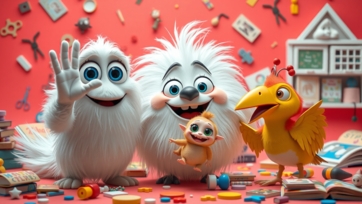
1. The Curious Fluffy Creature:

  • Known for playful antics and exaggerated expressions.

  • Inspires creativity, observation, and laughter in young children.

2. Spiky the Tiny Companion:

  • Mischievous and full of surprises.

  • Encourages problem-solving and imaginative play.

3. Cheery Flying Bird:

  • Always optimistic and joyful, bringing energy and cheer to every scene.

  • Teaches friendship, positivity, and teamwork.

4. The Mischievous Twin Squirrels:

  • Famous for pranks and playful chaos.

  • Helps children understand cause and effect in humorous scenarios.

5. Wobbly the Clumsy Elephant:

  • A classic comic character known for slapstick humor.

  • Encourages laughter while showing resilience after mistakes.

6. Tinker the Tiny Inventor:

  • Creates funny gadgets and inventions.

  • Inspires curiosity, creativity, and problem-solving.

7. Jumpy the Hyper Rabbit:

  • Always moving and full of energy.

  • Teaches coordination, timing, and the joy of physical play.

8. Grumpy the Lovable Monster:

  • Despite a grumpy exterior, his antics are hilarious.

  • Highlights empathy, understanding emotions, and humor in differences.

9. Bouncy the Colorful Blob:

  • Shape-shifter who gets into comic situations.

  • Encourages imagination, experimentation, and creativity.

10. Tiny Team of Helpers:

  • A group of small characters that cooperate in humorous ways.

  • Promotes teamwork, cooperation, and problem-solving with fun.


Why Funny Characters Are Important for Kids:

  1. Boosts Mood: Laughter reduces stress and enhances overall well-being.

  2. Encourages Creativity: Kids imitate actions, invent stories, and act out scenarios.

  3. Develops Social Skills: Humor helps children understand emotions, empathy, and cooperation.

  4. Enhances Observation: Following comic antics improves attention to detail and sequencing skills.

  5. Safe Entertainment: Age-appropriate humor keeps kids engaged without exposure to inappropriate content.


Tips for Parents:

  • Mix With Learning: Pair funny cartoons with educational content for balance.

  • Discuss Episodes: Talk about the humor and lessons learned.

  • Encourage Role-Play: Let children act out scenes for creativity and language development.

  • Set Screen Limits: Ensure a healthy balance with outdoor play, reading, and crafts.


Final Thoughts:

Funny cartoon characters have stood the test of time because they combine humor, creativity, and learning. By choosing age-appropriate, engaging, and expressive characters, parents can entertain, educate, and inspire children while keeping screen time fun and safe.


Advertisement
Teaching Manners to Kids with Playful Cartoon Episodes
Cartoon episodes featuring funny, curious, and playful characters can be more than just entertainment—they can help teach children important social skills and manners. By observing characters navigate everyday situations, children learn how to behave politely, cooperate with others, and understand social cues. This guide explains how parents can use cartoon episodes to reinforce manners and positive behavior in children aged 3–8. Why Cartoons Are Effective for Teaching Manners: Modeling Behavior: Children learn by observing characters’ actions and interactions. Engaging Stories: Entertaining episodes keep kids interested while conveying lessons naturally. Visual Cues: Expressions, gestures, and reactions help children understand social norms. Safe Learning Environment: Mistakes made by characters provide learning opportunities without real-world consequences. Key Manners to Teach Using Cartoons: 1. Sharing and Taking Turns Characters often share toys, food, or space. Discuss with your child how the character shared and why it was kind. Encourage children to practice sharing at home with siblings or friends. 2. Saying “Please” and “Thank You” Highlight episodes where characters use polite words. Ask children to repeat and practice these phrases in daily life. Reinforces respectful communication and social etiquette. 3. Waiting Patiently Many episodes show characters waiting their turn or being patient. Discuss why patience is important and praise children when they demonstrate waiting calmly. 4. Expressing Emotions Politely Characters often feel frustrated, excited, or sad. Talk about how they express emotions appropriately and model similar behavior at home. 5. Helping Others Scenes where characters assist friends, family, or animals teach kindness and empathy. Encourage children to think of ways they can help at home or school. Tips for Parents to Reinforce Lessons: Discuss Episodes: After watching, ask your child what the character did and why it was polite or helpful. Role-Play Scenes: Encourage children to act out manners from the episode. Praise Positive Behavior: Reinforce good manners with praise, stickers, or small rewards. Connect to Real Life: Show children how manners in cartoons relate to home, school, and social situations. Use Interactive Activities: Drawing, coloring, or craft projects featuring characters can reinforce the lesson in a creative way. Benefits of Teaching Manners Through Cartoons: Social Skills: Sharing, cooperation, and polite communication Emotional Development: Recognizing and expressing feelings respectfully Cognitive Skills: Understanding cause and effect, problem-solving, and empathy Creativity & Imagination: Acting out or drawing scenes promotes imaginative play Positive Reinforcement: Learning manners in a fun context increases engagement Final Thoughts: Using playful cartoon episodes to teach manners is an effective, engaging, and enjoyable strategy. By discussing stories, role-playing scenes, and connecting lessons to real life, parents can help children develop good social habits, empathy, and polite behavior while still enjoying their favorite animated adventures.
Booba Origami Ideas for Kids
Origami is a fantastic way to combine creativity, concentration, and fine motor skills in young learners. When inspired by Booba, origami becomes even more playful and engaging, turning simple paper folding into exciting adventures for kids. In this guide, we explore Booba-themed origami ideas for children aged 4–8, complete with step-by-step instructions and educational benefits. Why Booba Origami Is Perfect for Kids: Visual Appeal: Booba’s expressive face and playful body make origami more fun. Simple Shapes: Rounded and exaggerated shapes are easy for children to fold. Hands-On Learning: Folding paper enhances fine motor development. Creativity & Imagination: Kids can invent their own Booba scenes and scenarios. Materials Needed: Colored origami paper or plain square sheets Markers or colored pencils Optional: Googly eyes, stickers, or small decorations Clear surface for folding and crafting Top Booba Origami Ideas for Kids: 1. Booba Paper Figure Fold a simple square base for the body. Add ears and facial features with markers or cut-out shapes. Can be used for play, storytelling, or desk display. Learning Tip: Encourages precision, sequencing, and fine motor control. 2. Booba Paper Puppet Create a folded paper figure with movable arms and legs. Use a small stick or straw as a handle for role-play. Kids can reenact favorite Booba adventures. Learning Tip: Develops imaginative play and storytelling skills. 3. Booba Origami Mask Fold a square sheet to create a wearable Booba face. Decorate with markers and add elastic string. Perfect for dress-up or small Booba performances. Learning Tip: Improves spatial awareness and creativity. 4. Booba Origami Animals Create additional origami animals for Booba to interact with. Examples: birds, mice, or small creatures from Booba episodes. Can be used to set up miniature adventures or storytelling scenes. Learning Tip: Encourages pattern recognition and creativity. 5. Booba Origami Gift Boxes Make small boxes with Booba faces for party favors or treasures. Kids can decorate boxes with stickers, crayons, or markers. Useful for themed parties or reward systems. Learning Tip: Teaches measurement, folding precision, and planning skills. 6. Booba Origami Collage Combine multiple origami figures to create a Booba scene. Glue or tape folded characters onto a larger sheet. Add drawn backgrounds or props to enhance the storytelling. Learning Tip: Boosts creative thinking, storytelling, and planning. 7. Booba Origami Bookmarks Fold origami corners into fun Booba-themed bookmarks. Personalize with markers or stickers. Encourages reading habits while combining craft and play. Tips for Booba Origami Success: Use Bright Colors: Kids are more engaged with neon or vibrant papers. Start Simple: Begin with basic folds before attempting complex shapes. Add Personal Touches: Draw Booba expressions and accessories. Combine with Stories: Encourage children to narrate adventures as they fold. Display Creations: Show finished origami at home or classroom for motivation. Educational Benefits of Booba Origami: Fine Motor Skills: Folding and shaping paper strengthens hand muscles and coordination. Cognitive Skills: Following step-by-step instructions enhances problem-solving and sequencing. Creativity & Imagination: Kids invent new scenarios and expressions for Booba. Concentration & Patience: Completing origami teaches focus and perseverance. Visual-Spatial Awareness: Understanding folds and shapes improves spatial reasoning. Final Thoughts: Booba origami combines fun, creativity, and learning for children. From simple paper figures and puppets to masks and interactive scenes, Booba-themed origami fosters fine motor development, imagination, and storytelling skills. Perfect for home activities, preschool classrooms, or rainy-day fun, Booba origami turns everyday paper into playful adventures.
Learning Videos for Toddlers
Toddlers are naturally curious, and their early years are critical for building foundational skills like language, numeracy, and color recognition. In today’s digital world, fun learning videos have become one of the most effective ways to engage young children in educational activities. Unlike traditional screen time, carefully selected learning videos help toddlers absorb concepts effortlessly while having fun. This guide explores the benefits of fun learning videos, what types of content are most effective, and top video recommendations for teaching ABC, numbers, colors, and more. Parents will also find practical tips for choosing videos that are both entertaining and educational. Why Fun Learning Videos Matter for Toddlers: Toddlers learn best when learning is interactive, colorful, and playful. Videos specifically designed for this age group combine visuals, music, repetition, and storytelling to help children retain information naturally. Key benefits include: Language development: Videos introduce new words, sounds, and phonics. Early math skills: Counting, recognizing numbers, and basic problem-solving. Color and shape recognition: Children learn to identify colors, shapes, and patterns. Cognitive growth: Interactive videos promote memory, observation, and reasoning. Emotional engagement: Cheerful characters and music keep toddlers focused. Safe learning environment: Carefully curated content avoids harmful messaging. The key is that toddlers perceive these videos as fun entertainment, making learning effortless. Top Fun Learning Video Categories for Toddlers: Here are the main types of videos that parents should consider for toddlers: 1. ABC and Phonics Videos: Learning the alphabet is the first step toward language development. Videos focusing on ABCs combine songs, animation, and repetition to reinforce letter recognition and pronunciation. What toddlers learn: Recognize letters A–Z Correct pronunciation Phonics and letter sounds Vocabulary building with animated characters Example series: Super Simple ABCs – uses songs and playful characters Alphabet Town Adventures – interactive stories teaching letters through fun scenarios 2. Numbers and Counting Videos: Counting and early math concepts can be introduced in an engaging, visual way through videos. Animated characters guide toddlers to recognize numbers and practice counting. Learning benefits: Counting from 1 to 20 (or beyond) Recognizing numeric symbols Basic addition and subtraction concepts Understanding shapes and patterns Popular videos: Momo’s Math World – combines games and songs to make numbers fun Counting with Funimals – uses animals and visual aids to reinforce learning 3. Colors and Shapes Videos: Recognizing colors and shapes is a key early development skill. Bright, visually appealing videos can help toddlers identify and remember colors quickly. Skills covered: Color identification: red, blue, green, yellow, etc. Shape recognition: circle, square, triangle, rectangle Color mixing and pattern recognition Associating objects with colors and shapes Recommended series: Learn Colors with Lolipop – interactive and music-driven lessons Colorful World Adventures – combines storytelling with color learning 4. Multi-Skill Learning Videos: Some videos combine ABCs, numbers, colors, and simple problem-solving into all-in-one educational content. These are excellent for toddlers who enjoy variety and multi-sensory learning. Benefits: Simultaneous development of language, math, and observation skills Promotes curiosity and exploration Keeps toddlers engaged for longer periods Popular choices: Booba Educational Adventures – fun exploration with basic concepts Super Simple Learning World – songs and rhymes for multiple skills How to Choose the Right Learning Videos: Choosing the right videos is crucial to maximize learning while ensuring screen time is healthy and safe. Key factors to consider: Age-appropriate content – Avoid videos with complex language or abstract concepts. Slow-paced visuals – Toddlers learn better when content is not overwhelming. Repetition – Repeating letters, numbers, and colors helps retention. Interactive elements – Videos with prompts, songs, and gestures encourage participation. Positive messaging – Look for videos that promote kindness, sharing, and curiosity. Safe platforms – Choose trusted sources like YouTube Kids, educational apps, or websites like boobacartoon.com. Tips to Make Video Learning Effective: Set a routine: Short, daily learning sessions (10–15 minutes) are more effective than long sessions. Watch together: Parents watching with toddlers can reinforce concepts and answer questions. Repeat favorite videos: Repetition strengthens memory and understanding. Combine with offline activities: Encourage toddlers to trace letters, count objects, or color shapes after watching. Encourage interaction: Pause videos and ask your child questions to keep them engaged. Recommended Fun Learning Videos for Toddlers in 2025: Here’s a curated list of some of the best learning videos for ABC, numbers, and colors: Super Simple ABCs – Alphabet songs with colorful animation and friendly characters. Alphabet Town Adventures – Teaches letters through interactive stories and fun scenarios. Momo’s Math World – Fun counting, addition, and shape games. Counting with Funimals – Toddlers learn numbers using animals and vibrant visuals. Learn Colors with Lolipop – Engaging color recognition with music and interactive prompts. Colorful World Adventures – Teaches colors through objects, shapes, and playful stories. Booba Educational Adventures – Multi-skill learning: letters, numbers, and basic science concepts. Super Simple Learning World – Combines ABCs, numbers, colors, and good habits. Final Thoughts: Fun learning videos are more than just entertainment—they are powerful educational tools that help toddlers develop language, numeracy, color recognition, and cognitive skills naturally. By choosing the right content, parents can ensure their child learns while playing, laying a strong foundation for future growth. In 2025, with a wide variety of options available, parents should focus on age-appropriate, engaging, and safe content. Mix ABC, numbers, colors, and multi-skill videos to give your toddler a well-rounded learning experience. Tip for Parents: Combine screen-based learning with hands-on activities like drawing letters, counting toys, or coloring shapes to reinforce concepts and make learning memorable. With the right videos and guidance, your toddler’s screen time can become a fun and productive learning adventure.
How This Playful Silent Cartoon Character Helps Kids Learn Without Talking
Silent animated characters are beloved by children for their funny expressions, exaggerated movements, and playful antics. Surprisingly, these characters are not just entertaining—they can actively support early childhood learning even without dialogue. In this guide, we explore how watching silent cartoon characters can help kids develop skills like observation, creativity, problem-solving, and emotional understanding. Why Silent Cartoon Characters Are Effective for Learning: Visual Storytelling: Actions, expressions, and gestures communicate the story without words. Focus on Observation: Children pay close attention to details like facial expressions, movements, and objects. Universal Understanding: Without language barriers, kids of all backgrounds can understand and enjoy the content. Promotes Imagination: Children interpret what is happening and often create their own explanations or stories. Cognitive Benefits for Kids: Problem-Solving: Watching characters solve challenges encourages children to think critically and find solutions. Sequencing Skills: Following a series of events helps children understand order, cause and effect, and logic. Attention & Focus: Visual cues require children to pay attention to details, improving concentration. Activity Tip: Ask children to recreate the scenes with toys or drawings, reinforcing memory and sequencing skills. Social & Emotional Benefits: Emotional Recognition: Children learn to identify emotions through exaggerated facial expressions and gestures. Empathy: Observing characters in different situations helps kids understand feelings and reactions. Conflict Resolution: Silent characters often face problems and solve them peacefully, modeling positive behavior. Creative and Imaginative Play: Children naturally imitate gestures and actions, turning watching time into physical play. Inspired by silent characters, kids often draw, craft, or act out their own adventures, enhancing creativity. Parents can combine episodes with storytelling or role-play, turning passive viewing into active learning. Tips for Parents to Maximize Learning: Encourage Storytelling: Ask kids to narrate what happened using their own words. Use Props: Provide toys, craft materials, or masks to act out scenes. Observe Together: Discuss the characters’ actions and emotions with children. Combine With Learning: Introduce counting, colors, or shapes seen in the scenes. Keep Screen Time Balanced: Limit episodes to 20–30 minutes for younger children and follow with active play. Why Silent Cartoons Are Ideal for Young Learners: Universal Appeal: Language-free content can be enjoyed by children worldwide. Enhanced Imagination: Kids fill in dialogue and create stories, boosting narrative skills. Safe Learning Tool: No complex dialogues or inappropriate content makes it suitable for preschoolers. Interactive Potential: Parents and teachers can extend lessons using crafts, drawing, or role-play. Final Thoughts: Silent animated characters are more than just entertaining—they provide a platform for active learning, observation, creativity, and emotional growth. By engaging with the content thoughtfully and integrating hands-on activities, parents and educators can maximize the developmental benefits of these playful cartoons.
Using Cartoons to Teach Kids Problem-Solving
Cartoons are often seen as a fun pastime for children, but they can be much more than entertainment. When used wisely, educational cartoons become a powerful tool to teach problem-solving skills in kids. Animated stories, colorful characters, and simple challenges help children learn how to think, analyze situations, and find solutions in an engaging way. In today’s world, where critical thinking and problem-solving abilities are essential life skills, cartoons can play an important role in early childhood development. This article explores how cartoons help kids develop problem-solving skills and how parents can use them effectively. Why Problem-Solving Skills Matter for Kids: Problem-solving is the ability to identify a problem, think about possible solutions, and choose the best one. These skills help children: Think independently Build confidence Improve decision-making Handle challenges calmly Perform better in academics and daily life Developing problem-solving skills early prepares children for school learning, social situations, and real-life challenges. Cartoons provide a safe and fun environment where kids can observe and learn these skills naturally. How Cartoons Teach Problem-Solving Skills: 1. Cartoons Present Simple Problems Most kids’ cartoons are built around small challenges or conflicts. A character might lose something, face an obstacle, or need help to complete a task. These situations introduce children to the idea that problems are normal and solvable. For example, a cartoon character may need to cross a river, help a friend, or fix a mistake. Children watch how the character thinks, tries different ideas, and finally solves the problem. This teaches kids that every problem has a solution. 2. Step-by-Step Thinking Educational cartoons often show step-by-step problem-solving. Characters talk through their thoughts, try one solution, fail, and then try another. This process teaches children: To think before acting To try more than one solution To not give up after failure This kind of logical thinking is essential for developing strong cognitive skills in children. 3. Learning Through Observation Children learn a lot by watching and copying behavior. When they see cartoon characters calmly solving problems, they naturally imitate the same behavior. For instance, when a character works as a team, asks questions, or uses tools creatively, children learn the importance of: Teamwork Communication Creative thinking This makes cartoons a great medium for learning problem-solving through observation. 4. Encourages Critical Thinking Many cartoons encourage children to think along with the characters. Some shows pause and ask questions like:“What should we do next?” or “Can you help solve this problem?” This interactive style boosts critical thinking skills and keeps children mentally active instead of being passive viewers. Kids start thinking ahead, predicting outcomes, and analyzing situations. 5. Builds Emotional Problem-Solving Problem-solving is not just about logic; it also involves emotions. Cartoons often show characters dealing with: Fear Frustration Anger Sadness By watching how characters manage emotions and still solve problems, children learn emotional intelligence. They understand that staying calm helps in finding better solutions. Types of Problem-Solving Skills Cartoons Teach Logical Thinking Cartoons often involve puzzles, patterns, and cause-and-effect situations. This helps children improve logical reasoning and analytical thinking. Decision-Making Characters frequently choose between different options. Kids learn that choices have consequences, which improves decision-making skills. Creative Problem-Solving Some problems in cartoons are solved in unexpected and creative ways. This encourages kids to think outside the box. Social Problem-Solving Cartoons also show conflicts between friends and how they are resolved. This teaches children how to: Share Apologize Cooperate Resolve conflicts peacefully Benefits of Using Cartoons for Problem-Solving Using cartoons to teach problem-solving offers many benefits: Makes learning fun and stress-free Improves attention span Enhances memory and comprehension Encourages curiosity and exploration Builds confidence in handling challenges Because cartoons are visually rich and engaging, children remain interested while learning important life skills. How Parents Can Use Cartoons Effectively Choose the Right Cartoons Not all cartoons are educational. Parents should select shows that focus on: Problem-solving Moral lessons Teamwork and creativity Clear and positive language Educational cartoons designed for learning have a much stronger impact on kids’ cognitive development. Watch and Discuss Together Watching cartoons with children and discussing the story helps reinforce learning. Parents can ask questions like: What was the problem? How did the character solve it? Was there another solution? This discussion strengthens thinking and communication skills. Turn Cartoons into Activities After watching a cartoon, parents can create simple activities: Role-play the problem and solution Ask the child to draw the solution Create similar real-life problems and solve them together These activities help children apply problem-solving skills beyond the screen. Balance Screen Time Cartoons should inspire learning, not replace real-world experiences. Limited and meaningful screen time ensures children stay active and engaged in other learning activities as well. Long-Term Impact on Learning Children who develop problem-solving skills early tend to: Perform better in school Show independence in learning Handle stress and challenges confidently Develop leadership qualities By using cartoons as a learning tool, parents can support long-term intellectual and emotional growth. Conclusion Using cartoons to teach kids problem-solving is an effective and enjoyable approach to early learning. Cartoons present challenges in a friendly and engaging way, helping children understand how to think, analyze, and find solutions. Through storytelling, visual learning, and relatable characters, children develop critical thinking, creativity, and emotional intelligence. When parents choose the right cartoons and actively engage with their children, cartoons become more than entertainment—they become a valuable educational resource. With the right balance, cartoons can help children build strong problem-solving skills that will benefit them throughout their lives
Best Adventure Cartoon Stories for Children
Adventure cartoons are a favorite among children because they combine excitement, exploration, and learning in one engaging package. In 2025, adventure cartoon stories have become a popular tool for teaching problem-solving, teamwork, creativity, and curiosity while entertaining toddlers and preschoolers. Through imaginative journeys and colorful characters, children learn valuable life skills, moral lessons, and knowledge about the world. This guide explores the benefits of adventure cartoons, top series for 2025, and tips for parents to maximize learning through these exciting stories. Why Adventure Cartoons Are Great for Children: Adventure cartoons engage children in ways that make learning fun and memorable: Encourage curiosity: Children explore new worlds, animals, and concepts through animated adventures. Teach problem-solving: Characters encounter challenges, showing children how to think creatively and logically. Promote teamwork and cooperation: Many stories involve friends or teams working together to overcome obstacles. Introduce moral lessons: Courage, honesty, kindness, and perseverance are woven into adventures. Enhance imagination: Colorful settings and imaginative storylines boost creativity and innovation. By watching adventure cartoons, children absorb knowledge naturally, making screen time both entertaining and educational. Key Learning Lessons in Adventure Cartoons: Problem-Solving and Critical ThinkingCharacters face puzzles, obstacles, or mysteries that require thinking and planning. Teamwork and CooperationChildren see friends working together to achieve goals, reinforcing collaboration skills. Courage and ResilienceHeroes and characters face fears or challenges, teaching children bravery and perseverance. Respect and KindnessInteractions between characters often highlight empathy, sharing, and politeness. Exploration and CuriosityChildren learn about different places, animals, and cultures through fun adventures. Top Adventure Cartoon Series for Children in 2025: 1. Booba Adventure Tales: Booba’s curiosity-driven adventures take children on journeys through forests, cities, and imaginative worlds. Highlights: Non-verbal storytelling for universal understanding Encourages observation, exploration, and problem-solving Perfect for toddlers and preschoolers 2. Dino Learners: Adventure Edition: Dinosaur-themed adventures teach children about prehistoric life, science, and teamwork. Learning benefits: Basic paleontology and dinosaur facts Geography and environmental concepts Adventure-based problem-solving Recommended for ages 4–10 3. Little Hero Adventures: Animated mini-stories where small characters embark on courageous journeys, teaching moral and social lessons. Key lessons: Overcoming fears and challenges Cooperation and helping friends Empathy and resilience 4. Forest Friends Adventures: Animal characters explore forests, rivers, and mountains, solving problems and learning lessons along the way. Learning highlights: Nature and environmental awareness Social skills and teamwork Critical thinking and observation 5. Space Explorers Jr.: A space-themed adventure series that introduces children to planets, stars, and basic astronomy in a fun way. Benefits: Sparking curiosity about science and space Learning cosmic facts through story-driven adventures Encourages problem-solving and imagination How Parents Can Enhance Learning: Adventure cartoons can be more effective with parental guidance: Watch together: Discuss challenges characters face and ask, “What would you do?” Encourage role-play: Children can act out adventures, strengthening imagination and problem-solving skills. Repeat favorite episodes: Repetition reinforces learning and understanding. Relate lessons to real life: Highlight teamwork, courage, or creativity in daily activities. Mix with offline activities: Drawing maps, creating storyboards, or mini-adventures at home. Limit screen time: Short, focused sessions maximize learning without overwhelming toddlers. Recommended Adventure Cartoon Stories for Children in 2025: Booba Adventure Tales – Observation, exploration, and problem-solving Dino Learners: Adventure Edition – Dinosaurs, teamwork, and science learning Little Hero Adventures – Courage, empathy, and social lessons Forest Friends Adventures – Nature, animals, and cooperation Space Explorers Jr. – Space, curiosity, and critical thinking These series are safe, colorful, and educational, providing children with fun-filled adventures that stimulate creativity, learning, and social skills. Final Thoughts: Adventure cartoons are more than just entertainment—they are powerful educational tools. In 2025, these stories help children develop critical thinking, teamwork, moral values, and curiosity, all while enjoying colorful and imaginative worlds. Parents can maximize learning by: Watching episodes together and discussing challenges Encouraging children to act out adventures Combining screen time with offline exploration and activities With the right adventure cartoons, screen time becomes an opportunity for learning, creativity, and social growth, helping children build skills that last a lifetime. Tip for Parents: Ask children to retell or draw the adventure story in their own words to reinforce comprehension, creativity, and memory.
Best Booba Episodes for Kids (4–7 Years)
Booba has become one of the most beloved cartoon characters among children worldwide. While toddlers enjoy simple visuals, kids aged 4–7 years are ready for slightly more complex storylines, adventure, and humor. Booba episodes perfectly match this age group because they are funny, colorful, and interactive, with action-packed sequences that keep children engaged while subtly teaching life lessons. In this guide, we explore the best Booba episodes for kids aged 4–7 years, explaining why each episode is entertaining and developmentally beneficial. Why Booba Appeals to 4–7-Year-Olds: Children in this age group are developing: Logical thinking skills Imaginative play Social understanding Emotional awareness Booba delivers all these in a fun, non-verbal, visually rich format. Episodes feature: Problem-solving scenarios Interactive adventure sequences Bright, high-contrast colors Humor that matches their growing comprehension This combination makes Booba ideal for early school-age children. Top Booba Episodes for Kids (4–7 Years): 1. Booba’s Big Balloon Adventure Booba’s attempts to catch a floating balloon involve climbing, bouncing, and creative problem-solving. Why 4–7 kids love it: Teaches persistence Visual humor with exaggerated reactions Encourages logical thinking Lesson: Sometimes you need multiple attempts to succeed. 2. Booba and the Magical Kitchen Booba explores a kitchen filled with gadgets, ingredients, and utensils. His curiosity leads to chaos and inventive solutions. Why it’s perfect for 4–7-year-olds: Observation and experimentation Encourages creativity Simple cause-and-effect learning Lesson: Exploring new things is fun and educational. 3. Booba and the Flying Carpet A magical carpet adventure introduces fantasy elements. Booba experiments with flying, balancing, and problem-solving mid-air. Why it works for 4–7-year-olds: Encourages imagination Adventure and action are engaging Visual storytelling without language barriers Lesson: Creativity and curiosity can lead to fun discoveries. 4. Booba and the Giant Cake Booba encounters a huge cake and explores it with excitement. The chaos teaches planning, spatial awareness, and cause-and-effect. Why kids enjoy it: Humor and exaggerated expressions Visual learning through interactive objects Teaches playful risk-taking in safe ways Lesson: Exploration is rewarding, even if messy. 5. Booba and the Music Box Booba discovers a music box and experiments with rhythms, beats, and dancing. Why it’s perfect: Encourages musical awareness Improves timing and coordination Fun dancing sequences Lesson: Experimentation and creativity are exciting. 6. Booba and the Vacuum Cleaner Booba treats a vacuum cleaner like a playful creature. He learns, reacts, and solves problems creatively. Why kids love it: Problem-solving through observation Humor in safe, everyday scenarios Interactive and relatable Lesson: Everyday objects can inspire creativity and learning. 7. Booba and Bubble Trouble Booba plays with bubbles, exploring movement and reactions. Why it’s ideal for 4–7-year-olds: Cause-and-effect visual learning Fun, interactive animation Encourages curiosity and observation Lesson: Playful experimentation is part of learning. 8. Booba and the Toy Store Booba explores a store full of toys, climbing, sliding, and creatively interacting with objects. Why kids enjoy it: Interactive exploration Visual humor and problem-solving Encourages imaginative play Lesson: Exploration and creativity go hand in hand. 9. Booba’s Christmas Surprise Festive chaos as Booba interacts with decorations, presents, and a giant Christmas tree. Why it’s perfect for 4–7 kids: Seasonal fun and excitement Teaches cause and effect through safe chaos Encourages imaginative play Lesson: Joy and celebration can be shared safely with others. 10. Booba and the Balloon Animal Booba discovers balloons shaped like animals and interacts with them creatively. Why it works: Combines fantasy and real-world objects Encourages imaginative play Visual humor with colorful objects Lesson: Everyday items can spark imagination and creativity. Educational Benefits of These Episodes: Even though these episodes are primarily entertainment, kids learn: Problem-solving and logical thinking Creative exploration and imagination Cause-and-effect understanding Emotional recognition and humor Safe risk-taking and curiosity Booba combines fun and education in a natural, engaging way for kids aged 4–7. Why Parents Approve: Parents notice that Booba: Keeps children entertained safely Uses bright visuals and short stories ideal for attention spans Promotes social and cognitive skills indirectly Encourages independent observation and creativity Booba is a safe choice for screen time with educational value. Final Thoughts: For kids aged 4–7, Booba episodes provide the perfect blend of humor, adventure, imagination, and learning. Episodes like Big Balloon Adventure, Flying Carpet, and Giant Cake not only make children laugh but also subtly teach problem-solving, creativity, and curiosity. Parents can confidently let children watch Booba while knowing they are getting entertaining content with hidden educational value.
What to Do If Your Child Watches Too Much YouTube
YouTube is a popular platform for children, offering educational videos, cartoons, and entertainment. However, excessive screen time can affect a child’s sleep, behavior, learning, and social skills. Parents need to find a balance between allowing educational content and preventing overuse, ensuring that YouTube remains a safe and beneficial resource. Excessive YouTube viewing can lead to passive consumption, reduced physical activity, and attention difficulties. Understanding why children watch too much and implementing strategies to manage screen time is essential for healthy development. Signs Your Child is Watching Too Much YouTube: Parents should be aware of these signs: Spending hours on the platform without breaks Ignoring meals, homework, or outdoor play Irritability or mood changes when screen time is limited Difficulty focusing on other tasks Preferring YouTube over social interaction or creative play Recognizing these signs early allows parents to intervene before negative effects increase. Set Clear Screen Time Limits: One of the most effective strategies is to establish daily screen time rules: Use device settings or parental control apps to enforce limits Schedule screen time after homework or physical activity Encourage a balance of educational and recreational content Start with reasonable limits (e.g., 30–60 minutes for preschoolers) Clear rules help children develop self-discipline and healthy viewing habits. Curate Safe and Educational Content: Instead of blocking YouTube completely, parents can guide children to age-appropriate content: Use YouTube Kids for controlled, child-friendly content Create playlists of educational videos and cartoons Discuss video topics and encourage learning beyond the screen Remove channels that contain violence, inappropriate language, or ads Curated content ensures children gain value from screen time while avoiding harmful material. Encourage Alternative Activities: To reduce overreliance on YouTube, parents should promote alternative activities: Reading books or listening to audiobooks Outdoor play and physical exercise Arts, crafts, and building projects Music, dance, and interactive learning games Balancing screen time with active, creative, and social activities supports overall development. Co-Viewing and Engagement: Parents can enhance learning and monitoring by watching with their children: Discuss what they are watching Ask questions about the content to encourage critical thinking Relate lessons from videos to real-life experiences Praise positive behavior and creativity inspired by videos Co-viewing ensures that children engage thoughtfully rather than passively consuming content. Set Up Device and App Controls: Many devices and apps allow parents to control usage and monitor activity: Enable screen time limits and device lock features Use parental controls to restrict content and track viewing Block or restrict channels with inappropriate content Adjust settings to prevent autoplay and endless video feeds These tools provide structured, safe, and manageable YouTube usage. Talk About Healthy Habits: Communication is key in helping children develop self-regulation: Explain why limits exist and the benefits of balance Encourage children to suggest alternative fun activities Set a routine for screen-free times (e.g., before bed, mealtimes) Model healthy media habits as a parent This teaches children to self-monitor and make responsible choices regarding screen time. Benefits of Controlled YouTube Usage: When YouTube usage is managed effectively: Children gain educational and creative benefits Screen time does not interfere with social or physical development Children develop critical thinking and media literacy Parents maintain peace of mind regarding online safety Controlled usage allows children to enjoy the benefits of digital content while minimizing potential risks. Conclusion: If your child watches too much YouTube, it’s essential to establish limits, curate content, and encourage alternative activities. By combining technology, engagement, and communication, parents can ensure that YouTube becomes a safe, educational, and enjoyable resource rather than a source of overexposure. Healthy screen habits foster learning, creativity, and balanced growth, preparing children for responsible digital consumption in the future.