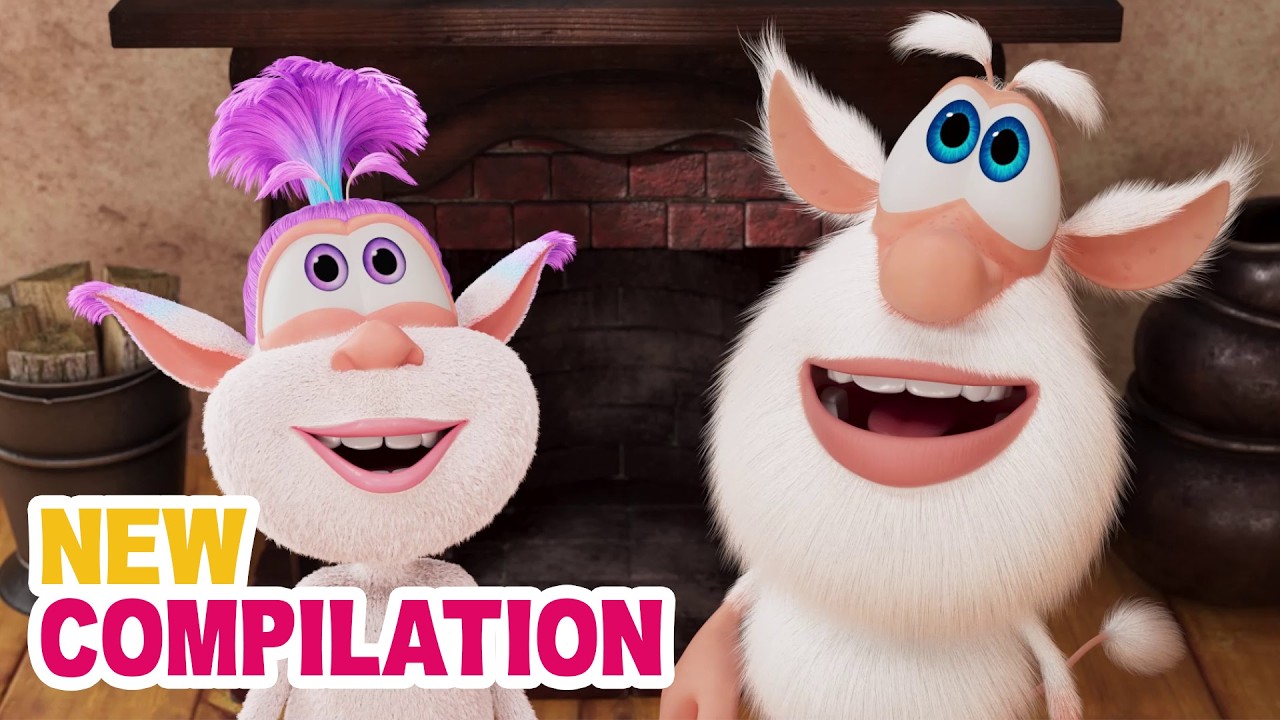
Origami is a fantastic way to combine creativity, concentration, and fine motor skills in young learners. When inspired by Booba, origami becomes even more playful and engaging, turning simple paper folding into exciting adventures for kids.
In this guide, we explore Booba-themed origami ideas for children aged 4–8, complete with step-by-step instructions and educational benefits.
Why Booba Origami Is Perfect for Kids:
-
Visual Appeal: Booba’s expressive face and playful body make origami more fun.
-
Simple Shapes: Rounded and exaggerated shapes are easy for children to fold.
-
Hands-On Learning: Folding paper enhances fine motor development.
-
Creativity & Imagination: Kids can invent their own Booba scenes and scenarios.
Materials Needed:
-
Colored origami paper or plain square sheets
-
Markers or colored pencils
-
Optional: Googly eyes, stickers, or small decorations
-
Clear surface for folding and crafting
Top Booba Origami Ideas for Kids:
1. Booba Paper Figure
-
Fold a simple square base for the body.
-
Add ears and facial features with markers or cut-out shapes.
-
Can be used for play, storytelling, or desk display.
Learning Tip: Encourages precision, sequencing, and fine motor control.
2. Booba Paper Puppet
-
Create a folded paper figure with movable arms and legs.
-
Use a small stick or straw as a handle for role-play.
-
Kids can reenact favorite Booba adventures.
Learning Tip: Develops imaginative play and storytelling skills.
3. Booba Origami Mask
-
Fold a square sheet to create a wearable Booba face.
-
Decorate with markers and add elastic string.
-
Perfect for dress-up or small Booba performances.
Learning Tip: Improves spatial awareness and creativity.
4. Booba Origami Animals
-
Create additional origami animals for Booba to interact with.
-
Examples: birds, mice, or small creatures from Booba episodes.
-
Can be used to set up miniature adventures or storytelling scenes.
Learning Tip: Encourages pattern recognition and creativity.
5. Booba Origami Gift Boxes
-
Make small boxes with Booba faces for party favors or treasures.
-
Kids can decorate boxes with stickers, crayons, or markers.
-
Useful for themed parties or reward systems.
Learning Tip: Teaches measurement, folding precision, and planning skills.
6. Booba Origami Collage
-
Combine multiple origami figures to create a Booba scene.
-
Glue or tape folded characters onto a larger sheet.
-
Add drawn backgrounds or props to enhance the storytelling.
Learning Tip: Boosts creative thinking, storytelling, and planning.
7. Booba Origami Bookmarks
-
Fold origami corners into fun Booba-themed bookmarks.
-
Personalize with markers or stickers.
-
Encourages reading habits while combining craft and play.
Tips for Booba Origami Success:
-
Use Bright Colors: Kids are more engaged with neon or vibrant papers.
-
Start Simple: Begin with basic folds before attempting complex shapes.
-
Add Personal Touches: Draw Booba expressions and accessories.
-
Combine with Stories: Encourage children to narrate adventures as they fold.
-
Display Creations: Show finished origami at home or classroom for motivation.
Educational Benefits of Booba Origami:
-
Fine Motor Skills: Folding and shaping paper strengthens hand muscles and coordination.
-
Cognitive Skills: Following step-by-step instructions enhances problem-solving and sequencing.
-
Creativity & Imagination: Kids invent new scenarios and expressions for Booba.
-
Concentration & Patience: Completing origami teaches focus and perseverance.
-
Visual-Spatial Awareness: Understanding folds and shapes improves spatial reasoning.
Final Thoughts:
Booba origami combines fun, creativity, and learning for children. From simple paper figures and puppets to masks and interactive scenes, Booba-themed origami fosters fine motor development, imagination, and storytelling skills. Perfect for home activities, preschool classrooms, or rainy-day fun, Booba origami turns everyday paper into playful adventures.