Learn and Sing with Fun
Nursery rhymes have been a beloved part of early childhood education for generations. In 2025, their role has become even more significant, thanks to animated videos and interactive digital content. Nursery rhymes help children develop language skills, memory, rhythm, and social understanding—all while having fun.
This guide explores the benefits of nursery rhymes, popular animated series for children, and tips for parents to make the most out of rhyme-based learning.
Why Nursery Rhymes Are Important for Children:
Nursery rhymes are more than simple songs—they are powerful educational tools. They combine melody, rhythm, and repetition, making learning enjoyable and effective.
Key benefits of nursery rhymes include:
-
Language development: Helps children learn new words, pronunciation, and sentence structure.
-
Memory and recall: Repetition and rhyming enhance memory skills.
-
Rhythm and musical skills: Introduces children to beat, melody, and rhythm.
-
Cognitive development: Patterns, sequences, and storylines encourage thinking and reasoning.
-
Social and emotional growth: Singing together promotes bonding, cooperation, and emotional expression.
Popular Types of Nursery Rhymes:
Nursery rhymes can be grouped into several categories to target different learning skills:
1. Traditional Rhymes:
These are the classic rhymes like Twinkle Twinkle Little Star, Humpty Dumpty, or Baa Baa Black Sheep. They are simple, melodic, and easy to memorize, making them perfect for toddlers and preschoolers.
2. Alphabet and Counting Rhymes:
Songs that combine rhymes with alphabet letters or numbers help children learn language and numeracy simultaneously. Examples include ABC Song and One, Two, Buckle My Shoe.
3. Movement and Action Rhymes:
Action rhymes involve gestures and physical activity, improving gross motor skills and coordination. Examples include If You’re Happy and You Know It or Head, Shoulders, Knees, and Toes.
4. Themed Rhymes:
Some nursery rhymes focus on animals, seasons, or daily routines, teaching children about the world in a fun, musical way. Examples include Old MacDonald Had a Farm and Rain, Rain, Go Away.
Top Animated Nursery Rhymes for Children in 2025:
1. Super Simple Songs:
A favorite among toddlers, this series combines animated visuals, slow-paced music, and easy-to-follow lyrics.
Highlights:
-
Alphabet, numbers, and action rhymes
-
Interactive, easy for children to sing along
-
Bright, colorful animations for engagement
2. Booba’s Nursery Rhymes:
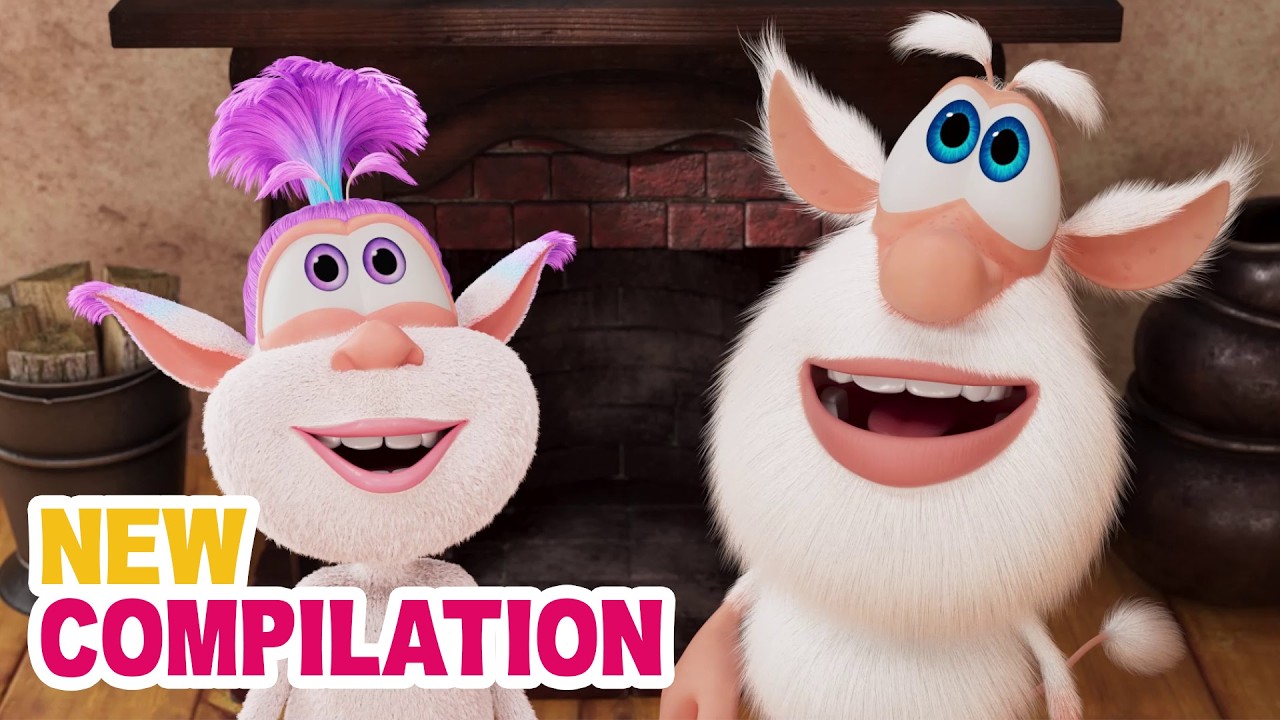
Booba, a popular character, now features nursery rhyme adventures that make classic songs fun and playful.
Benefits:
-
Non-verbal and universally understandable
-
Encourages observation and rhythm learning
-
Perfect for toddlers and preschoolers
3. Little Baby Bum:
One of the most well-known animated nursery rhyme channels, Little Baby Bum offers:
-
Wide range of rhymes from traditional to modern
-
Fun animations to hold children’s attention
-
Songs that reinforce early language, counting, and colors
4. Cocomelon:
Cocomelon is widely popular for combining nursery rhymes with short educational stories.
Learning focus:
-
Letters, numbers, and colors
-
Social skills and good habits
-
Memory and listening skills through repetition
5. Nursery Rhymes Club:
An interactive animated series with sing-along features and visual cues for each word.
Benefits:
-
Engages children in singing and reading
-
Improves pronunciation and vocabulary
-
Introduces rhythm and melody for early musical skills
How to Use Nursery Rhymes Effectively:
While nursery rhymes are fun, parents play a key role in enhancing their educational value:
-
Sing along: Join your child to improve language and bonding.
-
Add gestures and movements: Action rhymes improve coordination and memory.
-
Repetition is key: Repeating songs helps reinforce learning.
-
Combine with visuals: Animated videos make rhymes more engaging.
-
Discuss the story or theme: Even short rhymes can teach lessons about animals, nature, or social behavior.
-
Create a daily routine: Singing nursery rhymes at consistent times (morning, bedtime) reinforces memory and habit formation.
Benefits of Animated Nursery Rhymes:
Animated nursery rhymes combine music, movement, and storytelling to create a multi-sensory learning experience:
-
Visual learning: Bright characters, colors, and movements enhance memory.
-
Auditory learning: Repetition of sounds, words, and rhythms improves language skills.
-
Interactive engagement: Sing-along and dance-along features make learning fun.
-
Emotional connection: Characters and songs help children express feelings and connect with stories.
Recommended Nursery Rhymes for Children in 2025:
Here’s a curated list of popular and educational nursery rhyme series:
-
Super Simple Songs – Alphabet, numbers, and classic rhymes
-
Booba’s Nursery Rhymes – Fun adventures with playful characters
-
Little Baby Bum – Wide variety of rhymes with vibrant animations
-
Cocomelon – Combines songs with short stories and social lessons
-
Nursery Rhymes Club – Interactive sing-along videos for toddlers
These series provide safe, colorful, and educational content, making learning enjoyable for toddlers and preschoolers.
Final Thoughts:
Nursery rhymes are a timeless tool for early childhood learning, helping children develop language, memory, rhythm, and social skills. In 2025, animated and interactive videos make these rhymes even more engaging, allowing toddlers to learn while having fun.
Parents can maximize the benefits by:
-
Singing along with their children
-
Incorporating gestures and movements
-
Repeating favorite rhymes regularly
-
Pairing songs with discussion or hands-on activities
With the right nursery rhymes, screen time becomes productive and educational, giving toddlers a strong foundation for learning, creativity, and social development.
Tip for Parents: Encourage children to create their own rhymes or act out songs—this reinforces creativity, memory, and understanding of language patterns.