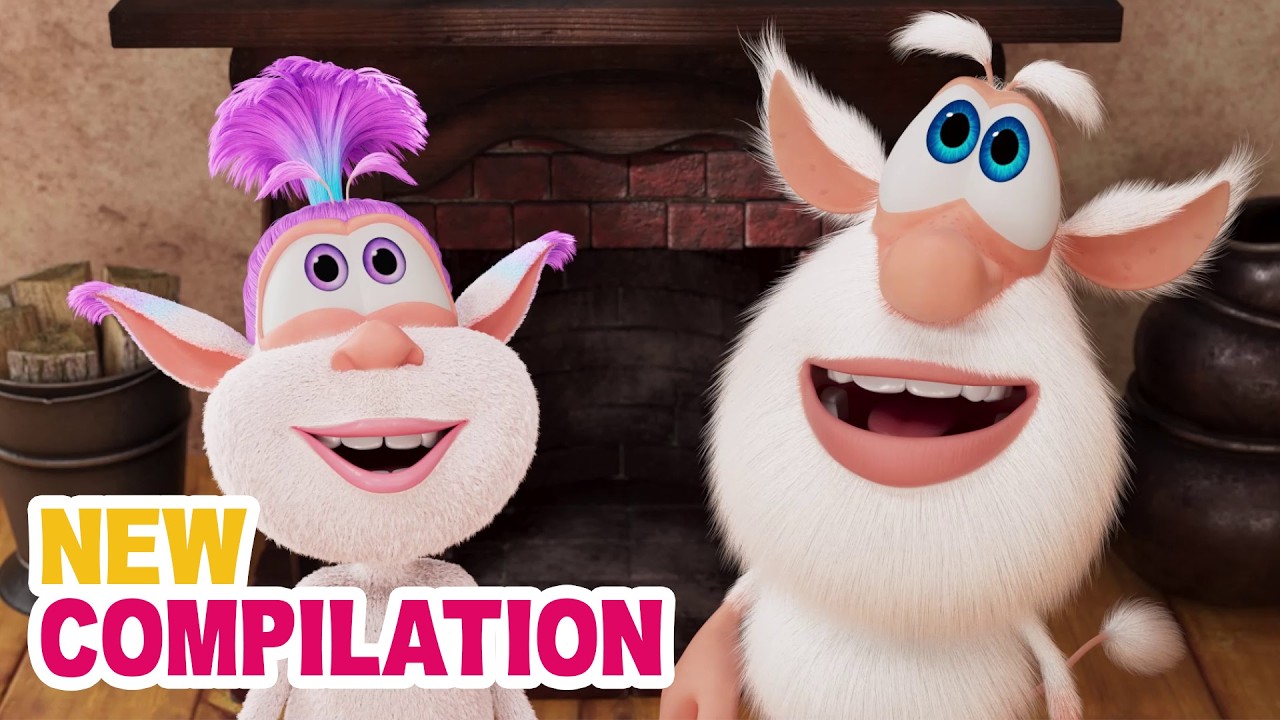
Booba-Themed Birthday Party Ideas

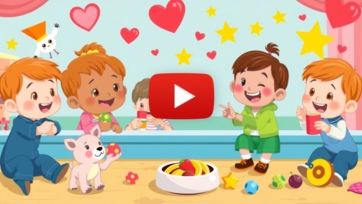
Planning a birthday party for young kids can be exciting but also challenging. If your child loves Booba, a Booba-themed birthday party is a perfect way to combine fun, creativity, and learning. From decorations and games to food and party favors, Booba-inspired ideas make every child feel like they are in a playful adventure.

In this guide, we provide fun, safe, and creative Booba-themed birthday party ideas for children aged 3–7.


1. Invitations Inspired by Booba:

Start the party excitement with creative invitations:

  • Use Booba images or templates

  • Bright, playful colors like neon pink, blue, or yellow

  • Include fun phrases like “Join Booba’s Adventure Party!”

Educational Tip: Children can help color or decorate invitations, practicing fine motor skills and creativity.


2. Booba Decorations:

Decorations set the tone for the party:

  • Balloons, banners, and streamers in Booba’s signature colors

  • Tablecloths, plates, and cups featuring Booba or playful motifs

  • DIY cardboard props like Booba’s favorite objects: toys, balloons, pillows

Fun Tip: Use confetti and colorful props to create a playful, chaotic Booba environment.


3. Booba-Themed Cake:

The cake is always a party centerpiece:

  • Booba-shaped cake or cupcakes decorated with Booba faces

  • Bright colors with fun edible props like balloons or stars

  • Optionally, make cupcakes with mini Booba toppers

Educational Tip: Let kids help decorate cupcakes for hands-on creativity and color recognition.


4. Booba-Inspired Games:

Bring Booba’s playful adventures to life with games:

  1. Balloon Chase Adventure – Kids chase colorful balloons, mimicking Booba.

  2. Obstacle Course – Pillows, cushions, and toys create a mini adventure.

  3. Treasure Hunt – Hide toys or candy around the room.

  4. Booba Freeze Dance – Dance like Booba, freeze when music stops.

  5. DIY Booba Masks – Craft activity where kids make and wear Booba masks.

Educational Value: These games boost motor skills, creativity, and teamwork.


5. Themed Party Favors:

Party favors make kids excited and extend the fun:

  • Mini Booba toys or figurines

  • Coloring pages and crayons

  • DIY mask kits or stickers

  • Booba-themed goodie bags with bright colors

Fun Tip: Encourage kids to take their DIY masks or colored pages home to practice creativity.


6. Booba Photo Booth:

Set up a small photo booth with props:

  • Booba masks, plush toys, balloons

  • Bright backgrounds with Booba-themed decorations

  • Kids can pose and act out Booba’s adventures

Educational Value: Encourages imaginative play and storytelling.


7. Party Music and Dance:

Booba’s silent comedy is full of physical comedy and action:

  • Play fun, upbeat music for dancing

  • Encourage kids to mimic Booba’s movements

  • Include games like “Booba Says” for fun movement-based interaction

Educational Tip: Enhances gross motor skills, rhythm, and coordination.


8. Booba Snack Ideas:

Keep snacks fun, colorful, and thematic:

  • Mini sandwiches cut into fun shapes

  • Colorful fruit skewers

  • Cupcakes or cookies decorated like Booba’s face

  • Healthy snacks disguised as playful treats

Educational Tip: Discuss colors, shapes, and healthy eating while serving snacks.


9. Craft Corner:

Provide a creative area for kids:

  • Coloring Booba pages

  • DIY Booba masks

  • Sticker decorating stations

  • Playdough modeling of Booba characters

Educational Value: Encourages fine motor skills, creativity, and focus.


10. Ending the Party:

Conclude with a memorable touch:

  • Booba-themed thank-you notes

  • Photo mementos

  • Small Booba figurines or toys as keepsakes

This makes the party interactive, fun, and educational.


Final Thoughts:

A Booba-themed birthday party combines fun, creativity, and learning. With bright decorations, playful games, themed food, and DIY crafts, children enjoy a safe and exciting adventure that mirrors Booba’s animated world. Parents and educators can use these ideas to host memorable, engaging, and educational celebrations for kids aged 3–7.
Advertisement
Top 20 Fun Facts About Cartoons Kids Will Enjoy
Get ready for a behind-the-scenes peek into the colorful, wacky, and amazing world of cartoons! These fun facts will make you see your favorite shows in a whole new way. 1. The First Cartoon Star Was a Dinosaur : Before Mickey Mouse, there was Gertie! Gertie the Dinosaur, made in 1914, was one of the very first cartoon characters with a real personality. She could listen to commands and even cried when scolded! 2. Cartoon Characters Often Have 4 Fingers : Look at the hands of Mickey Mouse, Homer Simpson, or SpongeBob SquarePants. Many are drawn with only four fingers (three fingers and a thumb). It’s a tradition from old animation because it’s faster to draw and looks just as good on screen! 3. Some Cartoons Are Made from Thousands of Drawings : A one-minute scene in a hand-drawn cartoon can need over 1,400 separate drawings! That’s why big teams of artists work together to bring your favorite half-hour show to life. 4. Voice Actors Often Record Alone : You might think the actors who play best friends in a cartoon record together, but they usually record their lines alone in a sound booth, talking to a microphone. Later, editors mix their voices to make it sound like a conversation! 5. Cartoon Food is Often Made of Plastic or Glue : In stop-motion cartoons (like Wallace & Gromit), real food would wilt and look bad under hot lights. So, chefs and artists make fake food from colored glue, cotton balls, or plastic that looks delicious on camera. 6. Bugs Bunny’s Famous Line Was a Mistake : When Bugs Bunny first said, “What’s up, Doc?” in 1940, the animator just put in a silly line. It was so funny that it became his catchphrase forever! 7. SpongeBob’s Laugh is a Real Sea Creature : That iconic, silly laugh of SpongeBob SquarePants? The sound editor, Tom Kenny (who also voices SpongeBob), actually made that sound by recording a dolphin's chatter and then editing it to sound even goofier! 8. Many Cartoon Towns Are Based on Real Places : The town in Scooby-Doo looks a lot like a California beach city. The Simpsons’ Springfield is a mix of many small American towns. Animators often use real places for inspiration. 9. “Steamboat Willie” Wasn’t Mickey’s First Cartoon : Steamboat Willie (1928) is famous as Mickey Mouse’s debut, but two other Mickey cartoons were made first. Steamboat Willie was just the first one released to the public because it had synchronized sound, which was brand new and exciting! 10. Cartoon Characters Blink Slowly on Purpose : Animators make characters blink slowly and less often than real people. Why? Because blinking too much can make a character look nervous or shifty. A slow blink makes them seem more friendly and relatable. 11. Some Cartoons Use “Smear Frames” for Speed : When a character runs super fast, animators sometimes add a single, crazy-looking stretched-out drawing called a “smear frame.” You barely see it, but it tricks your brain into feeling the speed! 12. Winnie the Pooh’s Red Shirt Has a Funny Reason : In the original books, Winnie the Pooh was naked! He got his famous red shirt when he was animated because the filmmakers thought a completely naked bear might look odd on screen. 13. Cartoon Sound Effects Come from Weird Places : That “boing” sound of a spring? It’s often a real metal slinky. The sound of a sword being pulled out? It’s actually two metal plates being rubbed together in a studio. Sound artists are very creative! 14. The First Full-Color Cartoon Was About Flowers : Flowers and Trees, made by Disney in 1932, was the first cartoon in full Technicolor. It won the very first Academy Award for Best Cartoon! 15. Cartoon Dogs Often Have the Same Voice Actor : A man named Frank Welker has voiced hundreds of cartoon animals! He’s the voice of Scooby-Doo’s laugh and bark, Fred Jones’s dog in Scooby-Doo, Abu in Aladdin, and Curious George. He’s a master of funny animal sounds! 16. Animators Study Real-Life Movements : To make cartoon movements look real (even in silly ways), animators often watch videos of people and animals or even act out scenes themselves in front of a mirror. It’s part of their homework! 17. Some Cartoons Are Controlled by Math : In computer animation, things like how hair blows in the wind, how water splashes, or how a crowd moves are often created using special math formulas and physics simulations inside the computer. It’s like a super-smart video game engine! 18. The Longest-Running Cartoon is… : The Simpsons! It first started in 1989 and is still making new episodes. It holds the world record for the longest-running primetime animated TV show. 19. Early Cartoons Were Shown in Movie Theaters : Before TV, people went to the movie theater to watch the news, a main movie, AND a brand-new cartoon short! Cartoons like Tom and Jerry and Looney Tunes were made for the big screen. 20. You Can See Hidden Animators in Cartoons : Sometimes animators sneak their own names, or even drawings of themselves, into the background of a scene as a fun Easter egg. Next time you watch, look carefully at signs in the background or crowd scenes! Conclusion: A World of Wonder and Hard Work : Cartoons are a magical mix of silly ideas, amazing art, clever technology, and a whole lot of hard work. Every frame, sound effect, and funny line is made with love by teams of creative people who want to make you smile. So the next time you watch, remember—you’re not just being entertained, you’re seeing a masterpiece of imagination in motion!
Top Booba-Themed Printable Worksheets for Children
Printable worksheets are an excellent way to combine fun and learning for children. Booba, with his playful and expressive personality, provides the perfect theme for worksheets that engage young learners. From coloring and tracing to puzzles and counting activities, Booba worksheets make education interactive, enjoyable, and visually stimulating. In this guide, we present the top Booba-themed printable worksheets for children aged 3–8, along with tips on how to use them for learning at home or in the classroom. 1. Booba Coloring Worksheets: Simple line art of Booba in various poses Bright colors can be added using crayons or markers Teaches color recognition, hand-eye coordination, and creativity Activity Tip: Encourage children to tell a mini story about what Booba is doing in the picture. 2. Booba Tracing Worksheets: Outlines of Booba, objects, and letters for tracing Helps children practice fine motor skills, pencil control, and writing readiness Great for preschoolers and early learners Learning Tip: Tracing can be combined with counting or identifying shapes in the picture. 3. Booba Maze Worksheets: Children help Booba find his way to a toy, balloon, or friend Improves problem-solving, spatial awareness, and patience Fun and engaging way to introduce logical thinking Activity Tip: Reward completion with a sticker or mini Booba stamp. 4. Booba Counting Worksheets: Worksheets with Booba interacting with objects for counting practice Helps children recognize numbers, quantities, and basic math skills Encourages visual learning and numeracy development Learning Tip: Ask children to color a certain number of items while counting aloud. 5. Booba Matching Worksheets: Match Booba characters to their favorite objects or scenes Enhances cognitive skills, attention to detail, and memory Suitable for group activities or solo learning Activity Tip: Use mini stickers for correct matches to make it interactive. 6. Booba Pattern Recognition Worksheets: Identify and continue patterns using Booba-themed objects Boosts critical thinking, sequencing, and problem-solving skills Ideal for preschoolers to practice logical reasoning Learning Tip: Start with simple patterns and gradually increase complexity. 7. Booba Spot-the-Difference Worksheets: Two similar Booba images with subtle differences Encourages visual observation, attention to detail, and patience Great for enhancing focus and concentration Activity Tip: Children can circle or color the differences for added fun. 8. Booba Cut-and-Paste Worksheets: Cut out Booba characters or objects and paste them into the correct scenes Improves fine motor skills, hand-eye coordination, and sequencing Adds a tactile dimension to learning Learning Tip: Turn it into a storytelling activity where children explain their scene. 9. Booba Word Search & Alphabet Worksheets: Introduce Booba-themed words for children to find in a word search Letters or words can be traced or colored for alphabet practice Develops reading skills, vocabulary, and letter recognition Activity Tip: Encourage children to use the words in their own mini stories. 10. Booba Creative Writing Worksheets: Provide a scene with Booba and leave space for children to write or draw what happens next Enhances imagination, storytelling, and writing skills Suitable for older preschoolers and early elementary learners Learning Tip: Combine with coloring and drawing to create a complete activity sheet. How to Use Booba Worksheets Effectively: Combine Multiple Skills: Use worksheets that combine coloring, counting, and tracing for multi-skill development. Set a Theme: Align worksheets with favorite Booba episodes or activities. Interactive Learning: Encourage discussion, storytelling, and role-play while completing worksheets. Reward Completion: Stickers, stamps, or praise motivate children. Rotate Activities: Offer different types of worksheets weekly to maintain interest. Educational Benefits of Booba Worksheets: Cognitive Development: Puzzles, matching, and pattern recognition enhance thinking skills. Fine Motor Skills: Coloring, tracing, and cutting improve hand-eye coordination. Creativity & Imagination: Children interpret Booba scenes and create their own ideas. Problem-Solving: Mazes and pattern activities teach logical thinking. Language & Literacy: Word searches and writing exercises improve vocabulary and literacy. Final Thoughts: Booba-themed printable worksheets are an engaging way to combine fun and learning. From coloring and tracing to mazes, counting, and creative writing, these worksheets help children develop essential skills while exploring Booba’s playful world. Perfect for home learning, preschool classrooms, or rainy-day activities, Booba worksheets keep children entertained and educationally engaged.
Booba Silent Comedy: Why It Works for Every Culture
Booba is a universally loved cartoon character, and one of the biggest reasons for his global popularity is his silent comedy style. Unlike many other shows that rely on dialogue or language-specific jokes, Booba communicates entirely through visual humor, expressions, and playful actions. This unique approach allows children and families from every culture and language background to enjoy the content equally. In this article, we explore why Booba’s silent comedy works so well worldwide, the psychological reasons behind it, and the benefits for kids. 1. Visual Humor is Universal: Silent comedy relies on visual cues, exaggerated gestures, and facial expressions. Booba’s large eyes, open mouth, and dramatic reactions make it instantly clear what he is feeling or doing. Why it works for every culture: No need for language comprehension Humor is instantly understandable Children and adults can laugh together Example: Booba slipping on a toy or reacting to a bouncing ball is funny in any country, regardless of spoken language. 2. Easy for Kids to Follow: Young children, especially ages 2–7, often cannot fully understand dialogue-heavy shows. Booba’s silent comedy is: Simple to follow Engaging through action and movement Fun without requiring reading or listening skills Psychological Impact:Children develop attention, observation, and comprehension skills while enjoying the show. 3. Cross-Cultural Appeal: Booba’s silent comedy removes cultural barriers. There are no jokes that depend on specific language, slang, or cultural references. Why this matters: Children worldwide can enjoy the same humor Parents can introduce Booba to multilingual households Episodes are universally shareable Example: A Japanese child and a Brazilian child can laugh at the same scene, even without translation. 4. Encourages Emotional Understanding: Silent comedy emphasizes emotions through expression, which helps children recognize and understand feelings. Why it’s effective globally: Smiling, laughing, surprise, or frustration is universally recognized Children learn empathy and emotional awareness Language differences do not hinder emotional learning Example: Booba reacting with surprise to a falling object teaches children that unexpected events can be funny and safe. 5. Promotes Imaginative Play: Booba often turns ordinary objects into playful adventures. Silent storytelling encourages children to imagine the story themselves, rather than relying on dialogue. Educational Value: Encourages creativity Develops imagination Kids can invent their own explanations for Booba’s actions Example: A cardboard box becomes a car, spaceship, or hiding place—all interpretable differently by children in different cultures. 6. Humor Without Conflict: Booba’s comedy is always safe, light-hearted, and non-violent. There are no culturally sensitive jokes or language-based misunderstandings. Why this matters: Safe for all children Parents feel comfortable letting kids watch Humor is inclusive and universally enjoyable Example: Booba falling into a pile of pillows or chasing bubbles is funny without being harmful or offensive. 7. Short Episodes Suit Short Attention Spans: Most Booba episodes are short, fast-paced, and action-packed, which suits children with limited attention spans. Global benefit: Engaging for children everywhere No need for long explanations or cultural context Encourages repeated viewing, which reinforces learning Psychological Impact:Short, repetitive episodes help children develop memory and observational skills. 8. Builds Early Cognitive Skills: Silent comedy stimulates problem-solving, pattern recognition, and cause-and-effect learning. Children watch Booba try, fail, and succeed at small challenges. Why it transcends culture: Skills are universal Children learn through action, not words Enhances early cognitive development globally Example: Booba experimenting with a rolling ball teaches persistence and observation in every culture. 9. Multi-Generational Entertainment: Because Booba is silent, adults can enjoy the humor too. Families around the world can watch together without needing translation. Why it works cross-culturally: Promotes shared entertainment Strengthens family bonds Humor is universally appealing Example: Parents laugh along while toddlers are entertained, creating a shared viewing experience. 10. Supports Early Language and Observation: While Booba doesn’t speak, the silent comedy style enhances children’s listening, observation, and storytelling skills. Benefits: Children can describe what they see in their own words Supports language development indirectly Encourages active engagement rather than passive watching Example: A child explaining Booba’s adventure to a friend or parent strengthens communication skills. Final Thoughts: Booba’s silent comedy is more than just entertainment—it’s a universal, cross-cultural tool for learning, creativity, and fun. Children worldwide can enjoy Booba without language barriers while developing curiosity, problem-solving skills, emotional awareness, and imaginative play. The genius of Booba lies in its simplicity: funny, safe, and universally relatable.
Booba Drawing Tutorials for Kids
Booba, with his expressive face, playful antics, and simple shapes, is the perfect character for kids to learn drawing. Drawing tutorials inspired by Booba help children develop fine motor skills, creativity, and visual observation while keeping them entertained. In this guide, we will cover easy Booba drawing tutorials for kids and explain how to make the activity fun, educational, and engaging for children aged 3–8. Why Booba Drawing Is Perfect for Kids: Simple Shapes: Booba’s rounded forms and bold features are easy for children to replicate. Expressive Character: Big eyes, exaggerated mouth, and fluffy body encourage creativity. Step-by-Step Learning: Children can follow simple steps to create recognizable characters. Safe & Fun: Requires minimal materials and is suitable for home or classroom settings. Materials Needed: Drawing paper or sketchbook Pencils and erasers Colored pencils, crayons, or markers Optional: Ruler for shapes, templates for guidance Step-by-Step Booba Drawing Tutorial for Kids: 1. Start with Basic Shapes Draw a large oval for Booba’s head. Add a smaller oval or circle for the body. Mark positions for eyes, nose, and mouth lightly with a pencil. Educational Tip: Teaches kids shape recognition and spatial awareness. 2. Add Eyes and Facial Features Draw big circular eyes near the top of the head. Add pupils and highlights to make them expressive. Draw a small oval nose and a wide, smiling mouth. Educational Tip: Encourages fine motor control and observation skills. 3. Draw Booba’s Arms and Legs Use curved lines for arms and legs. Hands can be simple ovals or mitten shapes. Feet are rounded or slightly elongated to mimic Booba’s style. Learning Tip: Helps children understand proportions and symmetry. 4. Add Booba’s Fluffy Ears and Tail Draw large, rounded ears on the sides of the head. Optional: Add a small fluffy tail for additional detail. Educational Tip: Introduces attention to detail and pattern recognition. 5. Add Accessories or Objects Kids can draw Booba interacting with toys, balloons, or pillows. Encourage imagination: Booba can be climbing, jumping, or sliding. Learning Tip: Supports creative thinking and storytelling. 6. Outline and Erase Guidelines Trace final lines with a darker pencil or marker. Erase unnecessary guidelines to clean up the drawing. Educational Tip: Teaches focus, patience, and precision. 7. Coloring Your Booba Drawing Use bright colors to mimic Booba’s animated style. Encourage kids to experiment with new color combinations. Add details like shadows or background items to make it lively. Learning Tip: Enhances color recognition, creativity, and concentration. Tips to Make Booba Drawing More Fun: Follow Along Videos: Use step-by-step tutorials for guidance. Draw Together: Parents or teachers can draw alongside kids to increase engagement. Storytelling: Encourage children to create stories about what Booba is doing in their drawings. Display Artwork: Show off finished drawings on walls or classroom boards to boost confidence. Combine with Crafts: Turn drawings into puppets, masks, or collages. Educational Benefits of Booba Drawing Tutorials: Fine Motor Development: Tracing, coloring, and shaping improve hand strength. Creativity & Imagination: Kids interpret Booba’s expressions in unique ways. Cognitive Skills: Planning steps and drawing sequences enhances problem-solving. Visual Observation: Children learn to observe shapes, proportions, and expressions. Emotional Expression: Drawing expressive faces encourages understanding of emotions. Final Thoughts: Booba drawing tutorials are perfect for combining fun and learning. Kids develop creativity, motor skills, observation, and storytelling abilities while enjoying a hands-on, interactive activity. Drawing Booba can be a daily creative habit or a fun weekend project, making learning exciting and visually engaging.
Best Cartoons for Pre-K Learning
Cartoons are not just entertaining; they are powerful educational tools, especially for Pre-K children. At this age, children are naturally curious and learn best through visual storytelling, repetition, and play. Choosing the right cartoons can help children develop foundational skills in areas such as literacy, numeracy, problem-solving, creativity, and social-emotional understanding. Pre-K learning focuses on building skills that prepare children for kindergarten and beyond. Well-designed cartoons combine bright visuals, engaging characters, and simple educational concepts, making learning fun and effective. Why Educational Cartoons Matter for Pre-K Children: Pre-K children are in a critical stage of cognitive development. Educational cartoons help in: Introducing letters, numbers, and shapes Teaching colors, patterns, and spatial awareness Building vocabulary and language skills Developing social-emotional skills like sharing and empathy Encouraging curiosity and problem-solving By making learning interactive and visually appealing, cartoons capture attention and increase retention. Cartoons That Teach Literacy Skills: Certain cartoons focus on letters, phonics, and storytelling. They help children recognize sounds, words, and sentence structures through: Repetition of letters and words Simple rhymes and songs Story-based lessons with engaging characters These shows improve early reading and communication skills, helping children develop a strong language foundation. Cartoons That Teach Numeracy and Math Concepts: Some educational cartoons introduce numbers, counting, and basic math concepts: Counting objects in fun adventures Identifying shapes and patterns Understanding concepts like more, less, big, and small These cartoons make abstract concepts tangible and memorable for Pre-K learners. Cartoons That Encourage Creativity and Imagination: Creativity is crucial in early learning. Cartoons that inspire drawing, building, or imaginative play help children: Explore colors, shapes, and textures Experiment with ideas in pretend play Build critical thinking and problem-solving skills Creative cartoons allow children to express themselves freely while learning new concepts. Cartoons That Teach Social and Emotional Skills: Pre-K children are learning to interact with peers and manage emotions. Cartoons that focus on friendship, empathy, and teamwork help children: Recognize feelings in themselves and others Understand conflict resolution Develop kindness and sharing habits These shows support emotional intelligence, which is as important as academic skills at this age. Benefits of Watching Educational Cartoons: Watching the right cartoons provides multiple benefits for Pre-K learners: Makes learning fun and engaging Improves memory and attention span Encourages curiosity and exploration Strengthens language and communication skills Prepares children for formal school learning Educational cartoons turn screen time into productive learning time when chosen wisely. How Parents Can Maximize Learning from Cartoons: Parents can enhance the benefits of educational cartoons by: Watching cartoons together and discussing key lessons Asking questions about letters, numbers, shapes, and colors Encouraging children to imitate experiments, songs, or creative tasks Relating cartoon concepts to real-life experiences This active engagement ensures that children apply what they learn beyond the screen. Tips for Choosing the Best Pre-K Cartoons: Not all cartoons are equally educational. Parents should look for shows that: Use bright visuals and slow-paced narration suitable for young children Focus on basic skills like letters, numbers, colors, and social learning Avoid violence, fast cuts, or overly complicated storylines Include positive role models and relatable characters Popular Pre-K educational shows include Sesame Street, Bluey, Daniel Tiger’s Neighborhood, and Pocoyo, among others. Conclusion: Choosing the best cartoons for Pre-K learning can significantly impact a child’s early development. Educational cartoons provide a fun and interactive way to introduce foundational skills in literacy, numeracy, creativity, and social-emotional growth. When parents actively participate and guide learning, cartoons become a powerful tool that nurtures curiosity, engagement, and a love for learning from a young age.
How to Use Playful Cartoon Characters to Improve Kids’ Creativity
Children love watching funny, curious, and playful animated characters. Beyond entertainment, these characters can be powerful tools to boost creativity, imagination, and problem-solving skills in young learners. This guide explains how parents can use animated characters to inspire creativity in children aged 3–8 through activities, storytelling, and interactive play. Why Animated Characters Boost Creativity: Imaginative Scenarios: Characters often explore unusual or silly situations, inspiring children to think outside the box. Visual Storytelling: Exaggerated expressions and playful antics allow children to interpret and invent stories. Hands-On Inspiration: Watching characters can motivate kids to draw, craft, or role-play. Problem-Solving: Funny mishaps encourage children to invent solutions, enhancing cognitive skills. Ways to Use Animated Characters to Enhance Creativity: 1. Storytelling Activities Ask children to retell the episode in their own words. Encourage them to change endings or invent new adventures. Use props or toys to act out scenes, promoting imagination. Educational Tip: Enhances narrative skills, sequencing, and vocabulary. 2. Drawing and Coloring Inspired by Characters Let kids draw or color scenes from the episode. Encourage adding new elements or characters, fostering creativity. Combine with storytelling by asking them to describe their drawings. Learning Tip: Supports fine motor skills and creative thinking. 3. Craft and DIY Projects Create character-themed crafts, such as paper puppets, masks, or origami figures. Encourage children to design new characters or accessories, boosting problem-solving and innovation. Learning Tip: Hands-on crafts enhance planning, coordination, and imaginative skills. 4. Role-Playing and Acting Children can recreate scenes or improvise new stories. Use safe props or costumes to make play interactive. Role-play helps children experiment with different emotions and scenarios. Learning Tip: Develops emotional intelligence, social skills, and creativity. 5. Writing Mini Stories For older children (6–8 years), encourage writing short stories inspired by episodes. They can illustrate characters and adventures, combining art and writing. Helps build literacy skills, imagination, and self-expression. Tips for Parents: Co-Create Stories: Participate with your child to make storytelling interactive. Provide Materials: Supply markers, colored paper, scissors, or toys for creative activities. Encourage Originality: Praise unique ideas rather than copying. Set a Routine: Incorporate 20–30 minutes of creativity-inspired activities after watching episodes. Display Work: Showcase drawings or crafts to boost confidence and motivation. Benefits of Using Animated Characters for Creativity: Imagination Growth: Kids learn to invent and visualize new scenarios. Problem-Solving Skills: Characters’ challenges encourage innovative thinking. Fine Motor Development: Drawing, coloring, and crafting enhance hand-eye coordination. Emotional Expression: Acting or storytelling helps express feelings. Confidence and Achievement: Completing projects inspired by characters increases self-esteem. Final Thoughts: Playful cartoon characters are more than just entertainment—they can inspire creativity, problem-solving, and imaginative play in children. By integrating drawing, storytelling, role-playing, and crafts, parents can turn screen time into interactive learning experiences, boosting both fun and skill development.
Best YouTube Channels for Toddlers
YouTube has become a popular platform for young children, offering fun, educational, and engaging videos. However, parents must ensure that toddlers watch age-appropriate content that promotes learning, creativity, and safe screen time. This guide highlights the best YouTube channels for toddlers, suitable for ages 1–4, and offers tips for parents to make the experience both fun and safe. Why Choosing the Right Channel Matters: Safety First: Toddlers can accidentally access inappropriate content. Educational Value: High-quality channels teach numbers, colors, letters, and basic life skills. Entertainment with Learning: Bright visuals, songs, and playful characters keep toddlers engaged while learning. Interactive Experience: Encourages singing, dancing, and role-playing, enhancing physical and cognitive development. Top YouTube Channels for Toddlers: 1. Tiny Tunes World Focuses on songs, nursery rhymes, and interactive storytelling. Helps toddlers learn language, rhythm, and coordination. 2. Little Learners Club Engaging videos on colors, shapes, numbers, and basic concepts. Short episodes perfect for toddlers’ attention span. 3. Happy Critters TV Fun animated characters teach sharing, friendship, and emotional awareness. Combines humor with social and emotional learning. 4. Giggle Garden Outdoor adventures with toddlers-friendly characters. Encourages exploration, observation, and nature awareness. 5. Playful Pals Features playful characters in creative scenarios. Promotes imagination, role-playing, and problem-solving skills. 6. Fuzzy Friends Fun Short, funny clips designed to entertain and educate. Teaches basic cognitive and social skills while keeping toddlers engaged. Tips for Parents Using YouTube for Toddlers: Enable YouTube Kids: Provides safe, curated content suitable for toddlers. Set Screen Time Limits: Limit to 30–60 minutes per day for this age group. Co-View and Interact: Watch together to encourage singing, dancing, and discussion. Pre-Select Content: Choose videos aligned with learning goals and age-appropriateness. Encourage Offline Play: Balance screen time with reading, crafts, and outdoor activities. Benefits of the Right YouTube Channels: Cognitive Development: Enhances memory, language, and problem-solving skills. Social-Emotional Skills: Teaches sharing, empathy, and cooperation through character interactions. Creativity: Inspires drawing, crafts, and imaginative play. Fun Learning: Makes education engaging and enjoyable for toddlers. Safe Entertainment: Provides a controlled environment for screen exposure. Final Thoughts: Choosing the best YouTube channels for toddlers ensures that screen time is educational, entertaining, and safe. Parents can enhance the experience by watching together, engaging in activities, and setting clear limits, creating a balanced, fun, and enriching digital experience for young children.
Colors & Shapes Kids Learn from Cartoons
Cartoons are one of the most powerful learning tools for young children. Beyond entertainment, animated shows play an important role in teaching basic concepts like colors and shapes. Because cartoons combine bright visuals, movement, and repetition, they help children understand and remember information easily. Learning colors and shapes through cartoons feels natural and fun, especially during early childhood when visual learning is strongest. Children are naturally drawn to colorful animations and simple shapes. When these elements are presented in engaging stories, kids learn without realizing that they are learning. This makes cartoons an effective method for early education and brain development. Why Colors and Shapes Are Important for Early Learning: Colors and shapes are among the first concepts children learn. These basics support many other skills, including reading, writing, math, and problem-solving. Understanding colors helps children describe the world around them, while shapes help them recognize patterns and objects. Learning colors and shapes improves: Visual recognition Memory and attention Language and vocabulary Early math skills Hand-eye coordination Cartoons present these concepts in a simple and enjoyable way that matches a child’s natural learning style. How Cartoons Teach Colors Effectively: Cartoons use bright, contrasting colors that instantly grab a child’s attention. Characters, objects, and backgrounds are often color-coded, making it easy for kids to identify and remember different colors. For example, a cartoon character might say “This is a red ball” while holding a red object. The combination of visual cues and spoken words helps children connect color names with real objects. Cartoons also use repetition. Colors appear again and again in different scenes, which strengthens memory and understanding over time. Learning Shapes Through Visual Storytelling: Shapes are everywhere in cartoons. Characters are often made from simple shapes like circles, squares, and triangles. Buildings, vehicles, and everyday objects are also shown using basic shapes. When children see these shapes repeatedly, they begin to recognize them in real life. For instance, a cartoon may show a round sun, a square house, or a triangular roof. This helps children understand that shapes are part of the world around them. Visual storytelling makes shape learning effortless and enjoyable. Role of Repetition in Color and Shape Recognition: Repetition is key in early childhood education. Cartoons naturally repeat colors and shapes through songs, dialogues, and scenes. This repetition helps children remember what they see and hear. Songs about colors or shapes are especially effective. When children sing along, they actively participate in the learning process, which improves retention and understanding. Over time, kids start naming colors and shapes confidently without guidance. How Cartoons Improve Vocabulary Related to Colors and Shapes: Learning colors and shapes also expands a child’s vocabulary. Children learn words like bright, dark, round, flat, big, small, and more. These descriptive words help kids express themselves clearly. Cartoons often encourage children to describe what they see. For example, a character might ask, “What shape is this?” This interaction motivates children to think and respond, improving both vocabulary and confidence. Benefits of Learning Colors and Shapes from Cartoons: Learning through cartoons offers several benefits: Makes learning fun and stress-free Supports visual and cognitive development Improves attention span Encourages curiosity and exploration Builds a strong foundation for school learning Because cartoons are engaging, children stay focused longer and absorb information more effectively. How Parents Can Support Learning at Home: Parents can enhance learning by actively engaging with children during and after cartoon time. Simple steps can make a big difference: Talk about the colors and shapes shown in cartoons Ask children to point out shapes and colors around the house Use toys, books, and drawing activities related to what they watched Encourage children to name colors and shapes aloud These activities help children apply what they learn from cartoons to real life. Choosing the Right Cartoons for Learning: Not all cartoons are educational. Parents should choose shows that use clear visuals, simple language, and positive messages. Educational cartoons designed for preschool and early learners are most effective for teaching colors and shapes. Avoid shows with overly fast scenes or dark visuals, as they may confuse young children. Long-Term Impact of Learning Through Cartoons: Children who learn colors and shapes early develop stronger academic skills later. These basics help with reading comprehension, math concepts, and problem-solving. By learning through cartoons, children also develop a positive attitude toward learning. They begin to see education as fun rather than difficult. Conclusion: Colors and shapes kids learn from cartoons play a crucial role in early childhood development. Through bright visuals, repetition, and engaging storytelling, cartoons help children understand and remember basic concepts effortlessly. When used wisely, cartoons become more than entertainment. They turn screen time into a valuable learning experience that supports cognitive growth, language development, and early education. With the right balance and guidance, cartoons can lay a strong foundation for a child’s lifelong learning journey.