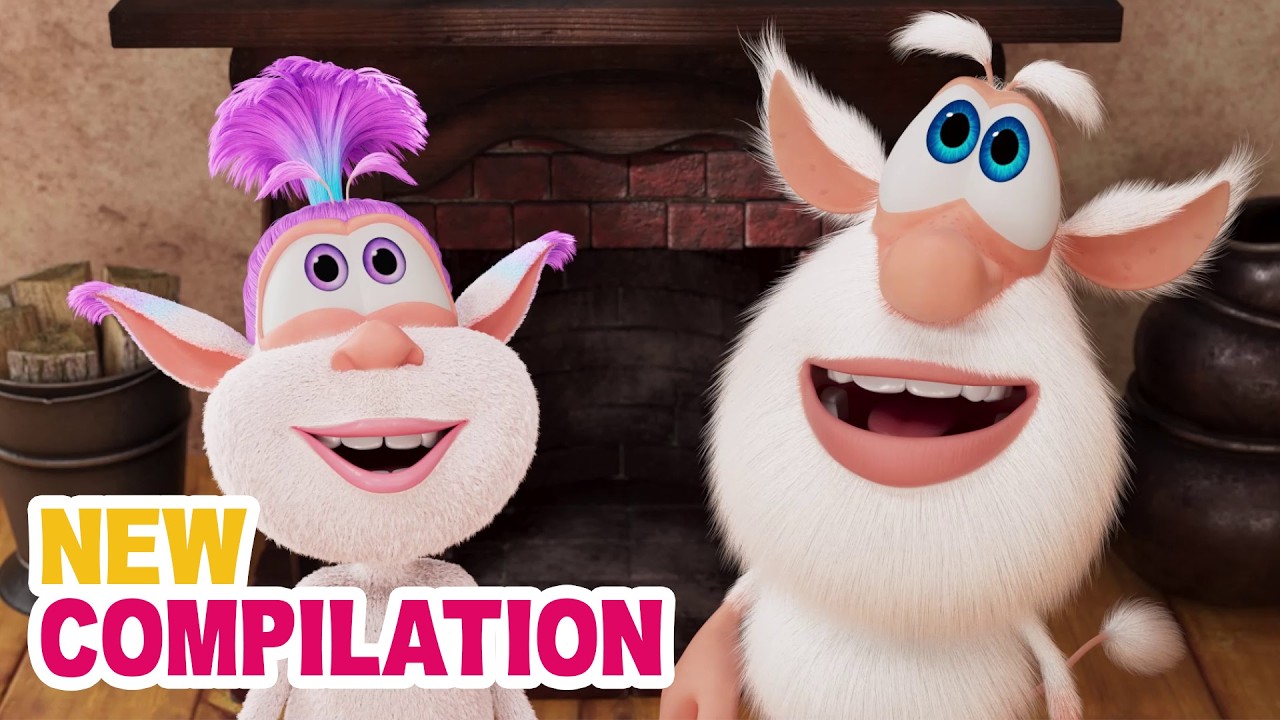
Booba Adventure Episodes Ranked from Best to Worst

Booba is a playful, curious, and funny character loved by children worldwide. While every episode has its charm, some Booba adventure episodes stand out more than others. For parents, educators, and kids, ranking these episodes helps pick the best content for fun and learning.

In this article, we rank Booba adventure episodes from best to worst, explaining why each episode is enjoyable, educational, and perfect for young viewers.


Why Ranking Booba Episodes Matters:

Kids often watch multiple episodes repeatedly. Ranking helps:

  • Identify the most engaging adventures

  • Choose episodes suitable for different age groups

  • Encourage learning through fun

  • Save screen time while maximizing enjoyment

For ages 3–7, adventure episodes combine:

  • Humor

  • Imaginative exploration

  • Problem-solving

  • Visual storytelling


Top Booba Adventure Episodes (Best to Worst):

1. Booba’s Big Balloon Adventure (Best)

Booba chases a giant floating balloon, climbing, jumping, and reacting to obstacles.

Why it’s best:

  • High-action adventure

  • Visual humor and exaggerated expressions

  • Encourages persistence and problem-solving

Lesson: Keep trying even if challenges are tricky.


2. Booba and the Flying Carpet

Booba experiments with a magical flying carpet. He balances, jumps, and discovers new ways to explore.

Why kids love it:

  • Fantasy + adventure

  • Encourages imagination

  • Interactive visual storytelling

Lesson: Creativity and curiosity can lead to fun discoveries.


3. Booba and the Magical Kitchen

Booba explores kitchen gadgets, ingredients, and tools, creating chaos and laughter.

Why kids enjoy it:

  • Everyday object exploration

  • Problem-solving opportunities

  • Cause-and-effect learning

Lesson: Exploring and experimenting is fun and safe.


4. Booba and the Giant Cake

Booba discovers a giant cake and plays with it, causing playful chaos.

Why kids like it:

  • Humor and visual fun

  • Encourages imaginative play

  • Safe risk-taking

Lesson: Exploration is exciting, even when messy.


5. Booba and the Balloon Animal

Booba finds balloon animals and interacts creatively.

Why it’s good:

  • Combines fantasy and reality

  • Encourages imaginative play

  • Exaggerated expressions make kids laugh

Lesson: Everyday items can spark creativity.


6. Booba and Bubble Trouble

Booba plays with bubbles, chasing and popping them.

Why kids enjoy it:

  • Simple, visual fun

  • Interactive cause-and-effect learning

  • Bright, colorful visuals

Lesson: Curiosity leads to playful learning.


7. Booba in the Bedroom

Booba explores pillows, toys, and blankets, causing small funny mishaps.

Why it works for kids:

  • Familiar environment

  • Gentle humor

  • Safe exploration

Lesson: Everyday environments can be fun and engaging.


8. Booba and the Toy Store

Booba explores a store full of toys. He climbs, slides, and interacts with colorful objects.

Why it’s okay:

  • Adventure with objects

  • Encourages imaginative play

  • Visual humor

Lesson: Toys and objects can inspire creative thinking.


9. Booba and the Music Box

Booba experiments with a music box, dancing and reacting to sounds.

Why it’s slightly weaker:

  • Less physical adventure

  • Focused on sound rather than visual action

Lesson: Experimentation and creativity are important.


10. Booba’s Christmas Surprise (Worst)

Festive episode with decorations, gifts, and playful chaos.

Why it ranks lowest:

  • Less continuous adventure

  • Mostly seasonal content

  • Lower replay value for non-holiday periods

Lesson: Celebration and fun can still teach safe interaction.


What Kids Learn from Booba Adventure Episodes:

Even in funny, chaotic adventures, children develop:

  • Problem-solving skills

  • Curiosity and exploration

  • Imaginative play

  • Cause-and-effect understanding

  • Emotional recognition through humor

These episodes balance fun with subtle learning.


Parents’ Perspective:

Parents appreciate Booba adventure episodes because:

  • They are safe and non-violent

  • Episodes are short and engaging

  • Humor and chaos are controlled

  • Educational elements are subtly integrated

Booba adventures are ideal for screen time that entertains and teaches.


Final Thoughts:

Booba adventure episodes rank differently based on action, humor, creativity, and engagement. Episodes like Big Balloon Adventure, Flying Carpet, and Magical Kitchen stand out as highly entertaining and educational, while seasonal or music-focused episodes are less adventurous but still enjoyable.

By knowing which episodes are best, parents can maximize fun and learning, and kids can enjoy a variety of colorful, funny adventures.
Advertisement
Raising Curious Kids: Lessons from Playful Cartoon Characters’ Personality
Curiosity is a key trait that drives learning, creativity, and problem-solving in children. Funny, playful cartoon characters often display endless curiosity, exploring their surroundings, asking questions, and experimenting with new things. Parents can use these traits as a guide to foster curiosity and learning in their children. This guide explores lessons parents can draw from animated characters’ personalities to raise curious, engaged, and imaginative kids. Why Curiosity Matters in Early Childhood: Encourages Exploration: Curious children are more likely to explore their environment, leading to hands-on learning. Boosts Problem-Solving Skills: A curious mindset helps children approach challenges creatively and persistently. Fosters Lifelong Learning: Early curiosity lays the foundation for self-directed learning and growth. Enhances Social Skills: Curious kids ask questions and seek to understand, building communication and empathy. Lessons from Playful Cartoon Characters: 1. Embrace Mistakes as Learning Opportunities Animated characters often try new things and make mistakes. Teach children that failure is part of learning and encourage them to try again. 2. Explore and Ask Questions Characters demonstrate curiosity by investigating objects, places, and scenarios. Parents can encourage children to ask “why” and “how” during everyday activities. 3. Be Bold and Creative Playful characters often think outside the box and solve problems in unusual ways. Encourage children to experiment with art, building blocks, or imaginative play. 4. Pay Attention to Details Observing small details helps cartoon characters navigate their world. Activities like drawing, matching games, and puzzles enhance observational skills in children. 5. Celebrate Curiosity When characters discover something new, it’s exciting and fun. Praise children when they show curiosity, reinforcing positive learning behaviors. Practical Ways for Parents to Foster Curiosity: Provide Open-Ended Activities: Puzzles, building blocks, and art projects encourage exploration. Use Playful Learning Tools: Animated characters, storybooks, and educational games make learning engaging. Ask Open-Ended Questions: Encourage children to explain what they think, see, or feel. Create a Safe Exploration Environment: Let children experiment without fear of mistakes. Encourage Outdoor Exploration: Nature walks, simple science experiments, and sensory activities stimulate curiosity. Benefits of Encouraging Curiosity: Cognitive Development: Improves problem-solving, reasoning, and understanding. Emotional Growth: Builds resilience and confidence in trying new things. Creativity & Imagination: Inspires inventive thinking and imaginative play. Social Learning: Curiosity leads to better communication, collaboration, and empathy. Final Thoughts: Playful cartoon characters are a fun example of curiosity in action. By observing and encouraging similar traits in children—exploration, boldness, questioning, and experimentation—parents can raise curious, confident, and creative kids. Combining fun activities, hands-on learning, and guided discussions with everyday experiences will help children develop curiosity into lifelong learning habits.
Make Your Own Booba Mask – Easy DIY
Booba’s playful and mischievous nature makes him a perfect inspiration for DIY crafts. Making a Booba mask is a fun, creative activity that encourages hands-on learning, imagination, and fine motor skills in children. Whether for a birthday party, Halloween, or just a rainy day activity, DIY Booba masks provide hours of educational fun. In this guide, we will explain how to make a Booba mask easily at home and how to use it for learning and creative play. Why DIY Booba Masks Are Perfect for Kids: Hands-On Creativity: Kids engage in coloring, cutting, and assembling, which fosters creativity. Fine Motor Skills: Cutting, gluing, and decorating strengthen hand-eye coordination. Imaginative Play: Wearing the mask allows children to role-play Booba’s adventures. Safe and Engaging: Uses simple materials that are safe for children aged 3–7. Materials You Will Need: Printable Booba mask template (or draw your own) Thick paper or cardstock Crayons, markers, or colored pencils Scissors (child-safe) Glue or tape Elastic string or ribbon Optional: glitter, stickers, or foam for decoration Step-by-Step Instructions: Step 1: Print or Draw the Template Print a pre-made Booba mask template or draw Booba’s face on cardstock. Make sure the template is large enough to cover the child’s face comfortably. Step 2: Color the Mask Use bright colors to mimic Booba’s playful style. Encourage kids to experiment with colors and patterns. Include details like Booba’s big eyes, fluffy ears, and expressive mouth. Educational Tip: Discuss colors, shapes, and textures while coloring. Step 3: Cut Out the Mask Carefully cut along the edges of the mask. Cut holes for the eyes using child-safe scissors. Educational Tip: Cutting accurately helps develop fine motor control and spatial awareness. Step 4: Attach Elastic or Ribbon Attach elastic or ribbon to each side of the mask with tape or glue. Make sure it fits comfortably around the child’s head. Safety Tip: Elastic should not be too tight to avoid discomfort. Step 5: Add Decorations (Optional) Use glitter, stickers, or foam pieces to decorate. Encourage kids to personalize their Booba mask. Educational Tip: Adding decorations improves creativity and planning skills. Fun Activities With Booba Masks: Once the masks are ready, children can: Role-Play Adventures: Pretend to be Booba exploring kitchens, rooms, or playgrounds. Storytelling: Create mini-adventures or reenact favorite Booba episodes. Group Play: Collaborate with friends or siblings to act out scenes. Indoor Games: Combine masks with indoor games like pillow obstacle courses or balloon chases. Photo Fun: Take photos or make short videos for family albums or classroom projects. Educational Benefits: Making and using Booba masks offers learning opportunities beyond craft skills: Creativity and Imagination: Children interpret Booba’s expressions in their own way. Motor Skills: Coloring, cutting, and assembling strengthen coordination. Problem-Solving: Figuring out mask fit or decoration placement encourages critical thinking. Emotional Expression: Acting out Booba’s adventures teaches empathy and emotional understanding. Social Skills: Collaborative play develops teamwork and communication. Tips for Parents and Educators: Supervise cutting and gluing activities for younger children. Encourage storytelling along with mask-making. Display finished masks to boost confidence and pride. Combine mask-making with Booba episode viewing for thematic play. Rotate activities: one child can be Booba while others play supporting characters. Final Thoughts: Making your own Booba mask is a fun, creative, and educational activity for kids aged 3–7. It allows children to bring Booba’s playful adventures to life, develop fine motor skills, enhance creativity, and engage in imaginative play. Whether done at home or in a classroom, this DIY project is a safe, joyful, and memorable learning experience.
How to Use Playful Cartoon Characters to Improve Kids’ Creativity
Children love watching funny, curious, and playful animated characters. Beyond entertainment, these characters can be powerful tools to boost creativity, imagination, and problem-solving skills in young learners. This guide explains how parents can use animated characters to inspire creativity in children aged 3–8 through activities, storytelling, and interactive play. Why Animated Characters Boost Creativity: Imaginative Scenarios: Characters often explore unusual or silly situations, inspiring children to think outside the box. Visual Storytelling: Exaggerated expressions and playful antics allow children to interpret and invent stories. Hands-On Inspiration: Watching characters can motivate kids to draw, craft, or role-play. Problem-Solving: Funny mishaps encourage children to invent solutions, enhancing cognitive skills. Ways to Use Animated Characters to Enhance Creativity: 1. Storytelling Activities Ask children to retell the episode in their own words. Encourage them to change endings or invent new adventures. Use props or toys to act out scenes, promoting imagination. Educational Tip: Enhances narrative skills, sequencing, and vocabulary. 2. Drawing and Coloring Inspired by Characters Let kids draw or color scenes from the episode. Encourage adding new elements or characters, fostering creativity. Combine with storytelling by asking them to describe their drawings. Learning Tip: Supports fine motor skills and creative thinking. 3. Craft and DIY Projects Create character-themed crafts, such as paper puppets, masks, or origami figures. Encourage children to design new characters or accessories, boosting problem-solving and innovation. Learning Tip: Hands-on crafts enhance planning, coordination, and imaginative skills. 4. Role-Playing and Acting Children can recreate scenes or improvise new stories. Use safe props or costumes to make play interactive. Role-play helps children experiment with different emotions and scenarios. Learning Tip: Develops emotional intelligence, social skills, and creativity. 5. Writing Mini Stories For older children (6–8 years), encourage writing short stories inspired by episodes. They can illustrate characters and adventures, combining art and writing. Helps build literacy skills, imagination, and self-expression. Tips for Parents: Co-Create Stories: Participate with your child to make storytelling interactive. Provide Materials: Supply markers, colored paper, scissors, or toys for creative activities. Encourage Originality: Praise unique ideas rather than copying. Set a Routine: Incorporate 20–30 minutes of creativity-inspired activities after watching episodes. Display Work: Showcase drawings or crafts to boost confidence and motivation. Benefits of Using Animated Characters for Creativity: Imagination Growth: Kids learn to invent and visualize new scenarios. Problem-Solving Skills: Characters’ challenges encourage innovative thinking. Fine Motor Development: Drawing, coloring, and crafting enhance hand-eye coordination. Emotional Expression: Acting or storytelling helps express feelings. Confidence and Achievement: Completing projects inspired by characters increases self-esteem. Final Thoughts: Playful cartoon characters are more than just entertainment—they can inspire creativity, problem-solving, and imaginative play in children. By integrating drawing, storytelling, role-playing, and crafts, parents can turn screen time into interactive learning experiences, boosting both fun and skill development.
How to Create a Kid-Safe Browser Profile
In today’s digital age, children often use the internet for learning, entertainment, and exploration. However, unsupervised browsing can expose them to inappropriate content and risks. Creating a kid-safe browser profile ensures that children have a protected, age-appropriate online experience while still enjoying the benefits of educational and fun websites. A kid-safe browser profile provides parents with control over content, privacy, and time limits, while giving children a safe space to learn and explore. With the right setup, children can access educational games, videos, and websites without being exposed to harmful material. Why a Kid-Safe Browser Profile is Important: Children are naturally curious, and the internet offers limitless information. A kid-safe browser profile is important because it: Blocks access to inappropriate content Restricts websites with harmful material Protects personal information and online privacy Limits screen time through parental controls Encourages safe online learning habits This protective setup balances freedom and security, allowing children to explore safely. Choosing the Right Browser for Kids: Not all browsers are equally suited for children. Some browsers offer built-in parental controls and kid-friendly interfaces. Consider the following: User-friendly interface suitable for children Pre-installed kid-safe filters and search engines Options for creating multiple profiles for different age groups Compatibility with educational apps and websites Popular kid-friendly browsers include Kiddle, KidZui, and Mozilla Firefox with parental extensions. Setting Up a Kid-Safe Profile: Creating a safe profile involves several steps: Create a separate user account for your child on the device Install a kid-friendly browser or enable parental controls on an existing browser Enable safe search settings to filter out inappropriate content Block adult websites and unsafe domains Set screen time limits to encourage healthy usage habits These steps ensure that children have a customized, safe browsing environment. Using Extensions and Filters: Many browsers allow parents to enhance security using extensions and filters. Useful features include: Content filtering to block unsafe websites Ad blockers to prevent unwanted advertisements Tracking protection to maintain privacy Activity reports to monitor browsing behavior These tools provide an extra layer of security and parental oversight. Adding Educational and Fun Websites: While safety is essential, children also need access to engaging and educational content. Parents can: Bookmark educational websites and games Allow access to child-friendly video platforms Introduce websites that teach science, math, reading, and creativity Create a curated list of safe resources This approach balances safety with learning and entertainment. Encouraging Responsible Browsing: A kid-safe browser is most effective when combined with guidance and rules. Parents should: Teach children not to share personal information Encourage asking permission before visiting new websites Discuss safe online behavior and digital etiquette Monitor usage periodically without being intrusive This guidance helps children develop good internet habits from an early age. Benefits of a Kid-Safe Browser Profile: A properly configured kid-safe browser profile offers numerous benefits: Protects children from harmful content Promotes age-appropriate learning Supports responsible and mindful internet use Reduces exposure to online scams and advertising Provides peace of mind to parents By combining technology with active supervision, parents create a safe digital environment that supports learning and exploration. Conclusion: Creating a kid-safe browser profile is an essential step in modern parenting and digital literacy. By selecting the right browser, enabling parental controls, using filters, and encouraging responsible usage, parents can ensure children explore the online world safely. This approach provides educational opportunities, fosters curiosity, and builds good internet habits, all within a secure and monitored environment.
Educational Lessons Kids Learn from Booba
Booba is more than just a funny, playful cartoon character. While children laugh at his antics and enjoy colorful adventures, they also absorb important educational lessons through visual storytelling, problem-solving, and imaginative play. In this article, we explore the educational lessons kids learn from Booba, why parents trust the show, and how it supports early childhood development. 1. Curiosity and Exploration: Booba’s defining trait is his boundless curiosity. He touches, examines, and experiments with everything in his environment—whether it’s a kitchen gadget, a toy, or a new object. Educational Value: Encourages children to ask questions Promotes exploration in safe environments Develops early scientific thinking skills Example: Booba poking at a gadget teaches children to observe cause-and-effect in their surroundings. 2. Problem-Solving Skills: Many Booba episodes feature challenges or funny obstacles. For example, catching a balloon, climbing objects, or figuring out how a toy works. Educational Value: Encourages children to think critically Teaches that trial-and-error is okay Develops logic and reasoning skills Example: Booba trying multiple ways to reach a toy shows kids that persistence and creativity solve problems. 3. Emotional Understanding: Booba’s exaggerated facial expressions and body language make it easy for children to understand emotions, even without dialogue. Educational Value: Improves emotional recognition Teaches empathy by seeing reactions of other characters Encourages healthy expression of feelings Example: When Booba laughs, cries, or shows surprise, children learn to identify similar feelings in themselves and others. 4. Creativity and Imagination: Booba turns everyday objects into playful adventures—turning a cardboard box into a vehicle or a balloon into a toy animal. Educational Value: Promotes creative thinking Stimulates imaginative play Encourages innovative problem-solving Example: Booba’s inventive play inspires kids to use imagination with real-life objects, rather than relying solely on pre-made toys. 5. Cause-and-Effect Learning: Every action Booba takes leads to a reaction—he knocks over objects, pours water, or pops bubbles. Educational Value: Strengthens understanding of cause-and-effect relationships Teaches responsibility for actions Improves predictive thinking Example: Booba spilling water teaches children that actions have outcomes, subtly reinforcing accountability. 6. Social Skills and Cooperation: Although Booba is mostly a solo character, he interacts with secondary characters like Loola, Spike, or Mr. Beak. These interactions teach basic social lessons. Educational Value: Encourages cooperation and teamwork Demonstrates friendly behavior and sharing Introduces positive conflict resolution Example: Booba working around Spike’s mischief shows kids how to adapt and respond to others. 7. Patience and Persistence: Many episodes show Booba attempting a task multiple times, failing, and finally succeeding. Educational Value: Builds resilience Teaches patience and delayed gratification Reinforces learning through repetition Example: Booba repeatedly chasing a balloon teaches children to keep trying without frustration. 8. Observational Skills: Booba often notices small details that lead to fun discoveries or solutions. Educational Value: Enhances attention to detail Encourages mindful observation Boosts problem-solving efficiency Example: Spotting a tool or toy needed to complete a task teaches children to look closely at their environment. 9. Motor Skills Development: Through physical comedy, Booba jumps, slides, climbs, and balances on objects. Educational Value: Improves gross motor skills Encourages coordination and spatial awareness Supports active, healthy play Example: Watching Booba climb or jump motivates children to engage in similar safe movements. 10. Safe Risk-Taking: Booba’s adventures involve minor risks—sliding down a staircase or playing with a bouncing ball—without any real danger. Educational Value: Teaches assessing and taking safe risks Encourages confidence in exploration Prepares children for problem-solving in real-life situations Example: Booba experimenting with new objects encourages children to try new things safely. Why Parents Approve of Booba: Parents trust Booba because: Episodes are non-verbal, safe, and non-violent Humor and chaos are controlled and age-appropriate Lessons are naturally embedded without preaching Supports cognitive, emotional, and social development Final Thoughts: Booba is much more than a funny cartoon—it’s an educational tool disguised as entertainment. Children learn curiosity, problem-solving, emotional awareness, creativity, cause-and-effect, social skills, patience, observation, motor skills, and safe risk-taking—all while laughing and enjoying colorful adventures. For parents and educators, Booba episodes provide a safe, fun, and developmentally valuable viewing experience for children aged 2–7 years.
Animated Experiments for Kids
Introducing children to science at an early age helps spark curiosity, creativity, and problem-solving skills. Science for kids – animated experiments and fun facts is a fun and engaging way to teach complex scientific concepts in a simple, understandable, and entertaining format. Through colorful animations, interactive visuals, and playful characters, children can learn about science while having fun. This article explores why animated science videos are effective, their educational benefits, and how parents can use them to encourage a love for science. ⭐ Why Animated Science Videos Are Effective for Kids: Animated science experiments and fun facts are ideal for young learners because they combine visual learning, interactivity, and entertainment: 1. Visual Representation of Complex Ideas: Science concepts like gravity, magnets, or chemical reactions can be hard for children to grasp. Animations simplify these ideas through bright visuals and step-by-step demonstrations. 2. Engaging and Interactive: Cartoons and animations keep children interested and encourage participation. Many videos ask kids to guess outcomes or make predictions, making learning active. 3. Memorable Learning: Fun characters, storytelling, and humor make scientific concepts stick in children’s minds longer than traditional teaching methods. 4. Safe Experiment Demonstrations: Animated experiments allow children to see exciting experiments without any risk of harm, chemicals, or accidents. 5. Encourages Curiosity: Animated science videos spark curiosity and inspire children to ask questions, explore, and conduct safe experiments at home or in school. ⭐ Popular Themes in Science for Kids Videos: 1. Simple Experiments: Animated experiments show easy, safe science projects like mixing colors, creating volcanoes, or floating objects, which children can try at home with parental guidance. 2. Fun Science Facts: Videos share amazing facts about space, animals, plants, weather, or the human body in a fun, animated format that captures attention. 3. Everyday Science: Cartoons explain scientific principles in daily life, such as why it rains, how plants grow, or how magnets work, making learning relatable. 4. Adventure-Based Learning: Characters go on exciting science adventures, exploring the ocean, outer space, or the rainforest, combining storytelling with scientific discovery. 5. Interactive Quizzes and Challenges: Animated quizzes challenge kids to test their knowledge, solve puzzles, or predict experiment outcomes, reinforcing learning and critical thinking. ⭐ Educational Benefits of Science for Kids Videos: 1. Develops Scientific Thinking: Children learn to observe, hypothesize, experiment, and draw conclusions, laying the foundation for scientific thinking. 2. Boosts Curiosity and Exploration: Animated science encourages children to ask questions and explore the world around them creatively. 3. Improves Cognitive Skills: Watching animated experiments develops memory, attention, problem-solving, and analytical skills. 4. Enhances Language and Communication: Narration and dialogues in videos improve vocabulary, listening skills, and comprehension of scientific terms. 5. Encourages Hands-On Learning: After watching, children are inspired to try simple experiments themselves, connecting theory with practice. ⭐ Tips for Parents to Make the Most of Animated Science Videos: ✔ 1. Watch Together: Sit with your child and discuss the experiments, asking them questions to reinforce understanding. ✔ 2. Encourage Safe Experiments: Try simple, safe experiments at home to complement what they see in videos. ✔ 3. Connect Science to Daily Life: Relate experiments to everyday experiences, like explaining evaporation while drying clothes or floating objects in water. ✔ 4. Limit Screen Time: Even educational videos should be balanced with active play and hands-on activities. ✔ 5. Praise Curiosity: Encourage children to ask questions and explore, reinforcing their interest and confidence in learning science. ⭐ Conclusion: Science for kids – animated experiments and fun facts is an exciting way to introduce children to the wonders of the natural world. Through vibrant animations, storytelling, and interactive experiments, children learn scientific concepts, develop problem-solving skills, and cultivate curiosity. Parents and educators can use these videos to make science enjoyable, safe, and memorable. By combining animated demonstrations with hands-on activities, children not only understand how the world works but also develop a lifelong love for science and exploration. Animated science videos are more than entertainment—they are a gateway to learning, discovery, and imagination for young minds.
Top 10 Funniest Booba Episodes of All Time
Booba, the adorable, curious, and mischievous cartoon creature, has captured the hearts of children around the world. Known for his expressive antics, playful adventures, and endless curiosity, Booba has become a favorite among preschoolers and young kids. If you’re a parent or a fan wondering which episodes are the most hilarious, we’ve compiled the Top 10 Funniest Booba Episodes of All Time. These episodes are guaranteed to make kids laugh, stay entertained, and even learn something new along the way. 1. Booba’s Big Balloon Adventure: In this episode, Booba discovers a colorful balloon that floats away whenever he tries to grab it. His hilarious attempts to catch the balloon include climbing chairs, bouncing on cushions, and even trying to use kitchen utensils as tools. The episode teaches kids about problem-solving while keeping the laughs coming. Why it’s funny: Booba’s exaggerated expressions, clumsy movements, and endless determination make this a comedy classic. 2. Booba and the Magical Kitchen: Booba sneaks into a kitchen full of gadgets, appliances, and ingredients. Chaos ensues as he tries to cook or taste everything he finds. From mixing flour in the air to accidentally turning on the blender, every moment is a source of laughter. Why it’s funny: The combination of everyday objects becoming unpredictable and Booba’s reactions creates endless humor. 3. Booba’s Bubble Trouble: In this episode, Booba discovers soap bubbles and is immediately fascinated. The playful bubbles float everywhere, causing Booba to chase, pop, and occasionally fall into funny situations. Why it’s funny: The episode uses visual comedy, with Booba slipping, sliding, and interacting with the bubbles in unexpected ways. 4. Booba at the Toy Store: Booba visits a toy store and becomes overwhelmed by the variety of toys. He climbs shelves, tries ride-on toys, and even causes a playful toy avalanche. This episode is packed with physical comedy and imaginative play. Why it’s funny: Booba’s curiosity leads to chaotic situations that kids find relatable and entertaining. 5. Booba and the Music Box: Booba finds a music box that plays different tunes when opened. He experiments with dancing, creating new sounds, and trying to imitate the music. His goofy dance moves and offbeat timing create endless giggles. Why it’s funny: Booba’s funny dancing, coupled with unexpected music, engages both children and parents alike. 6. Booba and the Flying Carpet: In this fantasy-inspired episode, Booba discovers a magic carpet. His attempts to fly it lead to funny crashes, dizzy spins, and comical landings. Children enjoy watching him navigate this new adventure while laughing at his clumsy but determined efforts. Why it’s funny: Visual humor, magical elements, and Booba’s expressive reactions make it highly entertaining. 7. Booba and the Giant Cake: Booba encounters a huge cake and can’t resist trying to taste it. He climbs, jumps, and slides across the cake, eventually creating a mess but having the time of his life. Why it’s funny: Booba’s obsession with food and the resulting chaos is relatable and hilarious for young viewers. 8. Booba in the Bathroom: Booba explores the bathroom, experimenting with water, soap, and the toilet. His curious antics lead to slippery floors, water splashes, and funny reactions. Why it’s funny: The episode uses slapstick humor and everyday scenarios that children easily relate to. 9. Booba and the Vacuum Cleaner: Booba discovers a vacuum cleaner and treats it as a giant robot. He runs, hides, and even tries to “tame” it, leading to a series of comical events. Why it’s funny: Booba’s fearless approach and exaggerated movements turn a simple household appliance into a source of endless laughter. 10. Booba’s Christmas Surprise: In this holiday special, Booba gets into festive mischief with Christmas decorations, presents, and a giant tree. His excitement leads to ornaments falling, lights flickering, and playful chaos. Why it’s funny: The combination of holiday cheer, Booba’s curiosity, and visual comedy makes this episode memorable and funny. Why Booba Episodes Are So Entertaining: Booba’s humor is universal. The show doesn’t rely on spoken language, which allows children of all ages and languages to enjoy it. Key factors that make Booba episodes funny include: Physical Comedy: Booba’s exaggerated movements, clumsy reactions, and playful antics appeal to young kids. Relatable Situations: Everyday objects and environments become hilarious adventures. Curiosity Gone Wild: Booba’s endless curiosity leads to funny chaos, which keeps kids laughing. Bright, Colorful Animation: Visual appeal adds to the entertainment factor. Parents also appreciate that the show is safe, educational, and encourages creativity, making Booba a favorite in homes worldwide. Educational Benefits of Funny Booba Episodes: Even though Booba’s episodes are primarily humorous, they also provide learning opportunities: Problem-Solving Skills: Kids learn through observation as Booba experiments with objects. Imagination and Creativity: Everyday items are transformed into fun adventures. Social Skills: Interaction with other characters teaches sharing, teamwork, and empathy. Emotional Understanding: Booba’s reactions help children identify emotions like surprise, joy, and curiosity. Where to Watch Booba Episodes: Parents can watch Booba episodes on multiple platforms: YouTube: Free access to all episodes. Netflix & Amazon Prime: Some seasons available for streaming. Official Booba App: Region-dependent availability. This makes it easy to enjoy Booba anytime, anywhere. Final Thoughts: Booba’s funniest episodes are more than just a source of laughter—they combine humor, curiosity, and learning into a single entertaining package. From playful balloon adventures to magical flying carpets, Booba brings joy to children worldwide. Parents can rest assured that Booba is a safe, educational, and engaging option for kids’ digital entertainment. Whether you’re looking for short, laugh-out-loud episodes or educational fun, these Top 10 Funniest Booba Episodes are the ultimate guide for parents and kids alike.
Best Cartoon Stories About Family and Love
Family and love are central to a child’s early development. In 2025, cartoon stories about family and love have become a favorite tool for parents to teach toddlers and preschoolers the importance of relationships, empathy, and emotional connection. These animated stories combine vivid visuals, engaging characters, and gentle storytelling to help children understand love, respect, and the value of family bonds. This guide explores the benefits of family-themed cartoons, highlights the top series for 2025, and provides tips for parents to reinforce these lessons in daily life. Why Family and Love Cartoons Matter: Children learn social and emotional skills by observing behaviors, and family-focused cartoons provide: Understanding of relationships: Shows positive interactions between family members. Emotional intelligence: Teaches children to recognize and express feelings. Empathy and compassion: Characters model care, patience, and kindness. Safe storytelling: Age-appropriate scenarios with no violence or adult themes. Role models: Illustrates healthy communication, respect, and cooperation. By combining entertainment with moral lessons, these cartoons help children build a strong emotional foundation. Key Lessons in Family and Love Cartoons: Respect for Family Members Encourages listening, sharing, and helping parents, siblings, and grandparents. Showing Love and Affection Hugs, kind words, and caring actions model positive emotional expression. Problem-Solving Together Family members work together to overcome challenges, teaching teamwork. Gratitude and Appreciation Shows children how to value and thank family members. Conflict Resolution Gentle guidance on managing disagreements and fostering understanding. Top Cartoon Stories About Family and Love in 2025: 1. The Family Tree Adventures: A popular series where family members go on adventures and solve problems together, teaching children the importance of unity and support. Highlights: Focuses on family bonding and teamwork Engaging and colorful animations for toddlers Age-appropriate moral lessons about love and cooperation 2. Booba’s Family Fun: Booba interacts with family-like characters, learning lessons about sharing, helping, and expressing affection. Why it’s popular: Non-verbal storytelling suitable for all languages Teaches social and emotional skills through playful actions Short episodes ideal for young children’s attention spans 3. Little Hearts Club: Animated mini-stories that show children helping their families, expressing love, and supporting friends. Key lessons: Empathy and compassion Cooperation and problem-solving Celebrating love and gratitude 4. Animal Families Tales: Animal characters model family dynamics, teaching children how family members care for and support each other. Learning highlights: Introduces concepts of sibling care and parent-child interaction Emotional lessons embedded in fun storytelling Encourages children to show love and empathy in real life 5. Super Simple Family Songs: Animated songs focus on family, love, and gratitude, reinforcing moral lessons through music. Benefits: Encourages participation through singing and dancing Helps toddlers remember positive behaviors Combines education, music, and gentle humor How Parents Can Reinforce Lessons: Parents can enhance learning from family and love cartoons by: Watching together: Pause to discuss feelings and interactions. Practice affection: Encourage hugs, kind words, and helping behaviors. Repeat favorite stories: Reinforces emotional lessons. Relate to real-life situations: Show children how lessons apply at home. Use creative play: Role-play family situations to teach empathy and cooperation. Praise positive behavior: Encourage children when they show love and respect. Recommended Cartoon Stories About Family and Love: The Family Tree Adventures – Adventures emphasizing bonding and teamwork Booba’s Family Fun – Observation-based lessons on sharing and affection Little Hearts Club – Mini-stories teaching empathy and problem-solving Animal Families Tales – Animal-themed family lessons Super Simple Family Songs – Musical reinforcement of love and gratitude These cartoons are safe, engaging, and educational, helping children understand relationships, develop empathy, and value family bonds. Final Thoughts: Cartoon stories about family and love are more than just entertainment—they are tools for emotional and social development. In 2025, animated series help children learn: How to express love and gratitude How to resolve conflicts and cooperate with family How to develop empathy and positive social skills Parents can enhance learning by: Watching and discussing episodes together Practicing real-life applications of lessons Encouraging creative and empathetic play With the right family-themed cartoons, children develop emotional intelligence and appreciation for loved ones while enjoying safe, colorful, and heartwarming stories. Tip for Parents: Encourage children to draw or act out scenes showing family love, which reinforces creativity, comprehension, and emotional expression.