Best Booba Episodes for Kids (4–7 Years)

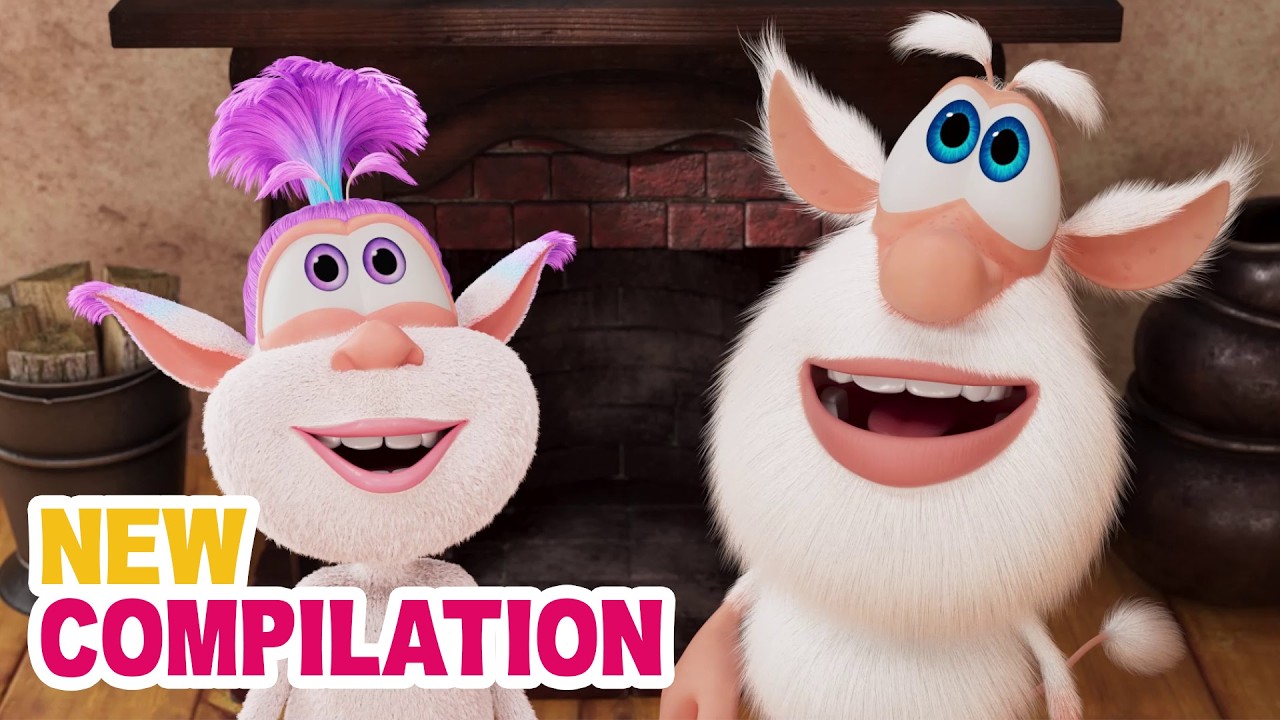
Booba has become one of the most beloved cartoon characters among children worldwide. While toddlers enjoy simple visuals, kids aged 4–7 years are ready for slightly more complex storylines, adventure, and humor. Booba episodes perfectly match this age group because they are funny, colorful, and interactive, with action-packed sequences that keep children engaged while subtly teaching life lessons.

In this guide, we explore the best Booba episodes for kids aged 4–7 years, explaining why each episode is entertaining and developmentally beneficial.


Why Booba Appeals to 4–7-Year-Olds:

Children in this age group are developing:

  • Logical thinking skills

  • Imaginative play

  • Social understanding

  • Emotional awareness

Booba delivers all these in a fun, non-verbal, visually rich format. Episodes feature:

  • Problem-solving scenarios

  • Interactive adventure sequences

  • Bright, high-contrast colors

  • Humor that matches their growing comprehension

This combination makes Booba ideal for early school-age children.


Top Booba Episodes for Kids (4–7 Years):

1. Booba’s Big Balloon Adventure

Booba’s attempts to catch a floating balloon involve climbing, bouncing, and creative problem-solving.

Why 4–7 kids love it:

  • Teaches persistence

  • Visual humor with exaggerated reactions

  • Encourages logical thinking

Lesson: Sometimes you need multiple attempts to succeed.


2. Booba and the Magical Kitchen

Booba explores a kitchen filled with gadgets, ingredients, and utensils. His curiosity leads to chaos and inventive solutions.

Why it’s perfect for 4–7-year-olds:

  • Observation and experimentation

  • Encourages creativity

  • Simple cause-and-effect learning

Lesson: Exploring new things is fun and educational.


3. Booba and the Flying Carpet

A magical carpet adventure introduces fantasy elements. Booba experiments with flying, balancing, and problem-solving mid-air.

Why it works for 4–7-year-olds:

  • Encourages imagination

  • Adventure and action are engaging

  • Visual storytelling without language barriers

Lesson: Creativity and curiosity can lead to fun discoveries.


4. Booba and the Giant Cake

Booba encounters a huge cake and explores it with excitement. The chaos teaches planning, spatial awareness, and cause-and-effect.

Why kids enjoy it:

  • Humor and exaggerated expressions

  • Visual learning through interactive objects

  • Teaches playful risk-taking in safe ways

Lesson: Exploration is rewarding, even if messy.


5. Booba and the Music Box

Booba discovers a music box and experiments with rhythms, beats, and dancing.

Why it’s perfect:

  • Encourages musical awareness

  • Improves timing and coordination

  • Fun dancing sequences

Lesson: Experimentation and creativity are exciting.


6. Booba and the Vacuum Cleaner

Booba treats a vacuum cleaner like a playful creature. He learns, reacts, and solves problems creatively.

Why kids love it:

  • Problem-solving through observation

  • Humor in safe, everyday scenarios

  • Interactive and relatable

Lesson: Everyday objects can inspire creativity and learning.


7. Booba and Bubble Trouble

Booba plays with bubbles, exploring movement and reactions.

Why it’s ideal for 4–7-year-olds:

  • Cause-and-effect visual learning

  • Fun, interactive animation

  • Encourages curiosity and observation

Lesson: Playful experimentation is part of learning.


8. Booba and the Toy Store

Booba explores a store full of toys, climbing, sliding, and creatively interacting with objects.

Why kids enjoy it:

  • Interactive exploration

  • Visual humor and problem-solving

  • Encourages imaginative play

Lesson: Exploration and creativity go hand in hand.


9. Booba’s Christmas Surprise

Festive chaos as Booba interacts with decorations, presents, and a giant Christmas tree.

Why it’s perfect for 4–7 kids:

  • Seasonal fun and excitement

  • Teaches cause and effect through safe chaos

  • Encourages imaginative play

Lesson: Joy and celebration can be shared safely with others.


10. Booba and the Balloon Animal

Booba discovers balloons shaped like animals and interacts with them creatively.

Why it works:

  • Combines fantasy and real-world objects

  • Encourages imaginative play

  • Visual humor with colorful objects

Lesson: Everyday items can spark imagination and creativity.


Educational Benefits of These Episodes:

Even though these episodes are primarily entertainment, kids learn:

  • Problem-solving and logical thinking

  • Creative exploration and imagination

  • Cause-and-effect understanding

  • Emotional recognition and humor

  • Safe risk-taking and curiosity

Booba combines fun and education in a natural, engaging way for kids aged 4–7.


Why Parents Approve:

Parents notice that Booba:

  • Keeps children entertained safely

  • Uses bright visuals and short stories ideal for attention spans

  • Promotes social and cognitive skills indirectly

  • Encourages independent observation and creativity

Booba is a safe choice for screen time with educational value.


Final Thoughts:

For kids aged 4–7, Booba episodes provide the perfect blend of humor, adventure, imagination, and learning. Episodes like Big Balloon Adventure, Flying Carpet, and Giant Cake not only make children laugh but also subtly teach problem-solving, creativity, and curiosity.

Parents can confidently let children watch Booba while knowing they are getting entertaining content with hidden educational value.
Advertisement
Future of Kids’ Animation: Exciting Trends of 2025
The world of kids' animation is no longer just Saturday morning cartoons. It's a dynamic, fast-evolving landscape where new technology, changing viewing habits, and fresh creative ideas are shaping what the next generation will watch and love. Here’s a look at the key trends defining the future of animation for kids in 2025. 1. Hyper-Personalized & Interactive Stories : Animation is becoming a two-way street. Choose-Your-Own-Adventure Style: Platforms are experimenting with episodes where kids can make choices for the characters (e.g., "Should they go through the red door or the blue door?"), leading to different story outcomes. This boosts engagement and makes them co-creators of the narrative. AI-Assisted Customization: Imagine a show where the main character has your child's name or their favorite color appears in key scenes. While in early stages, AI is beginning to allow for subtle personalization within animated streams. 2. The Rise of "Calmimation" – Slower, Gentler Content : In response to overstimulation, a new genre focused on well-being is booming. Focus on Pacing & Mood: Shows with slower pacing, softer color palettes, and calming soundtracks are being designed to reduce anxiety and promote focus. Think less frenetic slapstick, more thoughtful exploration. Themes of Mindfulness: Plots will increasingly incorporate simple mindfulness, emotional regulation, and kindness as core elements, teaching SEL (Social-Emotional Learning) skills directly through the narrative. 3. Hybrid Techniques – Blending 2D, 3D & Real-World Elements : The lines between animation styles are blurring in exciting ways. 2D Charm with 3D Depth: Many shows use stylized 3D animation that retains the warmth and expressiveness of hand-drawn 2D, often with visible line work and textured, "crafted" feels. Mixed-Media Mashups: It’s becoming more common to see 3D characters interact with photorealistic backgrounds, or live-action kids inserted into animated worlds seamlessly, creating a unique and immersive visual experience. 4. Micro-Content & Vertical Animation : TikTok and YouTube Shorts have changed how kids consume media. Animation Designed for Phones: Studios are creating original, high-quality animated series made specifically for short-form, vertical video platforms. These are fast-paced, loopable, and designed to capture attention in under 90 seconds. Comedy in a Flash: The humor and storytelling are adapting to this ultra-quick format, relying on instant visual gags and concise character expressions. 5. Sustainability as a Core Theme & Production Goal : Eco-consciousness is moving from plot point to production principle. On-Screen Narratives: More stories will center on environmental stewardship, nature connection, and science-based problem-solving related to the planet. Behind the Scenes: Studios are adopting "green" production pipelines, using cloud rendering (which uses renewable energy) and developing tools to reduce the massive computational (and energy) cost of animation. 6. Global Stories, Authentic Voices : The world of animation is becoming as diverse as its global audience. Beyond Western Settings: We'll see a significant increase in shows set in and co-produced by countries across Africa, Asia, and South America, featuring local folklore, landscapes, and cultural nuances. Authentic Representation: There’s a strong push for creative teams (writers, directors, designers) to come from the cultures being portrayed, ensuring authentic and respectful storytelling. 7. The Educational Playground – "Edu-tainment" Gets Smarter : Learning is being woven into entertainment more seamlessly than ever. Stealth Learning: Curricula in coding basics, foundational logic, natural science, and emotional intelligence will be embedded directly into adventure plots and character challenges, not presented as separate "lesson time." Interactive Learning Companions: Animated characters may begin to appear in companion educational apps, breaking the "fourth wall" and encouraging kids to apply lessons from the show in interactive games. 8. AI as a Creative Tool, Not a Replacement : AI is entering the animation studio as a powerful assistant for artists. Inbetweening & Clean-Up: AI tools can handle time-consuming, repetitive tasks like generating in-between frames from an animator's key poses or cleaning up rough line art, freeing up human artists for more creative work. Background Generation & Effects: AI can quickly generate complex background variations or intricate effects (like flowing water or swarming crowds), allowing smaller studios to create visually rich worlds. 9. The "Phygital" Toy Connection : The link between screen and play is becoming more sophisticated. Toys with Digital Avatars: Physical toys (like those from kidtoys.site) will increasingly connect to apps, unlocking exclusive animated content, character backstories, or new abilities in a related game. Augmented Reality (AR) Integration: Shows will have companion AR apps that let kids bring characters into their real-world space through their tablet, blending animated play with physical environments. 10. Nostalgia Reimagined for a New Generation : Classics are getting smart updates. Legacy Characters, Modern Stories: Beloved characters from the 80s and 90s are returning in reboots that maintain their core spirit but update the humor, pacing, and social themes for today's kids and modern animation techniques. Cross-Generational Appeal: These updates are crafted to entertain both kids discovering them for the first time and their parents, fostering shared viewing experiences. Conclusion: A More Immersive, Inclusive & Intentional Future : The future of kids' animation in 2025 is bright, diverse, and thoughtfully designed. It’s moving towards experiences that are not just watched but felt and interacted with. It values calmness as much as comedy, authenticity as much as adventure, and seeks to connect with children on a more personal and global level. For young viewers, this means a richer, more engaging, and wonderfully varied animated world to explore.
Top 10 Funny Cartoon Characters of All Time
Cartoons have always been a source of laughter and joy for children. Funny cartoon characters capture imagination, lighten moods, and often teach subtle lessons through humor. Parents and educators recognize the value of these characters in engaging children while promoting creativity and emotional understanding. This guide highlights the top 10 funniest cartoon characters of all time that children of all ages love. 1. The Curious Fluffy Creature: Known for playful antics and exaggerated expressions. Inspires creativity, observation, and laughter in young children. 2. Spiky the Tiny Companion: Mischievous and full of surprises. Encourages problem-solving and imaginative play. 3. Cheery Flying Bird: Always optimistic and joyful, bringing energy and cheer to every scene. Teaches friendship, positivity, and teamwork. 4. The Mischievous Twin Squirrels: Famous for pranks and playful chaos. Helps children understand cause and effect in humorous scenarios. 5. Wobbly the Clumsy Elephant: A classic comic character known for slapstick humor. Encourages laughter while showing resilience after mistakes. 6. Tinker the Tiny Inventor: Creates funny gadgets and inventions. Inspires curiosity, creativity, and problem-solving. 7. Jumpy the Hyper Rabbit: Always moving and full of energy. Teaches coordination, timing, and the joy of physical play. 8. Grumpy the Lovable Monster: Despite a grumpy exterior, his antics are hilarious. Highlights empathy, understanding emotions, and humor in differences. 9. Bouncy the Colorful Blob: Shape-shifter who gets into comic situations. Encourages imagination, experimentation, and creativity. 10. Tiny Team of Helpers: A group of small characters that cooperate in humorous ways. Promotes teamwork, cooperation, and problem-solving with fun. Why Funny Characters Are Important for Kids: Boosts Mood: Laughter reduces stress and enhances overall well-being. Encourages Creativity: Kids imitate actions, invent stories, and act out scenarios. Develops Social Skills: Humor helps children understand emotions, empathy, and cooperation. Enhances Observation: Following comic antics improves attention to detail and sequencing skills. Safe Entertainment: Age-appropriate humor keeps kids engaged without exposure to inappropriate content. Tips for Parents: Mix With Learning: Pair funny cartoons with educational content for balance. Discuss Episodes: Talk about the humor and lessons learned. Encourage Role-Play: Let children act out scenes for creativity and language development. Set Screen Limits: Ensure a healthy balance with outdoor play, reading, and crafts. Final Thoughts: Funny cartoon characters have stood the test of time because they combine humor, creativity, and learning. By choosing age-appropriate, engaging, and expressive characters, parents can entertain, educate, and inspire children while keeping screen time fun and safe.
Who Is Booba? Complete Character Guide for Kids
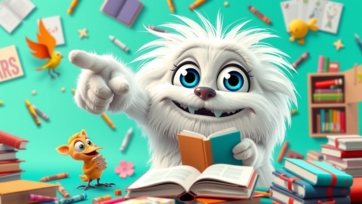
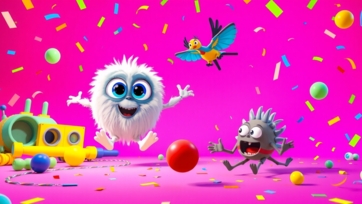
If your child enjoys fun, laughter, and imaginative adventures, chances are they already know Booba—the charming little creature who has taken the internet by storm. Booba is one of the most beloved animated characters for young children, thanks to his expressive face, adorable reactions, and exciting curiosity-filled world. But who exactly is Booba, and why do millions of kids love him so much? In this complete character guide, we explain everything parents and kids need to know about this funny and family-friendly cartoon character. Who Is Booba? Booba is a small, furry, and extremely curious creature who explores the world with child-like wonder. He does not speak words. Instead, he communicates through expressive sounds, funny gestures, and silly reactions. His biggest strength is his ability to turn the most ordinary things—like a lamp, a fridge, or a pair of shoes—into a hilarious adventure. Created by the animation studio 3D Sparrow, Booba first appeared on YouTube and quickly went viral among preschoolers. Today, the show is available on multiple streaming platforms, and Booba is recognized globally as a top children’s entertainment character. What Does Booba Look Like? Booba has a very unique and instantly recognizable appearance: A small white furry body Big blue eyes Pink cheeks A long tail Large ears A tiny backpack in some episodes His design is perfect for kids because it is both friendly and funny. His big expressions and exaggerated reactions make him enjoyable even for toddlers who cannot understand spoken language yet. What Makes Booba Popular Among Kids? Booba’s global popularity comes from several child-friendly qualities: 1. No Dialogue – Universal Entertainment Booba does not speak, which makes the show easy for children from all languages to enjoy. Kids focus on the actions, comedy, and visual storytelling, making it a perfect show for early learners. 2. Safe, Fun, and Educational Without violence, fear, or inappropriate content, Booba is completely safe for young children. The show encourages: Curiosity Exploration Creativity Problem-solving Each episode teaches children how to observe and learn from everyday things. 3. Short and Engaging Episodes Booba episodes are usually 3–5 minutes long, which matches the attention span of preschoolers. The fast-paced humor keeps kids laughing and entertained without overwhelming them. 4. Positive Character Personality Booba always remains cheerful, even when things go wrong. His reactions help children understand: It is okay to make mistakes Learning can be fun Curiosity leads to discovery His positive attitude is one of the main reasons parents trust this show. Booba’s Personality and Traits: Booba’s charm comes from his lovable personality. Some of his key traits include: Curiosity Booba is extremely curious. Whether he finds a toy, a kitchen gadget, or a musical instrument, he wants to explore it completely. This curiosity encourages kids to explore their environment safely. Playfulness He loves to play! Everything becomes a game for him. This playfulness helps kids develop imagination and creativity. Kindness Booba is friendly with everyone he meets, even if they cause trouble. His kindness teaches kids about empathy and good behavior. Bravery He often faces new things without fear. This trait inspires children to be confident and brave in new situations. Funny and Expressive Nature His silly reactions and big facial expressions make kids laugh instantly. Humor is a big part of why Booba is so addictive for children. Supporting Characters in Booba’s World: Booba is not alone in his adventures. Several characters join him and make the episodes more exciting. 1. Loola Loola is an active and energetic girl-like creature who loves to dance and play. She often joins Booba in exploring new places. 2. Googa Googa is the intelligent and inventive character in the Booba universe. He loves gadgets, tools, and creative ideas. 3. Spike Spike is the mischievous hedgehog who sometimes creates problems but always adds humor. 4. Mr. Beak Mr. Beak is a clever parrot who enjoys watching Booba’s silly actions while sometimes offering help. Together, these characters make the show more dynamic and enjoyable for kids. What Age Group Is Booba For? Booba is mainly designed for children aged 2 to 8 years, but toddlers and even older kids enjoy it due to its humor and visual appeal. Many parents say that even they enjoy watching Booba because of the comedy and creativity. Why Parents Approve of Booba Parents appreciate Booba because it: Avoids bad language Does not include violence Encourages positive learning Stimulates imagination Keeps kids engaged without harmful content It is a safe digital entertainment option compared to many noisy or aggressive children’s shows. Where Can Kids Watch Booba? Booba episodes are available on major platforms such as: YouTube Netflix Amazon Prime Booba’s official app (in some regions) This makes the show easy to access anywhere, anytime. Educational Benefits of Watching Booba: Although Booba is mostly a comedy show, it provides many learning opportunities: 1. Understanding Everyday Objects Kids learn how different items work—like a blender, vacuum cleaner, or mirror. 2. Visual Learning Skills Booba uses visual storytelling, which helps children improve observation and comprehension. 3. Social Skills Booba often interacts with friends, teaching kids about: Teamwork Sharing Friendship Cooperation 4. Creative Thinking Since Booba imagines new ways to use common things, children develop creative thinking and problem-solving skills. Booba Toys and Merchandise Booba’s popularity has led to many toys and merchandise for kids, including: Plush toys Storybooks Coloring books Puzzles School supplies These items help children engage with their favorite character in real life. Final Thoughts: Why Kids Love Booba So Much: Booba is more than just a cartoon character—he is a source of joy, creativity, and learning. His curious nature, funny adventures, and expressive personality make him a favorite among children everywhere. Without using any language, Booba communicates universal emotions that every child can understand. For parents searching for safe, educational, and fun entertainment, Booba is one of the best choices available today. His imaginative world encourages kids to explore, laugh, and learn—making him a truly unforgettable character.
How Animations Are Made: A Simple Guide for Kids
Have you ever wondered how your favorite cartoon characters move, talk, and go on adventures? It feels like magic, but it’s actually a super cool mix of art, technology, and patience! Making an animation is like creating a flipbook, but with lots of people and powerful computers helping out. Let’s follow the journey of a single cartoon from the first spark of an idea to the show on your screen! Step 1: The Big Idea – It All Starts with a Story! : Every cartoon begins with someone’s imagination. The Writers dream up the story, the jokes, and what the characters will say. The Storyboard Artists are like comic book creators. They draw the story shot-by-shot in simple sketches. This is the cartoon’s first visual blueprint! It shows what characters are doing, where they are, and how the camera moves. Step 2: Meet the Characters – Design Time! : Before they can move, we need to know what they look like from every angle! Character Designers draw the heroes, villains, and everyone else. They make model sheets that show how a character stands, smiles, runs, and even looks sad. This makes sure they look the same in every scene. Step 3: The Secret of Movement – It’s an Illusion! : Our eyes and brains can be tricked! Animation works because of something called persistence of vision. If you see a bunch of pictures that are slightly different, one after another very quickly, your brain blends them into one moving image. Traditional (Hand-Drawn) Animation: Artists called Animators draw every single movement on special paper. For one second of cartoon, they need to draw 24 pictures (called frames)! That’s a LOT of drawing. The lead animator draws the key poses, and assistants draw the pictures in between. Stop-Motion Animation: This is like playing with action figures and taking a photo every time you move them a tiny bit. Animators use puppets or clay models, move them bit by bit, and take a photo of each move. When they play all the photos quickly, the puppet looks like it’s moving by itself! Computer (CGI) Animation: This is how most modern movies and shows are made. Artists build 3D models of the characters and worlds inside the computer. It’s like making a super-detailed virtual puppet. Then, Animators use special controls to move the model’s parts and create the performance, setting a "key pose" for each important movement. The computer creates the smooth "in-between" frames. Step 4: Adding Color and Backgrounds – Building the World : Background Artists paint the beautiful worlds where the adventure happens—the forests, cities, and castles. Clean-Up Artists make the rough drawings look perfect and ready for color. Color Artists (or computers) fill in all the characters and objects with their correct, bright colors. Step 5: Making it Come Alive – Sound and Final Magic! : A cartoon isn’t complete without sound! Voice Actors record all the characters' lines, screams, and laughs in a studio. Foley Artists create sound effects by making noises in creative ways—cracking celery for bone sounds, shaking leather for thunder, or stepping in cornstarch for snow. Composers write the exciting music that makes you feel happy, scared, or ready for adventure. The Final Edit: All the pieces—the moving pictures, the voices, the sound effects, and the music—are put together perfectly by editors, like a giant, amazing puzzle. Then it’s ready for you to watch! You Can Try It! A Mini Animation Project : Make Your Own Flipbook: Get a small stack of sticky notes or a notebook. On the last page, draw a simple character (like a smiling circle). On the next page, draw it again, but move it just a little bit. Keep doing this on each page, moving your character step-by-step. Now flip the pages quickly with your thumb. Your drawing is moving! You just made an animation! Conclusion: Teamwork Makes the Dream Work! : Making an animation is a huge project that takes many talented artists and technicians a long time—sometimes years for a movie! They are all storytellers who use drawings, models, or computers to create the magical moving pictures we love. The next time you watch your favorite cartoon, remember: it started as one simple drawing and a big idea.
Teaching Good Habits With Cartoon
Learn Good Habits with Cartoon in 2025 Teaching children good habits is a critical part of early education. In 2025, animated cartoon stories have become one of the most effective ways to help kids learn positive behaviors such as hygiene, healthy eating, time management, and kindness. By combining entertaining storytelling with visual learning, cartoons turn everyday lessons into memorable and enjoyable experiences for children. This guide explores the benefits of cartoon stories for teaching good habits, highlights top series for kids, and provides tips for parents to make learning effective and fun. Why Teaching Good Habits Through Cartoons Matters: Toddlers and preschoolers are highly receptive to visual and auditory learning. Animated cartoons can model behavior, making lessons relatable and easier to understand. Key benefits of cartoon stories for good habits: Promotes healthy routines: Brushing teeth, washing hands, eating nutritious foods. Encourages social skills: Sharing, politeness, and teamwork. Supports emotional development: Managing feelings, patience, and empathy. Reinforces learning through repetition: Characters act out habits consistently. Safe and engaging: Fun storytelling avoids fear or negative messaging. By seeing their favorite characters practice good habits, children are more likely to imitate positive behaviors in real life. Top Good Habits Taught Through Cartoons: Cartoon stories can cover a wide range of practical and social skills, including: Personal Hygiene Brushing teeth, washing hands, bathing regularly. Cleaning up after meals and playtime. Using visuals and songs to make routines fun. Healthy Eating Encouraging fruits, vegetables, and balanced meals. Teaching children to avoid excessive sweets. Showing animated characters enjoying healthy food. Time Management & Routine Waking up, going to bed on time, and completing tasks. Practicing organization and responsibility. Kindness and Social Skills Sharing toys, saying “please” and “thank you.” Helping friends, siblings, and pets. Managing emotions like anger or jealousy. Environmental Awareness Keeping surroundings clean and organized. Caring for plants, animals, and nature. Top Cartoon Series Teaching Good Habits in 2025: 1. Healthy Habits with Zoya: One of the most popular series in 2025, Zoya teaches children personal hygiene, exercise, and nutrition in a fun and interactive way. Highlights: Cheerful character engaging toddlers in daily routines. Songs and repetitive actions to reinforce learning. Suitable for ages 3–7. 2. Booba Educational Adventures: Booba’s curious adventures now include lessons on good manners, sharing, and safety. Benefits: Non-verbal storytelling, making it accessible to all children. Encourages observation and imitative learning. Perfect for toddlers and preschoolers. 3. Super Simple Learning World: Habits Edition: This series combines songs, animations, and storytelling to teach healthy and social habits. Learning focus: Daily routines like brushing, washing, and tidying up. Encourages cooperation and sharing among peers. Uses colorful visuals to maintain attention. 4. Little Hero Adventures: Life Lessons: Animated mini-stories where characters practice responsibility and kindness in everyday situations. Key themes: Encourages empathy, patience, and helping others. Problem-solving and decision-making modeled by characters. Short, engaging episodes suitable for young children. 5. The Kindness Club: Good Habits Edition: This series blends emotional intelligence with habit learning, teaching children to manage feelings and interact politely. Benefits: Builds empathy and emotional awareness. Reinforces positive behaviors through storytelling. Suitable for toddlers and early school-age children. How to Make Cartoon Learning About Habits Effective: Parents can take several steps to ensure children internalize good habits from cartoon stories: Watch together: Parents can discuss lessons and model behaviors. Repeat favorite episodes: Repetition strengthens memory and understanding. Practice in real life: Encourage children to apply habits seen in cartoons. Ask questions: “Why do you think Zoya washes her hands?” fosters critical thinking. Mix with offline activities: Drawing charts, creating routines, and role-playing. Keep screen time balanced: Short, focused sessions are most effective for toddlers. Recommended Cartoon Stories for Teaching Good Habits: Here’s a curated list of top animated series for 2025: Healthy Habits with Zoya – Hygiene, exercise, and nutrition Booba Educational Adventures – Manners, sharing, and safety Super Simple Learning World: Habits Edition – Daily routines and cooperation Little Hero Adventures: Life Lessons – Responsibility and empathy The Kindness Club: Good Habits Edition – Emotional intelligence and social skills These cartoons make learning habits fun, visual, and memorable, helping toddlers adopt positive routines naturally. Final Thoughts: Teaching good habits through animated stories is a powerful method for early childhood development. In 2025, these cartoons combine entertainment, repetition, and interactive visuals to instill essential life skills in toddlers and preschoolers. Parents can enhance learning by: Watching alongside children Discussing lessons and asking questions Reinforcing habits in daily routines With the right series, screen time becomes an educational adventure, helping children develop hygiene, healthy eating, social skills, and emotional intelligence—all while having fun. Tip for Parents: Encourage children to act out habits from cartoons, like brushing teeth or sharing toys. This strengthens understanding and makes learning active rather than passive.
Best Educational Cartoons for Kids in 2025
A Complete Guide for Parents As digital learning continues to evolve, parents are becoming more selective about the content their children watch. In 2025, the demand for high-quality educational cartoons for kids has reached an all-time high. Families now want animated series that combine entertainment with learning—covering language development, moral lessons, science, early mathematics, and emotional intelligence. This guide explores the best educational cartoons for kids in 2025, why they are trending, and how they support mental, emotional, and cognitive growth. If you’re searching for valuable learning content for your child, this article will help you make informed choices. Why Educational Cartoons Matter in 2025: Today’s children learn differently. Early exposure to screens means they absorb information faster through visuals, colors, and characters. Educational cartoons create an immersive learning environment where kids learn naturally while having fun. Key benefits include: Enhanced vocabulary and language skills Improved problem-solving and analytical thinking Better understanding of numbers, shapes, sounds, and colors Stronger emotional intelligence and social behavior Increased creativity and imagination Safe entertainment without harmful messaging The best part? Children perceive these cartoons as fun, not study—making learning effortless. Top 10 Educational Cartoons for Kids in 2025: 1. Booba Educational Adventures (2025 Edition) Booba remains a favorite among toddlers for his curiosity-driven adventures. The series introduces children to new environments, safety rules, and basic science concepts. Why it’s trending: Non-verbal learning suitable for all languages Encourages observation and critical thinking Kids learn by watching Booba explore real-world situations Perfect for toddlers and preschoolers 2. Super Simple Learning World Ideal for early English learners, this series uses colorful animations, easy rhymes, and step-by-step learning. Focus areas: Alphabet A–Z Numbers, counting, and shapes Opposites, colors, and phonics Simple manners and good habits Its soft music and gentle pacing make it perfect for toddlers and preschoolers. 3. Dino Learners: The Smart Adventures Dino-themed learning adventures combine science, history, and teamwork for children aged 4–10. Learning benefits: Boosts curiosity about dinosaurs and prehistoric life Teaches teamwork and problem-solving Introduces basic geography and animal behavior 4. Little Genius World Designed to stimulate mental growth, this 2025 series engages kids with puzzles, mini-games, and creative challenges. Key themes: Memory-building activities Logical reasoning and early math Creative drawing and imagination Shape recognition and pattern analysis 5. Alphabet Town Adventures Perfect for toddlers learning ABCs, this series strengthens early reading skills. Why parents choose it: Correct pronunciation of English words Vocabulary-building through animated stories Engaging visuals keep kids motivated 6. The Kindness Club Emotional intelligence (EQ) is a key focus of this series, which teaches morals and social skills gently and entertainingly. Lesson themes: Sharing and caring Respect and honesty Friendship and empathy Managing feelings 7. Space Explorers Jr. This space-themed cartoon sparks curiosity about planets, stars, and the cosmos. Learning highlights: Names of planets and their characteristics Basics of space travel Stars, moons, and galaxies explained simply 8. Momo’s Math World One of the most fun math learning series of 2025, turning numbers and problem-solving into an adventure. Focus areas: Numbers and counting Addition and subtraction Shapes and measurements Early problem-solving 9. Healthy Habits with Zoya Health education meets fun! Zoya encourages children to adopt healthy daily habits. Topics include: Eating nutritious food Brushing teeth properly Sleeping on time Simple exercises Keeping surroundings clean 10. The Creative Arts Studio Creativity-focused learning helps children explore art, music, dance, and crafts. Benefits: Improves hand–eye coordination Boosts artistic confidence Encourages emotional expression How to Choose the Right Educational Cartoon Before selecting a cartoon, consider: Age-appropriate content – Avoid shows that are too simple or too advanced. Positive messaging – Ensure lessons about kindness, honesty, and safety. Pacing – Slow, clear visuals prevent overstimulation. Interactive elements – Songs, repetition, and simple tasks enhance learning. Language clarity – Dialogue should be child-friendly and easy to understand. Choosing the right cartoon can significantly improve your child’s early development and learning speed. Final Thoughts In 2025, educational cartoons are more than entertainment—they’re powerful learning tools that nurture language skills, emotional intelligence, creativity, and problem-solving. Whether your child enjoys science, language, adventure, or moral stories, these top 10 series offer safe, engaging, and educational experiences. Start your child’s learning adventure today by exploring these cartoons on trusted platforms like YouTube or dedicated educational websites such as boobacartoon.com.
Safe Cartoon-Watching Habits for Toddlers
Cartoons are a popular source of entertainment for toddlers, offering colorful visuals, playful sounds, and engaging stories. However, toddlers’ developing brains are sensitive to overstimulation, inappropriate content, and excessive screen time. Establishing safe cartoon-watching habits ensures that young children enjoy media in a healthy, educational, and balanced way. By creating structured viewing routines, selecting age-appropriate content, and engaging with children, parents can make cartoon-watching a fun and safe learning experience for toddlers. Why Safe Viewing Habits Matter: Toddlers are highly impressionable. Safe viewing habits are important because they: Protect from violent or inappropriate content Reduce overstimulation and screen-related fatigue Promote attention and comprehension skills Encourage positive social and emotional development Support healthy daily routines and sleep patterns Structured habits help children benefit from cartoons without negative effects. Setting Time Limits for Toddlers: Screen time for toddlers should be limited and consistent: 1–2 hours per day for children aged 2–5 years, according to pediatric guidelines Break viewing into short sessions with physical activity in between Avoid screen use immediately before bedtime Use timers or parental control apps to enforce limits Time limits ensure toddlers maintain balance between screen time, play, and rest. Choosing Age-Appropriate Cartoons: Selecting the right content is crucial. Safe cartoons for toddlers: Use bright, simple visuals and friendly characters Include positive messages, such as sharing, empathy, and cooperation Avoid violence, scary scenes, or complex storylines Encourage learning concepts like colors, numbers, letters, and shapes Shows like Bluey, Sesame Street, Daniel Tiger’s Neighborhood are good examples of age-appropriate content. Co-Viewing and Interaction: Watching cartoons together enhances learning and safety: Discuss what is happening in the cartoon Ask questions to encourage thinking and comprehension Relate lessons to real-life situations Praise positive behaviors modeled by characters Co-viewing turns passive screen time into an interactive and educational experience. Encouraging Physical Activity and Play: Cartoons should not replace active play, which is vital for toddlers’ development: Encourage dancing, clapping, or movement along with music in cartoons Schedule outdoor play and hands-on activities between viewing sessions Integrate storytelling, drawing, or building inspired by cartoon content This approach combines screen entertainment with physical and cognitive engagement. Establishing Safe Digital Habits: Toddlers also need to develop healthy digital habits from the start: Use child-friendly platforms like YouTube Kids or curated apps Enable parental controls and content filters Avoid autoplay to prevent excessive viewing Monitor content and remove channels that are inappropriate These habits protect toddlers while teaching safe screen use. Benefits of Safe Cartoon-Watching Habits: When done correctly, safe viewing habits help toddlers: Learn concepts like numbers, letters, and colors Develop social and emotional understanding Strengthen attention span and memory Foster creativity and imagination Enjoy entertainment safely without negative impacts Balanced screen habits create a foundation for lifelong healthy media usage. Conclusion: Safe cartoon-watching habits for toddlers involve selecting age-appropriate content, limiting screen time, engaging through co-viewing, and encouraging physical activity. By guiding children in their early exposure to media, parents can ensure that cartoons remain a fun, educational, and safe part of their daily routine, supporting cognitive, social, and emotional development.
YouTube Premium vs. YouTube Kids – What’s Better for Your Child in 2026?
The YouTube ecosystem offers two primary pathways for families: the ad-free, feature-rich YouTube Premium and the walled-garden, curated YouTube Kids. Choosing between them isn't about finding the single "best" option, but about matching the right tool to your family's specific values, your child's age, and your parenting style. This 2026 guide breaks down each service to help you make an informed decision for your digital household. The Core Philosophy: Two Different Approaches : YouTube Kids is a controlled environment. It's a separate app/platform designed from the ground up for children, with heavy human and algorithmic curation, simplified controls, and a commitment to being "family-friendly." YouTube Premium is an enhancement tool for the main YouTube platform. It doesn't change what is available, but it removes ads and unlocks features. Its use for children depends entirely on your own active supervision and parental controls. Let's compare them across the key dimensions that matter to parents. Content Library & Curation: Safety vs. Breadth : YouTube Kids: Pros: Features a severely restricted library of videos deemed appropriate for children by a mix of automated filters, human reviewers, and partner channels. It offers three age-based content settings (Preschool, Younger, Older) to tailor the experience. The chance of encountering blatantly inappropriate content is very low. Cons: The library can feel limited, especially for older, curious kids. Some parents have noted "edutainment" content that is overly commercialized or of low educational value slipping through. It can also block genuinely useful, child-appropriate content from the main site. YouTube Premium (on a Supervised Account): Pros: Grants access to the entire universe of YouTube, including educational channels, hobby tutorials, family vloggers, and music. With your careful supervision and channel subscriptions, you can build a rich, personalized learning feed. Cons: The "algorithm" is designed for general audiences, not children. Without extreme vigilance, it can easily recommend increasingly mature, commercialized, or sensational content. The burden of curation falls 100% on you. Winner for Content Safety: YouTube Kids.Winner for Content Breadth & Customization: YouTube Premium (with hands-on parenting). Advertisements & Commercialism: The Ad-Free Promise : YouTube Kids: Pros: It does have ads, but they are supposedly vetted to be appropriate for children and are limited in number. There are no display or overlay ads. Cons: Ads are still present. The line between content and advertising can be blurry, with channels dedicated to unboxing toys or video game promotions feeling inherently commercial. YouTube Premium: Pros: It removes all video ads across all of YouTube. This is its core feature. For a child using the main site, this eliminates interruptions, pre-roll ads for inappropriate products, and reduces the manipulative "clickbait" cycle fueled by ad revenue. Cons: It does not remove integrated product placements or sponsorships within the videos themselves. Winner for Ad Experience: YouTube Premium. An ad-free experience is profoundly different and removes a major vector of commercial pressure and inappropriate exposure. Features & Parental Controls: Built-in vs. DIY : YouTube Kids: Pros: Offers straightforward parental controls: passcode-locked settings, timer limits, the ability to block specific videos or channels, and content level selection. The interface is simple for a child to navigate. Cons: Controls can feel broad-stroke. The "Approved Content Only" mode requires you to hand-pick every single channel and video—a time-intensive process. YouTube Premium (with Google Family Link): Pros: When combined with a Supervised Google Account (managed via Family Link), you get powerful, granular controls for the main YouTube app: you can restrict the child to only watch videos you approve, or limit them to content rated for "9+." You can also set time limits and monitor watch history. Cons: This setup is more complex to configure. The "approved content only" mode is similarly labor-intensive. The main YouTube interface remains complex and tempting. Winner for Ease of Use & Built-In Safety: YouTube Kids.Winner for Granular Control (for tech-savvy parents): YouTube Premium + Supervised Account. Cost & Value Analysis : YouTube Kids: Free. It is a no-cost product. YouTube Premium: Paid Subscription. Requires a monthly fee. However, a YouTube Premium Family plan can cover up to 5 family members (all sharing the ad-free benefit) and includes YouTube Music Premium. Winner on Cost: YouTube Kids.Winner on Family-Wide Value: YouTube Premium Family (if you want ad-free YouTube and music for everyone). The Verdict: Which Service is "Better"? The answer depends entirely on your child's age and your desired level of involvement. Choose YouTube Kids If: Your child is between 3 and 8 years old. You want a "set it and mostly forget it" level of safety. You are comfortable with its curated, limited library. Your primary goal is to avoid explicit inappropriate content with minimal effort. Choose YouTube Premium (with a Supervised Account) If: Your child is 9 years or older and has specific, mature educational interests (e.g., advanced science tutorials, historical documentaries, creative software guides). You are committed to co-viewing and actively building playlists/channel subscriptions together. You want to completely eliminate video ads for your child. You already want Premium for your own use and can add them to a Family plan. The 2026 Expert Recommendation: A Phased Hybrid Approach : The most effective strategy often uses both tools at different stages. Ages 3-7: Start with YouTube Kids. This is the default, safe sandbox. Use it to establish good habits. Supplement with high-quality content from dedicated platforms like boobacartoon.com for storytelling and learn.universitiesforllm.com for structured lessons. Ages 8-10: Transition with Premium + Supervision. As their needs outgrow YouTube Kids, create a Supervised Google Account. Use the "Approved Content Only" mode on the main YouTube app. This is labor-intensive but allows you to add specific educational channels. A YouTube Premium subscription here is highly recommended to strip out ads. Ages 11+: Guided Independence with Premium. Move to a less restrictive supervised level (like "Explore More") but maintain time limits and regular check-ins of watch history. Continue to have conversations about algorithm awareness and critical thinking. Always maintain the ad-free benefit of Premium. The Bottom Line:YouTube Kids is a safer, simpler product for children.YouTube Premium is a more powerful tool for parents who are willing to be highly engaged media mentors. In 2026, the best choice is the one that aligns with your active parenting, not the one that promises passive peace of mind.