Not all cartoons are created equal. Some animated shows are just for laughs, while others combine humor, creativity, and educational value. Playful cartoon characters stand out because they entertain while subtly teaching lessons, encouraging imagination, and engaging children in meaningful ways.
This guide explains why playful cartoon characters are unique and how they benefit children aged 3–8 compared to other kids’ cartoons.
1. Unique Style and Expression:
-
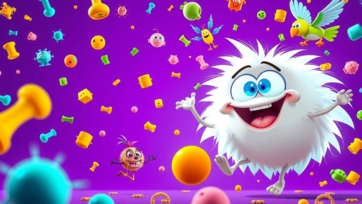
Visual Appeal: Playful characters often have exaggerated expressions, vibrant colors, and quirky designs.
-
Non-Verbal Storytelling: Many actions and expressions convey emotions and humor without words, making them accessible to children of all language backgrounds.
-
Distinct Animation Style: Fluid, dynamic movement keeps kids engaged and entertained.
2. Humor with Positive Lessons:
-
Unlike some cartoons that rely solely on slapstick, playful characters mix humor with subtle learning.
-
Episodes often teach problem-solving, sharing, curiosity, and empathy.
-
Children laugh while learning, reinforcing cognitive and social skills.
3. Encourages Creativity and Imagination:
-
Playful characters inspire children to draw, craft, role-play, and create stories.
-
Episodes often feature fantastical scenarios that encourage imaginative thinking.
-
Children learn to experiment and explore in both play and daily life.
4. Cross-Cultural Appeal:
-
Minimal or no dialogue makes these cartoons universally understandable.
-
Children from different cultures can enjoy, interpret, and learn from the visual storytelling.
-
Promotes inclusivity and cultural understanding at an early age.
5. Interactive Learning Opportunities:
-
Episodes can be used as storytelling prompts, drawing exercises, or role-play scenarios.
-
Children are encouraged to retell stories, invent new endings, or act out scenes, enhancing language, creativity, and critical thinking skills.
-
Unlike some cartoons, playful characters invite active participation rather than passive viewing.
6. Emotional and Social Development:
-
Characters model empathy, cooperation, and curiosity, helping children understand emotions and relationships.
-
Storylines often show problem-solving and teamwork, reinforcing positive social behavior.
-
Helps children navigate real-life social situations through observation and imitation.
Why Parents Prefer Playful Characters:
-
Safe Content: Episodes are typically free of inappropriate violence or language.
-
Educational Value: Combines learning with entertainment naturally.
-
Creative Engagement: Encourages drawing, crafts, and storytelling.
-
Easy Understanding: Non-verbal cues make it accessible to younger children.
-
Universal Appeal: Children of all languages and backgrounds can enjoy and learn.
Final Thoughts:
Playful cartoon characters are more than just entertainment. They are interactive, educational, and imaginative, offering lessons in social skills, problem-solving, and creativity. Unlike other kids’ cartoons, they engage children actively, making learning fun, memorable, and globally accessible.