How Animations Are Made: A Simple Guide for Kids

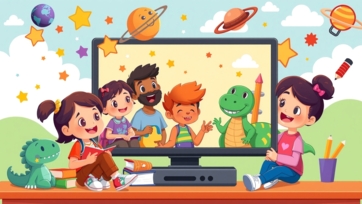
Have you ever wondered how your favorite cartoon characters move, talk, and go on adventures? It feels like magic, but it’s actually a super cool mix of art, technology, and patience! Making an animation is like creating a flipbook, but with lots of people and powerful computers helping out. Let’s follow the journey of a single cartoon from the first spark of an idea to the show on your screen!


Step 1: The Big Idea – It All Starts with a Story! :

Every cartoon begins with someone’s imagination.

  • The Writers dream up the story, the jokes, and what the characters will say.

  • The Storyboard Artists are like comic book creators. They draw the story shot-by-shot in simple sketches. This is the cartoon’s first visual blueprint! It shows what characters are doing, where they are, and how the camera moves.


Step 2: Meet the Characters – Design Time! :

Before they can move, we need to know what they look like from every angle!

  • Character Designers draw the heroes, villains, and everyone else. They make model sheets that show how a character stands, smiles, runs, and even looks sad. This makes sure they look the same in every scene.


Step 3: The Secret of Movement – It’s an Illusion! :

Our eyes and brains can be tricked! Animation works because of something called persistence of vision. If you see a bunch of pictures that are slightly different, one after another very quickly, your brain blends them into one moving image.

  • Traditional (Hand-Drawn) Animation:

    • Artists called Animators draw every single movement on special paper. For one second of cartoon, they need to draw 24 pictures (called frames)! That’s a LOT of drawing. The lead animator draws the key poses, and assistants draw the pictures in between.

  • Stop-Motion Animation:

    • This is like playing with action figures and taking a photo every time you move them a tiny bit. Animators use puppets or clay models, move them bit by bit, and take a photo of each move. When they play all the photos quickly, the puppet looks like it’s moving by itself!

  • Computer (CGI) Animation:

    • This is how most modern movies and shows are made. Artists build 3D models of the characters and worlds inside the computer. It’s like making a super-detailed virtual puppet. Then, Animators use special controls to move the model’s parts and create the performance, setting a "key pose" for each important movement. The computer creates the smooth "in-between" frames.


Step 4: Adding Color and Backgrounds – Building the World :

  • Background Artists paint the beautiful worlds where the adventure happens—the forests, cities, and castles.

  • Clean-Up Artists make the rough drawings look perfect and ready for color.

  • Color Artists (or computers) fill in all the characters and objects with their correct, bright colors.


Step 5: Making it Come Alive – Sound and Final Magic! :

A cartoon isn’t complete without sound!

  • Voice Actors record all the characters' lines, screams, and laughs in a studio.

  • Foley Artists create sound effects by making noises in creative ways—cracking celery for bone sounds, shaking leather for thunder, or stepping in cornstarch for snow.

  • Composers write the exciting music that makes you feel happy, scared, or ready for adventure.

  • The Final Edit: All the pieces—the moving pictures, the voices, the sound effects, and the music—are put together perfectly by editors, like a giant, amazing puzzle. Then it’s ready for you to watch!


You Can Try It! A Mini Animation Project :

Make Your Own Flipbook:

  1. Get a small stack of sticky notes or a notebook.

  2. On the last page, draw a simple character (like a smiling circle).

  3. On the next page, draw it again, but move it just a little bit.

  4. Keep doing this on each page, moving your character step-by-step.

  5. Now flip the pages quickly with your thumb. Your drawing is moving!

You just made an animation!


Conclusion: Teamwork Makes the Dream Work! :

Making an animation is a huge project that takes many talented artists and technicians a long time—sometimes years for a movie! They are all storytellers who use drawings, models, or computers to create the magical moving pictures we love. The next time you watch your favorite cartoon, remember: it started as one simple drawing and a big idea.
Advertisement
Best Parental Control Apps for 2025
In 2025, technology continues to play a significant role in children’s lives. Smartphones, tablets, and computers are essential tools for learning and entertainment, but they also come with risks. Parental control apps help parents monitor and manage their child’s screen time, online safety, and content access, ensuring a secure digital environment. The best parental control apps combine ease of use, robust security features, and flexibility, allowing parents to customize access based on their child’s age and needs. These apps are not just about restriction—they also help promote healthy screen habits, educational engagement, and balanced digital experiences. Why Parental Control Apps Are Important: Parental control apps provide several benefits: Protect children from inappropriate content Limit screen time to promote healthy routines Track device usage and app activity Encourage educational and creative screen engagement Offer peace of mind to parents Using parental control apps helps balance technology use while maintaining child safety and development. Key Features to Look for in 2025: Modern parental control apps offer features that address both security and learning: App and website blocking: Filter inappropriate content Screen time management: Schedule limits for devices and apps Activity monitoring: Track usage, calls, and messages Location tracking: Ensure child safety outdoors Educational recommendations: Suggest age-appropriate apps and content Cross-device compatibility: Manage multiple devices from one dashboard These features make it easier for parents to stay informed and proactive. Top Parental Control Apps for 2025: Here are some of the best apps for parents in 2025: Qustodio: Comprehensive dashboard for monitoring Website and app filtering Screen time scheduling Activity and social media monitoring Google Family Link: Device management for Android and Chromebook App approvals and usage reports Screen time and bedtime limits Easy-to-use interface Norton Family: Monitors online activity and search history Blocks inappropriate websites Tracks location Encourages responsible online behavior Bark: Monitors texts, emails, and social media Detects cyberbullying, explicit content, and threats Sends alerts to parents Supports multiple devices Kaspersky Safe Kids: Content filtering and app control Location tracking and battery alerts Monitors social networks Provides tips for healthy device usage These apps are trusted, updated, and compatible with modern devices, making them ideal for 2025. Tips for Using Parental Control Apps Effectively: To maximize the benefits of parental control apps: Discuss with your child why controls are in place Set realistic limits and explain the reasons Regularly review reports and adjust settings as needed Encourage educational and creative content over passive usage Combine app monitoring with active parental guidance This approach ensures children understand boundaries and develop healthy habits. Balancing Control with Trust: While parental control apps are essential, children also need trust and autonomy: Gradually allow older children more freedom with monitoring Encourage responsible decision-making online Praise positive behavior and self-regulation Use apps as tools, not strict punishment Balancing control and trust fosters digital responsibility and confidence. Conclusion: Parental control apps in 2025 provide a vital combination of safety, education, and screen time management. Choosing the right app, setting clear rules, and actively engaging with children ensures a secure and enriching digital environment. With the proper tools and guidance, parents can help children enjoy technology safely, learn effectively, and develop healthy screen habits.
Music & Rhythm: Lessons from Animated Episodes
Music and rhythm play an important role in early childhood development. Animated episodes, especially those designed for preschoolers, combine fun, movement, and melody to teach children fundamental lessons about music, coordination, and creativity. Through repetitive tunes, catchy songs, and playful beats, children learn to recognize patterns, improve memory, and express themselves through rhythm. Episodes that incorporate music also stimulate multiple areas of the brain. Visual storytelling paired with musical elements enhances attention, auditory skills, and emotional understanding. Children are naturally drawn to music, and animated episodes provide a safe and engaging environment to explore this creative form. Why Music and Rhythm Are Important for Young Children: Music is more than entertainment; it is a tool for learning and development. For preschoolers, rhythm and melody help in: Developing auditory discrimination skills Enhancing memory and concentration Encouraging physical coordination and movement Fostering creativity and imagination Supporting emotional expression and social interaction Animated episodes make these skills accessible by combining visual cues with musical patterns. How Animated Episodes Teach Musical Patterns: Episodes often introduce simple melodies and repetitive songs that children can follow. Repetition helps young learners: Recognize beats and rhythm Learn to clap, tap, or move in sync with music Predict the next notes or lyrics Understand concepts like fast/slow or loud/soft This foundational understanding of rhythm supports later learning in music, math, and language. Incorporating Movement and Dance: Many animated episodes encourage movement along with music. Characters may: Tap their feet or hands to the beat Dance in simple, exaggerated motions Use gestures to represent musical concepts When children imitate these actions, they improve coordination, gross motor skills, and rhythm recognition. Developing Listening and Memory Skills: Music-based episodes improve listening and memory. Children learn to: Follow sequences of sounds or notes Memorize short songs and lyrics Recognize patterns in melody and rhythm This active listening strengthens cognitive skills and enhances the child’s ability to focus and retain information. Encouraging Creativity and Self-Expression: Music and rhythm also provide an outlet for creative expression. Animated episodes often: Encourage children to create their own songs or beats Inspire imaginative play with musical instruments Promote storytelling through sound and movement Such activities help children develop confidence and individuality while having fun. Lessons in Cooperation and Social Interaction: Musical episodes frequently show group singing or dancing, teaching children important social lessons: Taking turns Coordinating with others Listening to group cues Celebrating together These social experiences promote empathy, teamwork, and emotional intelligence in a playful setting. How Parents Can Support Music-Based Learning: Parents can enhance the learning experience by: Singing along with episodes Clapping or moving to the rhythm together Providing safe instruments like tambourines, shakers, or xylophones Encouraging children to invent their own musical patterns Active participation reinforces concepts and makes learning more interactive and fun. Choosing the Right Musical Episodes: Not all animated episodes are equally beneficial. Parents should select shows that: Include simple, repetitive songs suitable for preschoolers Encourage movement and interaction Use bright visuals and friendly characters Avoid overly complex or loud sequences that may overwhelm young children Educational musical episodes, such as those with nursery rhymes or rhythm-based adventures, are particularly effective. Conclusion: Music and rhythm lessons from animated episodes provide a playful and effective way for preschoolers to develop essential skills. By combining melody, movement, and repetition, these episodes support auditory, cognitive, motor, and social development. When parents engage with children and encourage active participation, music becomes not only fun but also a powerful educational tool, laying the foundation for creativity, coordination, and a lifelong appreciation for music.
How to Manage Kids’ Screen Addiction
In today’s digital world, children often spend hours on tablets, phones, TVs, and computers. While screens can be educational and entertaining, excessive use can lead to screen addiction, affecting health, social skills, and learning. This guide provides practical tips for parents on how to manage kids’ screen time and reduce dependency while encouraging healthy digital habits. Signs of Screen Addiction in Children: Excessive Screen Time: Using devices for longer than recommended, even when asked to stop. Irritability: Tantrums, mood swings, or frustration when screens are removed. Neglect of Other Activities: Avoiding homework, play, or social interactions. Sleep Problems: Difficulty falling asleep due to screens, especially before bedtime. Obsessive Behavior: Constantly thinking about or asking for devices. Recommended Screen Time Limits by Age: Toddlers (2–5 years): ~1 hour/day of high-quality educational content Early School Age (6–12 years): 1–2 hours/day, balanced with outdoor play, reading, and social activities Teenagers (13–18 years): Encourage moderation, ensuring screen time doesn’t interfere with sleep, schoolwork, or physical activity Strategies to Reduce Screen Addiction: 1. Create a Screen Schedule Set daily time limits and stick to them consistently. Allocate specific times for educational content, recreational videos, and gaming. Use timers or parental controls to reinforce limits. 2. Encourage Screen-Free Activities Introduce alternatives like outdoor play, crafts, puzzles, or reading. Plan family activities to promote bonding without screens. Rotate toys and activities regularly to maintain interest. 3. Co-View and Engage Watch videos with your child and discuss content, ask questions, and play along. Interactive viewing reduces passive screen use and promotes learning. 4. Set Screen-Free Zones Designate areas such as bedrooms, dining tables, and play areas as screen-free. Helps children separate screen time from meals, sleep, and family interaction. 5. Model Healthy Screen Habits Children imitate parents, so reduce your recreational screen use. Demonstrate balanced use of devices and encourage family activities without screens. 6. Monitor Content Quality Choose educational and age-appropriate content. Avoid violent or inappropriate material that could encourage negative behavior. Pre-select apps, games, and shows to limit exposure to unsafe content. 7. Positive Reinforcement Reward children for following screen rules or participating in offline activities. Praise creativity, problem-solving, and engagement in non-digital activities. Benefits of Managing Screen Time: Better Sleep: Reduces overstimulation and improves bedtime routines. Enhanced Social Skills: Encourages face-to-face interactions and empathy. Physical Activity: Frees time for outdoor play, exercise, and healthy habits. Cognitive Development: Promotes creativity, problem-solving, and attention span. Balanced Lifestyle: Children learn moderation and responsible device use. Final Thoughts: Screen devices are not inherently bad, but overuse can lead to addiction. By setting limits, encouraging alternative activities, co-viewing, and modeling healthy habits, parents can help children develop a balanced relationship with technology, ensuring both learning and well-being.
Best Apps & Games for Young Explorers
For fans of gentle, curious characters, finding digital experiences that match that spirit of joyful, non-verbal discovery is key. The best apps and games nurture problem-solving, creativity, and exploration in a safe, ad-light environment. This 2025 guide curates top-tier picks that channel a similar sense of wonder, ensuring screen time is engaging, educational, and aligned with positive values. Our Selection Philosophy: What Makes a Great "Explorer" App? We prioritize apps and games that are: Curiosity-Driven: Focused on exploration, cause-and-effect, and open-ended discovery. Minimally Verbal: Relying on visual cues, sounds, and intuitive interaction over complex instructions. Commercially Safe: With no intrusive ads, aggressive in-app purchases, or data collection concerns. High-Quality & Respectful: Featuring calm design, pleasant sounds, and respect for the child's intelligence. Important Note: Always supervise initial play, use parental controls, and check age ratings (PEGI, ESRB) before downloading. Category 1: For Young Discoverers (Ages 2-4) – Tap, Explore, Giggle : These apps focus on simple cause-and-effect, sensory feedback, and gentle humor. App: "Toca Kitchen" (Toca Boca) Why It’s a Perfect Match: This is the digital equivalent of curious, messy experimentation. Kids can take various foods, cook them in silly ways (boil, fry, microwave), and feed them to characters who react with exaggerated, non-verbal expressions of delight or disgust. It’s all about discovery without rules or pressure. Key Features: No goals or scores, intuitive drag-and-drop, charmingly quirky reactions, and a one-time purchase model. App: "Sago Mini World" (Sago Sago) Why It’s a Perfect Match: This subscription-based suite offers dozens of mini-worlds to explore. Games like "Sago Mini Builders" or "Sago Mini Planes" let kids playfully interact with environments in unexpected ways—building wobbly towers or flying a plane to pop giant bubbles. The tone is consistently friendly, cheerful, and explorative. Key Features: Vast library of ad-free games, consistent gentle aesthetic, offline play, and a focus on open-ended fun. Game: "Peek-a-Zoo" by Duck Duck Moose Why It’s a Perfect Match: This app is a digital "hide and seek" focused on observation and identifying emotions/actions. Based on the classic "Peekaboo" format, it asks, “Who is crying?” or “Who is dancing?” fostering attentive looking and simple deduction in a joyful, animal-filled setting. Key Features: No ads, no in-app purchases, aligns with early learning standards for social-emotional growth. Category 2: For Creative Problem-Solvers (Ages 5-8) – Think, Tinker, Create : These selections encourage logical thinking, physics-based experimentation, and creative expression. Game: "Thinkrolls" Series (Avokiddo) Why It’s a Perfect Match: This award-winning series is pure logic and physics puzzles wrapped in charming characters. Kids guide a bouncy ball through increasingly complex mazes, manipulating objects like boxes, balloons, and teleporters. The problem-solving is non-verbal, trial-and-error based, and deeply satisfying—capturing the "aha!" moment of figuring things out. Key Features: Hundreds of levels, gradual difficulty increase, no reading required, and a one-time purchase. App: "Khan Academy Kids" Why It’s a Perfect Match: While educational, its spirit is one of joyful exploration. The "Creativity" section lets kids draw, color, and make stories. The friendly animal guides encourage curiosity across reading, math, and logic games in a completely free, ad-free environment. It feels like a playful clubhouse of learning. Key Features: 100% free, no ads, vast curriculum, and a strong emphasis on self-paced discovery. Game: "PBS Kids Games" App Why It’s a Perfect Match: This hub offers games from all PBS Kids shows. For explorer-minded kids, seek out games like "Wild Kratts Creature Math" (animal adventures) or "Cat in the Hat Builda-ma-loo" (inventive construction). The games are tied to educational curricula, vetted for safety, and feature beloved, positive characters. Key Features: Free, trusted source, new games added regularly, and parental resources. Category 3: For Budding Architects & Storytellers (Ages 7-10) – Build, Design, Imagine : These apps provide tools for complex creation and storytelling. Game: "Minecraft" (Education Mode or Creative Mode) Why It’s a Perfect Match: The ultimate digital sandbox for curiosity. In Creative Mode, with unlimited resources, kids can build anything they imagine—a wobbly tower, a hidden cave house, a giant pixel-art portrait of their favorite character. It’s a world governed by simple rules of placement and physics, encouraging endless experimentation. Key Tips: Use the Education Edition for a more structured, classroom-safe environment, or set up a private, supervised Creative Mode world. Supervise multiplayer. App: "Stop Motion Studio" Why It’s a Perfect Match: This app lets kids create their own animated shorts frame-by-frame using toys, clay, or drawings. It directly channels the spirit of making simple, funny, visual stories without words. They can make their plush toys go on curious adventures, mimicking the playful, physical comedy they love. Key Features: Intuitive interface, onion-skinning for smooth animation, and the ability to add sound effects and music. A powerful tool for patient creators. App: "Drawing Cartoon 2" Why It’s a Perfect Match: A step up from simple coloring apps, this provides easy tools to design original cartoon characters and simple animations. Kids can create their own curious explorer character, give them big eyes and expressive poses, and even make them walk or jump in a loop. Key Features: Bone-based rigging for easy animation, pre-set character templates to modify, and a focus on fun, cartoon-style creation. Essential Tips for Parents : Co-Play First: Sit with your child as they try a new app. Explore it together, which models how to engage with it thoughtfully. Use Device-Level Controls: Utilize "Guided Access" (iOS) or "Screen Pinning" (Android) to lock the device into a single app, preventing accidental exits or purchases. Seek Out "Paid-Up-Front" Models: Favor apps with a one-time purchase price over "free-to-play" models, which often rely on ads or microtransactions. Balance is Key: Pair digital exploration with hands-on play. After building in Minecraft, build with real blocks. After making a stop-motion film, act out a live play. Conclusion: Digital Tools for Real-World Curiosity : The best apps and games don't just entertain; they extend a child's natural desire to explore, figure things out, and create. By choosing high-quality, respectful digital experiences that prioritize discovery over consumption, you give your child a digital sandbox worthy of their imagination—one that complements the joyful, curious play inspired by their favorite gentle characters and real-world adventures.
Playful Cartoon Characters vs. Classic Slapstick: Which Is Better for Kids?
Children today enjoy a wide range of cartoons, from modern playful characters to classic slapstick animations like Tom and Jerry. Parents often ask: “Which type of cartoon is better for kids?” This guide explores the benefits and drawbacks of modern playful cartoon characters versus classic slapstick animations, helping parents make informed viewing choices for children aged 3–8. 1. Entertainment Value: Playful Cartoon Characters: Bright, colorful, and engaging, with humorous antics and relatable personalities. Classic Slapstick (e.g., Tom and Jerry): Fast-paced comedy, physical humor, exaggerated chases, and funny conflicts. Both types capture attention, but modern characters often include educational content and interactive scenarios. 2. Educational Content: Playful Cartoon Characters: Many episodes teach social skills, problem-solving, creativity, and empathy. Classic Slapstick: Mostly focused on humor; educational value is limited, but visual storytelling can develop observation skills. 3. Language and Communication Skills: Playful Characters: Often verbal or interactive, allowing children to learn new words, sentence structures, and expressions. Slapstick Cartoons: Typically non-verbal or minimal dialogue; children learn context, emotion, and sequencing. 4. Creativity and Imagination: Playful Cartoon Characters: Encourage storytelling, role-playing, crafts, and imaginative thinking through colorful, relatable scenarios. Slapstick Cartoons: Inspire physical comedy, timing, and mimicking actions, which can be entertaining but less structured for creativity. 5. Behavioral Considerations: Playful Cartoon Characters: Emphasize cooperation, sharing, empathy, and positive problem-solving. Slapstick Cartoons: Contain chase, minor conflict, and comic violence; parents should monitor if repeated imitation occurs. 6. Age Appropriateness: Younger Kids (3–5 years): Playful, educational cartoons are generally safer and more beneficial. Older Kids (6–8 years): Can enjoy slapstick cartoons in moderation, especially if accompanied by discussions about conflict and consequences. Tips for Parents: Mix Content Wisely: Combine playful educational cartoons with occasional classic slapstick for variety. Co-View and Discuss: Talk about actions, emotions, and lessons from both types of cartoons. Set Screen Time Limits: Balance watching with creative play, reading, and outdoor activities. Monitor Reactions: Ensure children don’t imitate harmful or aggressive behaviors from slapstick scenes. Encourage Storytelling: Ask children to retell episodes, act out scenes, or create new endings. Final Thoughts: Both modern playful cartoons and classic slapstick have unique benefits. Modern characters often provide educational value, creativity, and social lessons, while slapstick cartoons offer humor, observation skills, and entertainment. The key is moderation, guided viewing, and discussion, allowing children to enjoy, learn, and grow through their favorite animated shows.
Best English Learning Cartoons in 2025
Music and animation are powerful tools for early learning. In 2025, cartoon songs for kids learning English words have become one of the most effective ways to teach toddlers and preschoolers vocabulary, pronunciation, and basic language skills. Combining catchy tunes, colorful visuals, and interactive lyrics, these songs make learning English fun, engaging, and memorable. This guide explores the benefits of cartoon songs, highlights top series for 2025, and provides tips for parents to maximize learning. Why Cartoon Songs Are Effective for Learning English: Children naturally respond to music and repetition, making cartoon songs an ideal learning tool. Here’s why: Reinforcement through melody: Tunes help children remember new words and phrases. Visual cues: Animated characters show objects, actions, or letters while singing. Interactive learning: Repeating words, singing along, and performing actions improve retention. Early language development: Listening and singing enhances pronunciation, comprehension, and vocabulary. Fun and engagement: Kids perceive learning as play, reducing resistance and boredom. By combining music, visuals, and storytelling, children learn English words effortlessly while having fun. Key Learning Areas in Cartoon Songs: Alphabet and Letters Songs teach A–Z letters with animated visuals. Associating letters with objects (A for Apple, B for Ball) enhances memory. Numbers and Counting Counting songs teach numbers, order, and simple math concepts. Colors, Shapes, and Objects Animated objects and songs introduce colors, shapes, and common items. Basic Vocabulary Everyday words for animals, foods, clothes, and actions. Reinforcement through repetition and visual cues. Simple Phrases and Greetings Introduces polite expressions, short sentences, and conversational phrases. Top Cartoon Songs for Kids Learning English Words in 2025: 1. Super Simple Learning Songs: This series is a favorite among toddlers and preschoolers for learning English words through music. Highlights: Alphabet, numbers, and colors Fun characters and colorful animations Slow, clear pronunciation ideal for early learners 2. ABC Kids Songs: Animated songs with letters and words make learning English engaging. Learning benefits: Improves vocabulary and pronunciation Interactive songs encourage singing along Teaches alphabet sequence and letter sounds 3. Booba’s Learning Songs: Booba introduces words and objects in playful animated scenarios. Why it’s popular: Non-verbal storytelling combined with music Encourages observation and repetition Perfect for toddlers of all languages 4. Little Learners English Songs: Mini-stories combined with catchy songs teach numbers, animals, foods, and basic phrases. Key learning points: Vocabulary expansion through visuals and lyrics Reinforces daily words for home, school, and play Short episodes perfect for attention spans of 2–6 years 5. Fun Animal Alphabet Songs: Songs featuring animals and letters make English vocabulary memorable. Benefits: Associates letters with animals (A for Alligator, B for Bear) Introduces sounds and spelling Engaging for toddlers who love animals How Parents Can Maximize Learning: To make cartoon songs more effective, parents can: Watch and sing along: Encourage children to imitate words and gestures. Repeat favorite songs: Repetition reinforces memory and pronunciation. Use props and toys: Show objects while singing corresponding words. Pause and ask questions: “Can you find the apple?” or “Which animal is this?” Mix learning songs with routine activities: Counting during snack time, naming colors while dressing, etc. Limit screen time: Short sessions of 5–10 minutes per song maximize attention. Recommended Cartoon Songs for Kids Learning English Words in 2025: Super Simple Learning Songs – Alphabet, numbers, colors ABC Kids Songs – Letters, words, and pronunciation Booba’s Learning Songs – Observation-based vocabulary learning Little Learners English Songs – Everyday words, phrases, and objects Fun Animal Alphabet Songs – Letters and animals for interactive learning These animated songs are safe, colorful, and educational, helping children develop early English vocabulary, listening skills, and pronunciation while enjoying fun music and characters. Final Thoughts: Cartoon songs for learning English words are more than entertainment—they are educational powerhouses. In 2025, these series combine music, visuals, and repetition to make learning natural and enjoyable for toddlers and preschoolers. Parents can enhance learning by: Singing along and practicing words together Reinforcing vocabulary in daily routines Repeating songs to strengthen memory and comprehension With the right cartoon songs, children learn English effortlessly while having fun, setting a strong foundation for future language skills. Tip for Parents: Encourage children to draw or point out objects from the songs as they sing along, which reinforces memory and makes learning interactive.
Booba Adventure Episodes Ranked from Best to Worst
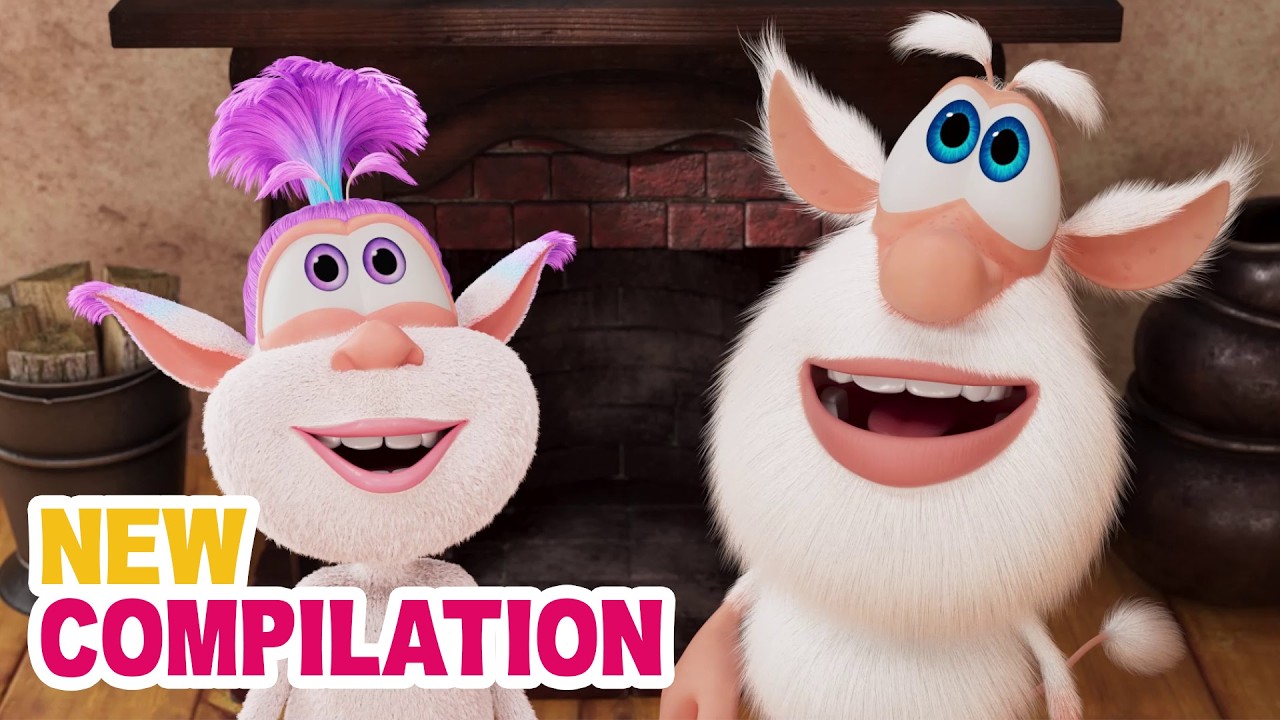
Booba is a playful, curious, and funny character loved by children worldwide. While every episode has its charm, some Booba adventure episodes stand out more than others. For parents, educators, and kids, ranking these episodes helps pick the best content for fun and learning. In this article, we rank Booba adventure episodes from best to worst, explaining why each episode is enjoyable, educational, and perfect for young viewers. Why Ranking Booba Episodes Matters: Kids often watch multiple episodes repeatedly. Ranking helps: Identify the most engaging adventures Choose episodes suitable for different age groups Encourage learning through fun Save screen time while maximizing enjoyment For ages 3–7, adventure episodes combine: Humor Imaginative exploration Problem-solving Visual storytelling Top Booba Adventure Episodes (Best to Worst): 1. Booba’s Big Balloon Adventure (Best) Booba chases a giant floating balloon, climbing, jumping, and reacting to obstacles. Why it’s best: High-action adventure Visual humor and exaggerated expressions Encourages persistence and problem-solving Lesson: Keep trying even if challenges are tricky. 2. Booba and the Flying Carpet Booba experiments with a magical flying carpet. He balances, jumps, and discovers new ways to explore. Why kids love it: Fantasy + adventure Encourages imagination Interactive visual storytelling Lesson: Creativity and curiosity can lead to fun discoveries. 3. Booba and the Magical Kitchen Booba explores kitchen gadgets, ingredients, and tools, creating chaos and laughter. Why kids enjoy it: Everyday object exploration Problem-solving opportunities Cause-and-effect learning Lesson: Exploring and experimenting is fun and safe. 4. Booba and the Giant Cake Booba discovers a giant cake and plays with it, causing playful chaos. Why kids like it: Humor and visual fun Encourages imaginative play Safe risk-taking Lesson: Exploration is exciting, even when messy. 5. Booba and the Balloon Animal Booba finds balloon animals and interacts creatively. Why it’s good: Combines fantasy and reality Encourages imaginative play Exaggerated expressions make kids laugh Lesson: Everyday items can spark creativity. 6. Booba and Bubble Trouble Booba plays with bubbles, chasing and popping them. Why kids enjoy it: Simple, visual fun Interactive cause-and-effect learning Bright, colorful visuals Lesson: Curiosity leads to playful learning. 7. Booba in the Bedroom Booba explores pillows, toys, and blankets, causing small funny mishaps. Why it works for kids: Familiar environment Gentle humor Safe exploration Lesson: Everyday environments can be fun and engaging. 8. Booba and the Toy Store Booba explores a store full of toys. He climbs, slides, and interacts with colorful objects. Why it’s okay: Adventure with objects Encourages imaginative play Visual humor Lesson: Toys and objects can inspire creative thinking. 9. Booba and the Music Box Booba experiments with a music box, dancing and reacting to sounds. Why it’s slightly weaker: Less physical adventure Focused on sound rather than visual action Lesson: Experimentation and creativity are important. 10. Booba’s Christmas Surprise (Worst) Festive episode with decorations, gifts, and playful chaos. Why it ranks lowest: Less continuous adventure Mostly seasonal content Lower replay value for non-holiday periods Lesson: Celebration and fun can still teach safe interaction. What Kids Learn from Booba Adventure Episodes: Even in funny, chaotic adventures, children develop: Problem-solving skills Curiosity and exploration Imaginative play Cause-and-effect understanding Emotional recognition through humor These episodes balance fun with subtle learning. Parents’ Perspective: Parents appreciate Booba adventure episodes because: They are safe and non-violent Episodes are short and engaging Humor and chaos are controlled Educational elements are subtly integrated Booba adventures are ideal for screen time that entertains and teaches. Final Thoughts: Booba adventure episodes rank differently based on action, humor, creativity, and engagement. Episodes like Big Balloon Adventure, Flying Carpet, and Magical Kitchen stand out as highly entertaining and educational, while seasonal or music-focused episodes are less adventurous but still enjoyable. By knowing which episodes are best, parents can maximize fun and learning, and kids can enjoy a variety of colorful, funny adventures.
Teaching Good Habits With Cartoon
Learn Good Habits with Cartoon in 2025 Teaching children good habits is a critical part of early education. In 2025, animated cartoon stories have become one of the most effective ways to help kids learn positive behaviors such as hygiene, healthy eating, time management, and kindness. By combining entertaining storytelling with visual learning, cartoons turn everyday lessons into memorable and enjoyable experiences for children. This guide explores the benefits of cartoon stories for teaching good habits, highlights top series for kids, and provides tips for parents to make learning effective and fun. Why Teaching Good Habits Through Cartoons Matters: Toddlers and preschoolers are highly receptive to visual and auditory learning. Animated cartoons can model behavior, making lessons relatable and easier to understand. Key benefits of cartoon stories for good habits: Promotes healthy routines: Brushing teeth, washing hands, eating nutritious foods. Encourages social skills: Sharing, politeness, and teamwork. Supports emotional development: Managing feelings, patience, and empathy. Reinforces learning through repetition: Characters act out habits consistently. Safe and engaging: Fun storytelling avoids fear or negative messaging. By seeing their favorite characters practice good habits, children are more likely to imitate positive behaviors in real life. Top Good Habits Taught Through Cartoons: Cartoon stories can cover a wide range of practical and social skills, including: Personal Hygiene Brushing teeth, washing hands, bathing regularly. Cleaning up after meals and playtime. Using visuals and songs to make routines fun. Healthy Eating Encouraging fruits, vegetables, and balanced meals. Teaching children to avoid excessive sweets. Showing animated characters enjoying healthy food. Time Management & Routine Waking up, going to bed on time, and completing tasks. Practicing organization and responsibility. Kindness and Social Skills Sharing toys, saying “please” and “thank you.” Helping friends, siblings, and pets. Managing emotions like anger or jealousy. Environmental Awareness Keeping surroundings clean and organized. Caring for plants, animals, and nature. Top Cartoon Series Teaching Good Habits in 2025: 1. Healthy Habits with Zoya: One of the most popular series in 2025, Zoya teaches children personal hygiene, exercise, and nutrition in a fun and interactive way. Highlights: Cheerful character engaging toddlers in daily routines. Songs and repetitive actions to reinforce learning. Suitable for ages 3–7. 2. Booba Educational Adventures: Booba’s curious adventures now include lessons on good manners, sharing, and safety. Benefits: Non-verbal storytelling, making it accessible to all children. Encourages observation and imitative learning. Perfect for toddlers and preschoolers. 3. Super Simple Learning World: Habits Edition: This series combines songs, animations, and storytelling to teach healthy and social habits. Learning focus: Daily routines like brushing, washing, and tidying up. Encourages cooperation and sharing among peers. Uses colorful visuals to maintain attention. 4. Little Hero Adventures: Life Lessons: Animated mini-stories where characters practice responsibility and kindness in everyday situations. Key themes: Encourages empathy, patience, and helping others. Problem-solving and decision-making modeled by characters. Short, engaging episodes suitable for young children. 5. The Kindness Club: Good Habits Edition: This series blends emotional intelligence with habit learning, teaching children to manage feelings and interact politely. Benefits: Builds empathy and emotional awareness. Reinforces positive behaviors through storytelling. Suitable for toddlers and early school-age children. How to Make Cartoon Learning About Habits Effective: Parents can take several steps to ensure children internalize good habits from cartoon stories: Watch together: Parents can discuss lessons and model behaviors. Repeat favorite episodes: Repetition strengthens memory and understanding. Practice in real life: Encourage children to apply habits seen in cartoons. Ask questions: “Why do you think Zoya washes her hands?” fosters critical thinking. Mix with offline activities: Drawing charts, creating routines, and role-playing. Keep screen time balanced: Short, focused sessions are most effective for toddlers. Recommended Cartoon Stories for Teaching Good Habits: Here’s a curated list of top animated series for 2025: Healthy Habits with Zoya – Hygiene, exercise, and nutrition Booba Educational Adventures – Manners, sharing, and safety Super Simple Learning World: Habits Edition – Daily routines and cooperation Little Hero Adventures: Life Lessons – Responsibility and empathy The Kindness Club: Good Habits Edition – Emotional intelligence and social skills These cartoons make learning habits fun, visual, and memorable, helping toddlers adopt positive routines naturally. Final Thoughts: Teaching good habits through animated stories is a powerful method for early childhood development. In 2025, these cartoons combine entertainment, repetition, and interactive visuals to instill essential life skills in toddlers and preschoolers. Parents can enhance learning by: Watching alongside children Discussing lessons and asking questions Reinforcing habits in daily routines With the right series, screen time becomes an educational adventure, helping children develop hygiene, healthy eating, social skills, and emotional intelligence—all while having fun. Tip for Parents: Encourage children to act out habits from cartoons, like brushing teeth or sharing toys. This strengthens understanding and makes learning active rather than passive.