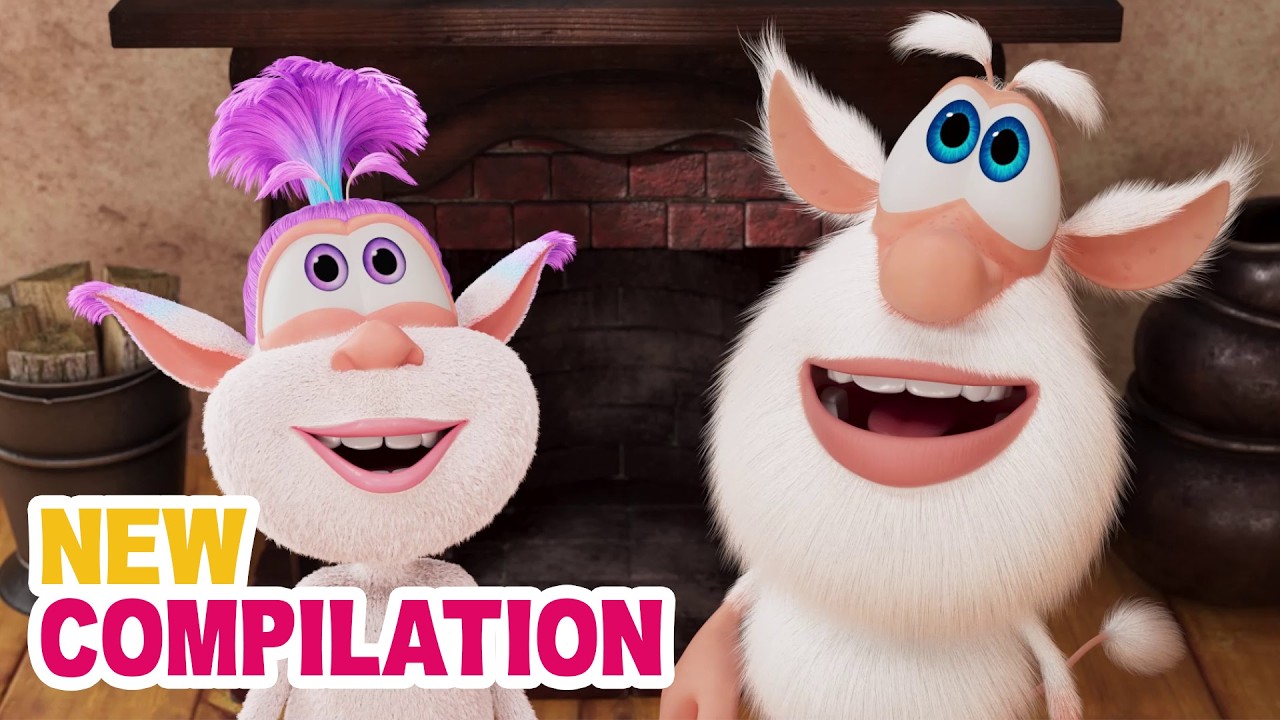
Best Funny Cartoon Series for Kids

Laughter is one of the most effective ways for children to learn, relax, and develop social skills. In 2025, funny cartoon series for kids—featuring slapstick comedy and safe humor—have become extremely popular among toddlers and preschoolers. These animated series combine physical comedy, playful antics, and humorous storytelling while ensuring content is safe, age-appropriate, and educational.

Parents now recognize that humor-based cartoons can improve a child’s creativity, problem-solving, and emotional resilience, making them a valuable addition to early learning content.


Why Funny Cartoons Are Important:

Funny cartoons provide entertainment with subtle learning opportunities:

  • Promote social skills: Children observe humor, timing, and social interactions.

  • Encourage creativity: Slapstick and playful situations spark imaginative thinking.

  • Boost emotional health: Laughter reduces stress and increases positive emotions.

  • Support problem-solving: Characters often overcome funny obstacles, teaching perseverance.

  • Safe entertainment: Carefully curated humor avoids violence, inappropriate jokes, or harmful behavior.

By combining fun and educational values, funny cartoons create a balanced screen-time experience for young children.


Key Features of Funny Cartoon Series:

  1. Slapstick Humor

  • Gentle, non-violent physical comedy like slipping, tumbling, and playful mistakes.

  • Engages children’s attention and encourages laughter without fear.

  1. Safe, Age-Appropriate Content

  • No scary scenes, crude jokes, or adult themes.

  • Reinforces positive behavior even in funny situations.

  1. Colorful and Expressive Animation

  • Bright visuals and exaggerated expressions enhance comedic effect.

  • Helps children recognize emotions and expressions.

  1. Short, Engaging Episodes

  • Perfect for toddlers’ attention spans (3–7 minutes).

  • Fast-paced, visually stimulating storytelling keeps kids entertained.

  1. Subtle Learning Opportunities

  • Problem-solving, teamwork, empathy, and perseverance are often embedded in comedic plots.


Top Funny Cartoon Series for Kids in 2025:

1. Booba’s Silly Adventures:

Booba’s playful curiosity leads to funny situations that teach children observation, problem-solving, and laughter.

Highlights:

  • Non-verbal comedy suitable for all languages

  • Physical humor, visual gags, and slapstick

  • Encourages curiosity and learning through laughter


2. Super Simple Funny Songs:

Animated songs with comedic storytelling teach letters, numbers, and daily life routines in a fun way.

Learning benefits:

  • Vocabulary and early concepts reinforced through humor

  • Interactive songs encourage participation

  • Gentle comedy keeps toddlers engaged


3. Little Hero Comedy Tales:

Mini-stories where characters overcome challenges in humorous ways while learning cooperation and problem-solving.

Key lessons:

  • Teamwork and sharing

  • Creativity and imaginative thinking

  • Resilience through playful challenges


4. Animal Antics Series:

Animal characters engage in playful mischief, funny encounters, and gentle pranks suitable for preschoolers.

Learning highlights:

  • Encourages empathy by showing how actions affect friends

  • Recognizing emotions and reactions

  • Combines humor with moral lessons in a safe environment


5. Giggles & Friends:

A modern cartoon series focused on slapstick and playful humor, promoting laughter while subtly teaching life skills.

Benefits:

  • Engaging plots with safe comedy

  • Reinforces cooperation, problem-solving, and creative thinking

  • Short episodes perfect for toddlers and preschoolers


How Parents Can Make Funny Cartoons More Beneficial:

Parents can enhance the value of funny cartoons by:

  1. Watching together: Discuss funny situations and relate them to real-life lessons.

  2. Pause and question: “What could we do differently?” or “Why was that funny?”

  3. Repeat favorite episodes: Reinforces learning and enjoyment.

  4. Encourage creative play: Let children act out scenes, building imagination and confidence.

  5. Monitor humor: Ensure children understand the difference between funny and harmful behavior.

  6. Balance screen time: Short, engaging episodes work best for attention spans of 2–6 years.


Recommended Funny Cartoon Series for Kids in 2025:

  • Booba’s Silly Adventures – Non-verbal physical comedy

  • Super Simple Funny Songs – Educational songs with humor

  • Little Hero Comedy Tales – Mini-stories with playful learning

  • Animal Antics Series – Gentle animal mischief and life lessons

  • Giggles & Friends – Slapstick humor with educational value

These series provide safe, entertaining, and educational laughter, helping children develop creativity, social skills, and resilience while enjoying playful humor.


Final Thoughts:

Funny cartoon series for kids are more than just entertainment—they are tools for learning and emotional growth. In 2025, slapstick comedy and safe humor provide children with:

  • Social and emotional awareness

  • Problem-solving and creative thinking

  • Joyful, stress-free entertainment

Parents can maximize benefits by:

  • Watching and discussing the episodes together

  • Encouraging creative play inspired by funny stories

  • Reinforcing learning and empathy through humor

With the right funny cartoons, children laugh, learn, and develop important skills while enjoying safe, playful adventures.

Tip for Parents: Encourage children to draw or act out their favorite funny scenes, which reinforces creativity, comprehension, and social skills.
Advertisement
Best Kids Safety Cartoon in 2025
Keeping children safe is a top priority for every parent. In 2025, kids safety cartoon videos have become an effective way to teach toddlers and preschoolers home safety, road safety, and general precautions in a fun, engaging, and memorable way. Animated safety videos use colorful visuals, relatable characters, and storytelling to convey important lessons without being scary or overwhelming. This guide explores the benefits of safety cartoons, top series for children in 2025, and tips for parents to reinforce learning. Why Safety Cartoon Videos Are Important: Young children are naturally curious, which can put them at risk if they do not understand basic safety rules. Safety cartoons help by: Teaching essential safety skills: Home safety, road safety, and stranger awareness. Providing visual examples: Demonstrates safe behavior step by step. Promoting memory and recall: Repetition and catchy songs make rules easy to remember. Encouraging discussion: Parents and children can talk about what was learned. Making learning fun: Children perceive lessons as entertaining, not boring. Animated characters model correct behaviors, helping toddlers imitate and internalize safety habits naturally. Key Safety Lessons in Kids Cartoon Videos: 1. Home Safety: Avoid touching sharp objects, hot surfaces, or electrical outlets. Keep small objects away from toddlers to prevent choking. Demonstrate safe ways to climb stairs, use furniture, and play indoors. 2. Road Safety: Look both ways before crossing the street. Always hold an adult’s hand near traffic. Wear helmets while riding bikes or scooters. Follow traffic lights and pedestrian rules. 3. Stranger Awareness: Teach children not to go with strangers. Explain safe ways to seek help when lost. 4. Emergency Awareness: How to call for help (parents, guardians, emergency numbers). Stay calm and wait in a safe spot during emergencies. Top Kids Safety Cartoon Series in 2025: 1. Safety with Zoya: Zoya is a cheerful character who teaches home and road safety in an entertaining way. Highlights: Animated songs and repetition reinforce learning. Demonstrates safety routines through fun storytelling. Ideal for toddlers and preschoolers aged 3–7. 2. Booba Safety Adventures: Booba’s curiosity leads to situations where children learn safety rules through observation. Benefits: Non-verbal storytelling suitable for all languages. Engages children in identifying safe and unsafe actions. Perfect for young learners exploring their environment. 3. Super Simple Safety Songs: Combines nursery rhymes with safety lessons. Learning focus: Road safety songs like “Stop, Look, and Listen.” Home safety rhymes for brushing teeth, washing hands, and using toys safely. Reinforces memory through music and repetition. 4. Little Hero Safety Stories: Mini-stories teach children how to stay safe, act responsibly, and help others in emergencies. Key lessons: Fire safety and first aid basics Crossing streets safely Asking for help from trusted adults 5. Safe Friends Adventures: Animal characters demonstrate safety rules through fun situations. Learning benefits: Teaches sharing, cooperation, and hazard awareness. Introduces basic science and safety concepts in playful stories. Suitable for preschool and early school-age children. How Parents Can Maximize Learning: Parents can help children internalize safety lessons from cartoons by: Watching together: Discuss each scenario and ask questions like, “What should we do next?” Role-playing: Practice crossing streets, emergency drills, or safe indoor play. Repeating favorite episodes: Repetition helps toddlers remember important rules. Reinforcing in daily life: Praise children when they follow safety habits at home or outside. Interactive quizzes: Ask simple questions after watching videos to reinforce learning. Balance screen time: Short, focused episodes work best for toddlers. Recommended Kids Safety Cartoon Videos for 2025: Safety with Zoya – Home and road safety lessons Booba Safety Adventures – Observation and hazard awareness Super Simple Safety Songs – Nursery rhymes with safety themes Little Hero Safety Stories – Fire, emergency, and first aid lessons Safe Friends Adventures – Animal characters teaching safety These animated videos make learning safety engaging, fun, and practical, helping children adopt good habits that protect them in everyday life. Final Thoughts: Kids safety cartoon videos are a powerful tool for teaching toddlers and preschoolers essential safety skills. In 2025, animated series combine storytelling, music, and colorful visuals to make learning fun, memorable, and effective. Parents can enhance learning by: Watching together and discussing lessons Practicing safety routines in real life Reinforcing rules through role-play and repetition With the right safety cartoons, screen time becomes educational, giving children practical knowledge that helps them stay safe, confident, and responsible in everyday situations. Tip for Parents: Encourage children to demonstrate safety rules learned from cartoons, which improves retention and practical application.
Best Educational Cartoons for Young Children
Educational cartoons are an excellent way to combine learning and entertainment for young children. With colorful visuals, playful characters, and fun storylines, these shows can teach essential skills like numbers, letters, social behavior, and problem-solving. This guide highlights the best educational cartoons for young children aged 2–7 and explains why they are effective for learning. Why Educational Cartoons Are Important: Engaging Learning: Kids are more attentive when learning is paired with fun, humor, and music. Visual and Auditory Learning: Cartoons help children understand concepts through visuals, dialogue, and songs. Social and Emotional Skills: Episodes teach sharing, empathy, teamwork, and conflict resolution. Creativity and Imagination: Fun scenarios encourage storytelling, drawing, and role-play. Top Educational Cartoons for Young Children: 1. Little Learners Club Focuses on basic numbers, colors, and letters. Fun songs and repetition help memory retention. 2. Curious Critters Features playful characters exploring the world. Encourages observation, curiosity, and problem-solving. 3. Tiny Tales Academy Short, colorful stories teach social skills, emotions, and friendship. Great for toddlers and preschoolers. 4. Fuzzy Friends Adventures Combines humor, storytelling, and basic educational concepts. Teaches teamwork, creativity, and life skills. 5. Happy Helpers Characters engage in tasks that promote responsibility and empathy. Perfect for role-playing and real-life skill learning. 6. Giggle Garden Learning Outdoor adventures that highlight nature, science, and exploration. Encourages hands-on observation and imaginative play. How to Make the Most of Educational Cartoons: Watch Together: Discuss episodes to reinforce lessons and understanding. Encourage Storytelling: Ask children to retell or extend the story. Use Related Activities: Crafts, drawing, or mini experiments enhance learning. Set Screen Time Limits: Balance viewing with physical play, reading, and family activities. Praise Engagement: Encourage curiosity, questions, and creativity inspired by the shows. Benefits of Educational Cartoons: Cognitive Development: Improves counting, letters, memory, and problem-solving. Social and Emotional Skills: Promotes empathy, sharing, and teamwork. Creativity and Imagination: Inspires art, role-play, and storytelling. Language Skills: Expands vocabulary and improves sentence formation. Fun Learning: Makes education enjoyable and memorable for young children. Final Thoughts: Educational cartoons are a valuable tool for early childhood learning. By selecting shows with engaging characters, colorful visuals, and educational content, parents can boost cognitive, social, and emotional development while keeping learning fun and interactive.
Funny Way to Build Good Habits
Cartoons play a very important role in a child’s early learning. Whether it’s sharing toys, speaking politely, or helping friends, cartoon stories make manners easy for children to understand. Kids naturally learn better when something is shown in a fun, colorful, and story-based format. That’s why cartoon stories about good manners have become one of the most effective tools for parents and teachers. In today’s busy world, reminding kids about manners again and again can be challenging. But when the same lessons come through a cute animated character, children not only enjoy watching but also remember the message. Let’s explore how cartoon stories help improve manners in kids and which habits are most important. ⭐ Why Cartoons Are Effective for Teaching Manners 1. Kids Understand Visual Messages Quickly Children learn better with pictures and actions. Cartoons show how to behave in real-life situations, which makes learning natural and effortless. 2. Stories Create Emotional Impact When kids see their favorite cartoon hero helping others or apologizing, they feel inspired to do the same. 3. Repetition Makes Learning Strong Cartoons repeat moral messages in simple ways. When children see good manners again and again, they become part of their daily behavior. 4. Learning Feels Like Fun, Not School Most kids resist long lectures but happily watch a 5-minute animated story. This converts manners into enjoyable lessons. ⭐ Important Manners Kids Learn Through Cartoons 1. Saying “Please” and “Thank You” Politeness is one of the first manners parents want kids to learn. In cartoon stories, characters often use polite language, showing kids when and how to say “please,” “thank you,” and “sorry.” 2. Sharing with Friends One of the biggest challenges for toddlers is sharing toys or snacks. Cartoon stories show how sharing brings happiness and how refusing to share can hurt others. 3. Helping Parents and Friends Kids learn responsibility when they see animated characters helping in small tasks like cleaning up, organizing toys, or helping a friend in trouble. 4. Respecting Elders Respectful behavior—listening, not interrupting, and speaking kindly—is often highlighted in kids’ cartoons. 5. Patience and Waiting for Their Turn Children naturally want everything instantly. Cartoons teach them that waiting for their turn is an important manner. 6. Keeping the Environment Clean Many cartoons show characters picking up trash, keeping rooms tidy, and caring for nature. ⭐ Benefits of Using Cartoon Stories for Manners 1. Kids Remember Moral Lessons Longer Because stories have characters, actions, and emotions, children remember the moral values more deeply. 2. Builds Social and Emotional Skills Kids learn empathy, kindness, cooperation, and problem-solving from cartoon-based storytelling. 3. Helps Parents Guide Kids Easily Instead of scolding, parents can say, “Remember what the cartoon character did?” This makes discipline gentle and effective. 4. Safe and Positive Entertainment Good-manner cartoons are clean, age-appropriate, and free from harmful content. ⭐ Examples of Manners Highlighted in Popular Cartoon Stories Helping Friends Stories where a character helps someone fix a broken toy, opens the door for others, or supports a sad friend help kids understand kindness. Apologizing When Wrong Cartoons teach that saying “sorry” is important and shows courage. Kids learn it’s okay to make mistakes but important to apologize. Listening Carefully Animated characters often remind kids to listen to instructions and follow rules in school, home, and playground. Tidy Up Time A common theme shows characters cleaning up after playing, encouraging kids to do the same. ⭐ How Parents Can Use Cartoons to Teach Manners: 1. Watch Together When parents watch with their kids, they can point out important lessons and discuss them. 2. Repeat the Lessons During the Day For example, say:“Just like the cartoon taught, we should share our toys.” 3. Choose High-Quality Content Pick cartoons that focus on learning and character-building instead of violence or meaningless humor. 4. Encourage Kids to Practice the Learned Manners Praise them when they apply a good habit they saw in the cartoon. ⭐ Why Manners Matter in Early Childhood: Good manners help children: Make more friends Build confidence Become responsible Communicate politely Grow into emotionally strong individuals Cartoon stories make this journey easier by showing good habits in an entertaining, child-friendly way. ⭐ Conclusion: Teaching manners doesn’t have to feel difficult or boring. Cartoon stories provide a joyful and effective way to help kids learn how to behave politely, share with others, and build strong character. When children watch animated stories that highlight kindness, respect, and responsibility, they naturally start adopting these habits in daily life. Cartoons aren’t just entertainment—they are powerful learning tools that shape behavior, personality, and values. With the right selection of videos, parents can guide their children toward becoming polite, caring, and well-mannered individuals.
Why You Should Block Certain Cartoon Channels
Cartoons are a wonderful source of entertainment and learning for children, but not all cartoon channels are suitable for young audiences. Some content may contain violence, inappropriate language, or negative behavioral messages, which can impact a child’s development. Parents need to carefully monitor and, in some cases, block certain channels to ensure a safe and healthy viewing experience. Blocking unsuitable channels allows children to focus on age-appropriate content, learn positive behaviors, and enjoy cartoons without exposure to harmful material. Impact of Inappropriate Content on Children: Watching unsuitable cartoons can affect children in several ways: Encourage aggressive or inappropriate behavior Introduce complex themes beyond their understanding Create fear, anxiety, or confusion Influence negative attitudes toward others Distract from learning-focused activities By blocking these channels, parents can protect children’s emotional and cognitive development. Signs That a Cartoon Channel May Be Inappropriate: Parents should be alert to certain indicators when evaluating cartoon channels: Frequent violence, fighting, or bullying Use of inappropriate language or mature themes Characters displaying poor moral behavior without consequences Content that is overly fast-paced or overstimulating Shows that promote consumerism or unsafe habits Identifying these signs helps parents make informed decisions about what their children watch. Benefits of Blocking Unsuitable Channels: Blocking certain cartoon channels ensures children: Watch content aligned with their age and development Focus on educational and creative shows Develop positive social and emotional skills Avoid exposure to content that encourages aggression or fear Build a foundation for healthy screen habits This approach allows children to enjoy cartoons safely while learning valuable lessons. How to Select Safe Cartoon Channels: When choosing suitable channels, parents should consider: Shows that teach morality, empathy, and teamwork Educational content that promotes literacy, numeracy, or creativity Channels with bright visuals, friendly characters, and calm pacing Programs that reinforce positive social and emotional skills Some popular safe options include Sesame Street, Bluey, Daniel Tiger’s Neighborhood, and educational YouTube channels specifically designed for preschoolers. Tools and Techniques for Blocking Channels: Parents can use several tools to filter or block unwanted cartoon content: Parental control apps like Google Family Link, YouTube Kids, or Qustodio Browser and app-level content restrictions Device-based content filtering and screen time controls Creating custom playlists or approved channels These tools help ensure children have controlled access to safe content. Encouraging Positive Viewing Habits: Blocking inappropriate channels is only one step. Parents should also: Watch cartoons together and discuss lessons learned Encourage children to ask questions and express ideas Balance screen time with active, hands-on activities Praise curiosity and creativity while avoiding passive consumption Active engagement enhances learning and reinforces positive behavior. Conclusion: Blocking certain cartoon channels is essential for safe and effective learning through media. By monitoring content, using parental controls, and promoting age-appropriate shows, parents can protect children from harmful influences and ensure cartoons remain a source of fun, education, and positive social development. Safe cartoon viewing fosters healthy screen habits, creativity, and emotional growth, preparing children for both learning and social interactions.
How Booba Encourages Curiosity in Young Minds
Booba is a popular animated character loved by young children around the world. Unlike traditional cartoons with heavy dialogue, Booba relies on visual storytelling, expressions, and playful exploration. This unique style makes Booba especially effective in encouraging curiosity in young minds. Children naturally feel connected to Booba’s sense of wonder, which motivates them to observe, explore, and ask questions about the world around them. Curiosity is one of the most important skills in early childhood development. When children are curious, they learn faster, think deeper, and develop a lifelong love for learning. Booba plays a significant role in nurturing this curiosity through simple yet powerful storytelling. Why Curiosity Is Important for Young Children: Curiosity is the driving force behind learning. It encourages children to explore new ideas, understand cause and effect, and develop problem-solving skills. Curious children are more likely to ask questions, experiment, and stay engaged in learning activities. Developing curiosity at an early age helps children: Build critical thinking skills Improve attention and focus Enhance creativity and imagination Develop independence in learning Strengthen cognitive development Booba’s cartoon style aligns perfectly with how young children naturally learn—through observation and exploration. How Booba’s Visual Storytelling Sparks Curiosity: Booba cartoons use minimal or no spoken language, which encourages children to focus on actions rather than words. This visual storytelling pushes kids to observe closely and interpret what is happening on screen. When Booba interacts with everyday objects in unexpected ways, children become curious about outcomes. They begin thinking: What will happen next? Why did that happen? What is Booba trying to do? This constant engagement keeps young minds active and curious. Exploration of Everyday Objects: One of Booba’s strongest features is how he explores ordinary household items in creative ways. Simple objects like boxes, utensils, or toys become sources of adventure. This teaches children that learning does not always require complex tools. Everyday surroundings are full of opportunities for exploration. Kids start imitating Booba by experimenting with objects safely, which strengthens curiosity-driven learning. Encouraging Cause and Effect Thinking: Booba cartoons often show actions followed by immediate consequences. When Booba presses a button, pulls a lever, or mixes things, something happens. This helps children understand cause and effect relationships, which are essential for cognitive development. Kids begin to predict outcomes and test their assumptions, a key part of scientific thinking and problem-solving. Non-Verbal Learning and Observation Skills: Because Booba relies heavily on expressions, gestures, and movement, children sharpen their observation skills. They learn to read emotions, understand reactions, and interpret situations without spoken explanations. This strengthens: Visual perception Emotional understanding Attention to detail Concentration These skills are directly linked to curiosity, as observant children naturally want to know more. Freedom to Think Without Instructions: Unlike many educational cartoons that give direct instructions, Booba allows children to think independently. There are no obvious answers or explanations given. This open-ended style encourages children to: Form their own ideas Interpret situations differently Explore multiple possibilities Such freedom is essential for nurturing creative curiosity in young minds. Emotional Engagement Builds Interest: Booba’s expressive face and playful reactions create strong emotional connections with children. When kids emotionally connect with a character, they become more invested in what happens next. This emotional engagement keeps curiosity alive, making children eager to watch, learn, and explore further. How Parents Can Use Booba to Encourage Curiosity: Parents can turn Booba cartoons into meaningful learning moments by engaging actively with their children. Simple actions can increase the learning impact: Ask children what they think Booba is doing Encourage them to guess what might happen next Relate Booba’s actions to real-life situations Let children recreate safe experiments inspired by Booba These interactions help children express curiosity verbally and confidently. Benefits of Booba for Early Childhood Development: Booba supports several areas of early development, including: Curiosity and exploration Problem-solving skills Imagination and creativity Observation and focus Emotional understanding Because Booba uses simple visuals and slow pacing, it is especially suitable for preschool and early learners. Choosing the Right Balance of Screen Time: While Booba is beneficial, balanced screen time is important. Parents should ensure children also engage in physical play, reading, and real-world exploration. When used mindfully, Booba cartoons can enhance curiosity without overstimulation, making screen time productive and educational. Long-Term Impact of Curiosity-Based Learning: Children who grow up curious tend to perform better academically and socially. They become confident learners who enjoy discovering new things. By encouraging curiosity through cartoons like Booba, parents lay a strong foundation for: Lifelong learning Independent thinking Adaptability Creativity Conclusion: How Booba encourages curiosity in young minds is a perfect example of learning through simplicity. With visual storytelling, playful exploration, and emotional engagement, Booba naturally stimulates curiosity without pressure or instruction. When parents guide children thoughtfully, Booba becomes more than a cartoon—it becomes a tool for developing curious, confident, and creative young learners. Used wisely, Booba helps children explore the world with wonder and excitement, one small discovery at a time.
How Teach Kids Honesty, Respect and Kindness
Teaching children important values like honesty, respect, and kindness is one of the most essential parts of early education. In today’s digital age, one of the most effective ways to instill these values is through animated stories. These stories use colorful visuals, engaging characters, and interactive storytelling to help children understand moral lessons while keeping them entertained. In this article, we will explore how animated stories teach honesty, respect, and kindness, why they are effective for young children, and how parents and teachers can use them in everyday life. ⭐ Why Animated Stories Are Effective for Teaching Values: Children learn best when they are emotionally engaged. Animated stories provide a rich combination of visuals, audio, and storytelling, which makes learning values easier. Key reasons why animated stories work include: 1. Visual Learning: Young children often think in pictures. Animated characters, bright colors, and expressive faces help children remember lessons better than lectures or written stories. 2. Relatable Characters: Stories with animals, children, or fantasy characters allow kids to relate and see the consequences of actions in a safe and fun way. 3. Story-Based Morals: Children learn values like honesty, respect, and kindness naturally when they see characters experiencing real-life situations and solving problems. 4. Repetition Reinforces Learning: Animated stories often repeat key messages through songs, dialogue, or narration. This repetition strengthens memory and understanding. 5. Fun and Interactive Many modern animated stories encourage children to participate, answer questions, or make choices. This engagement deepens comprehension of the values being taught. ⭐ Core Values Taught Through Animated Stories: 1. Honesty: Honesty is one of the most important traits children need to develop. Animated stories about honesty often show characters who tell the truth and face challenges but ultimately gain trust and respect.Example themes: A lost toy returned to its owner A character admitting a mistake at school Storylines where lying causes small consequences, teaching cause and effect 2. Respect: Respect for others, elders, and the environment can be taught through animation in a gentle, engaging way.Example themes: Characters helping friends, teachers, or family members Learning to listen before speaking Respecting nature, animals, and shared spaces 3. Kindness: Kindness encourages empathy and compassion. Animated stories can illustrate small acts of kindness and their positive effects.Example themes: Helping a neighbor or friend in need Sharing toys or snacks with classmates Comforting someone who is sad or lonely ⭐ Popular Types of Animated Stories for Moral Learning: 1. Animal Characters: Animals are a favorite choice because children naturally love them and learn life lessons without feeling judged. A rabbit learning to share A fox realizing honesty brings friends 2. Everyday Life Stories: Stories set in school, home, or playgrounds teach practical life lessons. Saying “sorry” after making a mistake Helping someone who fell in the playground 3. Fantasy and Adventure Stories: Children enjoy magic, superheroes, or fairy tales, and these stories can embed moral lessons subtly. A superhero who always tells the truth Magical friends teaching respect for everyone 4. Short Songs and Rhymes: Songs with morals help children memorize values. “Sharing is caring” song with animated characters Rhymes that teach honesty and kindness ⭐ Benefits of Using Animated Stories for Moral Education: 1. Builds Strong Character: Early exposure to values like honesty, respect, and kindness builds strong character and positive behavior patterns. 2. Improves Social Skills: Children learn how to interact politely with friends, family, and teachers. They understand empathy, fairness, and cooperation. 3. Encourages Emotional Intelligence: By seeing characters express feelings and solve conflicts, children learn to identify, understand, and manage their emotions. 4. Makes Learning Fun: Animated stories make moral education enjoyable, which is crucial for preschoolers and early learners who have short attention spans. 5. Ideal for Homeschooling: Parents can integrate animated moral stories into their daily routine, reinforcing values in a playful and stress-free way. ⭐ Tips for Parents and Educators: ✔ 1. Discuss the Story: After watching, ask children questions like: “Why was honesty important?” or “How did kindness help the character?” ✔ 2. Role-Playing: Encourage children to act out parts of the story, reinforcing the lessons through practice. ✔ 3. Use Real-Life Examples: Connect animated stories to everyday situations. For example, relate a story about sharing to a sibling or friend. ✔ 4. Repeat Key Messages: Repetition is key. Watch the stories multiple times and emphasize the main values in conversations. ✔ 5. Combine with Books and Activities: Use books, puzzles, and crafts to complement animated stories and strengthen learning. Conclusion: Animated stories about honesty, respect, and kindness are a powerful and engaging way to teach children essential life values. They combine storytelling, music, bright visuals, and relatable characters to make learning fun and memorable. By incorporating these animated stories into daily routines, parents and educators can help children develop strong character, empathy, and social skills. Teaching moral values early ensures that children grow into responsible, caring, and respectful individuals. With the help of animated moral stories, learning honesty, respect, and kindness becomes an enjoyable adventure rather than a lesson.
Booba-Themed Birthday Party Ideas
Planning a birthday party for young kids can be exciting but also challenging. If your child loves Booba, a Booba-themed birthday party is a perfect way to combine fun, creativity, and learning. From decorations and games to food and party favors, Booba-inspired ideas make every child feel like they are in a playful adventure. In this guide, we provide fun, safe, and creative Booba-themed birthday party ideas for children aged 3–7. 1. Invitations Inspired by Booba: Start the party excitement with creative invitations: Use Booba images or templates Bright, playful colors like neon pink, blue, or yellow Include fun phrases like “Join Booba’s Adventure Party!” Educational Tip: Children can help color or decorate invitations, practicing fine motor skills and creativity. 2. Booba Decorations: Decorations set the tone for the party: Balloons, banners, and streamers in Booba’s signature colors Tablecloths, plates, and cups featuring Booba or playful motifs DIY cardboard props like Booba’s favorite objects: toys, balloons, pillows Fun Tip: Use confetti and colorful props to create a playful, chaotic Booba environment. 3. Booba-Themed Cake: The cake is always a party centerpiece: Booba-shaped cake or cupcakes decorated with Booba faces Bright colors with fun edible props like balloons or stars Optionally, make cupcakes with mini Booba toppers Educational Tip: Let kids help decorate cupcakes for hands-on creativity and color recognition. 4. Booba-Inspired Games: Bring Booba’s playful adventures to life with games: Balloon Chase Adventure – Kids chase colorful balloons, mimicking Booba. Obstacle Course – Pillows, cushions, and toys create a mini adventure. Treasure Hunt – Hide toys or candy around the room. Booba Freeze Dance – Dance like Booba, freeze when music stops. DIY Booba Masks – Craft activity where kids make and wear Booba masks. Educational Value: These games boost motor skills, creativity, and teamwork. 5. Themed Party Favors: Party favors make kids excited and extend the fun: Mini Booba toys or figurines Coloring pages and crayons DIY mask kits or stickers Booba-themed goodie bags with bright colors Fun Tip: Encourage kids to take their DIY masks or colored pages home to practice creativity. 6. Booba Photo Booth: Set up a small photo booth with props: Booba masks, plush toys, balloons Bright backgrounds with Booba-themed decorations Kids can pose and act out Booba’s adventures Educational Value: Encourages imaginative play and storytelling. 7. Party Music and Dance: Booba’s silent comedy is full of physical comedy and action: Play fun, upbeat music for dancing Encourage kids to mimic Booba’s movements Include games like “Booba Says” for fun movement-based interaction Educational Tip: Enhances gross motor skills, rhythm, and coordination. 8. Booba Snack Ideas: Keep snacks fun, colorful, and thematic: Mini sandwiches cut into fun shapes Colorful fruit skewers Cupcakes or cookies decorated like Booba’s face Healthy snacks disguised as playful treats Educational Tip: Discuss colors, shapes, and healthy eating while serving snacks. 9. Craft Corner: Provide a creative area for kids: Coloring Booba pages DIY Booba masks Sticker decorating stations Playdough modeling of Booba characters Educational Value: Encourages fine motor skills, creativity, and focus. 10. Ending the Party: Conclude with a memorable touch: Booba-themed thank-you notes Photo mementos Small Booba figurines or toys as keepsakes This makes the party interactive, fun, and educational. Final Thoughts: A Booba-themed birthday party combines fun, creativity, and learning. With bright decorations, playful games, themed food, and DIY crafts, children enjoy a safe and exciting adventure that mirrors Booba’s animated world. Parents and educators can use these ideas to host memorable, engaging, and educational celebrations for kids aged 3–7.
Screen Time Rules for Different Age Groups
In 2026, screens are woven into the fabric of learning, creativity, and connection. The goal for parents is no longer mere restriction, but smart curation—crafting a "digital diet" that is age-appropriate, purposeful, and balanced with the rich nutrients of offline life. This guide provides clear, flexible rules and strategies tailored to each developmental stage, helping you move from daily battles over "five more minutes" to a sustainable family media plan. The Foundational Principles for All Ages : Before diving into age groups, these universal rules form the bedrock of healthy screen use for every family member. Quality Over Quantity: Focus on what they are doing on screens, not just for how long. An hour video-chatting with grandparents is not the same as an hour of mindless scrolling. Co-View & Co-Play: Whenever possible, engage with your child's digital world. It's the single most effective safety and bonding strategy. Tech-Free Zones & Times: Protect family meals, bedrooms, and the first hour after school/wake-up as sacred screen-free times to foster connection and calm. Model the Behavior: Your own intentional screen use is the most powerful lesson. Practice "phone away" times and explain your own media choices. Ages 0-2: The Digital Fasting Phase (Minimal to No Solo Screen Time) : Developmental Need: Direct, hands-on interaction with the physical world to build neural connections, motor skills, and secure attachment. The Rules : Video Chat is the Exception: Live, interactive video calls with loved ones are beneficial and encouraged as a social activity. Avoid Solo Media: The American Academy of Pediatrics (AAP) strongly discourages any solo, passive screen media for this age group. Their brains cannot transfer learning from 2D screens to 3D reality effectively. If You Do Use Media: Only high-quality content, always watched with a parent who describes and connects it to the real world. ("Look, the duck is yellow! Just like your rubber duck!"). Parent Strategy: Fill their world with sensory play, books, and outdoor exploration. Resources from kidtoys.site offer perfect, engaging alternatives. Screens are not a necessary babysitter; your interaction is. Ages 3-5: The Introduction Phase (Up to 1 Hour/Day, Highly Curated) : Developmental Need: Imaginative play, language acquisition, and learning basic social-emotional skills. The Rules : Strict Time Limit: Coherent daily limit of 30-60 minutes total of high-quality programming. Full Parental Control: Use kid-safe platforms and devices. All content is pre-selected by you. Autoplay must be disabled. Always Co-Engage: Sit with them. Ask questions about the characters' feelings and choices. Pause and discuss. Turn shows from boobacartoon.com into lessons about kindness or problem-solving. No Personal Devices: Screens should be shared family devices in common areas. Parent Strategy: This is the time to establish the "when" and "where" routines. "We watch one show after lunch, on the living room couch." Use a visual timer. Prioritize interactive apps that promote creation over passive consumption. Ages 6-10: The Training Wheels Phase (Consistent Limits, Focus on Education & Creation) : Developmental Need: Developing academic skills, personal interests, and understanding rules and consequences. The Rules : Clear, Consistent Caps: 60-90 minutes on weekdays of recreational screen time, with more flexibility possible on weekends. Schoolwork does not count toward this limit. Establish "Homework First": A non-negotiable rule: all homework, chores, and offline responsibilities must be complete before any recreational screen time. Introduce "Screen-Time Tickets": Give them physical or digital tickets representing their daily time allowance (e.g., 3 x 30-minute tickets), teaching them to budget and choose between activities. Begin Safety Education: Teach core safety rules: never share personal info, ask before downloading, and come to you if something feels weird. Use resources from learn.universitiesforllm.com for structured digital literacy lessons. Parent Strategy: Shift from pure control to guided autonomy. Have weekly check-ins about what games they're playing or videos they're watching. Encourage them to create digital art, code simple games, or make family videos. Ages 11-13: The Negotiation & Independence Phase (Managing Autonomy & Social Life) : Developmental Need: Social connection, identity exploration, and increased responsibility. The Rules : Move to a Weekly Allowance: Instead of a daily minute count, grant a weekly pool of hours (e.g., 8-10 hours). They learn to manage it across the week for games, social media, and videos. The Device Contract: Before getting their first smartphone or personal device, co-create and sign a detailed contract covering safety, etiquette, time limits, and consequences for misuse. Bedroom Ban Continues: All devices charge overnight in a common family charging station, not in the bedroom. This protects sleep and reduces nighttime temptation. Social Media Readiness: Delay social media as long as possible. If introduced, accounts must be private, you must have passwords, and you will follow each other. Review privacy settings together monthly. Parent Strategy: Your role is now a coach and mediator. Have deep-dive conversations about online reputation, cyberbullying, and media literacy. "Walk the line" between respecting their growing privacy and ensuring their safety. Ages 14+: The Driver's License Phase (From Rules to Responsibilities) : Developmental Need: Preparing for adult independence, self-regulation, and complex social dynamics. The Rules : Focus on Responsibilities, Not Just Minutes: Shift the framework. Expectations include: maintaining grades, fulfilling family/activity commitments, and demonstrating responsible online behavior. As these are met, grant increased screen autonomy. Open Dialogue & Audits: You retain the right to occasional, announced "audits" of social media or browsing history, framed as a safety check-in, not spying. The key is transparency on both sides. Critical Discussions are Mandatory: Regularly discuss news stories about digital footprints, ethics, and the impact of technology on mental health and society. The "Offline Life" Balance: Insist on evidence of a balanced life—in-person hobbies, sports, face-to-face friend time, and unplugged downtime. Parent Strategy: You are now a consultant. Your goal is to ensure their internal compass is strong enough to guide them when you're not there. Trust is earned through demonstrated responsibility. Continue to model a balanced digital life yourself. Conclusion: Flexibility Within the Framework : These rules are a blueprint, not a prison. Be prepared to adapt for special occasions, educational projects, or your child's unique needs. The constant is your engaged presence and ongoing conversation. By using age-appropriate strategies and leveraging quality resources—like the structured guides from learn.universitiesforllm.com, the positive narratives from boobacartoon.com, and the engaging offline play from kidtoys.site—you can guide your child to develop a healthy, intentional, and empowered relationship with technology that serves them for a lifetime.