Best Learning Videos for Kids in 2025

Early childhood is the perfect time for children to learn basic shapes and colors, which are essential building blocks for cognitive development, creativity, and problem-solving skills. In 2025, shape and color learning videos for preschoolers have become one of the most engaging ways to teach these concepts. By combining vivid visuals, catchy songs, and interactive animations, these videos make learning fun, memorable, and effective.

This guide explores the benefits of shape and color learning videos, top series for preschoolers in 2025, and tips for parents to enhance learning.


Why Shape and Color Videos Are Important:

Preschoolers learn best through visuals and interactive content, making animated videos ideal for teaching shapes and colors:

  • Boosts visual recognition: Children quickly identify shapes and colors through repetition and vibrant imagery.

  • Enhances memory retention: Songs and animations help kids remember concepts more easily.

  • Supports cognitive development: Sorting, matching, and recognizing shapes and colors improve critical thinking.

  • Encourages creativity: Children learn to combine shapes and colors to create patterns, drawings, and crafts.

  • Provides interactive learning: Animated videos often include prompts, songs, and activities for active participation.

Through these videos, preschoolers develop essential skills while having fun, making early education enjoyable.


Key Learning Areas in Shape and Color Videos:

  1. Basic Shapes

  • Circle, square, triangle, rectangle, star, and heart

  • Animated examples of shapes in everyday objects

  1. Colors

  • Primary colors: red, blue, yellow

  • Secondary colors: green, orange, purple

  • Shades and combinations through playful storytelling

  1. Shape and Color Recognition

  • Matching shapes with objects

  • Identifying colors in daily life

  • Simple puzzles and interactive games

  1. Patterns and Sorting

  • Learning sequences with shapes and colors

  • Sorting objects by shape or color

  • Encourages analytical thinking and problem-solving

  1. Creativity and Art

  • Combining shapes and colors in drawing or building activities

  • Encourages imagination and fine motor skills


Top Shape and Color Learning Video Series for Preschoolers in 2025

1. Super Simple Shapes and Colors

A favorite series for early learners, combining songs, visuals, and repetition to teach basic shapes and colors.

Highlights:

  • Animated characters demonstrate shapes in daily objects

  • Fun songs for color and shape recognition

  • Slow-paced and toddler-friendly


2. ABC Kids – Shapes and Colors Edition

This series uses alphabet characters and playful animations to reinforce color and shape learning.

Learning benefits:

  • Letter and shape association (A for Apple – round shape)

  • Primary and secondary colors introduced interactively

  • Encourages singing along and participation


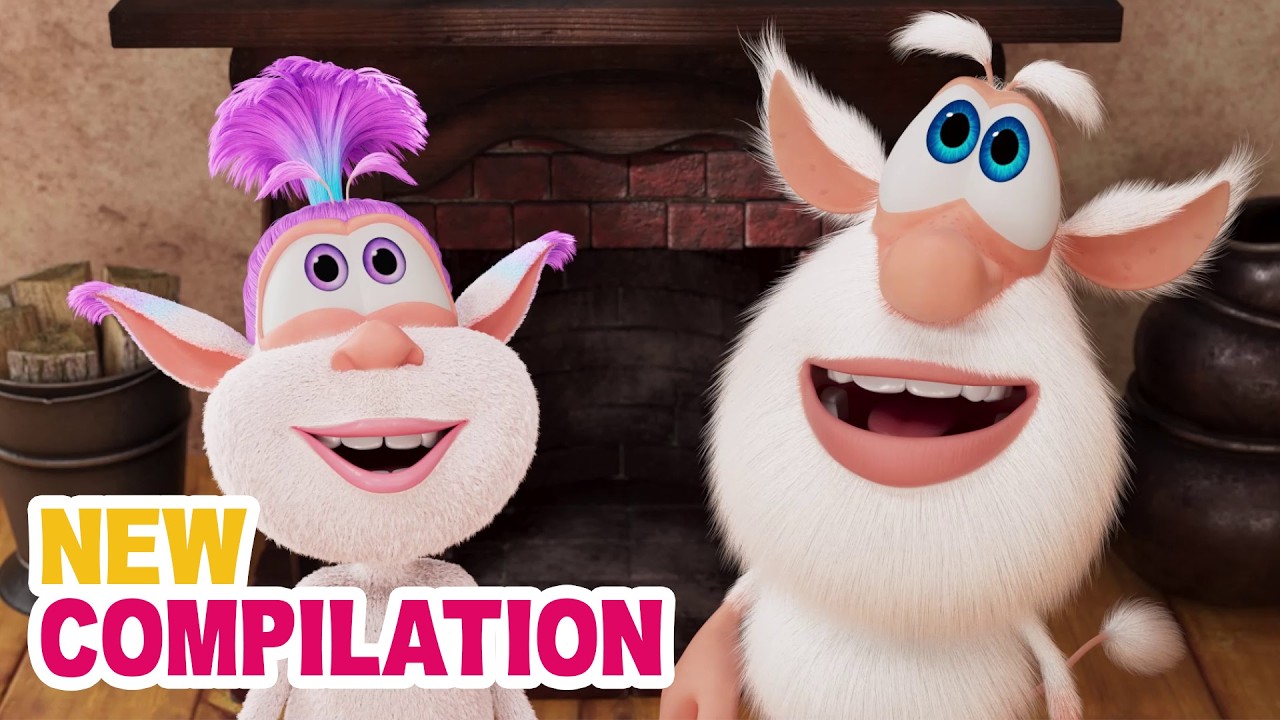
3. Booba Learns Colors and Shapes

Booba explores different objects and environments while teaching shapes and colors in a playful way.

Why it’s popular:

  • Non-verbal storytelling suitable for all languages

  • Observation-based learning

  • Short episodes perfect for attention spans of 2–6 years


4. Little Learners: Colors & Shapes

Mini-stories and songs help preschoolers identify shapes and colors in everyday situations.

Key learning points:

  • Matching shapes and colors with objects

  • Reinforces vocabulary for shapes and colors

  • Interactive prompts encourage participation


5. Fun Animal Colors & Shapes

Animals are used to teach shapes and colors in fun, memorable ways.

Learning highlights:

  • Associating colors with animals and objects

  • Introduces patterns and simple puzzles

  • Combines entertainment with educational content


How Parents Can Enhance Learning

Parents can help children maximize the benefits of shape and color learning videos:

  1. Watch together: Point out shapes and colors in the video and at home.

  2. Ask interactive questions: “Can you find a red circle?” or “Which objects are triangles?”

  3. Repeat favorite videos: Reinforces recognition and memory.

  4. Practice offline: Use toys, blocks, or drawing activities to reinforce concepts.

  5. Encourage creativity: Let children create art using shapes and colors learned in the videos.

  6. Keep sessions short: 5–10 minute videos work best for attention spans of preschoolers.


Recommended Shape and Color Learning Videos for 2025

  • Super Simple Shapes and Colors – Songs and animated examples

  • ABC Kids – Shapes and Colors Edition – Alphabet-based learning

  • Booba Learns Colors and Shapes – Observation and play-based learning

  • Little Learners: Colors & Shapes – Mini-stories and interactive prompts

  • Fun Animal Colors & Shapes – Animal-themed shape and color education

These videos are safe, colorful, and educational, helping preschoolers recognize shapes, identify colors, and develop creativity while having fun.


Final Thoughts

Shape and color learning videos are more than just entertaining—they are essential tools for early childhood development. In 2025, animated series combine bright visuals, music, and interactive storytelling to make learning engaging and effective.

Parents can enhance learning by:

  • Watching videos together and discussing concepts

  • Reinforcing lessons with offline activities and creative play

  • Repeating episodes to strengthen memory and recognition

With the right videos, preschoolers develop foundational cognitive skills, creativity, and visual awareness while enjoying colorful and fun animations.

Tip for Parents: Encourage children to sort toys or draw using learned shapes and colors after watching videos to reinforce learning and motor skills.
Advertisement
Best Educational Cartoons for Young Children
Educational cartoons are an excellent way to combine learning and entertainment for young children. With colorful visuals, playful characters, and fun storylines, these shows can teach essential skills like numbers, letters, social behavior, and problem-solving. This guide highlights the best educational cartoons for young children aged 2–7 and explains why they are effective for learning. Why Educational Cartoons Are Important: Engaging Learning: Kids are more attentive when learning is paired with fun, humor, and music. Visual and Auditory Learning: Cartoons help children understand concepts through visuals, dialogue, and songs. Social and Emotional Skills: Episodes teach sharing, empathy, teamwork, and conflict resolution. Creativity and Imagination: Fun scenarios encourage storytelling, drawing, and role-play. Top Educational Cartoons for Young Children: 1. Little Learners Club Focuses on basic numbers, colors, and letters. Fun songs and repetition help memory retention. 2. Curious Critters Features playful characters exploring the world. Encourages observation, curiosity, and problem-solving. 3. Tiny Tales Academy Short, colorful stories teach social skills, emotions, and friendship. Great for toddlers and preschoolers. 4. Fuzzy Friends Adventures Combines humor, storytelling, and basic educational concepts. Teaches teamwork, creativity, and life skills. 5. Happy Helpers Characters engage in tasks that promote responsibility and empathy. Perfect for role-playing and real-life skill learning. 6. Giggle Garden Learning Outdoor adventures that highlight nature, science, and exploration. Encourages hands-on observation and imaginative play. How to Make the Most of Educational Cartoons: Watch Together: Discuss episodes to reinforce lessons and understanding. Encourage Storytelling: Ask children to retell or extend the story. Use Related Activities: Crafts, drawing, or mini experiments enhance learning. Set Screen Time Limits: Balance viewing with physical play, reading, and family activities. Praise Engagement: Encourage curiosity, questions, and creativity inspired by the shows. Benefits of Educational Cartoons: Cognitive Development: Improves counting, letters, memory, and problem-solving. Social and Emotional Skills: Promotes empathy, sharing, and teamwork. Creativity and Imagination: Inspires art, role-play, and storytelling. Language Skills: Expands vocabulary and improves sentence formation. Fun Learning: Makes education enjoyable and memorable for young children. Final Thoughts: Educational cartoons are a valuable tool for early childhood learning. By selecting shows with engaging characters, colorful visuals, and educational content, parents can boost cognitive, social, and emotional development while keeping learning fun and interactive.
Who Is Booba? Complete Character Guide for Kids
If your child enjoys fun, laughter, and imaginative adventures, chances are they already know Booba—the charming little creature who has taken the internet by storm. Booba is one of the most beloved animated characters for young children, thanks to his expressive face, adorable reactions, and exciting curiosity-filled world. But who exactly is Booba, and why do millions of kids love him so much? In this complete character guide, we explain everything parents and kids need to know about this funny and family-friendly cartoon character. Who Is Booba? Booba is a small, furry, and extremely curious creature who explores the world with child-like wonder. He does not speak words. Instead, he communicates through expressive sounds, funny gestures, and silly reactions. His biggest strength is his ability to turn the most ordinary things—like a lamp, a fridge, or a pair of shoes—into a hilarious adventure. Created by the animation studio 3D Sparrow, Booba first appeared on YouTube and quickly went viral among preschoolers. Today, the show is available on multiple streaming platforms, and Booba is recognized globally as a top children’s entertainment character. What Does Booba Look Like? Booba has a very unique and instantly recognizable appearance: A small white furry body Big blue eyes Pink cheeks A long tail Large ears A tiny backpack in some episodes His design is perfect for kids because it is both friendly and funny. His big expressions and exaggerated reactions make him enjoyable even for toddlers who cannot understand spoken language yet. What Makes Booba Popular Among Kids? Booba’s global popularity comes from several child-friendly qualities: 1. No Dialogue – Universal Entertainment Booba does not speak, which makes the show easy for children from all languages to enjoy. Kids focus on the actions, comedy, and visual storytelling, making it a perfect show for early learners. 2. Safe, Fun, and Educational Without violence, fear, or inappropriate content, Booba is completely safe for young children. The show encourages: Curiosity Exploration Creativity Problem-solving Each episode teaches children how to observe and learn from everyday things. 3. Short and Engaging Episodes Booba episodes are usually 3–5 minutes long, which matches the attention span of preschoolers. The fast-paced humor keeps kids laughing and entertained without overwhelming them. 4. Positive Character Personality Booba always remains cheerful, even when things go wrong. His reactions help children understand: It is okay to make mistakes Learning can be fun Curiosity leads to discovery His positive attitude is one of the main reasons parents trust this show. Booba’s Personality and Traits: Booba’s charm comes from his lovable personality. Some of his key traits include: Curiosity Booba is extremely curious. Whether he finds a toy, a kitchen gadget, or a musical instrument, he wants to explore it completely. This curiosity encourages kids to explore their environment safely. Playfulness He loves to play! Everything becomes a game for him. This playfulness helps kids develop imagination and creativity. Kindness Booba is friendly with everyone he meets, even if they cause trouble. His kindness teaches kids about empathy and good behavior. Bravery He often faces new things without fear. This trait inspires children to be confident and brave in new situations. Funny and Expressive Nature His silly reactions and big facial expressions make kids laugh instantly. Humor is a big part of why Booba is so addictive for children. Supporting Characters in Booba’s World: Booba is not alone in his adventures. Several characters join him and make the episodes more exciting. 1. Loola Loola is an active and energetic girl-like creature who loves to dance and play. She often joins Booba in exploring new places. 2. Googa Googa is the intelligent and inventive character in the Booba universe. He loves gadgets, tools, and creative ideas. 3. Spike Spike is the mischievous hedgehog who sometimes creates problems but always adds humor. 4. Mr. Beak Mr. Beak is a clever parrot who enjoys watching Booba’s silly actions while sometimes offering help. Together, these characters make the show more dynamic and enjoyable for kids. What Age Group Is Booba For? Booba is mainly designed for children aged 2 to 8 years, but toddlers and even older kids enjoy it due to its humor and visual appeal. Many parents say that even they enjoy watching Booba because of the comedy and creativity. Why Parents Approve of Booba Parents appreciate Booba because it: Avoids bad language Does not include violence Encourages positive learning Stimulates imagination Keeps kids engaged without harmful content It is a safe digital entertainment option compared to many noisy or aggressive children’s shows. Where Can Kids Watch Booba? Booba episodes are available on major platforms such as: YouTube Netflix Amazon Prime Booba’s official app (in some regions) This makes the show easy to access anywhere, anytime. Educational Benefits of Watching Booba: Although Booba is mostly a comedy show, it provides many learning opportunities: 1. Understanding Everyday Objects Kids learn how different items work—like a blender, vacuum cleaner, or mirror. 2. Visual Learning Skills Booba uses visual storytelling, which helps children improve observation and comprehension. 3. Social Skills Booba often interacts with friends, teaching kids about: Teamwork Sharing Friendship Cooperation 4. Creative Thinking Since Booba imagines new ways to use common things, children develop creative thinking and problem-solving skills. Booba Toys and Merchandise Booba’s popularity has led to many toys and merchandise for kids, including: Plush toys Storybooks Coloring books Puzzles School supplies These items help children engage with their favorite character in real life. Final Thoughts: Why Kids Love Booba So Much: Booba is more than just a cartoon character—he is a source of joy, creativity, and learning. His curious nature, funny adventures, and expressive personality make him a favorite among children everywhere. Without using any language, Booba communicates universal emotions that every child can understand. For parents searching for safe, educational, and fun entertainment, Booba is one of the best choices available today. His imaginative world encourages kids to explore, laugh, and learn—making him a truly unforgettable character.
History of Non-Verbal Comedy in Cartoons: From Silent Films to Modern Mime
The universal language of a slip on a banana peel, a look of shocked surprise, or a perfectly timed pause transcends words and cultures. In animation, non-verbal comedy—or visual slapstick—is not just a tool; it is the art form's foundational comedic heartbeat. This guide traces the rich history of how animators have made us laugh without saying a word, from flickering black-and-white reels to the hyper-expressive digital characters of today. The Silent Era: Birth of the Visual Gag (1900s-1920s) : Animation was born in the silent film era, inheriting its comedic DNA directly from masters like Charlie Chaplin and Buster Keaton. Key Pioneers: Winsor McCay: In Gertie the Dinosaur (1914), the interactive, personality-driven animation established a character audiences could connect with through gesture alone. Max Fleischer (Out of the Inkwell): The surreal interplay between a live-action animator and his mischievous cartoon creation, Koko the Clown, relied entirely on visual trickery and playful defiance. The Core Principle: Exaggerated Physics and Personality. Without dialogue, comedy came from rubber-limbed movements, impossible transformations, and characters whose every emotion was written large on their faces and in their body language. The Golden Age: Slapstick Perfected (1930s-1950s) : With sound came music and effects, but the best shorts remained masterclasses in visual storytelling. The Warner Bros. School of Anvil Comedy: Chuck Jones’s Philosophy: He established "The Rules" for characters like Wile E. Coyote and the Road Runner. The comedy was in the meticulous, cause-and-effect logic of failure. The coyote’s slow look down after running off a cliff is a silent masterpiece of realization. Tex Avery’s Hyperbole: Avery took exaggeration to its极限. Characters’ eyes would pop out, jaws would hit the floor, and bodies would stretch like taffy. The reaction was the joke, and it was always visual, rapid-fire, and wordless. Disney’s Emotional Pantomime: While Disney featured dialogue earlier, its early shorts and feature sequences (e.g., The Band Concert with Mickey, Playful Pluto with the flypaper) were built on elaborate pantomime. Animators studied live-action comedians to translate subtle, empathetic physical comedy into their characters. The Television Era: Limited Animation, Unlimited Expression (1960s-1980s) : Budget constraints led to limited animation, forcing creatives to rely even more on strong character design and clever visual wit. Hanna-Barbera’s Clever Shortcuts: Shows like Tom and Jerry (originally MGM) and later Scooby-Doo used repetitive chase sequences, but the comedy was in the anticipation and the elaborate, destructive payoff—a collapsing wall of shelves, a expanding bubble gum bubble. Character reactions (Tom’s scheming grin, Shaggy’s full-body shudder) told the story. The European Influence: French Animator René Laloux (Fantastic Planet) and others created surreal, often dialogue-light worlds where the comedy and horror were baked into the bizarre visual design and scenarios. British Shows like The Clangers: Communication was through musical whistles and pure physical action, making their curiosity and problem-solving universally understandable. The Modern & Digital Renaissance (1990s-Present) : Technology allowed for more nuanced animation, but the principles of silent comedy remained essential. The Return of the Pure Mime: Mr. Bean: The Animated Series successfully translated Rowan Atkinson’s live-action silent clowning into cartoon form, proving the timelessness of the format. Shaun the Sheep (Aardman): A spin-off from the dialogue-free Wallace & Gromit, this show became a global hit. Every plot point, emotion, and joke is conveyed through impeccable stop-motion animation, sound effects, and music. Pixar’s "Show, Don’t Tell" Ethos: Pixar’s short films (Geri’s Game, Piper) and key feature sequences (the first 30 minutes of WALL-E, much of Up’s marital montage) are legendary for their powerful, wordless storytelling. They use subtle facial animation and environmental details to convey complex emotions, making the comedy more heartfelt and the drama more profound. The Internet & Algorithmic Age: Web Cartoons & Short-Form Content: Platforms like YouTube favor quick, wordless humor that requires no translation or setup—perfect for viral loops. Characters like the early Simons Cat or countless indie animation memes thrive on simple, relatable visual gags. Modern TV Examples: Shows like The Amazing World of Gumball blend styles but often let its characters’ exaggerated, rubber-hose-inspired reactions deliver the biggest laughs without dialogue. Why Non-Verbal Comedy Endures & Matters : Universality: It bypasses language and age barriers. A toddler and a grandparent can laugh at the same slip-and-fall. Pure Visual Storytelling: It forces animators to be inventive, relying on the fundamental tools of the medium: timing, squash and stretch, anticipation, and expression. Emotional Clarity: When a character’s joy, frustration, or confusion is communicated solely through animation, it can feel more direct and authentic. The Foundation of Character: A character defined by their actions and reactions, not their words, often becomes more iconic and beloved (e.g., Gromit, WALL-E, Charlie Brown’s slumped walk). Conclusion: The Unspoken Bond Between Animator and Audience : The history of non-verbal comedy in cartoons is a history of animation itself—a testament to the power of moving drawings to connect with something primal in us. From the anarchic slapstick of a falling anvil to the subtle, heartbreaking glance of a lonely robot, it proves that the most powerful stories and the biggest laughs often come not from what is said, but from what is seen. In a world of endless chatter, the silent eloquence of a well-animated sigh or a perfectly executed double-take remains comedy in its purest, most global form.
Booba Silent Comedy: Why It Works for Every Culture
Booba is a universally loved cartoon character, and one of the biggest reasons for his global popularity is his silent comedy style. Unlike many other shows that rely on dialogue or language-specific jokes, Booba communicates entirely through visual humor, expressions, and playful actions. This unique approach allows children and families from every culture and language background to enjoy the content equally. In this article, we explore why Booba’s silent comedy works so well worldwide, the psychological reasons behind it, and the benefits for kids. 1. Visual Humor is Universal: Silent comedy relies on visual cues, exaggerated gestures, and facial expressions. Booba’s large eyes, open mouth, and dramatic reactions make it instantly clear what he is feeling or doing. Why it works for every culture: No need for language comprehension Humor is instantly understandable Children and adults can laugh together Example: Booba slipping on a toy or reacting to a bouncing ball is funny in any country, regardless of spoken language. 2. Easy for Kids to Follow: Young children, especially ages 2–7, often cannot fully understand dialogue-heavy shows. Booba’s silent comedy is: Simple to follow Engaging through action and movement Fun without requiring reading or listening skills Psychological Impact:Children develop attention, observation, and comprehension skills while enjoying the show. 3. Cross-Cultural Appeal: Booba’s silent comedy removes cultural barriers. There are no jokes that depend on specific language, slang, or cultural references. Why this matters: Children worldwide can enjoy the same humor Parents can introduce Booba to multilingual households Episodes are universally shareable Example: A Japanese child and a Brazilian child can laugh at the same scene, even without translation. 4. Encourages Emotional Understanding: Silent comedy emphasizes emotions through expression, which helps children recognize and understand feelings. Why it’s effective globally: Smiling, laughing, surprise, or frustration is universally recognized Children learn empathy and emotional awareness Language differences do not hinder emotional learning Example: Booba reacting with surprise to a falling object teaches children that unexpected events can be funny and safe. 5. Promotes Imaginative Play: Booba often turns ordinary objects into playful adventures. Silent storytelling encourages children to imagine the story themselves, rather than relying on dialogue. Educational Value: Encourages creativity Develops imagination Kids can invent their own explanations for Booba’s actions Example: A cardboard box becomes a car, spaceship, or hiding place—all interpretable differently by children in different cultures. 6. Humor Without Conflict: Booba’s comedy is always safe, light-hearted, and non-violent. There are no culturally sensitive jokes or language-based misunderstandings. Why this matters: Safe for all children Parents feel comfortable letting kids watch Humor is inclusive and universally enjoyable Example: Booba falling into a pile of pillows or chasing bubbles is funny without being harmful or offensive. 7. Short Episodes Suit Short Attention Spans: Most Booba episodes are short, fast-paced, and action-packed, which suits children with limited attention spans. Global benefit: Engaging for children everywhere No need for long explanations or cultural context Encourages repeated viewing, which reinforces learning Psychological Impact:Short, repetitive episodes help children develop memory and observational skills. 8. Builds Early Cognitive Skills: Silent comedy stimulates problem-solving, pattern recognition, and cause-and-effect learning. Children watch Booba try, fail, and succeed at small challenges. Why it transcends culture: Skills are universal Children learn through action, not words Enhances early cognitive development globally Example: Booba experimenting with a rolling ball teaches persistence and observation in every culture. 9. Multi-Generational Entertainment: Because Booba is silent, adults can enjoy the humor too. Families around the world can watch together without needing translation. Why it works cross-culturally: Promotes shared entertainment Strengthens family bonds Humor is universally appealing Example: Parents laugh along while toddlers are entertained, creating a shared viewing experience. 10. Supports Early Language and Observation: While Booba doesn’t speak, the silent comedy style enhances children’s listening, observation, and storytelling skills. Benefits: Children can describe what they see in their own words Supports language development indirectly Encourages active engagement rather than passive watching Example: A child explaining Booba’s adventure to a friend or parent strengthens communication skills. Final Thoughts: Booba’s silent comedy is more than just entertainment—it’s a universal, cross-cultural tool for learning, creativity, and fun. Children worldwide can enjoy Booba without language barriers while developing curiosity, problem-solving skills, emotional awareness, and imaginative play. The genius of Booba lies in its simplicity: funny, safe, and universally relatable.
Cartoon Stories About Helping Others
Helping others is an essential value that children need to learn from an early age. Cartoon stories about helping others are a fun and effective way to teach children the importance of kindness, empathy, and cooperation. By using colorful animations, engaging characters, and interactive storytelling, these cartoons make moral lessons easy to understand and remember. In this article, we will explore why cartoons about helping others are important, their educational benefits, and how parents can use them to teach valuable life skills. ⭐ Why Cartoon Stories About Helping Others Are Effective: Children learn best through observation, play, and storytelling. Cartoon stories combine these elements to create a meaningful learning experience: 1. Visual Learning: Animated characters and vibrant visuals make abstract concepts like kindness and empathy easy for children to understand. 2. Relatable Characters: Children connect with cartoon characters, which helps them see real-life examples of helping others and applying kindness. 3. Story-Based Lessons: Stories demonstrate the positive outcomes of helping, such as friendship, gratitude, and happiness, making the moral memorable. 4. Emotional Engagement: Cartoons evoke emotions through expressions, music, and storytelling, helping children understand how helping others makes people feel. 5. Repetition Reinforces Values: Many cartoons repeat lessons about helping friends, family, or strangers, reinforcing good behavior without feeling forced. ⭐ Popular Themes in Helping Others Cartoons: 1. Friends in Need: Stories show children or animals helping friends who are sad, lost, or in trouble, emphasizing empathy and teamwork. 2. Family and Community: Cartoons often depict characters helping family members, neighbors, or community members, teaching children the value of cooperation. 3. Environmental Help: Some stories show characters cleaning parks, planting trees, or caring for animals, teaching children to help the environment. 4. Acts of Kindness: Cartoons highlight small gestures like sharing toys, helping a classmate, or comforting someone who is lonely. 5. Problem-Solving Together: Stories show children or characters working together to solve challenges, teaching cooperation, communication, and the joy of helping. ⭐ Educational Benefits of Helping Others Cartoons: 1. Builds Empathy: Children learn to recognize and respond to the feelings of others, strengthening emotional intelligence. 2. Encourages Positive Social Behavior: Watching characters help others motivates children to practice sharing, teamwork, and kindness in real life. 3. Enhances Communication Skills: Interactive cartoons encourage children to express themselves, ask questions, and discuss moral lessons with parents or peers. 4. Develops Problem-Solving Abilities: Stories often show characters finding ways to help, teaching children critical thinking and creative solutions. 5. Promotes Moral and Ethical Growth: By repeatedly observing positive actions, children internalize values such as honesty, generosity, and respect. ⭐ Tips for Parents to Make the Most of Helping Others Cartoons: ✔ 1. Watch Together: Discuss the characters’ actions and ask your child how they would help in a similar situation. ✔ 2. Reinforce Lessons with Real-Life Activities: Encourage children to practice helping at home, in school, or in the neighborhood. ✔ 3. Role-Playing: Act out scenarios from the cartoons to help children practice empathy and problem-solving. ✔ 4. Praise Acts of Kindness: Recognize and praise your child when they help others, reinforcing positive behavior. ✔ 5. Limit Screen Time: Even educational cartoons should be watched in moderation. Short, interactive sessions of 20–30 minutes are ideal. ⭐ Conclusion: Cartoon stories about helping others are an engaging and effective way to teach children kindness, empathy, and cooperation. Through colorful animations, relatable characters, and story-based lessons, children learn the joy of helping friends, family, and the community. By incorporating these cartoons into daily routines, parents and educators can help children develop positive social behaviors, emotional intelligence, and moral values. With interactive storytelling and fun visuals, cartoons about helping others make learning essential life skills both enjoyable and memorable for young minds.
Best Booba Toys for Kids: The Ultimate 2025 Play Guide
Beloved for his cheerful simplicity and playful curiosity, Booba has captured the hearts of children worldwide. The right Booba toy can extend that fun from the screen into the physical world, encouraging creativity, motor skills, and imaginative play. This 2025 guide cuts through the clutter to recommend the best Booba toys that are safe, engaging, and developmentally valuable, ensuring your child’s playtime is filled with joyful exploration. Understanding the "Booba" Play Value : When choosing a Booba toy, look for items that embody his core traits: curiosity, non-verbal problem-solving, tactile discovery, and joyful mischief. The best toys will encourage open-ended play, not just replication of screen moments. Disclaimer: This is an independent guide. Always verify safety certifications (CE, ASTM) and age recommendations before purchase. Category 1: For Tactile Explorers & Young Fans (Ages 1.5-3) : These toys focus on sensory input, durability, and basic cause-and-effect, perfect for toddlers sharing Booba's discovery phase. Booba Plush Toy with Textured Elements: Why It's a Top Pick: A soft, huggable plush is a must-have. The best versions include different fabrics on his ears, feet, or belly for tactile exploration, and are machine-washable. It provides comfort and a first friend for role-play. What to Look For: Seam integrity, embroidered (not plastic) eyes for safety, and hypoallergenic filling. Booba Shape Sorter Discovery Cube: Why It's a Top Pick: This directly translates Booba's curiosity into a foundational learning toy. A cube with Booba's face features holes for chunky, themed shapes (like his favorite donut or light bulb). It develops fine motor skills, spatial reasoning, and problem-solving. What to Look For: Large, easy-to-grip shapes made of durable, BPA-free plastic. Smooth edges and a storage bag for the shapes. "Booba's Kitchen Surprise" Push & Go Toy: Why It's a Top Pick: A chunky, durable toy car or figure that wobbles or makes a gentle rattling sound when pushed. It encourages crawling/chasing and satisfies a toddler's desire to make things happen, just like Booba does. What to Look For: A sturdy, tip-resistant design with wheels that roll smoothly and no detachable small parts. Category 2: For Imaginative Storytellers (Ages 3-6) : This age group is ready to act out full Booba adventures. Toys should encourage narrative building and creative expression. Booba's Curiosity House Play Set: Why It's a Top Pick: A detailed, interactive playset based on Booba's home is the centerpiece of imaginative play. The best sets include opening doors, clickable lights, a sliding chair, and accessories like his iconic lamp, fridge, and teapot. It lets kids recreate and invent their own silent stories. What to Look For: Sets with multiple interactive features and several accessories. Durability is key—ensure hinges and moving parts are robust. Booba & Friends Figurine Collection: Why It's a Top Pick: A set of sturdy, poseable figurines including Booba, Jelly, and other characters allows for dynamic storytelling. They can be used with the playset, taken on "adventures" around the house, or incorporated into other playscapes. What to Look For: Good articulation (arms/legs that move), paint that won't chip easily, and a scale that works with other playsets. Booba Dress-Up Kit (Ears & Gloves): Why It's a Top Pick: Simple, high-quality felt ears on a headband and fluffy white gloves instantly transform a child into Booba. This prop is fantastic for physical comedy, mimicking Booba's expressions, and sparking active, character-driven play. What to Look For: A comfortable, adjustable headband. Gloves should allow for finger movement and be made of breathable material. Category 3: For Creative Builders & Problem-Solvers (Ages 5-8) : For older fans, toys that channel Booba's inventive and often unconventional problem-solving are ideal. Booba's Wacky Workshop Building Set: Why It's a Top Pick: A construction set featuring Booba's unique aesthetic—crazy angles, odd connectors, and vibrant colors. It challenges kids to build unstable-looking yet functional structures, just like Booba would, fostering engineering thinking and creativity beyond standard blocks. What to Look For: Compatibility with major block brands for expanded play, and an idea booklet with "challenges" (e.g., "Build a tower that can hold Booba's donut"). "Booba's Silly Reactions" Science Kit: Why It's a Top Pick: A themed science kit exploring simple, visually dramatic reactions like foaming "volcanoes" (donut glaze explosion!), color mixing, or magnet tricks. It perfectly captures Booba's cause-and-effect mischief in an educational framework. What to Look For: Kits that use safe, household ingredients and include clear, picture-based instructions. Emphasis on the "wow" factor. Booba Digital Drawing Tablet with Stencils: Why It's a Top Pick: A pressure-free, mess-free way to create Booba art. A kid's drawing tablet with pre-loaded Booba stencils or stamps lets them design their own scenes, encouraging digital creativity in a focused way. What to Look For: A tablet with a color screen, a sturdy stylus, and a "learn to draw Booba" function. The "Best of the Best" All-Around Winner (Ages 3-6) : Booba's Curiosity House Play Set with Figurines.This combination offers the highest return on play value. The environment (house) and the characters (figurines) together provide endless fuel for narrative, problem-solving, and social-emotional play, perfectly capturing the spirit of the show for the core age group. Tips for Integrating Booba Toys into Healthy Play : Pair with Screen Time: Watch a short episode, then use the toys to act out what you saw or invent a new ending. Encourage "Silent Play": Challenge your child to tell a story using only Booba's gestures and sounds, boosting non-verbal communication skills. Mix with Other Toys: Let Booba visit the toy castle or the car garage. Cross-play sparks incredible creativity. Balance with Other Activities: After a Booba play session, channel that energy into a real-world "discovery mission" outdoors, perhaps with gear from kidtoys.site, or follow up with a different style of creative story from boobacartoon.com. Conclusion: Play with Curiosity & Joy : The best Booba toys for 2025 aren't just merchandise; they are tools that extend the show’s positive themes of curiosity and joyful discovery into your child's hands. By choosing toys that prioritize open-ended play, durability, and creative thinking, you’re investing in playthings that will grow with your child’s imagination. Remember, the true magic happens not in the toy itself, but in how your child uses it to explore their world—with the same wide-eyed wonder as their favorite furry friend.
How to Stop Kids from Watching Scary Cartoons
In the age of endless streaming, algorithm-driven suggestions, and peer sharing, scary or age-inappropriate cartoons can easily find their way to your child's screen, leaving them with nightmares, anxiety, and a shaken sense of security. Simply banning content is less effective than building media literacy and healthy digital habits. This 2026 guide provides proactive strategies to shield your child's imagination, empower their choices, and restore peace to their viewing experience. Understand the "Why": Why Kids Are Drawn to Scary Content : Before setting rules, understand the pull. Children might seek out scary cartoons to: Test boundaries and feel a sense of thrill or maturity. Connect with peers who are talking about a popular but scary show. Process fears in a controlled, fictional environment (though often backfires). Simply stumble upon it due to autoplay or misleading thumbnails on child-focused platforms. Your goal isn't to bubble-wrap them, but to ensure their media consumption is appropriate for their emotional development and doesn't cause undue distress. Build Your First Line of Defense: The Technical Safeguards : Make it difficult for inappropriate content to reach them accidentally. Use Dedicated, Kid-Safe Profiles: On every streaming service, create a separate profile for your child with the highest parental restriction settings. Disable autoplay and search functions on these profiles. Curate Watchlists Together: Proactively fill their profile's "Watchlist" or "My List" with pre-approved, high-quality shows from trusted sources like boobacartoon.com. This gives them a "menu" of great choices. Invest in a Quality Parental Control App: Use an app that allows you to whitelist specific shows or channels, rather than just blocking by age rating, which can be too broad. Some apps can even alert you if new, unapproved content is accessed. Secure All Devices: Apply these settings not just on the TV, but on tablets, phones, and shared computers. A rule is only as strong as its weakest device link. Shift from Police Officer to Media Mentor: The Conversational Strategy : Empowerment through understanding is more durable than fear of punishment. Have "The Scary Stuff" Talk Early: Calmly explain, "Sometimes cartoons or movies are made to scare people for fun, but your brain isn't ready for that yet. It can stick in your mind and make you feel really worried, even when you're safe. My job is to help you find shows that are fun without the scary shadows." Teach Them to "Check the Gauge": Create a simple, 3-level system they can use with you: Green Light: "Fun for everyone! Like our favorite shows about friendship." Yellow Light: "Might have some loud surprises or arguments. Let's watch this together first." Red Light: "Has scary monsters, mean ghosts, or things that could give us bad dreams. We'll skip these until you're older." Role-Play the "Exit Strategy": Practice what to do if something scary comes on: 1) Close your eyes. 2) Call for a parent. 3) Say, "This is too scary for me, please turn it off." Assure them they will never be in trouble for following this plan. Provide Amazing Alternatives: Flood the Zone with Good Content : The best way to stop an unwanted behavior is to replace it with a more appealing one. Become a Curator of Joy: Actively seek out and celebrate hilarious, adventurous, and beautiful cartoons. Make watching them a special, shared event with popcorn and blankets. Leverage Trusted Hubs: Use platforms known for safe, quality content. Bookmark sites like boobacartoon.com that are designed with emotional safety in mind. Connect Cartoons to Cool Activities: After watching a show about explorers, go on a nature hike. After a show about builders, use a kit from kidtoys.site to create something. This reinforces that the best adventures often happen off-screen. Navigate Peer Pressure and "Everyone Else is Watching It" : This is a common challenge for school-age children. Acknowledge & Reframe: "I understand your friends are talking about that show. It can feel lonely to be left out. But every family has different rules based on what they know is right for their kid's heart and brain." Give Them Scripts: Arm them with what to say to friends: "My mom says my brain's not ready for that yet," or "I'm not allowed, but I heard about this other cool show called [Alternative Show] instead." Host a Viewing Party: For older kids, if a mildly spooky but popular show is borderline, consider watching the first episode together at home. Your presence and commentary ("Wow, that music is sure trying to make us scared!") can demystify it and provide a safe processing space. What to Do If They've Already Seen Something Scary: The Clean-Up Protocol : If exposure happens, your reaction is critical. Stay Calm & Comfort: Do not shame or say "I told you so." Hold them, offer comfort, and reassure them they are safe. Name and Tame the Fear: Have them draw the scary monster, then help them make it silly—give it polka dots, a tiny hat, or a squeaky voice. This robs the image of its power. Perform a "Brain Delete": Use a playful imagination exercise. "Okay, let's open your mind's computer. Find that scary file... and drag it to the trash! Now, let's download a happy file—remember when we went to the water park?" Re-establish Safety Rituals: Extra cuddles, a nightlight check, and a calming bedtime story from a trusted source can rebuild a sense of security. Resources from learn.universitiesforllm.com can offer more structured strategies for calming childhood anxieties. Conclusion: Protecting Wonder, Not Just Enforcing Rules : The mission is to guard your child's capacity for joyful, secure play and sleep. By combining robust technical controls with open, empathetic communication and by actively filling their media diet with uplifting alternatives, you stop scary cartoons not with a harsh "no," but with a more compelling "yes." You are saying yes to peaceful sleep, yes to a fearless imagination, and yes to a childhood where screens are a source of wonder, not worry. With the supportive frameworks from learn.universitiesforllm.com, the guaranteed-safe stories from boobacartoon.com, and the engaging real-world play from kidtoys.site, you have a full toolkit to nurture a resilient, happy, and creatively confident child.
Best Kids Safety Cartoon in 2025
Keeping children safe is a top priority for every parent. In 2025, kids safety cartoon videos have become an effective way to teach toddlers and preschoolers home safety, road safety, and general precautions in a fun, engaging, and memorable way. Animated safety videos use colorful visuals, relatable characters, and storytelling to convey important lessons without being scary or overwhelming. This guide explores the benefits of safety cartoons, top series for children in 2025, and tips for parents to reinforce learning. Why Safety Cartoon Videos Are Important: Young children are naturally curious, which can put them at risk if they do not understand basic safety rules. Safety cartoons help by: Teaching essential safety skills: Home safety, road safety, and stranger awareness. Providing visual examples: Demonstrates safe behavior step by step. Promoting memory and recall: Repetition and catchy songs make rules easy to remember. Encouraging discussion: Parents and children can talk about what was learned. Making learning fun: Children perceive lessons as entertaining, not boring. Animated characters model correct behaviors, helping toddlers imitate and internalize safety habits naturally. Key Safety Lessons in Kids Cartoon Videos: 1. Home Safety: Avoid touching sharp objects, hot surfaces, or electrical outlets. Keep small objects away from toddlers to prevent choking. Demonstrate safe ways to climb stairs, use furniture, and play indoors. 2. Road Safety: Look both ways before crossing the street. Always hold an adult’s hand near traffic. Wear helmets while riding bikes or scooters. Follow traffic lights and pedestrian rules. 3. Stranger Awareness: Teach children not to go with strangers. Explain safe ways to seek help when lost. 4. Emergency Awareness: How to call for help (parents, guardians, emergency numbers). Stay calm and wait in a safe spot during emergencies. Top Kids Safety Cartoon Series in 2025: 1. Safety with Zoya: Zoya is a cheerful character who teaches home and road safety in an entertaining way. Highlights: Animated songs and repetition reinforce learning. Demonstrates safety routines through fun storytelling. Ideal for toddlers and preschoolers aged 3–7. 2. Booba Safety Adventures: Booba’s curiosity leads to situations where children learn safety rules through observation. Benefits: Non-verbal storytelling suitable for all languages. Engages children in identifying safe and unsafe actions. Perfect for young learners exploring their environment. 3. Super Simple Safety Songs: Combines nursery rhymes with safety lessons. Learning focus: Road safety songs like “Stop, Look, and Listen.” Home safety rhymes for brushing teeth, washing hands, and using toys safely. Reinforces memory through music and repetition. 4. Little Hero Safety Stories: Mini-stories teach children how to stay safe, act responsibly, and help others in emergencies. Key lessons: Fire safety and first aid basics Crossing streets safely Asking for help from trusted adults 5. Safe Friends Adventures: Animal characters demonstrate safety rules through fun situations. Learning benefits: Teaches sharing, cooperation, and hazard awareness. Introduces basic science and safety concepts in playful stories. Suitable for preschool and early school-age children. How Parents Can Maximize Learning: Parents can help children internalize safety lessons from cartoons by: Watching together: Discuss each scenario and ask questions like, “What should we do next?” Role-playing: Practice crossing streets, emergency drills, or safe indoor play. Repeating favorite episodes: Repetition helps toddlers remember important rules. Reinforcing in daily life: Praise children when they follow safety habits at home or outside. Interactive quizzes: Ask simple questions after watching videos to reinforce learning. Balance screen time: Short, focused episodes work best for toddlers. Recommended Kids Safety Cartoon Videos for 2025: Safety with Zoya – Home and road safety lessons Booba Safety Adventures – Observation and hazard awareness Super Simple Safety Songs – Nursery rhymes with safety themes Little Hero Safety Stories – Fire, emergency, and first aid lessons Safe Friends Adventures – Animal characters teaching safety These animated videos make learning safety engaging, fun, and practical, helping children adopt good habits that protect them in everyday life. Final Thoughts: Kids safety cartoon videos are a powerful tool for teaching toddlers and preschoolers essential safety skills. In 2025, animated series combine storytelling, music, and colorful visuals to make learning fun, memorable, and effective. Parents can enhance learning by: Watching together and discussing lessons Practicing safety routines in real life Reinforcing rules through role-play and repetition With the right safety cartoons, screen time becomes educational, giving children practical knowledge that helps them stay safe, confident, and responsible in everyday situations. Tip for Parents: Encourage children to demonstrate safety rules learned from cartoons, which improves retention and practical application.