Funny Way to Build Good Habits

Cartoons play a very important role in a child’s early learning. Whether it’s sharing toys, speaking politely, or helping friends, cartoon stories make manners easy for children to understand. Kids naturally learn better when something is shown in a fun, colorful, and story-based format. That’s why cartoon stories about good manners have become one of the most effective tools for parents and teachers.

In today’s busy world, reminding kids about manners again and again can be challenging. But when the same lessons come through a cute animated character, children not only enjoy watching but also remember the message. Let’s explore how cartoon stories help improve manners in kids and which habits are most important.


Why Cartoons Are Effective for Teaching Manners

1. Kids Understand Visual Messages Quickly

Children learn better with pictures and actions. Cartoons show how to behave in real-life situations, which makes learning natural and effortless.

2. Stories Create Emotional Impact

When kids see their favorite cartoon hero helping others or apologizing, they feel inspired to do the same.

3. Repetition Makes Learning Strong

Cartoons repeat moral messages in simple ways. When children see good manners again and again, they become part of their daily behavior.

4. Learning Feels Like Fun, Not School

Most kids resist long lectures but happily watch a 5-minute animated story. This converts manners into enjoyable lessons.


Important Manners Kids Learn Through Cartoons

1. Saying “Please” and “Thank You”

Politeness is one of the first manners parents want kids to learn. In cartoon stories, characters often use polite language, showing kids when and how to say “please,” “thank you,” and “sorry.”

2. Sharing with Friends

One of the biggest challenges for toddlers is sharing toys or snacks. Cartoon stories show how sharing brings happiness and how refusing to share can hurt others.

3. Helping Parents and Friends

Kids learn responsibility when they see animated characters helping in small tasks like cleaning up, organizing toys, or helping a friend in trouble.

4. Respecting Elders

Respectful behavior—listening, not interrupting, and speaking kindly—is often highlighted in kids’ cartoons.

5. Patience and Waiting for Their Turn

Children naturally want everything instantly. Cartoons teach them that waiting for their turn is an important manner.

6. Keeping the Environment Clean

Many cartoons show characters picking up trash, keeping rooms tidy, and caring for nature.


Benefits of Using Cartoon Stories for Manners

1. Kids Remember Moral Lessons Longer

Because stories have characters, actions, and emotions, children remember the moral values more deeply.

2. Builds Social and Emotional Skills

Kids learn empathy, kindness, cooperation, and problem-solving from cartoon-based storytelling.

3. Helps Parents Guide Kids Easily

Instead of scolding, parents can say, “Remember what the cartoon character did?” This makes discipline gentle and effective.

4. Safe and Positive Entertainment

Good-manner cartoons are clean, age-appropriate, and free from harmful content.


Examples of Manners Highlighted in Popular Cartoon Stories

Helping Friends

Stories where a character helps someone fix a broken toy, opens the door for others, or supports a sad friend help kids understand kindness.

Apologizing When Wrong

Cartoons teach that saying “sorry” is important and shows courage. Kids learn it’s okay to make mistakes but important to apologize.

Listening Carefully

Animated characters often remind kids to listen to instructions and follow rules in school, home, and playground.

Tidy Up Time

A common theme shows characters cleaning up after playing, encouraging kids to do the same.


How Parents Can Use Cartoons to Teach Manners:

1. Watch Together

When parents watch with their kids, they can point out important lessons and discuss them.

2. Repeat the Lessons During the Day

For example, say:
“Just like the cartoon taught, we should share our toys.”

3. Choose High-Quality Content

Pick cartoons that focus on learning and character-building instead of violence or meaningless humor.

4. Encourage Kids to Practice the Learned Manners

Praise them when they apply a good habit they saw in the cartoon.


Why Manners Matter in Early Childhood:

Good manners help children:

  • Make more friends

  • Build confidence

  • Become responsible

  • Communicate politely

  • Grow into emotionally strong individuals

Cartoon stories make this journey easier by showing good habits in an entertaining, child-friendly way.


Conclusion:

Teaching manners doesn’t have to feel difficult or boring. Cartoon stories provide a joyful and effective way to help kids learn how to behave politely, share with others, and build strong character. When children watch animated stories that highlight kindness, respect, and responsibility, they naturally start adopting these habits in daily life.

Cartoons aren’t just entertainment—they are powerful learning tools that shape behavior, personality, and values. With the right selection of videos, parents can guide their children toward becoming polite, caring, and well-mannered individuals.
Advertisement
Where to Find Stickers, Posters & Printables: A 2025 Guide for Creative Parents
Decorating a room, personalizing a notebook, or finding the perfect craft printable doesn't have to be a wild goose chase. In 2024, a blend of official sources and creative community hubs offers a wealth of options for fans of gentle, popular characters. This guide will navigate you to the best places—both online and offline—to find high-quality, safe, and fun stickers, posters, and printables for your child's next project. Guiding Principle: Safety, Quality & Respect : Prioritize Official Sources: For guaranteed quality and safety (non-toxic inks, safe materials). Trust Reputable Creators: When using independent artists, look for positive reviews and clear usage terms. Respect Copyright: Use printables for personal, non-commercial fun only. Support artists by purchasing their official products. Category 1: Official & Licensed Merchandise – For Guaranteed Quality : These are your go-to sources for authentic, high-fidelity designs. 1. Official Character Website/Online Shop: What You'll Find: This is the primary source for officially licensed posters, high-quality vinyl sticker packs, and sometimes exclusive print-on-demand items like wall decals. Designs will be accurate and vetted. Best For: Premium posters, durable sticker sheets, and official wall art. Tip: Sign up for newsletters to get alerts on new collections and sales. 2. Major Online Retailers (Amazon, Walmart, Target): What You'll Find: Search for "[Character Name] stickers" or "[Character Name] poster" in the Toys, Home Decor, or Office Supplies sections. You'll find a mix of officially licensed and third-party products. Best For: Quick shipping, variety, and easy price comparison. Always check seller ratings and reviews for quality. Tip: Filter by "Amazon's Choice" or "Top Rated" and read customer photos to see the actual product quality. 3. Specialty Toy & Comic Stores: What You'll Find: Local comic book shops, toy stores, or large chains like FYE often carry niche pop culture merchandise, including stickers, button pins, and small posters. Best For: Discovering unique items and supporting local businesses. Great for impulse finds. Tip: Call ahead to ask about their selection of character merchandise. Category 2: The Creative Marketplace – For Unique & Artistic Takes : Platforms where independent artists sell their designs. 1. Etsy: What You'll Find: A treasure trove of handmade and digital goods. Search for "[Character Name] stickers," "[Character Name] printable," or "[Character Name] poster." You'll find original artist interpretations, digital download packs for instant printing, and custom-made items. Best For: Unique art styles, printable activity packs (coloring pages, door hangers), and custom orders. Tip: Read shop reviews diligently. For printables, ensure you understand the file type (PDF, PNG) and license. 2. Redbubble & Society6: What You'll Find: These print-on-demand platforms host millions of artist designs. You can find the character on every product imaginable: stickers, posters, magnets, phone cases, and more. Each item is printed when ordered. Best For: Stickers in every size and shape (matte, transparent, glossy), and large format posters. You're directly supporting the artist with each purchase. Tip: Use the search filters to browse by product type (e.g., "Stickers" or "Wall Art"). You can often choose from multiple design variations by different artists. Category 3: The DIY & Printable Hub – For Instant, At-Home Projects : For the crafty parent who wants to print and play today. 1. Pinterest: What You'll Find: The ultimate visual search engine for ideas. Search "[Character Name] coloring page," "[Character Name] free printable," or "[Character Name] DIY craft." You'll find links to blogs and websites offering free resources. Best For: Inspiration and finding links to free, fan-made coloring sheets, paper crafts, or party decorations. Important: Always click through to the original source (a blog or website) to download. Ensure the site is reputable and the download is intended for free personal use. 2. Educational & Parenting Blogs: What You'll Find: Many creative parenting blogs design and share free printable packs centered around popular, gentle characters. These often include puzzles, matching games, "I Spy" sheets, and cut-out masks. Best For: Screen-free activity sheets that are educational and fun. Quality can be excellent. Tip: These are usually offered as a free download in exchange for an email subscription. Use a dedicated email if concerned about newsletters. 3. Canva (Pro/Free): What You'll Find: A graphic design platform with a vast library of clipart and elements. While you won't find licensed character images, you can use it to create your own themed designs using simple shapes, colors, and text that evoke the character's style (e.g., create a poster with a blue circle, big white eyes, and the text "Stay Curious!"). Best For: Making completely custom, personal posters, chore charts, or sticker designs (if you have printable sticker paper). Tip: Use the color picker tool to match the character's exact signature blue for a coordinated look. Smart Shopping & Safety Checklist : Before you click "buy" or "download," run through this list: Source: Is it official or a reputable seller/artist? Reviews: What do other buyers say about print quality, sticker durability, or accuracy? License: For printables, is it clearly for personal use only? Safety: For young children, are stickers described as safe and non-toxic? Are posters printed on safe paper with soy-based inks? File Format: If buying a digital printable, do you have the software to open it (usually PDF or PNG)? Conclusion: Build a World of Wonder : Whether you're seeking a durable wall decal from an official store, a unique artist's sticker from Etsy, or a free coloring page for a rainy day, the resources are plentiful. By choosing quality sources and respecting the creative work behind these designs, you can easily find the perfect decorative touches to celebrate your child's interests and fuel their imagination. Happy hunting and creating!
Cartoons That Teach Teamwork
Teamwork is an essential life skill that children need to develop from an early age. Animated cartoons can be an excellent medium for teaching young children how to collaborate, share responsibilities, and solve problems together. Through colorful characters, engaging storylines, and relatable scenarios, children learn the value of working with others in a fun and memorable way. Cartoons that emphasize teamwork often present challenges or adventures where characters must combine skills and ideas to achieve a goal. Watching these stories allows children to understand cooperation, empathy, and communication, all while being entertained. Why Teamwork is Important for Kids: Learning teamwork early helps children: Develop social and communication skills Understand the importance of sharing and fairness Build empathy and respect for others Learn conflict resolution Enhance problem-solving and critical thinking Cartoons make these lessons accessible and enjoyable by providing visual examples of cooperation that children can easily understand. How Cartoons Demonstrate Collaboration: Teamwork-focused cartoons often depict characters working together to solve a problem or complete a task. Children observe: Sharing responsibilities among group members Combining individual skills to achieve common goals Supporting friends when they struggle Celebrating success as a team These storylines teach children that collaboration is not only productive but also fun and rewarding. Promoting Communication and Listening Skills: Effective teamwork requires clear communication and active listening. Cartoons can demonstrate these skills by showing: Characters explaining ideas clearly Listening to others’ suggestions Negotiating or compromising to reach a solution Encouraging quieter characters to participate Young viewers learn to express themselves, consider others’ viewpoints, and work together respectfully. Problem-Solving Through Teamwork: Many teamwork-oriented episodes present challenges that cannot be solved alone. Children learn: To think creatively as a group To assign roles based on each character’s strengths To test solutions and adapt if something doesn’t work That failures are part of learning together This helps children internalize practical teamwork strategies that can be applied in real life. Building Empathy and Emotional Intelligence: Cartoons that focus on teamwork also teach empathy and emotional awareness: Recognizing when a friend is upset or needs help Encouraging positive reinforcement and praise Understanding the consequences of selfish behavior Appreciating the value of cooperation These lessons support both social and emotional development. Role of Fun and Play in Learning Teamwork: Teamwork-focused cartoons often incorporate games, sports, or adventures, which make collaboration more engaging. Children observe: Characters playing games that require joint effort Solving puzzles or completing quests together Celebrating milestones as a group This combination of play and learning reinforces the idea that teamwork is enjoyable and beneficial. Tips for Parents to Reinforce Teamwork Skills: Parents can maximize the impact of teamwork cartoons by: Watching episodes together and discussing character actions Encouraging children to reflect on how they can help friends or siblings Organizing small group activities or games to practice collaboration Praising cooperative behavior and shared problem-solving Active engagement ensures children internalize lessons and apply them in daily life. Choosing the Right Teamwork Cartoons: Parents should select shows that: Feature age-appropriate challenges and problem-solving Emphasize cooperation, empathy, and positive social interactions Avoid violence or overly competitive behavior Include relatable characters and situations Popular teamwork-oriented educational shows for preschoolers include Paw Patrol, Octonauts, and Team Umizoomi, which encourage collaboration in fun, safe settings. Conclusion: Cartoons that teach teamwork provide a fun and effective way for children to learn essential social skills. By observing characters collaborate, communicate, and solve problems together, children gain insights into cooperation, empathy, and shared success. When parents support this learning with discussion and practical activities, cartoons become more than entertainment—they become tools for nurturing teamwork, social intelligence, and confidence in young minds.
Why Playful Cartoon Characters Are Different from Other Kids’ Cartoons
Not all cartoons are created equal. Some animated shows are just for laughs, while others combine humor, creativity, and educational value. Playful cartoon characters stand out because they entertain while subtly teaching lessons, encouraging imagination, and engaging children in meaningful ways. This guide explains why playful cartoon characters are unique and how they benefit children aged 3–8 compared to other kids’ cartoons. 1. Unique Style and Expression: Visual Appeal: Playful characters often have exaggerated expressions, vibrant colors, and quirky designs. Non-Verbal Storytelling: Many actions and expressions convey emotions and humor without words, making them accessible to children of all language backgrounds. Distinct Animation Style: Fluid, dynamic movement keeps kids engaged and entertained. 2. Humor with Positive Lessons: Unlike some cartoons that rely solely on slapstick, playful characters mix humor with subtle learning. Episodes often teach problem-solving, sharing, curiosity, and empathy. Children laugh while learning, reinforcing cognitive and social skills. 3. Encourages Creativity and Imagination: Playful characters inspire children to draw, craft, role-play, and create stories. Episodes often feature fantastical scenarios that encourage imaginative thinking. Children learn to experiment and explore in both play and daily life. 4. Cross-Cultural Appeal: Minimal or no dialogue makes these cartoons universally understandable. Children from different cultures can enjoy, interpret, and learn from the visual storytelling. Promotes inclusivity and cultural understanding at an early age. 5. Interactive Learning Opportunities: Episodes can be used as storytelling prompts, drawing exercises, or role-play scenarios. Children are encouraged to retell stories, invent new endings, or act out scenes, enhancing language, creativity, and critical thinking skills. Unlike some cartoons, playful characters invite active participation rather than passive viewing. 6. Emotional and Social Development: Characters model empathy, cooperation, and curiosity, helping children understand emotions and relationships. Storylines often show problem-solving and teamwork, reinforcing positive social behavior. Helps children navigate real-life social situations through observation and imitation. Why Parents Prefer Playful Characters: Safe Content: Episodes are typically free of inappropriate violence or language. Educational Value: Combines learning with entertainment naturally. Creative Engagement: Encourages drawing, crafts, and storytelling. Easy Understanding: Non-verbal cues make it accessible to younger children. Universal Appeal: Children of all languages and backgrounds can enjoy and learn. Final Thoughts: Playful cartoon characters are more than just entertainment. They are interactive, educational, and imaginative, offering lessons in social skills, problem-solving, and creativity. Unlike other kids’ cartoons, they engage children actively, making learning fun, memorable, and globally accessible.
How to Create a Kid-Safe Browser Profile
In today’s digital age, children often use the internet for learning, entertainment, and exploration. However, unsupervised browsing can expose them to inappropriate content and risks. Creating a kid-safe browser profile ensures that children have a protected, age-appropriate online experience while still enjoying the benefits of educational and fun websites. A kid-safe browser profile provides parents with control over content, privacy, and time limits, while giving children a safe space to learn and explore. With the right setup, children can access educational games, videos, and websites without being exposed to harmful material. Why a Kid-Safe Browser Profile is Important: Children are naturally curious, and the internet offers limitless information. A kid-safe browser profile is important because it: Blocks access to inappropriate content Restricts websites with harmful material Protects personal information and online privacy Limits screen time through parental controls Encourages safe online learning habits This protective setup balances freedom and security, allowing children to explore safely. Choosing the Right Browser for Kids: Not all browsers are equally suited for children. Some browsers offer built-in parental controls and kid-friendly interfaces. Consider the following: User-friendly interface suitable for children Pre-installed kid-safe filters and search engines Options for creating multiple profiles for different age groups Compatibility with educational apps and websites Popular kid-friendly browsers include Kiddle, KidZui, and Mozilla Firefox with parental extensions. Setting Up a Kid-Safe Profile: Creating a safe profile involves several steps: Create a separate user account for your child on the device Install a kid-friendly browser or enable parental controls on an existing browser Enable safe search settings to filter out inappropriate content Block adult websites and unsafe domains Set screen time limits to encourage healthy usage habits These steps ensure that children have a customized, safe browsing environment. Using Extensions and Filters: Many browsers allow parents to enhance security using extensions and filters. Useful features include: Content filtering to block unsafe websites Ad blockers to prevent unwanted advertisements Tracking protection to maintain privacy Activity reports to monitor browsing behavior These tools provide an extra layer of security and parental oversight. Adding Educational and Fun Websites: While safety is essential, children also need access to engaging and educational content. Parents can: Bookmark educational websites and games Allow access to child-friendly video platforms Introduce websites that teach science, math, reading, and creativity Create a curated list of safe resources This approach balances safety with learning and entertainment. Encouraging Responsible Browsing: A kid-safe browser is most effective when combined with guidance and rules. Parents should: Teach children not to share personal information Encourage asking permission before visiting new websites Discuss safe online behavior and digital etiquette Monitor usage periodically without being intrusive This guidance helps children develop good internet habits from an early age. Benefits of a Kid-Safe Browser Profile: A properly configured kid-safe browser profile offers numerous benefits: Protects children from harmful content Promotes age-appropriate learning Supports responsible and mindful internet use Reduces exposure to online scams and advertising Provides peace of mind to parents By combining technology with active supervision, parents create a safe digital environment that supports learning and exploration. Conclusion: Creating a kid-safe browser profile is an essential step in modern parenting and digital literacy. By selecting the right browser, enabling parental controls, using filters, and encouraging responsible usage, parents can ensure children explore the online world safely. This approach provides educational opportunities, fosters curiosity, and builds good internet habits, all within a secure and monitored environment.
Best Number Learning Cartoons in 2025
Teaching numbers to preschool children can sometimes feel challenging, especially when kids have short attention spans and learn best through fun, visual activities. This is where “123 number learning cartoons for preschool children” become a powerful educational tool. Today’s kids are naturally drawn to colorful animations, catchy songs, and playful characters, and educational cartoons combine all these elements to teach numbers in an enjoyable way. In this article, we will explore how number learning cartoons help children understand early math concepts, why they are effective, and which types of number-learning videos are best for preschoolers. ⭐ Why Number Learning Cartoons Are Important for Preschool Children: When children are between the ages of 2 and 5 years, their brains absorb information quickly. This period is crucial for building early numeracy skills, including: Number recognition Counting ability Understanding quantity Basic sequencing Memory development Traditional teaching methods—like worksheets or repetitive writing—often feel boring to young kids. In contrast, 123 number learning cartoons use storytelling, visuals, sound effects, and music to make learning enjoyable. This type of learning also helps children stay focused for longer periods. Top SEO Keywords used naturally:123 number learning for kids, preschool learning videos, number learning cartoons, counting cartoons for toddlers, educational videos for preschoolers. ⭐ How 123 Number Learning Cartoons Help Children Learn Faster: Here are the major reasons why animated number-learning videos work so effectively: 1. Colorful Visuals Improve Memory: Bright visuals help children remember numbers more easily. When they repeatedly see a number with animations—like balloons, animals, cars—they start associating the number with an object. This boosts recognition and recall. 2. Music and Rhymes Strengthen Counting Skills: Most 123 learning cartoons include rhymes like “One, Two, Buckle My Shoe” or original counting songs. Music activates multiple parts of the brain and helps kids learn faster. 3. Repetition Makes Learning Natural: Preschoolers learn through repetition. Cartoons repeat numbers, counting sequences, and examples in different ways, reinforcing the information without making it feel boring. 4. Characters Make Learning Fun: Animated characters—like friendly animals, talking shapes, or cartoon kids—keep children engaged. Kids often imitate what they see, so when the cartoon says “Let’s count together!”, children naturally follow along. 5. Helps Children with Slow Learning: Cartoons move at a slow, clear pace. The voiceovers are simple, and the numbers flash on-screen clearly. This helps children who need extra time to understand concepts. ⭐ Best Types of 123 Number Learning Cartoons for Preschoolers: Not all educational videos are the same. Here are the most effective types of number-learning cartoons recommended for preschool children: 1. Counting Songs (1 to 10, 1 to 20, 1 to 100): These are perfect for beginners. Kids enjoy repeating the numbers along with music, which improves pronunciation and memory. Example themes: Count the balloons Farm animals counting Ocean animals counting Space-themed number songs 2. Interactive Number Cartoons: These videos ask questions like “Can you count the apples?” or “Where is number 5?” This makes children think instead of just watching passively. 3. Story-Based Number Learning: Short stories where characters go on adventures—like collecting treasures or finding toys—teach kids counting naturally. 4. Number Tracing Cartoons: Some cartoons show how to trace each number step-by-step. These help preschoolers prepare for writing in school. 5. Montessori-Inspired Learning Videos: Montessori counting videos use real-life objects and soft colors. They are calm, slow-paced, and very effective for early learners. ⭐ Benefits of Using Cartoons for Number Learning: 1. Boosts Early Math Confidence: Children who learn numbers early feel more confident when they enter school. They participate more in class activities and perform better in math. 2. Helps Speech Development: Cartoons teach pronunciation, rhythm, and voice modulation. This helps preschoolers improve vocabulary and communication skills. 3. Encourages Independent Learning: Kids can watch these videos on their own and learn without constant supervision. This builds curiosity and independence. 4. Ideal for Homeschooling: Parents who homeschool their children find 123 number learning cartoons extremely helpful. They make learning stress-free and enjoyable. 5. Supports Different Learning Styles: Some children learn through visuals, others through audio, and some by movement. Cartoons combine all three, making them ideal for every child. ⭐ Tips for Parents to Use Number Learning Cartoons Effectively: To make the most of these videos, follow these expert tips: ✔ 1. Limit Screen Time: Even educational content should be viewed in moderation. For preschoolers, 20–30 minutes of screen time is ideal. ✔ 2. Watch Together: Sit with your child and repeat the numbers with them. Kids learn better when parents participate. ✔ 3. Add Real-Life Counting: After watching a video, practice counting real objects like toys, fruits, or blocks. ✔ 4. Choose Age-Appropriate Content: Pick videos designed specifically for preschool (ages 2–5). Avoid overly fast or flashy videos. ✔ 5. Reinforce Learning through Play: Use number puzzles, counting books, and flashcards after watching cartoons to strengthen memory. Final Thoughts: 123 number learning cartoons are one of the best ways to teach counting skills to preschool children. These videos are colorful, engaging, and interactive, making early math feel like play. Whether your child is learning to recognize numbers for the first time or practicing counting up to 20 or 100, these animated videos provide a fun, effective, and stress-free approach to learning.
Cartoon Stories About Helping Others
Helping others is an essential value that children need to learn from an early age. Cartoon stories about helping others are a fun and effective way to teach children the importance of kindness, empathy, and cooperation. By using colorful animations, engaging characters, and interactive storytelling, these cartoons make moral lessons easy to understand and remember. In this article, we will explore why cartoons about helping others are important, their educational benefits, and how parents can use them to teach valuable life skills. ⭐ Why Cartoon Stories About Helping Others Are Effective: Children learn best through observation, play, and storytelling. Cartoon stories combine these elements to create a meaningful learning experience: 1. Visual Learning: Animated characters and vibrant visuals make abstract concepts like kindness and empathy easy for children to understand. 2. Relatable Characters: Children connect with cartoon characters, which helps them see real-life examples of helping others and applying kindness. 3. Story-Based Lessons: Stories demonstrate the positive outcomes of helping, such as friendship, gratitude, and happiness, making the moral memorable. 4. Emotional Engagement: Cartoons evoke emotions through expressions, music, and storytelling, helping children understand how helping others makes people feel. 5. Repetition Reinforces Values: Many cartoons repeat lessons about helping friends, family, or strangers, reinforcing good behavior without feeling forced. ⭐ Popular Themes in Helping Others Cartoons: 1. Friends in Need: Stories show children or animals helping friends who are sad, lost, or in trouble, emphasizing empathy and teamwork. 2. Family and Community: Cartoons often depict characters helping family members, neighbors, or community members, teaching children the value of cooperation. 3. Environmental Help: Some stories show characters cleaning parks, planting trees, or caring for animals, teaching children to help the environment. 4. Acts of Kindness: Cartoons highlight small gestures like sharing toys, helping a classmate, or comforting someone who is lonely. 5. Problem-Solving Together: Stories show children or characters working together to solve challenges, teaching cooperation, communication, and the joy of helping. ⭐ Educational Benefits of Helping Others Cartoons: 1. Builds Empathy: Children learn to recognize and respond to the feelings of others, strengthening emotional intelligence. 2. Encourages Positive Social Behavior: Watching characters help others motivates children to practice sharing, teamwork, and kindness in real life. 3. Enhances Communication Skills: Interactive cartoons encourage children to express themselves, ask questions, and discuss moral lessons with parents or peers. 4. Develops Problem-Solving Abilities: Stories often show characters finding ways to help, teaching children critical thinking and creative solutions. 5. Promotes Moral and Ethical Growth: By repeatedly observing positive actions, children internalize values such as honesty, generosity, and respect. ⭐ Tips for Parents to Make the Most of Helping Others Cartoons: ✔ 1. Watch Together: Discuss the characters’ actions and ask your child how they would help in a similar situation. ✔ 2. Reinforce Lessons with Real-Life Activities: Encourage children to practice helping at home, in school, or in the neighborhood. ✔ 3. Role-Playing: Act out scenarios from the cartoons to help children practice empathy and problem-solving. ✔ 4. Praise Acts of Kindness: Recognize and praise your child when they help others, reinforcing positive behavior. ✔ 5. Limit Screen Time: Even educational cartoons should be watched in moderation. Short, interactive sessions of 20–30 minutes are ideal. ⭐ Conclusion: Cartoon stories about helping others are an engaging and effective way to teach children kindness, empathy, and cooperation. Through colorful animations, relatable characters, and story-based lessons, children learn the joy of helping friends, family, and the community. By incorporating these cartoons into daily routines, parents and educators can help children develop positive social behaviors, emotional intelligence, and moral values. With interactive storytelling and fun visuals, cartoons about helping others make learning essential life skills both enjoyable and memorable for young minds.
How Booba Encourages Curiosity in Young Minds
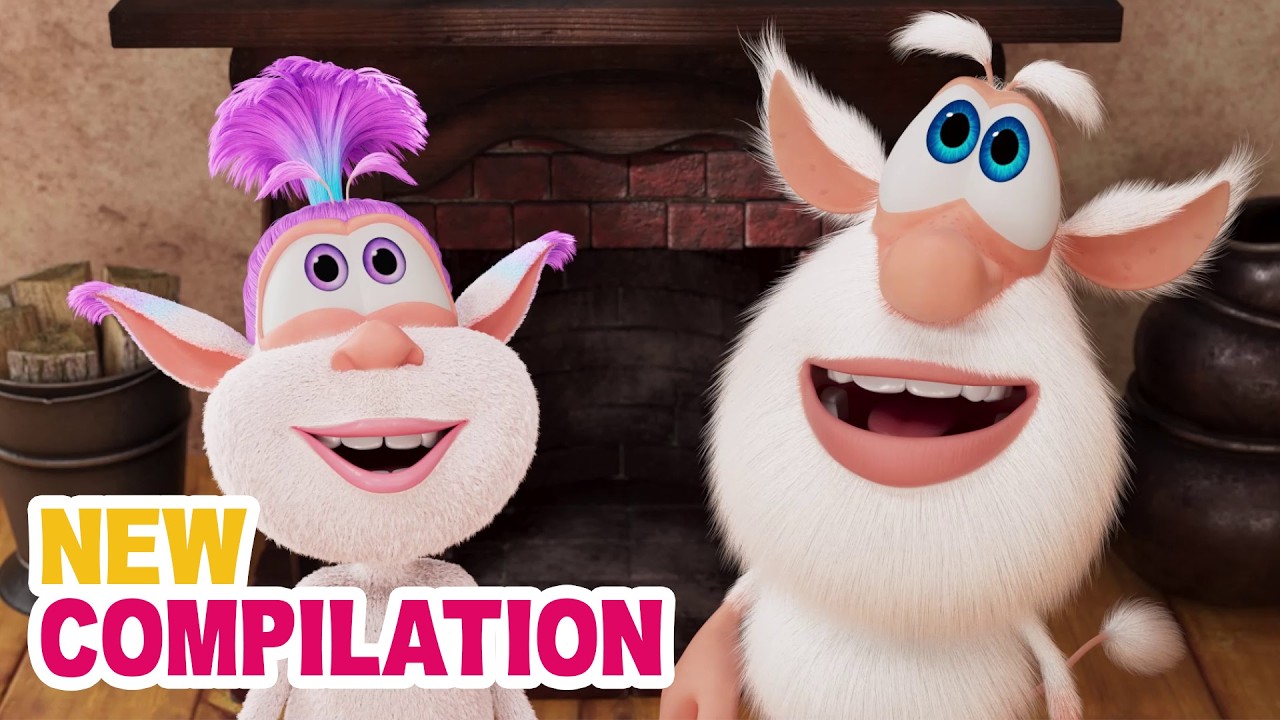
Booba is a popular animated character loved by young children around the world. Unlike traditional cartoons with heavy dialogue, Booba relies on visual storytelling, expressions, and playful exploration. This unique style makes Booba especially effective in encouraging curiosity in young minds. Children naturally feel connected to Booba’s sense of wonder, which motivates them to observe, explore, and ask questions about the world around them. Curiosity is one of the most important skills in early childhood development. When children are curious, they learn faster, think deeper, and develop a lifelong love for learning. Booba plays a significant role in nurturing this curiosity through simple yet powerful storytelling. Why Curiosity Is Important for Young Children: Curiosity is the driving force behind learning. It encourages children to explore new ideas, understand cause and effect, and develop problem-solving skills. Curious children are more likely to ask questions, experiment, and stay engaged in learning activities. Developing curiosity at an early age helps children: Build critical thinking skills Improve attention and focus Enhance creativity and imagination Develop independence in learning Strengthen cognitive development Booba’s cartoon style aligns perfectly with how young children naturally learn—through observation and exploration. How Booba’s Visual Storytelling Sparks Curiosity: Booba cartoons use minimal or no spoken language, which encourages children to focus on actions rather than words. This visual storytelling pushes kids to observe closely and interpret what is happening on screen. When Booba interacts with everyday objects in unexpected ways, children become curious about outcomes. They begin thinking: What will happen next? Why did that happen? What is Booba trying to do? This constant engagement keeps young minds active and curious. Exploration of Everyday Objects: One of Booba’s strongest features is how he explores ordinary household items in creative ways. Simple objects like boxes, utensils, or toys become sources of adventure. This teaches children that learning does not always require complex tools. Everyday surroundings are full of opportunities for exploration. Kids start imitating Booba by experimenting with objects safely, which strengthens curiosity-driven learning. Encouraging Cause and Effect Thinking: Booba cartoons often show actions followed by immediate consequences. When Booba presses a button, pulls a lever, or mixes things, something happens. This helps children understand cause and effect relationships, which are essential for cognitive development. Kids begin to predict outcomes and test their assumptions, a key part of scientific thinking and problem-solving. Non-Verbal Learning and Observation Skills: Because Booba relies heavily on expressions, gestures, and movement, children sharpen their observation skills. They learn to read emotions, understand reactions, and interpret situations without spoken explanations. This strengthens: Visual perception Emotional understanding Attention to detail Concentration These skills are directly linked to curiosity, as observant children naturally want to know more. Freedom to Think Without Instructions: Unlike many educational cartoons that give direct instructions, Booba allows children to think independently. There are no obvious answers or explanations given. This open-ended style encourages children to: Form their own ideas Interpret situations differently Explore multiple possibilities Such freedom is essential for nurturing creative curiosity in young minds. Emotional Engagement Builds Interest: Booba’s expressive face and playful reactions create strong emotional connections with children. When kids emotionally connect with a character, they become more invested in what happens next. This emotional engagement keeps curiosity alive, making children eager to watch, learn, and explore further. How Parents Can Use Booba to Encourage Curiosity: Parents can turn Booba cartoons into meaningful learning moments by engaging actively with their children. Simple actions can increase the learning impact: Ask children what they think Booba is doing Encourage them to guess what might happen next Relate Booba’s actions to real-life situations Let children recreate safe experiments inspired by Booba These interactions help children express curiosity verbally and confidently. Benefits of Booba for Early Childhood Development: Booba supports several areas of early development, including: Curiosity and exploration Problem-solving skills Imagination and creativity Observation and focus Emotional understanding Because Booba uses simple visuals and slow pacing, it is especially suitable for preschool and early learners. Choosing the Right Balance of Screen Time: While Booba is beneficial, balanced screen time is important. Parents should ensure children also engage in physical play, reading, and real-world exploration. When used mindfully, Booba cartoons can enhance curiosity without overstimulation, making screen time productive and educational. Long-Term Impact of Curiosity-Based Learning: Children who grow up curious tend to perform better academically and socially. They become confident learners who enjoy discovering new things. By encouraging curiosity through cartoons like Booba, parents lay a strong foundation for: Lifelong learning Independent thinking Adaptability Creativity Conclusion: How Booba encourages curiosity in young minds is a perfect example of learning through simplicity. With visual storytelling, playful exploration, and emotional engagement, Booba naturally stimulates curiosity without pressure or instruction. When parents guide children thoughtfully, Booba becomes more than a cartoon—it becomes a tool for developing curious, confident, and creative young learners. Used wisely, Booba helps children explore the world with wonder and excitement, one small discovery at a time.
Top 20 Fun Facts About Cartoons Kids Will Enjoy
Get ready for a behind-the-scenes peek into the colorful, wacky, and amazing world of cartoons! These fun facts will make you see your favorite shows in a whole new way. 1. The First Cartoon Star Was a Dinosaur : Before Mickey Mouse, there was Gertie! Gertie the Dinosaur, made in 1914, was one of the very first cartoon characters with a real personality. She could listen to commands and even cried when scolded! 2. Cartoon Characters Often Have 4 Fingers : Look at the hands of Mickey Mouse, Homer Simpson, or SpongeBob SquarePants. Many are drawn with only four fingers (three fingers and a thumb). It’s a tradition from old animation because it’s faster to draw and looks just as good on screen! 3. Some Cartoons Are Made from Thousands of Drawings : A one-minute scene in a hand-drawn cartoon can need over 1,400 separate drawings! That’s why big teams of artists work together to bring your favorite half-hour show to life. 4. Voice Actors Often Record Alone : You might think the actors who play best friends in a cartoon record together, but they usually record their lines alone in a sound booth, talking to a microphone. Later, editors mix their voices to make it sound like a conversation! 5. Cartoon Food is Often Made of Plastic or Glue : In stop-motion cartoons (like Wallace & Gromit), real food would wilt and look bad under hot lights. So, chefs and artists make fake food from colored glue, cotton balls, or plastic that looks delicious on camera. 6. Bugs Bunny’s Famous Line Was a Mistake : When Bugs Bunny first said, “What’s up, Doc?” in 1940, the animator just put in a silly line. It was so funny that it became his catchphrase forever! 7. SpongeBob’s Laugh is a Real Sea Creature : That iconic, silly laugh of SpongeBob SquarePants? The sound editor, Tom Kenny (who also voices SpongeBob), actually made that sound by recording a dolphin's chatter and then editing it to sound even goofier! 8. Many Cartoon Towns Are Based on Real Places : The town in Scooby-Doo looks a lot like a California beach city. The Simpsons’ Springfield is a mix of many small American towns. Animators often use real places for inspiration. 9. “Steamboat Willie” Wasn’t Mickey’s First Cartoon : Steamboat Willie (1928) is famous as Mickey Mouse’s debut, but two other Mickey cartoons were made first. Steamboat Willie was just the first one released to the public because it had synchronized sound, which was brand new and exciting! 10. Cartoon Characters Blink Slowly on Purpose : Animators make characters blink slowly and less often than real people. Why? Because blinking too much can make a character look nervous or shifty. A slow blink makes them seem more friendly and relatable. 11. Some Cartoons Use “Smear Frames” for Speed : When a character runs super fast, animators sometimes add a single, crazy-looking stretched-out drawing called a “smear frame.” You barely see it, but it tricks your brain into feeling the speed! 12. Winnie the Pooh’s Red Shirt Has a Funny Reason : In the original books, Winnie the Pooh was naked! He got his famous red shirt when he was animated because the filmmakers thought a completely naked bear might look odd on screen. 13. Cartoon Sound Effects Come from Weird Places : That “boing” sound of a spring? It’s often a real metal slinky. The sound of a sword being pulled out? It’s actually two metal plates being rubbed together in a studio. Sound artists are very creative! 14. The First Full-Color Cartoon Was About Flowers : Flowers and Trees, made by Disney in 1932, was the first cartoon in full Technicolor. It won the very first Academy Award for Best Cartoon! 15. Cartoon Dogs Often Have the Same Voice Actor : A man named Frank Welker has voiced hundreds of cartoon animals! He’s the voice of Scooby-Doo’s laugh and bark, Fred Jones’s dog in Scooby-Doo, Abu in Aladdin, and Curious George. He’s a master of funny animal sounds! 16. Animators Study Real-Life Movements : To make cartoon movements look real (even in silly ways), animators often watch videos of people and animals or even act out scenes themselves in front of a mirror. It’s part of their homework! 17. Some Cartoons Are Controlled by Math : In computer animation, things like how hair blows in the wind, how water splashes, or how a crowd moves are often created using special math formulas and physics simulations inside the computer. It’s like a super-smart video game engine! 18. The Longest-Running Cartoon is… : The Simpsons! It first started in 1989 and is still making new episodes. It holds the world record for the longest-running primetime animated TV show. 19. Early Cartoons Were Shown in Movie Theaters : Before TV, people went to the movie theater to watch the news, a main movie, AND a brand-new cartoon short! Cartoons like Tom and Jerry and Looney Tunes were made for the big screen. 20. You Can See Hidden Animators in Cartoons : Sometimes animators sneak their own names, or even drawings of themselves, into the background of a scene as a fun Easter egg. Next time you watch, look carefully at signs in the background or crowd scenes! Conclusion: A World of Wonder and Hard Work : Cartoons are a magical mix of silly ideas, amazing art, clever technology, and a whole lot of hard work. Every frame, sound effect, and funny line is made with love by teams of creative people who want to make you smile. So the next time you watch, remember—you’re not just being entertained, you’re seeing a masterpiece of imagination in motion!