Booba Silent Comedy: Why It Works for Every Culture

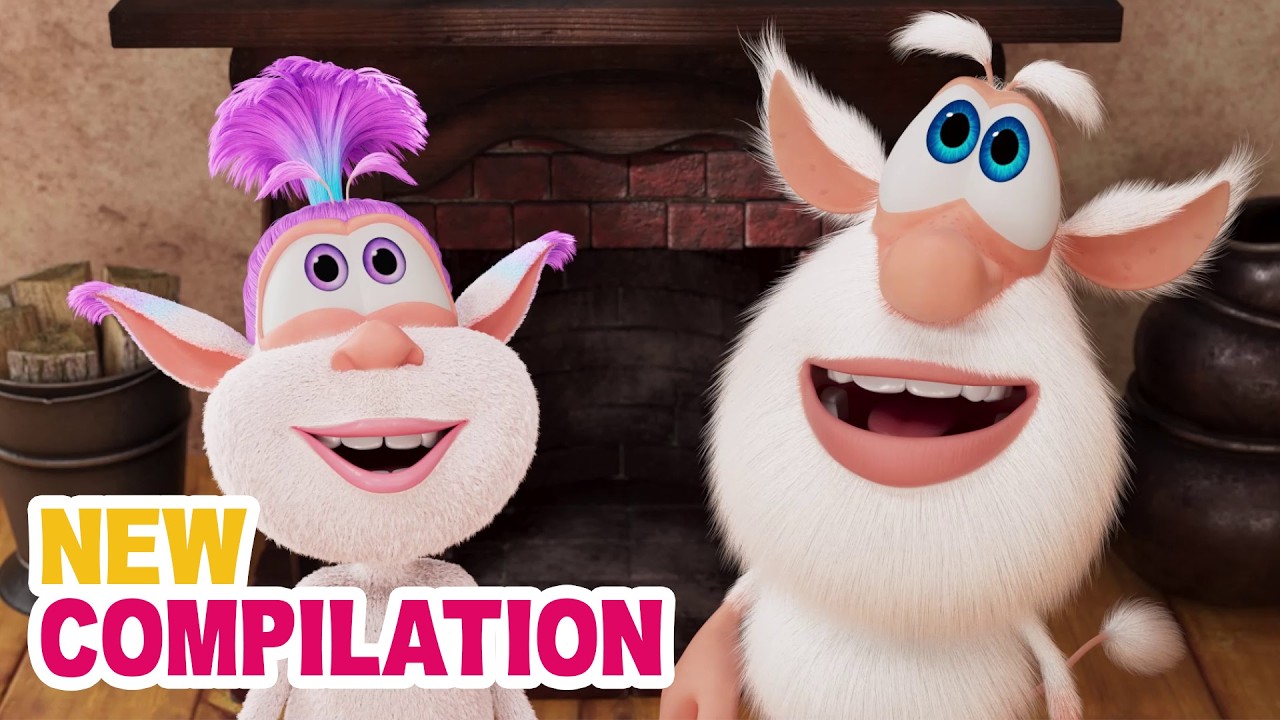
Booba is a universally loved cartoon character, and one of the biggest reasons for his global popularity is his silent comedy style. Unlike many other shows that rely on dialogue or language-specific jokes, Booba communicates entirely through visual humor, expressions, and playful actions.

This unique approach allows children and families from every culture and language background to enjoy the content equally. In this article, we explore why Booba’s silent comedy works so well worldwide, the psychological reasons behind it, and the benefits for kids.


1. Visual Humor is Universal:

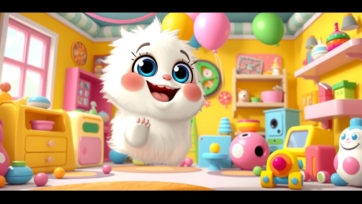
Silent comedy relies on visual cues, exaggerated gestures, and facial expressions. Booba’s large eyes, open mouth, and dramatic reactions make it instantly clear what he is feeling or doing.

Why it works for every culture:

  • No need for language comprehension

  • Humor is instantly understandable

  • Children and adults can laugh together

Example: Booba slipping on a toy or reacting to a bouncing ball is funny in any country, regardless of spoken language.


2. Easy for Kids to Follow:

Young children, especially ages 2–7, often cannot fully understand dialogue-heavy shows. Booba’s silent comedy is:

  • Simple to follow

  • Engaging through action and movement

  • Fun without requiring reading or listening skills

Psychological Impact:
Children develop attention, observation, and comprehension skills while enjoying the show.


3. Cross-Cultural Appeal:

Booba’s silent comedy removes cultural barriers. There are no jokes that depend on specific language, slang, or cultural references.

Why this matters:

  • Children worldwide can enjoy the same humor

  • Parents can introduce Booba to multilingual households

  • Episodes are universally shareable

Example: A Japanese child and a Brazilian child can laugh at the same scene, even without translation.


4. Encourages Emotional Understanding:

Silent comedy emphasizes emotions through expression, which helps children recognize and understand feelings.

Why it’s effective globally:

  • Smiling, laughing, surprise, or frustration is universally recognized

  • Children learn empathy and emotional awareness

  • Language differences do not hinder emotional learning

Example: Booba reacting with surprise to a falling object teaches children that unexpected events can be funny and safe.


5. Promotes Imaginative Play:

Booba often turns ordinary objects into playful adventures. Silent storytelling encourages children to imagine the story themselves, rather than relying on dialogue.

Educational Value:

  • Encourages creativity

  • Develops imagination

  • Kids can invent their own explanations for Booba’s actions

Example: A cardboard box becomes a car, spaceship, or hiding place—all interpretable differently by children in different cultures.


6. Humor Without Conflict:

Booba’s comedy is always safe, light-hearted, and non-violent. There are no culturally sensitive jokes or language-based misunderstandings.

Why this matters:

  • Safe for all children

  • Parents feel comfortable letting kids watch

  • Humor is inclusive and universally enjoyable

Example: Booba falling into a pile of pillows or chasing bubbles is funny without being harmful or offensive.


7. Short Episodes Suit Short Attention Spans:

Most Booba episodes are short, fast-paced, and action-packed, which suits children with limited attention spans.

Global benefit:

  • Engaging for children everywhere

  • No need for long explanations or cultural context

  • Encourages repeated viewing, which reinforces learning

Psychological Impact:
Short, repetitive episodes help children develop memory and observational skills.


8. Builds Early Cognitive Skills:

Silent comedy stimulates problem-solving, pattern recognition, and cause-and-effect learning. Children watch Booba try, fail, and succeed at small challenges.

Why it transcends culture:

  • Skills are universal

  • Children learn through action, not words

  • Enhances early cognitive development globally

Example: Booba experimenting with a rolling ball teaches persistence and observation in every culture.


9. Multi-Generational Entertainment:

Because Booba is silent, adults can enjoy the humor too. Families around the world can watch together without needing translation.

Why it works cross-culturally:

  • Promotes shared entertainment

  • Strengthens family bonds

  • Humor is universally appealing

Example: Parents laugh along while toddlers are entertained, creating a shared viewing experience.


10. Supports Early Language and Observation:

While Booba doesn’t speak, the silent comedy style enhances children’s listening, observation, and storytelling skills.

Benefits:

  • Children can describe what they see in their own words

  • Supports language development indirectly

  • Encourages active engagement rather than passive watching

Example: A child explaining Booba’s adventure to a friend or parent strengthens communication skills.


Final Thoughts:

Booba’s silent comedy is more than just entertainment—it’s a universal, cross-cultural tool for learning, creativity, and fun. Children worldwide can enjoy Booba without language barriers while developing curiosity, problem-solving skills, emotional awareness, and imaginative play.

The genius of Booba lies in its simplicity: funny, safe, and universally relatable.

Advertisement
Why Cartoons Are Important for Childhood Development: A 2025 Perspective
In an era dominated by debates over screen time, it's easy to overlook a fundamental truth: high-quality cartoons are not merely digital babysitters. When chosen intentionally, they are a vibrant, dynamic tool that can significantly contribute to a child's cognitive, social, and emotional growth. This 2025 guide moves beyond the screen-time clock to explore the multifaceted developmental benefits of thoughtful cartoon viewing. Beyond Entertainment: Cartoons as a Developmental Tool : Modern, well-crafted cartoons are designed by teams of artists, writers, and often child development experts. They are complex narratives that do far more than fill time; they provide a shared cultural language and a safe space to explore big ideas. 1. Cognitive & Language Development: Building a Smarter Brain : Cartoons can actively stimulate young minds in powerful ways. Vocabulary Expansion: Children's programming often introduces a richer vocabulary than everyday conversation. Narratives expose them to new words, concepts (like "gravity," "habitat," "emerge"), and linguistic structures in a memorable, contextualized way. Foundation for Literacy: The sequence of events in a plot teaches story structure—beginning, middle, end, cause and effect. This is a direct precursor to reading comprehension. Shows with on-screen text or wordplay reinforce letter and sound recognition. Executive Function: Many cartoons pose problems that characters must solve. Watching them model planning, perseverance, and flexible thinking ("That didn't work, try something else!") helps children internalize these critical cognitive skills. Cultural & General Knowledge: Cartoons can be a child's first window into history, geography, science, and different cultures, making learning visceral and engaging. 2. Social & Emotional Learning (SEL): The School of Feelings : Cartoons provide a "social simulator" where children can safely observe and process complex interpersonal dynamics. Empathy & Perspective-Taking: By identifying with characters, children learn to recognize and label emotions—not just their own, but those of others. They see the consequences of kindness, sharing, and hurtful actions in a low-stakes environment. Navigating Social Scenarios: Storylines often revolve around friendship conflicts, teamwork, jealousy, and reconciliation. Children absorb scripts for social problem-solving they can apply in their own lives. Resilience & Coping: Characters face fears, make mistakes, and experience disappointment. Seeing them cope in healthy ways provides models for emotional regulation and resilience. Representation & Identity: Seeing characters who look like them or share their experiences validates a child's own identity. Seeing diverse characters builds understanding and inclusivity from a young age. 3. Creativity & Imaginative Play: Fuel for the Inner World : The vibrant, rule-bending worlds of animation are potent fuel for a child's imagination. Spark for Pretend Play: Cartoons provide characters, scenarios, and worlds that children eagerly recreate in their own play, building narratives, dialogue, and problem-solving in real-time. Visual Creativity: The unique art styles of different cartoons expand a child's visual library and can inspire their own drawing, building, and creative expression. "What If" Thinking: Animated worlds often operate on different logic, encouraging divergent thinking and the exploration of possibilities beyond the real world. 4. The Family Connection: A Shared Cultural Experience : Cartoons create common ground for connection and conversation. Co-Viewing as Bonding: Watching together is shared joy. It's an opportunity to laugh, gasp, and experience a story as a team. Springboard for Big Talks: A character's dilemma can be the perfect, non-threatening entry point to discuss real-life issues like bullying, honesty, or frustration. Parents can ask, "What would you have done?" Building Family Lore: Favorite shows, quotes, and characters become part of a family's shared language and inside jokes, strengthening bonds. The Critical Caveat: Not All Cartoons Are Created Equal : These benefits are contingent on quality, age-appropriateness, and context. The Quality Spectrum: A slow-paced, character-driven show about cooperation is neurologically different from a hyper-fast, violent comedy clip. Seek out animation that prioritizes story and character. The Co-Viewing Factor: The benefits are magnified exponentially when an adult is present to discuss, explain, and connect the on-screen events to the child's world. This "mediated viewing" transforms passive consumption into active learning. Balance is Non-Negotiable: Cartoons should be a part of a rich developmental diet that includes physical play, real-world exploration, reading, and unstructured downtime. Choosing Developmentally Positive Cartoons in 2025: A Quick Guide : For Toddlers (2-4): Look for slow pacing, simple narratives, and gentle humor. Focus on shows that label emotions and objects clearly. For Preschoolers (4-6): Seek out shows that model social problem-solving, empathy, and curiosity. Slightly more complex plots are appropriate. For School-Age (6-10): Cartoons can explore more complex themes of friendship, ethics, and persistence. This is a great age for shows that introduce STEM concepts or historical events in an engaging way. Conclusion: Intentional Viewing as a Parenting Strategy : The question in 2025 is not "Should my child watch cartoons?" but "How can we make this screen time meaningful?" By moving from seeing cartoons as mere entertainment to recognizing them as a potential catalyst for discussion, learning, and connection, we reclaim their value. A well-chosen cartoon, watched together and talked about afterward, is not a developmental compromise—it can be a legitimate and valuable tool in the modern parenting toolkit, nurturing a child's mind and heart in equal measure.
How Teach Kids Honesty, Respect and Kindness
Teaching children important values like honesty, respect, and kindness is one of the most essential parts of early education. In today’s digital age, one of the most effective ways to instill these values is through animated stories. These stories use colorful visuals, engaging characters, and interactive storytelling to help children understand moral lessons while keeping them entertained. In this article, we will explore how animated stories teach honesty, respect, and kindness, why they are effective for young children, and how parents and teachers can use them in everyday life. ⭐ Why Animated Stories Are Effective for Teaching Values: Children learn best when they are emotionally engaged. Animated stories provide a rich combination of visuals, audio, and storytelling, which makes learning values easier. Key reasons why animated stories work include: 1. Visual Learning: Young children often think in pictures. Animated characters, bright colors, and expressive faces help children remember lessons better than lectures or written stories. 2. Relatable Characters: Stories with animals, children, or fantasy characters allow kids to relate and see the consequences of actions in a safe and fun way. 3. Story-Based Morals: Children learn values like honesty, respect, and kindness naturally when they see characters experiencing real-life situations and solving problems. 4. Repetition Reinforces Learning: Animated stories often repeat key messages through songs, dialogue, or narration. This repetition strengthens memory and understanding. 5. Fun and Interactive Many modern animated stories encourage children to participate, answer questions, or make choices. This engagement deepens comprehension of the values being taught. ⭐ Core Values Taught Through Animated Stories: 1. Honesty: Honesty is one of the most important traits children need to develop. Animated stories about honesty often show characters who tell the truth and face challenges but ultimately gain trust and respect.Example themes: A lost toy returned to its owner A character admitting a mistake at school Storylines where lying causes small consequences, teaching cause and effect 2. Respect: Respect for others, elders, and the environment can be taught through animation in a gentle, engaging way.Example themes: Characters helping friends, teachers, or family members Learning to listen before speaking Respecting nature, animals, and shared spaces 3. Kindness: Kindness encourages empathy and compassion. Animated stories can illustrate small acts of kindness and their positive effects.Example themes: Helping a neighbor or friend in need Sharing toys or snacks with classmates Comforting someone who is sad or lonely ⭐ Popular Types of Animated Stories for Moral Learning: 1. Animal Characters: Animals are a favorite choice because children naturally love them and learn life lessons without feeling judged. A rabbit learning to share A fox realizing honesty brings friends 2. Everyday Life Stories: Stories set in school, home, or playgrounds teach practical life lessons. Saying “sorry” after making a mistake Helping someone who fell in the playground 3. Fantasy and Adventure Stories: Children enjoy magic, superheroes, or fairy tales, and these stories can embed moral lessons subtly. A superhero who always tells the truth Magical friends teaching respect for everyone 4. Short Songs and Rhymes: Songs with morals help children memorize values. “Sharing is caring” song with animated characters Rhymes that teach honesty and kindness ⭐ Benefits of Using Animated Stories for Moral Education: 1. Builds Strong Character: Early exposure to values like honesty, respect, and kindness builds strong character and positive behavior patterns. 2. Improves Social Skills: Children learn how to interact politely with friends, family, and teachers. They understand empathy, fairness, and cooperation. 3. Encourages Emotional Intelligence: By seeing characters express feelings and solve conflicts, children learn to identify, understand, and manage their emotions. 4. Makes Learning Fun: Animated stories make moral education enjoyable, which is crucial for preschoolers and early learners who have short attention spans. 5. Ideal for Homeschooling: Parents can integrate animated moral stories into their daily routine, reinforcing values in a playful and stress-free way. ⭐ Tips for Parents and Educators: ✔ 1. Discuss the Story: After watching, ask children questions like: “Why was honesty important?” or “How did kindness help the character?” ✔ 2. Role-Playing: Encourage children to act out parts of the story, reinforcing the lessons through practice. ✔ 3. Use Real-Life Examples: Connect animated stories to everyday situations. For example, relate a story about sharing to a sibling or friend. ✔ 4. Repeat Key Messages: Repetition is key. Watch the stories multiple times and emphasize the main values in conversations. ✔ 5. Combine with Books and Activities: Use books, puzzles, and crafts to complement animated stories and strengthen learning. Conclusion: Animated stories about honesty, respect, and kindness are a powerful and engaging way to teach children essential life values. They combine storytelling, music, bright visuals, and relatable characters to make learning fun and memorable. By incorporating these animated stories into daily routines, parents and educators can help children develop strong character, empathy, and social skills. Teaching moral values early ensures that children grow into responsible, caring, and respectful individuals. With the help of animated moral stories, learning honesty, respect, and kindness becomes an enjoyable adventure rather than a lesson.
Why Non-Verbal Cartoons Are Good for Language Learning
Non-verbal cartoons—funny, expressive animated characters that don’t speak—are incredibly popular with children. Beyond entertainment, they can also support language development and early literacy skills in young learners. This guide explains how non-verbal cartoons help children learn language, develop communication skills, and enhance comprehension, even without dialogue. How Non-Verbal Cartoons Support Language Learning: Focus on Visual Cues Children pay attention to gestures, facial expressions, and actions, which teach meaning without words. Helps them understand context and emotion, key elements of language comprehension. Encourages Storytelling Skills Kids can describe what is happening in their own words, enhancing vocabulary and sentence formation. Promotes narrative skills by encouraging children to recreate or extend the story. Boosts Observation and Comprehension Non-verbal storytelling requires children to connect events logically, improving understanding and sequencing skills. Enhances attention to detail, a critical skill for reading and listening comprehension. Practical Ways to Use Non-Verbal Cartoons for Language Learning: 1. Ask Children to Narrate the Story Pause the episode and ask: “What do you think happens next?” Encourage full sentences and creative descriptions. Helps expand vocabulary and language structure. 2. Role-Play Scenes Children can act out the characters’ actions. Encourage them to use words to describe what they are doing, practicing verbal communication. 3. Draw or Write About the Episode Drawing scenes or writing short descriptions reinforces story comprehension and vocabulary. Older kids can write mini-stories inspired by the episode, connecting words with visual cues. 4. Use as a Prompt for Conversation Ask open-ended questions: “Why do you think the character did that?” “How would you feel in that situation?” Encourages discussion, critical thinking, and emotional vocabulary. Benefits of Non-Verbal Cartoons for Language Learning: Vocabulary Development: Kids learn words by describing actions, objects, and emotions. Sentence Formation: Encourages proper sentence structure and verbal expression. Narrative Skills: Enhances storytelling ability and logical sequencing. Listening and Observation: Teaches children to interpret meaning from context. Cross-Cultural Learning: Non-verbal cartoons can be understood by children of any language background, promoting inclusivity. Tips for Parents: Choose Age-Appropriate Episodes: Focus on simple, clear actions and expressive characters. Encourage Active Engagement: Ask children to explain, describe, or act out scenes. Combine With Hands-On Activities: Drawing, crafts, or role-play extends the learning experience. Praise Participation: Celebrate attempts at storytelling and description to build confidence. Repeat Viewing: Re-watching episodes reinforces comprehension and vocabulary. Final Thoughts: Non-verbal cartoons are a fun, interactive, and effective way to support early language development. By encouraging children to observe, narrate, act, and create, parents can turn passive viewing into an active language learning experience, enhancing vocabulary, storytelling, and comprehension skills.
Best Kids Safety Cartoon in 2025
Keeping children safe is a top priority for every parent. In 2025, kids safety cartoon videos have become an effective way to teach toddlers and preschoolers home safety, road safety, and general precautions in a fun, engaging, and memorable way. Animated safety videos use colorful visuals, relatable characters, and storytelling to convey important lessons without being scary or overwhelming. This guide explores the benefits of safety cartoons, top series for children in 2025, and tips for parents to reinforce learning. Why Safety Cartoon Videos Are Important: Young children are naturally curious, which can put them at risk if they do not understand basic safety rules. Safety cartoons help by: Teaching essential safety skills: Home safety, road safety, and stranger awareness. Providing visual examples: Demonstrates safe behavior step by step. Promoting memory and recall: Repetition and catchy songs make rules easy to remember. Encouraging discussion: Parents and children can talk about what was learned. Making learning fun: Children perceive lessons as entertaining, not boring. Animated characters model correct behaviors, helping toddlers imitate and internalize safety habits naturally. Key Safety Lessons in Kids Cartoon Videos: 1. Home Safety: Avoid touching sharp objects, hot surfaces, or electrical outlets. Keep small objects away from toddlers to prevent choking. Demonstrate safe ways to climb stairs, use furniture, and play indoors. 2. Road Safety: Look both ways before crossing the street. Always hold an adult’s hand near traffic. Wear helmets while riding bikes or scooters. Follow traffic lights and pedestrian rules. 3. Stranger Awareness: Teach children not to go with strangers. Explain safe ways to seek help when lost. 4. Emergency Awareness: How to call for help (parents, guardians, emergency numbers). Stay calm and wait in a safe spot during emergencies. Top Kids Safety Cartoon Series in 2025: 1. Safety with Zoya: Zoya is a cheerful character who teaches home and road safety in an entertaining way. Highlights: Animated songs and repetition reinforce learning. Demonstrates safety routines through fun storytelling. Ideal for toddlers and preschoolers aged 3–7. 2. Booba Safety Adventures: Booba’s curiosity leads to situations where children learn safety rules through observation. Benefits: Non-verbal storytelling suitable for all languages. Engages children in identifying safe and unsafe actions. Perfect for young learners exploring their environment. 3. Super Simple Safety Songs: Combines nursery rhymes with safety lessons. Learning focus: Road safety songs like “Stop, Look, and Listen.” Home safety rhymes for brushing teeth, washing hands, and using toys safely. Reinforces memory through music and repetition. 4. Little Hero Safety Stories: Mini-stories teach children how to stay safe, act responsibly, and help others in emergencies. Key lessons: Fire safety and first aid basics Crossing streets safely Asking for help from trusted adults 5. Safe Friends Adventures: Animal characters demonstrate safety rules through fun situations. Learning benefits: Teaches sharing, cooperation, and hazard awareness. Introduces basic science and safety concepts in playful stories. Suitable for preschool and early school-age children. How Parents Can Maximize Learning: Parents can help children internalize safety lessons from cartoons by: Watching together: Discuss each scenario and ask questions like, “What should we do next?” Role-playing: Practice crossing streets, emergency drills, or safe indoor play. Repeating favorite episodes: Repetition helps toddlers remember important rules. Reinforcing in daily life: Praise children when they follow safety habits at home or outside. Interactive quizzes: Ask simple questions after watching videos to reinforce learning. Balance screen time: Short, focused episodes work best for toddlers. Recommended Kids Safety Cartoon Videos for 2025: Safety with Zoya – Home and road safety lessons Booba Safety Adventures – Observation and hazard awareness Super Simple Safety Songs – Nursery rhymes with safety themes Little Hero Safety Stories – Fire, emergency, and first aid lessons Safe Friends Adventures – Animal characters teaching safety These animated videos make learning safety engaging, fun, and practical, helping children adopt good habits that protect them in everyday life. Final Thoughts: Kids safety cartoon videos are a powerful tool for teaching toddlers and preschoolers essential safety skills. In 2025, animated series combine storytelling, music, and colorful visuals to make learning fun, memorable, and effective. Parents can enhance learning by: Watching together and discussing lessons Practicing safety routines in real life Reinforcing rules through role-play and repetition With the right safety cartoons, screen time becomes educational, giving children practical knowledge that helps them stay safe, confident, and responsible in everyday situations. Tip for Parents: Encourage children to demonstrate safety rules learned from cartoons, which improves retention and practical application.
What to Do If Your Child Watches Too Much YouTube
YouTube is a popular platform for children, offering educational videos, cartoons, and entertainment. However, excessive screen time can affect a child’s sleep, behavior, learning, and social skills. Parents need to find a balance between allowing educational content and preventing overuse, ensuring that YouTube remains a safe and beneficial resource. Excessive YouTube viewing can lead to passive consumption, reduced physical activity, and attention difficulties. Understanding why children watch too much and implementing strategies to manage screen time is essential for healthy development. Signs Your Child is Watching Too Much YouTube: Parents should be aware of these signs: Spending hours on the platform without breaks Ignoring meals, homework, or outdoor play Irritability or mood changes when screen time is limited Difficulty focusing on other tasks Preferring YouTube over social interaction or creative play Recognizing these signs early allows parents to intervene before negative effects increase. Set Clear Screen Time Limits: One of the most effective strategies is to establish daily screen time rules: Use device settings or parental control apps to enforce limits Schedule screen time after homework or physical activity Encourage a balance of educational and recreational content Start with reasonable limits (e.g., 30–60 minutes for preschoolers) Clear rules help children develop self-discipline and healthy viewing habits. Curate Safe and Educational Content: Instead of blocking YouTube completely, parents can guide children to age-appropriate content: Use YouTube Kids for controlled, child-friendly content Create playlists of educational videos and cartoons Discuss video topics and encourage learning beyond the screen Remove channels that contain violence, inappropriate language, or ads Curated content ensures children gain value from screen time while avoiding harmful material. Encourage Alternative Activities: To reduce overreliance on YouTube, parents should promote alternative activities: Reading books or listening to audiobooks Outdoor play and physical exercise Arts, crafts, and building projects Music, dance, and interactive learning games Balancing screen time with active, creative, and social activities supports overall development. Co-Viewing and Engagement: Parents can enhance learning and monitoring by watching with their children: Discuss what they are watching Ask questions about the content to encourage critical thinking Relate lessons from videos to real-life experiences Praise positive behavior and creativity inspired by videos Co-viewing ensures that children engage thoughtfully rather than passively consuming content. Set Up Device and App Controls: Many devices and apps allow parents to control usage and monitor activity: Enable screen time limits and device lock features Use parental controls to restrict content and track viewing Block or restrict channels with inappropriate content Adjust settings to prevent autoplay and endless video feeds These tools provide structured, safe, and manageable YouTube usage. Talk About Healthy Habits: Communication is key in helping children develop self-regulation: Explain why limits exist and the benefits of balance Encourage children to suggest alternative fun activities Set a routine for screen-free times (e.g., before bed, mealtimes) Model healthy media habits as a parent This teaches children to self-monitor and make responsible choices regarding screen time. Benefits of Controlled YouTube Usage: When YouTube usage is managed effectively: Children gain educational and creative benefits Screen time does not interfere with social or physical development Children develop critical thinking and media literacy Parents maintain peace of mind regarding online safety Controlled usage allows children to enjoy the benefits of digital content while minimizing potential risks. Conclusion: If your child watches too much YouTube, it’s essential to establish limits, curate content, and encourage alternative activities. By combining technology, engagement, and communication, parents can ensure that YouTube becomes a safe, educational, and enjoyable resource rather than a source of overexposure. Healthy screen habits foster learning, creativity, and balanced growth, preparing children for responsible digital consumption in the future.
Best Booba Episodes for Toddlers (1–3 Years)
Toddlers between the ages of 1 and 3 experience the world very differently from older children. Their brains are developing rapidly, their attention span is short, and they respond most strongly to bright colors, simple actions, and clear emotions. This is where Booba becomes an ideal cartoon choice. Booba episodes are specially loved by toddlers because they are simple, safe, colorful, and visually expressive. In this guide, we explore the best Booba episodes for toddlers (1–3 years) and explain why these episodes are perfect for early childhood viewing. Why Booba Is Perfect for Toddlers: Before listing the episodes, it’s important to understand why Booba works so well for this age group. Toddlers need: Visual storytelling (not complex dialogue) Repetition and predictability Bright, high-contrast colors Gentle humor without fear Short and engaging content Booba delivers all of these naturally, making it one of the safest and most engaging cartoons for toddlers. Top Booba Episodes for Toddlers (1–3 Years): 1. Booba and Bubbles This episode is a toddler favorite. Floating bubbles instantly grab attention, and Booba’s attempts to catch and pop them create endless giggles. Why it’s perfect for toddlers: Slow, clear movements Bright shiny bubbles Simple cause-and-effect learning Toddler benefit: Visual tracking and hand-eye coordination. 2. Booba and the Ball In this episode, Booba plays with a colorful ball that rolls, bounces, and escapes him. Why toddlers love it: Repetitive motion Bright primary colors Easy-to-follow action Toddler benefit: Understanding movement and basic physics through play. 3. Booba in the Bedroom Booba explores pillows, blankets, and soft toys. The calm environment makes this episode ideal for very young children. Why it works for ages 1–2: Soft objects Gentle humor Familiar home setting Toddler benefit: Comfort, emotional safety, and recognition of daily surroundings. 4. Booba and the Toy Box A box full of toys becomes a mini adventure. Toys fall out, make sounds, and surprise Booba. Why toddlers enjoy it: Surprise elements without fear Bright toy colors Simple exploration Toddler benefit: Curiosity and sensory stimulation. 5. Booba and Music Sounds This episode focuses on sound-making objects. Booba reacts joyfully to different noises. Why it’s great for toddlers: Clear audio cues Rhythm and repetition Funny reactions Toddler benefit: Early sound recognition and auditory development. 6. Booba and Water Play Booba plays with water in a safe, playful way—splashing, pouring, and reacting to movement. Why toddlers love it: Water fascinates young minds Gentle splashes Clear visual movement Toddler benefit: Sensory awareness and observation skills. 7. Booba and the Box A simple cardboard box becomes a source of endless fun. Booba hides, jumps, and peeks out. Why it’s toddler-friendly: Simple object Repetition Peek-a-boo style humor Toddler benefit: Object permanence and surprise recognition. 8. Booba and Soft Toys Booba interacts with stuffed toys, hugging them and playing gently. Why toddlers feel connected: Familiar comfort objects Calm pace Friendly emotions Toddler benefit: Emotional bonding and empathy. 9. Booba and Lights Booba discovers lights turning on and off, reacting with excitement. Why toddlers are fascinated: Bright visual contrast Immediate cause and effect Toddler benefit: Understanding actions and reactions. 10. Booba’s Happy Dance This episode focuses on movement and dancing. Why toddlers love it: Body movement Fun music Laughing expressions Toddler benefit: Motor skills and body awareness. What Toddlers Learn from These Episodes: Even though Booba is mainly entertainment, toddlers gain valuable early learning skills: Visual focus through movement and colors Emotional recognition through facial expressions Cause-and-effect understanding Motor skill stimulation Curiosity without fear All of this happens naturally, without pressure or complex storytelling. Why Parents Trust Booba for Toddlers: Parents prefer Booba because: No talking means no bad language No violence or scary scenes Short episodes reduce screen overload Calm humor supports positive mood Booba is especially useful for: Quiet time Short breaks Safe screen exposure Screen Time Tip for Parents: For toddlers aged 1–3: Limit screen time Watch together when possible Choose calm episodes Avoid overstimulation Booba’s gentle pacing makes it a better choice than fast, noisy cartoons. Final Thoughts: Booba is one of the best cartoon choices for toddlers because it perfectly matches early childhood psychology. The episodes listed above are ideal for ages 1–3, offering bright visuals, gentle humor, and safe exploration. For parents looking for safe, engaging, and development-friendly entertainment, Booba episodes are a reliable and enjoyable option.
Future of Kids’ Animation: Exciting Trends of 2025
The world of kids' animation is no longer just Saturday morning cartoons. It's a dynamic, fast-evolving landscape where new technology, changing viewing habits, and fresh creative ideas are shaping what the next generation will watch and love. Here’s a look at the key trends defining the future of animation for kids in 2025. 1. Hyper-Personalized & Interactive Stories : Animation is becoming a two-way street. Choose-Your-Own-Adventure Style: Platforms are experimenting with episodes where kids can make choices for the characters (e.g., "Should they go through the red door or the blue door?"), leading to different story outcomes. This boosts engagement and makes them co-creators of the narrative. AI-Assisted Customization: Imagine a show where the main character has your child's name or their favorite color appears in key scenes. While in early stages, AI is beginning to allow for subtle personalization within animated streams. 2. The Rise of "Calmimation" – Slower, Gentler Content : In response to overstimulation, a new genre focused on well-being is booming. Focus on Pacing & Mood: Shows with slower pacing, softer color palettes, and calming soundtracks are being designed to reduce anxiety and promote focus. Think less frenetic slapstick, more thoughtful exploration. Themes of Mindfulness: Plots will increasingly incorporate simple mindfulness, emotional regulation, and kindness as core elements, teaching SEL (Social-Emotional Learning) skills directly through the narrative. 3. Hybrid Techniques – Blending 2D, 3D & Real-World Elements : The lines between animation styles are blurring in exciting ways. 2D Charm with 3D Depth: Many shows use stylized 3D animation that retains the warmth and expressiveness of hand-drawn 2D, often with visible line work and textured, "crafted" feels. Mixed-Media Mashups: It’s becoming more common to see 3D characters interact with photorealistic backgrounds, or live-action kids inserted into animated worlds seamlessly, creating a unique and immersive visual experience. 4. Micro-Content & Vertical Animation : TikTok and YouTube Shorts have changed how kids consume media. Animation Designed for Phones: Studios are creating original, high-quality animated series made specifically for short-form, vertical video platforms. These are fast-paced, loopable, and designed to capture attention in under 90 seconds. Comedy in a Flash: The humor and storytelling are adapting to this ultra-quick format, relying on instant visual gags and concise character expressions. 5. Sustainability as a Core Theme & Production Goal : Eco-consciousness is moving from plot point to production principle. On-Screen Narratives: More stories will center on environmental stewardship, nature connection, and science-based problem-solving related to the planet. Behind the Scenes: Studios are adopting "green" production pipelines, using cloud rendering (which uses renewable energy) and developing tools to reduce the massive computational (and energy) cost of animation. 6. Global Stories, Authentic Voices : The world of animation is becoming as diverse as its global audience. Beyond Western Settings: We'll see a significant increase in shows set in and co-produced by countries across Africa, Asia, and South America, featuring local folklore, landscapes, and cultural nuances. Authentic Representation: There’s a strong push for creative teams (writers, directors, designers) to come from the cultures being portrayed, ensuring authentic and respectful storytelling. 7. The Educational Playground – "Edu-tainment" Gets Smarter : Learning is being woven into entertainment more seamlessly than ever. Stealth Learning: Curricula in coding basics, foundational logic, natural science, and emotional intelligence will be embedded directly into adventure plots and character challenges, not presented as separate "lesson time." Interactive Learning Companions: Animated characters may begin to appear in companion educational apps, breaking the "fourth wall" and encouraging kids to apply lessons from the show in interactive games. 8. AI as a Creative Tool, Not a Replacement : AI is entering the animation studio as a powerful assistant for artists. Inbetweening & Clean-Up: AI tools can handle time-consuming, repetitive tasks like generating in-between frames from an animator's key poses or cleaning up rough line art, freeing up human artists for more creative work. Background Generation & Effects: AI can quickly generate complex background variations or intricate effects (like flowing water or swarming crowds), allowing smaller studios to create visually rich worlds. 9. The "Phygital" Toy Connection : The link between screen and play is becoming more sophisticated. Toys with Digital Avatars: Physical toys (like those from kidtoys.site) will increasingly connect to apps, unlocking exclusive animated content, character backstories, or new abilities in a related game. Augmented Reality (AR) Integration: Shows will have companion AR apps that let kids bring characters into their real-world space through their tablet, blending animated play with physical environments. 10. Nostalgia Reimagined for a New Generation : Classics are getting smart updates. Legacy Characters, Modern Stories: Beloved characters from the 80s and 90s are returning in reboots that maintain their core spirit but update the humor, pacing, and social themes for today's kids and modern animation techniques. Cross-Generational Appeal: These updates are crafted to entertain both kids discovering them for the first time and their parents, fostering shared viewing experiences. Conclusion: A More Immersive, Inclusive & Intentional Future : The future of kids' animation in 2025 is bright, diverse, and thoughtfully designed. It’s moving towards experiences that are not just watched but felt and interacted with. It values calmness as much as comedy, authenticity as much as adventure, and seeks to connect with children on a more personal and global level. For young viewers, this means a richer, more engaging, and wonderfully varied animated world to explore.
Best YouTube Channels for Toddlers
YouTube has become a popular platform for young children, offering fun, educational, and engaging videos. However, parents must ensure that toddlers watch age-appropriate content that promotes learning, creativity, and safe screen time. This guide highlights the best YouTube channels for toddlers, suitable for ages 1–4, and offers tips for parents to make the experience both fun and safe. Why Choosing the Right Channel Matters: Safety First: Toddlers can accidentally access inappropriate content. Educational Value: High-quality channels teach numbers, colors, letters, and basic life skills. Entertainment with Learning: Bright visuals, songs, and playful characters keep toddlers engaged while learning. Interactive Experience: Encourages singing, dancing, and role-playing, enhancing physical and cognitive development. Top YouTube Channels for Toddlers: 1. Tiny Tunes World Focuses on songs, nursery rhymes, and interactive storytelling. Helps toddlers learn language, rhythm, and coordination. 2. Little Learners Club Engaging videos on colors, shapes, numbers, and basic concepts. Short episodes perfect for toddlers’ attention span. 3. Happy Critters TV Fun animated characters teach sharing, friendship, and emotional awareness. Combines humor with social and emotional learning. 4. Giggle Garden Outdoor adventures with toddlers-friendly characters. Encourages exploration, observation, and nature awareness. 5. Playful Pals Features playful characters in creative scenarios. Promotes imagination, role-playing, and problem-solving skills. 6. Fuzzy Friends Fun Short, funny clips designed to entertain and educate. Teaches basic cognitive and social skills while keeping toddlers engaged. Tips for Parents Using YouTube for Toddlers: Enable YouTube Kids: Provides safe, curated content suitable for toddlers. Set Screen Time Limits: Limit to 30–60 minutes per day for this age group. Co-View and Interact: Watch together to encourage singing, dancing, and discussion. Pre-Select Content: Choose videos aligned with learning goals and age-appropriateness. Encourage Offline Play: Balance screen time with reading, crafts, and outdoor activities. Benefits of the Right YouTube Channels: Cognitive Development: Enhances memory, language, and problem-solving skills. Social-Emotional Skills: Teaches sharing, empathy, and cooperation through character interactions. Creativity: Inspires drawing, crafts, and imaginative play. Fun Learning: Makes education engaging and enjoyable for toddlers. Safe Entertainment: Provides a controlled environment for screen exposure. Final Thoughts: Choosing the best YouTube channels for toddlers ensures that screen time is educational, entertaining, and safe. Parents can enhance the experience by watching together, engaging in activities, and setting clear limits, creating a balanced, fun, and enriching digital experience for young children.