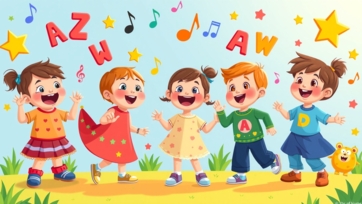
Music and rhythm play an important role in early childhood development. Animated episodes, especially those designed for preschoolers, combine fun, movement, and melody to teach children fundamental lessons about music, coordination, and creativity. Through repetitive tunes, catchy songs, and playful beats, children learn to recognize patterns, improve memory, and express themselves through rhythm.
Episodes that incorporate music also stimulate multiple areas of the brain. Visual storytelling paired with musical elements enhances attention, auditory skills, and emotional understanding. Children are naturally drawn to music, and animated episodes provide a safe and engaging environment to explore this creative form.
Why Music and Rhythm Are Important for Young Children:
Music is more than entertainment; it is a tool for learning and development. For preschoolers, rhythm and melody help in:
-
Developing auditory discrimination skills
-
Enhancing memory and concentration
-
Encouraging physical coordination and movement
-
Fostering creativity and imagination
-
Supporting emotional expression and social interaction
Animated episodes make these skills accessible by combining visual cues with musical patterns.
How Animated Episodes Teach Musical Patterns:
Episodes often introduce simple melodies and repetitive songs that children can follow. Repetition helps young learners:
-
Recognize beats and rhythm
-
Learn to clap, tap, or move in sync with music
-
Predict the next notes or lyrics
-
Understand concepts like fast/slow or loud/soft
This foundational understanding of rhythm supports later learning in music, math, and language.
Incorporating Movement and Dance:
Many animated episodes encourage movement along with music. Characters may:
-
Tap their feet or hands to the beat
-
Dance in simple, exaggerated motions
-
Use gestures to represent musical concepts
When children imitate these actions, they improve coordination, gross motor skills, and rhythm recognition.
Developing Listening and Memory Skills:
Music-based episodes improve listening and memory. Children learn to:
-
Follow sequences of sounds or notes
-
Memorize short songs and lyrics
-
Recognize patterns in melody and rhythm
This active listening strengthens cognitive skills and enhances the child’s ability to focus and retain information.
Encouraging Creativity and Self-Expression:
Music and rhythm also provide an outlet for creative expression. Animated episodes often:
-
Encourage children to create their own songs or beats
-
Inspire imaginative play with musical instruments
-
Promote storytelling through sound and movement
Such activities help children develop confidence and individuality while having fun.
Lessons in Cooperation and Social Interaction:
Musical episodes frequently show group singing or dancing, teaching children important social lessons:
-
Taking turns
-
Coordinating with others
-
Listening to group cues
-
Celebrating together
These social experiences promote empathy, teamwork, and emotional intelligence in a playful setting.
How Parents Can Support Music-Based Learning:
Parents can enhance the learning experience by:
-
Singing along with episodes
-
Clapping or moving to the rhythm together
-
Providing safe instruments like tambourines, shakers, or xylophones
-
Encouraging children to invent their own musical patterns
Active participation reinforces concepts and makes learning more interactive and fun.
Choosing the Right Musical Episodes:
Not all animated episodes are equally beneficial. Parents should select shows that:
-
Include simple, repetitive songs suitable for preschoolers
-
Encourage movement and interaction
-
Use bright visuals and friendly characters
-
Avoid overly complex or loud sequences that may overwhelm young children
Educational musical episodes, such as those with nursery rhymes or rhythm-based adventures, are particularly effective.
Conclusion:
Music and rhythm lessons from animated episodes provide a playful and effective way for preschoolers to develop essential skills. By combining melody, movement, and repetition, these episodes support auditory, cognitive, motor, and social development. When parents engage with children and encourage active participation, music becomes not only fun but also a powerful educational tool, laying the foundation for creativity, coordination, and a lifelong appreciation for music.