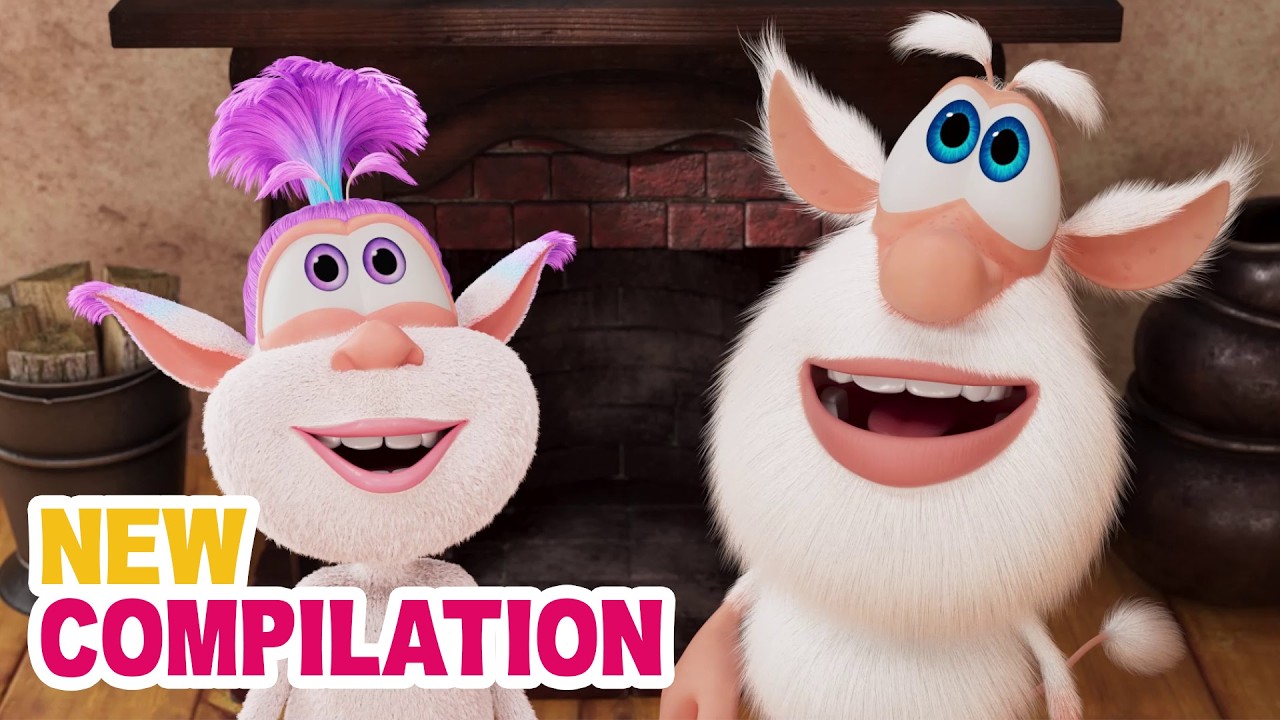
How Booba Encourages Curiosity in Young Minds

Booba is a popular animated character loved by young children around the world. Unlike traditional cartoons with heavy dialogue, Booba relies on visual storytelling, expressions, and playful exploration. This unique style makes Booba especially effective in encouraging curiosity in young minds. Children naturally feel connected to Booba’s sense of wonder, which motivates them to observe, explore, and ask questions about the world around them.

Curiosity is one of the most important skills in early childhood development. When children are curious, they learn faster, think deeper, and develop a lifelong love for learning. Booba plays a significant role in nurturing this curiosity through simple yet powerful storytelling.


Why Curiosity Is Important for Young Children:

Curiosity is the driving force behind learning. It encourages children to explore new ideas, understand cause and effect, and develop problem-solving skills. Curious children are more likely to ask questions, experiment, and stay engaged in learning activities.

Developing curiosity at an early age helps children:

  • Build critical thinking skills

  • Improve attention and focus

  • Enhance creativity and imagination

  • Develop independence in learning

  • Strengthen cognitive development

Booba’s cartoon style aligns perfectly with how young children naturally learn—through observation and exploration.


How Booba’s Visual Storytelling Sparks Curiosity:

Booba cartoons use minimal or no spoken language, which encourages children to focus on actions rather than words. This visual storytelling pushes kids to observe closely and interpret what is happening on screen.

When Booba interacts with everyday objects in unexpected ways, children become curious about outcomes. They begin thinking:

  • What will happen next?

  • Why did that happen?

  • What is Booba trying to do?

This constant engagement keeps young minds active and curious.


Exploration of Everyday Objects:

One of Booba’s strongest features is how he explores ordinary household items in creative ways. Simple objects like boxes, utensils, or toys become sources of adventure.

This teaches children that learning does not always require complex tools. Everyday surroundings are full of opportunities for exploration. Kids start imitating Booba by experimenting with objects safely, which strengthens curiosity-driven learning.


Encouraging Cause and Effect Thinking:

Booba cartoons often show actions followed by immediate consequences. When Booba presses a button, pulls a lever, or mixes things, something happens.

This helps children understand cause and effect relationships, which are essential for cognitive development. Kids begin to predict outcomes and test their assumptions, a key part of scientific thinking and problem-solving.


Non-Verbal Learning and Observation Skills:

Because Booba relies heavily on expressions, gestures, and movement, children sharpen their observation skills. They learn to read emotions, understand reactions, and interpret situations without spoken explanations.

This strengthens:

  • Visual perception

  • Emotional understanding

  • Attention to detail

  • Concentration

These skills are directly linked to curiosity, as observant children naturally want to know more.


Freedom to Think Without Instructions:

Unlike many educational cartoons that give direct instructions, Booba allows children to think independently. There are no obvious answers or explanations given.

This open-ended style encourages children to:

  • Form their own ideas

  • Interpret situations differently

  • Explore multiple possibilities

Such freedom is essential for nurturing creative curiosity in young minds.


Emotional Engagement Builds Interest:

Booba’s expressive face and playful reactions create strong emotional connections with children. When kids emotionally connect with a character, they become more invested in what happens next.

This emotional engagement keeps curiosity alive, making children eager to watch, learn, and explore further.


How Parents Can Use Booba to Encourage Curiosity:

Parents can turn Booba cartoons into meaningful learning moments by engaging actively with their children. Simple actions can increase the learning impact:

  • Ask children what they think Booba is doing

  • Encourage them to guess what might happen next

  • Relate Booba’s actions to real-life situations

  • Let children recreate safe experiments inspired by Booba

These interactions help children express curiosity verbally and confidently.


Benefits of Booba for Early Childhood Development:

Booba supports several areas of early development, including:

  • Curiosity and exploration

  • Problem-solving skills

  • Imagination and creativity

  • Observation and focus

  • Emotional understanding

Because Booba uses simple visuals and slow pacing, it is especially suitable for preschool and early learners.


Choosing the Right Balance of Screen Time:

While Booba is beneficial, balanced screen time is important. Parents should ensure children also engage in physical play, reading, and real-world exploration.

When used mindfully, Booba cartoons can enhance curiosity without overstimulation, making screen time productive and educational.


Long-Term Impact of Curiosity-Based Learning:

Children who grow up curious tend to perform better academically and socially. They become confident learners who enjoy discovering new things.

By encouraging curiosity through cartoons like Booba, parents lay a strong foundation for:

  • Lifelong learning

  • Independent thinking

  • Adaptability

  • Creativity


Conclusion:

How Booba encourages curiosity in young minds is a perfect example of learning through simplicity. With visual storytelling, playful exploration, and emotional engagement, Booba naturally stimulates curiosity without pressure or instruction.

When parents guide children thoughtfully, Booba becomes more than a cartoon—it becomes a tool for developing curious, confident, and creative young learners. Used wisely, Booba helps children explore the world with wonder and excitement, one small discovery at a time.

Advertisement
Top Cartoons Similar to Playful Cartoon Characters Kids Will Love
Kids love funny, curious, and colorful animated characters. Many children who enjoy one playful cartoon are often drawn to similar shows that combine humor, creativity, and learning. This guide highlights top cartoons similar to playful animated characters, helping parents choose age-appropriate, engaging, and educational content for children aged 3–8. Why Kids Love Playful Cartoons: Bright Colors and Fun Animations: Eye-catching visuals keep kids engaged. Expressive Characters: Funny faces and exaggerated actions appeal to young viewers. Simple Stories: Easy-to-follow plots help children understand cause and effect. Humor and Slapstick Comedy: Silly antics make learning fun. Positive Lessons: Episodes often teach friendship, creativity, problem-solving, and empathy. Top Cartoons Similar to Playful Characters: 1. Pip and Pop Adventures Focuses on curious, playful creatures exploring their world. Teaches problem-solving, cooperation, and curiosity. 2. Tiny Tales Short, humorous episodes perfect for toddlers. Highlights colors, numbers, and shapes with visual storytelling. 3. Happy Critters Club Group of animal friends engaging in funny adventures. Encourages friendship, sharing, and teamwork. 4. Momo’s Magical World Combines fantasy, humor, and educational content. Episodes promote creativity, imagination, and storytelling. 5. Fuzzy Friends Fun Focuses on curiosity, exploration, and learning through play. Teaches basic concepts like shapes, letters, and problem-solving. 6. Giggle Garden Outdoor adventures with playful characters. Encourages observation skills, nature awareness, and imagination. Tips for Parents Choosing Cartoons: Check Age Appropriateness: Ensure content is suitable for your child’s age. Mix Education with Entertainment: Look for shows with learning opportunities and fun stories. Watch Together: Co-viewing promotes discussion, comprehension, and bonding. Encourage Activities Post-Episode: Drawing, crafts, or role-play extends learning. Monitor Screen Time: Balance viewing with offline activities, outdoor play, and reading. Benefits of Watching Similar Cartoons: Creativity and Imagination: Inspires storytelling, drawing, and role-play. Social Skills: Characters model friendship, sharing, and empathy. Cognitive Skills: Episodes teach problem-solving, observation, and sequencing. Emotional Understanding: Helps children recognize feelings and emotions. Final Thoughts: Children who enjoy playful cartoon characters can benefit from exploring similar animated shows. By choosing age-appropriate, entertaining, and educational cartoons, parents can enhance creativity, learning, and social skills, while keeping screen time fun and safe.
Booba Origami Ideas for Kids
Origami is a fantastic way to combine creativity, concentration, and fine motor skills in young learners. When inspired by Booba, origami becomes even more playful and engaging, turning simple paper folding into exciting adventures for kids. In this guide, we explore Booba-themed origami ideas for children aged 4–8, complete with step-by-step instructions and educational benefits. Why Booba Origami Is Perfect for Kids: Visual Appeal: Booba’s expressive face and playful body make origami more fun. Simple Shapes: Rounded and exaggerated shapes are easy for children to fold. Hands-On Learning: Folding paper enhances fine motor development. Creativity & Imagination: Kids can invent their own Booba scenes and scenarios. Materials Needed: Colored origami paper or plain square sheets Markers or colored pencils Optional: Googly eyes, stickers, or small decorations Clear surface for folding and crafting Top Booba Origami Ideas for Kids: 1. Booba Paper Figure Fold a simple square base for the body. Add ears and facial features with markers or cut-out shapes. Can be used for play, storytelling, or desk display. Learning Tip: Encourages precision, sequencing, and fine motor control. 2. Booba Paper Puppet Create a folded paper figure with movable arms and legs. Use a small stick or straw as a handle for role-play. Kids can reenact favorite Booba adventures. Learning Tip: Develops imaginative play and storytelling skills. 3. Booba Origami Mask Fold a square sheet to create a wearable Booba face. Decorate with markers and add elastic string. Perfect for dress-up or small Booba performances. Learning Tip: Improves spatial awareness and creativity. 4. Booba Origami Animals Create additional origami animals for Booba to interact with. Examples: birds, mice, or small creatures from Booba episodes. Can be used to set up miniature adventures or storytelling scenes. Learning Tip: Encourages pattern recognition and creativity. 5. Booba Origami Gift Boxes Make small boxes with Booba faces for party favors or treasures. Kids can decorate boxes with stickers, crayons, or markers. Useful for themed parties or reward systems. Learning Tip: Teaches measurement, folding precision, and planning skills. 6. Booba Origami Collage Combine multiple origami figures to create a Booba scene. Glue or tape folded characters onto a larger sheet. Add drawn backgrounds or props to enhance the storytelling. Learning Tip: Boosts creative thinking, storytelling, and planning. 7. Booba Origami Bookmarks Fold origami corners into fun Booba-themed bookmarks. Personalize with markers or stickers. Encourages reading habits while combining craft and play. Tips for Booba Origami Success: Use Bright Colors: Kids are more engaged with neon or vibrant papers. Start Simple: Begin with basic folds before attempting complex shapes. Add Personal Touches: Draw Booba expressions and accessories. Combine with Stories: Encourage children to narrate adventures as they fold. Display Creations: Show finished origami at home or classroom for motivation. Educational Benefits of Booba Origami: Fine Motor Skills: Folding and shaping paper strengthens hand muscles and coordination. Cognitive Skills: Following step-by-step instructions enhances problem-solving and sequencing. Creativity & Imagination: Kids invent new scenarios and expressions for Booba. Concentration & Patience: Completing origami teaches focus and perseverance. Visual-Spatial Awareness: Understanding folds and shapes improves spatial reasoning. Final Thoughts: Booba origami combines fun, creativity, and learning for children. From simple paper figures and puppets to masks and interactive scenes, Booba-themed origami fosters fine motor development, imagination, and storytelling skills. Perfect for home activities, preschool classrooms, or rainy-day fun, Booba origami turns everyday paper into playful adventures.
Booba Adventure Episodes Ranked from Best to Worst
Booba is a playful, curious, and funny character loved by children worldwide. While every episode has its charm, some Booba adventure episodes stand out more than others. For parents, educators, and kids, ranking these episodes helps pick the best content for fun and learning. In this article, we rank Booba adventure episodes from best to worst, explaining why each episode is enjoyable, educational, and perfect for young viewers. Why Ranking Booba Episodes Matters: Kids often watch multiple episodes repeatedly. Ranking helps: Identify the most engaging adventures Choose episodes suitable for different age groups Encourage learning through fun Save screen time while maximizing enjoyment For ages 3–7, adventure episodes combine: Humor Imaginative exploration Problem-solving Visual storytelling Top Booba Adventure Episodes (Best to Worst): 1. Booba’s Big Balloon Adventure (Best) Booba chases a giant floating balloon, climbing, jumping, and reacting to obstacles. Why it’s best: High-action adventure Visual humor and exaggerated expressions Encourages persistence and problem-solving Lesson: Keep trying even if challenges are tricky. 2. Booba and the Flying Carpet Booba experiments with a magical flying carpet. He balances, jumps, and discovers new ways to explore. Why kids love it: Fantasy + adventure Encourages imagination Interactive visual storytelling Lesson: Creativity and curiosity can lead to fun discoveries. 3. Booba and the Magical Kitchen Booba explores kitchen gadgets, ingredients, and tools, creating chaos and laughter. Why kids enjoy it: Everyday object exploration Problem-solving opportunities Cause-and-effect learning Lesson: Exploring and experimenting is fun and safe. 4. Booba and the Giant Cake Booba discovers a giant cake and plays with it, causing playful chaos. Why kids like it: Humor and visual fun Encourages imaginative play Safe risk-taking Lesson: Exploration is exciting, even when messy. 5. Booba and the Balloon Animal Booba finds balloon animals and interacts creatively. Why it’s good: Combines fantasy and reality Encourages imaginative play Exaggerated expressions make kids laugh Lesson: Everyday items can spark creativity. 6. Booba and Bubble Trouble Booba plays with bubbles, chasing and popping them. Why kids enjoy it: Simple, visual fun Interactive cause-and-effect learning Bright, colorful visuals Lesson: Curiosity leads to playful learning. 7. Booba in the Bedroom Booba explores pillows, toys, and blankets, causing small funny mishaps. Why it works for kids: Familiar environment Gentle humor Safe exploration Lesson: Everyday environments can be fun and engaging. 8. Booba and the Toy Store Booba explores a store full of toys. He climbs, slides, and interacts with colorful objects. Why it’s okay: Adventure with objects Encourages imaginative play Visual humor Lesson: Toys and objects can inspire creative thinking. 9. Booba and the Music Box Booba experiments with a music box, dancing and reacting to sounds. Why it’s slightly weaker: Less physical adventure Focused on sound rather than visual action Lesson: Experimentation and creativity are important. 10. Booba’s Christmas Surprise (Worst) Festive episode with decorations, gifts, and playful chaos. Why it ranks lowest: Less continuous adventure Mostly seasonal content Lower replay value for non-holiday periods Lesson: Celebration and fun can still teach safe interaction. What Kids Learn from Booba Adventure Episodes: Even in funny, chaotic adventures, children develop: Problem-solving skills Curiosity and exploration Imaginative play Cause-and-effect understanding Emotional recognition through humor These episodes balance fun with subtle learning. Parents’ Perspective: Parents appreciate Booba adventure episodes because: They are safe and non-violent Episodes are short and engaging Humor and chaos are controlled Educational elements are subtly integrated Booba adventures are ideal for screen time that entertains and teaches. Final Thoughts: Booba adventure episodes rank differently based on action, humor, creativity, and engagement. Episodes like Big Balloon Adventure, Flying Carpet, and Magical Kitchen stand out as highly entertaining and educational, while seasonal or music-focused episodes are less adventurous but still enjoyable. By knowing which episodes are best, parents can maximize fun and learning, and kids can enjoy a variety of colorful, funny adventures.
Best YouTube Channels for Toddlers
YouTube has become a popular platform for young children, offering fun, educational, and engaging videos. However, parents must ensure that toddlers watch age-appropriate content that promotes learning, creativity, and safe screen time. This guide highlights the best YouTube channels for toddlers, suitable for ages 1–4, and offers tips for parents to make the experience both fun and safe. Why Choosing the Right Channel Matters: Safety First: Toddlers can accidentally access inappropriate content. Educational Value: High-quality channels teach numbers, colors, letters, and basic life skills. Entertainment with Learning: Bright visuals, songs, and playful characters keep toddlers engaged while learning. Interactive Experience: Encourages singing, dancing, and role-playing, enhancing physical and cognitive development. Top YouTube Channels for Toddlers: 1. Tiny Tunes World Focuses on songs, nursery rhymes, and interactive storytelling. Helps toddlers learn language, rhythm, and coordination. 2. Little Learners Club Engaging videos on colors, shapes, numbers, and basic concepts. Short episodes perfect for toddlers’ attention span. 3. Happy Critters TV Fun animated characters teach sharing, friendship, and emotional awareness. Combines humor with social and emotional learning. 4. Giggle Garden Outdoor adventures with toddlers-friendly characters. Encourages exploration, observation, and nature awareness. 5. Playful Pals Features playful characters in creative scenarios. Promotes imagination, role-playing, and problem-solving skills. 6. Fuzzy Friends Fun Short, funny clips designed to entertain and educate. Teaches basic cognitive and social skills while keeping toddlers engaged. Tips for Parents Using YouTube for Toddlers: Enable YouTube Kids: Provides safe, curated content suitable for toddlers. Set Screen Time Limits: Limit to 30–60 minutes per day for this age group. Co-View and Interact: Watch together to encourage singing, dancing, and discussion. Pre-Select Content: Choose videos aligned with learning goals and age-appropriateness. Encourage Offline Play: Balance screen time with reading, crafts, and outdoor activities. Benefits of the Right YouTube Channels: Cognitive Development: Enhances memory, language, and problem-solving skills. Social-Emotional Skills: Teaches sharing, empathy, and cooperation through character interactions. Creativity: Inspires drawing, crafts, and imaginative play. Fun Learning: Makes education engaging and enjoyable for toddlers. Safe Entertainment: Provides a controlled environment for screen exposure. Final Thoughts: Choosing the best YouTube channels for toddlers ensures that screen time is educational, entertaining, and safe. Parents can enhance the experience by watching together, engaging in activities, and setting clear limits, creating a balanced, fun, and enriching digital experience for young children.
Character Costumes: Buying vs Making at Home - The 2025 Parent's Guide
When your child wants to transform into their favorite gentle, curious character for Halloween, playtime, or a party, you face a classic dilemma: buy a ready-made costume or embrace a DIY project? Both paths have unique rewards and challenges. This 2025 guide breaks down the pros, cons, costs, and considerations of each approach to help you choose the best option for your family’s time, budget, and creative spirit. The Core Question: What Are Your Priorities? Before deciding, ask yourself: Time: Do you have weeks or just days? Budget: What are you comfortable spending? Skill Level: How confident are you with basic sewing, crafting, or hacking? Child's Involvement: Do you want a quick surprise or a collaborative project? Longevity: Is this for one night or for years of dress-up play? Option 1: Buying a Costume – The Path of Convenience : Where to Buy: Major Retailers & Online Marketplaces: (Amazon, Walmart, Target, Halloween specialty stores). Offers the widest selection, especially as holidays approach. Official Brand Stores: The best source for screen-accurate, licensed costumes, though often at a premium price. Costume Resale Sites & Local Groups: (Facebook Marketplace, Mercari). Excellent for finding gently used costumes at a fraction of the cost and reducing waste. Pros of Buying: Instant Gratification: It arrives ready-to-wear. Zero project stress. Screen Accuracy: Licensed costumes capture exact details, colors, and likeness. Time-Saving: Frees up your evenings and weekends. Often Includes Accessories: Typically comes as a full set (hood, bodysuit, gloves). Cons of Buying: Cost: Quality costumes can be expensive, especially for a single event. Quality & Comfort Issues: Often made from thin, non-breathable polyester. Zippers can be cheap, seams can rip. "One-size-fits-most" rarely fits well. Limited Sizing & Adjustability: Hard to tailor if it's too big/small. Generic Feel: Your child might see five others in the same costume at the party. Environmental Impact: Often involves plastic packaging and disposable, single-use materials. Option 2: Making a Costume at Home – The Path of Customization : Approach Overview:This doesn't mean sewing from scratch unless you want to. Modern DIY is about creative assembly using existing clothing and craft materials. The "No-Sew" Hack Method (Easiest): Base: A royal blue, long-sleeved shirt and blue sweatpants/leggings. The Hood: Use a blue beanie or hoodie. Attach two large white felt circles for eyes and smaller black felt circles for pupils using fabric glue. Shape the hood with safety pins if needed. The Gloves: Simple, inexpensive white cotton gloves (often sold in multipacks). The Details: Use white felt to cut out and glue a simple oval "tummy" onto the blue shirt. The "Sew-Lite" Custom Method (More Durable): Base: Same blue clothing base. The Hood: Purchase a blue hooded sweatshirt. Permanently sew on the felt eye details for a sturdier finish. The Bodysuit Alternative: Use a blue adult-sized t-shirt. Cut it down the middle front, hem the edges, and add snap fasteners to create an easy-on, easy-off jumper. Pros of Making: Perfect Fit: You tailor it to your child's exact measurements for maximum comfort and mobility. Uniqueness & Personal Touch: It’s one-of-a-kind. You can add inside jokes or personalized details. Quality Control: You choose soft, breathable fabrics that feel good against the skin and are built to last through multiple play sessions. Cost-Effective (Often): Can be significantly cheaper, especially if you repurpose clothing or shop thrift stores for blue basics. A Shared Experience: The process of making it together becomes a cherished memory. Sustainable: Repurposes existing items and avoids disposable costume waste. Cons of Making: Time Investment: Requires planning, shopping for materials, and assembly time. Skill/Confidence Required: Can feel daunting if you're not craft-inclined. Potential for Frustration: If a glue doesn't hold or a seam rips at the wrong moment. May Lack "Polish": A homemade look has charm, but might not have the crisp, store-bought finish some kids desire. The 2025 Hybrid Champion: The "Smart Customization" Approach This is the best-of-both-worlds strategy for most modern parents. Buy a Simple, High-Quality Base: Purchase a very soft, well-made royal blue hooded sweatshirt and pants set (intended for everyday wear). Customize with Details: Use high-quality felt, fabric glue, or simple stitches to add the signature white eyes and tummy patch. Accessorize Thoughtfully: Buy the white gloves new, and let your child carry a small, funny prop (a giant cardboard lightbulb, a question-mark sign). Result: You have a comfortable, durable, unique costume that becomes a beloved piece of everyday play clothing long after the event is over. The cost is similar to a cheap store costume, but the value and longevity are far greater. Decision Flowchart: Which Path is Right for You? Choose BUY if: The event is in < 1 week, your budget is flexible, you have zero craft time/interest, and your child prioritizes perfect accuracy. Choose the HYBRID if: You have 1-3 weeks, a moderate budget, basic craft skills, and want a costume that doubles as play clothes. Choose FULLY DIY if: You have > 3 weeks, a tight budget, you enjoy crafting, and you value the creative process and uniqueness above all. Final Verdict: It's About the Experience : In 2025, the "better" choice isn't universal. Buying is about the event. Making is about the journey. If your goal is simply a costume for a night, buying is a perfectly valid, stress-free solution—just opt for a used one if possible. If your goal is to foster creativity, ensure comfort, and create something special with your child, the homemade or hybrid route is profoundly rewarding. Ultimately, seeing the joy on your child's face when they see their reflection—whether in a store-bought jumpsuit or a homemade hoodie you made together—is what makes any choice the right one.
Planets and Space Cartoons for Kids
The universe is full of wonders, and introducing children to planets and space through cartoons is a fun and engaging way to spark curiosity. Space cartoons combine colorful animations, friendly characters, and interactive storytelling to teach children about planets, stars, galaxies, and basic astronomy concepts. These cartoons not only entertain but also foster scientific curiosity, critical thinking, and imagination. In this article, we will explore why space cartoons are effective for kids, their educational benefits, and how parents can use them to nurture a love for astronomy. ⭐ Why Space Cartoons Are Effective for Kids: 1. Visual Learning: Animated planets, stars, and spacecraft make abstract space concepts tangible and easy for children to understand. 2. Engaging Storytelling: Cartoons turn learning into a fun adventure, where characters explore space, meet aliens, or travel between planets, keeping children engaged. 3. Promotes Curiosity: Stories and experiments encourage kids to ask questions about the universe, stimulating their curiosity and scientific thinking. 4. Simplifies Complex Concepts: Animations explain concepts like gravity, orbits, or phases of the moon in a simple, relatable way suitable for preschoolers. 5. Safe Exploration: Children can safely explore exciting space adventures through cartoons without any risk or fear, making learning stress-free and enjoyable. ⭐ Popular Themes in Space Cartoons: 1. Planet Exploration: Characters visit planets like Mars, Jupiter, and Saturn, learning about their size, color, and unique features. 2. Space Adventures: Stories involve astronauts, rockets, and alien friends discovering new worlds, inspiring imagination and excitement. 3. Stars and Galaxies: Cartoons introduce children to stars, constellations, and galaxies, making astronomy fun and easy to visualize. 4. Fun Science Facts: Animated videos share fascinating space facts, such as why the moon changes shape, why planets rotate, or how comets move. 5. Interactive Learning: Some cartoons include quizzes, counting planets, or identifying colors and shapes, turning learning into an interactive game. ⭐ Educational Benefits of Space Cartoons: 1. Develops Scientific Thinking: Children learn to observe, compare, and ask questions about space phenomena, nurturing analytical skills. 2. Enhances Imagination: Space adventures stimulate creativity as children imagine traveling to distant planets or meeting aliens. 3. Improves Cognitive Skills: Learning about planets, orbits, and stars strengthens memory, focus, and problem-solving abilities. 4. Promotes STEM Interest: Cartoons introduce basic astronomy, physics, and math concepts, encouraging early STEM learning. 5. Fun and Safe Learning: Animated space cartoons combine entertainment with education, making learning enjoyable without any stress or fear. ⭐ Tips for Parents to Make the Most of Space Cartoons: ✔ 1. Watch Together: Discuss the planets, stars, and concepts introduced in the cartoons to reinforce understanding. ✔ 2. Connect with Real-Life Astronomy: Show the night sky, point out stars, or visit a planetarium to make lessons tangible. ✔ 3. Encourage Questions: Ask children what they would do on another planet or what they notice in the night sky to stimulate curiosity. ✔ 4. Combine with Activities: Try simple space crafts, planet models, or coloring sheets based on cartoon characters to enhance learning. ✔ 5. Keep Screen Time Moderate: Limit viewing to 20–30 minutes, balancing interactive activities and outdoor play for holistic learning. ⭐ Conclusion: Planets and space cartoons for kids are an exciting way to introduce young learners to the wonders of the universe. Through colorful animations, interactive storytelling, and engaging characters, children learn about planets, stars, galaxies, and basic astronomy while having fun. Parents and educators can use space cartoons to foster curiosity, imagination, and early STEM skills. By combining animated adventures with hands-on activities and discussions, children gain a deeper understanding of space while developing problem-solving, observation, and critical thinking skills. Space cartoons make learning about the universe an unforgettable and enjoyable experience for every child.
Playful Cartoon Characters vs. Classic Slapstick: Which Is Better for Kids?
Children today enjoy a wide range of cartoons, from modern playful characters to classic slapstick animations like Tom and Jerry. Parents often ask: “Which type of cartoon is better for kids?” This guide explores the benefits and drawbacks of modern playful cartoon characters versus classic slapstick animations, helping parents make informed viewing choices for children aged 3–8. 1. Entertainment Value: Playful Cartoon Characters: Bright, colorful, and engaging, with humorous antics and relatable personalities. Classic Slapstick (e.g., Tom and Jerry): Fast-paced comedy, physical humor, exaggerated chases, and funny conflicts. Both types capture attention, but modern characters often include educational content and interactive scenarios. 2. Educational Content: Playful Cartoon Characters: Many episodes teach social skills, problem-solving, creativity, and empathy. Classic Slapstick: Mostly focused on humor; educational value is limited, but visual storytelling can develop observation skills. 3. Language and Communication Skills: Playful Characters: Often verbal or interactive, allowing children to learn new words, sentence structures, and expressions. Slapstick Cartoons: Typically non-verbal or minimal dialogue; children learn context, emotion, and sequencing. 4. Creativity and Imagination: Playful Cartoon Characters: Encourage storytelling, role-playing, crafts, and imaginative thinking through colorful, relatable scenarios. Slapstick Cartoons: Inspire physical comedy, timing, and mimicking actions, which can be entertaining but less structured for creativity. 5. Behavioral Considerations: Playful Cartoon Characters: Emphasize cooperation, sharing, empathy, and positive problem-solving. Slapstick Cartoons: Contain chase, minor conflict, and comic violence; parents should monitor if repeated imitation occurs. 6. Age Appropriateness: Younger Kids (3–5 years): Playful, educational cartoons are generally safer and more beneficial. Older Kids (6–8 years): Can enjoy slapstick cartoons in moderation, especially if accompanied by discussions about conflict and consequences. Tips for Parents: Mix Content Wisely: Combine playful educational cartoons with occasional classic slapstick for variety. Co-View and Discuss: Talk about actions, emotions, and lessons from both types of cartoons. Set Screen Time Limits: Balance watching with creative play, reading, and outdoor activities. Monitor Reactions: Ensure children don’t imitate harmful or aggressive behaviors from slapstick scenes. Encourage Storytelling: Ask children to retell episodes, act out scenes, or create new endings. Final Thoughts: Both modern playful cartoons and classic slapstick have unique benefits. Modern characters often provide educational value, creativity, and social lessons, while slapstick cartoons offer humor, observation skills, and entertainment. The key is moderation, guided viewing, and discussion, allowing children to enjoy, learn, and grow through their favorite animated shows.
Plush Toys Inspired by Gentle Characters – Your Complete 2025 Buying Guide
A soft, huggable plush friend can be a child's first confidant, a comfort during storms, and a spark for endless imagination. Choosing the right one—especially when it's inspired by a beloved, gentle character—requires more than just picking the cutest face. This complete 2025 buying guide will help you navigate materials, safety, and quality to find the perfect plush companion that's safe, durable, and ready for years of love. Why the Right Plush Toy Matters : A high-quality plush toy is an investment in comfort and creative play. It should be: A Safe Haven: Free from hazards, with secure construction. A Sensory Experience: Made from soft, comforting fabrics. A Durable Friend: Built to withstand hugs, tugs, and adventures. A Spark for Stories: Faithfully representing a character known for kindness and curiosity to inspire positive play. Chapter 1: The Safety First Checklist – Non-Negotiables : Before you consider design, verify these critical safety points. Certifications & Standards: Look for official safety labels like CE (Europe), ASTM (USA), or UKCA (UK). These indicate the toy meets strict safety standards for materials and construction. Construction Integrity: Eyes & Nose: Must be embroidered or digitally printed fabric. Avoid plastic or button eyes/noses that can be pulled off and become a choking hazard. Seams: Should be double-stitched and tight with no loose threads or gaps where stuffing could emerge. Stuffing: Should be a clean, hypoallergenic polyester fiberfill. It should feel evenly distributed with no hard or lumpy spots. Materials & Fabrics: The outer fabric should be soft, durable, and colorfast. Look for mentions of "machine washable" for easy cleaning. Avoid cheap, scratchy, or strongly scented materials. Chapter 2: The Quality & Design Deep Dive – What to Look For : Once safety is confirmed, assess these quality and design factors. Authenticity & Likeness: For character plushes, the design should be faithful and recognizable. The expression should capture the character’s gentle and curious nature. Size & Proportion: Consider both cuddling and portability. Large (16-24 inches): Best for bedtime cuddling and room decor. Medium (10-15 inches): The versatile all-rounder, perfect for play and travel. Small (5-9 inches): Great for little hands, backpack companions, or collectibles. Sensory Features: Extra details enhance play value: Different Textures: Ears, paws, or tummies in a contrasting, soft material. Gentle Squeakers or Rattles: Ensure they are securely sealed inside and designed for calm interaction. Poseability: Some plush toys have wire in the arms/legs for posing, but ensure it is safely encased and the toy is age-appropriate. Chapter 3: Where & How to Buy – Smart Shopping Tips : Navigate the marketplace with confidence. Trusted Retailers: Purchase from official brand stores, reputable toy stores (online or brick-and-mortar), or major, trusted retailers. Be cautious with unknown third-party sellers on large marketplaces. Reading the Fine Print: Always check the product description for: Age Grade: e.g., "0+" or "3+". This is a safety guideline. Material List: Should be clearly stated. Care Instructions: Machine washable is a huge plus. Reviews are Key: Read customer reviews and look at user-uploaded photos. Pay attention to comments about durability after washing, color fading, and seam strength. Chapter 4: The Top Picks Breakdown – By Need : Best for Toddlers (Ages 1.5-3): The Super-Soft Cuddler Look for: Small to medium size, all-embroidered features, multiple tactile textures, and machine-washable fabric. Simpler designs are safer and more appealing at this age. Best for Imaginative Play (Ages 4-7): The Storytelling Companion Look for: Medium size, accurate and expressive design, durable fabric that can handle being part of adventures. This is the prime age for character-driven role-play. Best for Collectors & Older Fans (Ages 8+): The Premium Display Friend Look for: Larger size, high-quality detailing, possible poseability, and special edition features. These are for gentle cuddling and display. Chapter 5: Care & Maintenance – Keeping the Friend for Years : A good plush can last for generations with proper care. Regular Cleaning: Surface clean with a damp cloth. For a full wash, use a gentle cycle in a mesh laundry bag with mild detergent. Air dry thoroughly; avoid high heat from dryers. Damage Check: Regularly inspect for loose seams, holes, or detached parts. Repair small tears immediately to prevent further damage. Storage: When not in use, store in a cool, dry place away from direct sunlight to prevent fading. Red Flags – When to Walk Away : Unbelievably low price from an unknown seller. No safety certifications listed. Plastic parts (eyes, nose) that feel loose or poorly attached. Strong chemical or unnatural odor. Poor stitching or uneven, lumpy stuffing. Conclusion: More Than Just a Toy : Choosing the perfect character-inspired plush is an act of care. It’s selecting a future heirloom that will be a silent witness to bedtime stories, a comfort during sick days, and a catalyst for countless adventures. By prioritizing safety, quality materials, and thoughtful design, you’re not just buying a toy—you’re welcoming a cherished member of the family. May their new friend be soft, strong, and ready for all the love that’s coming their way.