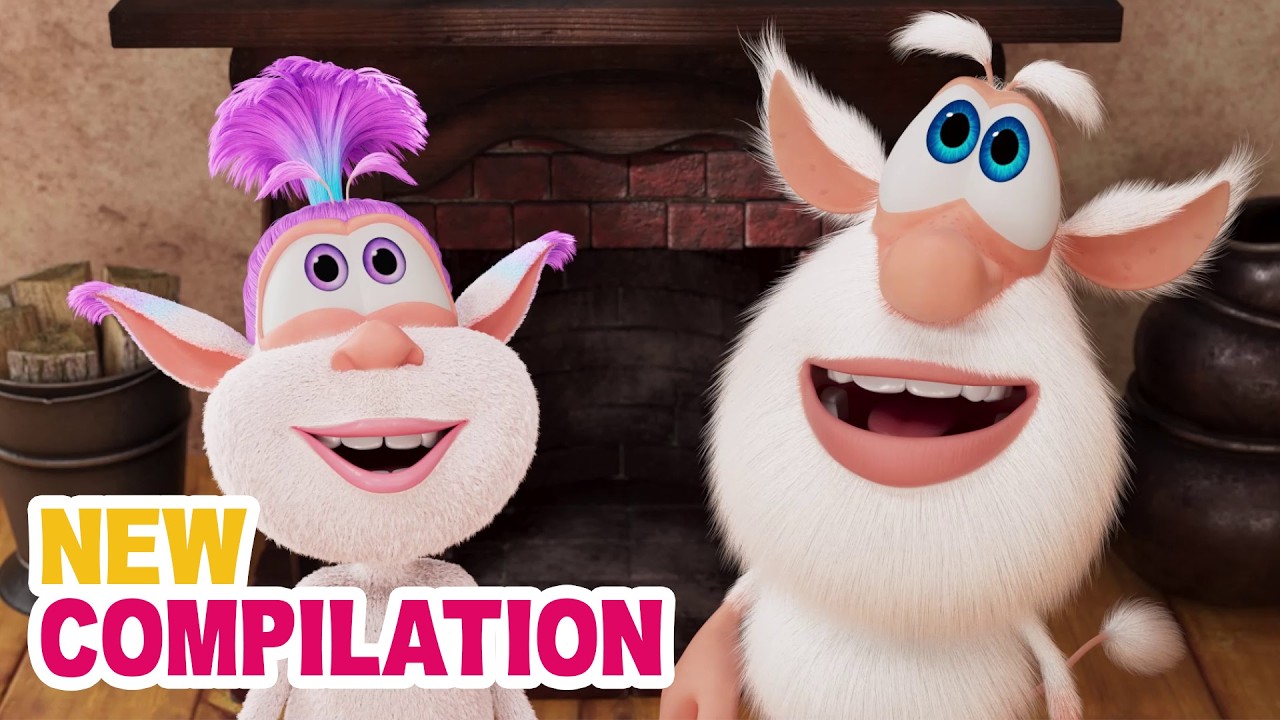
Best Kids Safety Cartoon in 2025

Keeping children safe is a top priority for every parent. In 2025, kids safety cartoon videos have become an effective way to teach toddlers and preschoolers home safety, road safety, and general precautions in a fun, engaging, and memorable way.

Animated safety videos use colorful visuals, relatable characters, and storytelling to convey important lessons without being scary or overwhelming. This guide explores the benefits of safety cartoons, top series for children in 2025, and tips for parents to reinforce learning.


Why Safety Cartoon Videos Are Important:

Young children are naturally curious, which can put them at risk if they do not understand basic safety rules. Safety cartoons help by:

  • Teaching essential safety skills: Home safety, road safety, and stranger awareness.

  • Providing visual examples: Demonstrates safe behavior step by step.

  • Promoting memory and recall: Repetition and catchy songs make rules easy to remember.

  • Encouraging discussion: Parents and children can talk about what was learned.

  • Making learning fun: Children perceive lessons as entertaining, not boring.

Animated characters model correct behaviors, helping toddlers imitate and internalize safety habits naturally.


Key Safety Lessons in Kids Cartoon Videos:

1. Home Safety:

  • Avoid touching sharp objects, hot surfaces, or electrical outlets.

  • Keep small objects away from toddlers to prevent choking.

  • Demonstrate safe ways to climb stairs, use furniture, and play indoors.

2. Road Safety:

  • Look both ways before crossing the street.

  • Always hold an adult’s hand near traffic.

  • Wear helmets while riding bikes or scooters.

  • Follow traffic lights and pedestrian rules.

3. Stranger Awareness:

  • Teach children not to go with strangers.

  • Explain safe ways to seek help when lost.

4. Emergency Awareness:

  • How to call for help (parents, guardians, emergency numbers).

  • Stay calm and wait in a safe spot during emergencies.


Top Kids Safety Cartoon Series in 2025:

1. Safety with Zoya:

Zoya is a cheerful character who teaches home and road safety in an entertaining way.

Highlights:

  • Animated songs and repetition reinforce learning.

  • Demonstrates safety routines through fun storytelling.

  • Ideal for toddlers and preschoolers aged 3–7.


2. Booba Safety Adventures:

Booba’s curiosity leads to situations where children learn safety rules through observation.

Benefits:

  • Non-verbal storytelling suitable for all languages.

  • Engages children in identifying safe and unsafe actions.

  • Perfect for young learners exploring their environment.


3. Super Simple Safety Songs:

Combines nursery rhymes with safety lessons.

Learning focus:

  • Road safety songs like “Stop, Look, and Listen.”

  • Home safety rhymes for brushing teeth, washing hands, and using toys safely.

  • Reinforces memory through music and repetition.


4. Little Hero Safety Stories:

Mini-stories teach children how to stay safe, act responsibly, and help others in emergencies.

Key lessons:

  • Fire safety and first aid basics

  • Crossing streets safely

  • Asking for help from trusted adults


5. Safe Friends Adventures:

Animal characters demonstrate safety rules through fun situations.

Learning benefits:

  • Teaches sharing, cooperation, and hazard awareness.

  • Introduces basic science and safety concepts in playful stories.

  • Suitable for preschool and early school-age children.


How Parents Can Maximize Learning:

Parents can help children internalize safety lessons from cartoons by:

  1. Watching together: Discuss each scenario and ask questions like, “What should we do next?”

  2. Role-playing: Practice crossing streets, emergency drills, or safe indoor play.

  3. Repeating favorite episodes: Repetition helps toddlers remember important rules.

  4. Reinforcing in daily life: Praise children when they follow safety habits at home or outside.

  5. Interactive quizzes: Ask simple questions after watching videos to reinforce learning.

  6. Balance screen time: Short, focused episodes work best for toddlers.


Recommended Kids Safety Cartoon Videos for 2025:

  • Safety with Zoya – Home and road safety lessons

  • Booba Safety Adventures – Observation and hazard awareness

  • Super Simple Safety Songs – Nursery rhymes with safety themes

  • Little Hero Safety Stories – Fire, emergency, and first aid lessons

  • Safe Friends Adventures – Animal characters teaching safety

These animated videos make learning safety engaging, fun, and practical, helping children adopt good habits that protect them in everyday life.


Final Thoughts:

Kids safety cartoon videos are a powerful tool for teaching toddlers and preschoolers essential safety skills. In 2025, animated series combine storytelling, music, and colorful visuals to make learning fun, memorable, and effective.

Parents can enhance learning by:

  • Watching together and discussing lessons

  • Practicing safety routines in real life

  • Reinforcing rules through role-play and repetition

With the right safety cartoons, screen time becomes educational, giving children practical knowledge that helps them stay safe, confident, and responsible in everyday situations.

Tip for Parents: Encourage children to demonstrate safety rules learned from cartoons, which improves retention and practical application.
Advertisement
How Booba Encourages Curiosity in Young Minds
Booba is a popular animated character loved by young children around the world. Unlike traditional cartoons with heavy dialogue, Booba relies on visual storytelling, expressions, and playful exploration. This unique style makes Booba especially effective in encouraging curiosity in young minds. Children naturally feel connected to Booba’s sense of wonder, which motivates them to observe, explore, and ask questions about the world around them. Curiosity is one of the most important skills in early childhood development. When children are curious, they learn faster, think deeper, and develop a lifelong love for learning. Booba plays a significant role in nurturing this curiosity through simple yet powerful storytelling. Why Curiosity Is Important for Young Children: Curiosity is the driving force behind learning. It encourages children to explore new ideas, understand cause and effect, and develop problem-solving skills. Curious children are more likely to ask questions, experiment, and stay engaged in learning activities. Developing curiosity at an early age helps children: Build critical thinking skills Improve attention and focus Enhance creativity and imagination Develop independence in learning Strengthen cognitive development Booba’s cartoon style aligns perfectly with how young children naturally learn—through observation and exploration. How Booba’s Visual Storytelling Sparks Curiosity: Booba cartoons use minimal or no spoken language, which encourages children to focus on actions rather than words. This visual storytelling pushes kids to observe closely and interpret what is happening on screen. When Booba interacts with everyday objects in unexpected ways, children become curious about outcomes. They begin thinking: What will happen next? Why did that happen? What is Booba trying to do? This constant engagement keeps young minds active and curious. Exploration of Everyday Objects: One of Booba’s strongest features is how he explores ordinary household items in creative ways. Simple objects like boxes, utensils, or toys become sources of adventure. This teaches children that learning does not always require complex tools. Everyday surroundings are full of opportunities for exploration. Kids start imitating Booba by experimenting with objects safely, which strengthens curiosity-driven learning. Encouraging Cause and Effect Thinking: Booba cartoons often show actions followed by immediate consequences. When Booba presses a button, pulls a lever, or mixes things, something happens. This helps children understand cause and effect relationships, which are essential for cognitive development. Kids begin to predict outcomes and test their assumptions, a key part of scientific thinking and problem-solving. Non-Verbal Learning and Observation Skills: Because Booba relies heavily on expressions, gestures, and movement, children sharpen their observation skills. They learn to read emotions, understand reactions, and interpret situations without spoken explanations. This strengthens: Visual perception Emotional understanding Attention to detail Concentration These skills are directly linked to curiosity, as observant children naturally want to know more. Freedom to Think Without Instructions: Unlike many educational cartoons that give direct instructions, Booba allows children to think independently. There are no obvious answers or explanations given. This open-ended style encourages children to: Form their own ideas Interpret situations differently Explore multiple possibilities Such freedom is essential for nurturing creative curiosity in young minds. Emotional Engagement Builds Interest: Booba’s expressive face and playful reactions create strong emotional connections with children. When kids emotionally connect with a character, they become more invested in what happens next. This emotional engagement keeps curiosity alive, making children eager to watch, learn, and explore further. How Parents Can Use Booba to Encourage Curiosity: Parents can turn Booba cartoons into meaningful learning moments by engaging actively with their children. Simple actions can increase the learning impact: Ask children what they think Booba is doing Encourage them to guess what might happen next Relate Booba’s actions to real-life situations Let children recreate safe experiments inspired by Booba These interactions help children express curiosity verbally and confidently. Benefits of Booba for Early Childhood Development: Booba supports several areas of early development, including: Curiosity and exploration Problem-solving skills Imagination and creativity Observation and focus Emotional understanding Because Booba uses simple visuals and slow pacing, it is especially suitable for preschool and early learners. Choosing the Right Balance of Screen Time: While Booba is beneficial, balanced screen time is important. Parents should ensure children also engage in physical play, reading, and real-world exploration. When used mindfully, Booba cartoons can enhance curiosity without overstimulation, making screen time productive and educational. Long-Term Impact of Curiosity-Based Learning: Children who grow up curious tend to perform better academically and socially. They become confident learners who enjoy discovering new things. By encouraging curiosity through cartoons like Booba, parents lay a strong foundation for: Lifelong learning Independent thinking Adaptability Creativity Conclusion: How Booba encourages curiosity in young minds is a perfect example of learning through simplicity. With visual storytelling, playful exploration, and emotional engagement, Booba naturally stimulates curiosity without pressure or instruction. When parents guide children thoughtfully, Booba becomes more than a cartoon—it becomes a tool for developing curious, confident, and creative young learners. Used wisely, Booba helps children explore the world with wonder and excitement, one small discovery at a time.
Most Popular Kids’ Cartoons in 2025
The world of children’s entertainment is constantly evolving. In 2025, playful, colorful, and creative animated shows continue to captivate young audiences. Parents and educators are always looking for age-appropriate, engaging, and educational cartoons that entertain while inspiring creativity, learning, and social skills. This guide explores the most popular kids’ cartoons in 2025 and highlights why children love them. Why These Cartoons Are Popular: Vibrant Animation: Bright colors, expressive characters, and fun visual effects keep kids engaged. Relatable Characters: Funny, curious, and adventurous characters capture children’s imagination. Humor and Storytelling: Combining comedy with engaging storylines makes learning fun. Educational Value: Many shows include problem-solving, social skills, and creativity. Interactive Appeal: Episodes encourage role-play, drawing, storytelling, and crafts. Top Kids’ Cartoons of 2025: 1. Playful Creature Adventures Focuses on curious, expressive characters exploring their world. Teaches creativity, problem-solving, and social skills. 2. Tiny Tales Universe Short, engaging stories for toddlers. Highlights colors, numbers, shapes, and emotional learning. 3. Fuzzy Friends Academy Group of animal friends on humorous adventures. Encourages friendship, teamwork, and empathy. 4. Magical Garden Explorers Outdoor adventures with educational lessons about nature and science. Inspires observation, creativity, and imagination. 5. Happy Helpers Club Characters engage in activities promoting responsibility, sharing, and cooperation. Great for role-playing and learning life skills. 6. Giggles and Wonders Combines humor, storytelling, and visual learning. Encourages children to retell stories and create their own adventures. How Parents Can Maximize Learning: Watch Together: Discuss episodes to reinforce lessons and encourage conversation. Extend Learning Activities: Drawing, crafts, or acting out scenes improves engagement. Set Limits: Maintain healthy screen time for balance with outdoor play and reading. Encourage Creativity: Ask children to invent new storylines or design characters. Praise Participation: Celebrate curiosity, questions, and creative efforts inspired by the shows. Benefits of Watching Popular Cartoons: Cognitive Skills: Improves observation, problem-solving, and comprehension. Social Skills: Encourages empathy, teamwork, and communication. Creativity and Imagination: Inspires drawing, storytelling, and imaginative play. Language Development: Expands vocabulary and strengthens narrative skills. Safe Entertainment: Age-appropriate and educational content ensures fun learning. Final Thoughts: The most popular kids’ cartoons in 2025 are more than just entertainment. They combine humor, imagination, and learning, making them a valuable tool for parents and educators. By choosing these shows thoughtfully and pairing them with creative activities and discussions, children can enjoy fun, safe, and enriching screen time.
How Teach Kids Honesty, Respect and Kindness
Teaching children important values like honesty, respect, and kindness is one of the most essential parts of early education. In today’s digital age, one of the most effective ways to instill these values is through animated stories. These stories use colorful visuals, engaging characters, and interactive storytelling to help children understand moral lessons while keeping them entertained. In this article, we will explore how animated stories teach honesty, respect, and kindness, why they are effective for young children, and how parents and teachers can use them in everyday life. ⭐ Why Animated Stories Are Effective for Teaching Values: Children learn best when they are emotionally engaged. Animated stories provide a rich combination of visuals, audio, and storytelling, which makes learning values easier. Key reasons why animated stories work include: 1. Visual Learning: Young children often think in pictures. Animated characters, bright colors, and expressive faces help children remember lessons better than lectures or written stories. 2. Relatable Characters: Stories with animals, children, or fantasy characters allow kids to relate and see the consequences of actions in a safe and fun way. 3. Story-Based Morals: Children learn values like honesty, respect, and kindness naturally when they see characters experiencing real-life situations and solving problems. 4. Repetition Reinforces Learning: Animated stories often repeat key messages through songs, dialogue, or narration. This repetition strengthens memory and understanding. 5. Fun and Interactive Many modern animated stories encourage children to participate, answer questions, or make choices. This engagement deepens comprehension of the values being taught. ⭐ Core Values Taught Through Animated Stories: 1. Honesty: Honesty is one of the most important traits children need to develop. Animated stories about honesty often show characters who tell the truth and face challenges but ultimately gain trust and respect.Example themes: A lost toy returned to its owner A character admitting a mistake at school Storylines where lying causes small consequences, teaching cause and effect 2. Respect: Respect for others, elders, and the environment can be taught through animation in a gentle, engaging way.Example themes: Characters helping friends, teachers, or family members Learning to listen before speaking Respecting nature, animals, and shared spaces 3. Kindness: Kindness encourages empathy and compassion. Animated stories can illustrate small acts of kindness and their positive effects.Example themes: Helping a neighbor or friend in need Sharing toys or snacks with classmates Comforting someone who is sad or lonely ⭐ Popular Types of Animated Stories for Moral Learning: 1. Animal Characters: Animals are a favorite choice because children naturally love them and learn life lessons without feeling judged. A rabbit learning to share A fox realizing honesty brings friends 2. Everyday Life Stories: Stories set in school, home, or playgrounds teach practical life lessons. Saying “sorry” after making a mistake Helping someone who fell in the playground 3. Fantasy and Adventure Stories: Children enjoy magic, superheroes, or fairy tales, and these stories can embed moral lessons subtly. A superhero who always tells the truth Magical friends teaching respect for everyone 4. Short Songs and Rhymes: Songs with morals help children memorize values. “Sharing is caring” song with animated characters Rhymes that teach honesty and kindness ⭐ Benefits of Using Animated Stories for Moral Education: 1. Builds Strong Character: Early exposure to values like honesty, respect, and kindness builds strong character and positive behavior patterns. 2. Improves Social Skills: Children learn how to interact politely with friends, family, and teachers. They understand empathy, fairness, and cooperation. 3. Encourages Emotional Intelligence: By seeing characters express feelings and solve conflicts, children learn to identify, understand, and manage their emotions. 4. Makes Learning Fun: Animated stories make moral education enjoyable, which is crucial for preschoolers and early learners who have short attention spans. 5. Ideal for Homeschooling: Parents can integrate animated moral stories into their daily routine, reinforcing values in a playful and stress-free way. ⭐ Tips for Parents and Educators: ✔ 1. Discuss the Story: After watching, ask children questions like: “Why was honesty important?” or “How did kindness help the character?” ✔ 2. Role-Playing: Encourage children to act out parts of the story, reinforcing the lessons through practice. ✔ 3. Use Real-Life Examples: Connect animated stories to everyday situations. For example, relate a story about sharing to a sibling or friend. ✔ 4. Repeat Key Messages: Repetition is key. Watch the stories multiple times and emphasize the main values in conversations. ✔ 5. Combine with Books and Activities: Use books, puzzles, and crafts to complement animated stories and strengthen learning. Conclusion: Animated stories about honesty, respect, and kindness are a powerful and engaging way to teach children essential life values. They combine storytelling, music, bright visuals, and relatable characters to make learning fun and memorable. By incorporating these animated stories into daily routines, parents and educators can help children develop strong character, empathy, and social skills. Teaching moral values early ensures that children grow into responsible, caring, and respectful individuals. With the help of animated moral stories, learning honesty, respect, and kindness becomes an enjoyable adventure rather than a lesson.
Safe Cartoon-Watching Habits for Toddlers
Cartoons are a popular source of entertainment for toddlers, offering colorful visuals, playful sounds, and engaging stories. However, toddlers’ developing brains are sensitive to overstimulation, inappropriate content, and excessive screen time. Establishing safe cartoon-watching habits ensures that young children enjoy media in a healthy, educational, and balanced way. By creating structured viewing routines, selecting age-appropriate content, and engaging with children, parents can make cartoon-watching a fun and safe learning experience for toddlers. Why Safe Viewing Habits Matter: Toddlers are highly impressionable. Safe viewing habits are important because they: Protect from violent or inappropriate content Reduce overstimulation and screen-related fatigue Promote attention and comprehension skills Encourage positive social and emotional development Support healthy daily routines and sleep patterns Structured habits help children benefit from cartoons without negative effects. Setting Time Limits for Toddlers: Screen time for toddlers should be limited and consistent: 1–2 hours per day for children aged 2–5 years, according to pediatric guidelines Break viewing into short sessions with physical activity in between Avoid screen use immediately before bedtime Use timers or parental control apps to enforce limits Time limits ensure toddlers maintain balance between screen time, play, and rest. Choosing Age-Appropriate Cartoons: Selecting the right content is crucial. Safe cartoons for toddlers: Use bright, simple visuals and friendly characters Include positive messages, such as sharing, empathy, and cooperation Avoid violence, scary scenes, or complex storylines Encourage learning concepts like colors, numbers, letters, and shapes Shows like Bluey, Sesame Street, Daniel Tiger’s Neighborhood are good examples of age-appropriate content. Co-Viewing and Interaction: Watching cartoons together enhances learning and safety: Discuss what is happening in the cartoon Ask questions to encourage thinking and comprehension Relate lessons to real-life situations Praise positive behaviors modeled by characters Co-viewing turns passive screen time into an interactive and educational experience. Encouraging Physical Activity and Play: Cartoons should not replace active play, which is vital for toddlers’ development: Encourage dancing, clapping, or movement along with music in cartoons Schedule outdoor play and hands-on activities between viewing sessions Integrate storytelling, drawing, or building inspired by cartoon content This approach combines screen entertainment with physical and cognitive engagement. Establishing Safe Digital Habits: Toddlers also need to develop healthy digital habits from the start: Use child-friendly platforms like YouTube Kids or curated apps Enable parental controls and content filters Avoid autoplay to prevent excessive viewing Monitor content and remove channels that are inappropriate These habits protect toddlers while teaching safe screen use. Benefits of Safe Cartoon-Watching Habits: When done correctly, safe viewing habits help toddlers: Learn concepts like numbers, letters, and colors Develop social and emotional understanding Strengthen attention span and memory Foster creativity and imagination Enjoy entertainment safely without negative impacts Balanced screen habits create a foundation for lifelong healthy media usage. Conclusion: Safe cartoon-watching habits for toddlers involve selecting age-appropriate content, limiting screen time, engaging through co-viewing, and encouraging physical activity. By guiding children in their early exposure to media, parents can ensure that cartoons remain a fun, educational, and safe part of their daily routine, supporting cognitive, social, and emotional development.
Booba Story Time: Create Your Own Adventure
Booba’s playful and curious world is perfect for storytelling activities. “Booba Story Time” allows children to create their own adventures, improving imagination, language skills, and creativity while having fun. This guide explains how to set up Booba story time, tips for encouraging storytelling, and fun activities to help children aged 3–8 craft their own Booba adventures. Why Booba Story Time Works for Kids: Expressive Characters: Booba’s exaggerated expressions inspire stories and imaginative scenarios. Simple Actions: Silent comedy and clear actions make it easy for children to understand and adapt for storytelling. Hands-On Creativity: Children can draw, act, or narrate their own stories. Language Development: Storytelling improves vocabulary, sentence structure, and communication skills. Materials Needed: Booba coloring pages or drawing templates Blank paper or notebooks Crayons, colored pencils, or markers Puppets or masks for role-play Optional: Props like pillows, toys, or small household items Steps to Create Your Own Booba Adventure: 1. Choose Your Characters Include Booba as the main character. Add friends like Spike, Loola, or Mr. Beak. Children can invent their own supporting characters. Educational Tip: Encourages creativity, character development, and imagination. 2. Set the Scene Decide where the adventure takes place: indoors, playground, kitchen, or imaginary world. Encourage children to describe the environment using colors, shapes, and objects. Learning Tip: Develops observation, description, and spatial awareness. 3. Decide on the Adventure Brainstorm simple storylines: Booba discovers a hidden toy Booba chases a balloon Booba solves a small puzzle or problem Educational Tip: Enhances problem-solving, sequencing, and planning skills. 4. Create Story Pages or Script Draw scenes on paper or write short sentences describing Booba’s actions. Use speech bubbles or thought bubbles for expressive ideas. Learning Tip: Boosts literacy, sequencing, and storytelling skills. 5. Act Out the Adventure Children can wear Booba masks or puppets to act out their stories. Use toys, cushions, or household props to make scenes more interactive. Educational Tip: Encourages role-play, cooperation, and social-emotional learning. 6. Share the Story Children can present their stories to family members or classmates. Encourage discussion about each adventure, what Booba learned, and what could happen next. Educational Tip: Enhances public speaking, confidence, and reflective thinking. 7. Repeat and Expand Story time can be ongoing: children can continue the same adventure or create new ones. Introduce new characters or challenges for Booba to face. Learning Tip: Fosters creativity, memory, and narrative development. Fun Activities to Complement Booba Story Time: Draw Your Adventure: Illustrate each scene as a mini comic. Build a Set: Use pillows, blocks, or toys to create Booba’s world. Story Dice: Roll dice with pictures to decide what happens next in the story. Collaborative Storytelling: Group storytelling where each child adds a scene. Interactive Puppets: Use puppets to act out dialogues or silent comedy. Educational Benefit: These activities combine play, creativity, and cognitive development while keeping children engaged. Educational Benefits of Booba Story Time: Language Skills: Enhances vocabulary, sentence formation, and narrative ability. Creativity & Imagination: Children invent scenarios, characters, and adventures. Problem-Solving: Deciding how Booba overcomes obstacles builds critical thinking. Social Skills: Group storytelling encourages sharing, listening, and collaboration. Emotional Awareness: Acting out feelings improves empathy and emotional expression. Final Thoughts: Booba Story Time is a fun, educational, and interactive way to engage children. By creating their own adventures, children develop creativity, storytelling skills, social-emotional learning, and cognitive abilities. Whether through drawing, acting, or narrating, Booba inspires kids to explore, imagine, and share their playful worlds.
20 Booba-Inspired Indoor Games for Kids
Booba’s playful, curious, and energetic adventures are perfect inspiration for indoor games. Kids can recreate Booba’s fun, safe, and chaotic play at home, keeping them entertained while boosting creativity, motor skills, and problem-solving abilities. In this guide, we present 20 Booba-inspired indoor games for kids, suitable for ages 3–7, that combine fun, learning, and physical activity. 1. Balloon Chase Adventure: Inflate colorful balloons and have kids chase and catch them, just like Booba chasing floating objects. Benefits: Improves coordination and gross motor skills. 2. Booba’s Treasure Hunt: Hide small toys around a room and give children simple clues to find them. Benefits: Encourages problem-solving and observation. 3. Obstacle Climb: Set up pillows, chairs, and soft blocks for kids to climb over and crawl under safely, mimicking Booba’s adventurous movements. Benefits: Enhances balance, agility, and spatial awareness. 4. Toy Sorting Race: Give kids a pile of toys and ask them to sort them by color or type as quickly as possible. Benefits: Improves attention to detail and categorization skills. 5. Booba Freeze Dance: Play fun music and have kids dance like Booba. When music stops, they must freeze in a silly pose. Benefits: Boosts motor control, rhythm, and listening skills. 6. Pillow Mountain Jump: Build a small pillow mountain and let kids jump from one pillow to another, safely. Benefits: Enhances coordination, balance, and fun risk-taking. 7. Bubble Popping Challenge: Blow bubbles and let kids pop them before they touch the floor. Benefits: Improves hand-eye coordination and focus. 8. Indoor Slide Adventure: Use a small indoor slide or create one with cushions, letting kids slide down safely, like Booba’s playful antics. Benefits: Encourages gross motor skills and balance. 9. Stuffed Animal Parade: Children line up stuffed toys and parade them around, imitating Booba interacting with soft toys. Benefits: Promotes imaginative play and organization. 10. Booba’s Puzzle Challenge: Use simple floor puzzles and let kids assemble them quickly. Benefits: Improves problem-solving, spatial awareness, and patience. 11. Balloon Volleyball: Kids hit a balloon back and forth without letting it touch the ground. Benefits: Boosts coordination, teamwork, and timing. 12. Color Hunt Adventure: Call out a color, and children must find an object of that color around the room quickly. Benefits: Teaches color recognition and observation. 13. Indoor Bowling: Set up empty plastic bottles and roll a soft ball to knock them down. Benefits: Improves aim, coordination, and gross motor skills. 14. Booba Says (Simon Says): Play “Booba Says” with silly actions like “jump like Booba” or “crawl like Booba.” Benefits: Encourages listening, attention, and imaginative movement. 15. Indoor Hopscotch: Use masking tape to create a hopscotch grid on the floor. Children jump through the squares like Booba navigating obstacles. Benefits: Enhances balance, motor skills, and number recognition. 16. Toy Rescue Mission: Place small toys in hard-to-reach areas and have children retrieve them safely. Benefits: Encourages problem-solving and strategic thinking. 17. Indoor Balloon Maze: Use chairs and cushions to create a maze. Kids must navigate while carrying a balloon without dropping it. Benefits: Promotes balance, coordination, and planning. 18. Booba’s Funny Faces Contest: Kids imitate funny Booba expressions and actions in front of a mirror. Benefits: Enhances creativity, emotional recognition, and self-expression. 19. Treasure Toss Game: Set up containers and let kids toss soft toys or bean bags into them. Benefits: Improves hand-eye coordination and precision. 20. Indoor Adventure Storytelling: Encourage children to create their own Booba-inspired indoor adventure stories using toys, cushions, and props. Benefits: Boosts imagination, storytelling skills, and cooperative play. Why Parents Love Booba-Inspired Games: Parents appreciate these games because they: Keep kids physically active indoors Develop cognitive, social, and motor skills Encourage creative and imaginative play Provide safe chaos similar to Booba episodes These games are perfect for rainy days, small apartments, or structured playtime. Final Thoughts: Booba-inspired indoor games combine the fun and chaos of Booba episodes with valuable learning experiences. Kids can improve motor skills, problem-solving, creativity, and social interaction while laughing, exploring, and having safe, indoor adventures. Whether it’s balloon chasing, obstacle climbing, or imaginative storytelling, these 20 games make Booba’s playful world come alive at home.
Where to Find Stickers, Posters & Printables: A 2025 Guide for Creative Parents
Decorating a room, personalizing a notebook, or finding the perfect craft printable doesn't have to be a wild goose chase. In 2024, a blend of official sources and creative community hubs offers a wealth of options for fans of gentle, popular characters. This guide will navigate you to the best places—both online and offline—to find high-quality, safe, and fun stickers, posters, and printables for your child's next project. Guiding Principle: Safety, Quality & Respect : Prioritize Official Sources: For guaranteed quality and safety (non-toxic inks, safe materials). Trust Reputable Creators: When using independent artists, look for positive reviews and clear usage terms. Respect Copyright: Use printables for personal, non-commercial fun only. Support artists by purchasing their official products. Category 1: Official & Licensed Merchandise – For Guaranteed Quality : These are your go-to sources for authentic, high-fidelity designs. 1. Official Character Website/Online Shop: What You'll Find: This is the primary source for officially licensed posters, high-quality vinyl sticker packs, and sometimes exclusive print-on-demand items like wall decals. Designs will be accurate and vetted. Best For: Premium posters, durable sticker sheets, and official wall art. Tip: Sign up for newsletters to get alerts on new collections and sales. 2. Major Online Retailers (Amazon, Walmart, Target): What You'll Find: Search for "[Character Name] stickers" or "[Character Name] poster" in the Toys, Home Decor, or Office Supplies sections. You'll find a mix of officially licensed and third-party products. Best For: Quick shipping, variety, and easy price comparison. Always check seller ratings and reviews for quality. Tip: Filter by "Amazon's Choice" or "Top Rated" and read customer photos to see the actual product quality. 3. Specialty Toy & Comic Stores: What You'll Find: Local comic book shops, toy stores, or large chains like FYE often carry niche pop culture merchandise, including stickers, button pins, and small posters. Best For: Discovering unique items and supporting local businesses. Great for impulse finds. Tip: Call ahead to ask about their selection of character merchandise. Category 2: The Creative Marketplace – For Unique & Artistic Takes : Platforms where independent artists sell their designs. 1. Etsy: What You'll Find: A treasure trove of handmade and digital goods. Search for "[Character Name] stickers," "[Character Name] printable," or "[Character Name] poster." You'll find original artist interpretations, digital download packs for instant printing, and custom-made items. Best For: Unique art styles, printable activity packs (coloring pages, door hangers), and custom orders. Tip: Read shop reviews diligently. For printables, ensure you understand the file type (PDF, PNG) and license. 2. Redbubble & Society6: What You'll Find: These print-on-demand platforms host millions of artist designs. You can find the character on every product imaginable: stickers, posters, magnets, phone cases, and more. Each item is printed when ordered. Best For: Stickers in every size and shape (matte, transparent, glossy), and large format posters. You're directly supporting the artist with each purchase. Tip: Use the search filters to browse by product type (e.g., "Stickers" or "Wall Art"). You can often choose from multiple design variations by different artists. Category 3: The DIY & Printable Hub – For Instant, At-Home Projects : For the crafty parent who wants to print and play today. 1. Pinterest: What You'll Find: The ultimate visual search engine for ideas. Search "[Character Name] coloring page," "[Character Name] free printable," or "[Character Name] DIY craft." You'll find links to blogs and websites offering free resources. Best For: Inspiration and finding links to free, fan-made coloring sheets, paper crafts, or party decorations. Important: Always click through to the original source (a blog or website) to download. Ensure the site is reputable and the download is intended for free personal use. 2. Educational & Parenting Blogs: What You'll Find: Many creative parenting blogs design and share free printable packs centered around popular, gentle characters. These often include puzzles, matching games, "I Spy" sheets, and cut-out masks. Best For: Screen-free activity sheets that are educational and fun. Quality can be excellent. Tip: These are usually offered as a free download in exchange for an email subscription. Use a dedicated email if concerned about newsletters. 3. Canva (Pro/Free): What You'll Find: A graphic design platform with a vast library of clipart and elements. While you won't find licensed character images, you can use it to create your own themed designs using simple shapes, colors, and text that evoke the character's style (e.g., create a poster with a blue circle, big white eyes, and the text "Stay Curious!"). Best For: Making completely custom, personal posters, chore charts, or sticker designs (if you have printable sticker paper). Tip: Use the color picker tool to match the character's exact signature blue for a coordinated look. Smart Shopping & Safety Checklist : Before you click "buy" or "download," run through this list: Source: Is it official or a reputable seller/artist? Reviews: What do other buyers say about print quality, sticker durability, or accuracy? License: For printables, is it clearly for personal use only? Safety: For young children, are stickers described as safe and non-toxic? Are posters printed on safe paper with soy-based inks? File Format: If buying a digital printable, do you have the software to open it (usually PDF or PNG)? Conclusion: Build a World of Wonder : Whether you're seeking a durable wall decal from an official store, a unique artist's sticker from Etsy, or a free coloring page for a rainy day, the resources are plentiful. By choosing quality sources and respecting the creative work behind these designs, you can easily find the perfect decorative touches to celebrate your child's interests and fuel their imagination. Happy hunting and creating!
Best Learning Videos for Kids in 2025
Early childhood is the perfect time for children to learn basic shapes and colors, which are essential building blocks for cognitive development, creativity, and problem-solving skills. In 2025, shape and color learning videos for preschoolers have become one of the most engaging ways to teach these concepts. By combining vivid visuals, catchy songs, and interactive animations, these videos make learning fun, memorable, and effective. This guide explores the benefits of shape and color learning videos, top series for preschoolers in 2025, and tips for parents to enhance learning. Why Shape and Color Videos Are Important: Preschoolers learn best through visuals and interactive content, making animated videos ideal for teaching shapes and colors: Boosts visual recognition: Children quickly identify shapes and colors through repetition and vibrant imagery. Enhances memory retention: Songs and animations help kids remember concepts more easily. Supports cognitive development: Sorting, matching, and recognizing shapes and colors improve critical thinking. Encourages creativity: Children learn to combine shapes and colors to create patterns, drawings, and crafts. Provides interactive learning: Animated videos often include prompts, songs, and activities for active participation. Through these videos, preschoolers develop essential skills while having fun, making early education enjoyable. Key Learning Areas in Shape and Color Videos: Basic Shapes Circle, square, triangle, rectangle, star, and heart Animated examples of shapes in everyday objects Colors Primary colors: red, blue, yellow Secondary colors: green, orange, purple Shades and combinations through playful storytelling Shape and Color Recognition Matching shapes with objects Identifying colors in daily life Simple puzzles and interactive games Patterns and Sorting Learning sequences with shapes and colors Sorting objects by shape or color Encourages analytical thinking and problem-solving Creativity and Art Combining shapes and colors in drawing or building activities Encourages imagination and fine motor skills Top Shape and Color Learning Video Series for Preschoolers in 2025 1. Super Simple Shapes and Colors A favorite series for early learners, combining songs, visuals, and repetition to teach basic shapes and colors. Highlights: Animated characters demonstrate shapes in daily objects Fun songs for color and shape recognition Slow-paced and toddler-friendly 2. ABC Kids – Shapes and Colors Edition This series uses alphabet characters and playful animations to reinforce color and shape learning. Learning benefits: Letter and shape association (A for Apple – round shape) Primary and secondary colors introduced interactively Encourages singing along and participation 3. Booba Learns Colors and Shapes Booba explores different objects and environments while teaching shapes and colors in a playful way. Why it’s popular: Non-verbal storytelling suitable for all languages Observation-based learning Short episodes perfect for attention spans of 2–6 years 4. Little Learners: Colors & Shapes Mini-stories and songs help preschoolers identify shapes and colors in everyday situations. Key learning points: Matching shapes and colors with objects Reinforces vocabulary for shapes and colors Interactive prompts encourage participation 5. Fun Animal Colors & Shapes Animals are used to teach shapes and colors in fun, memorable ways. Learning highlights: Associating colors with animals and objects Introduces patterns and simple puzzles Combines entertainment with educational content How Parents Can Enhance Learning Parents can help children maximize the benefits of shape and color learning videos: Watch together: Point out shapes and colors in the video and at home. Ask interactive questions: “Can you find a red circle?” or “Which objects are triangles?” Repeat favorite videos: Reinforces recognition and memory. Practice offline: Use toys, blocks, or drawing activities to reinforce concepts. Encourage creativity: Let children create art using shapes and colors learned in the videos. Keep sessions short: 5–10 minute videos work best for attention spans of preschoolers. Recommended Shape and Color Learning Videos for 2025 Super Simple Shapes and Colors – Songs and animated examples ABC Kids – Shapes and Colors Edition – Alphabet-based learning Booba Learns Colors and Shapes – Observation and play-based learning Little Learners: Colors & Shapes – Mini-stories and interactive prompts Fun Animal Colors & Shapes – Animal-themed shape and color education These videos are safe, colorful, and educational, helping preschoolers recognize shapes, identify colors, and develop creativity while having fun. Final Thoughts Shape and color learning videos are more than just entertaining—they are essential tools for early childhood development. In 2025, animated series combine bright visuals, music, and interactive storytelling to make learning engaging and effective. Parents can enhance learning by: Watching videos together and discussing concepts Reinforcing lessons with offline activities and creative play Repeating episodes to strengthen memory and recognition With the right videos, preschoolers develop foundational cognitive skills, creativity, and visual awareness while enjoying colorful and fun animations. Tip for Parents: Encourage children to sort toys or draw using learned shapes and colors after watching videos to reinforce learning and motor skills.