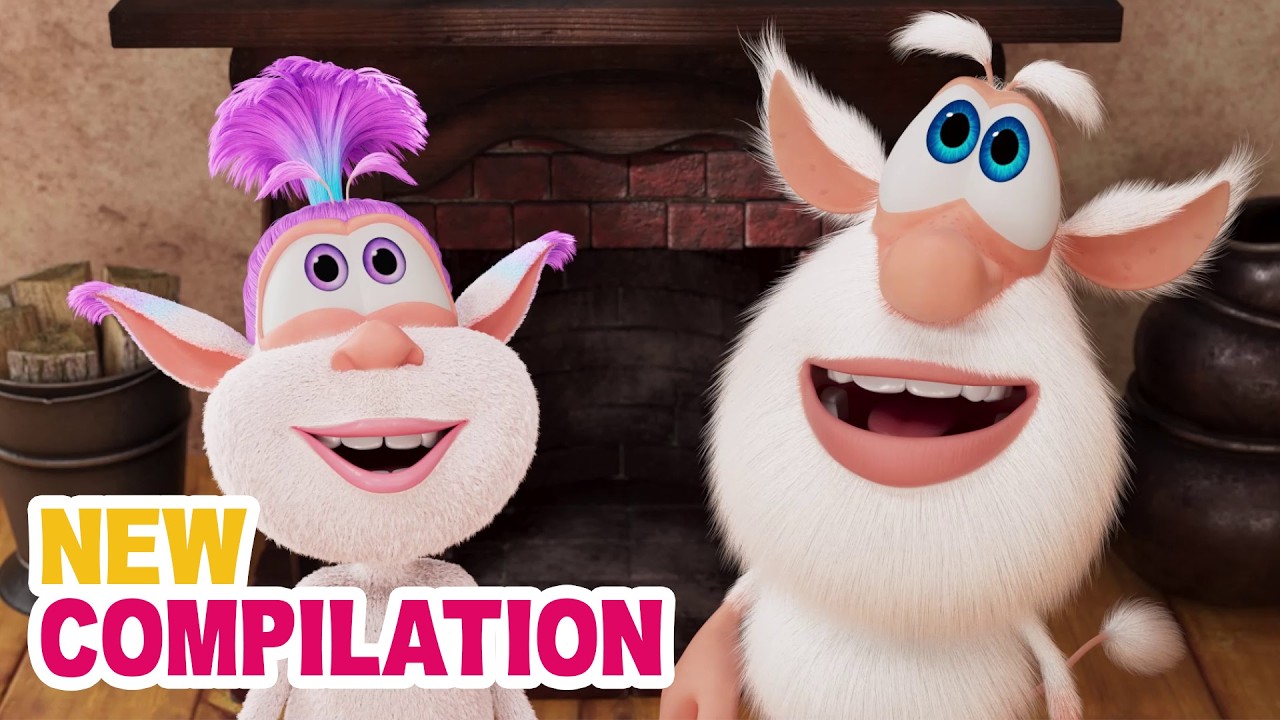
Best Moral Stories for Kids with Animation

Learn with Fun in 2025

Teaching children good values and life lessons is a vital part of early education. In today’s digital age, animated moral stories for kids have become one of the most effective ways to teach ethics, empathy, and social skills while keeping learning fun and engaging.

Animated moral stories combine colorful visuals, lively characters, and engaging narratives to help children understand right from wrong, develop emotional intelligence, and learn essential life lessons. In 2025, these videos are more popular than ever, offering parents a safe and interactive way to instill values in their children.

This guide explores the benefits of animated moral stories, top series and videos for kids, and tips for parents to maximize learning from these stories.


Why Moral Stories Matter for Kids in 2025:

Stories have always been a powerful educational tool. With animation, stories come to life, making lessons memorable and relatable.

Benefits of animated moral stories:

  • Teaches values: Honesty, kindness, sharing, and respect.

  • Emotional intelligence: Helps children understand feelings, empathy, and conflict resolution.

  • Problem-solving skills: Characters face challenges, showing consequences of choices.

  • Language development: Kids learn new words and sentence structures through storytelling.

  • Safe entertainment: Stories are designed with age-appropriate lessons and positive messaging.

By turning morals into entertaining narratives, children absorb values naturally without feeling like they are being “taught.”


Top Moral Lessons Taught Through Animated Stories:

Here are some common and essential moral lessons taught in animated stories for kids:

  1. Kindness and Empathy
    Stories that show characters helping others or showing compassion teach toddlers how to care for friends, family, and animals.

  2. Honesty and Integrity
    Animated tales about telling the truth help children understand why honesty matters and the consequences of lying.

  3. Sharing and Cooperation
    Through teamwork or sharing experiences, kids learn how to play and work well with others.

  4. Courage and Resilience
    Characters overcoming fears or challenges inspire children to face difficulties bravely.

  5. Respect and Good Manners
    Stories highlight respecting elders, peers, and rules, reinforcing positive social behavior.

  6. Responsibility and Self-discipline
    Animated moral stories show children the importance of taking responsibility for actions and forming good habits.


Top Animated Moral Story Series for Kids in 2025:

1. The Kindness Club:

One of the most popular series in 2025, The Kindness Club teaches empathy, friendship, and sharing through playful characters and interactive stories.

Why it’s popular:

  • Engaging and relatable storylines

  • Soft, colorful animation that appeals to toddlers

  • Promotes emotional intelligence and social skills


2. Moral Tales with Booba:

Booba’s curiosity-driven adventures are now infused with moral lessons. Children learn safety, honesty, and helping others while watching Booba explore the world.

Benefits:

  • Non-verbal and easy to understand for all languages

  • Encourages observation and critical thinking

  • Suitable for toddlers and preschoolers


3. ABC & Friends Life Lessons:

Combining alphabet learning with moral lessons, this series uses fun stories and characters to teach values along with ABCs.

Highlights:

  • Teaches honesty, kindness, and cooperation

  • Reinforces language skills

  • Colorful, interactive visuals for toddlers


4. Super Simple Stories: Life Lessons:

Super Simple Stories combines songs, rhymes, and animations to convey morals in a fun way.

What kids learn:

  • Sharing and caring

  • Respect and empathy

  • Following rules and helping friends


5. Little Hero Adventures:

Animated mini-stories where small characters face challenges and learn courage, responsibility, and resilience.

Key themes:

  • Problem-solving and decision-making

  • Bravery in small daily tasks

  • Understanding consequences


6. Animal Tales for Kids:

Stories featuring animals teach moral lessons in an entertaining way, often making values easier for children to understand.

Learning benefits:

  • Sharing and friendship through animal adventures

  • Respect for nature and animals

  • Promotes teamwork and kindness


How to Choose the Right Animated Moral Stories:

When selecting moral story videos for kids, parents should consider:

  1. Age-appropriate content – Stories should match your child’s understanding.

  2. Positive messaging – Avoid content with negative stereotypes or violence.

  3. Engaging visuals – Bright colors and fun characters hold attention.

  4. Short duration – Toddlers learn better from 5–10 minute videos.

  5. Interactive elements – Songs, rhymes, and prompts encourage participation.

  6. Trusted sources – Use safe platforms like YouTube Kids or educational websites such as boobacartoon.com.


Tips for Maximizing Learning with Moral Stories:

  1. Watch together – Parents can reinforce the lessons and answer questions.

  2. Discuss the story – Ask your child “What would you do?” to encourage critical thinking.

  3. Repeat favorites – Repetition strengthens understanding and retention.

  4. Combine with real-life practice – Encourage children to act on lessons like sharing or helping.

  5. Mix with other learning videos – Pair moral stories with ABC, numbers, or colors for a well-rounded early education.


Recommended Moral Stories for Kids in 2025:

  • The Kindness Club – Empathy, sharing, and friendship

  • Moral Tales with Booba – Safety, honesty, and helpfulness

  • ABC & Friends Life Lessons – Values combined with alphabet learning

  • Super Simple Stories: Life Lessons – Songs, rhymes, and morals

  • Little Hero Adventures – Courage, resilience, and responsibility

  • Animal Tales for Kids – Friendship, teamwork, and respect for animals

These series are safe, engaging, and educational, making moral lessons fun and memorable for toddlers and preschoolers.


Final Thoughts:

Animated moral stories are more than just entertaining videos—they are powerful tools for teaching values, empathy, and social skills. By choosing the right series, parents can help their children develop emotional intelligence, good habits, and decision-making skills while enjoying bright and playful animations.

In 2025, with a wide variety of animated moral stories available, parents have endless options to make screen time educational and enriching. Mix and match stories, discuss lessons, and encourage real-life practice to give your child a strong foundation for ethical and emotional development.
Tip for Parents:  Encourage children to retell the stories in their own words—this reinforces memory, comprehension, and moral understanding.

Advertisement
Top Booba-Themed Printable Worksheets for Children
Printable worksheets are an excellent way to combine fun and learning for children. Booba, with his playful and expressive personality, provides the perfect theme for worksheets that engage young learners. From coloring and tracing to puzzles and counting activities, Booba worksheets make education interactive, enjoyable, and visually stimulating. In this guide, we present the top Booba-themed printable worksheets for children aged 3–8, along with tips on how to use them for learning at home or in the classroom. 1. Booba Coloring Worksheets: Simple line art of Booba in various poses Bright colors can be added using crayons or markers Teaches color recognition, hand-eye coordination, and creativity Activity Tip: Encourage children to tell a mini story about what Booba is doing in the picture. 2. Booba Tracing Worksheets: Outlines of Booba, objects, and letters for tracing Helps children practice fine motor skills, pencil control, and writing readiness Great for preschoolers and early learners Learning Tip: Tracing can be combined with counting or identifying shapes in the picture. 3. Booba Maze Worksheets: Children help Booba find his way to a toy, balloon, or friend Improves problem-solving, spatial awareness, and patience Fun and engaging way to introduce logical thinking Activity Tip: Reward completion with a sticker or mini Booba stamp. 4. Booba Counting Worksheets: Worksheets with Booba interacting with objects for counting practice Helps children recognize numbers, quantities, and basic math skills Encourages visual learning and numeracy development Learning Tip: Ask children to color a certain number of items while counting aloud. 5. Booba Matching Worksheets: Match Booba characters to their favorite objects or scenes Enhances cognitive skills, attention to detail, and memory Suitable for group activities or solo learning Activity Tip: Use mini stickers for correct matches to make it interactive. 6. Booba Pattern Recognition Worksheets: Identify and continue patterns using Booba-themed objects Boosts critical thinking, sequencing, and problem-solving skills Ideal for preschoolers to practice logical reasoning Learning Tip: Start with simple patterns and gradually increase complexity. 7. Booba Spot-the-Difference Worksheets: Two similar Booba images with subtle differences Encourages visual observation, attention to detail, and patience Great for enhancing focus and concentration Activity Tip: Children can circle or color the differences for added fun. 8. Booba Cut-and-Paste Worksheets: Cut out Booba characters or objects and paste them into the correct scenes Improves fine motor skills, hand-eye coordination, and sequencing Adds a tactile dimension to learning Learning Tip: Turn it into a storytelling activity where children explain their scene. 9. Booba Word Search & Alphabet Worksheets: Introduce Booba-themed words for children to find in a word search Letters or words can be traced or colored for alphabet practice Develops reading skills, vocabulary, and letter recognition Activity Tip: Encourage children to use the words in their own mini stories. 10. Booba Creative Writing Worksheets: Provide a scene with Booba and leave space for children to write or draw what happens next Enhances imagination, storytelling, and writing skills Suitable for older preschoolers and early elementary learners Learning Tip: Combine with coloring and drawing to create a complete activity sheet. How to Use Booba Worksheets Effectively: Combine Multiple Skills: Use worksheets that combine coloring, counting, and tracing for multi-skill development. Set a Theme: Align worksheets with favorite Booba episodes or activities. Interactive Learning: Encourage discussion, storytelling, and role-play while completing worksheets. Reward Completion: Stickers, stamps, or praise motivate children. Rotate Activities: Offer different types of worksheets weekly to maintain interest. Educational Benefits of Booba Worksheets: Cognitive Development: Puzzles, matching, and pattern recognition enhance thinking skills. Fine Motor Skills: Coloring, tracing, and cutting improve hand-eye coordination. Creativity & Imagination: Children interpret Booba scenes and create their own ideas. Problem-Solving: Mazes and pattern activities teach logical thinking. Language & Literacy: Word searches and writing exercises improve vocabulary and literacy. Final Thoughts: Booba-themed printable worksheets are an engaging way to combine fun and learning. From coloring and tracing to mazes, counting, and creative writing, these worksheets help children develop essential skills while exploring Booba’s playful world. Perfect for home learning, preschool classrooms, or rainy-day activities, Booba worksheets keep children entertained and educationally engaged.
How Booba Encourages Curiosity in Young Minds
Booba is a popular animated character loved by young children around the world. Unlike traditional cartoons with heavy dialogue, Booba relies on visual storytelling, expressions, and playful exploration. This unique style makes Booba especially effective in encouraging curiosity in young minds. Children naturally feel connected to Booba’s sense of wonder, which motivates them to observe, explore, and ask questions about the world around them. Curiosity is one of the most important skills in early childhood development. When children are curious, they learn faster, think deeper, and develop a lifelong love for learning. Booba plays a significant role in nurturing this curiosity through simple yet powerful storytelling. Why Curiosity Is Important for Young Children: Curiosity is the driving force behind learning. It encourages children to explore new ideas, understand cause and effect, and develop problem-solving skills. Curious children are more likely to ask questions, experiment, and stay engaged in learning activities. Developing curiosity at an early age helps children: Build critical thinking skills Improve attention and focus Enhance creativity and imagination Develop independence in learning Strengthen cognitive development Booba’s cartoon style aligns perfectly with how young children naturally learn—through observation and exploration. How Booba’s Visual Storytelling Sparks Curiosity: Booba cartoons use minimal or no spoken language, which encourages children to focus on actions rather than words. This visual storytelling pushes kids to observe closely and interpret what is happening on screen. When Booba interacts with everyday objects in unexpected ways, children become curious about outcomes. They begin thinking: What will happen next? Why did that happen? What is Booba trying to do? This constant engagement keeps young minds active and curious. Exploration of Everyday Objects: One of Booba’s strongest features is how he explores ordinary household items in creative ways. Simple objects like boxes, utensils, or toys become sources of adventure. This teaches children that learning does not always require complex tools. Everyday surroundings are full of opportunities for exploration. Kids start imitating Booba by experimenting with objects safely, which strengthens curiosity-driven learning. Encouraging Cause and Effect Thinking: Booba cartoons often show actions followed by immediate consequences. When Booba presses a button, pulls a lever, or mixes things, something happens. This helps children understand cause and effect relationships, which are essential for cognitive development. Kids begin to predict outcomes and test their assumptions, a key part of scientific thinking and problem-solving. Non-Verbal Learning and Observation Skills: Because Booba relies heavily on expressions, gestures, and movement, children sharpen their observation skills. They learn to read emotions, understand reactions, and interpret situations without spoken explanations. This strengthens: Visual perception Emotional understanding Attention to detail Concentration These skills are directly linked to curiosity, as observant children naturally want to know more. Freedom to Think Without Instructions: Unlike many educational cartoons that give direct instructions, Booba allows children to think independently. There are no obvious answers or explanations given. This open-ended style encourages children to: Form their own ideas Interpret situations differently Explore multiple possibilities Such freedom is essential for nurturing creative curiosity in young minds. Emotional Engagement Builds Interest: Booba’s expressive face and playful reactions create strong emotional connections with children. When kids emotionally connect with a character, they become more invested in what happens next. This emotional engagement keeps curiosity alive, making children eager to watch, learn, and explore further. How Parents Can Use Booba to Encourage Curiosity: Parents can turn Booba cartoons into meaningful learning moments by engaging actively with their children. Simple actions can increase the learning impact: Ask children what they think Booba is doing Encourage them to guess what might happen next Relate Booba’s actions to real-life situations Let children recreate safe experiments inspired by Booba These interactions help children express curiosity verbally and confidently. Benefits of Booba for Early Childhood Development: Booba supports several areas of early development, including: Curiosity and exploration Problem-solving skills Imagination and creativity Observation and focus Emotional understanding Because Booba uses simple visuals and slow pacing, it is especially suitable for preschool and early learners. Choosing the Right Balance of Screen Time: While Booba is beneficial, balanced screen time is important. Parents should ensure children also engage in physical play, reading, and real-world exploration. When used mindfully, Booba cartoons can enhance curiosity without overstimulation, making screen time productive and educational. Long-Term Impact of Curiosity-Based Learning: Children who grow up curious tend to perform better academically and socially. They become confident learners who enjoy discovering new things. By encouraging curiosity through cartoons like Booba, parents lay a strong foundation for: Lifelong learning Independent thinking Adaptability Creativity Conclusion: How Booba encourages curiosity in young minds is a perfect example of learning through simplicity. With visual storytelling, playful exploration, and emotional engagement, Booba naturally stimulates curiosity without pressure or instruction. When parents guide children thoughtfully, Booba becomes more than a cartoon—it becomes a tool for developing curious, confident, and creative young learners. Used wisely, Booba helps children explore the world with wonder and excitement, one small discovery at a time.
Why Cartoons Are Important for Childhood Development: A 2025 Perspective
In an era dominated by debates over screen time, it's easy to overlook a fundamental truth: high-quality cartoons are not merely digital babysitters. When chosen intentionally, they are a vibrant, dynamic tool that can significantly contribute to a child's cognitive, social, and emotional growth. This 2025 guide moves beyond the screen-time clock to explore the multifaceted developmental benefits of thoughtful cartoon viewing. Beyond Entertainment: Cartoons as a Developmental Tool : Modern, well-crafted cartoons are designed by teams of artists, writers, and often child development experts. They are complex narratives that do far more than fill time; they provide a shared cultural language and a safe space to explore big ideas. 1. Cognitive & Language Development: Building a Smarter Brain : Cartoons can actively stimulate young minds in powerful ways. Vocabulary Expansion: Children's programming often introduces a richer vocabulary than everyday conversation. Narratives expose them to new words, concepts (like "gravity," "habitat," "emerge"), and linguistic structures in a memorable, contextualized way. Foundation for Literacy: The sequence of events in a plot teaches story structure—beginning, middle, end, cause and effect. This is a direct precursor to reading comprehension. Shows with on-screen text or wordplay reinforce letter and sound recognition. Executive Function: Many cartoons pose problems that characters must solve. Watching them model planning, perseverance, and flexible thinking ("That didn't work, try something else!") helps children internalize these critical cognitive skills. Cultural & General Knowledge: Cartoons can be a child's first window into history, geography, science, and different cultures, making learning visceral and engaging. 2. Social & Emotional Learning (SEL): The School of Feelings : Cartoons provide a "social simulator" where children can safely observe and process complex interpersonal dynamics. Empathy & Perspective-Taking: By identifying with characters, children learn to recognize and label emotions—not just their own, but those of others. They see the consequences of kindness, sharing, and hurtful actions in a low-stakes environment. Navigating Social Scenarios: Storylines often revolve around friendship conflicts, teamwork, jealousy, and reconciliation. Children absorb scripts for social problem-solving they can apply in their own lives. Resilience & Coping: Characters face fears, make mistakes, and experience disappointment. Seeing them cope in healthy ways provides models for emotional regulation and resilience. Representation & Identity: Seeing characters who look like them or share their experiences validates a child's own identity. Seeing diverse characters builds understanding and inclusivity from a young age. 3. Creativity & Imaginative Play: Fuel for the Inner World : The vibrant, rule-bending worlds of animation are potent fuel for a child's imagination. Spark for Pretend Play: Cartoons provide characters, scenarios, and worlds that children eagerly recreate in their own play, building narratives, dialogue, and problem-solving in real-time. Visual Creativity: The unique art styles of different cartoons expand a child's visual library and can inspire their own drawing, building, and creative expression. "What If" Thinking: Animated worlds often operate on different logic, encouraging divergent thinking and the exploration of possibilities beyond the real world. 4. The Family Connection: A Shared Cultural Experience : Cartoons create common ground for connection and conversation. Co-Viewing as Bonding: Watching together is shared joy. It's an opportunity to laugh, gasp, and experience a story as a team. Springboard for Big Talks: A character's dilemma can be the perfect, non-threatening entry point to discuss real-life issues like bullying, honesty, or frustration. Parents can ask, "What would you have done?" Building Family Lore: Favorite shows, quotes, and characters become part of a family's shared language and inside jokes, strengthening bonds. The Critical Caveat: Not All Cartoons Are Created Equal : These benefits are contingent on quality, age-appropriateness, and context. The Quality Spectrum: A slow-paced, character-driven show about cooperation is neurologically different from a hyper-fast, violent comedy clip. Seek out animation that prioritizes story and character. The Co-Viewing Factor: The benefits are magnified exponentially when an adult is present to discuss, explain, and connect the on-screen events to the child's world. This "mediated viewing" transforms passive consumption into active learning. Balance is Non-Negotiable: Cartoons should be a part of a rich developmental diet that includes physical play, real-world exploration, reading, and unstructured downtime. Choosing Developmentally Positive Cartoons in 2025: A Quick Guide : For Toddlers (2-4): Look for slow pacing, simple narratives, and gentle humor. Focus on shows that label emotions and objects clearly. For Preschoolers (4-6): Seek out shows that model social problem-solving, empathy, and curiosity. Slightly more complex plots are appropriate. For School-Age (6-10): Cartoons can explore more complex themes of friendship, ethics, and persistence. This is a great age for shows that introduce STEM concepts or historical events in an engaging way. Conclusion: Intentional Viewing as a Parenting Strategy : The question in 2025 is not "Should my child watch cartoons?" but "How can we make this screen time meaningful?" By moving from seeing cartoons as mere entertainment to recognizing them as a potential catalyst for discussion, learning, and connection, we reclaim their value. A well-chosen cartoon, watched together and talked about afterward, is not a developmental compromise—it can be a legitimate and valuable tool in the modern parenting toolkit, nurturing a child's mind and heart in equal measure.
How to Use Playful Cartoon Characters to Improve Kids’ Creativity
Children love watching funny, curious, and playful animated characters. Beyond entertainment, these characters can be powerful tools to boost creativity, imagination, and problem-solving skills in young learners. This guide explains how parents can use animated characters to inspire creativity in children aged 3–8 through activities, storytelling, and interactive play. Why Animated Characters Boost Creativity: Imaginative Scenarios: Characters often explore unusual or silly situations, inspiring children to think outside the box. Visual Storytelling: Exaggerated expressions and playful antics allow children to interpret and invent stories. Hands-On Inspiration: Watching characters can motivate kids to draw, craft, or role-play. Problem-Solving: Funny mishaps encourage children to invent solutions, enhancing cognitive skills. Ways to Use Animated Characters to Enhance Creativity: 1. Storytelling Activities Ask children to retell the episode in their own words. Encourage them to change endings or invent new adventures. Use props or toys to act out scenes, promoting imagination. Educational Tip: Enhances narrative skills, sequencing, and vocabulary. 2. Drawing and Coloring Inspired by Characters Let kids draw or color scenes from the episode. Encourage adding new elements or characters, fostering creativity. Combine with storytelling by asking them to describe their drawings. Learning Tip: Supports fine motor skills and creative thinking. 3. Craft and DIY Projects Create character-themed crafts, such as paper puppets, masks, or origami figures. Encourage children to design new characters or accessories, boosting problem-solving and innovation. Learning Tip: Hands-on crafts enhance planning, coordination, and imaginative skills. 4. Role-Playing and Acting Children can recreate scenes or improvise new stories. Use safe props or costumes to make play interactive. Role-play helps children experiment with different emotions and scenarios. Learning Tip: Develops emotional intelligence, social skills, and creativity. 5. Writing Mini Stories For older children (6–8 years), encourage writing short stories inspired by episodes. They can illustrate characters and adventures, combining art and writing. Helps build literacy skills, imagination, and self-expression. Tips for Parents: Co-Create Stories: Participate with your child to make storytelling interactive. Provide Materials: Supply markers, colored paper, scissors, or toys for creative activities. Encourage Originality: Praise unique ideas rather than copying. Set a Routine: Incorporate 20–30 minutes of creativity-inspired activities after watching episodes. Display Work: Showcase drawings or crafts to boost confidence and motivation. Benefits of Using Animated Characters for Creativity: Imagination Growth: Kids learn to invent and visualize new scenarios. Problem-Solving Skills: Characters’ challenges encourage innovative thinking. Fine Motor Development: Drawing, coloring, and crafting enhance hand-eye coordination. Emotional Expression: Acting or storytelling helps express feelings. Confidence and Achievement: Completing projects inspired by characters increases self-esteem. Final Thoughts: Playful cartoon characters are more than just entertainment—they can inspire creativity, problem-solving, and imaginative play in children. By integrating drawing, storytelling, role-playing, and crafts, parents can turn screen time into interactive learning experiences, boosting both fun and skill development.
History of Non-Verbal Comedy in Cartoons: From Silent Films to Modern Mime
The universal language of a slip on a banana peel, a look of shocked surprise, or a perfectly timed pause transcends words and cultures. In animation, non-verbal comedy—or visual slapstick—is not just a tool; it is the art form's foundational comedic heartbeat. This guide traces the rich history of how animators have made us laugh without saying a word, from flickering black-and-white reels to the hyper-expressive digital characters of today. The Silent Era: Birth of the Visual Gag (1900s-1920s) : Animation was born in the silent film era, inheriting its comedic DNA directly from masters like Charlie Chaplin and Buster Keaton. Key Pioneers: Winsor McCay: In Gertie the Dinosaur (1914), the interactive, personality-driven animation established a character audiences could connect with through gesture alone. Max Fleischer (Out of the Inkwell): The surreal interplay between a live-action animator and his mischievous cartoon creation, Koko the Clown, relied entirely on visual trickery and playful defiance. The Core Principle: Exaggerated Physics and Personality. Without dialogue, comedy came from rubber-limbed movements, impossible transformations, and characters whose every emotion was written large on their faces and in their body language. The Golden Age: Slapstick Perfected (1930s-1950s) : With sound came music and effects, but the best shorts remained masterclasses in visual storytelling. The Warner Bros. School of Anvil Comedy: Chuck Jones’s Philosophy: He established "The Rules" for characters like Wile E. Coyote and the Road Runner. The comedy was in the meticulous, cause-and-effect logic of failure. The coyote’s slow look down after running off a cliff is a silent masterpiece of realization. Tex Avery’s Hyperbole: Avery took exaggeration to its极限. Characters’ eyes would pop out, jaws would hit the floor, and bodies would stretch like taffy. The reaction was the joke, and it was always visual, rapid-fire, and wordless. Disney’s Emotional Pantomime: While Disney featured dialogue earlier, its early shorts and feature sequences (e.g., The Band Concert with Mickey, Playful Pluto with the flypaper) were built on elaborate pantomime. Animators studied live-action comedians to translate subtle, empathetic physical comedy into their characters. The Television Era: Limited Animation, Unlimited Expression (1960s-1980s) : Budget constraints led to limited animation, forcing creatives to rely even more on strong character design and clever visual wit. Hanna-Barbera’s Clever Shortcuts: Shows like Tom and Jerry (originally MGM) and later Scooby-Doo used repetitive chase sequences, but the comedy was in the anticipation and the elaborate, destructive payoff—a collapsing wall of shelves, a expanding bubble gum bubble. Character reactions (Tom’s scheming grin, Shaggy’s full-body shudder) told the story. The European Influence: French Animator René Laloux (Fantastic Planet) and others created surreal, often dialogue-light worlds where the comedy and horror were baked into the bizarre visual design and scenarios. British Shows like The Clangers: Communication was through musical whistles and pure physical action, making their curiosity and problem-solving universally understandable. The Modern & Digital Renaissance (1990s-Present) : Technology allowed for more nuanced animation, but the principles of silent comedy remained essential. The Return of the Pure Mime: Mr. Bean: The Animated Series successfully translated Rowan Atkinson’s live-action silent clowning into cartoon form, proving the timelessness of the format. Shaun the Sheep (Aardman): A spin-off from the dialogue-free Wallace & Gromit, this show became a global hit. Every plot point, emotion, and joke is conveyed through impeccable stop-motion animation, sound effects, and music. Pixar’s "Show, Don’t Tell" Ethos: Pixar’s short films (Geri’s Game, Piper) and key feature sequences (the first 30 minutes of WALL-E, much of Up’s marital montage) are legendary for their powerful, wordless storytelling. They use subtle facial animation and environmental details to convey complex emotions, making the comedy more heartfelt and the drama more profound. The Internet & Algorithmic Age: Web Cartoons & Short-Form Content: Platforms like YouTube favor quick, wordless humor that requires no translation or setup—perfect for viral loops. Characters like the early Simons Cat or countless indie animation memes thrive on simple, relatable visual gags. Modern TV Examples: Shows like The Amazing World of Gumball blend styles but often let its characters’ exaggerated, rubber-hose-inspired reactions deliver the biggest laughs without dialogue. Why Non-Verbal Comedy Endures & Matters : Universality: It bypasses language and age barriers. A toddler and a grandparent can laugh at the same slip-and-fall. Pure Visual Storytelling: It forces animators to be inventive, relying on the fundamental tools of the medium: timing, squash and stretch, anticipation, and expression. Emotional Clarity: When a character’s joy, frustration, or confusion is communicated solely through animation, it can feel more direct and authentic. The Foundation of Character: A character defined by their actions and reactions, not their words, often becomes more iconic and beloved (e.g., Gromit, WALL-E, Charlie Brown’s slumped walk). Conclusion: The Unspoken Bond Between Animator and Audience : The history of non-verbal comedy in cartoons is a history of animation itself—a testament to the power of moving drawings to connect with something primal in us. From the anarchic slapstick of a falling anvil to the subtle, heartbreaking glance of a lonely robot, it proves that the most powerful stories and the biggest laughs often come not from what is said, but from what is seen. In a world of endless chatter, the silent eloquence of a well-animated sigh or a perfectly executed double-take remains comedy in its purest, most global form.
Colors & Shapes Kids Learn from Cartoons
Cartoons are one of the most powerful learning tools for young children. Beyond entertainment, animated shows play an important role in teaching basic concepts like colors and shapes. Because cartoons combine bright visuals, movement, and repetition, they help children understand and remember information easily. Learning colors and shapes through cartoons feels natural and fun, especially during early childhood when visual learning is strongest. Children are naturally drawn to colorful animations and simple shapes. When these elements are presented in engaging stories, kids learn without realizing that they are learning. This makes cartoons an effective method for early education and brain development. Why Colors and Shapes Are Important for Early Learning: Colors and shapes are among the first concepts children learn. These basics support many other skills, including reading, writing, math, and problem-solving. Understanding colors helps children describe the world around them, while shapes help them recognize patterns and objects. Learning colors and shapes improves: Visual recognition Memory and attention Language and vocabulary Early math skills Hand-eye coordination Cartoons present these concepts in a simple and enjoyable way that matches a child’s natural learning style. How Cartoons Teach Colors Effectively: Cartoons use bright, contrasting colors that instantly grab a child’s attention. Characters, objects, and backgrounds are often color-coded, making it easy for kids to identify and remember different colors. For example, a cartoon character might say “This is a red ball” while holding a red object. The combination of visual cues and spoken words helps children connect color names with real objects. Cartoons also use repetition. Colors appear again and again in different scenes, which strengthens memory and understanding over time. Learning Shapes Through Visual Storytelling: Shapes are everywhere in cartoons. Characters are often made from simple shapes like circles, squares, and triangles. Buildings, vehicles, and everyday objects are also shown using basic shapes. When children see these shapes repeatedly, they begin to recognize them in real life. For instance, a cartoon may show a round sun, a square house, or a triangular roof. This helps children understand that shapes are part of the world around them. Visual storytelling makes shape learning effortless and enjoyable. Role of Repetition in Color and Shape Recognition: Repetition is key in early childhood education. Cartoons naturally repeat colors and shapes through songs, dialogues, and scenes. This repetition helps children remember what they see and hear. Songs about colors or shapes are especially effective. When children sing along, they actively participate in the learning process, which improves retention and understanding. Over time, kids start naming colors and shapes confidently without guidance. How Cartoons Improve Vocabulary Related to Colors and Shapes: Learning colors and shapes also expands a child’s vocabulary. Children learn words like bright, dark, round, flat, big, small, and more. These descriptive words help kids express themselves clearly. Cartoons often encourage children to describe what they see. For example, a character might ask, “What shape is this?” This interaction motivates children to think and respond, improving both vocabulary and confidence. Benefits of Learning Colors and Shapes from Cartoons: Learning through cartoons offers several benefits: Makes learning fun and stress-free Supports visual and cognitive development Improves attention span Encourages curiosity and exploration Builds a strong foundation for school learning Because cartoons are engaging, children stay focused longer and absorb information more effectively. How Parents Can Support Learning at Home: Parents can enhance learning by actively engaging with children during and after cartoon time. Simple steps can make a big difference: Talk about the colors and shapes shown in cartoons Ask children to point out shapes and colors around the house Use toys, books, and drawing activities related to what they watched Encourage children to name colors and shapes aloud These activities help children apply what they learn from cartoons to real life. Choosing the Right Cartoons for Learning: Not all cartoons are educational. Parents should choose shows that use clear visuals, simple language, and positive messages. Educational cartoons designed for preschool and early learners are most effective for teaching colors and shapes. Avoid shows with overly fast scenes or dark visuals, as they may confuse young children. Long-Term Impact of Learning Through Cartoons: Children who learn colors and shapes early develop stronger academic skills later. These basics help with reading comprehension, math concepts, and problem-solving. By learning through cartoons, children also develop a positive attitude toward learning. They begin to see education as fun rather than difficult. Conclusion: Colors and shapes kids learn from cartoons play a crucial role in early childhood development. Through bright visuals, repetition, and engaging storytelling, cartoons help children understand and remember basic concepts effortlessly. When used wisely, cartoons become more than entertainment. They turn screen time into a valuable learning experience that supports cognitive growth, language development, and early education. With the right balance and guidance, cartoons can lay a strong foundation for a child’s lifelong learning journey.
How Animations Are Made: A Simple Guide for Kids
Have you ever wondered how your favorite cartoon characters move, talk, and go on adventures? It feels like magic, but it’s actually a super cool mix of art, technology, and patience! Making an animation is like creating a flipbook, but with lots of people and powerful computers helping out. Let’s follow the journey of a single cartoon from the first spark of an idea to the show on your screen! Step 1: The Big Idea – It All Starts with a Story! : Every cartoon begins with someone’s imagination. The Writers dream up the story, the jokes, and what the characters will say. The Storyboard Artists are like comic book creators. They draw the story shot-by-shot in simple sketches. This is the cartoon’s first visual blueprint! It shows what characters are doing, where they are, and how the camera moves. Step 2: Meet the Characters – Design Time! : Before they can move, we need to know what they look like from every angle! Character Designers draw the heroes, villains, and everyone else. They make model sheets that show how a character stands, smiles, runs, and even looks sad. This makes sure they look the same in every scene. Step 3: The Secret of Movement – It’s an Illusion! : Our eyes and brains can be tricked! Animation works because of something called persistence of vision. If you see a bunch of pictures that are slightly different, one after another very quickly, your brain blends them into one moving image. Traditional (Hand-Drawn) Animation: Artists called Animators draw every single movement on special paper. For one second of cartoon, they need to draw 24 pictures (called frames)! That’s a LOT of drawing. The lead animator draws the key poses, and assistants draw the pictures in between. Stop-Motion Animation: This is like playing with action figures and taking a photo every time you move them a tiny bit. Animators use puppets or clay models, move them bit by bit, and take a photo of each move. When they play all the photos quickly, the puppet looks like it’s moving by itself! Computer (CGI) Animation: This is how most modern movies and shows are made. Artists build 3D models of the characters and worlds inside the computer. It’s like making a super-detailed virtual puppet. Then, Animators use special controls to move the model’s parts and create the performance, setting a "key pose" for each important movement. The computer creates the smooth "in-between" frames. Step 4: Adding Color and Backgrounds – Building the World : Background Artists paint the beautiful worlds where the adventure happens—the forests, cities, and castles. Clean-Up Artists make the rough drawings look perfect and ready for color. Color Artists (or computers) fill in all the characters and objects with their correct, bright colors. Step 5: Making it Come Alive – Sound and Final Magic! : A cartoon isn’t complete without sound! Voice Actors record all the characters' lines, screams, and laughs in a studio. Foley Artists create sound effects by making noises in creative ways—cracking celery for bone sounds, shaking leather for thunder, or stepping in cornstarch for snow. Composers write the exciting music that makes you feel happy, scared, or ready for adventure. The Final Edit: All the pieces—the moving pictures, the voices, the sound effects, and the music—are put together perfectly by editors, like a giant, amazing puzzle. Then it’s ready for you to watch! You Can Try It! A Mini Animation Project : Make Your Own Flipbook: Get a small stack of sticky notes or a notebook. On the last page, draw a simple character (like a smiling circle). On the next page, draw it again, but move it just a little bit. Keep doing this on each page, moving your character step-by-step. Now flip the pages quickly with your thumb. Your drawing is moving! You just made an animation! Conclusion: Teamwork Makes the Dream Work! : Making an animation is a huge project that takes many talented artists and technicians a long time—sometimes years for a movie! They are all storytellers who use drawings, models, or computers to create the magical moving pictures we love. The next time you watch your favorite cartoon, remember: it started as one simple drawing and a big idea.
Music & Rhythm: Lessons from Animated Episodes
Music and rhythm play an important role in early childhood development. Animated episodes, especially those designed for preschoolers, combine fun, movement, and melody to teach children fundamental lessons about music, coordination, and creativity. Through repetitive tunes, catchy songs, and playful beats, children learn to recognize patterns, improve memory, and express themselves through rhythm. Episodes that incorporate music also stimulate multiple areas of the brain. Visual storytelling paired with musical elements enhances attention, auditory skills, and emotional understanding. Children are naturally drawn to music, and animated episodes provide a safe and engaging environment to explore this creative form. Why Music and Rhythm Are Important for Young Children: Music is more than entertainment; it is a tool for learning and development. For preschoolers, rhythm and melody help in: Developing auditory discrimination skills Enhancing memory and concentration Encouraging physical coordination and movement Fostering creativity and imagination Supporting emotional expression and social interaction Animated episodes make these skills accessible by combining visual cues with musical patterns. How Animated Episodes Teach Musical Patterns: Episodes often introduce simple melodies and repetitive songs that children can follow. Repetition helps young learners: Recognize beats and rhythm Learn to clap, tap, or move in sync with music Predict the next notes or lyrics Understand concepts like fast/slow or loud/soft This foundational understanding of rhythm supports later learning in music, math, and language. Incorporating Movement and Dance: Many animated episodes encourage movement along with music. Characters may: Tap their feet or hands to the beat Dance in simple, exaggerated motions Use gestures to represent musical concepts When children imitate these actions, they improve coordination, gross motor skills, and rhythm recognition. Developing Listening and Memory Skills: Music-based episodes improve listening and memory. Children learn to: Follow sequences of sounds or notes Memorize short songs and lyrics Recognize patterns in melody and rhythm This active listening strengthens cognitive skills and enhances the child’s ability to focus and retain information. Encouraging Creativity and Self-Expression: Music and rhythm also provide an outlet for creative expression. Animated episodes often: Encourage children to create their own songs or beats Inspire imaginative play with musical instruments Promote storytelling through sound and movement Such activities help children develop confidence and individuality while having fun. Lessons in Cooperation and Social Interaction: Musical episodes frequently show group singing or dancing, teaching children important social lessons: Taking turns Coordinating with others Listening to group cues Celebrating together These social experiences promote empathy, teamwork, and emotional intelligence in a playful setting. How Parents Can Support Music-Based Learning: Parents can enhance the learning experience by: Singing along with episodes Clapping or moving to the rhythm together Providing safe instruments like tambourines, shakers, or xylophones Encouraging children to invent their own musical patterns Active participation reinforces concepts and makes learning more interactive and fun. Choosing the Right Musical Episodes: Not all animated episodes are equally beneficial. Parents should select shows that: Include simple, repetitive songs suitable for preschoolers Encourage movement and interaction Use bright visuals and friendly characters Avoid overly complex or loud sequences that may overwhelm young children Educational musical episodes, such as those with nursery rhymes or rhythm-based adventures, are particularly effective. Conclusion: Music and rhythm lessons from animated episodes provide a playful and effective way for preschoolers to develop essential skills. By combining melody, movement, and repetition, these episodes support auditory, cognitive, motor, and social development. When parents engage with children and encourage active participation, music becomes not only fun but also a powerful educational tool, laying the foundation for creativity, coordination, and a lifelong appreciation for music.