Booba Drawing Tutorials for Kids

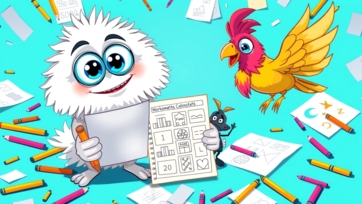
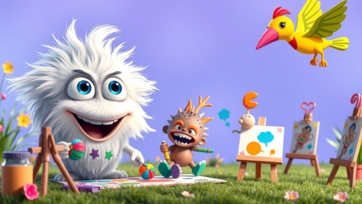
Booba, with his expressive face, playful antics, and simple shapes, is the perfect character for kids to learn drawing. Drawing tutorials inspired by Booba help children develop fine motor skills, creativity, and visual observation while keeping them entertained.

In this guide, we will cover easy Booba drawing tutorials for kids and explain how to make the activity fun, educational, and engaging for children aged 3–8.


Why Booba Drawing Is Perfect for Kids:

  1. Simple Shapes: Booba’s rounded forms and bold features are easy for children to replicate.

  2. Expressive Character: Big eyes, exaggerated mouth, and fluffy body encourage creativity.

  3. Step-by-Step Learning: Children can follow simple steps to create recognizable characters.

  4. Safe & Fun: Requires minimal materials and is suitable for home or classroom settings.


Materials Needed:

  • Drawing paper or sketchbook

  • Pencils and erasers

  • Colored pencils, crayons, or markers

  • Optional: Ruler for shapes, templates for guidance


Step-by-Step Booba Drawing Tutorial for Kids:

1. Start with Basic Shapes

  • Draw a large oval for Booba’s head.

  • Add a smaller oval or circle for the body.

  • Mark positions for eyes, nose, and mouth lightly with a pencil.

Educational Tip: Teaches kids shape recognition and spatial awareness.


2. Add Eyes and Facial Features

  • Draw big circular eyes near the top of the head.

  • Add pupils and highlights to make them expressive.

  • Draw a small oval nose and a wide, smiling mouth.

Educational Tip: Encourages fine motor control and observation skills.


3. Draw Booba’s Arms and Legs

  • Use curved lines for arms and legs.

  • Hands can be simple ovals or mitten shapes.

  • Feet are rounded or slightly elongated to mimic Booba’s style.

Learning Tip: Helps children understand proportions and symmetry.


4. Add Booba’s Fluffy Ears and Tail

  • Draw large, rounded ears on the sides of the head.

  • Optional: Add a small fluffy tail for additional detail.

Educational Tip: Introduces attention to detail and pattern recognition.


5. Add Accessories or Objects

  • Kids can draw Booba interacting with toys, balloons, or pillows.

  • Encourage imagination: Booba can be climbing, jumping, or sliding.

Learning Tip: Supports creative thinking and storytelling.


6. Outline and Erase Guidelines

  • Trace final lines with a darker pencil or marker.

  • Erase unnecessary guidelines to clean up the drawing.

Educational Tip: Teaches focus, patience, and precision.


7. Coloring Your Booba Drawing

  • Use bright colors to mimic Booba’s animated style.

  • Encourage kids to experiment with new color combinations.

  • Add details like shadows or background items to make it lively.

Learning Tip: Enhances color recognition, creativity, and concentration.


Tips to Make Booba Drawing More Fun:

  1. Follow Along Videos: Use step-by-step tutorials for guidance.

  2. Draw Together: Parents or teachers can draw alongside kids to increase engagement.

  3. Storytelling: Encourage children to create stories about what Booba is doing in their drawings.

  4. Display Artwork: Show off finished drawings on walls or classroom boards to boost confidence.

  5. Combine with Crafts: Turn drawings into puppets, masks, or collages.


Educational Benefits of Booba Drawing Tutorials:

  • Fine Motor Development: Tracing, coloring, and shaping improve hand strength.

  • Creativity & Imagination: Kids interpret Booba’s expressions in unique ways.

  • Cognitive Skills: Planning steps and drawing sequences enhances problem-solving.

  • Visual Observation: Children learn to observe shapes, proportions, and expressions.

  • Emotional Expression: Drawing expressive faces encourages understanding of emotions.


Final Thoughts:

Booba drawing tutorials are perfect for combining fun and learning. Kids develop creativity, motor skills, observation, and storytelling abilities while enjoying a hands-on, interactive activity. Drawing Booba can be a daily creative habit or a fun weekend project, making learning exciting and visually engaging.


Advertisement
Storybooks & Educational Materials: A 2025 Guide to Nurturing Curiosity
Beyond the screen, the gentle and curious spirit of beloved characters can be a wonderful gateway to early literacy, emotional learning, and hands-on discovery. Finding the right books and learning materials that embody this spirit of playful exploration can enrich your child's development. This 2025 guide helps you identify high-quality storybooks, activity books, and educational tools that foster the same joy of "figuring things out." What to Look For: The Mark of Quality Learning Materials : The best resources share these traits: Visual Storytelling: Rich in pictures that tell the story, minimizing reliance on text—perfect for pre-readers and early readers. Focus on Process: Stories about solving problems, exploring environments, and discovering how things work. Emotional Simplicity: Themes of curiosity, surprise, friendship, and perseverance without complex moralizing. Interactive Elements: Flaps to lift, textures to feel, or prompts that engage the child directly. Durability: Thick, wipeable pages for young hands or sturdy bindings for frequent use. Category 1: Storybooks That Celebrate Curiosity & Discovery : These books capture the essence of exploration through visual narratives. Wordless & Nearly Wordless Picture Books: Why They're a Perfect Match: They rely entirely on visual sequencing, encouraging children to "read" the pictures, infer emotions, and tell the story in their own words—mirroring non-verbal, observational storytelling. Top Picks to Look For: "Journey" Trilogy by Aaron Becker: A breathtaking wordless adventure where a child uses a red crayon to draw doors into magical worlds. "Flora and the Flamingo" by Molly Idle: A wordless book about mimicry, friendship, and movement with interactive flaps. "The Snowman" by Raymond Briggs: A classic, gentle wordless story of a magical winter adventure. "Problem-Solving" Themed Stories: Why They're a Perfect Match: These books feature protagonists who encounter a puzzle or obstacle and must creatively find a solution through trial, error, and observation. Top Picks to Look For: "Rosie Revere, Engineer" by Andrea Beaty: Celebrates persistence, curiosity, and the spirit of invention after failed attempts. "The Most Magnificent Thing" by Ashley Spires: A girl tries to build something magnificent, dealing with frustration before her breakthrough. "Press Here" by Hervé Tullet:* The ultimate interactive book that turns reading into a series of magical cause-and-effect commands. Simple, Repetitive Phrase Books: Why They're a Perfect Match: For younger fans, books with minimal, repetitive text and bold, clear illustrations help build confidence in "reading" and prediction. Top Picks to Look For: Books by Eric Carle ("The Very Hungry Caterpillar") or Bill Martin Jr. ("Brown Bear, Brown Bear"). The rhythmic text and vibrant collage art are deeply engaging. Category 2: Educational Activity & Workbooks : These turn quiet time into skill-building time with a playful approach. "Seek-and-Find" & "I Spy" Visual Puzzle Books: Why They're a Perfect Match: They train attention to detail, focus, and visual discrimination—all through a game. The task is clear: look closely and discover. What to Look For: Books with busy, colorful scenes (like "Where's Waldo?" for older kids or the "I Spy" series for younger ones). Look for themes of exploration or silly chaos. Beginner Logic & Maze Books: Why They're a Perfect Match: They introduce basic reasoning and spatial skills without requiring reading. Navigating a maze is a silent, physical puzzle on paper. What to Look For: Books like "Kumon Thinking Skills Workbooks" or "Highlights™ Maze Puzzles." Start with simple, wide-path mazes and progress to more complex ones. Sticker Activity & Scene Creation Books: Why They're a Perfect Match: They combine fine motor skill development with storytelling and choice. Children decide where to place elements, creating their own unique scenes. What to Look For: Books with reusable stickers and open-ended backgrounds (a town, a forest, a room). Avoid ones with overly prescriptive instructions. Category 3: Hands-On Educational Materials & Kits : Learning through physical interaction. "How Things Work" Non-Fiction for Kids: Why They're a Perfect Match: Satisfies deep curiosity about everyday objects. Look for books with clear, cutaway diagrams and simple explanations. Top Picks to Look For: "How Machines Work: Zoo Break!" by David Macaulay or the "See Inside" series by Usborne Books, which have informative flaps to lift. Simple Science & Discovery Kits: Why They're a Perfect Match: They provide the tools for hands-on, cause-and-effect experimentation. The focus should be on the fun of the process, not a perfect result. What to Look For: Kits about magnets, color mixing, growing crystals, or basic physics (ramps and gears). Brands like Learning Resources or Thames & Kosmos offer quality beginner kits. Pattern Blocks & Tangram Puzzles: Why They're a Perfect Match: These are the ultimate open-ended, silent puzzles. Children explore shapes, symmetry, and geometry by fitting pieces together to match a picture or create their own designs. What to Look For: A set of wooden pattern blocks in classic shapes (hexagons, trapezoids, squares) with accompanying pattern cards. How to Integrate These Materials: Tips for Parents : "Book and Do" Pairing: After reading a book about building, get out the blocks. After a seek-and-find book, go on a nature walk to "spy" colors and shapes. Follow Their Lead: If they're obsessed with a page showing gears, find a simple gear toy or video to expand on that interest. Embrace the Silence: When looking at a wordless book, don't rush to narrate. Ask, "What do you think is happening here?" Let them be the storyteller. Quality Over Quantity: A few well-chosen, durable books and puzzles are better than a mountain of disposable activity pads. Conclusion: Building a Library of Wonder : The goal is to curate a collection of resources that don't just entertain, but actively engage your child's mind and hands. By choosing storybooks that prize visual discovery, activity books that challenge logic in a fun way, and hands-on materials that reward curiosity, you build a foundation for lifelong learning. You're not just buying books and puzzles—you're providing portals to new ways of thinking, all inspired by the simple, powerful joy of figuring it out.
Teaching Good Habits With Cartoon
Learn Good Habits with Cartoon in 2025 Teaching children good habits is a critical part of early education. In 2025, animated cartoon stories have become one of the most effective ways to help kids learn positive behaviors such as hygiene, healthy eating, time management, and kindness. By combining entertaining storytelling with visual learning, cartoons turn everyday lessons into memorable and enjoyable experiences for children. This guide explores the benefits of cartoon stories for teaching good habits, highlights top series for kids, and provides tips for parents to make learning effective and fun. Why Teaching Good Habits Through Cartoons Matters: Toddlers and preschoolers are highly receptive to visual and auditory learning. Animated cartoons can model behavior, making lessons relatable and easier to understand. Key benefits of cartoon stories for good habits: Promotes healthy routines: Brushing teeth, washing hands, eating nutritious foods. Encourages social skills: Sharing, politeness, and teamwork. Supports emotional development: Managing feelings, patience, and empathy. Reinforces learning through repetition: Characters act out habits consistently. Safe and engaging: Fun storytelling avoids fear or negative messaging. By seeing their favorite characters practice good habits, children are more likely to imitate positive behaviors in real life. Top Good Habits Taught Through Cartoons: Cartoon stories can cover a wide range of practical and social skills, including: Personal Hygiene Brushing teeth, washing hands, bathing regularly. Cleaning up after meals and playtime. Using visuals and songs to make routines fun. Healthy Eating Encouraging fruits, vegetables, and balanced meals. Teaching children to avoid excessive sweets. Showing animated characters enjoying healthy food. Time Management & Routine Waking up, going to bed on time, and completing tasks. Practicing organization and responsibility. Kindness and Social Skills Sharing toys, saying “please” and “thank you.” Helping friends, siblings, and pets. Managing emotions like anger or jealousy. Environmental Awareness Keeping surroundings clean and organized. Caring for plants, animals, and nature. Top Cartoon Series Teaching Good Habits in 2025: 1. Healthy Habits with Zoya: One of the most popular series in 2025, Zoya teaches children personal hygiene, exercise, and nutrition in a fun and interactive way. Highlights: Cheerful character engaging toddlers in daily routines. Songs and repetitive actions to reinforce learning. Suitable for ages 3–7. 2. Booba Educational Adventures: Booba’s curious adventures now include lessons on good manners, sharing, and safety. Benefits: Non-verbal storytelling, making it accessible to all children. Encourages observation and imitative learning. Perfect for toddlers and preschoolers. 3. Super Simple Learning World: Habits Edition: This series combines songs, animations, and storytelling to teach healthy and social habits. Learning focus: Daily routines like brushing, washing, and tidying up. Encourages cooperation and sharing among peers. Uses colorful visuals to maintain attention. 4. Little Hero Adventures: Life Lessons: Animated mini-stories where characters practice responsibility and kindness in everyday situations. Key themes: Encourages empathy, patience, and helping others. Problem-solving and decision-making modeled by characters. Short, engaging episodes suitable for young children. 5. The Kindness Club: Good Habits Edition: This series blends emotional intelligence with habit learning, teaching children to manage feelings and interact politely. Benefits: Builds empathy and emotional awareness. Reinforces positive behaviors through storytelling. Suitable for toddlers and early school-age children. How to Make Cartoon Learning About Habits Effective: Parents can take several steps to ensure children internalize good habits from cartoon stories: Watch together: Parents can discuss lessons and model behaviors. Repeat favorite episodes: Repetition strengthens memory and understanding. Practice in real life: Encourage children to apply habits seen in cartoons. Ask questions: “Why do you think Zoya washes her hands?” fosters critical thinking. Mix with offline activities: Drawing charts, creating routines, and role-playing. Keep screen time balanced: Short, focused sessions are most effective for toddlers. Recommended Cartoon Stories for Teaching Good Habits: Here’s a curated list of top animated series for 2025: Healthy Habits with Zoya – Hygiene, exercise, and nutrition Booba Educational Adventures – Manners, sharing, and safety Super Simple Learning World: Habits Edition – Daily routines and cooperation Little Hero Adventures: Life Lessons – Responsibility and empathy The Kindness Club: Good Habits Edition – Emotional intelligence and social skills These cartoons make learning habits fun, visual, and memorable, helping toddlers adopt positive routines naturally. Final Thoughts: Teaching good habits through animated stories is a powerful method for early childhood development. In 2025, these cartoons combine entertainment, repetition, and interactive visuals to instill essential life skills in toddlers and preschoolers. Parents can enhance learning by: Watching alongside children Discussing lessons and asking questions Reinforcing habits in daily routines With the right series, screen time becomes an educational adventure, helping children develop hygiene, healthy eating, social skills, and emotional intelligence—all while having fun. Tip for Parents: Encourage children to act out habits from cartoons, like brushing teeth or sharing toys. This strengthens understanding and makes learning active rather than passive.
Why Kids Love Booba: Psychological Reasons Explained
Booba is one of the most popular cartoon characters among young children across the world. From toddlers to preschoolers, kids are instantly drawn to his funny expressions, playful actions, and curious nature. But what exactly makes Booba so appealing to children? The answer lies not just in animation or humor, but in child psychology. In this article, we explore the psychological reasons why kids love Booba, how his behavior matches early childhood development, and why parents see such strong engagement when children watch Booba episodes. 1. No Language Barrier: Perfect for Young Minds: One of the strongest psychological reasons behind Booba’s popularity is that he does not speak. Children aged 2–6 years process the world mainly through: Visual cues Facial expressions Body movement Booba communicates entirely through sounds, gestures, and exaggerated reactions. This matches how young children naturally understand emotions before language fully develops. Psychological Impact Reduces cognitive load Improves emotional recognition Makes content universal and easy to understand Kids don’t need explanations — they feel the story. 2. Exaggerated Facial Expressions Attract Attention: Children are naturally attracted to big eyes, wide mouths, and dramatic expressions. Booba’s character design is built exactly around this principle. Why This Works Large eyes help babies and toddlers focus Clear emotions help kids identify feelings Over-reaction feels funny and safe From a psychological point of view, exaggerated expressions help children: Learn emotions faster Stay engaged longer Feel emotionally connected This is why kids often laugh even before understanding what is happening. 3. Curiosity Matches a Child’s Natural Behavior: Booba behaves exactly like a child exploring the world for the first time. He touches everything, opens drawers, presses buttons, and experiments without fear. This mirrors early childhood curiosity, where children learn through trial and error. Psychological Connection Children see themselves in Booba: “He is like me” “I do that too” “I want to explore like him” This creates instant emotional bonding, which is why kids keep returning to Booba episodes. 4. Safe Chaos Without Fear: Booba creates mess, chaos, and funny accidents — but nothing bad ever happens. From a child psychology perspective, this is extremely important. Kids enjoy: Falling Slipping Funny mistakes But only when: There is no pain No danger No scary consequences Booba provides controlled chaos, allowing children to laugh freely without stress or fear. 5. Short Attention-Span Friendly Episodes: Young children have a very limited attention span. Booba episodes are usually short, fast-paced, and visually rich. Psychological Benefits Prevents boredom Reduces overstimulation Keeps dopamine levels balanced Quick actions, constant movement, and visual surprises keep the child’s brain engaged without exhaustion. 6. Repetition Creates Comfort: Children love watching the same episode again and again. Booba’s predictable structure helps with this. Psychologically, repetition: Builds emotional safety Increases memory development Reduces anxiety Kids feel comfortable knowing: What kind of fun to expect That nothing scary will happen This is why children often demand the same Booba episode repeatedly. 7. Bright Colors Stimulate the Brain: Booba episodes use bright, high-contrast colors, which are scientifically proven to attract young viewers. Color Psychology for Kids Red & yellow increase excitement Blue creates trust Green adds balance High contrast improves focus These colors stimulate the visual cortex and keep kids emotionally engaged. 8. Booba Encourages Independent Thinking: Booba does not tell children what to think or feel. There is no narration explaining lessons. This allows children to: Observe Interpret Think independently Psychologists call this active viewing, which improves: Cognitive development Decision-making Observation skills Kids feel smarter because they “figure things out” themselves. 9. Positive Emotions Only: Booba’s world is filled with: Joy Surprise Curiosity Laughter There is no anger, fear, or sadness lasting long. For children, this emotional environment feels safe and comforting. This is why parents notice: Calm behavior Happy mood Reduced screen-time tantrums after watching Booba. 10. Booba Builds Emotional Confidence: When kids see Booba: Failing Falling Trying again They learn that: It’s okay to make mistakes Trying again is normal Learning can be fun This builds emotional resilience, an important psychological skill for early childhood. Why Parents Notice Strong Attachment: Parents often report that children: Laugh louder at Booba Watch attentively Ask for Booba again This happens because Booba meets core psychological needs: Safety Curiosity Joy Exploration Very few cartoons achieve this balance. Final Thoughts: Kids love Booba not just because he is funny, but because he is psychologically designed for early childhood development. His silent communication, bright colors, exaggerated emotions, and curiosity-driven adventures perfectly match how young brains learn and feel. Booba is a powerful example of how entertainment, psychology, and education can come together — making him one of the most loved kids’ cartoon characters worldwide.
Fun Way to Teach Nutrition to Kids
Teaching children about healthy eating can sometimes be a challenge, especially when they prefer sweets, snacks, and fast food. Healthy eating cartoons for kids offer an engaging and fun way to introduce nutritious foods, balanced meals, and good eating habits. By combining colorful animations, catchy songs, and relatable characters, these cartoons make learning about nutrition enjoyable and memorable for preschoolers and young children. ⭐ Why Healthy Eating Cartoons Are Important: Children develop their eating habits early in life. Animated stories and cartoons can effectively: 1. Introduce Nutritional Concepts: Cartoons can explain the importance of fruits, vegetables, grains, dairy, and proteins in a way children can understand. 2. Encourage Positive Eating Habits: Characters who enjoy healthy foods inspire children to try new fruits, vegetables, and balanced meals. 3. Build Awareness About Junk Food: Through stories, kids can see the negative effects of excessive sugar, fast food, and unhealthy snacks without feeling scared or forced. 4. Make Learning Fun: Bright visuals, fun music, and playful storylines capture attention and help children retain information better. ⭐ Popular Themes in Healthy Eating Cartoons: 1. Fruit and Vegetable Adventures: Characters explore gardens or farms, picking colorful fruits and vegetables, teaching children to recognize and enjoy healthy foods. 2. Balanced Plate Stories: Cartoons show animated meals with all food groups, helping kids understand how to create a balanced diet. 3. Fun Cooking Shows: Animated chefs or children cook simple healthy recipes, encouraging kids to participate and learn basic kitchen skills. 4. Superhero Nutrition: Superheroes gain energy and strength from healthy foods, motivating children to choose nutritious options over junk food. 5. Interactive Songs and Rhymes: Songs about eating fruits, drinking milk, or trying vegetables reinforce learning through repetition and fun. ⭐ Educational Benefits of Healthy Eating Cartoons: 1. Teaches Nutrition Naturally: Children learn which foods are healthy, why they are important, and how to eat them in a balanced way. 2. Encourages Healthy Habits: By seeing favorite characters eat well, children are more likely to try new foods and develop lifelong healthy habits. 3. Improves Cognitive Skills: Interactive cartoons that ask children to count fruits, identify colors, or sort foods also strengthen early math and cognitive skills. 4. Supports Emotional Learning: Characters who feel happy, energetic, or strong after eating healthy foods teach children to connect nutrition with positive feelings. 5. Promotes Family Involvement: Parents can watch cartoons with children and encourage healthy meals together, making learning a shared and enjoyable experience. ⭐ Tips for Parents to Make the Most of Healthy Eating Cartoons: ✔ 1. Watch Together: Discuss the foods characters eat and encourage children to try similar options in real life. ✔ 2. Connect to Real Meals: Reinforce cartoon lessons by preparing fruits, vegetables, and balanced meals with children. ✔ 3. Encourage Fun Challenges: Turn healthy eating into a game, like tasting a new fruit each day, inspired by cartoon stories. ✔ 4. Keep Screen Time Moderate: Even educational content should be limited. 20–30 minutes per day is ideal for preschool children. ✔ 5. Ask Questions: After watching, ask questions like: “Which fruits did the character eat?” or “Why is it good to eat vegetables?” to reinforce learning. ⭐ Conclusion: Healthy eating cartoons for kids are a powerful tool to teach nutrition, balanced diets, and positive food habits in a fun and engaging way. Through colorful animations, interactive songs, and relatable characters, children learn the value of fruits, vegetables, proteins, and other essential foods. By integrating these cartoons into daily routines, parents can encourage children to make healthier choices, understand the importance of nutrition, and develop lifelong habits. With bright visuals, entertaining storylines, and valuable lessons, healthy eating cartoons make learning about food fun, memorable, and enjoyable for every child.
Best Cartoon Stories About Sharing and Caring
Teaching children the values of sharing, caring, and empathy is essential for their social and emotional development. In 2025, cartoon stories about sharing and caring have become a favorite tool for parents to instill these qualities in toddlers and preschoolers. Through colorful animations, relatable characters, and engaging storytelling, children learn to interact positively with peers, family, and the world around them. This guide explores the benefits of sharing and caring cartoons, highlights top series in 2025, and provides tips for parents to reinforce these important lessons. Why Sharing and Caring Cartoons Matter: Children naturally learn by observing behaviors. Cartoons help them internalize positive social skills in a safe and entertaining environment: Encourage empathy: Characters demonstrate understanding and concern for others. Promote teamwork: Children see characters sharing resources and working together. Teach patience and fairness: Stories show taking turns and considering others’ feelings. Improve communication skills: Characters express thoughts and feelings in healthy ways. Create positive role models: Animated heroes model kindness, generosity, and cooperation. By combining fun and education, these cartoons make lessons about sharing and caring memorable and actionable. Key Learning Lessons in Sharing and Caring Cartoons: Sharing Toys and Resources Demonstrates taking turns and letting friends use toys. Encourages children to cooperate without conflict. Helping Others Characters assist friends, family, and community members. Teaches responsibility and compassion. Expressing Feelings Encourages children to talk about emotions instead of acting out. Models healthy conflict resolution. Kindness in Everyday Life Saying thank you, complimenting, and offering help. Reinforces polite and respectful behavior. Teamwork and Cooperation Shows children achieving goals together, highlighting collaboration. Top Cartoon Stories About Sharing and Caring in 2025: 1. The Kindness Club: One of the most popular series in 2025, this cartoon teaches empathy, sharing, and moral values through soft storytelling. Highlights: Focus on friendship, honesty, and caring Age-appropriate for toddlers and preschoolers Engaging stories with colorful animation 2. Booba’s Caring Adventures: Booba explores everyday situations that demonstrate helping, sharing, and empathy. Why it’s trending: Non-verbal storytelling suitable for all languages Encourages observation and understanding Short episodes ideal for toddlers’ attention spans 3. Little Hero Friends: Animated mini-stories where characters work together, share resources, and help one another. Key lessons: Cooperation and teamwork Expressing feelings and resolving conflicts Celebrating kindness and generosity 4. Forest Friends Share & Care: Animal characters in the forest teach children about sharing food, toys, and space while learning about friendship. Learning highlights: Introduces empathy and compassion Fun and engaging nature-based stories Encourages children to apply lessons in real life 5. Super Simple Sharing Songs: Animated songs teach sharing, caring, and polite behavior in an interactive way. Benefits: Reinforces lessons through music and repetition Easy for toddlers to remember and follow Combines learning with fun singing and dancing How Parents Can Reinforce Lessons: Parents can make sharing and caring lessons more effective by: Watching together: Pause and ask questions like, “How can we help our friend?” Role-playing: Practice sharing toys, taking turns, and helping others. Repetition: Re-watch favorite episodes to reinforce key values. Praise positive behavior: Encourage children when they share or show kindness. Discuss real-life situations: Relate cartoon lessons to playground, school, and home scenarios. Combine with offline activities: Art, games, and group activities can strengthen empathy and teamwork. Recommended Cartoon Stories About Sharing and Caring: The Kindness Club – Moral lessons and friendship Booba’s Caring Adventures – Observation-based empathy Little Hero Friends – Cooperation and teamwork Forest Friends Share & Care – Animal-themed kindness stories Super Simple Sharing Songs – Musical lessons in sharing and caring These cartoons are safe, colorful, and educational, helping children learn empathy, kindness, and cooperation in an entertaining way. Final Thoughts: Cartoon stories about sharing and caring are more than just entertainment—they are tools for social and emotional development. In 2025, these animated series help children understand empathy, teamwork, and moral values while enjoying vibrant storytelling. Parents can enhance learning by: Watching together and discussing lessons Practicing sharing and helping in real-life situations Reinforcing values through praise and role-play With the right cartoons, children develop important life skills while having fun, creating a foundation for empathy, kindness, and positive social interaction. Tip for Parents: Encourage children to draw or act out scenes from the cartoons that show sharing and caring, reinforcing both creativity and the moral lesson.
Best YouTube Channels for Toddlers
YouTube has become a popular platform for young children, offering fun, educational, and engaging videos. However, parents must ensure that toddlers watch age-appropriate content that promotes learning, creativity, and safe screen time. This guide highlights the best YouTube channels for toddlers, suitable for ages 1–4, and offers tips for parents to make the experience both fun and safe. Why Choosing the Right Channel Matters: Safety First: Toddlers can accidentally access inappropriate content. Educational Value: High-quality channels teach numbers, colors, letters, and basic life skills. Entertainment with Learning: Bright visuals, songs, and playful characters keep toddlers engaged while learning. Interactive Experience: Encourages singing, dancing, and role-playing, enhancing physical and cognitive development. Top YouTube Channels for Toddlers: 1. Tiny Tunes World Focuses on songs, nursery rhymes, and interactive storytelling. Helps toddlers learn language, rhythm, and coordination. 2. Little Learners Club Engaging videos on colors, shapes, numbers, and basic concepts. Short episodes perfect for toddlers’ attention span. 3. Happy Critters TV Fun animated characters teach sharing, friendship, and emotional awareness. Combines humor with social and emotional learning. 4. Giggle Garden Outdoor adventures with toddlers-friendly characters. Encourages exploration, observation, and nature awareness. 5. Playful Pals Features playful characters in creative scenarios. Promotes imagination, role-playing, and problem-solving skills. 6. Fuzzy Friends Fun Short, funny clips designed to entertain and educate. Teaches basic cognitive and social skills while keeping toddlers engaged. Tips for Parents Using YouTube for Toddlers: Enable YouTube Kids: Provides safe, curated content suitable for toddlers. Set Screen Time Limits: Limit to 30–60 minutes per day for this age group. Co-View and Interact: Watch together to encourage singing, dancing, and discussion. Pre-Select Content: Choose videos aligned with learning goals and age-appropriateness. Encourage Offline Play: Balance screen time with reading, crafts, and outdoor activities. Benefits of the Right YouTube Channels: Cognitive Development: Enhances memory, language, and problem-solving skills. Social-Emotional Skills: Teaches sharing, empathy, and cooperation through character interactions. Creativity: Inspires drawing, crafts, and imaginative play. Fun Learning: Makes education engaging and enjoyable for toddlers. Safe Entertainment: Provides a controlled environment for screen exposure. Final Thoughts: Choosing the best YouTube channels for toddlers ensures that screen time is educational, entertaining, and safe. Parents can enhance the experience by watching together, engaging in activities, and setting clear limits, creating a balanced, fun, and enriching digital experience for young children.
20 Booba-Inspired Indoor Games for Kids
Booba’s playful, curious, and energetic adventures are perfect inspiration for indoor games. Kids can recreate Booba’s fun, safe, and chaotic play at home, keeping them entertained while boosting creativity, motor skills, and problem-solving abilities. In this guide, we present 20 Booba-inspired indoor games for kids, suitable for ages 3–7, that combine fun, learning, and physical activity. 1. Balloon Chase Adventure: Inflate colorful balloons and have kids chase and catch them, just like Booba chasing floating objects. Benefits: Improves coordination and gross motor skills. 2. Booba’s Treasure Hunt: Hide small toys around a room and give children simple clues to find them. Benefits: Encourages problem-solving and observation. 3. Obstacle Climb: Set up pillows, chairs, and soft blocks for kids to climb over and crawl under safely, mimicking Booba’s adventurous movements. Benefits: Enhances balance, agility, and spatial awareness. 4. Toy Sorting Race: Give kids a pile of toys and ask them to sort them by color or type as quickly as possible. Benefits: Improves attention to detail and categorization skills. 5. Booba Freeze Dance: Play fun music and have kids dance like Booba. When music stops, they must freeze in a silly pose. Benefits: Boosts motor control, rhythm, and listening skills. 6. Pillow Mountain Jump: Build a small pillow mountain and let kids jump from one pillow to another, safely. Benefits: Enhances coordination, balance, and fun risk-taking. 7. Bubble Popping Challenge: Blow bubbles and let kids pop them before they touch the floor. Benefits: Improves hand-eye coordination and focus. 8. Indoor Slide Adventure: Use a small indoor slide or create one with cushions, letting kids slide down safely, like Booba’s playful antics. Benefits: Encourages gross motor skills and balance. 9. Stuffed Animal Parade: Children line up stuffed toys and parade them around, imitating Booba interacting with soft toys. Benefits: Promotes imaginative play and organization. 10. Booba’s Puzzle Challenge: Use simple floor puzzles and let kids assemble them quickly. Benefits: Improves problem-solving, spatial awareness, and patience. 11. Balloon Volleyball: Kids hit a balloon back and forth without letting it touch the ground. Benefits: Boosts coordination, teamwork, and timing. 12. Color Hunt Adventure: Call out a color, and children must find an object of that color around the room quickly. Benefits: Teaches color recognition and observation. 13. Indoor Bowling: Set up empty plastic bottles and roll a soft ball to knock them down. Benefits: Improves aim, coordination, and gross motor skills. 14. Booba Says (Simon Says): Play “Booba Says” with silly actions like “jump like Booba” or “crawl like Booba.” Benefits: Encourages listening, attention, and imaginative movement. 15. Indoor Hopscotch: Use masking tape to create a hopscotch grid on the floor. Children jump through the squares like Booba navigating obstacles. Benefits: Enhances balance, motor skills, and number recognition. 16. Toy Rescue Mission: Place small toys in hard-to-reach areas and have children retrieve them safely. Benefits: Encourages problem-solving and strategic thinking. 17. Indoor Balloon Maze: Use chairs and cushions to create a maze. Kids must navigate while carrying a balloon without dropping it. Benefits: Promotes balance, coordination, and planning. 18. Booba’s Funny Faces Contest: Kids imitate funny Booba expressions and actions in front of a mirror. Benefits: Enhances creativity, emotional recognition, and self-expression. 19. Treasure Toss Game: Set up containers and let kids toss soft toys or bean bags into them. Benefits: Improves hand-eye coordination and precision. 20. Indoor Adventure Storytelling: Encourage children to create their own Booba-inspired indoor adventure stories using toys, cushions, and props. Benefits: Boosts imagination, storytelling skills, and cooperative play. Why Parents Love Booba-Inspired Games: Parents appreciate these games because they: Keep kids physically active indoors Develop cognitive, social, and motor skills Encourage creative and imaginative play Provide safe chaos similar to Booba episodes These games are perfect for rainy days, small apartments, or structured playtime. Final Thoughts: Booba-inspired indoor games combine the fun and chaos of Booba episodes with valuable learning experiences. Kids can improve motor skills, problem-solving, creativity, and social interaction while laughing, exploring, and having safe, indoor adventures. Whether it’s balloon chasing, obstacle climbing, or imaginative storytelling, these 20 games make Booba’s playful world come alive at home.
How to Create a Kid-Safe Browser Profile
In today’s digital age, children often use the internet for learning, entertainment, and exploration. However, unsupervised browsing can expose them to inappropriate content and risks. Creating a kid-safe browser profile ensures that children have a protected, age-appropriate online experience while still enjoying the benefits of educational and fun websites. A kid-safe browser profile provides parents with control over content, privacy, and time limits, while giving children a safe space to learn and explore. With the right setup, children can access educational games, videos, and websites without being exposed to harmful material. Why a Kid-Safe Browser Profile is Important: Children are naturally curious, and the internet offers limitless information. A kid-safe browser profile is important because it: Blocks access to inappropriate content Restricts websites with harmful material Protects personal information and online privacy Limits screen time through parental controls Encourages safe online learning habits This protective setup balances freedom and security, allowing children to explore safely. Choosing the Right Browser for Kids: Not all browsers are equally suited for children. Some browsers offer built-in parental controls and kid-friendly interfaces. Consider the following: User-friendly interface suitable for children Pre-installed kid-safe filters and search engines Options for creating multiple profiles for different age groups Compatibility with educational apps and websites Popular kid-friendly browsers include Kiddle, KidZui, and Mozilla Firefox with parental extensions. Setting Up a Kid-Safe Profile: Creating a safe profile involves several steps: Create a separate user account for your child on the device Install a kid-friendly browser or enable parental controls on an existing browser Enable safe search settings to filter out inappropriate content Block adult websites and unsafe domains Set screen time limits to encourage healthy usage habits These steps ensure that children have a customized, safe browsing environment. Using Extensions and Filters: Many browsers allow parents to enhance security using extensions and filters. Useful features include: Content filtering to block unsafe websites Ad blockers to prevent unwanted advertisements Tracking protection to maintain privacy Activity reports to monitor browsing behavior These tools provide an extra layer of security and parental oversight. Adding Educational and Fun Websites: While safety is essential, children also need access to engaging and educational content. Parents can: Bookmark educational websites and games Allow access to child-friendly video platforms Introduce websites that teach science, math, reading, and creativity Create a curated list of safe resources This approach balances safety with learning and entertainment. Encouraging Responsible Browsing: A kid-safe browser is most effective when combined with guidance and rules. Parents should: Teach children not to share personal information Encourage asking permission before visiting new websites Discuss safe online behavior and digital etiquette Monitor usage periodically without being intrusive This guidance helps children develop good internet habits from an early age. Benefits of a Kid-Safe Browser Profile: A properly configured kid-safe browser profile offers numerous benefits: Protects children from harmful content Promotes age-appropriate learning Supports responsible and mindful internet use Reduces exposure to online scams and advertising Provides peace of mind to parents By combining technology with active supervision, parents create a safe digital environment that supports learning and exploration. Conclusion: Creating a kid-safe browser profile is an essential step in modern parenting and digital literacy. By selecting the right browser, enabling parental controls, using filters, and encouraging responsible usage, parents can ensure children explore the online world safely. This approach provides educational opportunities, fosters curiosity, and builds good internet habits, all within a secure and monitored environment.