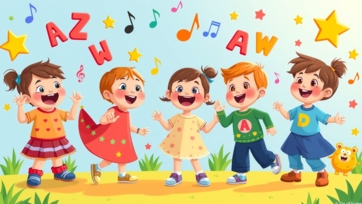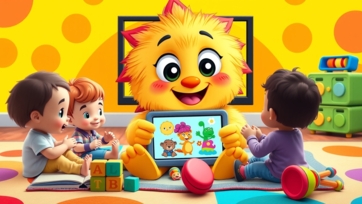
Cartoons are one of the most powerful learning tools for young children. Beyond entertainment, animated shows play an important role in teaching basic concepts like colors and shapes. Because cartoons combine bright visuals, movement, and repetition, they help children understand and remember information easily. Learning colors and shapes through cartoons feels natural and fun, especially during early childhood when visual learning is strongest.
Children are naturally drawn to colorful animations and simple shapes. When these elements are presented in engaging stories, kids learn without realizing that they are learning. This makes cartoons an effective method for early education and brain development.
Why Colors and Shapes Are Important for Early Learning:
Colors and shapes are among the first concepts children learn. These basics support many other skills, including reading, writing, math, and problem-solving. Understanding colors helps children describe the world around them, while shapes help them recognize patterns and objects.
Learning colors and shapes improves:
-
Visual recognition
-
Memory and attention
-
Language and vocabulary
-
Early math skills
-
Hand-eye coordination
Cartoons present these concepts in a simple and enjoyable way that matches a child’s natural learning style.
How Cartoons Teach Colors Effectively:
Cartoons use bright, contrasting colors that instantly grab a child’s attention. Characters, objects, and backgrounds are often color-coded, making it easy for kids to identify and remember different colors.
For example, a cartoon character might say “This is a red ball” while holding a red object. The combination of visual cues and spoken words helps children connect color names with real objects.
Cartoons also use repetition. Colors appear again and again in different scenes, which strengthens memory and understanding over time.
Learning Shapes Through Visual Storytelling:
Shapes are everywhere in cartoons. Characters are often made from simple shapes like circles, squares, and triangles. Buildings, vehicles, and everyday objects are also shown using basic shapes.
When children see these shapes repeatedly, they begin to recognize them in real life. For instance, a cartoon may show a round sun, a square house, or a triangular roof. This helps children understand that shapes are part of the world around them.
Visual storytelling makes shape learning effortless and enjoyable.
Role of Repetition in Color and Shape Recognition:
Repetition is key in early childhood education. Cartoons naturally repeat colors and shapes through songs, dialogues, and scenes. This repetition helps children remember what they see and hear.
Songs about colors or shapes are especially effective. When children sing along, they actively participate in the learning process, which improves retention and understanding.
Over time, kids start naming colors and shapes confidently without guidance.
How Cartoons Improve Vocabulary Related to Colors and Shapes:
Learning colors and shapes also expands a child’s vocabulary. Children learn words like bright, dark, round, flat, big, small, and more. These descriptive words help kids express themselves clearly.
Cartoons often encourage children to describe what they see. For example, a character might ask, “What shape is this?” This interaction motivates children to think and respond, improving both vocabulary and confidence.
Benefits of Learning Colors and Shapes from Cartoons:
Learning through cartoons offers several benefits:
-
Makes learning fun and stress-free
-
Supports visual and cognitive development
-
Improves attention span
-
Encourages curiosity and exploration
-
Builds a strong foundation for school learning
Because cartoons are engaging, children stay focused longer and absorb information more effectively.
How Parents Can Support Learning at Home:
Parents can enhance learning by actively engaging with children during and after cartoon time. Simple steps can make a big difference:
-
Talk about the colors and shapes shown in cartoons
-
Ask children to point out shapes and colors around the house
-
Use toys, books, and drawing activities related to what they watched
-
Encourage children to name colors and shapes aloud
These activities help children apply what they learn from cartoons to real life.
Choosing the Right Cartoons for Learning:
Not all cartoons are educational. Parents should choose shows that use clear visuals, simple language, and positive messages. Educational cartoons designed for preschool and early learners are most effective for teaching colors and shapes.
Avoid shows with overly fast scenes or dark visuals, as they may confuse young children.
Long-Term Impact of Learning Through Cartoons:
Children who learn colors and shapes early develop stronger academic skills later. These basics help with reading comprehension, math concepts, and problem-solving.
By learning through cartoons, children also develop a positive attitude toward learning. They begin to see education as fun rather than difficult.
Conclusion:
Colors and shapes kids learn from cartoons play a crucial role in early childhood development. Through bright visuals, repetition, and engaging storytelling, cartoons help children understand and remember basic concepts effortlessly.
When used wisely, cartoons become more than entertainment. They turn screen time into a valuable learning experience that supports cognitive growth, language development, and early education. With the right balance and guidance, cartoons can lay a strong foundation for a child’s lifelong learning journey.