Affordable & Thoughtful Gifts Inspired by Gentle Characters

Finding the perfect gift that sparks joy doesn't require a big budget. For fans of gentle, curious characters, the most memorable presents are often those that encourage imagination, creativity, and hands-on play. This 2025 guide highlights charming, affordable gift ideas (mostly under $25) that capture a spirit of playful discovery, making them perfect for birthdays, holidays, or just-because surprises.


The Philosophy of a Great Gift: Experience Over "Stuff" :

The best gifts often create moments, not just add to a collection. Look for items that are:

  • Interactive: Encourage the child to do something—create, solve, build, or imagine.

  • Open-Ended: Can be used in multiple ways, growing with the child's imagination.

  • Thoughtfully Themed: A subtle nod to the character's traits (curiosity, simplicity, humor) is more impactful than generic branding.

  • Quality Within Budget: Well-made from safe, durable materials that will last.


Category 1: The Creative Maker Kit (Under $20) :

Gifts that let them build and create their own adventures.

  • DIY "Curiosity" Sock Puppet Kit:

    • Why It's Perfect: This gift is an activity and a toy in one. Include a pair of solid blue socks, pre-cut white felt circles (for eyes), black felt, safe fabric glue, and some extra colorful felt scraps. They can create their own puppet friend and immediately put on a silent, playful show.

    • Budget Tip: Source materials from a dollar store or craft surplus shop. Package it in a clear cellophane bag with a simple "Create Your Friend!" tag.

  • "Mystery Box" Building Set:

    • Why It's Perfect: A collection of open-ended building materials like wooden clothespins, craft sticks, colorful binder clips, and wooden cubes. Pack them in a small, decorated cardboard "treasure box." It’s a kit for inventing wacky structures, fostering the same trial-and-error, inventive engineering the character loves.

    • Budget Tip: Raid the office supply aisle and a craft store's wood section. The presentation in a decorated box makes it special.

  • Window Cling Activity Set:

    • Why It's Perfect: A set of reusable, clear vinyl clings in simple shapes (dots, question marks, light bulbs, gears) and primary colors. Kids can create ever-changing scenes on a window or mirror, exploring patterns and stories with light shining through. It's mess-free, reusable, and encourages visual storytelling.

    • Budget Tip: You can find generic shape sets very affordably online or in craft stores.


Category 2: The Everyday Adventure Gear (Under $15) :

Useful items that add a dash of playful curiosity to daily routines.

  • Personalized "Explorer" Water Bottle:

    • Why It's Perfect: A simple, stainless steel water bottle can be customized with vinyl stickers featuring playful, curious eyes and a smile. Add their name with vinyl lettering. It promotes healthy habits and gives them a unique, personal item for school or outings.

    • Budget Tip: Use a basic bottle and a small, inexpensive pack of permanent vinyl stickers from a craft cutter shop or online marketplace.

  • "What's Inside?" Journal & Mystery Pen:

    • Why It's Perfect: A simple sketchbook or notebook with a blue cover. On the first page, write a prompt: "This journal is for curious discoveries." Include a pen with a small, interesting topper (like a fuzzy pom-pom or a googly eye). Encourages drawing, observation notes, or collecting "evidence" from adventures.

    • Budget Tip: Decorate a plain notebook with stickers. The special pen is the exciting key.

  • "Discovery" Flashlight & Shadow Puppet Set:

    • Why It's Perfect: A small, durable flashlight paired with printed cardstock cut-outs of simple shapes (an animal, a tree, a question mark). Teach them how to make shadow puppets on the wall. It transforms bedtime or a dark room into a theater of curiosity.

    • Budget Tip: Printable templates are free online. The flashlight is a long-lasting, useful tool.


Category 3: The Cozy & Imaginative Play Gift (Under $25) :

Gifts for comfort and quiet, imaginative scenarios.

  • "Adventure Awaits" Fort-Building Kit:

    • Why It's Perfect: A bundle containing a large, light blue flat sheet, several spring-clamp curtain clips, and a battery-operated string of fairy lights. This empowers them to build their own secret curiosity cave or reading nook anywhere in the house. The ultimate open-ended play space.

    • Budget Tip: Use a sheet from a discount store and clips from a hardware aisle. The lights make it magical.

  • Storytelling Dice Set:

    • Why It's Perfect: A set of wooden dice with simple pictures engraved or drawn on each face (a key, a door, a monster, a treasure, a surprised face, a light bulb). Roll the dice and invent a story based on the images. This directly channels non-verbal, problem-solving storytelling.

    • Budget Tip: Purchase blank wooden cubes and draw on them with permanent markers, or find affordable pre-made sets online.

  • Character-Inspired Night Light:

    • Why It's Perfect: A simple, plug-in or touch-activated night light in a soft blue hue. You can add removable, silhouette decals of curious eyes or a simple shape to the shade or wall nearby. It provides comforting light and a subtle, friendly presence in their room.

    • Budget Tip: A plain night light is very affordable. Use removable wall decals for the themed touch.


The "Priceless" Add-On: The Gift of Experience :

Pair any small gift with a hand-written "Coupon Book" for experiences, such as:

  • One "I Wonder..." Walk: A 30-minute walk where you both point out curious things.

  • One Fort Building Session: Where you help them engineer an epic blanket fort.

  • One Silent Movie Night: Watch a short, wordless cartoon together with popcorn.

This shows thoughtfulness and creates lasting memories far beyond the object itself.


Conclusion: The Gift of Inspired Play :

The most meaningful gifts are those that see the child and honor their interests. By choosing affordable, interactive presents that celebrate curiosity, building, and cozy imagination, you're giving more than an item—you're giving permission to play, explore, and see the wonder in the everyday. That is a gift that truly keeps on giving.
Advertisement
DIY Bedroom Decor Inspired by Gentle Characters: A 2025 Creative Guide
Transforming a child's room into a space that sparks joy and curiosity doesn't require a full remodel or a big budget. By channeling the playful, exploratory spirit of gentle, popular characters, you can create a personalized sanctuary that encourages imagination and calm. This 2025 guide offers safe, creative, and non-permanent DIY ideas to bring a touch of playful wonder to any bedroom. Guiding Philosophy: Whimsy, Not Overstimulation : The goal is to create a space that feels playful yet peaceful, not chaotic. Think subtle nods and interactive elements over overwhelming themes. Focus on the character's core traits: curiosity, simplicity, and joyful discovery. Safety First: All projects should use non-toxic, child-safe paints and materials. Ensure any wall hangings are securely mounted and all electrical elements (like LEDs) are low-voltage and supervised. Idea 1: The "Curiosity Door" Silhouette : Add a touch of magic to the room's entrance. What You'll Need: Dark blue or black adhesive vinyl (or removable wall decal paper and a projector), a craft knife, and a cutting mat. The DIY: Find a simple, recognizable silhouette of the character in a curious pose—peeking around a corner, holding a light bulb. Use a projector to trace the outline onto the vinyl, then carefully cut it out. Apply it to the door at child-height, as if the character is peeking into their room. It's a welcoming, non-permanent detail. Pro Tip: For a 3D effect, use craft foam sheets instead of vinyl. Idea 2: Glow-in-the-Dark "Discovery" Constellation Wall : Capture the wonder of exploration on the ceiling or an accent wall. What You'll Need: Glow-in-the-dark star stickers, glow-in-the-dark fabric paint, a stencil of simple shapes (light bulb, question mark, gear), and a blacklight bulb for a lamp (optional). The DIY: Create a custom "constellation" on the ceiling above the bed. Instead of just stars, use the glow paint and stencils to add themed shapes among the stars. Use the star stickers to connect them into unique constellations. The glow paint will charge by day and create a magical, calming night light effect. Pro Tip: Name the constellations together ("The Great Light Bulb," "The Curious Question Mark"). Idea 3: "Adventure Gear" Wall Hooks : Turn clutter into part of the decor. What You'll Need: Plain wooden wall hooks, sandpaper, non-toxic acrylic paints (blues, whites, black), and clear sealant. The DIY: Sand and paint the hooks to resemble the character's simple color scheme—a blue base with white "gloves" on the hook prongs. Paint two large, curious black and white eyes near the top of each hook. Mount them at kid-height for hanging backpacks, hats, or dress-up capes. It looks like helpful little friends holding their gear. Pro Tip: Use command strips to mount them without damaging walls. Idea 4: Interactive "What's Inside?" Fabric Bins : Add mystery to toy storage. What You'll Need: Plain canvas storage cubes or bins, fabric paint or markers, and a plain, contrasting fabric circle. The DIY: On the front of each bin, paint or draw a large, simple version of the character's face with a huge, curious open mouth. Sew or use strong fabric glue to attach the fabric circle behind the mouth opening, creating a sturdy "pocket." Kids can now "feed" the bin by putting toys through the mouth, or pull toys out from inside. Label bins with pictures (blocks, cars, animals) on the sides. Pro Tip: Use different facial expressions on each bin (surprised, happy, puzzled). Idea 5: Oversized "Friendly Friend" Bean Bag Chair : Create the ultimate cozy reading nook. What You'll Need: A large, plain bean bag chair (or a bean bag insert and durable fabric to make a cover), blue and white fleece or minky fabric, and black felt. The DIY: Create a custom slipcover. Use blue fabric for the main body. Sew on large white oval "eye" patches and a white tummy patch. Cut and securely attach black felt circles for pupils and a simple, smiling mouth. The result is a giant, huggable version of their friend that they can actually sit on and relax with. Pro Tip: Make the cover zippered and machine-washable. Idea 6: "Mystery Object" Shadow Box Shelves : Display treasures with a sense of wonder. What You'll Need: A few deep, wooden shadow box frames, non-toxic paint (in the character's signature blue), and battery-operated LED puck lights. The DIY: Paint the interior back panel of each shadow box a deep blue. Arrange and secure a collection of your child's interesting "found objects"—a cool rock, a pinecone, a vintage key, a colorful marble—inside each box. Install a small LED light inside to illuminate the collection. Mount the boxes together on the wall. It celebrates curiosity and makes everyday objects look like museum exhibits. Pro Tip: Let your child curate and change the objects seasonally. Final Touch: The "Idea Jar" Nightstand Companion : Encourage creativity right from bed. What You'll Need: A simple blue jar, a label, and popsicle sticks. The DIY: Label the jar "Adventure Ideas." On each popsicle stick, write a simple, curious prompt: "Find something blue tomorrow," "Listen for a new sound," "Build a fort after school," "Ask a 'why' question." It extends the room's theme of curiosity into daily life. Conclusion: A Room That Grows With Them : The best DIY decor is flexible, personal, and full of heart. These projects focus on interactivity and subtle themes that won't feel "babyish" in a year. By creating a space that values curiosity and cozy comfort, you're building more than just a bedroom—you're creating a launchpad for imagination, designed with love, one creative project at a time.
Funny Way to Build Good Habits
Cartoons play a very important role in a child’s early learning. Whether it’s sharing toys, speaking politely, or helping friends, cartoon stories make manners easy for children to understand. Kids naturally learn better when something is shown in a fun, colorful, and story-based format. That’s why cartoon stories about good manners have become one of the most effective tools for parents and teachers. In today’s busy world, reminding kids about manners again and again can be challenging. But when the same lessons come through a cute animated character, children not only enjoy watching but also remember the message. Let’s explore how cartoon stories help improve manners in kids and which habits are most important. ⭐ Why Cartoons Are Effective for Teaching Manners 1. Kids Understand Visual Messages Quickly Children learn better with pictures and actions. Cartoons show how to behave in real-life situations, which makes learning natural and effortless. 2. Stories Create Emotional Impact When kids see their favorite cartoon hero helping others or apologizing, they feel inspired to do the same. 3. Repetition Makes Learning Strong Cartoons repeat moral messages in simple ways. When children see good manners again and again, they become part of their daily behavior. 4. Learning Feels Like Fun, Not School Most kids resist long lectures but happily watch a 5-minute animated story. This converts manners into enjoyable lessons. ⭐ Important Manners Kids Learn Through Cartoons 1. Saying “Please” and “Thank You” Politeness is one of the first manners parents want kids to learn. In cartoon stories, characters often use polite language, showing kids when and how to say “please,” “thank you,” and “sorry.” 2. Sharing with Friends One of the biggest challenges for toddlers is sharing toys or snacks. Cartoon stories show how sharing brings happiness and how refusing to share can hurt others. 3. Helping Parents and Friends Kids learn responsibility when they see animated characters helping in small tasks like cleaning up, organizing toys, or helping a friend in trouble. 4. Respecting Elders Respectful behavior—listening, not interrupting, and speaking kindly—is often highlighted in kids’ cartoons. 5. Patience and Waiting for Their Turn Children naturally want everything instantly. Cartoons teach them that waiting for their turn is an important manner. 6. Keeping the Environment Clean Many cartoons show characters picking up trash, keeping rooms tidy, and caring for nature. ⭐ Benefits of Using Cartoon Stories for Manners 1. Kids Remember Moral Lessons Longer Because stories have characters, actions, and emotions, children remember the moral values more deeply. 2. Builds Social and Emotional Skills Kids learn empathy, kindness, cooperation, and problem-solving from cartoon-based storytelling. 3. Helps Parents Guide Kids Easily Instead of scolding, parents can say, “Remember what the cartoon character did?” This makes discipline gentle and effective. 4. Safe and Positive Entertainment Good-manner cartoons are clean, age-appropriate, and free from harmful content. ⭐ Examples of Manners Highlighted in Popular Cartoon Stories Helping Friends Stories where a character helps someone fix a broken toy, opens the door for others, or supports a sad friend help kids understand kindness. Apologizing When Wrong Cartoons teach that saying “sorry” is important and shows courage. Kids learn it’s okay to make mistakes but important to apologize. Listening Carefully Animated characters often remind kids to listen to instructions and follow rules in school, home, and playground. Tidy Up Time A common theme shows characters cleaning up after playing, encouraging kids to do the same. ⭐ How Parents Can Use Cartoons to Teach Manners: 1. Watch Together When parents watch with their kids, they can point out important lessons and discuss them. 2. Repeat the Lessons During the Day For example, say:“Just like the cartoon taught, we should share our toys.” 3. Choose High-Quality Content Pick cartoons that focus on learning and character-building instead of violence or meaningless humor. 4. Encourage Kids to Practice the Learned Manners Praise them when they apply a good habit they saw in the cartoon. ⭐ Why Manners Matter in Early Childhood: Good manners help children: Make more friends Build confidence Become responsible Communicate politely Grow into emotionally strong individuals Cartoon stories make this journey easier by showing good habits in an entertaining, child-friendly way. ⭐ Conclusion: Teaching manners doesn’t have to feel difficult or boring. Cartoon stories provide a joyful and effective way to help kids learn how to behave politely, share with others, and build strong character. When children watch animated stories that highlight kindness, respect, and responsibility, they naturally start adopting these habits in daily life. Cartoons aren’t just entertainment—they are powerful learning tools that shape behavior, personality, and values. With the right selection of videos, parents can guide their children toward becoming polite, caring, and well-mannered individuals.
Booba Coloring Pages & How to Use Them for Learning
Booba coloring pages are more than just a fun activity—they provide children with opportunities to develop creativity, motor skills, and early learning abilities. Coloring helps children express themselves while enhancing focus, hand-eye coordination, and even early academic skills. In this guide, we explore Booba coloring pages and how to use them for educational purposes, making learning both playful and effective. Why Booba Coloring Pages Are Perfect for Kids: Booba’s simple, expressive design makes it ideal for coloring. Key benefits include: Clear outlines: Easy for children to color inside Engaging characters: Booba, Spike, Loola, and Mr. Beak spark imagination Safe and non-violent: Perfect for ages 3–7 Versatile learning opportunities: Can be combined with lessons on colors, shapes, and creativity Educational Benefits of Coloring Booba Pages: 1. Fine Motor Skill Development Coloring requires controlled hand movements, improving: Grip strength Precision Hand-eye coordination Example: Coloring Booba’s round eyes or expressive hands helps strengthen small muscles necessary for writing and drawing. 2. Creativity and Imagination Booba’s world is playful and imaginative. Coloring allows children to: Experiment with colors freely Create unique interpretations of familiar characters Imagine new adventures Example: Children can color Booba’s clothes, toys, and surroundings in ways that reflect their creativity. 3. Learning Colors and Shapes Parents can guide children to: Identify primary and secondary colors Learn about shapes by coloring different objects in the scene Understand patterns and symmetry Example: Coloring a scene with balloons, blocks, and a toy box can teach color recognition and shape differentiation. 4. Emotional Expression Booba’s exaggerated expressions help children explore emotions while coloring. Happiness, surprise, or mischief can be discussed Encourages empathy and emotional awareness Safe outlet for expressing feelings through art Example: A surprised Booba can prompt discussions about emotions and storytelling. 5. Focus and Concentration Coloring requires sustained attention, helping kids develop focus and patience. Completing a page builds a sense of accomplishment Encourages attention to detail Prepares children for structured learning tasks Example: Coloring all elements in a Booba adventure scene helps children concentrate for longer periods. 6. Storytelling and Language Skills Booba coloring pages can spark creative storytelling. Children can narrate what Booba is doing while coloring. Encourages vocabulary development Improves verbal skills Fosters narrative thinking Example: “Booba is sliding on a pillow, and Spike is chasing a ball” – children create mini-stories while coloring. 7. Social Interaction and Sharing Coloring can be turned into a group activity: Siblings or friends can color together Encourages collaboration and sharing Teaches patience and taking turns Example: Two children coloring a Booba scene together can practice teamwork and social skills. 8. Calm and Mindfulness Coloring is a relaxing activity, helping children: Manage emotions Reduce restlessness Develop mindfulness and focus Example: After an active day, Booba coloring pages can provide a quiet, creative break. Tips for Using Booba Coloring Pages Effectively: Provide a variety of tools: Crayons, colored pencils, and markers Combine with learning prompts: Ask questions like “What color should Booba’s toy be?” Encourage storytelling: Let children narrate the scene while coloring Create themed sets: Group pages by adventure, music, or indoor play Display finished work: Boosts confidence and motivates kids Conclusion: Booba coloring pages are both fun and educational, helping children develop fine motor skills, creativity, focus, emotional awareness, and early academic abilities. When combined with storytelling, discussion, and group activities, these coloring pages become a powerful tool for learning while keeping the playful spirit of Booba alive. Parents and educators can easily integrate these pages into home activities, classrooms, or daycare centers, ensuring that children learn while having fun.
Understand Feelings and Emotions in 2025
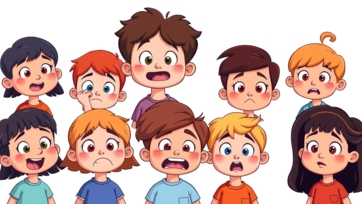
Emotional intelligence (EQ) is just as important as academic learning for young children. In 2025, emotional learning cartoons for kids have become an essential resource for parents and educators to help toddlers and preschoolers identify, express, and manage their feelings. Through engaging storytelling, colorful animations, and relatable characters, these cartoons teach empathy, self-awareness, and healthy social interactions. This guide explores the benefits of emotional learning cartoons, highlights top series in 2025, and provides tips for parents to enhance their child’s emotional development. Why Emotional Learning Cartoons Matter: Children often struggle to identify or express their feelings. Emotional learning cartoons provide: Recognition of emotions: Helps children understand happiness, sadness, anger, fear, and excitement. Healthy coping strategies: Teaches ways to manage difficult emotions. Empathy development: Shows characters caring for and understanding others. Social skills: Encourages sharing, teamwork, and effective communication. Safe environment: Provides age-appropriate guidance without judgment. By combining fun, storytelling, and visuals, these cartoons make emotional learning engaging and memorable for children. Key Emotional Skills Taught in Cartoons: Identifying Feelings Recognizing facial expressions, body language, and situations that cause emotions. Expressing Emotions Safely Encourages children to talk about feelings instead of acting out aggressively. Empathy and Compassion Understanding how others feel and showing care. Problem-Solving in Emotional Situations Learning to manage conflicts, disappointment, or frustration positively. Mindfulness and Self-Regulation Breathing, calming techniques, and reflective thinking for emotional control. Top Emotional Learning Cartoon Series for Kids in 2025: 1. The Feelings Club: A highly popular series where animated characters navigate everyday situations and express their emotions. Highlights: Shows multiple feelings like happiness, sadness, fear, and excitement Provides simple coping strategies for children Interactive and age-appropriate storytelling 2. Booba Learns Emotions: Booba explores situations where emotional awareness and empathy are required, teaching children through observation and playful actions. Why it’s trending: Non-verbal storytelling suitable for all languages Promotes curiosity, empathy, and social skills Short episodes perfect for toddlers’ attention spans 3. Little Hearts Feelings Tales: Mini-stories that focus on managing emotions, understanding others, and building empathy. Key lessons: Identifying feelings in themselves and others Responding appropriately to different emotional situations Celebrating empathy and kindness 4. Animal Emotions Adventures: Animal characters show joy, sadness, worry, and excitement, teaching children how to recognize and respond to feelings. Learning highlights: Emotional vocabulary introduction Problem-solving through social interactions Engaging storytelling with moral lessons 5. Super Simple Emotions Songs: Animated songs designed to teach toddlers about feelings, self-regulation, and social behavior in a fun, interactive way. Benefits: Reinforces emotional vocabulary Interactive songs encourage singing and participation Combines music, visuals, and moral lessons How Parents Can Enhance Emotional Learning: Parents can make emotional learning cartoons more effective by: Watching together: Pause to ask questions like, “How is this character feeling?” Encourage expression: Ask children to share their own feelings during or after the video. Repeat episodes: Reinforces understanding of emotions. Relate to real life: Discuss situations at home or school where the lesson applies. Practice coping strategies: Breathing, counting, or talking through emotions. Praise emotional intelligence: Encourage empathy, patience, and problem-solving behaviors. Recommended Emotional Learning Cartoons for Kids in 2025: The Feelings Club – Recognition and coping strategies Booba Learns Emotions – Observation-based emotional learning Little Hearts Feelings Tales – Mini-stories teaching empathy and emotional expression Animal Emotions Adventures – Emotional vocabulary and social skills Super Simple Emotions Songs – Musical reinforcement of emotional awareness These cartoons are safe, colorful, and educational, helping children understand, express, and manage their emotions while enjoying engaging stories. Final Thoughts: Emotional learning cartoons are more than entertainment—they are tools for lifelong emotional intelligence. In 2025, animated series help children: Recognize and express feelings appropriately Develop empathy and compassion Manage social interactions and conflicts positively Parents can maximize benefits by: Watching and discussing episodes together Encouraging real-life applications of emotional lessons Reinforcing empathy and coping strategies through play With the right emotional learning cartoons, children grow emotionally aware, empathetic, and socially skilled while enjoying safe, colorful, and interactive stories. Tip for Parents: Encourage children to draw or act out scenarios showing different feelings, which reinforces creativity, comprehension, and emotional expression.
Fun Way for Kids to Learn Letters
Learning the alphabet is one of the first and most important steps in a child’s educational journey. Alphabet learning A–Z cartoon songs make this process fun, engaging, and memorable for preschoolers and young children. By combining colorful animations, catchy tunes, and playful characters, these cartoon songs help children recognize letters, improve pronunciation, and build a strong foundation for reading and writing. ⭐ Why Alphabet Cartoon Songs Are Effective for Learning: Alphabet cartoon songs are highly effective because they combine multiple learning methods: 1. Visual Learning: Animated letters, objects, and characters help children remember each letter by associating it with a picture or action. 2. Musical Learning: Songs and rhymes enhance memory retention. Children are more likely to remember letters when they are paired with music. 3. Repetition Builds Familiarity: Alphabet songs repeat letters and sounds in a fun way, reinforcing recognition without feeling boring. 4. Engaging Characters: Friendly animated animals, children, or objects encourage participation and imitation, making learning interactive. 5. Supports Early Literacy: By learning letters through songs, children develop phonemic awareness, which is essential for reading and writing skills. ⭐ Popular Types of Alphabet Cartoon Songs: 1. Classic A–Z Songs: These follow the traditional alphabet sequence and pair each letter with a word or object, like “A is for Apple, B is for Ball.” 2. Themed Alphabet Songs: Songs focus on specific themes, such as animals, foods, vehicles, or colors, helping children learn letters in a meaningful context. 3. Interactive Songs: Some cartoon songs ask children to sing along, point to letters, or identify objects, encouraging active participation. 4. Story-Based Alphabet Songs: Animated stories incorporate letters naturally, such as a journey through a magical land where each letter represents a new adventure. 5. Multilingual Alphabet Songs: Some modern cartoons teach letters in more than one language, helping children develop early bilingual skills. ⭐ Educational Benefits of Alphabet Cartoon Songs: 1. Letter Recognition: Children learn to identify letters both visually and audibly, building a foundation for reading. 2. Phonics and Pronunciation: Cartoon songs emphasize the sounds of letters, helping children pronounce words correctly. 3. Memory Development: Music, repetition, and visuals improve memory and recall, making learning faster and more effective. 4. Engagement and Motivation: Fun songs and characters motivate children to participate, even for extended learning sessions. 5. Early Writing Skills: When children see letters in animated forms, they are more confident and curious to trace and write them themselves. ⭐ Tips for Parents to Make the Most of Alphabet Cartoon Songs: ✔ 1. Watch Together: Sing along with your child, point to letters, and encourage them to repeat sounds and words. ✔ 2. Reinforce with Real-Life Examples: Show your child objects around the house or outdoors that match letters in the song. ✔ 3. Encourage Singing and Dancing: Let children move, dance, or act out letters while singing to enhance learning through movement. ✔ 4. Limit Screen Time: Keep cartoon viewing sessions short (20–30 minutes) and interactive for preschoolers. ✔ 5. Repeat Regularly: Repetition is key—watching the same alphabet songs multiple times reinforces recognition and memory. ⭐ Conclusion: Alphabet learning A–Z cartoon songs are a fun, interactive, and educational way for children to master letters. By combining music, animation, repetition, and playful characters, these cartoons help preschoolers recognize letters, understand phonics, and develop early literacy skills. Parents and educators can use these songs to make learning engaging, entertaining, and effective. With vibrant visuals and catchy tunes, children not only learn the alphabet but also enjoy the process, building confidence and curiosity for reading and writing in the future.
Best Animal Cartoons for Kids in 2025
How Kids Can Learn with Fun Animal cartoons have always captured children’s imagination. In 2025, they are not just entertaining—they have become powerful learning tools. By combining colorful animation, fun characters, and educational storytelling, animal cartoons help toddlers and preschoolers learn about nature, animals, social skills, and essential life concepts. This guide explores the benefits of animal cartoons for kids, highlights top series in 2025, and provides tips for parents to make the most of these engaging learning resources. Why Animal Cartoons Are Great for Learning: Children naturally love animals, making them ideal learning companions. Animal cartoons provide a safe and playful way for children to: Learn about different animals: Names, habitats, diets, and behaviors. Develop empathy and social skills: Understanding feelings and actions of characters. Introduce science and nature concepts: Ecosystems, seasons, and environmental awareness. Enhance language skills: Vocabulary, pronunciation, and storytelling. Encourage problem-solving and teamwork: Characters often work together to overcome challenges. Animated animals turn learning into interactive and memorable experiences, keeping children engaged for longer periods. Types of Educational Animal Cartoons: 1. Animal Adventure Series: These cartoons follow animal characters on adventures, exploring forests, oceans, and jungles. They teach habitat, geography, and problem-solving skills. 2. Animal ABC and Counting Series: Animated animals introduce letters, numbers, and basic math concepts. Examples include counting fish, identifying animal names by letters, or sorting shapes. 3. Moral and Social Lessons Through Animals: Animals are often used to teach values and life skills. Stories about sharing, kindness, honesty, and cooperation resonate well with children. 4. Science and Nature Series: Some animal cartoons focus on biology, ecosystems, and wildlife conservation. They introduce kids to environmental awareness in a fun, digestible way. Top Animal Cartoons for Kids Learning in 2025: 1. Dino Learners: Smart Adventures: A dinosaur-themed series that combines fun with science learning. Learning benefits: Basic paleontology and dinosaur facts Problem-solving and teamwork Introduction to geography and prehistoric life Recommended age: 4–10 years 2. Booba’s Animal Adventures: Booba explores animal habitats and interactions in playful, curiosity-driven episodes. Highlights: Non-verbal storytelling suitable for all languages Encourages observation and critical thinking Perfect for toddlers and preschoolers 3. Animal ABCs with Friends: This series introduces letters and vocabulary using animal characters. Key learning areas: Alphabet recognition Vocabulary building Pronunciation practice Fun songs and rhymes 4. Little Wild Explorers: Animated mini-stories where animal friends learn life lessons, teamwork, and emotional skills. Themes include: Cooperation and friendship Problem-solving in small adventures Emotional intelligence and empathy 5. Forest Fun with Friends: A series focusing on habitat learning, nature awareness, and social skills through animal stories. Learning highlights: Identifying animals and their environments Understanding food chains and nature cycles Promoting environmental responsibility 6. Super Simple Animal Rhymes: A combination of songs and animations using animals to teach letters, numbers, colors, and shapes. Benefits: Engaging and interactive for toddlers Improves memory and language skills Multi-sensory learning through visual and auditory cues How Parents Can Maximize Learning: Parents can enhance the educational value of animal cartoons by: Watching together: Discuss animals, their habitats, and behaviors. Repeating favorite episodes: Repetition reinforces learning. Combining offline activities: Drawing animals, counting toys, or acting out stories. Asking questions: “Where does this animal live?” or “What does it eat?” to encourage thinking. Mixing genres: Combine adventure, ABC, and moral-based animal cartoons for well-rounded learning. Limiting screen time: Short, focused sessions are more effective for toddlers. Recommended Animal Cartoons for Kids Learning in 2025: Dino Learners: Smart Adventures – Dinosaurs and basic science concepts Booba’s Animal Adventures – Habitats, observation, and curiosity learning Animal ABCs with Friends – Letters, vocabulary, and rhymes Little Wild Explorers – Life lessons, teamwork, and emotional skills Forest Fun with Friends – Nature, animals, and environmental awareness Super Simple Animal Rhymes – Multi-skill learning with music and animals These series are safe, colorful, and educational, making them perfect for toddlers and preschoolers who love animals. Final Thoughts: Animal cartoons are not just entertaining—they are powerful educational tools. In 2025, they combine storytelling, music, and visuals to teach language, math, social skills, and environmental awareness. Parents can enhance learning by: Watching with children and discussing content Reinforcing concepts through real-life activities Encouraging creativity and empathy through role-play With the right animal cartoons, screen time becomes both fun and productive, helping children develop knowledge, skills, and emotional intelligence while enjoying vibrant, imaginative worlds. Tip for Parents: Encourage children to act out animal behaviors or stories, which strengthens memory, observation, and engagement while making learning interactive.
Cartoon Stories About Helping Others
Helping others is an essential value that children need to learn from an early age. Cartoon stories about helping others are a fun and effective way to teach children the importance of kindness, empathy, and cooperation. By using colorful animations, engaging characters, and interactive storytelling, these cartoons make moral lessons easy to understand and remember. In this article, we will explore why cartoons about helping others are important, their educational benefits, and how parents can use them to teach valuable life skills. ⭐ Why Cartoon Stories About Helping Others Are Effective: Children learn best through observation, play, and storytelling. Cartoon stories combine these elements to create a meaningful learning experience: 1. Visual Learning: Animated characters and vibrant visuals make abstract concepts like kindness and empathy easy for children to understand. 2. Relatable Characters: Children connect with cartoon characters, which helps them see real-life examples of helping others and applying kindness. 3. Story-Based Lessons: Stories demonstrate the positive outcomes of helping, such as friendship, gratitude, and happiness, making the moral memorable. 4. Emotional Engagement: Cartoons evoke emotions through expressions, music, and storytelling, helping children understand how helping others makes people feel. 5. Repetition Reinforces Values: Many cartoons repeat lessons about helping friends, family, or strangers, reinforcing good behavior without feeling forced. ⭐ Popular Themes in Helping Others Cartoons: 1. Friends in Need: Stories show children or animals helping friends who are sad, lost, or in trouble, emphasizing empathy and teamwork. 2. Family and Community: Cartoons often depict characters helping family members, neighbors, or community members, teaching children the value of cooperation. 3. Environmental Help: Some stories show characters cleaning parks, planting trees, or caring for animals, teaching children to help the environment. 4. Acts of Kindness: Cartoons highlight small gestures like sharing toys, helping a classmate, or comforting someone who is lonely. 5. Problem-Solving Together: Stories show children or characters working together to solve challenges, teaching cooperation, communication, and the joy of helping. ⭐ Educational Benefits of Helping Others Cartoons: 1. Builds Empathy: Children learn to recognize and respond to the feelings of others, strengthening emotional intelligence. 2. Encourages Positive Social Behavior: Watching characters help others motivates children to practice sharing, teamwork, and kindness in real life. 3. Enhances Communication Skills: Interactive cartoons encourage children to express themselves, ask questions, and discuss moral lessons with parents or peers. 4. Develops Problem-Solving Abilities: Stories often show characters finding ways to help, teaching children critical thinking and creative solutions. 5. Promotes Moral and Ethical Growth: By repeatedly observing positive actions, children internalize values such as honesty, generosity, and respect. ⭐ Tips for Parents to Make the Most of Helping Others Cartoons: ✔ 1. Watch Together: Discuss the characters’ actions and ask your child how they would help in a similar situation. ✔ 2. Reinforce Lessons with Real-Life Activities: Encourage children to practice helping at home, in school, or in the neighborhood. ✔ 3. Role-Playing: Act out scenarios from the cartoons to help children practice empathy and problem-solving. ✔ 4. Praise Acts of Kindness: Recognize and praise your child when they help others, reinforcing positive behavior. ✔ 5. Limit Screen Time: Even educational cartoons should be watched in moderation. Short, interactive sessions of 20–30 minutes are ideal. ⭐ Conclusion: Cartoon stories about helping others are an engaging and effective way to teach children kindness, empathy, and cooperation. Through colorful animations, relatable characters, and story-based lessons, children learn the joy of helping friends, family, and the community. By incorporating these cartoons into daily routines, parents and educators can help children develop positive social behaviors, emotional intelligence, and moral values. With interactive storytelling and fun visuals, cartoons about helping others make learning essential life skills both enjoyable and memorable for young minds.
Safe Cartoon-Watching Habits for Toddlers
Cartoons are a popular source of entertainment for toddlers, offering colorful visuals, playful sounds, and engaging stories. However, toddlers’ developing brains are sensitive to overstimulation, inappropriate content, and excessive screen time. Establishing safe cartoon-watching habits ensures that young children enjoy media in a healthy, educational, and balanced way. By creating structured viewing routines, selecting age-appropriate content, and engaging with children, parents can make cartoon-watching a fun and safe learning experience for toddlers. Why Safe Viewing Habits Matter: Toddlers are highly impressionable. Safe viewing habits are important because they: Protect from violent or inappropriate content Reduce overstimulation and screen-related fatigue Promote attention and comprehension skills Encourage positive social and emotional development Support healthy daily routines and sleep patterns Structured habits help children benefit from cartoons without negative effects. Setting Time Limits for Toddlers: Screen time for toddlers should be limited and consistent: 1–2 hours per day for children aged 2–5 years, according to pediatric guidelines Break viewing into short sessions with physical activity in between Avoid screen use immediately before bedtime Use timers or parental control apps to enforce limits Time limits ensure toddlers maintain balance between screen time, play, and rest. Choosing Age-Appropriate Cartoons: Selecting the right content is crucial. Safe cartoons for toddlers: Use bright, simple visuals and friendly characters Include positive messages, such as sharing, empathy, and cooperation Avoid violence, scary scenes, or complex storylines Encourage learning concepts like colors, numbers, letters, and shapes Shows like Bluey, Sesame Street, Daniel Tiger’s Neighborhood are good examples of age-appropriate content. Co-Viewing and Interaction: Watching cartoons together enhances learning and safety: Discuss what is happening in the cartoon Ask questions to encourage thinking and comprehension Relate lessons to real-life situations Praise positive behaviors modeled by characters Co-viewing turns passive screen time into an interactive and educational experience. Encouraging Physical Activity and Play: Cartoons should not replace active play, which is vital for toddlers’ development: Encourage dancing, clapping, or movement along with music in cartoons Schedule outdoor play and hands-on activities between viewing sessions Integrate storytelling, drawing, or building inspired by cartoon content This approach combines screen entertainment with physical and cognitive engagement. Establishing Safe Digital Habits: Toddlers also need to develop healthy digital habits from the start: Use child-friendly platforms like YouTube Kids or curated apps Enable parental controls and content filters Avoid autoplay to prevent excessive viewing Monitor content and remove channels that are inappropriate These habits protect toddlers while teaching safe screen use. Benefits of Safe Cartoon-Watching Habits: When done correctly, safe viewing habits help toddlers: Learn concepts like numbers, letters, and colors Develop social and emotional understanding Strengthen attention span and memory Foster creativity and imagination Enjoy entertainment safely without negative impacts Balanced screen habits create a foundation for lifelong healthy media usage. Conclusion: Safe cartoon-watching habits for toddlers involve selecting age-appropriate content, limiting screen time, engaging through co-viewing, and encouraging physical activity. By guiding children in their early exposure to media, parents can ensure that cartoons remain a fun, educational, and safe part of their daily routine, supporting cognitive, social, and emotional development.