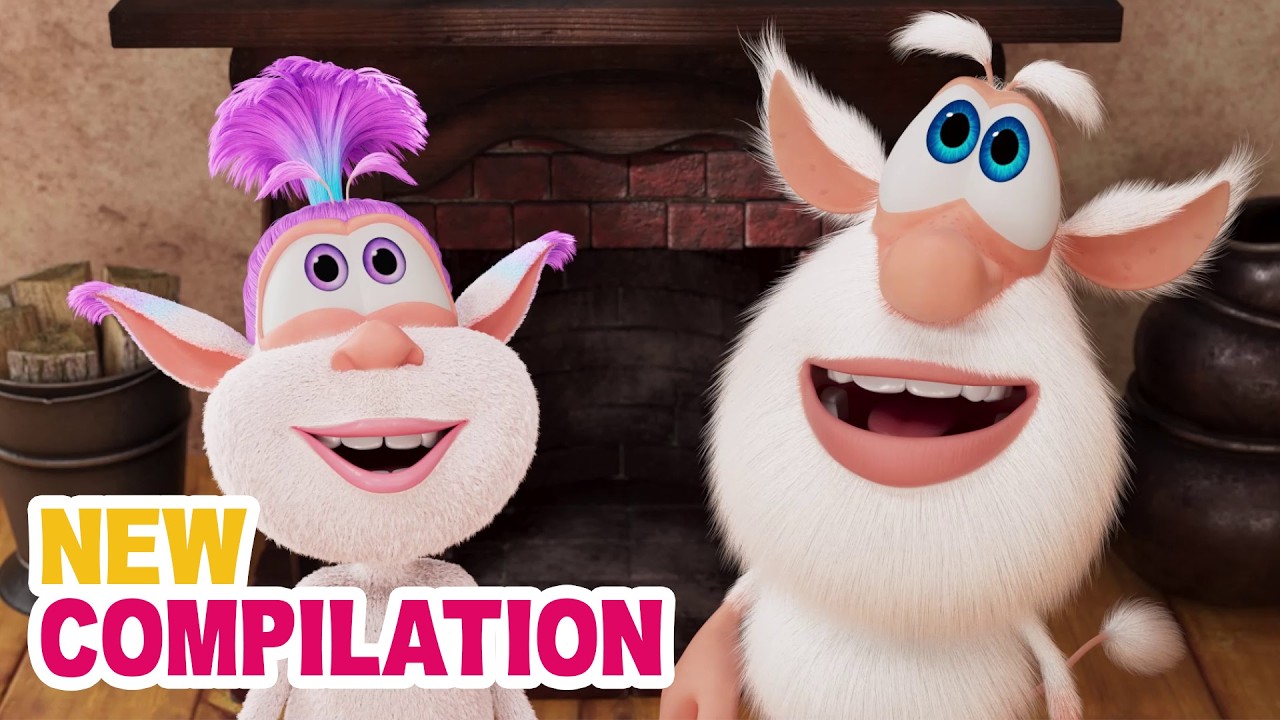
Booba is one of the most popular cartoon characters among young children across the world. From toddlers to preschoolers, kids are instantly drawn to his funny expressions, playful actions, and curious nature. But what exactly makes Booba so appealing to children? The answer lies not just in animation or humor, but in child psychology.
In this article, we explore the psychological reasons why kids love Booba, how his behavior matches early childhood development, and why parents see such strong engagement when children watch Booba episodes.
1. No Language Barrier: Perfect for Young Minds:
One of the strongest psychological reasons behind Booba’s popularity is that he does not speak.
Children aged 2–6 years process the world mainly through:
-
Visual cues
-
Facial expressions
-
Body movement
Booba communicates entirely through sounds, gestures, and exaggerated reactions. This matches how young children naturally understand emotions before language fully develops.
Psychological Impact
-
Reduces cognitive load
-
Improves emotional recognition
-
Makes content universal and easy to understand
Kids don’t need explanations — they feel the story.
2. Exaggerated Facial Expressions Attract Attention:
Children are naturally attracted to big eyes, wide mouths, and dramatic expressions. Booba’s character design is built exactly around this principle.
Why This Works
-
Large eyes help babies and toddlers focus
-
Clear emotions help kids identify feelings
-
Over-reaction feels funny and safe
From a psychological point of view, exaggerated expressions help children:
-
Learn emotions faster
-
Stay engaged longer
-
Feel emotionally connected
This is why kids often laugh even before understanding what is happening.
3. Curiosity Matches a Child’s Natural Behavior:
Booba behaves exactly like a child exploring the world for the first time. He touches everything, opens drawers, presses buttons, and experiments without fear.
This mirrors early childhood curiosity, where children learn through trial and error.
Psychological Connection
Children see themselves in Booba:
-
“He is like me”
-
“I do that too”
-
“I want to explore like him”
This creates instant emotional bonding, which is why kids keep returning to Booba episodes.
4. Safe Chaos Without Fear:
Booba creates mess, chaos, and funny accidents — but nothing bad ever happens.
From a child psychology perspective, this is extremely important.
Kids enjoy:
-
Falling
-
Slipping
-
Funny mistakes
But only when:
-
There is no pain
-
No danger
-
No scary consequences
Booba provides controlled chaos, allowing children to laugh freely without stress or fear.
5. Short Attention-Span Friendly Episodes:
Young children have a very limited attention span. Booba episodes are usually short, fast-paced, and visually rich.
Psychological Benefits
-
Prevents boredom
-
Reduces overstimulation
-
Keeps dopamine levels balanced
Quick actions, constant movement, and visual surprises keep the child’s brain engaged without exhaustion.
6. Repetition Creates Comfort:
Children love watching the same episode again and again. Booba’s predictable structure helps with this.
Psychologically, repetition:
-
Builds emotional safety
-
Increases memory development
-
Reduces anxiety
Kids feel comfortable knowing:
-
What kind of fun to expect
-
That nothing scary will happen
This is why children often demand the same Booba episode repeatedly.
7. Bright Colors Stimulate the Brain:
Booba episodes use bright, high-contrast colors, which are scientifically proven to attract young viewers.
Color Psychology for Kids
-
Red & yellow increase excitement
-
Blue creates trust
-
Green adds balance
-
High contrast improves focus
These colors stimulate the visual cortex and keep kids emotionally engaged.
8. Booba Encourages Independent Thinking:
Booba does not tell children what to think or feel. There is no narration explaining lessons.
This allows children to:
-
Observe
-
Interpret
-
Think independently
Psychologists call this active viewing, which improves:
-
Cognitive development
-
Decision-making
-
Observation skills
Kids feel smarter because they “figure things out” themselves.
9. Positive Emotions Only:
Booba’s world is filled with:
-
Joy
-
Surprise
-
Curiosity
-
Laughter
There is no anger, fear, or sadness lasting long. For children, this emotional environment feels safe and comforting.
This is why parents notice:
-
Calm behavior
-
Happy mood
-
Reduced screen-time tantrums
after watching Booba.
10. Booba Builds Emotional Confidence:
When kids see Booba:
-
Failing
-
Falling
-
Trying again
They learn that:
-
It’s okay to make mistakes
-
Trying again is normal
-
Learning can be fun
This builds emotional resilience, an important psychological skill for early childhood.
Why Parents Notice Strong Attachment:
Parents often report that children:
-
Laugh louder at Booba
-
Watch attentively
-
Ask for Booba again
This happens because Booba meets core psychological needs:
-
Safety
-
Curiosity
-
Joy
-
Exploration
Very few cartoons achieve this balance.
Final Thoughts:
Kids love Booba not just because he is funny, but because he is psychologically designed for early childhood development. His silent communication, bright colors, exaggerated emotions, and curiosity-driven adventures perfectly match how young brains learn and feel.
Booba is a powerful example of how entertainment, psychology, and education can come together — making him one of the most loved kids’ cartoon characters worldwide.