Cartoons That Improve Creativity in Children

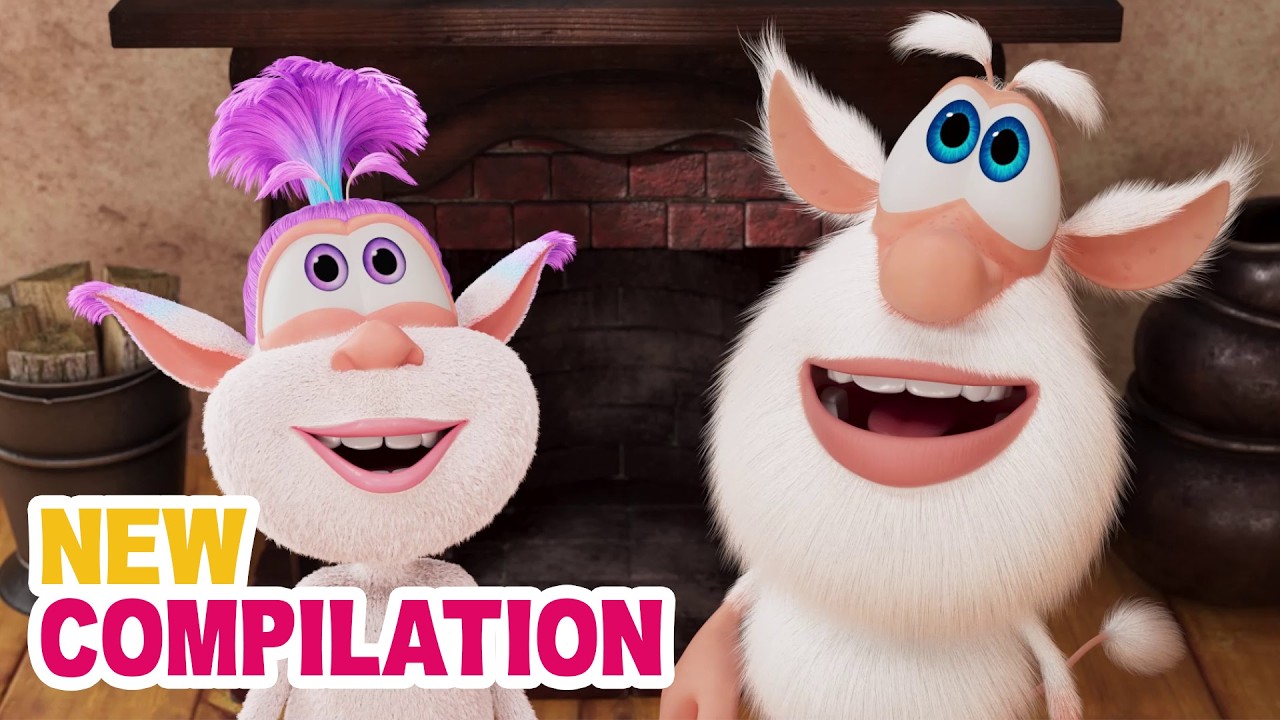
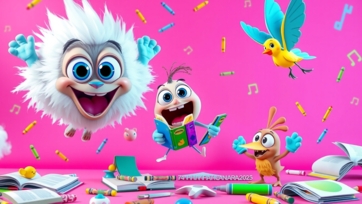
Cartoons are more than just entertainment—they can be a powerful tool for fostering creativity in young minds. With colorful visuals, imaginative storylines, and playful characters, the right cartoons encourage children to think outside the box, invent stories, and explore new ideas.

This guide explores the best types of cartoons that inspire creativity in children and explains why they are beneficial for kids aged 3–8.


Why Creativity Matters in Childhood:

  • Problem-Solving Skills: Creative thinking helps children find multiple solutions to challenges.

  • Imagination Growth: Exposure to imaginative scenarios encourages storytelling and pretend play.

  • Emotional Expression: Art, role-play, and storytelling help children express feelings.

  • Cognitive Development: Creativity strengthens brain connections, memory, and critical thinking.

  • Social Skills: Collaborating on creative projects improves communication and teamwork.


Top Cartoons That Boost Creativity:

1. Playful Creature Adventures

  • Features a curious, expressive character exploring colorful worlds.

  • Encourages role-playing, drawing, and problem-solving.

2. Tiny Tales Universe

  • Short, imaginative stories for toddlers and preschoolers.

  • Promotes storytelling, emotional understanding, and imaginative thinking.

3. Fuzzy Friends Academy

  • Group of playful friends solving challenges together.

  • Teaches collaboration, creativity, and thinking outside the box.

4. Giggle Garden Explorers

  • Outdoor adventures with creative problem-solving scenarios.

  • Encourages observation, exploration, and interactive play.

5. Happy Helpers Club

  • Characters use creativity to solve everyday challenges.

  • Inspires crafts, design thinking, and imaginative role-play.


How Parents Can Encourage Creativity Through Cartoons:

  1. Co-View and Discuss: Ask children what they would do differently or how they would solve problems.

  2. Incorporate Activities: Drawing, painting, or crafting based on episodes reinforces creativity.

  3. Encourage Storytelling: Let children retell or expand stories in their own words.

  4. Limit Screen Time: Ensure balance with outdoor play, reading, and physical activities.

  5. Praise Experimentation: Celebrate new ideas, imaginative solutions, and creative expression.


Benefits of Creative Cartoons:

  • Boosts Imagination: Inspires children to invent stories, games, and scenarios.

  • Enhances Problem-Solving: Teaches flexible thinking and solution-oriented skills.

  • Develops Social Skills: Promotes collaboration, empathy, and communication.

  • Encourages Emotional Expression: Helps children express feelings through art and play.

  • Safe and Fun Learning: Combines education with enjoyment, keeping screen time productive.


Final Thoughts:

Cartoons that encourage creativity provide more than laughter—they foster imagination, problem-solving, and emotional growth. By choosing shows that engage, challenge, and inspire, parents can help children develop critical cognitive and social skills while having fun.


Advertisement
Best Learning Videos for Kids in 2025
Early childhood is the perfect time for children to learn basic shapes and colors, which are essential building blocks for cognitive development, creativity, and problem-solving skills. In 2025, shape and color learning videos for preschoolers have become one of the most engaging ways to teach these concepts. By combining vivid visuals, catchy songs, and interactive animations, these videos make learning fun, memorable, and effective. This guide explores the benefits of shape and color learning videos, top series for preschoolers in 2025, and tips for parents to enhance learning. Why Shape and Color Videos Are Important: Preschoolers learn best through visuals and interactive content, making animated videos ideal for teaching shapes and colors: Boosts visual recognition: Children quickly identify shapes and colors through repetition and vibrant imagery. Enhances memory retention: Songs and animations help kids remember concepts more easily. Supports cognitive development: Sorting, matching, and recognizing shapes and colors improve critical thinking. Encourages creativity: Children learn to combine shapes and colors to create patterns, drawings, and crafts. Provides interactive learning: Animated videos often include prompts, songs, and activities for active participation. Through these videos, preschoolers develop essential skills while having fun, making early education enjoyable. Key Learning Areas in Shape and Color Videos: Basic Shapes Circle, square, triangle, rectangle, star, and heart Animated examples of shapes in everyday objects Colors Primary colors: red, blue, yellow Secondary colors: green, orange, purple Shades and combinations through playful storytelling Shape and Color Recognition Matching shapes with objects Identifying colors in daily life Simple puzzles and interactive games Patterns and Sorting Learning sequences with shapes and colors Sorting objects by shape or color Encourages analytical thinking and problem-solving Creativity and Art Combining shapes and colors in drawing or building activities Encourages imagination and fine motor skills Top Shape and Color Learning Video Series for Preschoolers in 2025 1. Super Simple Shapes and Colors A favorite series for early learners, combining songs, visuals, and repetition to teach basic shapes and colors. Highlights: Animated characters demonstrate shapes in daily objects Fun songs for color and shape recognition Slow-paced and toddler-friendly 2. ABC Kids – Shapes and Colors Edition This series uses alphabet characters and playful animations to reinforce color and shape learning. Learning benefits: Letter and shape association (A for Apple – round shape) Primary and secondary colors introduced interactively Encourages singing along and participation 3. Booba Learns Colors and Shapes Booba explores different objects and environments while teaching shapes and colors in a playful way. Why it’s popular: Non-verbal storytelling suitable for all languages Observation-based learning Short episodes perfect for attention spans of 2–6 years 4. Little Learners: Colors & Shapes Mini-stories and songs help preschoolers identify shapes and colors in everyday situations. Key learning points: Matching shapes and colors with objects Reinforces vocabulary for shapes and colors Interactive prompts encourage participation 5. Fun Animal Colors & Shapes Animals are used to teach shapes and colors in fun, memorable ways. Learning highlights: Associating colors with animals and objects Introduces patterns and simple puzzles Combines entertainment with educational content How Parents Can Enhance Learning Parents can help children maximize the benefits of shape and color learning videos: Watch together: Point out shapes and colors in the video and at home. Ask interactive questions: “Can you find a red circle?” or “Which objects are triangles?” Repeat favorite videos: Reinforces recognition and memory. Practice offline: Use toys, blocks, or drawing activities to reinforce concepts. Encourage creativity: Let children create art using shapes and colors learned in the videos. Keep sessions short: 5–10 minute videos work best for attention spans of preschoolers. Recommended Shape and Color Learning Videos for 2025 Super Simple Shapes and Colors – Songs and animated examples ABC Kids – Shapes and Colors Edition – Alphabet-based learning Booba Learns Colors and Shapes – Observation and play-based learning Little Learners: Colors & Shapes – Mini-stories and interactive prompts Fun Animal Colors & Shapes – Animal-themed shape and color education These videos are safe, colorful, and educational, helping preschoolers recognize shapes, identify colors, and develop creativity while having fun. Final Thoughts Shape and color learning videos are more than just entertaining—they are essential tools for early childhood development. In 2025, animated series combine bright visuals, music, and interactive storytelling to make learning engaging and effective. Parents can enhance learning by: Watching videos together and discussing concepts Reinforcing lessons with offline activities and creative play Repeating episodes to strengthen memory and recognition With the right videos, preschoolers develop foundational cognitive skills, creativity, and visual awareness while enjoying colorful and fun animations. Tip for Parents: Encourage children to sort toys or draw using learned shapes and colors after watching videos to reinforce learning and motor skills.
Planets and Space Cartoons for Kids
The universe is full of wonders, and introducing children to planets and space through cartoons is a fun and engaging way to spark curiosity. Space cartoons combine colorful animations, friendly characters, and interactive storytelling to teach children about planets, stars, galaxies, and basic astronomy concepts. These cartoons not only entertain but also foster scientific curiosity, critical thinking, and imagination. In this article, we will explore why space cartoons are effective for kids, their educational benefits, and how parents can use them to nurture a love for astronomy. ⭐ Why Space Cartoons Are Effective for Kids: 1. Visual Learning: Animated planets, stars, and spacecraft make abstract space concepts tangible and easy for children to understand. 2. Engaging Storytelling: Cartoons turn learning into a fun adventure, where characters explore space, meet aliens, or travel between planets, keeping children engaged. 3. Promotes Curiosity: Stories and experiments encourage kids to ask questions about the universe, stimulating their curiosity and scientific thinking. 4. Simplifies Complex Concepts: Animations explain concepts like gravity, orbits, or phases of the moon in a simple, relatable way suitable for preschoolers. 5. Safe Exploration: Children can safely explore exciting space adventures through cartoons without any risk or fear, making learning stress-free and enjoyable. ⭐ Popular Themes in Space Cartoons: 1. Planet Exploration: Characters visit planets like Mars, Jupiter, and Saturn, learning about their size, color, and unique features. 2. Space Adventures: Stories involve astronauts, rockets, and alien friends discovering new worlds, inspiring imagination and excitement. 3. Stars and Galaxies: Cartoons introduce children to stars, constellations, and galaxies, making astronomy fun and easy to visualize. 4. Fun Science Facts: Animated videos share fascinating space facts, such as why the moon changes shape, why planets rotate, or how comets move. 5. Interactive Learning: Some cartoons include quizzes, counting planets, or identifying colors and shapes, turning learning into an interactive game. ⭐ Educational Benefits of Space Cartoons: 1. Develops Scientific Thinking: Children learn to observe, compare, and ask questions about space phenomena, nurturing analytical skills. 2. Enhances Imagination: Space adventures stimulate creativity as children imagine traveling to distant planets or meeting aliens. 3. Improves Cognitive Skills: Learning about planets, orbits, and stars strengthens memory, focus, and problem-solving abilities. 4. Promotes STEM Interest: Cartoons introduce basic astronomy, physics, and math concepts, encouraging early STEM learning. 5. Fun and Safe Learning: Animated space cartoons combine entertainment with education, making learning enjoyable without any stress or fear. ⭐ Tips for Parents to Make the Most of Space Cartoons: ✔ 1. Watch Together: Discuss the planets, stars, and concepts introduced in the cartoons to reinforce understanding. ✔ 2. Connect with Real-Life Astronomy: Show the night sky, point out stars, or visit a planetarium to make lessons tangible. ✔ 3. Encourage Questions: Ask children what they would do on another planet or what they notice in the night sky to stimulate curiosity. ✔ 4. Combine with Activities: Try simple space crafts, planet models, or coloring sheets based on cartoon characters to enhance learning. ✔ 5. Keep Screen Time Moderate: Limit viewing to 20–30 minutes, balancing interactive activities and outdoor play for holistic learning. ⭐ Conclusion: Planets and space cartoons for kids are an exciting way to introduce young learners to the wonders of the universe. Through colorful animations, interactive storytelling, and engaging characters, children learn about planets, stars, galaxies, and basic astronomy while having fun. Parents and educators can use space cartoons to foster curiosity, imagination, and early STEM skills. By combining animated adventures with hands-on activities and discussions, children gain a deeper understanding of space while developing problem-solving, observation, and critical thinking skills. Space cartoons make learning about the universe an unforgettable and enjoyable experience for every child.
Make Your Own Booba Mask – Easy DIY
Booba’s playful and mischievous nature makes him a perfect inspiration for DIY crafts. Making a Booba mask is a fun, creative activity that encourages hands-on learning, imagination, and fine motor skills in children. Whether for a birthday party, Halloween, or just a rainy day activity, DIY Booba masks provide hours of educational fun. In this guide, we will explain how to make a Booba mask easily at home and how to use it for learning and creative play. Why DIY Booba Masks Are Perfect for Kids: Hands-On Creativity: Kids engage in coloring, cutting, and assembling, which fosters creativity. Fine Motor Skills: Cutting, gluing, and decorating strengthen hand-eye coordination. Imaginative Play: Wearing the mask allows children to role-play Booba’s adventures. Safe and Engaging: Uses simple materials that are safe for children aged 3–7. Materials You Will Need: Printable Booba mask template (or draw your own) Thick paper or cardstock Crayons, markers, or colored pencils Scissors (child-safe) Glue or tape Elastic string or ribbon Optional: glitter, stickers, or foam for decoration Step-by-Step Instructions: Step 1: Print or Draw the Template Print a pre-made Booba mask template or draw Booba’s face on cardstock. Make sure the template is large enough to cover the child’s face comfortably. Step 2: Color the Mask Use bright colors to mimic Booba’s playful style. Encourage kids to experiment with colors and patterns. Include details like Booba’s big eyes, fluffy ears, and expressive mouth. Educational Tip: Discuss colors, shapes, and textures while coloring. Step 3: Cut Out the Mask Carefully cut along the edges of the mask. Cut holes for the eyes using child-safe scissors. Educational Tip: Cutting accurately helps develop fine motor control and spatial awareness. Step 4: Attach Elastic or Ribbon Attach elastic or ribbon to each side of the mask with tape or glue. Make sure it fits comfortably around the child’s head. Safety Tip: Elastic should not be too tight to avoid discomfort. Step 5: Add Decorations (Optional) Use glitter, stickers, or foam pieces to decorate. Encourage kids to personalize their Booba mask. Educational Tip: Adding decorations improves creativity and planning skills. Fun Activities With Booba Masks: Once the masks are ready, children can: Role-Play Adventures: Pretend to be Booba exploring kitchens, rooms, or playgrounds. Storytelling: Create mini-adventures or reenact favorite Booba episodes. Group Play: Collaborate with friends or siblings to act out scenes. Indoor Games: Combine masks with indoor games like pillow obstacle courses or balloon chases. Photo Fun: Take photos or make short videos for family albums or classroom projects. Educational Benefits: Making and using Booba masks offers learning opportunities beyond craft skills: Creativity and Imagination: Children interpret Booba’s expressions in their own way. Motor Skills: Coloring, cutting, and assembling strengthen coordination. Problem-Solving: Figuring out mask fit or decoration placement encourages critical thinking. Emotional Expression: Acting out Booba’s adventures teaches empathy and emotional understanding. Social Skills: Collaborative play develops teamwork and communication. Tips for Parents and Educators: Supervise cutting and gluing activities for younger children. Encourage storytelling along with mask-making. Display finished masks to boost confidence and pride. Combine mask-making with Booba episode viewing for thematic play. Rotate activities: one child can be Booba while others play supporting characters. Final Thoughts: Making your own Booba mask is a fun, creative, and educational activity for kids aged 3–7. It allows children to bring Booba’s playful adventures to life, develop fine motor skills, enhance creativity, and engage in imaginative play. Whether done at home or in a classroom, this DIY project is a safe, joyful, and memorable learning experience.
Homeschooling with Cartoons: Does It Help?
Homeschooling has become increasingly popular, and parents often look for fun, engaging ways to supplement learning at home. One approach is using playful cartoon characters as part of educational activities. But does it actually help children learn? This guide explores the benefits, strategies, and best practices for integrating cartoons into a homeschooling routine for children aged 3–8. Why Cartoons Can Be Effective in Homeschooling: Engaging and Fun: Animated characters keep children interested and attentive, making learning enjoyable. Visual Learning: Cartoons simplify concepts through visual storytelling and demonstrations. Emotional Connection: Kids relate to characters, which can reinforce lessons and social skills. Encourages Creativity: Episodes inspire role-playing, drawing, and imaginative thinking. Learning Benefits of Cartoons in Homeschooling: 1. Cognitive Skills Watching characters solve problems teaches critical thinking and sequencing. Simple storylines can reinforce counting, letters, colors, and shapes. Encourages memory retention through visual and interactive storytelling. 2. Social and Emotional Development Characters model empathy, cooperation, and problem-solving. Children learn to recognize emotions and express themselves appropriately. Encourages positive social behavior and understanding consequences. 3. Creativity and Imagination Children can invent new stories, draw scenes, or act out episodes. Crafts, coloring, and role-play inspired by episodes improve fine motor skills and imaginative thinking. Encourages children to think outside the box and explore creative solutions. 4. Language and Communication Skills Even silent or minimally verbal cartoons help with storytelling, comprehension, and vocabulary development. Parents can ask questions about characters’ actions to reinforce speaking skills. Older children can write mini-stories or describe scenes, boosting literacy. How to Use Cartoons Effectively in Homeschooling: Select High-Quality Content: Choose educational and age-appropriate episodes. Interactive Viewing: Pause videos to ask questions or discuss what’s happening. Integrate Hands-On Activities: Drawing, crafts, or role-playing scenes enhance learning. Combine with Lessons: Connect episodes to subjects like math, science, or social studies. Set Screen Time Limits: 20–30 minutes per session is ideal for young learners. Tips for Parents: Create a Routine: Include cartoon-based learning as part of a balanced schedule. Engage Siblings: Group activities can encourage cooperation and teamwork. Reward Creativity: Praise children for drawing, storytelling, or acting out scenes. Observe and Adjust: Monitor engagement, attention span, and understanding to adapt strategies. Final Thoughts: Using playful cartoon characters in homeschooling can enhance learning, engagement, and creativity. When combined with interactive discussions, crafts, and storytelling, cartoons become a powerful educational tool. By thoughtfully integrating episodes into a homeschooling routine, parents can make learning both fun and effective.
Holiday Special Kids Cartoons in 2025
Holidays are the perfect time for children to relax, have fun, and enjoy some educational entertainment. Holiday special kids cartoons for occasions like Eid, Christmas, and New Year are designed to combine fun, festive cheer, and learning in a colorful, animated format. These cartoons engage children with vibrant visuals, catchy songs, and playful characters while subtly teaching values, culture, and creativity. In this article, we will explore the importance of holiday cartoons, their educational benefits, and how parents can make the most of them during festive seasons. ⭐ Why Holiday Special Kids Cartoons Are Important: Holiday cartoons are more than just entertainment. They provide opportunities for children to: 1. Learn Cultural Traditions: Festive cartoons explain the meaning and traditions behind holidays like Eid, Christmas, and New Year. Children learn why families celebrate, how people share, and the joy of togetherness. 2. Develop Social Skills: Many holiday cartoons feature teamwork, sharing, helping others, and celebrating with friends. This encourages social interaction and empathy in young viewers. 3. Boost Creativity: Festive cartoons often include colorful decorations, music, and creative activities like making gifts or baking. Watching these inspires children to create their own art and participate in celebrations. 4. Build Positive Values: Many holiday cartoons include moral lessons about kindness, generosity, gratitude, and patience. Kids learn important life values in a fun, memorable way. ⭐ Popular Holiday Special Kids Cartoons: 1. Eid Cartoons: Eid cartoons teach children about the importance of sharing, gratitude, and family togetherness. Common themes include: Children helping their parents prepare for Eid Sharing gifts and sweets with friends and neighbors Learning about prayers and cultural traditions Friendly animal characters celebrating Eid 2. Christmas Cartoons: Christmas cartoons focus on fun, gifts, decorations, and family. Popular themes include: Santa Claus delivering presents Children decorating Christmas trees and singing carols Learning to be generous and kind to others Magical adventures in snowy landscapes 3. New Year Cartoons: New Year cartoons often combine celebration with reflection and planning. Themes include: Fireworks and parties in animated cities Characters making resolutions and setting goals Celebrating achievements of the past year Teamwork and cooperation to make New Year fun ⭐ Educational Benefits of Holiday Cartoons: Holiday cartoons do more than entertain—they support learning in multiple ways: 1. Cultural Awareness: Children understand why holidays are celebrated, helping them respect diversity and global traditions. 2. Language Development: Cartoons with dialogues, songs, and rhymes help preschoolers improve vocabulary, pronunciation, and listening skills. 3. Social and Emotional Learning: Watching characters share, celebrate, and solve problems teaches empathy, patience, and cooperation. 4. Creativity and Imagination: Colorful visuals and fun storylines inspire children to craft decorations, draw, or play role-playing games. 5. Cognitive Skills: Interactive cartoons may include counting gifts, recognizing shapes in decorations, or solving simple puzzles, strengthening early learning skills. ⭐ Tips for Parents to Use Holiday Cartoons Effectively: ✔ 1. Choose Age-Appropriate Cartoons: Select cartoons suitable for your child’s age. Preschoolers need shorter, slower-paced videos, while older children can enjoy longer stories. ✔ 2. Watch Together: Participate in the viewing experience. Discuss the story, ask questions, and encourage children to share their thoughts about celebrations. ✔ 3. Integrate Real-Life Activities: After watching, engage children in holiday activities like decorating, drawing, or gift-making to reinforce lessons from cartoons. ✔ 4. Limit Screen Time: Even educational cartoons should be watched in moderation. 20–30 minutes is ideal for preschool children. ✔ 5. Encourage Moral Reflection: Ask children how the characters showed kindness, sharing, or gratitude. This reinforces social values in real life.   ⭐ Why Parents Prefer Holiday Special Cartoons: Parents prefer holiday-themed cartoons because they: Provide safe, engaging entertainment Teach important social, moral, and cultural values Keep children busy during school breaks Inspire creativity and family bonding During Eid, Christmas, and New Year, these cartoons help children understand celebrations while learning positive behavior in an enjoyable way. ⭐ Conclusion: Holiday special kids cartoons are a fantastic combination of fun, education, and festive cheer. They help preschoolers and young children learn about cultural traditions, values like sharing and kindness, and important social skills. Whether it’s Eid, Christmas, or New Year, these cartoons make celebrations exciting while fostering creativity, language development, and moral growth. By incorporating holiday cartoons into daily routines, parents can ensure children enjoy meaningful entertainment that supports learning and personal development. With vibrant animations, catchy songs, and engaging stories, holiday cartoons create memorable experiences that children cherish long after the celebrations end.
Why Non-Verbal Cartoons Are Good for Language Learning
Non-verbal cartoons—funny, expressive animated characters that don’t speak—are incredibly popular with children. Beyond entertainment, they can also support language development and early literacy skills in young learners. This guide explains how non-verbal cartoons help children learn language, develop communication skills, and enhance comprehension, even without dialogue. How Non-Verbal Cartoons Support Language Learning: Focus on Visual Cues Children pay attention to gestures, facial expressions, and actions, which teach meaning without words. Helps them understand context and emotion, key elements of language comprehension. Encourages Storytelling Skills Kids can describe what is happening in their own words, enhancing vocabulary and sentence formation. Promotes narrative skills by encouraging children to recreate or extend the story. Boosts Observation and Comprehension Non-verbal storytelling requires children to connect events logically, improving understanding and sequencing skills. Enhances attention to detail, a critical skill for reading and listening comprehension. Practical Ways to Use Non-Verbal Cartoons for Language Learning: 1. Ask Children to Narrate the Story Pause the episode and ask: “What do you think happens next?” Encourage full sentences and creative descriptions. Helps expand vocabulary and language structure. 2. Role-Play Scenes Children can act out the characters’ actions. Encourage them to use words to describe what they are doing, practicing verbal communication. 3. Draw or Write About the Episode Drawing scenes or writing short descriptions reinforces story comprehension and vocabulary. Older kids can write mini-stories inspired by the episode, connecting words with visual cues. 4. Use as a Prompt for Conversation Ask open-ended questions: “Why do you think the character did that?” “How would you feel in that situation?” Encourages discussion, critical thinking, and emotional vocabulary. Benefits of Non-Verbal Cartoons for Language Learning: Vocabulary Development: Kids learn words by describing actions, objects, and emotions. Sentence Formation: Encourages proper sentence structure and verbal expression. Narrative Skills: Enhances storytelling ability and logical sequencing. Listening and Observation: Teaches children to interpret meaning from context. Cross-Cultural Learning: Non-verbal cartoons can be understood by children of any language background, promoting inclusivity. Tips for Parents: Choose Age-Appropriate Episodes: Focus on simple, clear actions and expressive characters. Encourage Active Engagement: Ask children to explain, describe, or act out scenes. Combine With Hands-On Activities: Drawing, crafts, or role-play extends the learning experience. Praise Participation: Celebrate attempts at storytelling and description to build confidence. Repeat Viewing: Re-watching episodes reinforces comprehension and vocabulary. Final Thoughts: Non-verbal cartoons are a fun, interactive, and effective way to support early language development. By encouraging children to observe, narrate, act, and create, parents can turn passive viewing into an active language learning experience, enhancing vocabulary, storytelling, and comprehension skills.
What to Do If Your Child Watches Too Much YouTube
YouTube is a popular platform for children, offering educational videos, cartoons, and entertainment. However, excessive screen time can affect a child’s sleep, behavior, learning, and social skills. Parents need to find a balance between allowing educational content and preventing overuse, ensuring that YouTube remains a safe and beneficial resource. Excessive YouTube viewing can lead to passive consumption, reduced physical activity, and attention difficulties. Understanding why children watch too much and implementing strategies to manage screen time is essential for healthy development. Signs Your Child is Watching Too Much YouTube: Parents should be aware of these signs: Spending hours on the platform without breaks Ignoring meals, homework, or outdoor play Irritability or mood changes when screen time is limited Difficulty focusing on other tasks Preferring YouTube over social interaction or creative play Recognizing these signs early allows parents to intervene before negative effects increase. Set Clear Screen Time Limits: One of the most effective strategies is to establish daily screen time rules: Use device settings or parental control apps to enforce limits Schedule screen time after homework or physical activity Encourage a balance of educational and recreational content Start with reasonable limits (e.g., 30–60 minutes for preschoolers) Clear rules help children develop self-discipline and healthy viewing habits. Curate Safe and Educational Content: Instead of blocking YouTube completely, parents can guide children to age-appropriate content: Use YouTube Kids for controlled, child-friendly content Create playlists of educational videos and cartoons Discuss video topics and encourage learning beyond the screen Remove channels that contain violence, inappropriate language, or ads Curated content ensures children gain value from screen time while avoiding harmful material. Encourage Alternative Activities: To reduce overreliance on YouTube, parents should promote alternative activities: Reading books or listening to audiobooks Outdoor play and physical exercise Arts, crafts, and building projects Music, dance, and interactive learning games Balancing screen time with active, creative, and social activities supports overall development. Co-Viewing and Engagement: Parents can enhance learning and monitoring by watching with their children: Discuss what they are watching Ask questions about the content to encourage critical thinking Relate lessons from videos to real-life experiences Praise positive behavior and creativity inspired by videos Co-viewing ensures that children engage thoughtfully rather than passively consuming content. Set Up Device and App Controls: Many devices and apps allow parents to control usage and monitor activity: Enable screen time limits and device lock features Use parental controls to restrict content and track viewing Block or restrict channels with inappropriate content Adjust settings to prevent autoplay and endless video feeds These tools provide structured, safe, and manageable YouTube usage. Talk About Healthy Habits: Communication is key in helping children develop self-regulation: Explain why limits exist and the benefits of balance Encourage children to suggest alternative fun activities Set a routine for screen-free times (e.g., before bed, mealtimes) Model healthy media habits as a parent This teaches children to self-monitor and make responsible choices regarding screen time. Benefits of Controlled YouTube Usage: When YouTube usage is managed effectively: Children gain educational and creative benefits Screen time does not interfere with social or physical development Children develop critical thinking and media literacy Parents maintain peace of mind regarding online safety Controlled usage allows children to enjoy the benefits of digital content while minimizing potential risks. Conclusion: If your child watches too much YouTube, it’s essential to establish limits, curate content, and encourage alternative activities. By combining technology, engagement, and communication, parents can ensure that YouTube becomes a safe, educational, and enjoyable resource rather than a source of overexposure. Healthy screen habits foster learning, creativity, and balanced growth, preparing children for responsible digital consumption in the future.
Top 20 Fun Facts About Cartoons Kids Will Enjoy
Get ready for a behind-the-scenes peek into the colorful, wacky, and amazing world of cartoons! These fun facts will make you see your favorite shows in a whole new way. 1. The First Cartoon Star Was a Dinosaur : Before Mickey Mouse, there was Gertie! Gertie the Dinosaur, made in 1914, was one of the very first cartoon characters with a real personality. She could listen to commands and even cried when scolded! 2. Cartoon Characters Often Have 4 Fingers : Look at the hands of Mickey Mouse, Homer Simpson, or SpongeBob SquarePants. Many are drawn with only four fingers (three fingers and a thumb). It’s a tradition from old animation because it’s faster to draw and looks just as good on screen! 3. Some Cartoons Are Made from Thousands of Drawings : A one-minute scene in a hand-drawn cartoon can need over 1,400 separate drawings! That’s why big teams of artists work together to bring your favorite half-hour show to life. 4. Voice Actors Often Record Alone : You might think the actors who play best friends in a cartoon record together, but they usually record their lines alone in a sound booth, talking to a microphone. Later, editors mix their voices to make it sound like a conversation! 5. Cartoon Food is Often Made of Plastic or Glue : In stop-motion cartoons (like Wallace & Gromit), real food would wilt and look bad under hot lights. So, chefs and artists make fake food from colored glue, cotton balls, or plastic that looks delicious on camera. 6. Bugs Bunny’s Famous Line Was a Mistake : When Bugs Bunny first said, “What’s up, Doc?” in 1940, the animator just put in a silly line. It was so funny that it became his catchphrase forever! 7. SpongeBob’s Laugh is a Real Sea Creature : That iconic, silly laugh of SpongeBob SquarePants? The sound editor, Tom Kenny (who also voices SpongeBob), actually made that sound by recording a dolphin's chatter and then editing it to sound even goofier! 8. Many Cartoon Towns Are Based on Real Places : The town in Scooby-Doo looks a lot like a California beach city. The Simpsons’ Springfield is a mix of many small American towns. Animators often use real places for inspiration. 9. “Steamboat Willie” Wasn’t Mickey’s First Cartoon : Steamboat Willie (1928) is famous as Mickey Mouse’s debut, but two other Mickey cartoons were made first. Steamboat Willie was just the first one released to the public because it had synchronized sound, which was brand new and exciting! 10. Cartoon Characters Blink Slowly on Purpose : Animators make characters blink slowly and less often than real people. Why? Because blinking too much can make a character look nervous or shifty. A slow blink makes them seem more friendly and relatable. 11. Some Cartoons Use “Smear Frames” for Speed : When a character runs super fast, animators sometimes add a single, crazy-looking stretched-out drawing called a “smear frame.” You barely see it, but it tricks your brain into feeling the speed! 12. Winnie the Pooh’s Red Shirt Has a Funny Reason : In the original books, Winnie the Pooh was naked! He got his famous red shirt when he was animated because the filmmakers thought a completely naked bear might look odd on screen. 13. Cartoon Sound Effects Come from Weird Places : That “boing” sound of a spring? It’s often a real metal slinky. The sound of a sword being pulled out? It’s actually two metal plates being rubbed together in a studio. Sound artists are very creative! 14. The First Full-Color Cartoon Was About Flowers : Flowers and Trees, made by Disney in 1932, was the first cartoon in full Technicolor. It won the very first Academy Award for Best Cartoon! 15. Cartoon Dogs Often Have the Same Voice Actor : A man named Frank Welker has voiced hundreds of cartoon animals! He’s the voice of Scooby-Doo’s laugh and bark, Fred Jones’s dog in Scooby-Doo, Abu in Aladdin, and Curious George. He’s a master of funny animal sounds! 16. Animators Study Real-Life Movements : To make cartoon movements look real (even in silly ways), animators often watch videos of people and animals or even act out scenes themselves in front of a mirror. It’s part of their homework! 17. Some Cartoons Are Controlled by Math : In computer animation, things like how hair blows in the wind, how water splashes, or how a crowd moves are often created using special math formulas and physics simulations inside the computer. It’s like a super-smart video game engine! 18. The Longest-Running Cartoon is… : The Simpsons! It first started in 1989 and is still making new episodes. It holds the world record for the longest-running primetime animated TV show. 19. Early Cartoons Were Shown in Movie Theaters : Before TV, people went to the movie theater to watch the news, a main movie, AND a brand-new cartoon short! Cartoons like Tom and Jerry and Looney Tunes were made for the big screen. 20. You Can See Hidden Animators in Cartoons : Sometimes animators sneak their own names, or even drawings of themselves, into the background of a scene as a fun Easter egg. Next time you watch, look carefully at signs in the background or crowd scenes! Conclusion: A World of Wonder and Hard Work : Cartoons are a magical mix of silly ideas, amazing art, clever technology, and a whole lot of hard work. Every frame, sound effect, and funny line is made with love by teams of creative people who want to make you smile. So the next time you watch, remember—you’re not just being entertained, you’re seeing a masterpiece of imagination in motion!