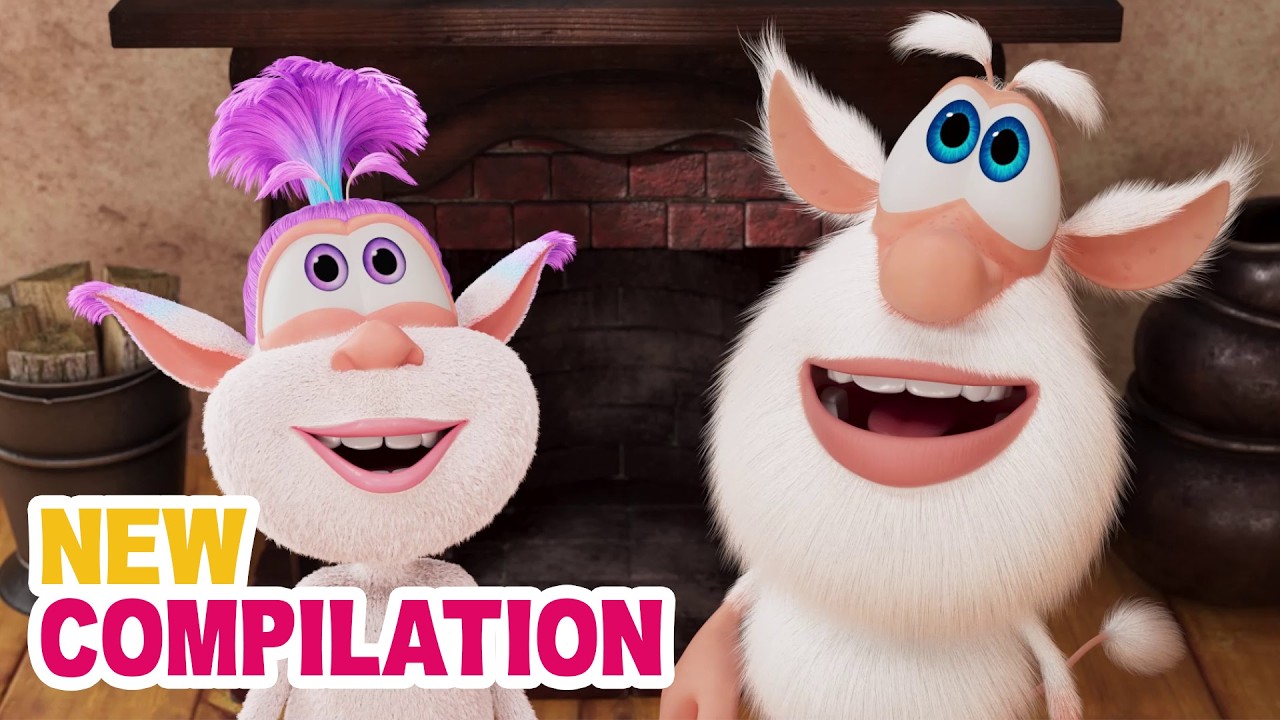
Safe YouTube Tips for Kids Who Love Playful Cartoon Characters

YouTube is a popular platform for children to watch funny and engaging animated characters. While these videos can be entertaining, it’s important for parents to ensure that children watch safely and responsibly.

This guide provides practical tips for parents to help kids enjoy videos of their favorite playful cartoon characters without compromising safety or development.


Why YouTube Can Be Both Fun and Risky:

  • Educational Potential: Quality videos can teach colors, numbers, shapes, creativity, and problem-solving skills.

  • Entertainment & Creativity: Watching funny animations encourages imaginative play and storytelling.

  • Risks: Unsupervised viewing can expose children to inappropriate content, ads, or excessive screen time.


Tips for Safe YouTube Viewing:

1. Use YouTube Kids App

  • Designed specifically for children under 13

  • Filters content to be age-appropriate and educational

  • Allows parental control over watch time, playlists, and channels


2. Set Viewing Limits

  • Limit screen time according to age and daily schedule:

    • Ages 3–5: ~1 hour/day

    • Ages 6–12: 1–2 hours/day

  • Combine with offline activities like drawing, crafts, or reading


3. Co-View and Engage

  • Watch videos together and discuss:

    • What the character is doing

    • What the child learned

    • Fun ideas to recreate or act out scenes

  • Encourages interaction, comprehension, and bonding


4. Create Playlists of Trusted Content

  • Pre-select favorite channels or videos of playful cartoon characters

  • Avoid letting children browse freely, reducing the risk of inappropriate recommendations

  • Include educational or creative content


5. Teach Digital Safety

  • Explain not to click unknown links or ads

  • Encourage children to ask a parent before searching new content

  • Model responsible technology use


6. Integrate Hands-On Activities

  • Turn videos into active learning experiences:

    • Drawing or coloring characters

    • Crafting or origami

    • Role-playing favorite scenes

Educational Tip: This transforms passive viewing into interactive learning and creativity.


7. Monitor and Adjust

  • Observe the child’s reaction to videos:

    • Are they engaged or frustrated?

    • Do they imitate positive behaviors or problematic actions?

  • Adjust content, time, and activities accordingly


Benefits of Safe Viewing:

  • Learning Skills: Numbers, letters, colors, shapes, and problem-solving

  • Imagination & Creativity: Encourages storytelling, drawing, and acting

  • Emotional Understanding: Recognizing characters’ expressions and emotions

  • Screen-Time Balance: Teaches healthy viewing habits from an early age


Final Thoughts:

Children can enjoy funny and playful cartoon characters on YouTube safely when parents guide viewing habits. By pre-selecting content, limiting time, co-viewing, and integrating hands-on activities, parents can ensure videos are both fun and educational, promoting safe and positive screen experiences.

Advertisement
How Teach Kids Honesty, Respect and Kindness
Teaching children important values like honesty, respect, and kindness is one of the most essential parts of early education. In today’s digital age, one of the most effective ways to instill these values is through animated stories. These stories use colorful visuals, engaging characters, and interactive storytelling to help children understand moral lessons while keeping them entertained. In this article, we will explore how animated stories teach honesty, respect, and kindness, why they are effective for young children, and how parents and teachers can use them in everyday life. ⭐ Why Animated Stories Are Effective for Teaching Values: Children learn best when they are emotionally engaged. Animated stories provide a rich combination of visuals, audio, and storytelling, which makes learning values easier. Key reasons why animated stories work include: 1. Visual Learning: Young children often think in pictures. Animated characters, bright colors, and expressive faces help children remember lessons better than lectures or written stories. 2. Relatable Characters: Stories with animals, children, or fantasy characters allow kids to relate and see the consequences of actions in a safe and fun way. 3. Story-Based Morals: Children learn values like honesty, respect, and kindness naturally when they see characters experiencing real-life situations and solving problems. 4. Repetition Reinforces Learning: Animated stories often repeat key messages through songs, dialogue, or narration. This repetition strengthens memory and understanding. 5. Fun and Interactive Many modern animated stories encourage children to participate, answer questions, or make choices. This engagement deepens comprehension of the values being taught. ⭐ Core Values Taught Through Animated Stories: 1. Honesty: Honesty is one of the most important traits children need to develop. Animated stories about honesty often show characters who tell the truth and face challenges but ultimately gain trust and respect.Example themes: A lost toy returned to its owner A character admitting a mistake at school Storylines where lying causes small consequences, teaching cause and effect 2. Respect: Respect for others, elders, and the environment can be taught through animation in a gentle, engaging way.Example themes: Characters helping friends, teachers, or family members Learning to listen before speaking Respecting nature, animals, and shared spaces 3. Kindness: Kindness encourages empathy and compassion. Animated stories can illustrate small acts of kindness and their positive effects.Example themes: Helping a neighbor or friend in need Sharing toys or snacks with classmates Comforting someone who is sad or lonely ⭐ Popular Types of Animated Stories for Moral Learning: 1. Animal Characters: Animals are a favorite choice because children naturally love them and learn life lessons without feeling judged. A rabbit learning to share A fox realizing honesty brings friends 2. Everyday Life Stories: Stories set in school, home, or playgrounds teach practical life lessons. Saying “sorry” after making a mistake Helping someone who fell in the playground 3. Fantasy and Adventure Stories: Children enjoy magic, superheroes, or fairy tales, and these stories can embed moral lessons subtly. A superhero who always tells the truth Magical friends teaching respect for everyone 4. Short Songs and Rhymes: Songs with morals help children memorize values. “Sharing is caring” song with animated characters Rhymes that teach honesty and kindness ⭐ Benefits of Using Animated Stories for Moral Education: 1. Builds Strong Character: Early exposure to values like honesty, respect, and kindness builds strong character and positive behavior patterns. 2. Improves Social Skills: Children learn how to interact politely with friends, family, and teachers. They understand empathy, fairness, and cooperation. 3. Encourages Emotional Intelligence: By seeing characters express feelings and solve conflicts, children learn to identify, understand, and manage their emotions. 4. Makes Learning Fun: Animated stories make moral education enjoyable, which is crucial for preschoolers and early learners who have short attention spans. 5. Ideal for Homeschooling: Parents can integrate animated moral stories into their daily routine, reinforcing values in a playful and stress-free way. ⭐ Tips for Parents and Educators: ✔ 1. Discuss the Story: After watching, ask children questions like: “Why was honesty important?” or “How did kindness help the character?” ✔ 2. Role-Playing: Encourage children to act out parts of the story, reinforcing the lessons through practice. ✔ 3. Use Real-Life Examples: Connect animated stories to everyday situations. For example, relate a story about sharing to a sibling or friend. ✔ 4. Repeat Key Messages: Repetition is key. Watch the stories multiple times and emphasize the main values in conversations. ✔ 5. Combine with Books and Activities: Use books, puzzles, and crafts to complement animated stories and strengthen learning. Conclusion: Animated stories about honesty, respect, and kindness are a powerful and engaging way to teach children essential life values. They combine storytelling, music, bright visuals, and relatable characters to make learning fun and memorable. By incorporating these animated stories into daily routines, parents and educators can help children develop strong character, empathy, and social skills. Teaching moral values early ensures that children grow into responsible, caring, and respectful individuals. With the help of animated moral stories, learning honesty, respect, and kindness becomes an enjoyable adventure rather than a lesson.
Cartoons That Improve Creativity in Children
Cartoons are more than just entertainment—they can be a powerful tool for fostering creativity in young minds. With colorful visuals, imaginative storylines, and playful characters, the right cartoons encourage children to think outside the box, invent stories, and explore new ideas. This guide explores the best types of cartoons that inspire creativity in children and explains why they are beneficial for kids aged 3–8. Why Creativity Matters in Childhood: Problem-Solving Skills: Creative thinking helps children find multiple solutions to challenges. Imagination Growth: Exposure to imaginative scenarios encourages storytelling and pretend play. Emotional Expression: Art, role-play, and storytelling help children express feelings. Cognitive Development: Creativity strengthens brain connections, memory, and critical thinking. Social Skills: Collaborating on creative projects improves communication and teamwork. Top Cartoons That Boost Creativity: 1. Playful Creature Adventures Features a curious, expressive character exploring colorful worlds. Encourages role-playing, drawing, and problem-solving. 2. Tiny Tales Universe Short, imaginative stories for toddlers and preschoolers. Promotes storytelling, emotional understanding, and imaginative thinking. 3. Fuzzy Friends Academy Group of playful friends solving challenges together. Teaches collaboration, creativity, and thinking outside the box. 4. Giggle Garden Explorers Outdoor adventures with creative problem-solving scenarios. Encourages observation, exploration, and interactive play. 5. Happy Helpers Club Characters use creativity to solve everyday challenges. Inspires crafts, design thinking, and imaginative role-play. How Parents Can Encourage Creativity Through Cartoons: Co-View and Discuss: Ask children what they would do differently or how they would solve problems. Incorporate Activities: Drawing, painting, or crafting based on episodes reinforces creativity. Encourage Storytelling: Let children retell or expand stories in their own words. Limit Screen Time: Ensure balance with outdoor play, reading, and physical activities. Praise Experimentation: Celebrate new ideas, imaginative solutions, and creative expression. Benefits of Creative Cartoons: Boosts Imagination: Inspires children to invent stories, games, and scenarios. Enhances Problem-Solving: Teaches flexible thinking and solution-oriented skills. Develops Social Skills: Promotes collaboration, empathy, and communication. Encourages Emotional Expression: Helps children express feelings through art and play. Safe and Fun Learning: Combines education with enjoyment, keeping screen time productive. Final Thoughts: Cartoons that encourage creativity provide more than laughter—they foster imagination, problem-solving, and emotional growth. By choosing shows that engage, challenge, and inspire, parents can help children develop critical cognitive and social skills while having fun.
Best Educational Cartoons for Kids in 2025
A Complete Guide for Parents As digital learning continues to evolve, parents are becoming more selective about the content their children watch. In 2025, the demand for high-quality educational cartoons for kids has reached an all-time high. Families now want animated series that combine entertainment with learning—covering language development, moral lessons, science, early mathematics, and emotional intelligence. This guide explores the best educational cartoons for kids in 2025, why they are trending, and how they support mental, emotional, and cognitive growth. If you’re searching for valuable learning content for your child, this article will help you make informed choices. Why Educational Cartoons Matter in 2025: Today’s children learn differently. Early exposure to screens means they absorb information faster through visuals, colors, and characters. Educational cartoons create an immersive learning environment where kids learn naturally while having fun. Key benefits include: Enhanced vocabulary and language skills Improved problem-solving and analytical thinking Better understanding of numbers, shapes, sounds, and colors Stronger emotional intelligence and social behavior Increased creativity and imagination Safe entertainment without harmful messaging The best part? Children perceive these cartoons as fun, not study—making learning effortless. Top 10 Educational Cartoons for Kids in 2025: 1. Booba Educational Adventures (2025 Edition) Booba remains a favorite among toddlers for his curiosity-driven adventures. The series introduces children to new environments, safety rules, and basic science concepts. Why it’s trending: Non-verbal learning suitable for all languages Encourages observation and critical thinking Kids learn by watching Booba explore real-world situations Perfect for toddlers and preschoolers 2. Super Simple Learning World Ideal for early English learners, this series uses colorful animations, easy rhymes, and step-by-step learning. Focus areas: Alphabet A–Z Numbers, counting, and shapes Opposites, colors, and phonics Simple manners and good habits Its soft music and gentle pacing make it perfect for toddlers and preschoolers. 3. Dino Learners: The Smart Adventures Dino-themed learning adventures combine science, history, and teamwork for children aged 4–10. Learning benefits: Boosts curiosity about dinosaurs and prehistoric life Teaches teamwork and problem-solving Introduces basic geography and animal behavior 4. Little Genius World Designed to stimulate mental growth, this 2025 series engages kids with puzzles, mini-games, and creative challenges. Key themes: Memory-building activities Logical reasoning and early math Creative drawing and imagination Shape recognition and pattern analysis 5. Alphabet Town Adventures Perfect for toddlers learning ABCs, this series strengthens early reading skills. Why parents choose it: Correct pronunciation of English words Vocabulary-building through animated stories Engaging visuals keep kids motivated 6. The Kindness Club Emotional intelligence (EQ) is a key focus of this series, which teaches morals and social skills gently and entertainingly. Lesson themes: Sharing and caring Respect and honesty Friendship and empathy Managing feelings 7. Space Explorers Jr. This space-themed cartoon sparks curiosity about planets, stars, and the cosmos. Learning highlights: Names of planets and their characteristics Basics of space travel Stars, moons, and galaxies explained simply 8. Momo’s Math World One of the most fun math learning series of 2025, turning numbers and problem-solving into an adventure. Focus areas: Numbers and counting Addition and subtraction Shapes and measurements Early problem-solving 9. Healthy Habits with Zoya Health education meets fun! Zoya encourages children to adopt healthy daily habits. Topics include: Eating nutritious food Brushing teeth properly Sleeping on time Simple exercises Keeping surroundings clean 10. The Creative Arts Studio Creativity-focused learning helps children explore art, music, dance, and crafts. Benefits: Improves hand–eye coordination Boosts artistic confidence Encourages emotional expression How to Choose the Right Educational Cartoon Before selecting a cartoon, consider: Age-appropriate content – Avoid shows that are too simple or too advanced. Positive messaging – Ensure lessons about kindness, honesty, and safety. Pacing – Slow, clear visuals prevent overstimulation. Interactive elements – Songs, repetition, and simple tasks enhance learning. Language clarity – Dialogue should be child-friendly and easy to understand. Choosing the right cartoon can significantly improve your child’s early development and learning speed. Final Thoughts In 2025, educational cartoons are more than entertainment—they’re powerful learning tools that nurture language skills, emotional intelligence, creativity, and problem-solving. Whether your child enjoys science, language, adventure, or moral stories, these top 10 series offer safe, engaging, and educational experiences. Start your child’s learning adventure today by exploring these cartoons on trusted platforms like YouTube or dedicated educational websites such as boobacartoon.com.
Top Booba-Themed Printable Worksheets for Children
Printable worksheets are an excellent way to combine fun and learning for children. Booba, with his playful and expressive personality, provides the perfect theme for worksheets that engage young learners. From coloring and tracing to puzzles and counting activities, Booba worksheets make education interactive, enjoyable, and visually stimulating. In this guide, we present the top Booba-themed printable worksheets for children aged 3–8, along with tips on how to use them for learning at home or in the classroom. 1. Booba Coloring Worksheets: Simple line art of Booba in various poses Bright colors can be added using crayons or markers Teaches color recognition, hand-eye coordination, and creativity Activity Tip: Encourage children to tell a mini story about what Booba is doing in the picture. 2. Booba Tracing Worksheets: Outlines of Booba, objects, and letters for tracing Helps children practice fine motor skills, pencil control, and writing readiness Great for preschoolers and early learners Learning Tip: Tracing can be combined with counting or identifying shapes in the picture. 3. Booba Maze Worksheets: Children help Booba find his way to a toy, balloon, or friend Improves problem-solving, spatial awareness, and patience Fun and engaging way to introduce logical thinking Activity Tip: Reward completion with a sticker or mini Booba stamp. 4. Booba Counting Worksheets: Worksheets with Booba interacting with objects for counting practice Helps children recognize numbers, quantities, and basic math skills Encourages visual learning and numeracy development Learning Tip: Ask children to color a certain number of items while counting aloud. 5. Booba Matching Worksheets: Match Booba characters to their favorite objects or scenes Enhances cognitive skills, attention to detail, and memory Suitable for group activities or solo learning Activity Tip: Use mini stickers for correct matches to make it interactive. 6. Booba Pattern Recognition Worksheets: Identify and continue patterns using Booba-themed objects Boosts critical thinking, sequencing, and problem-solving skills Ideal for preschoolers to practice logical reasoning Learning Tip: Start with simple patterns and gradually increase complexity. 7. Booba Spot-the-Difference Worksheets: Two similar Booba images with subtle differences Encourages visual observation, attention to detail, and patience Great for enhancing focus and concentration Activity Tip: Children can circle or color the differences for added fun. 8. Booba Cut-and-Paste Worksheets: Cut out Booba characters or objects and paste them into the correct scenes Improves fine motor skills, hand-eye coordination, and sequencing Adds a tactile dimension to learning Learning Tip: Turn it into a storytelling activity where children explain their scene. 9. Booba Word Search & Alphabet Worksheets: Introduce Booba-themed words for children to find in a word search Letters or words can be traced or colored for alphabet practice Develops reading skills, vocabulary, and letter recognition Activity Tip: Encourage children to use the words in their own mini stories. 10. Booba Creative Writing Worksheets: Provide a scene with Booba and leave space for children to write or draw what happens next Enhances imagination, storytelling, and writing skills Suitable for older preschoolers and early elementary learners Learning Tip: Combine with coloring and drawing to create a complete activity sheet. How to Use Booba Worksheets Effectively: Combine Multiple Skills: Use worksheets that combine coloring, counting, and tracing for multi-skill development. Set a Theme: Align worksheets with favorite Booba episodes or activities. Interactive Learning: Encourage discussion, storytelling, and role-play while completing worksheets. Reward Completion: Stickers, stamps, or praise motivate children. Rotate Activities: Offer different types of worksheets weekly to maintain interest. Educational Benefits of Booba Worksheets: Cognitive Development: Puzzles, matching, and pattern recognition enhance thinking skills. Fine Motor Skills: Coloring, tracing, and cutting improve hand-eye coordination. Creativity & Imagination: Children interpret Booba scenes and create their own ideas. Problem-Solving: Mazes and pattern activities teach logical thinking. Language & Literacy: Word searches and writing exercises improve vocabulary and literacy. Final Thoughts: Booba-themed printable worksheets are an engaging way to combine fun and learning. From coloring and tracing to mazes, counting, and creative writing, these worksheets help children develop essential skills while exploring Booba’s playful world. Perfect for home learning, preschool classrooms, or rainy-day activities, Booba worksheets keep children entertained and educationally engaged.
Best Nursery Rhymes for Children in 2025
Learn and Sing with Fun Nursery rhymes have been a beloved part of early childhood education for generations. In 2025, their role has become even more significant, thanks to animated videos and interactive digital content. Nursery rhymes help children develop language skills, memory, rhythm, and social understanding—all while having fun. This guide explores the benefits of nursery rhymes, popular animated series for children, and tips for parents to make the most out of rhyme-based learning. Why Nursery Rhymes Are Important for Children: Nursery rhymes are more than simple songs—they are powerful educational tools. They combine melody, rhythm, and repetition, making learning enjoyable and effective. Key benefits of nursery rhymes include: Language development: Helps children learn new words, pronunciation, and sentence structure. Memory and recall: Repetition and rhyming enhance memory skills. Rhythm and musical skills: Introduces children to beat, melody, and rhythm. Cognitive development: Patterns, sequences, and storylines encourage thinking and reasoning. Social and emotional growth: Singing together promotes bonding, cooperation, and emotional expression. Popular Types of Nursery Rhymes: Nursery rhymes can be grouped into several categories to target different learning skills: 1. Traditional Rhymes: These are the classic rhymes like Twinkle Twinkle Little Star, Humpty Dumpty, or Baa Baa Black Sheep. They are simple, melodic, and easy to memorize, making them perfect for toddlers and preschoolers. 2. Alphabet and Counting Rhymes: Songs that combine rhymes with alphabet letters or numbers help children learn language and numeracy simultaneously. Examples include ABC Song and One, Two, Buckle My Shoe. 3. Movement and Action Rhymes: Action rhymes involve gestures and physical activity, improving gross motor skills and coordination. Examples include If You’re Happy and You Know It or Head, Shoulders, Knees, and Toes. 4. Themed Rhymes: Some nursery rhymes focus on animals, seasons, or daily routines, teaching children about the world in a fun, musical way. Examples include Old MacDonald Had a Farm and Rain, Rain, Go Away. Top Animated Nursery Rhymes for Children in 2025: 1. Super Simple Songs: A favorite among toddlers, this series combines animated visuals, slow-paced music, and easy-to-follow lyrics. Highlights: Alphabet, numbers, and action rhymes Interactive, easy for children to sing along Bright, colorful animations for engagement 2. Booba’s Nursery Rhymes: Booba, a popular character, now features nursery rhyme adventures that make classic songs fun and playful. Benefits: Non-verbal and universally understandable Encourages observation and rhythm learning Perfect for toddlers and preschoolers 3. Little Baby Bum: One of the most well-known animated nursery rhyme channels, Little Baby Bum offers: Wide range of rhymes from traditional to modern Fun animations to hold children’s attention Songs that reinforce early language, counting, and colors 4. Cocomelon: Cocomelon is widely popular for combining nursery rhymes with short educational stories. Learning focus: Letters, numbers, and colors Social skills and good habits Memory and listening skills through repetition 5. Nursery Rhymes Club: An interactive animated series with sing-along features and visual cues for each word. Benefits: Engages children in singing and reading Improves pronunciation and vocabulary Introduces rhythm and melody for early musical skills How to Use Nursery Rhymes Effectively: While nursery rhymes are fun, parents play a key role in enhancing their educational value: Sing along: Join your child to improve language and bonding. Add gestures and movements: Action rhymes improve coordination and memory. Repetition is key: Repeating songs helps reinforce learning. Combine with visuals: Animated videos make rhymes more engaging. Discuss the story or theme: Even short rhymes can teach lessons about animals, nature, or social behavior. Create a daily routine: Singing nursery rhymes at consistent times (morning, bedtime) reinforces memory and habit formation. Benefits of Animated Nursery Rhymes: Animated nursery rhymes combine music, movement, and storytelling to create a multi-sensory learning experience: Visual learning: Bright characters, colors, and movements enhance memory. Auditory learning: Repetition of sounds, words, and rhythms improves language skills. Interactive engagement: Sing-along and dance-along features make learning fun. Emotional connection: Characters and songs help children express feelings and connect with stories. Recommended Nursery Rhymes for Children in 2025: Here’s a curated list of popular and educational nursery rhyme series: Super Simple Songs – Alphabet, numbers, and classic rhymes Booba’s Nursery Rhymes – Fun adventures with playful characters Little Baby Bum – Wide variety of rhymes with vibrant animations Cocomelon – Combines songs with short stories and social lessons Nursery Rhymes Club – Interactive sing-along videos for toddlers These series provide safe, colorful, and educational content, making learning enjoyable for toddlers and preschoolers. Final Thoughts: Nursery rhymes are a timeless tool for early childhood learning, helping children develop language, memory, rhythm, and social skills. In 2025, animated and interactive videos make these rhymes even more engaging, allowing toddlers to learn while having fun. Parents can maximize the benefits by: Singing along with their children Incorporating gestures and movements Repeating favorite rhymes regularly Pairing songs with discussion or hands-on activities With the right nursery rhymes, screen time becomes productive and educational, giving toddlers a strong foundation for learning, creativity, and social development. Tip for Parents: Encourage children to create their own rhymes or act out songs—this reinforces creativity, memory, and understanding of language patterns.
Most Popular Kids’ Cartoons in 2025
The world of children’s entertainment is constantly evolving. In 2025, playful, colorful, and creative animated shows continue to captivate young audiences. Parents and educators are always looking for age-appropriate, engaging, and educational cartoons that entertain while inspiring creativity, learning, and social skills. This guide explores the most popular kids’ cartoons in 2025 and highlights why children love them. Why These Cartoons Are Popular: Vibrant Animation: Bright colors, expressive characters, and fun visual effects keep kids engaged. Relatable Characters: Funny, curious, and adventurous characters capture children’s imagination. Humor and Storytelling: Combining comedy with engaging storylines makes learning fun. Educational Value: Many shows include problem-solving, social skills, and creativity. Interactive Appeal: Episodes encourage role-play, drawing, storytelling, and crafts. Top Kids’ Cartoons of 2025: 1. Playful Creature Adventures Focuses on curious, expressive characters exploring their world. Teaches creativity, problem-solving, and social skills. 2. Tiny Tales Universe Short, engaging stories for toddlers. Highlights colors, numbers, shapes, and emotional learning. 3. Fuzzy Friends Academy Group of animal friends on humorous adventures. Encourages friendship, teamwork, and empathy. 4. Magical Garden Explorers Outdoor adventures with educational lessons about nature and science. Inspires observation, creativity, and imagination. 5. Happy Helpers Club Characters engage in activities promoting responsibility, sharing, and cooperation. Great for role-playing and learning life skills. 6. Giggles and Wonders Combines humor, storytelling, and visual learning. Encourages children to retell stories and create their own adventures. How Parents Can Maximize Learning: Watch Together: Discuss episodes to reinforce lessons and encourage conversation. Extend Learning Activities: Drawing, crafts, or acting out scenes improves engagement. Set Limits: Maintain healthy screen time for balance with outdoor play and reading. Encourage Creativity: Ask children to invent new storylines or design characters. Praise Participation: Celebrate curiosity, questions, and creative efforts inspired by the shows. Benefits of Watching Popular Cartoons: Cognitive Skills: Improves observation, problem-solving, and comprehension. Social Skills: Encourages empathy, teamwork, and communication. Creativity and Imagination: Inspires drawing, storytelling, and imaginative play. Language Development: Expands vocabulary and strengthens narrative skills. Safe Entertainment: Age-appropriate and educational content ensures fun learning. Final Thoughts: The most popular kids’ cartoons in 2025 are more than just entertainment. They combine humor, imagination, and learning, making them a valuable tool for parents and educators. By choosing these shows thoughtfully and pairing them with creative activities and discussions, children can enjoy fun, safe, and enriching screen time.
How Cartoons Improve Vocabulary in Kids
Cartoons are not just a source of entertainment for children; they play a vital role in the development of language skills and vocabulary. Parents often wonder how watching cartoons can benefit their children academically. Research and expert opinions suggest that educational cartoons and carefully selected animated shows can significantly enhance a child’s vocabulary development and communication abilities. 1. Cartoons Make Learning Fun: Children are naturally attracted to colorful visuals, animated characters, and fun storytelling. When they watch kids cartoons, they are not just entertained but also exposed to new words and phrases. Fun and engaging content helps children remember vocabulary more effectively than traditional rote learning. For example, shows like Dora the Explorer or Sesame Street integrate simple language and interactive exercises, allowing children to repeat words, ask questions, and learn through playful interaction. This method of learning through cartoons is effective because children associate words with actions and visuals, making the learning process natural and enjoyable. 2. Exposure to Conversational Language: Most cartoons use simple and clear dialogues that are easy for children to understand. Watching these shows regularly allows kids to hear new words in context, which improves their ability to comprehend and use language. Unlike textbooks, cartoons show conversational language, everyday expressions, and emotional tone, helping children learn how to communicate effectively. For instance, a cartoon character might say, “I am very excited to go on an adventure!” The child not only learns the word “excited” but also understands how to use it in a sentence. This exposure to contextual vocabulary is crucial for early language development. 3. Reinforcement Through Repetition: Cartoons are often designed with repetitive phrases, rhymes, and songs. This repetition helps reinforce new vocabulary and makes it easier for children to remember. Words introduced in a fun and repeated manner stick in the memory more effectively. For example, educational cartoons for preschoolers often repeat animal names, colors, numbers, and common objects. Over time, children start recognizing and using these words naturally in their daily conversations. Repetition is a key strategy in vocabulary acquisition, and cartoons provide this effortlessly. 4. Visual Learning Boosts Word Recognition: Children are visual learners. They understand and retain information better when it is associated with images and actions. Cartoons provide rich visual context for every word. When a character in a cartoon says “ball” while holding a ball, children connect the spoken word with the object, which strengthens their word recognition and understanding. Moreover, cartoons often depict emotions and actions, helping children learn descriptive vocabulary like happy, sad, excited, running, jumping, and more. This visual association enhances cognitive development alongside language skills. 5. Encourages Active Participation: Interactive cartoons and shows often ask children to repeat words or answer simple questions. For example, a character might ask, “Can you say your ABCs?” This kind of active engagement encourages children to practice speaking, which is essential for vocabulary improvement. By responding to prompts and participating in animated activities, children are more likely to retain new words and develop confidence in using language creatively. Parents can further support this by discussing episodes and asking questions about the storyline or characters. 6. Introduces Diverse Vocabulary: High-quality educational cartoons introduce children to a wide range of words and concepts beyond their immediate environment. Shows about animals, science, history, or geography expose children to terms like habitat, ecosystem, adventure, culture, and more. This helps children expand their vocabulary and learn concepts that are part of formal education. Furthermore, cartoons often include rhymes, songs, and storytelling techniques that introduce figurative language, idioms, and new sentence structures. For example, phrases like “time flies” or “piece of cake” are easier for children to understand when presented in a fun cartoon scenario. 7. Boosts Reading and Writing Skills: A rich vocabulary is a foundation for strong reading and writing skills. Children who are exposed to animated educational content are more likely to recognize words when reading books, stories, or school materials. The familiarity with vocabulary gained from cartoons makes reading less intimidating and more enjoyable. Additionally, children often try to write or narrate stories inspired by cartoons. This encourages creative writing and the practical use of new words, reinforcing their learning. 8. Tips for Maximizing Vocabulary Benefits from Cartoons: To ensure that cartoons positively impact vocabulary development, parents and caregivers can follow these tips: Choose educational cartoons: Select shows specifically designed for learning, such as Peppa Pig, Sesame Street, or Bluey. Limit screen time: Avoid excessive viewing; 30–60 minutes of quality content per day is recommended. Watch together: Engage with your child while watching and discuss new words. Reinforce words: Encourage children to repeat words, describe scenes, or narrate stories from the cartoon. Combine with reading: Introduce books or print materials related to the cartoons to strengthen word recognition. Use subtitles: If your child is learning reading skills, subtitles can help them associate spoken words with written forms. Conclusion: Cartoons are a powerful tool for improving vocabulary in children. When chosen wisely, they provide fun, visual, and interactive learning experiences that enhance language skills, comprehension, and communication. Through repetition, context, and engagement, children naturally acquire new words and phrases, which strengthens their reading, writing, and speaking abilities. By incorporating educational cartoons into a child’s daily routine and actively participating in their learning process, parents can support early literacy and cognitive development in an enjoyable and effective way. Investing in the right cartoons today can pave the way for strong language skills and a lifelong love for learning tomorrow.
Best Funny Cartoon Series for Kids
Laughter is one of the most effective ways for children to learn, relax, and develop social skills. In 2025, funny cartoon series for kids—featuring slapstick comedy and safe humor—have become extremely popular among toddlers and preschoolers. These animated series combine physical comedy, playful antics, and humorous storytelling while ensuring content is safe, age-appropriate, and educational. Parents now recognize that humor-based cartoons can improve a child’s creativity, problem-solving, and emotional resilience, making them a valuable addition to early learning content. Why Funny Cartoons Are Important: Funny cartoons provide entertainment with subtle learning opportunities: Promote social skills: Children observe humor, timing, and social interactions. Encourage creativity: Slapstick and playful situations spark imaginative thinking. Boost emotional health: Laughter reduces stress and increases positive emotions. Support problem-solving: Characters often overcome funny obstacles, teaching perseverance. Safe entertainment: Carefully curated humor avoids violence, inappropriate jokes, or harmful behavior. By combining fun and educational values, funny cartoons create a balanced screen-time experience for young children. Key Features of Funny Cartoon Series: Slapstick Humor Gentle, non-violent physical comedy like slipping, tumbling, and playful mistakes. Engages children’s attention and encourages laughter without fear. Safe, Age-Appropriate Content No scary scenes, crude jokes, or adult themes. Reinforces positive behavior even in funny situations. Colorful and Expressive Animation Bright visuals and exaggerated expressions enhance comedic effect. Helps children recognize emotions and expressions. Short, Engaging Episodes Perfect for toddlers’ attention spans (3–7 minutes). Fast-paced, visually stimulating storytelling keeps kids entertained. Subtle Learning Opportunities Problem-solving, teamwork, empathy, and perseverance are often embedded in comedic plots. Top Funny Cartoon Series for Kids in 2025: 1. Booba’s Silly Adventures: Booba’s playful curiosity leads to funny situations that teach children observation, problem-solving, and laughter. Highlights: Non-verbal comedy suitable for all languages Physical humor, visual gags, and slapstick Encourages curiosity and learning through laughter 2. Super Simple Funny Songs: Animated songs with comedic storytelling teach letters, numbers, and daily life routines in a fun way. Learning benefits: Vocabulary and early concepts reinforced through humor Interactive songs encourage participation Gentle comedy keeps toddlers engaged 3. Little Hero Comedy Tales: Mini-stories where characters overcome challenges in humorous ways while learning cooperation and problem-solving. Key lessons: Teamwork and sharing Creativity and imaginative thinking Resilience through playful challenges 4. Animal Antics Series: Animal characters engage in playful mischief, funny encounters, and gentle pranks suitable for preschoolers. Learning highlights: Encourages empathy by showing how actions affect friends Recognizing emotions and reactions Combines humor with moral lessons in a safe environment 5. Giggles & Friends: A modern cartoon series focused on slapstick and playful humor, promoting laughter while subtly teaching life skills. Benefits: Engaging plots with safe comedy Reinforces cooperation, problem-solving, and creative thinking Short episodes perfect for toddlers and preschoolers How Parents Can Make Funny Cartoons More Beneficial: Parents can enhance the value of funny cartoons by: Watching together: Discuss funny situations and relate them to real-life lessons. Pause and question: “What could we do differently?” or “Why was that funny?” Repeat favorite episodes: Reinforces learning and enjoyment. Encourage creative play: Let children act out scenes, building imagination and confidence. Monitor humor: Ensure children understand the difference between funny and harmful behavior. Balance screen time: Short, engaging episodes work best for attention spans of 2–6 years. Recommended Funny Cartoon Series for Kids in 2025: Booba’s Silly Adventures – Non-verbal physical comedy Super Simple Funny Songs – Educational songs with humor Little Hero Comedy Tales – Mini-stories with playful learning Animal Antics Series – Gentle animal mischief and life lessons Giggles & Friends – Slapstick humor with educational value These series provide safe, entertaining, and educational laughter, helping children develop creativity, social skills, and resilience while enjoying playful humor. Final Thoughts: Funny cartoon series for kids are more than just entertainment—they are tools for learning and emotional growth. In 2025, slapstick comedy and safe humor provide children with: Social and emotional awareness Problem-solving and creative thinking Joyful, stress-free entertainment Parents can maximize benefits by: Watching and discussing the episodes together Encouraging creative play inspired by funny stories Reinforcing learning and empathy through humor With the right funny cartoons, children laugh, learn, and develop important skills while enjoying safe, playful adventures. Tip for Parents: Encourage children to draw or act out their favorite funny scenes, which reinforces creativity, comprehension, and social skills.