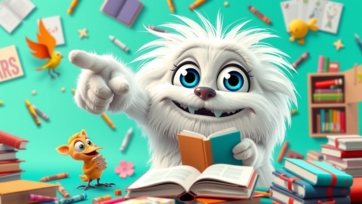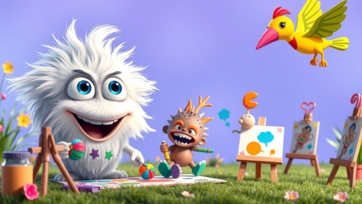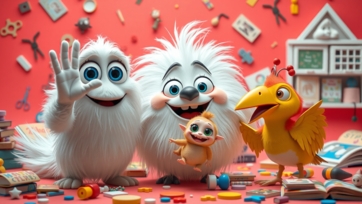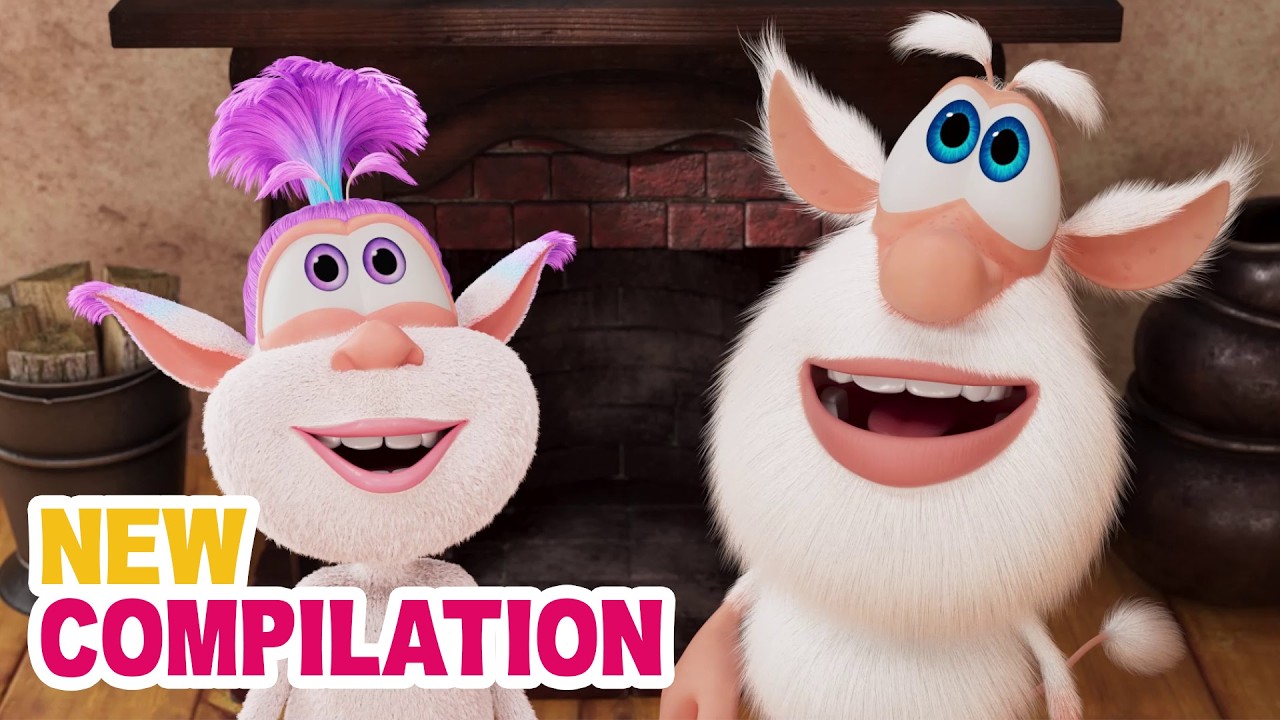
Parents often wonder which cartoons are better for their children—modern playful characters or classic shows like Masha and the Bear. Each type of animation offers unique benefits and challenges for children aged 3–8.
This guide provides a comprehensive comparison, helping parents choose engaging, safe, and educational content for their kids.
1. Entertainment and Engagement:
-
Playful Cartoon Characters: Bright colors, quirky expressions, and funny antics keep children highly engaged.
-
Classic Shows (e.g., Masha and the Bear): Combines humor with storytelling and life lessons.
-
Comparison: Both entertain, but modern characters often include interactive and imaginative scenarios that encourage active participation.
2. Educational Value:
-
Playful Characters: Episodes are designed to teach creativity, problem-solving, social skills, and empathy.
-
Classic Shows: Focus more on storytelling, friendship, and basic moral lessons.
-
Comparison: Playful characters may provide more hands-on learning opportunities, while classics emphasize narrative and emotional understanding.
3. Language and Communication:
-
Playful Characters: May be non-verbal or minimally verbal, encouraging kids to interpret actions and describe scenes, improving vocabulary and narrative skills.
-
Classic Shows: Mostly verbal, helping children learn words, expressions, and conversational language.
-
Comparison: Both enhance communication, but in different ways—visual storytelling vs. dialogue-based learning.
4. Creativity and Imagination:
-
Playful Characters: Inspire children to draw, role-play, and invent new scenarios.
-
Classic Shows: Encourage storytelling and acting out scenes, fostering imagination with existing narratives.
-
Comparison: Playful characters often invite more experimentation, while classics provide structured imaginative play.
5. Social and Emotional Development:
-
Playful Characters: Teach empathy, teamwork, curiosity, and problem-solving.
-
Classic Shows: Teach friendship, patience, and handling conflicts.
-
Comparison: Both are valuable, but playful characters may engage children more actively in learning emotions and social skills.
6. Age Appropriateness:
-
Younger Kids (3–5 years): Playful cartoon characters are generally easier to understand and more visually engaging.
-
Older Kids (6–8 years): Classic shows are better for following storylines, dialogue, and moral lessons.
-
Balanced Approach: Mixing both types of cartoons provides variety, learning, and entertainment.
Tips for Parents:
-
Co-View Episodes: Discuss actions, decisions, and emotions to reinforce lessons.
-
Encourage Creativity: Have children draw, role-play, or write alternate endings.
-
Set Screen Limits: Ensure healthy balance with outdoor play and reading.
-
Monitor Behavior: Make sure children don’t imitate aggressive or unsafe actions.
-
Mix Content: Combine playful cartoons with classics to cover learning, creativity, and emotional growth.
Final Thoughts:
Both modern playful cartoon characters and classic animations like Masha and the Bear offer unique advantages. Playful characters foster creativity, curiosity, and interactive learning, while classics teach storytelling, morals, and social-emotional lessons. The key is moderation, guided viewing, and active engagement, so children can learn, play, and grow through both types of shows.