How Teach Kids Honesty, Respect and Kindness

Teaching children important values like honesty, respect, and kindness is one of the most essential parts of early education. In today’s digital age, one of the most effective ways to instill these values is through animated stories. These stories use colorful visuals, engaging characters, and interactive storytelling to help children understand moral lessons while keeping them entertained. In this article, we will explore how animated stories teach honesty, respect, and kindness, why they are effective for young children, and how parents and teachers can use them in everyday life.


Why Animated Stories Are Effective for Teaching Values:

Children learn best when they are emotionally engaged. Animated stories provide a rich combination of visuals, audio, and storytelling, which makes learning values easier. Key reasons why animated stories work include:

1. Visual Learning:

Young children often think in pictures. Animated characters, bright colors, and expressive faces help children remember lessons better than lectures or written stories.

2. Relatable Characters:

Stories with animals, children, or fantasy characters allow kids to relate and see the consequences of actions in a safe and fun way.

3. Story-Based Morals:

Children learn values like honesty, respect, and kindness naturally when they see characters experiencing real-life situations and solving problems.

4. Repetition Reinforces Learning:

Animated stories often repeat key messages through songs, dialogue, or narration. This repetition strengthens memory and understanding.

5. Fun and Interactive

Many modern animated stories encourage children to participate, answer questions, or make choices. This engagement deepens comprehension of the values being taught.


Core Values Taught Through Animated Stories:

1. Honesty:

Honesty is one of the most important traits children need to develop. Animated stories about honesty often show characters who tell the truth and face challenges but ultimately gain trust and respect.
Example themes:

  • A lost toy returned to its owner

  • A character admitting a mistake at school

  • Storylines where lying causes small consequences, teaching cause and effect

2. Respect:

Respect for others, elders, and the environment can be taught through animation in a gentle, engaging way.
Example themes:

  • Characters helping friends, teachers, or family members

  • Learning to listen before speaking

  • Respecting nature, animals, and shared spaces

3. Kindness:

Kindness encourages empathy and compassion. Animated stories can illustrate small acts of kindness and their positive effects.
Example themes:

  • Helping a neighbor or friend in need

  • Sharing toys or snacks with classmates

  • Comforting someone who is sad or lonely


Popular Types of Animated Stories for Moral Learning:

1. Animal Characters:

Animals are a favorite choice because children naturally love them and learn life lessons without feeling judged.

  • A rabbit learning to share

  • A fox realizing honesty brings friends

2. Everyday Life Stories:

Stories set in school, home, or playgrounds teach practical life lessons.

  • Saying “sorry” after making a mistake

  • Helping someone who fell in the playground

3. Fantasy and Adventure Stories:

Children enjoy magic, superheroes, or fairy tales, and these stories can embed moral lessons subtly.

  • A superhero who always tells the truth

  • Magical friends teaching respect for everyone

4. Short Songs and Rhymes:

Songs with morals help children memorize values.

  • “Sharing is caring” song with animated characters

  • Rhymes that teach honesty and kindness


Benefits of Using Animated Stories for Moral Education:

1. Builds Strong Character:

Early exposure to values like honesty, respect, and kindness builds strong character and positive behavior patterns.

2. Improves Social Skills:

Children learn how to interact politely with friends, family, and teachers. They understand empathy, fairness, and cooperation.

3. Encourages Emotional Intelligence:

By seeing characters express feelings and solve conflicts, children learn to identify, understand, and manage their emotions.

4. Makes Learning Fun:

Animated stories make moral education enjoyable, which is crucial for preschoolers and early learners who have short attention spans.

5. Ideal for Homeschooling:

Parents can integrate animated moral stories into their daily routine, reinforcing values in a playful and stress-free way.


Tips for Parents and Educators:

1. Discuss the Story:

After watching, ask children questions like: “Why was honesty important?” or “How did kindness help the character?”

2. Role-Playing:

Encourage children to act out parts of the story, reinforcing the lessons through practice.

3. Use Real-Life Examples:

Connect animated stories to everyday situations. For example, relate a story about sharing to a sibling or friend.

4. Repeat Key Messages:

Repetition is key. Watch the stories multiple times and emphasize the main values in conversations.

5. Combine with Books and Activities:

Use books, puzzles, and crafts to complement animated stories and strengthen learning.

Conclusion:

Animated stories about honesty, respect, and kindness are a powerful and engaging way to teach children essential life values. They combine storytelling, music, bright visuals, and relatable characters to make learning fun and memorable. By incorporating these animated stories into daily routines, parents and educators can help children develop strong character, empathy, and social skills.

Teaching moral values early ensures that children grow into responsible, caring, and respectful individuals. With the help of animated moral stories, learning honesty, respect, and kindness becomes an enjoyable adventure rather than a lesson.
Advertisement
Cartoons That Teach Science in Simple Ways
Science is often seen as a complex subject, but cartoons have proven to be a powerful tool for introducing scientific concepts to children in simple and engaging ways. Educational cartoons combine visual storytelling, bright colors, and relatable characters to make learning fun and easy to understand. Through animated adventures, children can explore topics like nature, space, chemistry, physics, and biology without feeling overwhelmed. Introducing science early helps children develop curiosity, critical thinking, and problem-solving skills. Cartoons act as a bridge between abstract concepts and real-world understanding, making learning interactive and enjoyable. Why Science Education is Important for Kids: Science education at an early age encourages children to: Ask questions about how things work Understand cause-and-effect relationships Observe and analyze natural phenomena Develop problem-solving and critical thinking skills Build a foundation for future STEM learning Cartoons make these skills accessible by presenting science in relatable and playful scenarios. How Cartoons Simplify Scientific Concepts: Educational cartoons break down complex topics into bite-sized lessons. For example: Shows about weather explain clouds, rain, and storms using fun characters Space-themed cartoons illustrate planets, stars, and astronauts in colorful animated worlds Chemistry experiments are shown safely with exaggerated effects, helping kids understand reactions By visualizing abstract concepts, children grasp ideas more easily and retain information longer. Encouraging Curiosity Through Exploration: Science cartoons often depict characters exploring the world around them. Kids learn to: Observe plants, animals, and natural processes Experiment with simple scientific tools Ask “why” and “how” questions Make predictions and test ideas This approach nurtures curiosity and scientific thinking naturally, without pressure or memorization. Interactive Learning with Experiments: Some cartoons include interactive experiments or demonstrations. Children can safely replicate these experiments at home with guidance, such as: Mixing safe household substances to observe reactions Planting seeds and tracking growth Exploring magnets or simple machines Hands-on interaction reinforces lessons from the cartoon and strengthens practical understanding of science. Role of Storytelling in Science Learning: Cartoons use storytelling to engage children emotionally and intellectually. When characters face problems that require scientific thinking, kids learn problem-solving through narrative: Characters might invent a device, solve a mystery, or conduct an experiment Kids see the scientific method in action: hypothesis, testing, observation, conclusion Storytelling connects abstract science to real-life scenarios This combination of story and science makes learning more memorable and enjoyable. Visuals and Animation Enhance Memory: Bright colors, movement, and exaggeration in cartoons strengthen visual memory. For example: Animated volcanoes erupt in exaggerated colors Characters float in space with colorful planets Water cycles and weather patterns are dramatized for effect These visual cues help children remember scientific concepts and vocabulary more easily. Choosing the Right Science Cartoons: Not all cartoons are educational. Parents should select shows that: Explain science clearly and accurately Focus on exploration, curiosity, and problem-solving Use safe and age-appropriate examples Include diverse characters and relatable scenarios Shows like The Magic School Bus, Sid the Science Kid, and similar educational programs are excellent choices for preschool and early learners. Benefits of Learning Science Through Cartoons: Learning science through cartoons offers multiple advantages: Makes abstract concepts tangible and understandable Improves attention and engagement Encourages curiosity and independent thinking Prepares children for formal science education Supports cognitive and language development With cartoons, children associate learning with fun, which boosts motivation and confidence. How Parents Can Enhance Science Learning: Parents can maximize the benefits by: Watching cartoons together and discussing key concepts Asking open-ended questions about experiments and phenomena Providing safe materials for children to replicate demonstrations Connecting cartoon lessons to real-life observations These strategies help children apply what they see on screen to the real world. Conclusion: Cartoons that teach science in simple ways are an invaluable tool for early education. By combining storytelling, visual exaggeration, and playful exploration, these shows introduce children to scientific concepts without pressure or confusion. When parents actively engage and encourage curiosity, cartoons become more than entertainment—they become a gateway to understanding the world, fostering inquisitive minds, and building a foundation for lifelong learning in science.
Character Costumes: Buying vs Making at Home - The 2025 Parent's Guide
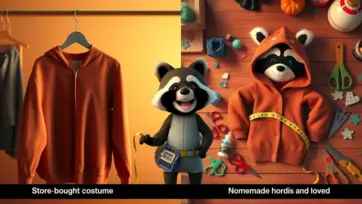
When your child wants to transform into their favorite gentle, curious character for Halloween, playtime, or a party, you face a classic dilemma: buy a ready-made costume or embrace a DIY project? Both paths have unique rewards and challenges. This 2025 guide breaks down the pros, cons, costs, and considerations of each approach to help you choose the best option for your family’s time, budget, and creative spirit. The Core Question: What Are Your Priorities? Before deciding, ask yourself: Time: Do you have weeks or just days? Budget: What are you comfortable spending? Skill Level: How confident are you with basic sewing, crafting, or hacking? Child's Involvement: Do you want a quick surprise or a collaborative project? Longevity: Is this for one night or for years of dress-up play? Option 1: Buying a Costume – The Path of Convenience : Where to Buy: Major Retailers & Online Marketplaces: (Amazon, Walmart, Target, Halloween specialty stores). Offers the widest selection, especially as holidays approach. Official Brand Stores: The best source for screen-accurate, licensed costumes, though often at a premium price. Costume Resale Sites & Local Groups: (Facebook Marketplace, Mercari). Excellent for finding gently used costumes at a fraction of the cost and reducing waste. Pros of Buying: Instant Gratification: It arrives ready-to-wear. Zero project stress. Screen Accuracy: Licensed costumes capture exact details, colors, and likeness. Time-Saving: Frees up your evenings and weekends. Often Includes Accessories: Typically comes as a full set (hood, bodysuit, gloves). Cons of Buying: Cost: Quality costumes can be expensive, especially for a single event. Quality & Comfort Issues: Often made from thin, non-breathable polyester. Zippers can be cheap, seams can rip. "One-size-fits-most" rarely fits well. Limited Sizing & Adjustability: Hard to tailor if it's too big/small. Generic Feel: Your child might see five others in the same costume at the party. Environmental Impact: Often involves plastic packaging and disposable, single-use materials. Option 2: Making a Costume at Home – The Path of Customization : Approach Overview:This doesn't mean sewing from scratch unless you want to. Modern DIY is about creative assembly using existing clothing and craft materials. The "No-Sew" Hack Method (Easiest): Base: A royal blue, long-sleeved shirt and blue sweatpants/leggings. The Hood: Use a blue beanie or hoodie. Attach two large white felt circles for eyes and smaller black felt circles for pupils using fabric glue. Shape the hood with safety pins if needed. The Gloves: Simple, inexpensive white cotton gloves (often sold in multipacks). The Details: Use white felt to cut out and glue a simple oval "tummy" onto the blue shirt. The "Sew-Lite" Custom Method (More Durable): Base: Same blue clothing base. The Hood: Purchase a blue hooded sweatshirt. Permanently sew on the felt eye details for a sturdier finish. The Bodysuit Alternative: Use a blue adult-sized t-shirt. Cut it down the middle front, hem the edges, and add snap fasteners to create an easy-on, easy-off jumper. Pros of Making: Perfect Fit: You tailor it to your child's exact measurements for maximum comfort and mobility. Uniqueness & Personal Touch: It’s one-of-a-kind. You can add inside jokes or personalized details. Quality Control: You choose soft, breathable fabrics that feel good against the skin and are built to last through multiple play sessions. Cost-Effective (Often): Can be significantly cheaper, especially if you repurpose clothing or shop thrift stores for blue basics. A Shared Experience: The process of making it together becomes a cherished memory. Sustainable: Repurposes existing items and avoids disposable costume waste. Cons of Making: Time Investment: Requires planning, shopping for materials, and assembly time. Skill/Confidence Required: Can feel daunting if you're not craft-inclined. Potential for Frustration: If a glue doesn't hold or a seam rips at the wrong moment. May Lack "Polish": A homemade look has charm, but might not have the crisp, store-bought finish some kids desire. The 2025 Hybrid Champion: The "Smart Customization" Approach This is the best-of-both-worlds strategy for most modern parents. Buy a Simple, High-Quality Base: Purchase a very soft, well-made royal blue hooded sweatshirt and pants set (intended for everyday wear). Customize with Details: Use high-quality felt, fabric glue, or simple stitches to add the signature white eyes and tummy patch. Accessorize Thoughtfully: Buy the white gloves new, and let your child carry a small, funny prop (a giant cardboard lightbulb, a question-mark sign). Result: You have a comfortable, durable, unique costume that becomes a beloved piece of everyday play clothing long after the event is over. The cost is similar to a cheap store costume, but the value and longevity are far greater. Decision Flowchart: Which Path is Right for You? Choose BUY if: The event is in < 1 week, your budget is flexible, you have zero craft time/interest, and your child prioritizes perfect accuracy. Choose the HYBRID if: You have 1-3 weeks, a moderate budget, basic craft skills, and want a costume that doubles as play clothes. Choose FULLY DIY if: You have > 3 weeks, a tight budget, you enjoy crafting, and you value the creative process and uniqueness above all. Final Verdict: It's About the Experience : In 2025, the "better" choice isn't universal. Buying is about the event. Making is about the journey. If your goal is simply a costume for a night, buying is a perfectly valid, stress-free solution—just opt for a used one if possible. If your goal is to foster creativity, ensure comfort, and create something special with your child, the homemade or hybrid route is profoundly rewarding. Ultimately, seeing the joy on your child's face when they see their reflection—whether in a store-bought jumpsuit or a homemade hoodie you made together—is what makes any choice the right one.
DIY Bedroom Decor Inspired by Gentle Characters: A 2025 Creative Guide
Transforming a child's room into a space that sparks joy and curiosity doesn't require a full remodel or a big budget. By channeling the playful, exploratory spirit of gentle, popular characters, you can create a personalized sanctuary that encourages imagination and calm. This 2025 guide offers safe, creative, and non-permanent DIY ideas to bring a touch of playful wonder to any bedroom. Guiding Philosophy: Whimsy, Not Overstimulation : The goal is to create a space that feels playful yet peaceful, not chaotic. Think subtle nods and interactive elements over overwhelming themes. Focus on the character's core traits: curiosity, simplicity, and joyful discovery. Safety First: All projects should use non-toxic, child-safe paints and materials. Ensure any wall hangings are securely mounted and all electrical elements (like LEDs) are low-voltage and supervised. Idea 1: The "Curiosity Door" Silhouette : Add a touch of magic to the room's entrance. What You'll Need: Dark blue or black adhesive vinyl (or removable wall decal paper and a projector), a craft knife, and a cutting mat. The DIY: Find a simple, recognizable silhouette of the character in a curious pose—peeking around a corner, holding a light bulb. Use a projector to trace the outline onto the vinyl, then carefully cut it out. Apply it to the door at child-height, as if the character is peeking into their room. It's a welcoming, non-permanent detail. Pro Tip: For a 3D effect, use craft foam sheets instead of vinyl. Idea 2: Glow-in-the-Dark "Discovery" Constellation Wall : Capture the wonder of exploration on the ceiling or an accent wall. What You'll Need: Glow-in-the-dark star stickers, glow-in-the-dark fabric paint, a stencil of simple shapes (light bulb, question mark, gear), and a blacklight bulb for a lamp (optional). The DIY: Create a custom "constellation" on the ceiling above the bed. Instead of just stars, use the glow paint and stencils to add themed shapes among the stars. Use the star stickers to connect them into unique constellations. The glow paint will charge by day and create a magical, calming night light effect. Pro Tip: Name the constellations together ("The Great Light Bulb," "The Curious Question Mark"). Idea 3: "Adventure Gear" Wall Hooks : Turn clutter into part of the decor. What You'll Need: Plain wooden wall hooks, sandpaper, non-toxic acrylic paints (blues, whites, black), and clear sealant. The DIY: Sand and paint the hooks to resemble the character's simple color scheme—a blue base with white "gloves" on the hook prongs. Paint two large, curious black and white eyes near the top of each hook. Mount them at kid-height for hanging backpacks, hats, or dress-up capes. It looks like helpful little friends holding their gear. Pro Tip: Use command strips to mount them without damaging walls. Idea 4: Interactive "What's Inside?" Fabric Bins : Add mystery to toy storage. What You'll Need: Plain canvas storage cubes or bins, fabric paint or markers, and a plain, contrasting fabric circle. The DIY: On the front of each bin, paint or draw a large, simple version of the character's face with a huge, curious open mouth. Sew or use strong fabric glue to attach the fabric circle behind the mouth opening, creating a sturdy "pocket." Kids can now "feed" the bin by putting toys through the mouth, or pull toys out from inside. Label bins with pictures (blocks, cars, animals) on the sides. Pro Tip: Use different facial expressions on each bin (surprised, happy, puzzled). Idea 5: Oversized "Friendly Friend" Bean Bag Chair : Create the ultimate cozy reading nook. What You'll Need: A large, plain bean bag chair (or a bean bag insert and durable fabric to make a cover), blue and white fleece or minky fabric, and black felt. The DIY: Create a custom slipcover. Use blue fabric for the main body. Sew on large white oval "eye" patches and a white tummy patch. Cut and securely attach black felt circles for pupils and a simple, smiling mouth. The result is a giant, huggable version of their friend that they can actually sit on and relax with. Pro Tip: Make the cover zippered and machine-washable. Idea 6: "Mystery Object" Shadow Box Shelves : Display treasures with a sense of wonder. What You'll Need: A few deep, wooden shadow box frames, non-toxic paint (in the character's signature blue), and battery-operated LED puck lights. The DIY: Paint the interior back panel of each shadow box a deep blue. Arrange and secure a collection of your child's interesting "found objects"—a cool rock, a pinecone, a vintage key, a colorful marble—inside each box. Install a small LED light inside to illuminate the collection. Mount the boxes together on the wall. It celebrates curiosity and makes everyday objects look like museum exhibits. Pro Tip: Let your child curate and change the objects seasonally. Final Touch: The "Idea Jar" Nightstand Companion : Encourage creativity right from bed. What You'll Need: A simple blue jar, a label, and popsicle sticks. The DIY: Label the jar "Adventure Ideas." On each popsicle stick, write a simple, curious prompt: "Find something blue tomorrow," "Listen for a new sound," "Build a fort after school," "Ask a 'why' question." It extends the room's theme of curiosity into daily life. Conclusion: A Room That Grows With Them : The best DIY decor is flexible, personal, and full of heart. These projects focus on interactivity and subtle themes that won't feel "babyish" in a year. By creating a space that values curiosity and cozy comfort, you're building more than just a bedroom—you're creating a launchpad for imagination, designed with love, one creative project at a time.
How Much Screen Time Should Kids Have? Expert Guide
Screen time is a major part of modern childhood. With tablets, TVs, and computers, parents often ask: “How much screen time is appropriate for my child?” Understanding recommended limits and guidelines can help children benefit from educational content while avoiding negative effects on health, development, and sleep. This guide presents expert advice on safe screen time limits for children, along with tips for making screen use educational and interactive. Recommended Screen Time by Age: 1. Infants and Toddlers (0–2 years) Experts recommend avoiding screen time except for video calls with family. Focus on hands-on play, reading, and exploration. 2. Preschoolers (3–5 years) Limit screen time to about 1 hour per day of high-quality, educational content. Encourage co-viewing with parents to enhance understanding and engagement. 3. Early School Age (6–12 years) Screen time should be balanced with physical activity, homework, reading, and social interaction. Educational programs, creative apps, and interactive learning tools are preferable. 4. Teenagers (13–18 years) Encourage moderation and healthy habits, balancing screen use with sleep, exercise, and real-world interactions. Limit recreational screen use, especially before bedtime. Tips for Healthy Screen Use: Co-View and Discuss: Watch educational programs with your child and ask questions to enhance learning. Interactive Content: Choose apps, games, or shows that promote creativity, problem-solving, and active thinking. Breaks Are Essential: Encourage a 10–15 minute break every hour to reduce eye strain and maintain attention. Set Screen-Free Zones: Keep mealtime, bedrooms, and outdoor play areas free from screens. Model Healthy Behavior: Children often imitate parents, so limit your own recreational screen time. Benefits of Controlled Screen Time: Educational Value: High-quality programs and apps can teach numbers, letters, languages, and problem-solving skills. Creativity & Imagination: Interactive games, drawing apps, or storytelling programs foster creative thinking. Social Skills: Video calls with relatives or collaborative learning apps help maintain social connections. Digital Literacy: Moderate screen use teaches children responsible and safe technology use. Risks of Excessive Screen Time: Sleep Disruption: Excessive screen time, especially before bedtime, can affect sleep patterns. Behavioral Issues: Too much passive viewing can contribute to short attention span or hyperactivity. Reduced Physical Activity: Sedentary screen time may limit exercise and outdoor play. Social Isolation: Overuse of screens may reduce interaction with peers or family. Creating a Balanced Screen Schedule: Plan Educational and Recreational Use: Allocate time for learning, creative play, and entertainment. Set Daily Limits: Use timers or parental controls if needed. Encourage Offline Activities: Sports, crafts, reading, and outdoor exploration should complement screen time. Observe and Adapt: Watch for signs of fatigue, frustration, or disinterest, and adjust accordingly. Final Thoughts: Screen time is not inherently harmful; it can be educational and fun if carefully monitored. By setting limits, choosing quality content, and encouraging interaction, parents can ensure children benefit from technology while maintaining healthy development.
Plush Toys Inspired by Gentle Characters – Your Complete 2025 Buying Guide
A soft, huggable plush friend can be a child's first confidant, a comfort during storms, and a spark for endless imagination. Choosing the right one—especially when it's inspired by a beloved, gentle character—requires more than just picking the cutest face. This complete 2025 buying guide will help you navigate materials, safety, and quality to find the perfect plush companion that's safe, durable, and ready for years of love. Why the Right Plush Toy Matters : A high-quality plush toy is an investment in comfort and creative play. It should be: A Safe Haven: Free from hazards, with secure construction. A Sensory Experience: Made from soft, comforting fabrics. A Durable Friend: Built to withstand hugs, tugs, and adventures. A Spark for Stories: Faithfully representing a character known for kindness and curiosity to inspire positive play. Chapter 1: The Safety First Checklist – Non-Negotiables : Before you consider design, verify these critical safety points. Certifications & Standards: Look for official safety labels like CE (Europe), ASTM (USA), or UKCA (UK). These indicate the toy meets strict safety standards for materials and construction. Construction Integrity: Eyes & Nose: Must be embroidered or digitally printed fabric. Avoid plastic or button eyes/noses that can be pulled off and become a choking hazard. Seams: Should be double-stitched and tight with no loose threads or gaps where stuffing could emerge. Stuffing: Should be a clean, hypoallergenic polyester fiberfill. It should feel evenly distributed with no hard or lumpy spots. Materials & Fabrics: The outer fabric should be soft, durable, and colorfast. Look for mentions of "machine washable" for easy cleaning. Avoid cheap, scratchy, or strongly scented materials. Chapter 2: The Quality & Design Deep Dive – What to Look For : Once safety is confirmed, assess these quality and design factors. Authenticity & Likeness: For character plushes, the design should be faithful and recognizable. The expression should capture the character’s gentle and curious nature. Size & Proportion: Consider both cuddling and portability. Large (16-24 inches): Best for bedtime cuddling and room decor. Medium (10-15 inches): The versatile all-rounder, perfect for play and travel. Small (5-9 inches): Great for little hands, backpack companions, or collectibles. Sensory Features: Extra details enhance play value: Different Textures: Ears, paws, or tummies in a contrasting, soft material. Gentle Squeakers or Rattles: Ensure they are securely sealed inside and designed for calm interaction. Poseability: Some plush toys have wire in the arms/legs for posing, but ensure it is safely encased and the toy is age-appropriate. Chapter 3: Where & How to Buy – Smart Shopping Tips : Navigate the marketplace with confidence. Trusted Retailers: Purchase from official brand stores, reputable toy stores (online or brick-and-mortar), or major, trusted retailers. Be cautious with unknown third-party sellers on large marketplaces. Reading the Fine Print: Always check the product description for: Age Grade: e.g., "0+" or "3+". This is a safety guideline. Material List: Should be clearly stated. Care Instructions: Machine washable is a huge plus. Reviews are Key: Read customer reviews and look at user-uploaded photos. Pay attention to comments about durability after washing, color fading, and seam strength. Chapter 4: The Top Picks Breakdown – By Need : Best for Toddlers (Ages 1.5-3): The Super-Soft Cuddler Look for: Small to medium size, all-embroidered features, multiple tactile textures, and machine-washable fabric. Simpler designs are safer and more appealing at this age. Best for Imaginative Play (Ages 4-7): The Storytelling Companion Look for: Medium size, accurate and expressive design, durable fabric that can handle being part of adventures. This is the prime age for character-driven role-play. Best for Collectors & Older Fans (Ages 8+): The Premium Display Friend Look for: Larger size, high-quality detailing, possible poseability, and special edition features. These are for gentle cuddling and display. Chapter 5: Care & Maintenance – Keeping the Friend for Years : A good plush can last for generations with proper care. Regular Cleaning: Surface clean with a damp cloth. For a full wash, use a gentle cycle in a mesh laundry bag with mild detergent. Air dry thoroughly; avoid high heat from dryers. Damage Check: Regularly inspect for loose seams, holes, or detached parts. Repair small tears immediately to prevent further damage. Storage: When not in use, store in a cool, dry place away from direct sunlight to prevent fading. Red Flags – When to Walk Away : Unbelievably low price from an unknown seller. No safety certifications listed. Plastic parts (eyes, nose) that feel loose or poorly attached. Strong chemical or unnatural odor. Poor stitching or uneven, lumpy stuffing. Conclusion: More Than Just a Toy : Choosing the perfect character-inspired plush is an act of care. It’s selecting a future heirloom that will be a silent witness to bedtime stories, a comfort during sick days, and a catalyst for countless adventures. By prioritizing safety, quality materials, and thoughtful design, you’re not just buying a toy—you’re welcoming a cherished member of the family. May their new friend be soft, strong, and ready for all the love that’s coming their way.
Using Cartoons to Teach Kids Problem-Solving
Cartoons are often seen as a fun pastime for children, but they can be much more than entertainment. When used wisely, educational cartoons become a powerful tool to teach problem-solving skills in kids. Animated stories, colorful characters, and simple challenges help children learn how to think, analyze situations, and find solutions in an engaging way. In today’s world, where critical thinking and problem-solving abilities are essential life skills, cartoons can play an important role in early childhood development. This article explores how cartoons help kids develop problem-solving skills and how parents can use them effectively. Why Problem-Solving Skills Matter for Kids: Problem-solving is the ability to identify a problem, think about possible solutions, and choose the best one. These skills help children: Think independently Build confidence Improve decision-making Handle challenges calmly Perform better in academics and daily life Developing problem-solving skills early prepares children for school learning, social situations, and real-life challenges. Cartoons provide a safe and fun environment where kids can observe and learn these skills naturally. How Cartoons Teach Problem-Solving Skills: 1. Cartoons Present Simple Problems Most kids’ cartoons are built around small challenges or conflicts. A character might lose something, face an obstacle, or need help to complete a task. These situations introduce children to the idea that problems are normal and solvable. For example, a cartoon character may need to cross a river, help a friend, or fix a mistake. Children watch how the character thinks, tries different ideas, and finally solves the problem. This teaches kids that every problem has a solution. 2. Step-by-Step Thinking Educational cartoons often show step-by-step problem-solving. Characters talk through their thoughts, try one solution, fail, and then try another. This process teaches children: To think before acting To try more than one solution To not give up after failure This kind of logical thinking is essential for developing strong cognitive skills in children. 3. Learning Through Observation Children learn a lot by watching and copying behavior. When they see cartoon characters calmly solving problems, they naturally imitate the same behavior. For instance, when a character works as a team, asks questions, or uses tools creatively, children learn the importance of: Teamwork Communication Creative thinking This makes cartoons a great medium for learning problem-solving through observation. 4. Encourages Critical Thinking Many cartoons encourage children to think along with the characters. Some shows pause and ask questions like:“What should we do next?” or “Can you help solve this problem?” This interactive style boosts critical thinking skills and keeps children mentally active instead of being passive viewers. Kids start thinking ahead, predicting outcomes, and analyzing situations. 5. Builds Emotional Problem-Solving Problem-solving is not just about logic; it also involves emotions. Cartoons often show characters dealing with: Fear Frustration Anger Sadness By watching how characters manage emotions and still solve problems, children learn emotional intelligence. They understand that staying calm helps in finding better solutions. Types of Problem-Solving Skills Cartoons Teach Logical Thinking Cartoons often involve puzzles, patterns, and cause-and-effect situations. This helps children improve logical reasoning and analytical thinking. Decision-Making Characters frequently choose between different options. Kids learn that choices have consequences, which improves decision-making skills. Creative Problem-Solving Some problems in cartoons are solved in unexpected and creative ways. This encourages kids to think outside the box. Social Problem-Solving Cartoons also show conflicts between friends and how they are resolved. This teaches children how to: Share Apologize Cooperate Resolve conflicts peacefully Benefits of Using Cartoons for Problem-Solving Using cartoons to teach problem-solving offers many benefits: Makes learning fun and stress-free Improves attention span Enhances memory and comprehension Encourages curiosity and exploration Builds confidence in handling challenges Because cartoons are visually rich and engaging, children remain interested while learning important life skills. How Parents Can Use Cartoons Effectively Choose the Right Cartoons Not all cartoons are educational. Parents should select shows that focus on: Problem-solving Moral lessons Teamwork and creativity Clear and positive language Educational cartoons designed for learning have a much stronger impact on kids’ cognitive development. Watch and Discuss Together Watching cartoons with children and discussing the story helps reinforce learning. Parents can ask questions like: What was the problem? How did the character solve it? Was there another solution? This discussion strengthens thinking and communication skills. Turn Cartoons into Activities After watching a cartoon, parents can create simple activities: Role-play the problem and solution Ask the child to draw the solution Create similar real-life problems and solve them together These activities help children apply problem-solving skills beyond the screen. Balance Screen Time Cartoons should inspire learning, not replace real-world experiences. Limited and meaningful screen time ensures children stay active and engaged in other learning activities as well. Long-Term Impact on Learning Children who develop problem-solving skills early tend to: Perform better in school Show independence in learning Handle stress and challenges confidently Develop leadership qualities By using cartoons as a learning tool, parents can support long-term intellectual and emotional growth. Conclusion Using cartoons to teach kids problem-solving is an effective and enjoyable approach to early learning. Cartoons present challenges in a friendly and engaging way, helping children understand how to think, analyze, and find solutions. Through storytelling, visual learning, and relatable characters, children develop critical thinking, creativity, and emotional intelligence. When parents choose the right cartoons and actively engage with their children, cartoons become more than entertainment—they become a valuable educational resource. With the right balance, cartoons can help children build strong problem-solving skills that will benefit them throughout their lives
Best Parental Control Apps for 2025
In 2025, technology continues to play a significant role in children’s lives. Smartphones, tablets, and computers are essential tools for learning and entertainment, but they also come with risks. Parental control apps help parents monitor and manage their child’s screen time, online safety, and content access, ensuring a secure digital environment. The best parental control apps combine ease of use, robust security features, and flexibility, allowing parents to customize access based on their child’s age and needs. These apps are not just about restriction—they also help promote healthy screen habits, educational engagement, and balanced digital experiences. Why Parental Control Apps Are Important: Parental control apps provide several benefits: Protect children from inappropriate content Limit screen time to promote healthy routines Track device usage and app activity Encourage educational and creative screen engagement Offer peace of mind to parents Using parental control apps helps balance technology use while maintaining child safety and development. Key Features to Look for in 2025: Modern parental control apps offer features that address both security and learning: App and website blocking: Filter inappropriate content Screen time management: Schedule limits for devices and apps Activity monitoring: Track usage, calls, and messages Location tracking: Ensure child safety outdoors Educational recommendations: Suggest age-appropriate apps and content Cross-device compatibility: Manage multiple devices from one dashboard These features make it easier for parents to stay informed and proactive. Top Parental Control Apps for 2025: Here are some of the best apps for parents in 2025: Qustodio: Comprehensive dashboard for monitoring Website and app filtering Screen time scheduling Activity and social media monitoring Google Family Link: Device management for Android and Chromebook App approvals and usage reports Screen time and bedtime limits Easy-to-use interface Norton Family: Monitors online activity and search history Blocks inappropriate websites Tracks location Encourages responsible online behavior Bark: Monitors texts, emails, and social media Detects cyberbullying, explicit content, and threats Sends alerts to parents Supports multiple devices Kaspersky Safe Kids: Content filtering and app control Location tracking and battery alerts Monitors social networks Provides tips for healthy device usage These apps are trusted, updated, and compatible with modern devices, making them ideal for 2025. Tips for Using Parental Control Apps Effectively: To maximize the benefits of parental control apps: Discuss with your child why controls are in place Set realistic limits and explain the reasons Regularly review reports and adjust settings as needed Encourage educational and creative content over passive usage Combine app monitoring with active parental guidance This approach ensures children understand boundaries and develop healthy habits. Balancing Control with Trust: While parental control apps are essential, children also need trust and autonomy: Gradually allow older children more freedom with monitoring Encourage responsible decision-making online Praise positive behavior and self-regulation Use apps as tools, not strict punishment Balancing control and trust fosters digital responsibility and confidence. Conclusion: Parental control apps in 2025 provide a vital combination of safety, education, and screen time management. Choosing the right app, setting clear rules, and actively engaging with children ensures a secure and enriching digital environment. With the proper tools and guidance, parents can help children enjoy technology safely, learn effectively, and develop healthy screen habits.
Best Adventure Cartoon Stories for Children
Adventure cartoons are a favorite among children because they combine excitement, exploration, and learning in one engaging package. In 2025, adventure cartoon stories have become a popular tool for teaching problem-solving, teamwork, creativity, and curiosity while entertaining toddlers and preschoolers. Through imaginative journeys and colorful characters, children learn valuable life skills, moral lessons, and knowledge about the world. This guide explores the benefits of adventure cartoons, top series for 2025, and tips for parents to maximize learning through these exciting stories. Why Adventure Cartoons Are Great for Children: Adventure cartoons engage children in ways that make learning fun and memorable: Encourage curiosity: Children explore new worlds, animals, and concepts through animated adventures. Teach problem-solving: Characters encounter challenges, showing children how to think creatively and logically. Promote teamwork and cooperation: Many stories involve friends or teams working together to overcome obstacles. Introduce moral lessons: Courage, honesty, kindness, and perseverance are woven into adventures. Enhance imagination: Colorful settings and imaginative storylines boost creativity and innovation. By watching adventure cartoons, children absorb knowledge naturally, making screen time both entertaining and educational. Key Learning Lessons in Adventure Cartoons: Problem-Solving and Critical ThinkingCharacters face puzzles, obstacles, or mysteries that require thinking and planning. Teamwork and CooperationChildren see friends working together to achieve goals, reinforcing collaboration skills. Courage and ResilienceHeroes and characters face fears or challenges, teaching children bravery and perseverance. Respect and KindnessInteractions between characters often highlight empathy, sharing, and politeness. Exploration and CuriosityChildren learn about different places, animals, and cultures through fun adventures. Top Adventure Cartoon Series for Children in 2025: 1. Booba Adventure Tales: Booba’s curiosity-driven adventures take children on journeys through forests, cities, and imaginative worlds. Highlights: Non-verbal storytelling for universal understanding Encourages observation, exploration, and problem-solving Perfect for toddlers and preschoolers 2. Dino Learners: Adventure Edition: Dinosaur-themed adventures teach children about prehistoric life, science, and teamwork. Learning benefits: Basic paleontology and dinosaur facts Geography and environmental concepts Adventure-based problem-solving Recommended for ages 4–10 3. Little Hero Adventures: Animated mini-stories where small characters embark on courageous journeys, teaching moral and social lessons. Key lessons: Overcoming fears and challenges Cooperation and helping friends Empathy and resilience 4. Forest Friends Adventures: Animal characters explore forests, rivers, and mountains, solving problems and learning lessons along the way. Learning highlights: Nature and environmental awareness Social skills and teamwork Critical thinking and observation 5. Space Explorers Jr.: A space-themed adventure series that introduces children to planets, stars, and basic astronomy in a fun way. Benefits: Sparking curiosity about science and space Learning cosmic facts through story-driven adventures Encourages problem-solving and imagination How Parents Can Enhance Learning: Adventure cartoons can be more effective with parental guidance: Watch together: Discuss challenges characters face and ask, “What would you do?” Encourage role-play: Children can act out adventures, strengthening imagination and problem-solving skills. Repeat favorite episodes: Repetition reinforces learning and understanding. Relate lessons to real life: Highlight teamwork, courage, or creativity in daily activities. Mix with offline activities: Drawing maps, creating storyboards, or mini-adventures at home. Limit screen time: Short, focused sessions maximize learning without overwhelming toddlers. Recommended Adventure Cartoon Stories for Children in 2025: Booba Adventure Tales – Observation, exploration, and problem-solving Dino Learners: Adventure Edition – Dinosaurs, teamwork, and science learning Little Hero Adventures – Courage, empathy, and social lessons Forest Friends Adventures – Nature, animals, and cooperation Space Explorers Jr. – Space, curiosity, and critical thinking These series are safe, colorful, and educational, providing children with fun-filled adventures that stimulate creativity, learning, and social skills. Final Thoughts: Adventure cartoons are more than just entertainment—they are powerful educational tools. In 2025, these stories help children develop critical thinking, teamwork, moral values, and curiosity, all while enjoying colorful and imaginative worlds. Parents can maximize learning by: Watching episodes together and discussing challenges Encouraging children to act out adventures Combining screen time with offline exploration and activities With the right adventure cartoons, screen time becomes an opportunity for learning, creativity, and social growth, helping children build skills that last a lifetime. Tip for Parents: Ask children to retell or draw the adventure story in their own words to reinforce comprehension, creativity, and memory.