Booba Story Time: Create Your Own Adventure

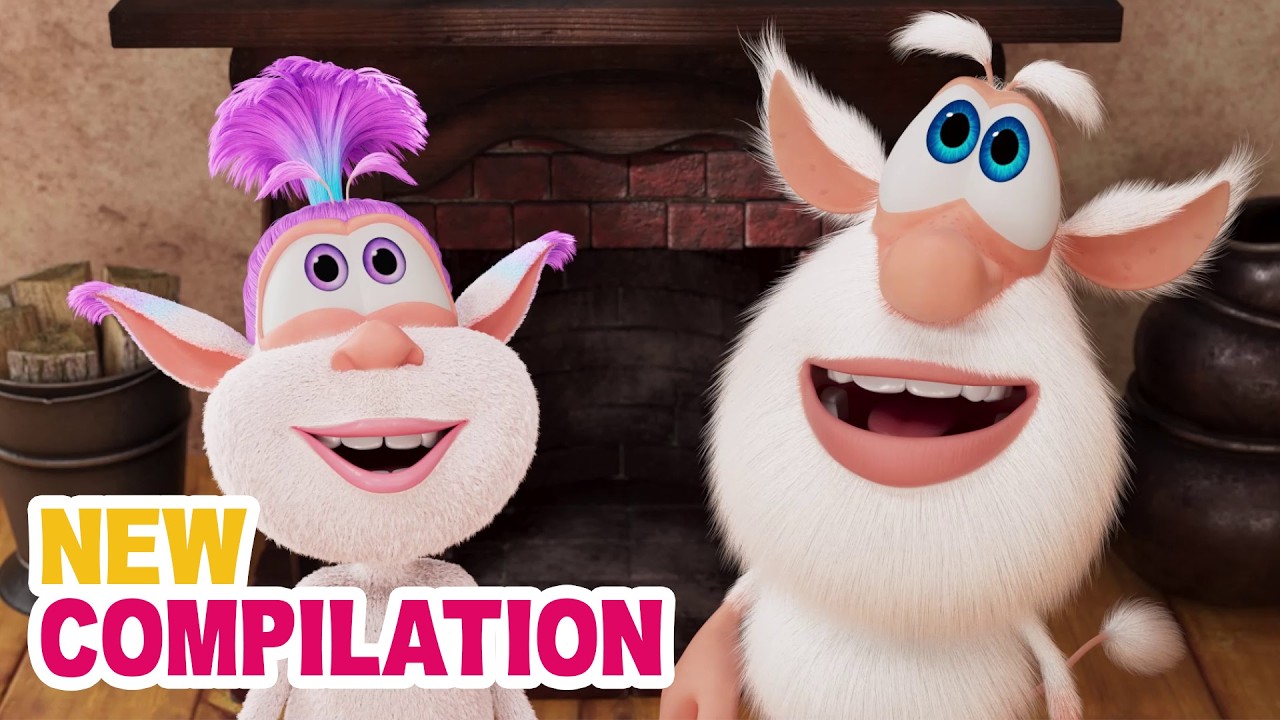
Booba’s playful and curious world is perfect for storytelling activities. “Booba Story Time” allows children to create their own adventures, improving imagination, language skills, and creativity while having fun.

This guide explains how to set up Booba story time, tips for encouraging storytelling, and fun activities to help children aged 3–8 craft their own Booba adventures.


Why Booba Story Time Works for Kids:

  1. Expressive Characters: Booba’s exaggerated expressions inspire stories and imaginative scenarios.

  2. Simple Actions: Silent comedy and clear actions make it easy for children to understand and adapt for storytelling.

  3. Hands-On Creativity: Children can draw, act, or narrate their own stories.

  4. Language Development: Storytelling improves vocabulary, sentence structure, and communication skills.


Materials Needed:

  • Booba coloring pages or drawing templates

  • Blank paper or notebooks

  • Crayons, colored pencils, or markers

  • Puppets or masks for role-play

  • Optional: Props like pillows, toys, or small household items


Steps to Create Your Own Booba Adventure:

1. Choose Your Characters

  • Include Booba as the main character.

  • Add friends like Spike, Loola, or Mr. Beak.

  • Children can invent their own supporting characters.

Educational Tip: Encourages creativity, character development, and imagination.


2. Set the Scene

  • Decide where the adventure takes place: indoors, playground, kitchen, or imaginary world.

  • Encourage children to describe the environment using colors, shapes, and objects.

Learning Tip: Develops observation, description, and spatial awareness.


3. Decide on the Adventure

  • Brainstorm simple storylines:

    • Booba discovers a hidden toy

    • Booba chases a balloon

    • Booba solves a small puzzle or problem

Educational Tip: Enhances problem-solving, sequencing, and planning skills.


4. Create Story Pages or Script

  • Draw scenes on paper or write short sentences describing Booba’s actions.

  • Use speech bubbles or thought bubbles for expressive ideas.

Learning Tip: Boosts literacy, sequencing, and storytelling skills.


5. Act Out the Adventure

  • Children can wear Booba masks or puppets to act out their stories.

  • Use toys, cushions, or household props to make scenes more interactive.

Educational Tip: Encourages role-play, cooperation, and social-emotional learning.


6. Share the Story

  • Children can present their stories to family members or classmates.

  • Encourage discussion about each adventure, what Booba learned, and what could happen next.

Educational Tip: Enhances public speaking, confidence, and reflective thinking.


7. Repeat and Expand

  • Story time can be ongoing: children can continue the same adventure or create new ones.

  • Introduce new characters or challenges for Booba to face.

Learning Tip: Fosters creativity, memory, and narrative development.


Fun Activities to Complement Booba Story Time:

  1. Draw Your Adventure: Illustrate each scene as a mini comic.

  2. Build a Set: Use pillows, blocks, or toys to create Booba’s world.

  3. Story Dice: Roll dice with pictures to decide what happens next in the story.

  4. Collaborative Storytelling: Group storytelling where each child adds a scene.

  5. Interactive Puppets: Use puppets to act out dialogues or silent comedy.

Educational Benefit: These activities combine play, creativity, and cognitive development while keeping children engaged.


Educational Benefits of Booba Story Time:

  • Language Skills: Enhances vocabulary, sentence formation, and narrative ability.

  • Creativity & Imagination: Children invent scenarios, characters, and adventures.

  • Problem-Solving: Deciding how Booba overcomes obstacles builds critical thinking.

  • Social Skills: Group storytelling encourages sharing, listening, and collaboration.

  • Emotional Awareness: Acting out feelings improves empathy and emotional expression.


Final Thoughts:

Booba Story Time is a fun, educational, and interactive way to engage children. By creating their own adventures, children develop creativity, storytelling skills, social-emotional learning, and cognitive abilities. Whether through drawing, acting, or narrating, Booba inspires kids to explore, imagine, and share their playful worlds.

Advertisement
Storybooks & Educational Materials: A 2025 Guide to Nurturing Curiosity
Beyond the screen, the gentle and curious spirit of beloved characters can be a wonderful gateway to early literacy, emotional learning, and hands-on discovery. Finding the right books and learning materials that embody this spirit of playful exploration can enrich your child's development. This 2025 guide helps you identify high-quality storybooks, activity books, and educational tools that foster the same joy of "figuring things out." What to Look For: The Mark of Quality Learning Materials : The best resources share these traits: Visual Storytelling: Rich in pictures that tell the story, minimizing reliance on text—perfect for pre-readers and early readers. Focus on Process: Stories about solving problems, exploring environments, and discovering how things work. Emotional Simplicity: Themes of curiosity, surprise, friendship, and perseverance without complex moralizing. Interactive Elements: Flaps to lift, textures to feel, or prompts that engage the child directly. Durability: Thick, wipeable pages for young hands or sturdy bindings for frequent use. Category 1: Storybooks That Celebrate Curiosity & Discovery : These books capture the essence of exploration through visual narratives. Wordless & Nearly Wordless Picture Books: Why They're a Perfect Match: They rely entirely on visual sequencing, encouraging children to "read" the pictures, infer emotions, and tell the story in their own words—mirroring non-verbal, observational storytelling. Top Picks to Look For: "Journey" Trilogy by Aaron Becker: A breathtaking wordless adventure where a child uses a red crayon to draw doors into magical worlds. "Flora and the Flamingo" by Molly Idle: A wordless book about mimicry, friendship, and movement with interactive flaps. "The Snowman" by Raymond Briggs: A classic, gentle wordless story of a magical winter adventure. "Problem-Solving" Themed Stories: Why They're a Perfect Match: These books feature protagonists who encounter a puzzle or obstacle and must creatively find a solution through trial, error, and observation. Top Picks to Look For: "Rosie Revere, Engineer" by Andrea Beaty: Celebrates persistence, curiosity, and the spirit of invention after failed attempts. "The Most Magnificent Thing" by Ashley Spires: A girl tries to build something magnificent, dealing with frustration before her breakthrough. "Press Here" by Hervé Tullet:* The ultimate interactive book that turns reading into a series of magical cause-and-effect commands. Simple, Repetitive Phrase Books: Why They're a Perfect Match: For younger fans, books with minimal, repetitive text and bold, clear illustrations help build confidence in "reading" and prediction. Top Picks to Look For: Books by Eric Carle ("The Very Hungry Caterpillar") or Bill Martin Jr. ("Brown Bear, Brown Bear"). The rhythmic text and vibrant collage art are deeply engaging. Category 2: Educational Activity & Workbooks : These turn quiet time into skill-building time with a playful approach. "Seek-and-Find" & "I Spy" Visual Puzzle Books: Why They're a Perfect Match: They train attention to detail, focus, and visual discrimination—all through a game. The task is clear: look closely and discover. What to Look For: Books with busy, colorful scenes (like "Where's Waldo?" for older kids or the "I Spy" series for younger ones). Look for themes of exploration or silly chaos. Beginner Logic & Maze Books: Why They're a Perfect Match: They introduce basic reasoning and spatial skills without requiring reading. Navigating a maze is a silent, physical puzzle on paper. What to Look For: Books like "Kumon Thinking Skills Workbooks" or "Highlights™ Maze Puzzles." Start with simple, wide-path mazes and progress to more complex ones. Sticker Activity & Scene Creation Books: Why They're a Perfect Match: They combine fine motor skill development with storytelling and choice. Children decide where to place elements, creating their own unique scenes. What to Look For: Books with reusable stickers and open-ended backgrounds (a town, a forest, a room). Avoid ones with overly prescriptive instructions. Category 3: Hands-On Educational Materials & Kits : Learning through physical interaction. "How Things Work" Non-Fiction for Kids: Why They're a Perfect Match: Satisfies deep curiosity about everyday objects. Look for books with clear, cutaway diagrams and simple explanations. Top Picks to Look For: "How Machines Work: Zoo Break!" by David Macaulay or the "See Inside" series by Usborne Books, which have informative flaps to lift. Simple Science & Discovery Kits: Why They're a Perfect Match: They provide the tools for hands-on, cause-and-effect experimentation. The focus should be on the fun of the process, not a perfect result. What to Look For: Kits about magnets, color mixing, growing crystals, or basic physics (ramps and gears). Brands like Learning Resources or Thames & Kosmos offer quality beginner kits. Pattern Blocks & Tangram Puzzles: Why They're a Perfect Match: These are the ultimate open-ended, silent puzzles. Children explore shapes, symmetry, and geometry by fitting pieces together to match a picture or create their own designs. What to Look For: A set of wooden pattern blocks in classic shapes (hexagons, trapezoids, squares) with accompanying pattern cards. How to Integrate These Materials: Tips for Parents : "Book and Do" Pairing: After reading a book about building, get out the blocks. After a seek-and-find book, go on a nature walk to "spy" colors and shapes. Follow Their Lead: If they're obsessed with a page showing gears, find a simple gear toy or video to expand on that interest. Embrace the Silence: When looking at a wordless book, don't rush to narrate. Ask, "What do you think is happening here?" Let them be the storyteller. Quality Over Quantity: A few well-chosen, durable books and puzzles are better than a mountain of disposable activity pads. Conclusion: Building a Library of Wonder : The goal is to curate a collection of resources that don't just entertain, but actively engage your child's mind and hands. By choosing storybooks that prize visual discovery, activity books that challenge logic in a fun way, and hands-on materials that reward curiosity, you build a foundation for lifelong learning. You're not just buying books and puzzles—you're providing portals to new ways of thinking, all inspired by the simple, powerful joy of figuring it out.
Why Playful Cartoon Characters Are Different from Other Kids’ Cartoons
Not all cartoons are created equal. Some animated shows are just for laughs, while others combine humor, creativity, and educational value. Playful cartoon characters stand out because they entertain while subtly teaching lessons, encouraging imagination, and engaging children in meaningful ways. This guide explains why playful cartoon characters are unique and how they benefit children aged 3–8 compared to other kids’ cartoons. 1. Unique Style and Expression: Visual Appeal: Playful characters often have exaggerated expressions, vibrant colors, and quirky designs. Non-Verbal Storytelling: Many actions and expressions convey emotions and humor without words, making them accessible to children of all language backgrounds. Distinct Animation Style: Fluid, dynamic movement keeps kids engaged and entertained. 2. Humor with Positive Lessons: Unlike some cartoons that rely solely on slapstick, playful characters mix humor with subtle learning. Episodes often teach problem-solving, sharing, curiosity, and empathy. Children laugh while learning, reinforcing cognitive and social skills. 3. Encourages Creativity and Imagination: Playful characters inspire children to draw, craft, role-play, and create stories. Episodes often feature fantastical scenarios that encourage imaginative thinking. Children learn to experiment and explore in both play and daily life. 4. Cross-Cultural Appeal: Minimal or no dialogue makes these cartoons universally understandable. Children from different cultures can enjoy, interpret, and learn from the visual storytelling. Promotes inclusivity and cultural understanding at an early age. 5. Interactive Learning Opportunities: Episodes can be used as storytelling prompts, drawing exercises, or role-play scenarios. Children are encouraged to retell stories, invent new endings, or act out scenes, enhancing language, creativity, and critical thinking skills. Unlike some cartoons, playful characters invite active participation rather than passive viewing. 6. Emotional and Social Development: Characters model empathy, cooperation, and curiosity, helping children understand emotions and relationships. Storylines often show problem-solving and teamwork, reinforcing positive social behavior. Helps children navigate real-life social situations through observation and imitation. Why Parents Prefer Playful Characters: Safe Content: Episodes are typically free of inappropriate violence or language. Educational Value: Combines learning with entertainment naturally. Creative Engagement: Encourages drawing, crafts, and storytelling. Easy Understanding: Non-verbal cues make it accessible to younger children. Universal Appeal: Children of all languages and backgrounds can enjoy and learn. Final Thoughts: Playful cartoon characters are more than just entertainment. They are interactive, educational, and imaginative, offering lessons in social skills, problem-solving, and creativity. Unlike other kids’ cartoons, they engage children actively, making learning fun, memorable, and globally accessible.
Best Animal Cartoons for Kids in 2025
How Kids Can Learn with Fun Animal cartoons have always captured children’s imagination. In 2025, they are not just entertaining—they have become powerful learning tools. By combining colorful animation, fun characters, and educational storytelling, animal cartoons help toddlers and preschoolers learn about nature, animals, social skills, and essential life concepts. This guide explores the benefits of animal cartoons for kids, highlights top series in 2025, and provides tips for parents to make the most of these engaging learning resources. Why Animal Cartoons Are Great for Learning: Children naturally love animals, making them ideal learning companions. Animal cartoons provide a safe and playful way for children to: Learn about different animals: Names, habitats, diets, and behaviors. Develop empathy and social skills: Understanding feelings and actions of characters. Introduce science and nature concepts: Ecosystems, seasons, and environmental awareness. Enhance language skills: Vocabulary, pronunciation, and storytelling. Encourage problem-solving and teamwork: Characters often work together to overcome challenges. Animated animals turn learning into interactive and memorable experiences, keeping children engaged for longer periods. Types of Educational Animal Cartoons: 1. Animal Adventure Series: These cartoons follow animal characters on adventures, exploring forests, oceans, and jungles. They teach habitat, geography, and problem-solving skills. 2. Animal ABC and Counting Series: Animated animals introduce letters, numbers, and basic math concepts. Examples include counting fish, identifying animal names by letters, or sorting shapes. 3. Moral and Social Lessons Through Animals: Animals are often used to teach values and life skills. Stories about sharing, kindness, honesty, and cooperation resonate well with children. 4. Science and Nature Series: Some animal cartoons focus on biology, ecosystems, and wildlife conservation. They introduce kids to environmental awareness in a fun, digestible way. Top Animal Cartoons for Kids Learning in 2025: 1. Dino Learners: Smart Adventures: A dinosaur-themed series that combines fun with science learning. Learning benefits: Basic paleontology and dinosaur facts Problem-solving and teamwork Introduction to geography and prehistoric life Recommended age: 4–10 years 2. Booba’s Animal Adventures: Booba explores animal habitats and interactions in playful, curiosity-driven episodes. Highlights: Non-verbal storytelling suitable for all languages Encourages observation and critical thinking Perfect for toddlers and preschoolers 3. Animal ABCs with Friends: This series introduces letters and vocabulary using animal characters. Key learning areas: Alphabet recognition Vocabulary building Pronunciation practice Fun songs and rhymes 4. Little Wild Explorers: Animated mini-stories where animal friends learn life lessons, teamwork, and emotional skills. Themes include: Cooperation and friendship Problem-solving in small adventures Emotional intelligence and empathy 5. Forest Fun with Friends: A series focusing on habitat learning, nature awareness, and social skills through animal stories. Learning highlights: Identifying animals and their environments Understanding food chains and nature cycles Promoting environmental responsibility 6. Super Simple Animal Rhymes: A combination of songs and animations using animals to teach letters, numbers, colors, and shapes. Benefits: Engaging and interactive for toddlers Improves memory and language skills Multi-sensory learning through visual and auditory cues How Parents Can Maximize Learning: Parents can enhance the educational value of animal cartoons by: Watching together: Discuss animals, their habitats, and behaviors. Repeating favorite episodes: Repetition reinforces learning. Combining offline activities: Drawing animals, counting toys, or acting out stories. Asking questions: “Where does this animal live?” or “What does it eat?” to encourage thinking. Mixing genres: Combine adventure, ABC, and moral-based animal cartoons for well-rounded learning. Limiting screen time: Short, focused sessions are more effective for toddlers. Recommended Animal Cartoons for Kids Learning in 2025: Dino Learners: Smart Adventures – Dinosaurs and basic science concepts Booba’s Animal Adventures – Habitats, observation, and curiosity learning Animal ABCs with Friends – Letters, vocabulary, and rhymes Little Wild Explorers – Life lessons, teamwork, and emotional skills Forest Fun with Friends – Nature, animals, and environmental awareness Super Simple Animal Rhymes – Multi-skill learning with music and animals These series are safe, colorful, and educational, making them perfect for toddlers and preschoolers who love animals. Final Thoughts: Animal cartoons are not just entertaining—they are powerful educational tools. In 2025, they combine storytelling, music, and visuals to teach language, math, social skills, and environmental awareness. Parents can enhance learning by: Watching with children and discussing content Reinforcing concepts through real-life activities Encouraging creativity and empathy through role-play With the right animal cartoons, screen time becomes both fun and productive, helping children develop knowledge, skills, and emotional intelligence while enjoying vibrant, imaginative worlds. Tip for Parents: Encourage children to act out animal behaviors or stories, which strengthens memory, observation, and engagement while making learning interactive.
10 Brain-Boosting Activities Inspired by Cartoons
Cartoons are not just entertaining; they can be a source of creative and educational inspiration for children. Many educational cartoons are designed to encourage problem-solving, critical thinking, and cognitive skill development. Parents can leverage these shows to create fun, brain-boosting activities at home that support learning through play. Here are 10 activities inspired by cartoons that can enhance your child’s brain development and vocabulary. 1. Storytelling and Role-Play: Cartoons often have engaging stories and memorable characters. Encourage your child to retell episodes or act out their favorite scenes. This activity improves vocabulary, creativity, and narrative skills. For example, after watching a show like Dora the Explorer or Paw Patrol, children can role-play characters, solve problems, and create their own adventures. This not only makes learning fun but also enhances imagination and social skills. 2. Word Games and Puzzles: Many cartoons introduce new words, phrases, or simple riddles. Turn this into interactive word games at home. Use flashcards, crossword puzzles, or matching games with words learned from cartoons. This strengthens memory, vocabulary, and problem-solving skills, while keeping children engaged in educational play. 3. Drawing and Coloring Activities: Cartoons are visually appealing, making them ideal for drawing and coloring exercises. Ask your child to draw their favorite characters or scenes. This activity improves fine motor skills, hand-eye coordination, and creativity, while allowing children to practice storytelling visually. Parents can also introduce new words related to colors, shapes, and actions during the activity. 4. Interactive Quizzes: After watching a cartoon episode, create simple quizzes about the story, characters, or moral lessons. Use multiple-choice or true/false questions to make it fun. Interactive quizzes enhance critical thinking, attention span, and comprehension skills, and make children more attentive to details in animated shows. 5. Memory Games: Many cartoons repeat phrases, rhymes, or sequences, which can be used for memory-boosting exercises. Encourage children to recall sequences of events or dialogue from their favorite shows. This activity strengthens working memory, focus, and language retention, making it easier for kids to learn and use new vocabulary. 6. Educational Craft Projects: Inspired by cartoon themes, children can create crafts, such as building models, making puppets, or designing simple props. For instance, after watching a show about animals, kids can make paper animals or masks. Craft projects boost problem-solving, creativity, and fine motor skills, while reinforcing knowledge and vocabulary related to the cartoon theme. 7. Music and Singing Activities: Many cartoons include songs and rhymes. Encourage children to sing along, dance, or create their own lyrics inspired by these songs. Music-based activities enhance memory, language development, and rhythm recognition, while making learning fun and interactive. It also helps children pronounce new words clearly. 8. Puzzle-Based Problem Solving: Cartoons often feature characters solving simple challenges or mysteries. Turn these scenarios into hands-on problem-solving games, like jigsaw puzzles, building blocks, or treasure hunts. This improves logical thinking, spatial awareness, and concentration, while teaching children to think creatively like their favorite cartoon heroes. 9. Science and Exploration Experiments: Some educational cartoons introduce basic science concepts. Use these as inspiration for safe and simple experiments at home. For example, shows about nature or animals can lead to planting seeds, exploring magnets, or observing insects. These activities boost curiosity, observational skills, and scientific vocabulary, turning cartoon inspiration into practical learning experiences. 10. Reading and Writing Exercises: Cartoons often feature stories, letters, or written messages. Encourage children to write their own short stories or letters based on episodes they watched. This reinforces writing, reading comprehension, and vocabulary acquisition. It also helps children connect visual storytelling with written language, strengthening their literacy skills. Tips for Parents to Maximize Learning: Select educational cartoons: Choose shows with clear language, problem-solving, and moral lessons. Limit screen time: Use cartoons as inspiration, not a passive activity; 30–60 minutes per day is ideal. Engage actively: Watch with your child, discuss new words, and encourage participation. Combine activities: Mix drawing, crafts, quizzes, and memory games to reinforce learning. Use bright and playful tools: Colorful materials and interactive props make activities more engaging and memorable. Conclusion: Cartoons are much more than entertainment—they are a powerful tool for brain development in children. By translating animated stories into hands-on activities, parents can boost cognitive skills, vocabulary, creativity, and problem-solving abilities. Integrating these 10 brain-boosting activities inspired by cartoons into your child’s routine transforms screen time into meaningful learning experiences, ensuring that fun and education go hand in hand. With creative play, interactive exercises, and storytelling, children can develop essential skills that last a lifetime—all while enjoying their favorite cartoons.
Healthy Balance Between Cartoons & Outdoor Play
In the modern childhood ecosystem, animated worlds and the natural world both offer vital forms of enrichment. The key to healthy development isn't choosing one over the other, but skillfully weaving them together. This 2026 guide provides a practical, positive framework for creating a balanced "play diet" where screen stories and muddy knees complement each other, fostering a child who is both digitally savvy and physically vibrant. The Synergy Principle: Two Halves of a Whole : Understand that cartoons and outdoor play develop different, but complementary, skill sets: Quality Cartoons (like those on boobacartoon.com) can: Spark imagination, model social-emotional skills, introduce new concepts and vocabulary, and provide cultural touchstones. Unstructured Outdoor Play (inspired by kidtoys.site) develops: Gross motor skills, risk assessment, connection to the natural world, sensory integration, and independent problem-solving. The goal is cross-pollination—letting inspiration from one fuel creativity in the other. Rule #1: Sequence Matters – "Outside First, Screens After" : Leverage natural motivation. The pull of screens is strong; use it as a reward for, or a cooldown after, physical activity. The Non-Negotiable Morning Rule: No screens before going outside (or to school). Morning light regulates circadian rhythms and boosts mood for the day. The Afternoon Protocol: "Backpack down, shoes on." Institute a routine where the first chunk of time after school/homework is dedicated to outdoor or physical play. Screen time becomes the later, relaxing option. The Weekend Framework: "Adventure first, movie later." Plan a family hike, park visit, or backyard project in the morning or early afternoon, with a special cartoon or movie as a shared evening treat. Rule #2: Create Explicit Links – "Bring the Screen Outside" : Actively bridge the two worlds to break the false dichotomy. Theme Your Adventures: After watching a show about explorers, go on a "mission" to map the backyard. After a cartoon about bugs, go on a magnifying-glass expedition to find real ones. Outdoor Storytelling: Use action figures or toys outside to act out new episodes of their favorite show, encouraging them to invent original outdoor-based plots. "Be the Cartoon" Game: Play a game where you all physically act out the events of a cartoon episode—running like the characters, hiding like them, solving a physical puzzle they faced. Rule #3: Curate for Inspiration, Not Just Passivity : The type of screen content directly influences the desire for active play. Choose Pro-Social & Active Cartoons: Select shows where characters solve problems, work as a team, go on adventures, and are curious about the world. This subconsciously primes active, engaged behavior. Implement the "Now Do It" Rule: After watching a short, inspiring segment (e.g., characters building a fort, having a dance party, identifying clouds), immediately pause and say, "Cool! Let's go try that!" This turns passive viewing into an active launchpad. Use Screens as a Creative Tool: Instead of only watching, use a tablet outside to photograph nature, film a homemade "documentary," or follow a video tutorial for an outdoor craft project. Rule #4: Design an Irresistible Outdoor Environment : Make the outdoors as engaging and accessible as the digital world. Stock an "Outdoor Kit": Keep a bin by the door filled with "adventure gear": a magnifying glass, binoculars, sidewalk chalk, bubbles, a small shovel, a ball, and durable toys from kidtoys.site designed for sand, dirt, and water. Embrace "Boring" Time: Allow for stretches of unstructured time in the yard or park. It is from the "I'm bored" moment that the most creative, child-directed outdoor play emerges. Get Involved Yourself: Your participation is the ultimate upgrade. Kick a ball, draw with chalk, point out clouds, or just sit and read on a blanket. Your presence validates the outdoor space as valuable. Rule #5: Implement the "1:1 Ratio" Guideline (Time or Theme) : Establish a clear, fair balance that children can understand. The Time-Based Ratio: For every 30 minutes of recreational screen time, aim for 30 minutes of outdoor/physical play. Use visual timers for both to make it tangible. The Thematic Ratio: If screen time is consumptive (watching), ensure the next activity is creative or active (building, drawing, running). If they play a digital game, follow it with an analog game. Rule #6: Reframe the Narrative Around Both Activities : The language you use shapes their perceived value. Talk About Outdoor Play with Enthusiasm: "I can't wait to get some sunshine and fresh air!" or "Let's go recharge our brains outside!" Talk About Screen Time with Purpose: "Let's watch an episode to get ideas for our fort," or "It's time to relax with our favorite characters." Never Use Screens as a Pacifier or Reward/Punishment: This artificially elevates their value. Instead, frame both screen time and outdoor time as regular, valuable parts of a healthy day. The Role of Parental Modeling : You cannot coach from the couch. Your habits set the standard. Be Seen Playing Outside: Garden, read in a hammock, practice yoga on the lawn. Show that outdoors isn't just for kids. Be Intentional with Your Own Screens: Practice what you preach. Have phone-free outdoor time. Say out loud, "I'm putting my phone away so I can fully enjoy being outside with you." Conclusion: Cultivating a Hybrid Childhood : The healthiest childhood is a hybrid one. It respects the digital storytelling that is part of our world while fiercely protecting the irreplaceable, sensory-rich experiences of the physical world. By implementing sequenced routines, creating direct links between content and activity, and modeling enthusiasm for both, you teach your child to self-regulate and appreciate the unique gifts of both domains. Supported by the inspiring stories from boobacartoon.com and the open-ended play prompts from kidtoys.site, you’re not just managing time—you’re cultivating a child who can find wonder in a pixelated galaxy and the dirt beneath their feet.
Is This Playful Animated Character Good for Child Development?
Animated characters and funny silent cartoons have captured the attention of children worldwide. Parents often wonder whether watching these shows is beneficial for child development. The playful and curious behavior of these characters, combined with visual humor, makes them highly engaging for young audiences. In this guide, we explore the educational, social, and cognitive benefits of watching playful animated characters and how they can be integrated into learning and play for children aged 3–8. Why Children Love Playful Animated Characters: Visual Humor: Exaggerated facial expressions and slapstick comedy attract young children. Curiosity & Exploration: Characters are often curious, exploring their surroundings, encouraging children to explore and ask questions. Silent Storytelling: The absence of complex dialogue helps children understand emotions, expressions, and actions. Relatable Playfulness: Funny mishaps and silly antics resonate with kids’ everyday experiences. Cognitive Benefits: Problem-Solving: Watching characters overcome challenges can inspire children to think critically. Observation Skills: Children learn to notice subtle details, like expressions or changes in the environment. Memory & Sequencing: Following storylines improves short-term memory and logical sequencing. Tip for Parents: Encourage your child to retell the story in their own words, boosting comprehension and language skills. Social & Emotional Development: Empathy: Understanding how characters feel in different situations helps children develop empathy and emotional intelligence. Conflict Resolution: Funny mishaps often resolve peacefully, modeling problem-solving and patience. Cooperation & Sharing: Characters often interact with friends, subtly teaching teamwork and cooperation. Creativity & Imaginative Play: Children often imitate the character’s actions, promoting imaginative role-play. Crafting, drawing, or creating stories inspired by these characters enhances creativity and fine motor skills. Parents can integrate hands-on activities like drawing, coloring, or simple DIY crafts. Screen Time Guidelines for Parents: Age-Appropriate Viewing: Select shows suitable for preschoolers or early elementary children. Moderation: Limit screen time to 20–40 minutes at a time for younger children. Active Engagement: Encourage discussions, role-play, or drawing after watching episodes. Balanced Activities: Combine screen time with physical play, reading, and social interaction. How to Make Viewing Educational: Story Retelling: Ask children to narrate what happened in their own words. Character Analysis: Discuss emotions, actions, and problem-solving methods of characters. Activity Integration: Turn episodes into craft or drawing sessions inspired by the story. Learning Connections: Highlight letters, numbers, colors, or shapes seen during the episode. Final Thoughts: Playful animated characters and funny silent cartoons can be beneficial for child development when used responsibly. They support cognitive, social, emotional, and creative growth while providing entertainment. By actively engaging with children during or after viewing, parents can maximize the learning and developmental benefits.
Holiday Special Kids Cartoons in 2025
Holidays are the perfect time for children to relax, have fun, and enjoy some educational entertainment. Holiday special kids cartoons for occasions like Eid, Christmas, and New Year are designed to combine fun, festive cheer, and learning in a colorful, animated format. These cartoons engage children with vibrant visuals, catchy songs, and playful characters while subtly teaching values, culture, and creativity. In this article, we will explore the importance of holiday cartoons, their educational benefits, and how parents can make the most of them during festive seasons. ⭐ Why Holiday Special Kids Cartoons Are Important: Holiday cartoons are more than just entertainment. They provide opportunities for children to: 1. Learn Cultural Traditions: Festive cartoons explain the meaning and traditions behind holidays like Eid, Christmas, and New Year. Children learn why families celebrate, how people share, and the joy of togetherness. 2. Develop Social Skills: Many holiday cartoons feature teamwork, sharing, helping others, and celebrating with friends. This encourages social interaction and empathy in young viewers. 3. Boost Creativity: Festive cartoons often include colorful decorations, music, and creative activities like making gifts or baking. Watching these inspires children to create their own art and participate in celebrations. 4. Build Positive Values: Many holiday cartoons include moral lessons about kindness, generosity, gratitude, and patience. Kids learn important life values in a fun, memorable way. ⭐ Popular Holiday Special Kids Cartoons: 1. Eid Cartoons: Eid cartoons teach children about the importance of sharing, gratitude, and family togetherness. Common themes include: Children helping their parents prepare for Eid Sharing gifts and sweets with friends and neighbors Learning about prayers and cultural traditions Friendly animal characters celebrating Eid 2. Christmas Cartoons: Christmas cartoons focus on fun, gifts, decorations, and family. Popular themes include: Santa Claus delivering presents Children decorating Christmas trees and singing carols Learning to be generous and kind to others Magical adventures in snowy landscapes 3. New Year Cartoons: New Year cartoons often combine celebration with reflection and planning. Themes include: Fireworks and parties in animated cities Characters making resolutions and setting goals Celebrating achievements of the past year Teamwork and cooperation to make New Year fun ⭐ Educational Benefits of Holiday Cartoons: Holiday cartoons do more than entertain—they support learning in multiple ways: 1. Cultural Awareness: Children understand why holidays are celebrated, helping them respect diversity and global traditions. 2. Language Development: Cartoons with dialogues, songs, and rhymes help preschoolers improve vocabulary, pronunciation, and listening skills. 3. Social and Emotional Learning: Watching characters share, celebrate, and solve problems teaches empathy, patience, and cooperation. 4. Creativity and Imagination: Colorful visuals and fun storylines inspire children to craft decorations, draw, or play role-playing games. 5. Cognitive Skills: Interactive cartoons may include counting gifts, recognizing shapes in decorations, or solving simple puzzles, strengthening early learning skills. ⭐ Tips for Parents to Use Holiday Cartoons Effectively: ✔ 1. Choose Age-Appropriate Cartoons: Select cartoons suitable for your child’s age. Preschoolers need shorter, slower-paced videos, while older children can enjoy longer stories. ✔ 2. Watch Together: Participate in the viewing experience. Discuss the story, ask questions, and encourage children to share their thoughts about celebrations. ✔ 3. Integrate Real-Life Activities: After watching, engage children in holiday activities like decorating, drawing, or gift-making to reinforce lessons from cartoons. ✔ 4. Limit Screen Time: Even educational cartoons should be watched in moderation. 20–30 minutes is ideal for preschool children. ✔ 5. Encourage Moral Reflection: Ask children how the characters showed kindness, sharing, or gratitude. This reinforces social values in real life.   ⭐ Why Parents Prefer Holiday Special Cartoons: Parents prefer holiday-themed cartoons because they: Provide safe, engaging entertainment Teach important social, moral, and cultural values Keep children busy during school breaks Inspire creativity and family bonding During Eid, Christmas, and New Year, these cartoons help children understand celebrations while learning positive behavior in an enjoyable way. ⭐ Conclusion: Holiday special kids cartoons are a fantastic combination of fun, education, and festive cheer. They help preschoolers and young children learn about cultural traditions, values like sharing and kindness, and important social skills. Whether it’s Eid, Christmas, or New Year, these cartoons make celebrations exciting while fostering creativity, language development, and moral growth. By incorporating holiday cartoons into daily routines, parents can ensure children enjoy meaningful entertainment that supports learning and personal development. With vibrant animations, catchy songs, and engaging stories, holiday cartoons create memorable experiences that children cherish long after the celebrations end.
How Booba Encourages Curiosity in Young Minds
Booba is a popular animated character loved by young children around the world. Unlike traditional cartoons with heavy dialogue, Booba relies on visual storytelling, expressions, and playful exploration. This unique style makes Booba especially effective in encouraging curiosity in young minds. Children naturally feel connected to Booba’s sense of wonder, which motivates them to observe, explore, and ask questions about the world around them. Curiosity is one of the most important skills in early childhood development. When children are curious, they learn faster, think deeper, and develop a lifelong love for learning. Booba plays a significant role in nurturing this curiosity through simple yet powerful storytelling. Why Curiosity Is Important for Young Children: Curiosity is the driving force behind learning. It encourages children to explore new ideas, understand cause and effect, and develop problem-solving skills. Curious children are more likely to ask questions, experiment, and stay engaged in learning activities. Developing curiosity at an early age helps children: Build critical thinking skills Improve attention and focus Enhance creativity and imagination Develop independence in learning Strengthen cognitive development Booba’s cartoon style aligns perfectly with how young children naturally learn—through observation and exploration. How Booba’s Visual Storytelling Sparks Curiosity: Booba cartoons use minimal or no spoken language, which encourages children to focus on actions rather than words. This visual storytelling pushes kids to observe closely and interpret what is happening on screen. When Booba interacts with everyday objects in unexpected ways, children become curious about outcomes. They begin thinking: What will happen next? Why did that happen? What is Booba trying to do? This constant engagement keeps young minds active and curious. Exploration of Everyday Objects: One of Booba’s strongest features is how he explores ordinary household items in creative ways. Simple objects like boxes, utensils, or toys become sources of adventure. This teaches children that learning does not always require complex tools. Everyday surroundings are full of opportunities for exploration. Kids start imitating Booba by experimenting with objects safely, which strengthens curiosity-driven learning. Encouraging Cause and Effect Thinking: Booba cartoons often show actions followed by immediate consequences. When Booba presses a button, pulls a lever, or mixes things, something happens. This helps children understand cause and effect relationships, which are essential for cognitive development. Kids begin to predict outcomes and test their assumptions, a key part of scientific thinking and problem-solving. Non-Verbal Learning and Observation Skills: Because Booba relies heavily on expressions, gestures, and movement, children sharpen their observation skills. They learn to read emotions, understand reactions, and interpret situations without spoken explanations. This strengthens: Visual perception Emotional understanding Attention to detail Concentration These skills are directly linked to curiosity, as observant children naturally want to know more. Freedom to Think Without Instructions: Unlike many educational cartoons that give direct instructions, Booba allows children to think independently. There are no obvious answers or explanations given. This open-ended style encourages children to: Form their own ideas Interpret situations differently Explore multiple possibilities Such freedom is essential for nurturing creative curiosity in young minds. Emotional Engagement Builds Interest: Booba’s expressive face and playful reactions create strong emotional connections with children. When kids emotionally connect with a character, they become more invested in what happens next. This emotional engagement keeps curiosity alive, making children eager to watch, learn, and explore further. How Parents Can Use Booba to Encourage Curiosity: Parents can turn Booba cartoons into meaningful learning moments by engaging actively with their children. Simple actions can increase the learning impact: Ask children what they think Booba is doing Encourage them to guess what might happen next Relate Booba’s actions to real-life situations Let children recreate safe experiments inspired by Booba These interactions help children express curiosity verbally and confidently. Benefits of Booba for Early Childhood Development: Booba supports several areas of early development, including: Curiosity and exploration Problem-solving skills Imagination and creativity Observation and focus Emotional understanding Because Booba uses simple visuals and slow pacing, it is especially suitable for preschool and early learners. Choosing the Right Balance of Screen Time: While Booba is beneficial, balanced screen time is important. Parents should ensure children also engage in physical play, reading, and real-world exploration. When used mindfully, Booba cartoons can enhance curiosity without overstimulation, making screen time productive and educational. Long-Term Impact of Curiosity-Based Learning: Children who grow up curious tend to perform better academically and socially. They become confident learners who enjoy discovering new things. By encouraging curiosity through cartoons like Booba, parents lay a strong foundation for: Lifelong learning Independent thinking Adaptability Creativity Conclusion: How Booba encourages curiosity in young minds is a perfect example of learning through simplicity. With visual storytelling, playful exploration, and emotional engagement, Booba naturally stimulates curiosity without pressure or instruction. When parents guide children thoughtfully, Booba becomes more than a cartoon—it becomes a tool for developing curious, confident, and creative young learners. Used wisely, Booba helps children explore the world with wonder and excitement, one small discovery at a time.