Plush Toys Inspired by Gentle Characters – Your Complete 2025 Buying Guide

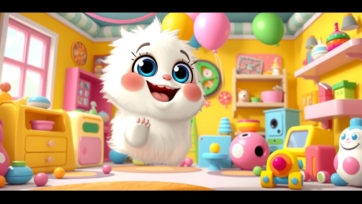
A soft, huggable plush friend can be a child's first confidant, a comfort during storms, and a spark for endless imagination. Choosing the right one—especially when it's inspired by a beloved, gentle character—requires more than just picking the cutest face. This complete 2025 buying guide will help you navigate materials, safety, and quality to find the perfect plush companion that's safe, durable, and ready for years of love.


Why the Right Plush Toy Matters :

A high-quality plush toy is an investment in comfort and creative play. It should be:

  • A Safe Haven: Free from hazards, with secure construction.

  • A Sensory Experience: Made from soft, comforting fabrics.

  • A Durable Friend: Built to withstand hugs, tugs, and adventures.

  • A Spark for Stories: Faithfully representing a character known for kindness and curiosity to inspire positive play.


Chapter 1: The Safety First Checklist – Non-Negotiables :

Before you consider design, verify these critical safety points.

  • Certifications & Standards: Look for official safety labels like CE (Europe), ASTM (USA), or UKCA (UK). These indicate the toy meets strict safety standards for materials and construction.

  • Construction Integrity:

    • Eyes & Nose: Must be embroidered or digitally printed fabric. Avoid plastic or button eyes/noses that can be pulled off and become a choking hazard.

    • Seams: Should be double-stitched and tight with no loose threads or gaps where stuffing could emerge.

    • Stuffing: Should be a clean, hypoallergenic polyester fiberfill. It should feel evenly distributed with no hard or lumpy spots.

  • Materials & Fabrics: The outer fabric should be soft, durable, and colorfast. Look for mentions of "machine washable" for easy cleaning. Avoid cheap, scratchy, or strongly scented materials.


Chapter 2: The Quality & Design Deep Dive – What to Look For :

Once safety is confirmed, assess these quality and design factors.

  • Authenticity & Likeness: For character plushes, the design should be faithful and recognizable. The expression should capture the character’s gentle and curious nature.

  • Size & Proportion: Consider both cuddling and portability.

    • Large (16-24 inches): Best for bedtime cuddling and room decor.

    • Medium (10-15 inches): The versatile all-rounder, perfect for play and travel.

    • Small (5-9 inches): Great for little hands, backpack companions, or collectibles.

  • Sensory Features: Extra details enhance play value:

    • Different Textures: Ears, paws, or tummies in a contrasting, soft material.

    • Gentle Squeakers or Rattles: Ensure they are securely sealed inside and designed for calm interaction.

    • Poseability: Some plush toys have wire in the arms/legs for posing, but ensure it is safely encased and the toy is age-appropriate.


Chapter 3: Where & How to Buy – Smart Shopping Tips :

Navigate the marketplace with confidence.

  • Trusted Retailers: Purchase from official brand stores, reputable toy stores (online or brick-and-mortar), or major, trusted retailers. Be cautious with unknown third-party sellers on large marketplaces.

  • Reading the Fine Print: Always check the product description for:

    • Age Grade: e.g., "0+" or "3+". This is a safety guideline.

    • Material List: Should be clearly stated.

    • Care Instructions: Machine washable is a huge plus.

  • Reviews are Key: Read customer reviews and look at user-uploaded photos. Pay attention to comments about durability after washing, color fading, and seam strength.


Chapter 4: The Top Picks Breakdown – By Need :

Best for Toddlers (Ages 1.5-3): The Super-Soft Cuddler

  • Look for: Small to medium size, all-embroidered features, multiple tactile textures, and machine-washable fabric. Simpler designs are safer and more appealing at this age.

Best for Imaginative Play (Ages 4-7): The Storytelling Companion

  • Look for: Medium size, accurate and expressive design, durable fabric that can handle being part of adventures. This is the prime age for character-driven role-play.

Best for Collectors & Older Fans (Ages 8+): The Premium Display Friend

  • Look for: Larger size, high-quality detailing, possible poseability, and special edition features. These are for gentle cuddling and display.


Chapter 5: Care & Maintenance – Keeping the Friend for Years :

A good plush can last for generations with proper care.

  1. Regular Cleaning: Surface clean with a damp cloth. For a full wash, use a gentle cycle in a mesh laundry bag with mild detergent. Air dry thoroughly; avoid high heat from dryers.

  2. Damage Check: Regularly inspect for loose seams, holes, or detached parts. Repair small tears immediately to prevent further damage.

  3. Storage: When not in use, store in a cool, dry place away from direct sunlight to prevent fading.


Red Flags – When to Walk Away :

  • Unbelievably low price from an unknown seller.

  • No safety certifications listed.

  • Plastic parts (eyes, nose) that feel loose or poorly attached.

  • Strong chemical or unnatural odor.

  • Poor stitching or uneven, lumpy stuffing.


Conclusion: More Than Just a Toy :

Choosing the perfect character-inspired plush is an act of care. It’s selecting a future heirloom that will be a silent witness to bedtime stories, a comfort during sick days, and a catalyst for countless adventures. By prioritizing safety, quality materials, and thoughtful design, you’re not just buying a toy—you’re welcoming a cherished member of the family.

May their new friend be soft, strong, and ready for all the love that’s coming their way.

Advertisement
Animated Experiments for Kids
Introducing children to science at an early age helps spark curiosity, creativity, and problem-solving skills. Science for kids – animated experiments and fun facts is a fun and engaging way to teach complex scientific concepts in a simple, understandable, and entertaining format. Through colorful animations, interactive visuals, and playful characters, children can learn about science while having fun. This article explores why animated science videos are effective, their educational benefits, and how parents can use them to encourage a love for science. ⭐ Why Animated Science Videos Are Effective for Kids: Animated science experiments and fun facts are ideal for young learners because they combine visual learning, interactivity, and entertainment: 1. Visual Representation of Complex Ideas: Science concepts like gravity, magnets, or chemical reactions can be hard for children to grasp. Animations simplify these ideas through bright visuals and step-by-step demonstrations. 2. Engaging and Interactive: Cartoons and animations keep children interested and encourage participation. Many videos ask kids to guess outcomes or make predictions, making learning active. 3. Memorable Learning: Fun characters, storytelling, and humor make scientific concepts stick in children’s minds longer than traditional teaching methods. 4. Safe Experiment Demonstrations: Animated experiments allow children to see exciting experiments without any risk of harm, chemicals, or accidents. 5. Encourages Curiosity: Animated science videos spark curiosity and inspire children to ask questions, explore, and conduct safe experiments at home or in school. ⭐ Popular Themes in Science for Kids Videos: 1. Simple Experiments: Animated experiments show easy, safe science projects like mixing colors, creating volcanoes, or floating objects, which children can try at home with parental guidance. 2. Fun Science Facts: Videos share amazing facts about space, animals, plants, weather, or the human body in a fun, animated format that captures attention. 3. Everyday Science: Cartoons explain scientific principles in daily life, such as why it rains, how plants grow, or how magnets work, making learning relatable. 4. Adventure-Based Learning: Characters go on exciting science adventures, exploring the ocean, outer space, or the rainforest, combining storytelling with scientific discovery. 5. Interactive Quizzes and Challenges: Animated quizzes challenge kids to test their knowledge, solve puzzles, or predict experiment outcomes, reinforcing learning and critical thinking. ⭐ Educational Benefits of Science for Kids Videos: 1. Develops Scientific Thinking: Children learn to observe, hypothesize, experiment, and draw conclusions, laying the foundation for scientific thinking. 2. Boosts Curiosity and Exploration: Animated science encourages children to ask questions and explore the world around them creatively. 3. Improves Cognitive Skills: Watching animated experiments develops memory, attention, problem-solving, and analytical skills. 4. Enhances Language and Communication: Narration and dialogues in videos improve vocabulary, listening skills, and comprehension of scientific terms. 5. Encourages Hands-On Learning: After watching, children are inspired to try simple experiments themselves, connecting theory with practice. ⭐ Tips for Parents to Make the Most of Animated Science Videos: ✔ 1. Watch Together: Sit with your child and discuss the experiments, asking them questions to reinforce understanding. ✔ 2. Encourage Safe Experiments: Try simple, safe experiments at home to complement what they see in videos. ✔ 3. Connect Science to Daily Life: Relate experiments to everyday experiences, like explaining evaporation while drying clothes or floating objects in water. ✔ 4. Limit Screen Time: Even educational videos should be balanced with active play and hands-on activities. ✔ 5. Praise Curiosity: Encourage children to ask questions and explore, reinforcing their interest and confidence in learning science. ⭐ Conclusion: Science for kids – animated experiments and fun facts is an exciting way to introduce children to the wonders of the natural world. Through vibrant animations, storytelling, and interactive experiments, children learn scientific concepts, develop problem-solving skills, and cultivate curiosity. Parents and educators can use these videos to make science enjoyable, safe, and memorable. By combining animated demonstrations with hands-on activities, children not only understand how the world works but also develop a lifelong love for science and exploration. Animated science videos are more than entertainment—they are a gateway to learning, discovery, and imagination for young minds.
Booba-Themed Birthday Party Ideas
Planning a birthday party for young kids can be exciting but also challenging. If your child loves Booba, a Booba-themed birthday party is a perfect way to combine fun, creativity, and learning. From decorations and games to food and party favors, Booba-inspired ideas make every child feel like they are in a playful adventure. In this guide, we provide fun, safe, and creative Booba-themed birthday party ideas for children aged 3–7. 1. Invitations Inspired by Booba: Start the party excitement with creative invitations: Use Booba images or templates Bright, playful colors like neon pink, blue, or yellow Include fun phrases like “Join Booba’s Adventure Party!” Educational Tip: Children can help color or decorate invitations, practicing fine motor skills and creativity. 2. Booba Decorations: Decorations set the tone for the party: Balloons, banners, and streamers in Booba’s signature colors Tablecloths, plates, and cups featuring Booba or playful motifs DIY cardboard props like Booba’s favorite objects: toys, balloons, pillows Fun Tip: Use confetti and colorful props to create a playful, chaotic Booba environment. 3. Booba-Themed Cake: The cake is always a party centerpiece: Booba-shaped cake or cupcakes decorated with Booba faces Bright colors with fun edible props like balloons or stars Optionally, make cupcakes with mini Booba toppers Educational Tip: Let kids help decorate cupcakes for hands-on creativity and color recognition. 4. Booba-Inspired Games: Bring Booba’s playful adventures to life with games: Balloon Chase Adventure – Kids chase colorful balloons, mimicking Booba. Obstacle Course – Pillows, cushions, and toys create a mini adventure. Treasure Hunt – Hide toys or candy around the room. Booba Freeze Dance – Dance like Booba, freeze when music stops. DIY Booba Masks – Craft activity where kids make and wear Booba masks. Educational Value: These games boost motor skills, creativity, and teamwork. 5. Themed Party Favors: Party favors make kids excited and extend the fun: Mini Booba toys or figurines Coloring pages and crayons DIY mask kits or stickers Booba-themed goodie bags with bright colors Fun Tip: Encourage kids to take their DIY masks or colored pages home to practice creativity. 6. Booba Photo Booth: Set up a small photo booth with props: Booba masks, plush toys, balloons Bright backgrounds with Booba-themed decorations Kids can pose and act out Booba’s adventures Educational Value: Encourages imaginative play and storytelling. 7. Party Music and Dance: Booba’s silent comedy is full of physical comedy and action: Play fun, upbeat music for dancing Encourage kids to mimic Booba’s movements Include games like “Booba Says” for fun movement-based interaction Educational Tip: Enhances gross motor skills, rhythm, and coordination. 8. Booba Snack Ideas: Keep snacks fun, colorful, and thematic: Mini sandwiches cut into fun shapes Colorful fruit skewers Cupcakes or cookies decorated like Booba’s face Healthy snacks disguised as playful treats Educational Tip: Discuss colors, shapes, and healthy eating while serving snacks. 9. Craft Corner: Provide a creative area for kids: Coloring Booba pages DIY Booba masks Sticker decorating stations Playdough modeling of Booba characters Educational Value: Encourages fine motor skills, creativity, and focus. 10. Ending the Party: Conclude with a memorable touch: Booba-themed thank-you notes Photo mementos Small Booba figurines or toys as keepsakes This makes the party interactive, fun, and educational. Final Thoughts: A Booba-themed birthday party combines fun, creativity, and learning. With bright decorations, playful games, themed food, and DIY crafts, children enjoy a safe and exciting adventure that mirrors Booba’s animated world. Parents and educators can use these ideas to host memorable, engaging, and educational celebrations for kids aged 3–7.
Healthy Balance Between Cartoons & Outdoor Play
In the modern childhood ecosystem, animated worlds and the natural world both offer vital forms of enrichment. The key to healthy development isn't choosing one over the other, but skillfully weaving them together. This 2026 guide provides a practical, positive framework for creating a balanced "play diet" where screen stories and muddy knees complement each other, fostering a child who is both digitally savvy and physically vibrant. The Synergy Principle: Two Halves of a Whole : Understand that cartoons and outdoor play develop different, but complementary, skill sets: Quality Cartoons (like those on boobacartoon.com) can: Spark imagination, model social-emotional skills, introduce new concepts and vocabulary, and provide cultural touchstones. Unstructured Outdoor Play (inspired by kidtoys.site) develops: Gross motor skills, risk assessment, connection to the natural world, sensory integration, and independent problem-solving. The goal is cross-pollination—letting inspiration from one fuel creativity in the other. Rule #1: Sequence Matters – "Outside First, Screens After" : Leverage natural motivation. The pull of screens is strong; use it as a reward for, or a cooldown after, physical activity. The Non-Negotiable Morning Rule: No screens before going outside (or to school). Morning light regulates circadian rhythms and boosts mood for the day. The Afternoon Protocol: "Backpack down, shoes on." Institute a routine where the first chunk of time after school/homework is dedicated to outdoor or physical play. Screen time becomes the later, relaxing option. The Weekend Framework: "Adventure first, movie later." Plan a family hike, park visit, or backyard project in the morning or early afternoon, with a special cartoon or movie as a shared evening treat. Rule #2: Create Explicit Links – "Bring the Screen Outside" : Actively bridge the two worlds to break the false dichotomy. Theme Your Adventures: After watching a show about explorers, go on a "mission" to map the backyard. After a cartoon about bugs, go on a magnifying-glass expedition to find real ones. Outdoor Storytelling: Use action figures or toys outside to act out new episodes of their favorite show, encouraging them to invent original outdoor-based plots. "Be the Cartoon" Game: Play a game where you all physically act out the events of a cartoon episode—running like the characters, hiding like them, solving a physical puzzle they faced. Rule #3: Curate for Inspiration, Not Just Passivity : The type of screen content directly influences the desire for active play. Choose Pro-Social & Active Cartoons: Select shows where characters solve problems, work as a team, go on adventures, and are curious about the world. This subconsciously primes active, engaged behavior. Implement the "Now Do It" Rule: After watching a short, inspiring segment (e.g., characters building a fort, having a dance party, identifying clouds), immediately pause and say, "Cool! Let's go try that!" This turns passive viewing into an active launchpad. Use Screens as a Creative Tool: Instead of only watching, use a tablet outside to photograph nature, film a homemade "documentary," or follow a video tutorial for an outdoor craft project. Rule #4: Design an Irresistible Outdoor Environment : Make the outdoors as engaging and accessible as the digital world. Stock an "Outdoor Kit": Keep a bin by the door filled with "adventure gear": a magnifying glass, binoculars, sidewalk chalk, bubbles, a small shovel, a ball, and durable toys from kidtoys.site designed for sand, dirt, and water. Embrace "Boring" Time: Allow for stretches of unstructured time in the yard or park. It is from the "I'm bored" moment that the most creative, child-directed outdoor play emerges. Get Involved Yourself: Your participation is the ultimate upgrade. Kick a ball, draw with chalk, point out clouds, or just sit and read on a blanket. Your presence validates the outdoor space as valuable. Rule #5: Implement the "1:1 Ratio" Guideline (Time or Theme) : Establish a clear, fair balance that children can understand. The Time-Based Ratio: For every 30 minutes of recreational screen time, aim for 30 minutes of outdoor/physical play. Use visual timers for both to make it tangible. The Thematic Ratio: If screen time is consumptive (watching), ensure the next activity is creative or active (building, drawing, running). If they play a digital game, follow it with an analog game. Rule #6: Reframe the Narrative Around Both Activities : The language you use shapes their perceived value. Talk About Outdoor Play with Enthusiasm: "I can't wait to get some sunshine and fresh air!" or "Let's go recharge our brains outside!" Talk About Screen Time with Purpose: "Let's watch an episode to get ideas for our fort," or "It's time to relax with our favorite characters." Never Use Screens as a Pacifier or Reward/Punishment: This artificially elevates their value. Instead, frame both screen time and outdoor time as regular, valuable parts of a healthy day. The Role of Parental Modeling : You cannot coach from the couch. Your habits set the standard. Be Seen Playing Outside: Garden, read in a hammock, practice yoga on the lawn. Show that outdoors isn't just for kids. Be Intentional with Your Own Screens: Practice what you preach. Have phone-free outdoor time. Say out loud, "I'm putting my phone away so I can fully enjoy being outside with you." Conclusion: Cultivating a Hybrid Childhood : The healthiest childhood is a hybrid one. It respects the digital storytelling that is part of our world while fiercely protecting the irreplaceable, sensory-rich experiences of the physical world. By implementing sequenced routines, creating direct links between content and activity, and modeling enthusiasm for both, you teach your child to self-regulate and appreciate the unique gifts of both domains. Supported by the inspiring stories from boobacartoon.com and the open-ended play prompts from kidtoys.site, you’re not just managing time—you’re cultivating a child who can find wonder in a pixelated galaxy and the dirt beneath their feet.
DIY Bedroom Decor Inspired by Gentle Characters: A 2025 Creative Guide
Transforming a child's room into a space that sparks joy and curiosity doesn't require a full remodel or a big budget. By channeling the playful, exploratory spirit of gentle, popular characters, you can create a personalized sanctuary that encourages imagination and calm. This 2025 guide offers safe, creative, and non-permanent DIY ideas to bring a touch of playful wonder to any bedroom. Guiding Philosophy: Whimsy, Not Overstimulation : The goal is to create a space that feels playful yet peaceful, not chaotic. Think subtle nods and interactive elements over overwhelming themes. Focus on the character's core traits: curiosity, simplicity, and joyful discovery. Safety First: All projects should use non-toxic, child-safe paints and materials. Ensure any wall hangings are securely mounted and all electrical elements (like LEDs) are low-voltage and supervised. Idea 1: The "Curiosity Door" Silhouette : Add a touch of magic to the room's entrance. What You'll Need: Dark blue or black adhesive vinyl (or removable wall decal paper and a projector), a craft knife, and a cutting mat. The DIY: Find a simple, recognizable silhouette of the character in a curious pose—peeking around a corner, holding a light bulb. Use a projector to trace the outline onto the vinyl, then carefully cut it out. Apply it to the door at child-height, as if the character is peeking into their room. It's a welcoming, non-permanent detail. Pro Tip: For a 3D effect, use craft foam sheets instead of vinyl. Idea 2: Glow-in-the-Dark "Discovery" Constellation Wall : Capture the wonder of exploration on the ceiling or an accent wall. What You'll Need: Glow-in-the-dark star stickers, glow-in-the-dark fabric paint, a stencil of simple shapes (light bulb, question mark, gear), and a blacklight bulb for a lamp (optional). The DIY: Create a custom "constellation" on the ceiling above the bed. Instead of just stars, use the glow paint and stencils to add themed shapes among the stars. Use the star stickers to connect them into unique constellations. The glow paint will charge by day and create a magical, calming night light effect. Pro Tip: Name the constellations together ("The Great Light Bulb," "The Curious Question Mark"). Idea 3: "Adventure Gear" Wall Hooks : Turn clutter into part of the decor. What You'll Need: Plain wooden wall hooks, sandpaper, non-toxic acrylic paints (blues, whites, black), and clear sealant. The DIY: Sand and paint the hooks to resemble the character's simple color scheme—a blue base with white "gloves" on the hook prongs. Paint two large, curious black and white eyes near the top of each hook. Mount them at kid-height for hanging backpacks, hats, or dress-up capes. It looks like helpful little friends holding their gear. Pro Tip: Use command strips to mount them without damaging walls. Idea 4: Interactive "What's Inside?" Fabric Bins : Add mystery to toy storage. What You'll Need: Plain canvas storage cubes or bins, fabric paint or markers, and a plain, contrasting fabric circle. The DIY: On the front of each bin, paint or draw a large, simple version of the character's face with a huge, curious open mouth. Sew or use strong fabric glue to attach the fabric circle behind the mouth opening, creating a sturdy "pocket." Kids can now "feed" the bin by putting toys through the mouth, or pull toys out from inside. Label bins with pictures (blocks, cars, animals) on the sides. Pro Tip: Use different facial expressions on each bin (surprised, happy, puzzled). Idea 5: Oversized "Friendly Friend" Bean Bag Chair : Create the ultimate cozy reading nook. What You'll Need: A large, plain bean bag chair (or a bean bag insert and durable fabric to make a cover), blue and white fleece or minky fabric, and black felt. The DIY: Create a custom slipcover. Use blue fabric for the main body. Sew on large white oval "eye" patches and a white tummy patch. Cut and securely attach black felt circles for pupils and a simple, smiling mouth. The result is a giant, huggable version of their friend that they can actually sit on and relax with. Pro Tip: Make the cover zippered and machine-washable. Idea 6: "Mystery Object" Shadow Box Shelves : Display treasures with a sense of wonder. What You'll Need: A few deep, wooden shadow box frames, non-toxic paint (in the character's signature blue), and battery-operated LED puck lights. The DIY: Paint the interior back panel of each shadow box a deep blue. Arrange and secure a collection of your child's interesting "found objects"—a cool rock, a pinecone, a vintage key, a colorful marble—inside each box. Install a small LED light inside to illuminate the collection. Mount the boxes together on the wall. It celebrates curiosity and makes everyday objects look like museum exhibits. Pro Tip: Let your child curate and change the objects seasonally. Final Touch: The "Idea Jar" Nightstand Companion : Encourage creativity right from bed. What You'll Need: A simple blue jar, a label, and popsicle sticks. The DIY: Label the jar "Adventure Ideas." On each popsicle stick, write a simple, curious prompt: "Find something blue tomorrow," "Listen for a new sound," "Build a fort after school," "Ask a 'why' question." It extends the room's theme of curiosity into daily life. Conclusion: A Room That Grows With Them : The best DIY decor is flexible, personal, and full of heart. These projects focus on interactivity and subtle themes that won't feel "babyish" in a year. By creating a space that values curiosity and cozy comfort, you're building more than just a bedroom—you're creating a launchpad for imagination, designed with love, one creative project at a time.
Top School Supplies Inspired by Friendly Cartoon Characters
Getting ready for school can be an adventure with the right tools! Supplies featuring popular, gentle cartoon characters can make organization fun and spark excitement for learning. This 2025 guide highlights the best back-to-school essentials that combine quality, functionality, and the cheerful, curious spirit kids love—helping them stay organized and motivated all year long. Why Character Supplies Work : Themed supplies from favorite shows do more than just look fun. They: Build Positive Associations: Connect schoolwork with familiar, joyful characters. Encourage Responsibility: Kids are more likely to keep track of items they love. Spark Creativity: A cheerful pencil case or notebook can make brainstorming feel more like play. Note: Always prioritize quality and safety. Look for non-toxic certifications, durable materials, and age-appropriate designs from reputable brands. Category 1: The Core Essentials – For Daily Organization : These are the workhorses of the school bag, keeping everything in its place. The Ultimate Character Backpack with Padded Compartments: Why It’s a Top Pick: A well-designed backpack sets the tone. Look for one with a subtle but cheerful character patch or pattern, ergonomic padded straps, multiple compartments for organization, and durable, water-resistant fabric. A front pocket for a lunchbox and side pockets for a water bottle are must-haves. Key Features: Lightweight yet sturdy construction, reflective strips for safety, and a design that balances fun with practicality for school hallways. Insulated Character Lunch Box & Bento Set: Why It’s a Top Pick: Lunchtime is more fun with a friend. A high-quality insulated lunch bag featuring cheerful characters, paired with a Bento-style box with compartments, encourages healthy eating and reduces waste. Look for sets that are leak-proof, easy to clean, and sized right for your child's appetite. Key Features: Non-toxic, BPA-free materials, a sturdy zip, and an ice pack compartment. Bento dividers help make food visually appealing. Large, Zippered Pencil Case with Multiple Pockets: Why It’s a Top Pick: Chaos ends here. A spacious, structured pencil case with the cheerful character's face and internal organizers (loops for pencils, mesh pockets for erasers) keeps supplies from getting lost at the bottom of the bag. Key Features: Robust zipper, easy-to-clean lining, and enough room for pencils, pens, a small sharpener, and a glue stick. Category 2: The Writing & Creativity Toolkit – For Expressing Ideas : These supplies turn homework and notes into a more engaging activity. Character-Themed Notebook & Folder Set: Why It’s a Top Pick: Organization starts on page one. A matching set of durable poly folders and composition notebooks or binders with the cheerful character helps separate subjects. Look for reinforced edges on notebooks and sturdy prongs in folders. Key Features: Thick, bleed-resistant paper in notebooks; folders with interior pockets for loose sheets. Mechanical Pencils, Erasers & Highlighters Set: Why It’s a Top Pick: A curated set featuring small character details (like a topper on a pencil or a shaped eraser) makes writing and studying more enjoyable. Mechanical pencils eliminate the need for a sharpener, and brightly colored highlighters are essential for note-taking. Key Features: Non-toxic, break-resistant lead for pencils; latex-free, smudge-free erasers; highlighters with mild, vibrant ink. Art Supply Kit in a Carry Case: Why It’s a Top Pick: Perfect for art class or creative breaks. A kit with character branding that includes colored pencils, washable markers, crayons, and a small sketchpad in a portable case encourages artistic expression. Key Features: AP-certified non-toxic supplies, a case that closes securely, and a variety of colors for complete projects. Category 3: The Motivational Extras – For Fun & Function : These items add a special touch to the school routine. Character Water Bottle with Time Markings: Why It’s a Top Pick: Hydration is key to concentration. An insulated stainless-steel bottle decorated with friendly characters and time markers (e.g., "Drink by 10 AM!") serves as a fun, visual reminder to drink water throughout the day. Key Features: Leak-proof lid, easy-to-carry handle, vacuum insulation to keep drinks cold, and durable finish that won't peel. Desk Organizer with USB LED Light: Why It’s a Top Pick: Creates a dedicated, cheerful homework station. A small desk caddy shaped or decorated like the character's house, with compartments for supplies and a built-in, rechargeable LED light, fosters focus and organization at home. Key Features: Sturdy plastic or wood, cable management, and a warm, eye-friendly light for evening work. Interactive Homework Planner with Stickers: Why It’s a Top Pick: Teaches time management with a smile. A weekly planner featuring the cheerful character and themed stickers (stars, checkmarks, playful icons) allows kids to track assignments, tests, and goals in an engaging, rewarding way. Key Features: A simple, intuitive layout, plenty of space for writing, and a sheet of reusable stickers. Tips for Choosing & Using Themed Supplies : Involve Your Child: Let them pick their favorite character from a selection of high-quality options you've pre-approved. Ownership increases care. Label Everything: Use a permanent marker or fun labels to add your child's name to each item, especially on common character gear. Balance is Key: Pair one or two standout character items (like a backpack and lunchbox) with more neutral, durable essentials to keep the look cohesive and age-appropriate as they grow. Connect to Positive Habits: Use the themed planner to celebrate completed homework, or the water bottle to track healthy habits. Conclusion: Pack for Success with a Smile : The best school supplies for 2025 blend durability, smart design, and a touch of personalized joy. By choosing quality items inspired by positive, curious characters, you’re not just equipping a backpack—you’re helping build a positive mindset toward learning and organization. When school feels like an adventure, every assignment is a new discovery waiting to happen.
Best Apps & Games for Young Explorers
For fans of gentle, curious characters, finding digital experiences that match that spirit of joyful, non-verbal discovery is key. The best apps and games nurture problem-solving, creativity, and exploration in a safe, ad-light environment. This 2025 guide curates top-tier picks that channel a similar sense of wonder, ensuring screen time is engaging, educational, and aligned with positive values. Our Selection Philosophy: What Makes a Great "Explorer" App? We prioritize apps and games that are: Curiosity-Driven: Focused on exploration, cause-and-effect, and open-ended discovery. Minimally Verbal: Relying on visual cues, sounds, and intuitive interaction over complex instructions. Commercially Safe: With no intrusive ads, aggressive in-app purchases, or data collection concerns. High-Quality & Respectful: Featuring calm design, pleasant sounds, and respect for the child's intelligence. Important Note: Always supervise initial play, use parental controls, and check age ratings (PEGI, ESRB) before downloading. Category 1: For Young Discoverers (Ages 2-4) – Tap, Explore, Giggle : These apps focus on simple cause-and-effect, sensory feedback, and gentle humor. App: "Toca Kitchen" (Toca Boca) Why It’s a Perfect Match: This is the digital equivalent of curious, messy experimentation. Kids can take various foods, cook them in silly ways (boil, fry, microwave), and feed them to characters who react with exaggerated, non-verbal expressions of delight or disgust. It’s all about discovery without rules or pressure. Key Features: No goals or scores, intuitive drag-and-drop, charmingly quirky reactions, and a one-time purchase model. App: "Sago Mini World" (Sago Sago) Why It’s a Perfect Match: This subscription-based suite offers dozens of mini-worlds to explore. Games like "Sago Mini Builders" or "Sago Mini Planes" let kids playfully interact with environments in unexpected ways—building wobbly towers or flying a plane to pop giant bubbles. The tone is consistently friendly, cheerful, and explorative. Key Features: Vast library of ad-free games, consistent gentle aesthetic, offline play, and a focus on open-ended fun. Game: "Peek-a-Zoo" by Duck Duck Moose Why It’s a Perfect Match: This app is a digital "hide and seek" focused on observation and identifying emotions/actions. Based on the classic "Peekaboo" format, it asks, “Who is crying?” or “Who is dancing?” fostering attentive looking and simple deduction in a joyful, animal-filled setting. Key Features: No ads, no in-app purchases, aligns with early learning standards for social-emotional growth. Category 2: For Creative Problem-Solvers (Ages 5-8) – Think, Tinker, Create : These selections encourage logical thinking, physics-based experimentation, and creative expression. Game: "Thinkrolls" Series (Avokiddo) Why It’s a Perfect Match: This award-winning series is pure logic and physics puzzles wrapped in charming characters. Kids guide a bouncy ball through increasingly complex mazes, manipulating objects like boxes, balloons, and teleporters. The problem-solving is non-verbal, trial-and-error based, and deeply satisfying—capturing the "aha!" moment of figuring things out. Key Features: Hundreds of levels, gradual difficulty increase, no reading required, and a one-time purchase. App: "Khan Academy Kids" Why It’s a Perfect Match: While educational, its spirit is one of joyful exploration. The "Creativity" section lets kids draw, color, and make stories. The friendly animal guides encourage curiosity across reading, math, and logic games in a completely free, ad-free environment. It feels like a playful clubhouse of learning. Key Features: 100% free, no ads, vast curriculum, and a strong emphasis on self-paced discovery. Game: "PBS Kids Games" App Why It’s a Perfect Match: This hub offers games from all PBS Kids shows. For explorer-minded kids, seek out games like "Wild Kratts Creature Math" (animal adventures) or "Cat in the Hat Builda-ma-loo" (inventive construction). The games are tied to educational curricula, vetted for safety, and feature beloved, positive characters. Key Features: Free, trusted source, new games added regularly, and parental resources. Category 3: For Budding Architects & Storytellers (Ages 7-10) – Build, Design, Imagine : These apps provide tools for complex creation and storytelling. Game: "Minecraft" (Education Mode or Creative Mode) Why It’s a Perfect Match: The ultimate digital sandbox for curiosity. In Creative Mode, with unlimited resources, kids can build anything they imagine—a wobbly tower, a hidden cave house, a giant pixel-art portrait of their favorite character. It’s a world governed by simple rules of placement and physics, encouraging endless experimentation. Key Tips: Use the Education Edition for a more structured, classroom-safe environment, or set up a private, supervised Creative Mode world. Supervise multiplayer. App: "Stop Motion Studio" Why It’s a Perfect Match: This app lets kids create their own animated shorts frame-by-frame using toys, clay, or drawings. It directly channels the spirit of making simple, funny, visual stories without words. They can make their plush toys go on curious adventures, mimicking the playful, physical comedy they love. Key Features: Intuitive interface, onion-skinning for smooth animation, and the ability to add sound effects and music. A powerful tool for patient creators. App: "Drawing Cartoon 2" Why It’s a Perfect Match: A step up from simple coloring apps, this provides easy tools to design original cartoon characters and simple animations. Kids can create their own curious explorer character, give them big eyes and expressive poses, and even make them walk or jump in a loop. Key Features: Bone-based rigging for easy animation, pre-set character templates to modify, and a focus on fun, cartoon-style creation. Essential Tips for Parents : Co-Play First: Sit with your child as they try a new app. Explore it together, which models how to engage with it thoughtfully. Use Device-Level Controls: Utilize "Guided Access" (iOS) or "Screen Pinning" (Android) to lock the device into a single app, preventing accidental exits or purchases. Seek Out "Paid-Up-Front" Models: Favor apps with a one-time purchase price over "free-to-play" models, which often rely on ads or microtransactions. Balance is Key: Pair digital exploration with hands-on play. After building in Minecraft, build with real blocks. After making a stop-motion film, act out a live play. Conclusion: Digital Tools for Real-World Curiosity : The best apps and games don't just entertain; they extend a child's natural desire to explore, figure things out, and create. By choosing high-quality, respectful digital experiences that prioritize discovery over consumption, you give your child a digital sandbox worthy of their imagination—one that complements the joyful, curious play inspired by their favorite gentle characters and real-world adventures.
Best English Learning Cartoons in 2025
Music and animation are powerful tools for early learning. In 2025, cartoon songs for kids learning English words have become one of the most effective ways to teach toddlers and preschoolers vocabulary, pronunciation, and basic language skills. Combining catchy tunes, colorful visuals, and interactive lyrics, these songs make learning English fun, engaging, and memorable. This guide explores the benefits of cartoon songs, highlights top series for 2025, and provides tips for parents to maximize learning. Why Cartoon Songs Are Effective for Learning English: Children naturally respond to music and repetition, making cartoon songs an ideal learning tool. Here’s why: Reinforcement through melody: Tunes help children remember new words and phrases. Visual cues: Animated characters show objects, actions, or letters while singing. Interactive learning: Repeating words, singing along, and performing actions improve retention. Early language development: Listening and singing enhances pronunciation, comprehension, and vocabulary. Fun and engagement: Kids perceive learning as play, reducing resistance and boredom. By combining music, visuals, and storytelling, children learn English words effortlessly while having fun. Key Learning Areas in Cartoon Songs: Alphabet and Letters Songs teach A–Z letters with animated visuals. Associating letters with objects (A for Apple, B for Ball) enhances memory. Numbers and Counting Counting songs teach numbers, order, and simple math concepts. Colors, Shapes, and Objects Animated objects and songs introduce colors, shapes, and common items. Basic Vocabulary Everyday words for animals, foods, clothes, and actions. Reinforcement through repetition and visual cues. Simple Phrases and Greetings Introduces polite expressions, short sentences, and conversational phrases. Top Cartoon Songs for Kids Learning English Words in 2025: 1. Super Simple Learning Songs: This series is a favorite among toddlers and preschoolers for learning English words through music. Highlights: Alphabet, numbers, and colors Fun characters and colorful animations Slow, clear pronunciation ideal for early learners 2. ABC Kids Songs: Animated songs with letters and words make learning English engaging. Learning benefits: Improves vocabulary and pronunciation Interactive songs encourage singing along Teaches alphabet sequence and letter sounds 3. Booba’s Learning Songs: Booba introduces words and objects in playful animated scenarios. Why it’s popular: Non-verbal storytelling combined with music Encourages observation and repetition Perfect for toddlers of all languages 4. Little Learners English Songs: Mini-stories combined with catchy songs teach numbers, animals, foods, and basic phrases. Key learning points: Vocabulary expansion through visuals and lyrics Reinforces daily words for home, school, and play Short episodes perfect for attention spans of 2–6 years 5. Fun Animal Alphabet Songs: Songs featuring animals and letters make English vocabulary memorable. Benefits: Associates letters with animals (A for Alligator, B for Bear) Introduces sounds and spelling Engaging for toddlers who love animals How Parents Can Maximize Learning: To make cartoon songs more effective, parents can: Watch and sing along: Encourage children to imitate words and gestures. Repeat favorite songs: Repetition reinforces memory and pronunciation. Use props and toys: Show objects while singing corresponding words. Pause and ask questions: “Can you find the apple?” or “Which animal is this?” Mix learning songs with routine activities: Counting during snack time, naming colors while dressing, etc. Limit screen time: Short sessions of 5–10 minutes per song maximize attention. Recommended Cartoon Songs for Kids Learning English Words in 2025: Super Simple Learning Songs – Alphabet, numbers, colors ABC Kids Songs – Letters, words, and pronunciation Booba’s Learning Songs – Observation-based vocabulary learning Little Learners English Songs – Everyday words, phrases, and objects Fun Animal Alphabet Songs – Letters and animals for interactive learning These animated songs are safe, colorful, and educational, helping children develop early English vocabulary, listening skills, and pronunciation while enjoying fun music and characters. Final Thoughts: Cartoon songs for learning English words are more than entertainment—they are educational powerhouses. In 2025, these series combine music, visuals, and repetition to make learning natural and enjoyable for toddlers and preschoolers. Parents can enhance learning by: Singing along and practicing words together Reinforcing vocabulary in daily routines Repeating songs to strengthen memory and comprehension With the right cartoon songs, children learn English effortlessly while having fun, setting a strong foundation for future language skills. Tip for Parents: Encourage children to draw or point out objects from the songs as they sing along, which reinforces memory and makes learning interactive.
Booba Silent Comedy: Why It Works for Every Culture
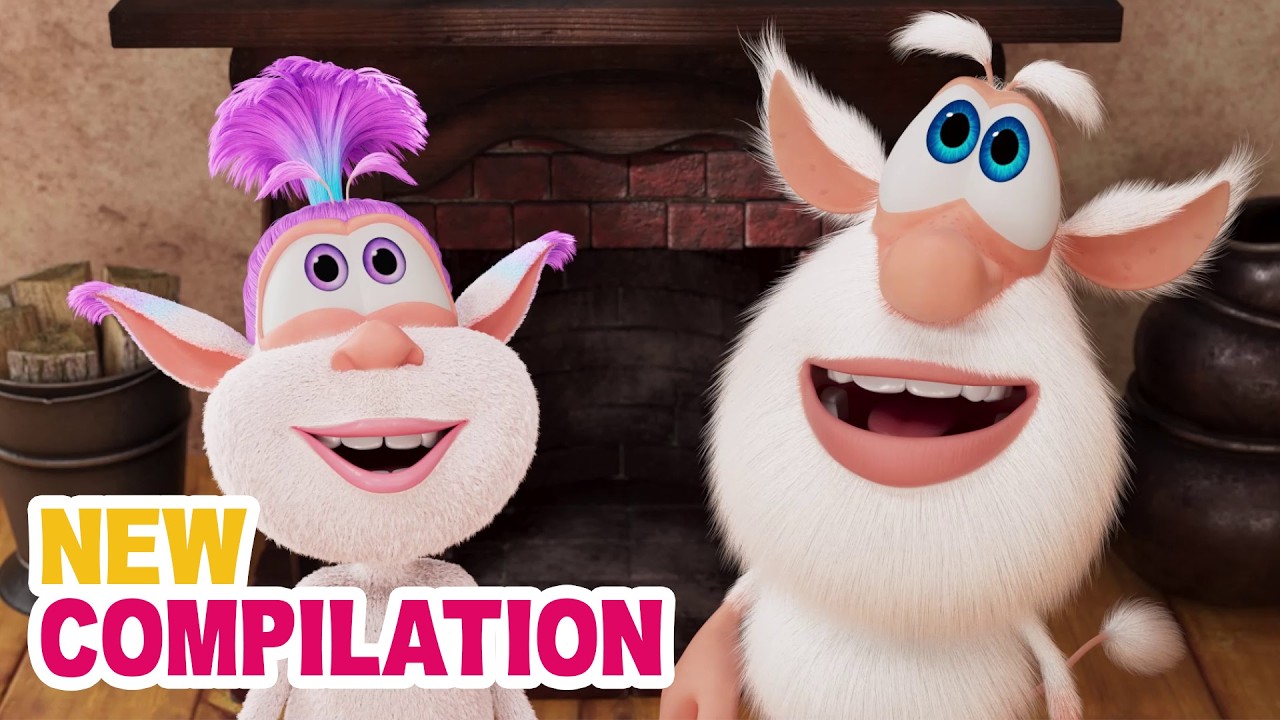
Booba is a universally loved cartoon character, and one of the biggest reasons for his global popularity is his silent comedy style. Unlike many other shows that rely on dialogue or language-specific jokes, Booba communicates entirely through visual humor, expressions, and playful actions. This unique approach allows children and families from every culture and language background to enjoy the content equally. In this article, we explore why Booba’s silent comedy works so well worldwide, the psychological reasons behind it, and the benefits for kids. 1. Visual Humor is Universal: Silent comedy relies on visual cues, exaggerated gestures, and facial expressions. Booba’s large eyes, open mouth, and dramatic reactions make it instantly clear what he is feeling or doing. Why it works for every culture: No need for language comprehension Humor is instantly understandable Children and adults can laugh together Example: Booba slipping on a toy or reacting to a bouncing ball is funny in any country, regardless of spoken language. 2. Easy for Kids to Follow: Young children, especially ages 2–7, often cannot fully understand dialogue-heavy shows. Booba’s silent comedy is: Simple to follow Engaging through action and movement Fun without requiring reading or listening skills Psychological Impact:Children develop attention, observation, and comprehension skills while enjoying the show. 3. Cross-Cultural Appeal: Booba’s silent comedy removes cultural barriers. There are no jokes that depend on specific language, slang, or cultural references. Why this matters: Children worldwide can enjoy the same humor Parents can introduce Booba to multilingual households Episodes are universally shareable Example: A Japanese child and a Brazilian child can laugh at the same scene, even without translation. 4. Encourages Emotional Understanding: Silent comedy emphasizes emotions through expression, which helps children recognize and understand feelings. Why it’s effective globally: Smiling, laughing, surprise, or frustration is universally recognized Children learn empathy and emotional awareness Language differences do not hinder emotional learning Example: Booba reacting with surprise to a falling object teaches children that unexpected events can be funny and safe. 5. Promotes Imaginative Play: Booba often turns ordinary objects into playful adventures. Silent storytelling encourages children to imagine the story themselves, rather than relying on dialogue. Educational Value: Encourages creativity Develops imagination Kids can invent their own explanations for Booba’s actions Example: A cardboard box becomes a car, spaceship, or hiding place—all interpretable differently by children in different cultures. 6. Humor Without Conflict: Booba’s comedy is always safe, light-hearted, and non-violent. There are no culturally sensitive jokes or language-based misunderstandings. Why this matters: Safe for all children Parents feel comfortable letting kids watch Humor is inclusive and universally enjoyable Example: Booba falling into a pile of pillows or chasing bubbles is funny without being harmful or offensive. 7. Short Episodes Suit Short Attention Spans: Most Booba episodes are short, fast-paced, and action-packed, which suits children with limited attention spans. Global benefit: Engaging for children everywhere No need for long explanations or cultural context Encourages repeated viewing, which reinforces learning Psychological Impact:Short, repetitive episodes help children develop memory and observational skills. 8. Builds Early Cognitive Skills: Silent comedy stimulates problem-solving, pattern recognition, and cause-and-effect learning. Children watch Booba try, fail, and succeed at small challenges. Why it transcends culture: Skills are universal Children learn through action, not words Enhances early cognitive development globally Example: Booba experimenting with a rolling ball teaches persistence and observation in every culture. 9. Multi-Generational Entertainment: Because Booba is silent, adults can enjoy the humor too. Families around the world can watch together without needing translation. Why it works cross-culturally: Promotes shared entertainment Strengthens family bonds Humor is universally appealing Example: Parents laugh along while toddlers are entertained, creating a shared viewing experience. 10. Supports Early Language and Observation: While Booba doesn’t speak, the silent comedy style enhances children’s listening, observation, and storytelling skills. Benefits: Children can describe what they see in their own words Supports language development indirectly Encourages active engagement rather than passive watching Example: A child explaining Booba’s adventure to a friend or parent strengthens communication skills. Final Thoughts: Booba’s silent comedy is more than just entertainment—it’s a universal, cross-cultural tool for learning, creativity, and fun. Children worldwide can enjoy Booba without language barriers while developing curiosity, problem-solving skills, emotional awareness, and imaginative play. The genius of Booba lies in its simplicity: funny, safe, and universally relatable.