Fun Way for Kids to Learn Letters

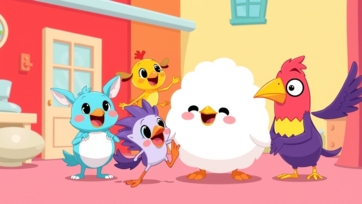
Learning the alphabet is one of the first and most important steps in a child’s educational journey. Alphabet learning A–Z cartoon songs make this process fun, engaging, and memorable for preschoolers and young children. By combining colorful animations, catchy tunes, and playful characters, these cartoon songs help children recognize letters, improve pronunciation, and build a strong foundation for reading and writing.


Why Alphabet Cartoon Songs Are Effective for Learning:

Alphabet cartoon songs are highly effective because they combine multiple learning methods:

1. Visual Learning:

Animated letters, objects, and characters help children remember each letter by associating it with a picture or action.

2. Musical Learning:

Songs and rhymes enhance memory retention. Children are more likely to remember letters when they are paired with music.

3. Repetition Builds Familiarity:

Alphabet songs repeat letters and sounds in a fun way, reinforcing recognition without feeling boring.

4. Engaging Characters:

Friendly animated animals, children, or objects encourage participation and imitation, making learning interactive.

5. Supports Early Literacy:

By learning letters through songs, children develop phonemic awareness, which is essential for reading and writing skills.


Popular Types of Alphabet Cartoon Songs:

1. Classic A–Z Songs:

These follow the traditional alphabet sequence and pair each letter with a word or object, like “A is for Apple, B is for Ball.”

2. Themed Alphabet Songs:

Songs focus on specific themes, such as animals, foods, vehicles, or colors, helping children learn letters in a meaningful context.

3. Interactive Songs:

Some cartoon songs ask children to sing along, point to letters, or identify objects, encouraging active participation.

4. Story-Based Alphabet Songs:

Animated stories incorporate letters naturally, such as a journey through a magical land where each letter represents a new adventure.

5. Multilingual Alphabet Songs:

Some modern cartoons teach letters in more than one language, helping children develop early bilingual skills.


Educational Benefits of Alphabet Cartoon Songs:

1. Letter Recognition:

Children learn to identify letters both visually and audibly, building a foundation for reading.

2. Phonics and Pronunciation:

Cartoon songs emphasize the sounds of letters, helping children pronounce words correctly.

3. Memory Development:

Music, repetition, and visuals improve memory and recall, making learning faster and more effective.

4. Engagement and Motivation:

Fun songs and characters motivate children to participate, even for extended learning sessions.

5. Early Writing Skills:

When children see letters in animated forms, they are more confident and curious to trace and write them themselves.


Tips for Parents to Make the Most of Alphabet Cartoon Songs:

✔ 1. Watch Together:

Sing along with your child, point to letters, and encourage them to repeat sounds and words.

2. Reinforce with Real-Life Examples:

Show your child objects around the house or outdoors that match letters in the song.

3. Encourage Singing and Dancing:

Let children move, dance, or act out letters while singing to enhance learning through movement.

4. Limit Screen Time:

Keep cartoon viewing sessions short (20–30 minutes) and interactive for preschoolers.

5. Repeat Regularly:

Repetition is key—watching the same alphabet songs multiple times reinforces recognition and memory.


Conclusion:

Alphabet learning A–Z cartoon songs are a fun, interactive, and educational way for children to master letters. By combining music, animation, repetition, and playful characters, these cartoons help preschoolers recognize letters, understand phonics, and develop early literacy skills.

Parents and educators can use these songs to make learning engaging, entertaining, and effective. With vibrant visuals and catchy tunes, children not only learn the alphabet but also enjoy the process, building confidence and curiosity for reading and writing in the future.
Advertisement
Colors & Shapes Kids Learn from Cartoons
Cartoons are one of the most powerful learning tools for young children. Beyond entertainment, animated shows play an important role in teaching basic concepts like colors and shapes. Because cartoons combine bright visuals, movement, and repetition, they help children understand and remember information easily. Learning colors and shapes through cartoons feels natural and fun, especially during early childhood when visual learning is strongest. Children are naturally drawn to colorful animations and simple shapes. When these elements are presented in engaging stories, kids learn without realizing that they are learning. This makes cartoons an effective method for early education and brain development. Why Colors and Shapes Are Important for Early Learning: Colors and shapes are among the first concepts children learn. These basics support many other skills, including reading, writing, math, and problem-solving. Understanding colors helps children describe the world around them, while shapes help them recognize patterns and objects. Learning colors and shapes improves: Visual recognition Memory and attention Language and vocabulary Early math skills Hand-eye coordination Cartoons present these concepts in a simple and enjoyable way that matches a child’s natural learning style. How Cartoons Teach Colors Effectively: Cartoons use bright, contrasting colors that instantly grab a child’s attention. Characters, objects, and backgrounds are often color-coded, making it easy for kids to identify and remember different colors. For example, a cartoon character might say “This is a red ball” while holding a red object. The combination of visual cues and spoken words helps children connect color names with real objects. Cartoons also use repetition. Colors appear again and again in different scenes, which strengthens memory and understanding over time. Learning Shapes Through Visual Storytelling: Shapes are everywhere in cartoons. Characters are often made from simple shapes like circles, squares, and triangles. Buildings, vehicles, and everyday objects are also shown using basic shapes. When children see these shapes repeatedly, they begin to recognize them in real life. For instance, a cartoon may show a round sun, a square house, or a triangular roof. This helps children understand that shapes are part of the world around them. Visual storytelling makes shape learning effortless and enjoyable. Role of Repetition in Color and Shape Recognition: Repetition is key in early childhood education. Cartoons naturally repeat colors and shapes through songs, dialogues, and scenes. This repetition helps children remember what they see and hear. Songs about colors or shapes are especially effective. When children sing along, they actively participate in the learning process, which improves retention and understanding. Over time, kids start naming colors and shapes confidently without guidance. How Cartoons Improve Vocabulary Related to Colors and Shapes: Learning colors and shapes also expands a child’s vocabulary. Children learn words like bright, dark, round, flat, big, small, and more. These descriptive words help kids express themselves clearly. Cartoons often encourage children to describe what they see. For example, a character might ask, “What shape is this?” This interaction motivates children to think and respond, improving both vocabulary and confidence. Benefits of Learning Colors and Shapes from Cartoons: Learning through cartoons offers several benefits: Makes learning fun and stress-free Supports visual and cognitive development Improves attention span Encourages curiosity and exploration Builds a strong foundation for school learning Because cartoons are engaging, children stay focused longer and absorb information more effectively. How Parents Can Support Learning at Home: Parents can enhance learning by actively engaging with children during and after cartoon time. Simple steps can make a big difference: Talk about the colors and shapes shown in cartoons Ask children to point out shapes and colors around the house Use toys, books, and drawing activities related to what they watched Encourage children to name colors and shapes aloud These activities help children apply what they learn from cartoons to real life. Choosing the Right Cartoons for Learning: Not all cartoons are educational. Parents should choose shows that use clear visuals, simple language, and positive messages. Educational cartoons designed for preschool and early learners are most effective for teaching colors and shapes. Avoid shows with overly fast scenes or dark visuals, as they may confuse young children. Long-Term Impact of Learning Through Cartoons: Children who learn colors and shapes early develop stronger academic skills later. These basics help with reading comprehension, math concepts, and problem-solving. By learning through cartoons, children also develop a positive attitude toward learning. They begin to see education as fun rather than difficult. Conclusion: Colors and shapes kids learn from cartoons play a crucial role in early childhood development. Through bright visuals, repetition, and engaging storytelling, cartoons help children understand and remember basic concepts effortlessly. When used wisely, cartoons become more than entertainment. They turn screen time into a valuable learning experience that supports cognitive growth, language development, and early education. With the right balance and guidance, cartoons can lay a strong foundation for a child’s lifelong learning journey.
How Much Screen Time Should Kids Have? Expert Guide
Screen time is a major part of modern childhood. With tablets, TVs, and computers, parents often ask: “How much screen time is appropriate for my child?” Understanding recommended limits and guidelines can help children benefit from educational content while avoiding negative effects on health, development, and sleep. This guide presents expert advice on safe screen time limits for children, along with tips for making screen use educational and interactive. Recommended Screen Time by Age: 1. Infants and Toddlers (0–2 years) Experts recommend avoiding screen time except for video calls with family. Focus on hands-on play, reading, and exploration. 2. Preschoolers (3–5 years) Limit screen time to about 1 hour per day of high-quality, educational content. Encourage co-viewing with parents to enhance understanding and engagement. 3. Early School Age (6–12 years) Screen time should be balanced with physical activity, homework, reading, and social interaction. Educational programs, creative apps, and interactive learning tools are preferable. 4. Teenagers (13–18 years) Encourage moderation and healthy habits, balancing screen use with sleep, exercise, and real-world interactions. Limit recreational screen use, especially before bedtime. Tips for Healthy Screen Use: Co-View and Discuss: Watch educational programs with your child and ask questions to enhance learning. Interactive Content: Choose apps, games, or shows that promote creativity, problem-solving, and active thinking. Breaks Are Essential: Encourage a 10–15 minute break every hour to reduce eye strain and maintain attention. Set Screen-Free Zones: Keep mealtime, bedrooms, and outdoor play areas free from screens. Model Healthy Behavior: Children often imitate parents, so limit your own recreational screen time. Benefits of Controlled Screen Time: Educational Value: High-quality programs and apps can teach numbers, letters, languages, and problem-solving skills. Creativity & Imagination: Interactive games, drawing apps, or storytelling programs foster creative thinking. Social Skills: Video calls with relatives or collaborative learning apps help maintain social connections. Digital Literacy: Moderate screen use teaches children responsible and safe technology use. Risks of Excessive Screen Time: Sleep Disruption: Excessive screen time, especially before bedtime, can affect sleep patterns. Behavioral Issues: Too much passive viewing can contribute to short attention span or hyperactivity. Reduced Physical Activity: Sedentary screen time may limit exercise and outdoor play. Social Isolation: Overuse of screens may reduce interaction with peers or family. Creating a Balanced Screen Schedule: Plan Educational and Recreational Use: Allocate time for learning, creative play, and entertainment. Set Daily Limits: Use timers or parental controls if needed. Encourage Offline Activities: Sports, crafts, reading, and outdoor exploration should complement screen time. Observe and Adapt: Watch for signs of fatigue, frustration, or disinterest, and adjust accordingly. Final Thoughts: Screen time is not inherently harmful; it can be educational and fun if carefully monitored. By setting limits, choosing quality content, and encouraging interaction, parents can ensure children benefit from technology while maintaining healthy development.
How to Build Kids’ Imagination Power Through Cartoons
Cartoons are not just a source of entertainment—they are a powerful tool to nurture imagination in children. Early childhood is a critical period for creativity and imaginative thinking. By observing characters, colorful worlds, and inventive storylines, children expand their minds, learn problem-solving, and develop cognitive flexibility. Animated shows provide children with visual stimulation, narrative structure, and playful scenarios that encourage creative thinking. When kids engage with these imaginative worlds, they are more likely to explore, create, and innovate in their own ways. Why Imagination is Important for Children: Imagination is essential for intellectual, social, and emotional development. It helps children: Solve problems creatively Develop storytelling and language skills Understand emotions and social interactions Build cognitive flexibility Explore new ideas and possibilities Cartoons provide an accessible and enjoyable way for children to exercise their imagination while learning. How Cartoons Encourage Creative Thinking: Animated shows often feature fantastical worlds and inventive characters, inspiring children to think outside the box. Through imaginative scenarios, children learn to: Explore “what if” situations Visualize new worlds and concepts Connect ideas in unexpected ways Experiment with solutions to challenges This kind of storytelling strengthens divergent thinking, a key component of creativity. Role of Characters and Storylines: Characters in cartoons often face challenges that require innovation and resourcefulness. When children see how characters solve problems: They develop problem-solving skills They practice empathy by understanding characters’ choices They gain confidence in experimenting with their own ideas Storylines that are open-ended encourage children to imagine multiple outcomes, enhancing cognitive flexibility. Using Visuals to Spark Imagination: Bright colors, exaggerated shapes, and dynamic animation engage children’s visual senses. Visual cues in cartoons: Encourage children to explore new patterns Inspire creative drawing, building, or role-playing Help children form mental images of stories and concepts The more visually stimulating the cartoon, the more it engages children’s imaginative thinking. Music, Sound, and Movement: Music and sound effects in cartoons further stimulate imagination. Rhythmic patterns, sound cues, and playful music: Encourage movement and mimicry Inspire children to create their own sounds and songs Enhance memory and storytelling abilities Combining visuals with music and movement creates a multisensory experience that nurtures imagination. Encouraging Kids to Participate Actively: Parents and educators can amplify the imaginative impact of cartoons by: Asking children what they think might happen next Encouraging role-play based on cartoon scenarios Providing art supplies or building blocks to recreate scenes Inviting children to invent their own endings or characters Active participation transforms passive viewing into creative learning. Social and Emotional Imagination: Cartoons also allow children to explore social and emotional situations safely. Through interactions between characters, children: Learn to empathize with others Understand different perspectives Practice problem-solving in social contexts Experiment with expressing emotions This strengthens both emotional intelligence and imaginative reasoning. Benefits of Imagination-Based Learning: Building imagination through cartoons provides multiple benefits: Enhances creativity and cognitive flexibility Develops problem-solving and critical thinking Improves storytelling and language skills Encourages curiosity and exploration Fosters confidence and self-expression By regularly engaging with imaginative cartoons, children cultivate skills that benefit academic, social, and personal growth. Conclusion: Cartoons are more than entertainment; they are tools for building kids’ imagination power. Through engaging storylines, colorful visuals, inventive characters, and interactive music, children develop creativity, problem-solving skills, and emotional understanding. With the right guidance and active participation from parents, cartoons become a gateway to limitless imaginative thinking, preparing children for a world full of ideas and possibilities.
History of Non-Verbal Comedy in Cartoons: From Silent Films to Modern Mime
The universal language of a slip on a banana peel, a look of shocked surprise, or a perfectly timed pause transcends words and cultures. In animation, non-verbal comedy—or visual slapstick—is not just a tool; it is the art form's foundational comedic heartbeat. This guide traces the rich history of how animators have made us laugh without saying a word, from flickering black-and-white reels to the hyper-expressive digital characters of today. The Silent Era: Birth of the Visual Gag (1900s-1920s) : Animation was born in the silent film era, inheriting its comedic DNA directly from masters like Charlie Chaplin and Buster Keaton. Key Pioneers: Winsor McCay: In Gertie the Dinosaur (1914), the interactive, personality-driven animation established a character audiences could connect with through gesture alone. Max Fleischer (Out of the Inkwell): The surreal interplay between a live-action animator and his mischievous cartoon creation, Koko the Clown, relied entirely on visual trickery and playful defiance. The Core Principle: Exaggerated Physics and Personality. Without dialogue, comedy came from rubber-limbed movements, impossible transformations, and characters whose every emotion was written large on their faces and in their body language. The Golden Age: Slapstick Perfected (1930s-1950s) : With sound came music and effects, but the best shorts remained masterclasses in visual storytelling. The Warner Bros. School of Anvil Comedy: Chuck Jones’s Philosophy: He established "The Rules" for characters like Wile E. Coyote and the Road Runner. The comedy was in the meticulous, cause-and-effect logic of failure. The coyote’s slow look down after running off a cliff is a silent masterpiece of realization. Tex Avery’s Hyperbole: Avery took exaggeration to its极限. Characters’ eyes would pop out, jaws would hit the floor, and bodies would stretch like taffy. The reaction was the joke, and it was always visual, rapid-fire, and wordless. Disney’s Emotional Pantomime: While Disney featured dialogue earlier, its early shorts and feature sequences (e.g., The Band Concert with Mickey, Playful Pluto with the flypaper) were built on elaborate pantomime. Animators studied live-action comedians to translate subtle, empathetic physical comedy into their characters. The Television Era: Limited Animation, Unlimited Expression (1960s-1980s) : Budget constraints led to limited animation, forcing creatives to rely even more on strong character design and clever visual wit. Hanna-Barbera’s Clever Shortcuts: Shows like Tom and Jerry (originally MGM) and later Scooby-Doo used repetitive chase sequences, but the comedy was in the anticipation and the elaborate, destructive payoff—a collapsing wall of shelves, a expanding bubble gum bubble. Character reactions (Tom’s scheming grin, Shaggy’s full-body shudder) told the story. The European Influence: French Animator René Laloux (Fantastic Planet) and others created surreal, often dialogue-light worlds where the comedy and horror were baked into the bizarre visual design and scenarios. British Shows like The Clangers: Communication was through musical whistles and pure physical action, making their curiosity and problem-solving universally understandable. The Modern & Digital Renaissance (1990s-Present) : Technology allowed for more nuanced animation, but the principles of silent comedy remained essential. The Return of the Pure Mime: Mr. Bean: The Animated Series successfully translated Rowan Atkinson’s live-action silent clowning into cartoon form, proving the timelessness of the format. Shaun the Sheep (Aardman): A spin-off from the dialogue-free Wallace & Gromit, this show became a global hit. Every plot point, emotion, and joke is conveyed through impeccable stop-motion animation, sound effects, and music. Pixar’s "Show, Don’t Tell" Ethos: Pixar’s short films (Geri’s Game, Piper) and key feature sequences (the first 30 minutes of WALL-E, much of Up’s marital montage) are legendary for their powerful, wordless storytelling. They use subtle facial animation and environmental details to convey complex emotions, making the comedy more heartfelt and the drama more profound. The Internet & Algorithmic Age: Web Cartoons & Short-Form Content: Platforms like YouTube favor quick, wordless humor that requires no translation or setup—perfect for viral loops. Characters like the early Simons Cat or countless indie animation memes thrive on simple, relatable visual gags. Modern TV Examples: Shows like The Amazing World of Gumball blend styles but often let its characters’ exaggerated, rubber-hose-inspired reactions deliver the biggest laughs without dialogue. Why Non-Verbal Comedy Endures & Matters : Universality: It bypasses language and age barriers. A toddler and a grandparent can laugh at the same slip-and-fall. Pure Visual Storytelling: It forces animators to be inventive, relying on the fundamental tools of the medium: timing, squash and stretch, anticipation, and expression. Emotional Clarity: When a character’s joy, frustration, or confusion is communicated solely through animation, it can feel more direct and authentic. The Foundation of Character: A character defined by their actions and reactions, not their words, often becomes more iconic and beloved (e.g., Gromit, WALL-E, Charlie Brown’s slumped walk). Conclusion: The Unspoken Bond Between Animator and Audience : The history of non-verbal comedy in cartoons is a history of animation itself—a testament to the power of moving drawings to connect with something primal in us. From the anarchic slapstick of a falling anvil to the subtle, heartbreaking glance of a lonely robot, it proves that the most powerful stories and the biggest laughs often come not from what is said, but from what is seen. In a world of endless chatter, the silent eloquence of a well-animated sigh or a perfectly executed double-take remains comedy in its purest, most global form.
Healthy Balance Between Cartoons & Outdoor Play
In the modern childhood ecosystem, animated worlds and the natural world both offer vital forms of enrichment. The key to healthy development isn't choosing one over the other, but skillfully weaving them together. This 2026 guide provides a practical, positive framework for creating a balanced "play diet" where screen stories and muddy knees complement each other, fostering a child who is both digitally savvy and physically vibrant. The Synergy Principle: Two Halves of a Whole : Understand that cartoons and outdoor play develop different, but complementary, skill sets: Quality Cartoons (like those on boobacartoon.com) can: Spark imagination, model social-emotional skills, introduce new concepts and vocabulary, and provide cultural touchstones. Unstructured Outdoor Play (inspired by kidtoys.site) develops: Gross motor skills, risk assessment, connection to the natural world, sensory integration, and independent problem-solving. The goal is cross-pollination—letting inspiration from one fuel creativity in the other. Rule #1: Sequence Matters – "Outside First, Screens After" : Leverage natural motivation. The pull of screens is strong; use it as a reward for, or a cooldown after, physical activity. The Non-Negotiable Morning Rule: No screens before going outside (or to school). Morning light regulates circadian rhythms and boosts mood for the day. The Afternoon Protocol: "Backpack down, shoes on." Institute a routine where the first chunk of time after school/homework is dedicated to outdoor or physical play. Screen time becomes the later, relaxing option. The Weekend Framework: "Adventure first, movie later." Plan a family hike, park visit, or backyard project in the morning or early afternoon, with a special cartoon or movie as a shared evening treat. Rule #2: Create Explicit Links – "Bring the Screen Outside" : Actively bridge the two worlds to break the false dichotomy. Theme Your Adventures: After watching a show about explorers, go on a "mission" to map the backyard. After a cartoon about bugs, go on a magnifying-glass expedition to find real ones. Outdoor Storytelling: Use action figures or toys outside to act out new episodes of their favorite show, encouraging them to invent original outdoor-based plots. "Be the Cartoon" Game: Play a game where you all physically act out the events of a cartoon episode—running like the characters, hiding like them, solving a physical puzzle they faced. Rule #3: Curate for Inspiration, Not Just Passivity : The type of screen content directly influences the desire for active play. Choose Pro-Social & Active Cartoons: Select shows where characters solve problems, work as a team, go on adventures, and are curious about the world. This subconsciously primes active, engaged behavior. Implement the "Now Do It" Rule: After watching a short, inspiring segment (e.g., characters building a fort, having a dance party, identifying clouds), immediately pause and say, "Cool! Let's go try that!" This turns passive viewing into an active launchpad. Use Screens as a Creative Tool: Instead of only watching, use a tablet outside to photograph nature, film a homemade "documentary," or follow a video tutorial for an outdoor craft project. Rule #4: Design an Irresistible Outdoor Environment : Make the outdoors as engaging and accessible as the digital world. Stock an "Outdoor Kit": Keep a bin by the door filled with "adventure gear": a magnifying glass, binoculars, sidewalk chalk, bubbles, a small shovel, a ball, and durable toys from kidtoys.site designed for sand, dirt, and water. Embrace "Boring" Time: Allow for stretches of unstructured time in the yard or park. It is from the "I'm bored" moment that the most creative, child-directed outdoor play emerges. Get Involved Yourself: Your participation is the ultimate upgrade. Kick a ball, draw with chalk, point out clouds, or just sit and read on a blanket. Your presence validates the outdoor space as valuable. Rule #5: Implement the "1:1 Ratio" Guideline (Time or Theme) : Establish a clear, fair balance that children can understand. The Time-Based Ratio: For every 30 minutes of recreational screen time, aim for 30 minutes of outdoor/physical play. Use visual timers for both to make it tangible. The Thematic Ratio: If screen time is consumptive (watching), ensure the next activity is creative or active (building, drawing, running). If they play a digital game, follow it with an analog game. Rule #6: Reframe the Narrative Around Both Activities : The language you use shapes their perceived value. Talk About Outdoor Play with Enthusiasm: "I can't wait to get some sunshine and fresh air!" or "Let's go recharge our brains outside!" Talk About Screen Time with Purpose: "Let's watch an episode to get ideas for our fort," or "It's time to relax with our favorite characters." Never Use Screens as a Pacifier or Reward/Punishment: This artificially elevates their value. Instead, frame both screen time and outdoor time as regular, valuable parts of a healthy day. The Role of Parental Modeling : You cannot coach from the couch. Your habits set the standard. Be Seen Playing Outside: Garden, read in a hammock, practice yoga on the lawn. Show that outdoors isn't just for kids. Be Intentional with Your Own Screens: Practice what you preach. Have phone-free outdoor time. Say out loud, "I'm putting my phone away so I can fully enjoy being outside with you." Conclusion: Cultivating a Hybrid Childhood : The healthiest childhood is a hybrid one. It respects the digital storytelling that is part of our world while fiercely protecting the irreplaceable, sensory-rich experiences of the physical world. By implementing sequenced routines, creating direct links between content and activity, and modeling enthusiasm for both, you teach your child to self-regulate and appreciate the unique gifts of both domains. Supported by the inspiring stories from boobacartoon.com and the open-ended play prompts from kidtoys.site, you’re not just managing time—you’re cultivating a child who can find wonder in a pixelated galaxy and the dirt beneath their feet.
YouTube Premium vs. YouTube Kids – What’s Better for Your Child in 2026?
The YouTube ecosystem offers two primary pathways for families: the ad-free, feature-rich YouTube Premium and the walled-garden, curated YouTube Kids. Choosing between them isn't about finding the single "best" option, but about matching the right tool to your family's specific values, your child's age, and your parenting style. This 2026 guide breaks down each service to help you make an informed decision for your digital household. The Core Philosophy: Two Different Approaches : YouTube Kids is a controlled environment. It's a separate app/platform designed from the ground up for children, with heavy human and algorithmic curation, simplified controls, and a commitment to being "family-friendly." YouTube Premium is an enhancement tool for the main YouTube platform. It doesn't change what is available, but it removes ads and unlocks features. Its use for children depends entirely on your own active supervision and parental controls. Let's compare them across the key dimensions that matter to parents. Content Library & Curation: Safety vs. Breadth : YouTube Kids: Pros: Features a severely restricted library of videos deemed appropriate for children by a mix of automated filters, human reviewers, and partner channels. It offers three age-based content settings (Preschool, Younger, Older) to tailor the experience. The chance of encountering blatantly inappropriate content is very low. Cons: The library can feel limited, especially for older, curious kids. Some parents have noted "edutainment" content that is overly commercialized or of low educational value slipping through. It can also block genuinely useful, child-appropriate content from the main site. YouTube Premium (on a Supervised Account): Pros: Grants access to the entire universe of YouTube, including educational channels, hobby tutorials, family vloggers, and music. With your careful supervision and channel subscriptions, you can build a rich, personalized learning feed. Cons: The "algorithm" is designed for general audiences, not children. Without extreme vigilance, it can easily recommend increasingly mature, commercialized, or sensational content. The burden of curation falls 100% on you. Winner for Content Safety: YouTube Kids.Winner for Content Breadth & Customization: YouTube Premium (with hands-on parenting). Advertisements & Commercialism: The Ad-Free Promise : YouTube Kids: Pros: It does have ads, but they are supposedly vetted to be appropriate for children and are limited in number. There are no display or overlay ads. Cons: Ads are still present. The line between content and advertising can be blurry, with channels dedicated to unboxing toys or video game promotions feeling inherently commercial. YouTube Premium: Pros: It removes all video ads across all of YouTube. This is its core feature. For a child using the main site, this eliminates interruptions, pre-roll ads for inappropriate products, and reduces the manipulative "clickbait" cycle fueled by ad revenue. Cons: It does not remove integrated product placements or sponsorships within the videos themselves. Winner for Ad Experience: YouTube Premium. An ad-free experience is profoundly different and removes a major vector of commercial pressure and inappropriate exposure. Features & Parental Controls: Built-in vs. DIY : YouTube Kids: Pros: Offers straightforward parental controls: passcode-locked settings, timer limits, the ability to block specific videos or channels, and content level selection. The interface is simple for a child to navigate. Cons: Controls can feel broad-stroke. The "Approved Content Only" mode requires you to hand-pick every single channel and video—a time-intensive process. YouTube Premium (with Google Family Link): Pros: When combined with a Supervised Google Account (managed via Family Link), you get powerful, granular controls for the main YouTube app: you can restrict the child to only watch videos you approve, or limit them to content rated for "9+." You can also set time limits and monitor watch history. Cons: This setup is more complex to configure. The "approved content only" mode is similarly labor-intensive. The main YouTube interface remains complex and tempting. Winner for Ease of Use & Built-In Safety: YouTube Kids.Winner for Granular Control (for tech-savvy parents): YouTube Premium + Supervised Account. Cost & Value Analysis : YouTube Kids: Free. It is a no-cost product. YouTube Premium: Paid Subscription. Requires a monthly fee. However, a YouTube Premium Family plan can cover up to 5 family members (all sharing the ad-free benefit) and includes YouTube Music Premium. Winner on Cost: YouTube Kids.Winner on Family-Wide Value: YouTube Premium Family (if you want ad-free YouTube and music for everyone). The Verdict: Which Service is "Better"? The answer depends entirely on your child's age and your desired level of involvement. Choose YouTube Kids If: Your child is between 3 and 8 years old. You want a "set it and mostly forget it" level of safety. You are comfortable with its curated, limited library. Your primary goal is to avoid explicit inappropriate content with minimal effort. Choose YouTube Premium (with a Supervised Account) If: Your child is 9 years or older and has specific, mature educational interests (e.g., advanced science tutorials, historical documentaries, creative software guides). You are committed to co-viewing and actively building playlists/channel subscriptions together. You want to completely eliminate video ads for your child. You already want Premium for your own use and can add them to a Family plan. The 2026 Expert Recommendation: A Phased Hybrid Approach : The most effective strategy often uses both tools at different stages. Ages 3-7: Start with YouTube Kids. This is the default, safe sandbox. Use it to establish good habits. Supplement with high-quality content from dedicated platforms like boobacartoon.com for storytelling and learn.universitiesforllm.com for structured lessons. Ages 8-10: Transition with Premium + Supervision. As their needs outgrow YouTube Kids, create a Supervised Google Account. Use the "Approved Content Only" mode on the main YouTube app. This is labor-intensive but allows you to add specific educational channels. A YouTube Premium subscription here is highly recommended to strip out ads. Ages 11+: Guided Independence with Premium. Move to a less restrictive supervised level (like "Explore More") but maintain time limits and regular check-ins of watch history. Continue to have conversations about algorithm awareness and critical thinking. Always maintain the ad-free benefit of Premium. The Bottom Line:YouTube Kids is a safer, simpler product for children.YouTube Premium is a more powerful tool for parents who are willing to be highly engaged media mentors. In 2026, the best choice is the one that aligns with your active parenting, not the one that promises passive peace of mind.
Top 20 Fun Facts About Cartoons Kids Will Enjoy
Get ready for a behind-the-scenes peek into the colorful, wacky, and amazing world of cartoons! These fun facts will make you see your favorite shows in a whole new way. 1. The First Cartoon Star Was a Dinosaur : Before Mickey Mouse, there was Gertie! Gertie the Dinosaur, made in 1914, was one of the very first cartoon characters with a real personality. She could listen to commands and even cried when scolded! 2. Cartoon Characters Often Have 4 Fingers : Look at the hands of Mickey Mouse, Homer Simpson, or SpongeBob SquarePants. Many are drawn with only four fingers (three fingers and a thumb). It’s a tradition from old animation because it’s faster to draw and looks just as good on screen! 3. Some Cartoons Are Made from Thousands of Drawings : A one-minute scene in a hand-drawn cartoon can need over 1,400 separate drawings! That’s why big teams of artists work together to bring your favorite half-hour show to life. 4. Voice Actors Often Record Alone : You might think the actors who play best friends in a cartoon record together, but they usually record their lines alone in a sound booth, talking to a microphone. Later, editors mix their voices to make it sound like a conversation! 5. Cartoon Food is Often Made of Plastic or Glue : In stop-motion cartoons (like Wallace & Gromit), real food would wilt and look bad under hot lights. So, chefs and artists make fake food from colored glue, cotton balls, or plastic that looks delicious on camera. 6. Bugs Bunny’s Famous Line Was a Mistake : When Bugs Bunny first said, “What’s up, Doc?” in 1940, the animator just put in a silly line. It was so funny that it became his catchphrase forever! 7. SpongeBob’s Laugh is a Real Sea Creature : That iconic, silly laugh of SpongeBob SquarePants? The sound editor, Tom Kenny (who also voices SpongeBob), actually made that sound by recording a dolphin's chatter and then editing it to sound even goofier! 8. Many Cartoon Towns Are Based on Real Places : The town in Scooby-Doo looks a lot like a California beach city. The Simpsons’ Springfield is a mix of many small American towns. Animators often use real places for inspiration. 9. “Steamboat Willie” Wasn’t Mickey’s First Cartoon : Steamboat Willie (1928) is famous as Mickey Mouse’s debut, but two other Mickey cartoons were made first. Steamboat Willie was just the first one released to the public because it had synchronized sound, which was brand new and exciting! 10. Cartoon Characters Blink Slowly on Purpose : Animators make characters blink slowly and less often than real people. Why? Because blinking too much can make a character look nervous or shifty. A slow blink makes them seem more friendly and relatable. 11. Some Cartoons Use “Smear Frames” for Speed : When a character runs super fast, animators sometimes add a single, crazy-looking stretched-out drawing called a “smear frame.” You barely see it, but it tricks your brain into feeling the speed! 12. Winnie the Pooh’s Red Shirt Has a Funny Reason : In the original books, Winnie the Pooh was naked! He got his famous red shirt when he was animated because the filmmakers thought a completely naked bear might look odd on screen. 13. Cartoon Sound Effects Come from Weird Places : That “boing” sound of a spring? It’s often a real metal slinky. The sound of a sword being pulled out? It’s actually two metal plates being rubbed together in a studio. Sound artists are very creative! 14. The First Full-Color Cartoon Was About Flowers : Flowers and Trees, made by Disney in 1932, was the first cartoon in full Technicolor. It won the very first Academy Award for Best Cartoon! 15. Cartoon Dogs Often Have the Same Voice Actor : A man named Frank Welker has voiced hundreds of cartoon animals! He’s the voice of Scooby-Doo’s laugh and bark, Fred Jones’s dog in Scooby-Doo, Abu in Aladdin, and Curious George. He’s a master of funny animal sounds! 16. Animators Study Real-Life Movements : To make cartoon movements look real (even in silly ways), animators often watch videos of people and animals or even act out scenes themselves in front of a mirror. It’s part of their homework! 17. Some Cartoons Are Controlled by Math : In computer animation, things like how hair blows in the wind, how water splashes, or how a crowd moves are often created using special math formulas and physics simulations inside the computer. It’s like a super-smart video game engine! 18. The Longest-Running Cartoon is… : The Simpsons! It first started in 1989 and is still making new episodes. It holds the world record for the longest-running primetime animated TV show. 19. Early Cartoons Were Shown in Movie Theaters : Before TV, people went to the movie theater to watch the news, a main movie, AND a brand-new cartoon short! Cartoons like Tom and Jerry and Looney Tunes were made for the big screen. 20. You Can See Hidden Animators in Cartoons : Sometimes animators sneak their own names, or even drawings of themselves, into the background of a scene as a fun Easter egg. Next time you watch, look carefully at signs in the background or crowd scenes! Conclusion: A World of Wonder and Hard Work : Cartoons are a magical mix of silly ideas, amazing art, clever technology, and a whole lot of hard work. Every frame, sound effect, and funny line is made with love by teams of creative people who want to make you smile. So the next time you watch, remember—you’re not just being entertained, you’re seeing a masterpiece of imagination in motion!
Funny Way to Build Good Habits
Cartoons play a very important role in a child’s early learning. Whether it’s sharing toys, speaking politely, or helping friends, cartoon stories make manners easy for children to understand. Kids naturally learn better when something is shown in a fun, colorful, and story-based format. That’s why cartoon stories about good manners have become one of the most effective tools for parents and teachers. In today’s busy world, reminding kids about manners again and again can be challenging. But when the same lessons come through a cute animated character, children not only enjoy watching but also remember the message. Let’s explore how cartoon stories help improve manners in kids and which habits are most important. ⭐ Why Cartoons Are Effective for Teaching Manners 1. Kids Understand Visual Messages Quickly Children learn better with pictures and actions. Cartoons show how to behave in real-life situations, which makes learning natural and effortless. 2. Stories Create Emotional Impact When kids see their favorite cartoon hero helping others or apologizing, they feel inspired to do the same. 3. Repetition Makes Learning Strong Cartoons repeat moral messages in simple ways. When children see good manners again and again, they become part of their daily behavior. 4. Learning Feels Like Fun, Not School Most kids resist long lectures but happily watch a 5-minute animated story. This converts manners into enjoyable lessons. ⭐ Important Manners Kids Learn Through Cartoons 1. Saying “Please” and “Thank You” Politeness is one of the first manners parents want kids to learn. In cartoon stories, characters often use polite language, showing kids when and how to say “please,” “thank you,” and “sorry.” 2. Sharing with Friends One of the biggest challenges for toddlers is sharing toys or snacks. Cartoon stories show how sharing brings happiness and how refusing to share can hurt others. 3. Helping Parents and Friends Kids learn responsibility when they see animated characters helping in small tasks like cleaning up, organizing toys, or helping a friend in trouble. 4. Respecting Elders Respectful behavior—listening, not interrupting, and speaking kindly—is often highlighted in kids’ cartoons. 5. Patience and Waiting for Their Turn Children naturally want everything instantly. Cartoons teach them that waiting for their turn is an important manner. 6. Keeping the Environment Clean Many cartoons show characters picking up trash, keeping rooms tidy, and caring for nature. ⭐ Benefits of Using Cartoon Stories for Manners 1. Kids Remember Moral Lessons Longer Because stories have characters, actions, and emotions, children remember the moral values more deeply. 2. Builds Social and Emotional Skills Kids learn empathy, kindness, cooperation, and problem-solving from cartoon-based storytelling. 3. Helps Parents Guide Kids Easily Instead of scolding, parents can say, “Remember what the cartoon character did?” This makes discipline gentle and effective. 4. Safe and Positive Entertainment Good-manner cartoons are clean, age-appropriate, and free from harmful content. ⭐ Examples of Manners Highlighted in Popular Cartoon Stories Helping Friends Stories where a character helps someone fix a broken toy, opens the door for others, or supports a sad friend help kids understand kindness. Apologizing When Wrong Cartoons teach that saying “sorry” is important and shows courage. Kids learn it’s okay to make mistakes but important to apologize. Listening Carefully Animated characters often remind kids to listen to instructions and follow rules in school, home, and playground. Tidy Up Time A common theme shows characters cleaning up after playing, encouraging kids to do the same. ⭐ How Parents Can Use Cartoons to Teach Manners: 1. Watch Together When parents watch with their kids, they can point out important lessons and discuss them. 2. Repeat the Lessons During the Day For example, say:“Just like the cartoon taught, we should share our toys.” 3. Choose High-Quality Content Pick cartoons that focus on learning and character-building instead of violence or meaningless humor. 4. Encourage Kids to Practice the Learned Manners Praise them when they apply a good habit they saw in the cartoon. ⭐ Why Manners Matter in Early Childhood: Good manners help children: Make more friends Build confidence Become responsible Communicate politely Grow into emotionally strong individuals Cartoon stories make this journey easier by showing good habits in an entertaining, child-friendly way. ⭐ Conclusion: Teaching manners doesn’t have to feel difficult or boring. Cartoon stories provide a joyful and effective way to help kids learn how to behave politely, share with others, and build strong character. When children watch animated stories that highlight kindness, respect, and responsibility, they naturally start adopting these habits in daily life. Cartoons aren’t just entertainment—they are powerful learning tools that shape behavior, personality, and values. With the right selection of videos, parents can guide their children toward becoming polite, caring, and well-mannered individuals.