Safe Cartoon-Watching Habits for Toddlers

Cartoons are a popular source of entertainment for toddlers, offering colorful visuals, playful sounds, and engaging stories. However, toddlers’ developing brains are sensitive to overstimulation, inappropriate content, and excessive screen time. Establishing safe cartoon-watching habits ensures that young children enjoy media in a healthy, educational, and balanced way.

By creating structured viewing routines, selecting age-appropriate content, and engaging with children, parents can make cartoon-watching a fun and safe learning experience for toddlers.


Why Safe Viewing Habits Matter:

Toddlers are highly impressionable. Safe viewing habits are important because they:

  • Protect from violent or inappropriate content

  • Reduce overstimulation and screen-related fatigue

  • Promote attention and comprehension skills

  • Encourage positive social and emotional development

  • Support healthy daily routines and sleep patterns

Structured habits help children benefit from cartoons without negative effects.


Setting Time Limits for Toddlers:

Screen time for toddlers should be limited and consistent:

  • 1–2 hours per day for children aged 2–5 years, according to pediatric guidelines

  • Break viewing into short sessions with physical activity in between

  • Avoid screen use immediately before bedtime

  • Use timers or parental control apps to enforce limits

Time limits ensure toddlers maintain balance between screen time, play, and rest.


Choosing Age-Appropriate Cartoons:

Selecting the right content is crucial. Safe cartoons for toddlers:

  • Use bright, simple visuals and friendly characters

  • Include positive messages, such as sharing, empathy, and cooperation

  • Avoid violence, scary scenes, or complex storylines

  • Encourage learning concepts like colors, numbers, letters, and shapes

Shows like Bluey, Sesame Street, Daniel Tiger’s Neighborhood are good examples of age-appropriate content.


Co-Viewing and Interaction:

Watching cartoons together enhances learning and safety:

  • Discuss what is happening in the cartoon

  • Ask questions to encourage thinking and comprehension

  • Relate lessons to real-life situations

  • Praise positive behaviors modeled by characters

Co-viewing turns passive screen time into an interactive and educational experience.


Encouraging Physical Activity and Play:

Cartoons should not replace active play, which is vital for toddlers’ development:

  • Encourage dancing, clapping, or movement along with music in cartoons

  • Schedule outdoor play and hands-on activities between viewing sessions

  • Integrate storytelling, drawing, or building inspired by cartoon content

This approach combines screen entertainment with physical and cognitive engagement.


Establishing Safe Digital Habits:

Toddlers also need to develop healthy digital habits from the start:

  • Use child-friendly platforms like YouTube Kids or curated apps

  • Enable parental controls and content filters

  • Avoid autoplay to prevent excessive viewing

  • Monitor content and remove channels that are inappropriate

These habits protect toddlers while teaching safe screen use.


Benefits of Safe Cartoon-Watching Habits:

When done correctly, safe viewing habits help toddlers:

  • Learn concepts like numbers, letters, and colors

  • Develop social and emotional understanding

  • Strengthen attention span and memory

  • Foster creativity and imagination

  • Enjoy entertainment safely without negative impacts

Balanced screen habits create a foundation for lifelong healthy media usage.


Conclusion:

Safe cartoon-watching habits for toddlers involve selecting age-appropriate content, limiting screen time, engaging through co-viewing, and encouraging physical activity. By guiding children in their early exposure to media, parents can ensure that cartoons remain a fun, educational, and safe part of their daily routine, supporting cognitive, social, and emotional development.
Advertisement
Booba Crafts for Preschoolers
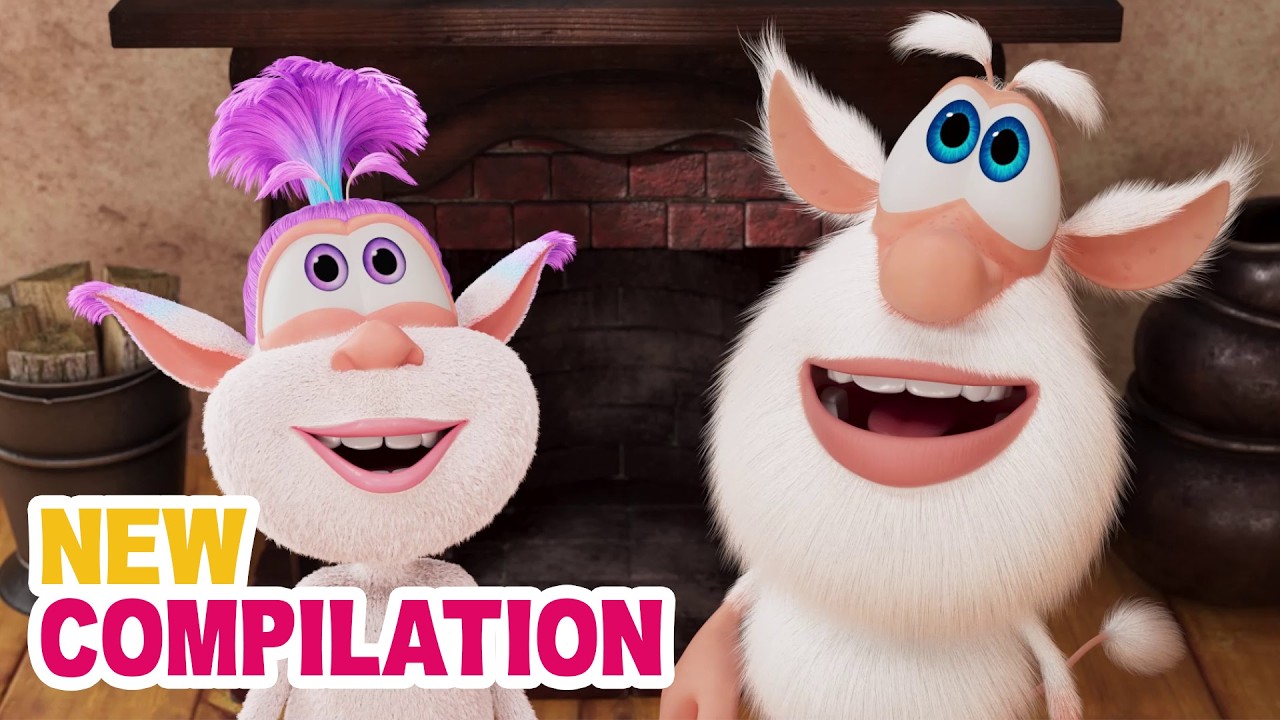
Booba is a playful, curious, and visually engaging character that sparks creativity and imagination in young children. For preschoolers, crafting activities inspired by Booba are not only fun but also educational, promoting fine motor skills, creativity, and problem-solving. In this guide, we explore easy and engaging Booba crafts for preschoolers, designed for children aged 3–5, suitable for home, preschool classrooms, or daycare centers. Why Booba Crafts Are Perfect for Preschoolers: Visual Engagement: Booba’s expressive eyes, fluffy body, and exaggerated actions captivate young children. Simple Designs: Easy shapes and bold outlines are ideal for preschool-level crafts. Hands-On Learning: Cutting, gluing, and coloring enhance fine motor development. Imaginative Play: Crafting Booba characters allows role-play and storytelling. Top Booba Craft Ideas for Preschoolers: 1. Booba Paper Mask Materials: Printable Booba template, cardstock, crayons, child-safe scissors, elastic string Activity: Color, cut, and assemble a Booba mask Learning: Enhances motor skills, creativity, and role-play 2. Booba Hand Puppets Materials: Paper bags, markers, glue, colored paper Activity: Decorate bags to create Booba puppets Learning: Encourages storytelling, imaginative play, and social interaction 3. Booba Coloring Sheets Materials: Printable coloring pages, crayons, colored pencils Activity: Color Booba in different scenes Learning: Improves hand-eye coordination, color recognition, and focus 4. Booba Balloon Art Materials: Balloons, markers, colored paper Activity: Draw Booba faces on balloons Learning: Enhances creativity and visual expression 5. Booba Paper Plate Craft Materials: Paper plates, glue, colored paper, crayons Activity: Make Booba’s face on a plate Learning: Teaches shapes, textures, and spatial awareness 6. Booba Collage Materials: Scrap paper, magazines, glue, markers Activity: Cut and paste shapes to recreate Booba’s adventures Learning: Boosts creativity, observation, and fine motor skills 7. Booba Finger Puppets Materials: Felt, glue, markers Activity: Create small Booba finger puppets for storytelling Learning: Encourages role-playing, storytelling, and hand dexterity 8. Booba Origami Materials: Colored paper Activity: Fold paper to make Booba or related objects Learning: Enhances spatial reasoning, sequencing, and fine motor skills 9. Booba Craft Stick Characters Materials: Popsicle sticks, markers, glue, colored paper Activity: Make Booba and friends on sticks for imaginative play Learning: Promotes creative thinking and storytelling 10. Booba Sensory Bottles Materials: Clear plastic bottles, glitter, small Booba figures, water Activity: Fill bottles with water and decorations for visual play Learning: Encourages focus, sensory exploration, and calm play Educational Benefits of Booba Crafts: Fine Motor Skills: Cutting, coloring, and gluing improve hand strength and coordination. Creativity & Imagination: Children interpret Booba’s adventures in their own way. Cognitive Development: Planning craft steps encourages problem-solving and sequencing. Social Skills: Craft activities in groups teach sharing, cooperation, and communication. Emotional Expression: Recreating Booba’s expressions helps children explore feelings. Tips for Parents and Educators: Supervise cutting and gluing activities for safety. Encourage children to narrate stories while crafting. Rotate crafts for variety: masks, puppets, and coloring activities. Display finished crafts to boost confidence and motivation. Use Booba episodes as inspiration to connect crafts with storytelling. Final Thoughts: Booba crafts are a perfect combination of fun and education for preschoolers. Through hands-on activities like masks, puppets, coloring, and collages, children develop fine motor skills, creativity, imagination, and social abilities. Integrating Booba-inspired crafts into playtime or preschool activities ensures that learning and fun happen simultaneously.
YouTube Premium vs. YouTube Kids – What’s Better for Your Child in 2026?
The YouTube ecosystem offers two primary pathways for families: the ad-free, feature-rich YouTube Premium and the walled-garden, curated YouTube Kids. Choosing between them isn't about finding the single "best" option, but about matching the right tool to your family's specific values, your child's age, and your parenting style. This 2026 guide breaks down each service to help you make an informed decision for your digital household. The Core Philosophy: Two Different Approaches : YouTube Kids is a controlled environment. It's a separate app/platform designed from the ground up for children, with heavy human and algorithmic curation, simplified controls, and a commitment to being "family-friendly." YouTube Premium is an enhancement tool for the main YouTube platform. It doesn't change what is available, but it removes ads and unlocks features. Its use for children depends entirely on your own active supervision and parental controls. Let's compare them across the key dimensions that matter to parents. Content Library & Curation: Safety vs. Breadth : YouTube Kids: Pros: Features a severely restricted library of videos deemed appropriate for children by a mix of automated filters, human reviewers, and partner channels. It offers three age-based content settings (Preschool, Younger, Older) to tailor the experience. The chance of encountering blatantly inappropriate content is very low. Cons: The library can feel limited, especially for older, curious kids. Some parents have noted "edutainment" content that is overly commercialized or of low educational value slipping through. It can also block genuinely useful, child-appropriate content from the main site. YouTube Premium (on a Supervised Account): Pros: Grants access to the entire universe of YouTube, including educational channels, hobby tutorials, family vloggers, and music. With your careful supervision and channel subscriptions, you can build a rich, personalized learning feed. Cons: The "algorithm" is designed for general audiences, not children. Without extreme vigilance, it can easily recommend increasingly mature, commercialized, or sensational content. The burden of curation falls 100% on you. Winner for Content Safety: YouTube Kids.Winner for Content Breadth & Customization: YouTube Premium (with hands-on parenting). Advertisements & Commercialism: The Ad-Free Promise : YouTube Kids: Pros: It does have ads, but they are supposedly vetted to be appropriate for children and are limited in number. There are no display or overlay ads. Cons: Ads are still present. The line between content and advertising can be blurry, with channels dedicated to unboxing toys or video game promotions feeling inherently commercial. YouTube Premium: Pros: It removes all video ads across all of YouTube. This is its core feature. For a child using the main site, this eliminates interruptions, pre-roll ads for inappropriate products, and reduces the manipulative "clickbait" cycle fueled by ad revenue. Cons: It does not remove integrated product placements or sponsorships within the videos themselves. Winner for Ad Experience: YouTube Premium. An ad-free experience is profoundly different and removes a major vector of commercial pressure and inappropriate exposure. Features & Parental Controls: Built-in vs. DIY : YouTube Kids: Pros: Offers straightforward parental controls: passcode-locked settings, timer limits, the ability to block specific videos or channels, and content level selection. The interface is simple for a child to navigate. Cons: Controls can feel broad-stroke. The "Approved Content Only" mode requires you to hand-pick every single channel and video—a time-intensive process. YouTube Premium (with Google Family Link): Pros: When combined with a Supervised Google Account (managed via Family Link), you get powerful, granular controls for the main YouTube app: you can restrict the child to only watch videos you approve, or limit them to content rated for "9+." You can also set time limits and monitor watch history. Cons: This setup is more complex to configure. The "approved content only" mode is similarly labor-intensive. The main YouTube interface remains complex and tempting. Winner for Ease of Use & Built-In Safety: YouTube Kids.Winner for Granular Control (for tech-savvy parents): YouTube Premium + Supervised Account. Cost & Value Analysis : YouTube Kids: Free. It is a no-cost product. YouTube Premium: Paid Subscription. Requires a monthly fee. However, a YouTube Premium Family plan can cover up to 5 family members (all sharing the ad-free benefit) and includes YouTube Music Premium. Winner on Cost: YouTube Kids.Winner on Family-Wide Value: YouTube Premium Family (if you want ad-free YouTube and music for everyone). The Verdict: Which Service is "Better"? The answer depends entirely on your child's age and your desired level of involvement. Choose YouTube Kids If: Your child is between 3 and 8 years old. You want a "set it and mostly forget it" level of safety. You are comfortable with its curated, limited library. Your primary goal is to avoid explicit inappropriate content with minimal effort. Choose YouTube Premium (with a Supervised Account) If: Your child is 9 years or older and has specific, mature educational interests (e.g., advanced science tutorials, historical documentaries, creative software guides). You are committed to co-viewing and actively building playlists/channel subscriptions together. You want to completely eliminate video ads for your child. You already want Premium for your own use and can add them to a Family plan. The 2026 Expert Recommendation: A Phased Hybrid Approach : The most effective strategy often uses both tools at different stages. Ages 3-7: Start with YouTube Kids. This is the default, safe sandbox. Use it to establish good habits. Supplement with high-quality content from dedicated platforms like boobacartoon.com for storytelling and learn.universitiesforllm.com for structured lessons. Ages 8-10: Transition with Premium + Supervision. As their needs outgrow YouTube Kids, create a Supervised Google Account. Use the "Approved Content Only" mode on the main YouTube app. This is labor-intensive but allows you to add specific educational channels. A YouTube Premium subscription here is highly recommended to strip out ads. Ages 11+: Guided Independence with Premium. Move to a less restrictive supervised level (like "Explore More") but maintain time limits and regular check-ins of watch history. Continue to have conversations about algorithm awareness and critical thinking. Always maintain the ad-free benefit of Premium. The Bottom Line:YouTube Kids is a safer, simpler product for children.YouTube Premium is a more powerful tool for parents who are willing to be highly engaged media mentors. In 2026, the best choice is the one that aligns with your active parenting, not the one that promises passive peace of mind.
Best Educational Cartoons for Kids in 2025
A Complete Guide for Parents As digital learning continues to evolve, parents are becoming more selective about the content their children watch. In 2025, the demand for high-quality educational cartoons for kids has reached an all-time high. Families now want animated series that combine entertainment with learning—covering language development, moral lessons, science, early mathematics, and emotional intelligence. This guide explores the best educational cartoons for kids in 2025, why they are trending, and how they support mental, emotional, and cognitive growth. If you’re searching for valuable learning content for your child, this article will help you make informed choices. Why Educational Cartoons Matter in 2025: Today’s children learn differently. Early exposure to screens means they absorb information faster through visuals, colors, and characters. Educational cartoons create an immersive learning environment where kids learn naturally while having fun. Key benefits include: Enhanced vocabulary and language skills Improved problem-solving and analytical thinking Better understanding of numbers, shapes, sounds, and colors Stronger emotional intelligence and social behavior Increased creativity and imagination Safe entertainment without harmful messaging The best part? Children perceive these cartoons as fun, not study—making learning effortless. Top 10 Educational Cartoons for Kids in 2025: 1. Booba Educational Adventures (2025 Edition) Booba remains a favorite among toddlers for his curiosity-driven adventures. The series introduces children to new environments, safety rules, and basic science concepts. Why it’s trending: Non-verbal learning suitable for all languages Encourages observation and critical thinking Kids learn by watching Booba explore real-world situations Perfect for toddlers and preschoolers 2. Super Simple Learning World Ideal for early English learners, this series uses colorful animations, easy rhymes, and step-by-step learning. Focus areas: Alphabet A–Z Numbers, counting, and shapes Opposites, colors, and phonics Simple manners and good habits Its soft music and gentle pacing make it perfect for toddlers and preschoolers. 3. Dino Learners: The Smart Adventures Dino-themed learning adventures combine science, history, and teamwork for children aged 4–10. Learning benefits: Boosts curiosity about dinosaurs and prehistoric life Teaches teamwork and problem-solving Introduces basic geography and animal behavior 4. Little Genius World Designed to stimulate mental growth, this 2025 series engages kids with puzzles, mini-games, and creative challenges. Key themes: Memory-building activities Logical reasoning and early math Creative drawing and imagination Shape recognition and pattern analysis 5. Alphabet Town Adventures Perfect for toddlers learning ABCs, this series strengthens early reading skills. Why parents choose it: Correct pronunciation of English words Vocabulary-building through animated stories Engaging visuals keep kids motivated 6. The Kindness Club Emotional intelligence (EQ) is a key focus of this series, which teaches morals and social skills gently and entertainingly. Lesson themes: Sharing and caring Respect and honesty Friendship and empathy Managing feelings 7. Space Explorers Jr. This space-themed cartoon sparks curiosity about planets, stars, and the cosmos. Learning highlights: Names of planets and their characteristics Basics of space travel Stars, moons, and galaxies explained simply 8. Momo’s Math World One of the most fun math learning series of 2025, turning numbers and problem-solving into an adventure. Focus areas: Numbers and counting Addition and subtraction Shapes and measurements Early problem-solving 9. Healthy Habits with Zoya Health education meets fun! Zoya encourages children to adopt healthy daily habits. Topics include: Eating nutritious food Brushing teeth properly Sleeping on time Simple exercises Keeping surroundings clean 10. The Creative Arts Studio Creativity-focused learning helps children explore art, music, dance, and crafts. Benefits: Improves hand–eye coordination Boosts artistic confidence Encourages emotional expression How to Choose the Right Educational Cartoon Before selecting a cartoon, consider: Age-appropriate content – Avoid shows that are too simple or too advanced. Positive messaging – Ensure lessons about kindness, honesty, and safety. Pacing – Slow, clear visuals prevent overstimulation. Interactive elements – Songs, repetition, and simple tasks enhance learning. Language clarity – Dialogue should be child-friendly and easy to understand. Choosing the right cartoon can significantly improve your child’s early development and learning speed. Final Thoughts In 2025, educational cartoons are more than entertainment—they’re powerful learning tools that nurture language skills, emotional intelligence, creativity, and problem-solving. Whether your child enjoys science, language, adventure, or moral stories, these top 10 series offer safe, engaging, and educational experiences. Start your child’s learning adventure today by exploring these cartoons on trusted platforms like YouTube or dedicated educational websites such as boobacartoon.com.
Booba Silent Comedy: Why It Works for Every Culture
Booba is a universally loved cartoon character, and one of the biggest reasons for his global popularity is his silent comedy style. Unlike many other shows that rely on dialogue or language-specific jokes, Booba communicates entirely through visual humor, expressions, and playful actions. This unique approach allows children and families from every culture and language background to enjoy the content equally. In this article, we explore why Booba’s silent comedy works so well worldwide, the psychological reasons behind it, and the benefits for kids. 1. Visual Humor is Universal: Silent comedy relies on visual cues, exaggerated gestures, and facial expressions. Booba’s large eyes, open mouth, and dramatic reactions make it instantly clear what he is feeling or doing. Why it works for every culture: No need for language comprehension Humor is instantly understandable Children and adults can laugh together Example: Booba slipping on a toy or reacting to a bouncing ball is funny in any country, regardless of spoken language. 2. Easy for Kids to Follow: Young children, especially ages 2–7, often cannot fully understand dialogue-heavy shows. Booba’s silent comedy is: Simple to follow Engaging through action and movement Fun without requiring reading or listening skills Psychological Impact:Children develop attention, observation, and comprehension skills while enjoying the show. 3. Cross-Cultural Appeal: Booba’s silent comedy removes cultural barriers. There are no jokes that depend on specific language, slang, or cultural references. Why this matters: Children worldwide can enjoy the same humor Parents can introduce Booba to multilingual households Episodes are universally shareable Example: A Japanese child and a Brazilian child can laugh at the same scene, even without translation. 4. Encourages Emotional Understanding: Silent comedy emphasizes emotions through expression, which helps children recognize and understand feelings. Why it’s effective globally: Smiling, laughing, surprise, or frustration is universally recognized Children learn empathy and emotional awareness Language differences do not hinder emotional learning Example: Booba reacting with surprise to a falling object teaches children that unexpected events can be funny and safe. 5. Promotes Imaginative Play: Booba often turns ordinary objects into playful adventures. Silent storytelling encourages children to imagine the story themselves, rather than relying on dialogue. Educational Value: Encourages creativity Develops imagination Kids can invent their own explanations for Booba’s actions Example: A cardboard box becomes a car, spaceship, or hiding place—all interpretable differently by children in different cultures. 6. Humor Without Conflict: Booba’s comedy is always safe, light-hearted, and non-violent. There are no culturally sensitive jokes or language-based misunderstandings. Why this matters: Safe for all children Parents feel comfortable letting kids watch Humor is inclusive and universally enjoyable Example: Booba falling into a pile of pillows or chasing bubbles is funny without being harmful or offensive. 7. Short Episodes Suit Short Attention Spans: Most Booba episodes are short, fast-paced, and action-packed, which suits children with limited attention spans. Global benefit: Engaging for children everywhere No need for long explanations or cultural context Encourages repeated viewing, which reinforces learning Psychological Impact:Short, repetitive episodes help children develop memory and observational skills. 8. Builds Early Cognitive Skills: Silent comedy stimulates problem-solving, pattern recognition, and cause-and-effect learning. Children watch Booba try, fail, and succeed at small challenges. Why it transcends culture: Skills are universal Children learn through action, not words Enhances early cognitive development globally Example: Booba experimenting with a rolling ball teaches persistence and observation in every culture. 9. Multi-Generational Entertainment: Because Booba is silent, adults can enjoy the humor too. Families around the world can watch together without needing translation. Why it works cross-culturally: Promotes shared entertainment Strengthens family bonds Humor is universally appealing Example: Parents laugh along while toddlers are entertained, creating a shared viewing experience. 10. Supports Early Language and Observation: While Booba doesn’t speak, the silent comedy style enhances children’s listening, observation, and storytelling skills. Benefits: Children can describe what they see in their own words Supports language development indirectly Encourages active engagement rather than passive watching Example: A child explaining Booba’s adventure to a friend or parent strengthens communication skills. Final Thoughts: Booba’s silent comedy is more than just entertainment—it’s a universal, cross-cultural tool for learning, creativity, and fun. Children worldwide can enjoy Booba without language barriers while developing curiosity, problem-solving skills, emotional awareness, and imaginative play. The genius of Booba lies in its simplicity: funny, safe, and universally relatable.
How This Playful Silent Cartoon Character Helps Kids Learn Without Talking
Silent animated characters are beloved by children for their funny expressions, exaggerated movements, and playful antics. Surprisingly, these characters are not just entertaining—they can actively support early childhood learning even without dialogue. In this guide, we explore how watching silent cartoon characters can help kids develop skills like observation, creativity, problem-solving, and emotional understanding. Why Silent Cartoon Characters Are Effective for Learning: Visual Storytelling: Actions, expressions, and gestures communicate the story without words. Focus on Observation: Children pay close attention to details like facial expressions, movements, and objects. Universal Understanding: Without language barriers, kids of all backgrounds can understand and enjoy the content. Promotes Imagination: Children interpret what is happening and often create their own explanations or stories. Cognitive Benefits for Kids: Problem-Solving: Watching characters solve challenges encourages children to think critically and find solutions. Sequencing Skills: Following a series of events helps children understand order, cause and effect, and logic. Attention & Focus: Visual cues require children to pay attention to details, improving concentration. Activity Tip: Ask children to recreate the scenes with toys or drawings, reinforcing memory and sequencing skills. Social & Emotional Benefits: Emotional Recognition: Children learn to identify emotions through exaggerated facial expressions and gestures. Empathy: Observing characters in different situations helps kids understand feelings and reactions. Conflict Resolution: Silent characters often face problems and solve them peacefully, modeling positive behavior. Creative and Imaginative Play: Children naturally imitate gestures and actions, turning watching time into physical play. Inspired by silent characters, kids often draw, craft, or act out their own adventures, enhancing creativity. Parents can combine episodes with storytelling or role-play, turning passive viewing into active learning. Tips for Parents to Maximize Learning: Encourage Storytelling: Ask kids to narrate what happened using their own words. Use Props: Provide toys, craft materials, or masks to act out scenes. Observe Together: Discuss the characters’ actions and emotions with children. Combine With Learning: Introduce counting, colors, or shapes seen in the scenes. Keep Screen Time Balanced: Limit episodes to 20–30 minutes for younger children and follow with active play. Why Silent Cartoons Are Ideal for Young Learners: Universal Appeal: Language-free content can be enjoyed by children worldwide. Enhanced Imagination: Kids fill in dialogue and create stories, boosting narrative skills. Safe Learning Tool: No complex dialogues or inappropriate content makes it suitable for preschoolers. Interactive Potential: Parents and teachers can extend lessons using crafts, drawing, or role-play. Final Thoughts: Silent animated characters are more than just entertaining—they provide a platform for active learning, observation, creativity, and emotional growth. By engaging with the content thoughtfully and integrating hands-on activities, parents and educators can maximize the developmental benefits of these playful cartoons.
Make Your Own Booba Mask – Easy DIY
Booba’s playful and mischievous nature makes him a perfect inspiration for DIY crafts. Making a Booba mask is a fun, creative activity that encourages hands-on learning, imagination, and fine motor skills in children. Whether for a birthday party, Halloween, or just a rainy day activity, DIY Booba masks provide hours of educational fun. In this guide, we will explain how to make a Booba mask easily at home and how to use it for learning and creative play. Why DIY Booba Masks Are Perfect for Kids: Hands-On Creativity: Kids engage in coloring, cutting, and assembling, which fosters creativity. Fine Motor Skills: Cutting, gluing, and decorating strengthen hand-eye coordination. Imaginative Play: Wearing the mask allows children to role-play Booba’s adventures. Safe and Engaging: Uses simple materials that are safe for children aged 3–7. Materials You Will Need: Printable Booba mask template (or draw your own) Thick paper or cardstock Crayons, markers, or colored pencils Scissors (child-safe) Glue or tape Elastic string or ribbon Optional: glitter, stickers, or foam for decoration Step-by-Step Instructions: Step 1: Print or Draw the Template Print a pre-made Booba mask template or draw Booba’s face on cardstock. Make sure the template is large enough to cover the child’s face comfortably. Step 2: Color the Mask Use bright colors to mimic Booba’s playful style. Encourage kids to experiment with colors and patterns. Include details like Booba’s big eyes, fluffy ears, and expressive mouth. Educational Tip: Discuss colors, shapes, and textures while coloring. Step 3: Cut Out the Mask Carefully cut along the edges of the mask. Cut holes for the eyes using child-safe scissors. Educational Tip: Cutting accurately helps develop fine motor control and spatial awareness. Step 4: Attach Elastic or Ribbon Attach elastic or ribbon to each side of the mask with tape or glue. Make sure it fits comfortably around the child’s head. Safety Tip: Elastic should not be too tight to avoid discomfort. Step 5: Add Decorations (Optional) Use glitter, stickers, or foam pieces to decorate. Encourage kids to personalize their Booba mask. Educational Tip: Adding decorations improves creativity and planning skills. Fun Activities With Booba Masks: Once the masks are ready, children can: Role-Play Adventures: Pretend to be Booba exploring kitchens, rooms, or playgrounds. Storytelling: Create mini-adventures or reenact favorite Booba episodes. Group Play: Collaborate with friends or siblings to act out scenes. Indoor Games: Combine masks with indoor games like pillow obstacle courses or balloon chases. Photo Fun: Take photos or make short videos for family albums or classroom projects. Educational Benefits: Making and using Booba masks offers learning opportunities beyond craft skills: Creativity and Imagination: Children interpret Booba’s expressions in their own way. Motor Skills: Coloring, cutting, and assembling strengthen coordination. Problem-Solving: Figuring out mask fit or decoration placement encourages critical thinking. Emotional Expression: Acting out Booba’s adventures teaches empathy and emotional understanding. Social Skills: Collaborative play develops teamwork and communication. Tips for Parents and Educators: Supervise cutting and gluing activities for younger children. Encourage storytelling along with mask-making. Display finished masks to boost confidence and pride. Combine mask-making with Booba episode viewing for thematic play. Rotate activities: one child can be Booba while others play supporting characters. Final Thoughts: Making your own Booba mask is a fun, creative, and educational activity for kids aged 3–7. It allows children to bring Booba’s playful adventures to life, develop fine motor skills, enhance creativity, and engage in imaginative play. Whether done at home or in a classroom, this DIY project is a safe, joyful, and memorable learning experience.
Character Costumes: Buying vs Making at Home - The 2025 Parent's Guide
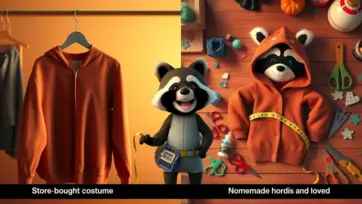
When your child wants to transform into their favorite gentle, curious character for Halloween, playtime, or a party, you face a classic dilemma: buy a ready-made costume or embrace a DIY project? Both paths have unique rewards and challenges. This 2025 guide breaks down the pros, cons, costs, and considerations of each approach to help you choose the best option for your family’s time, budget, and creative spirit. The Core Question: What Are Your Priorities? Before deciding, ask yourself: Time: Do you have weeks or just days? Budget: What are you comfortable spending? Skill Level: How confident are you with basic sewing, crafting, or hacking? Child's Involvement: Do you want a quick surprise or a collaborative project? Longevity: Is this for one night or for years of dress-up play? Option 1: Buying a Costume – The Path of Convenience : Where to Buy: Major Retailers & Online Marketplaces: (Amazon, Walmart, Target, Halloween specialty stores). Offers the widest selection, especially as holidays approach. Official Brand Stores: The best source for screen-accurate, licensed costumes, though often at a premium price. Costume Resale Sites & Local Groups: (Facebook Marketplace, Mercari). Excellent for finding gently used costumes at a fraction of the cost and reducing waste. Pros of Buying: Instant Gratification: It arrives ready-to-wear. Zero project stress. Screen Accuracy: Licensed costumes capture exact details, colors, and likeness. Time-Saving: Frees up your evenings and weekends. Often Includes Accessories: Typically comes as a full set (hood, bodysuit, gloves). Cons of Buying: Cost: Quality costumes can be expensive, especially for a single event. Quality & Comfort Issues: Often made from thin, non-breathable polyester. Zippers can be cheap, seams can rip. "One-size-fits-most" rarely fits well. Limited Sizing & Adjustability: Hard to tailor if it's too big/small. Generic Feel: Your child might see five others in the same costume at the party. Environmental Impact: Often involves plastic packaging and disposable, single-use materials. Option 2: Making a Costume at Home – The Path of Customization : Approach Overview:This doesn't mean sewing from scratch unless you want to. Modern DIY is about creative assembly using existing clothing and craft materials. The "No-Sew" Hack Method (Easiest): Base: A royal blue, long-sleeved shirt and blue sweatpants/leggings. The Hood: Use a blue beanie or hoodie. Attach two large white felt circles for eyes and smaller black felt circles for pupils using fabric glue. Shape the hood with safety pins if needed. The Gloves: Simple, inexpensive white cotton gloves (often sold in multipacks). The Details: Use white felt to cut out and glue a simple oval "tummy" onto the blue shirt. The "Sew-Lite" Custom Method (More Durable): Base: Same blue clothing base. The Hood: Purchase a blue hooded sweatshirt. Permanently sew on the felt eye details for a sturdier finish. The Bodysuit Alternative: Use a blue adult-sized t-shirt. Cut it down the middle front, hem the edges, and add snap fasteners to create an easy-on, easy-off jumper. Pros of Making: Perfect Fit: You tailor it to your child's exact measurements for maximum comfort and mobility. Uniqueness & Personal Touch: It’s one-of-a-kind. You can add inside jokes or personalized details. Quality Control: You choose soft, breathable fabrics that feel good against the skin and are built to last through multiple play sessions. Cost-Effective (Often): Can be significantly cheaper, especially if you repurpose clothing or shop thrift stores for blue basics. A Shared Experience: The process of making it together becomes a cherished memory. Sustainable: Repurposes existing items and avoids disposable costume waste. Cons of Making: Time Investment: Requires planning, shopping for materials, and assembly time. Skill/Confidence Required: Can feel daunting if you're not craft-inclined. Potential for Frustration: If a glue doesn't hold or a seam rips at the wrong moment. May Lack "Polish": A homemade look has charm, but might not have the crisp, store-bought finish some kids desire. The 2025 Hybrid Champion: The "Smart Customization" Approach This is the best-of-both-worlds strategy for most modern parents. Buy a Simple, High-Quality Base: Purchase a very soft, well-made royal blue hooded sweatshirt and pants set (intended for everyday wear). Customize with Details: Use high-quality felt, fabric glue, or simple stitches to add the signature white eyes and tummy patch. Accessorize Thoughtfully: Buy the white gloves new, and let your child carry a small, funny prop (a giant cardboard lightbulb, a question-mark sign). Result: You have a comfortable, durable, unique costume that becomes a beloved piece of everyday play clothing long after the event is over. The cost is similar to a cheap store costume, but the value and longevity are far greater. Decision Flowchart: Which Path is Right for You? Choose BUY if: The event is in < 1 week, your budget is flexible, you have zero craft time/interest, and your child prioritizes perfect accuracy. Choose the HYBRID if: You have 1-3 weeks, a moderate budget, basic craft skills, and want a costume that doubles as play clothes. Choose FULLY DIY if: You have > 3 weeks, a tight budget, you enjoy crafting, and you value the creative process and uniqueness above all. Final Verdict: It's About the Experience : In 2025, the "better" choice isn't universal. Buying is about the event. Making is about the journey. If your goal is simply a costume for a night, buying is a perfectly valid, stress-free solution—just opt for a used one if possible. If your goal is to foster creativity, ensure comfort, and create something special with your child, the homemade or hybrid route is profoundly rewarding. Ultimately, seeing the joy on your child's face when they see their reflection—whether in a store-bought jumpsuit or a homemade hoodie you made together—is what makes any choice the right one.
Learning Videos for Toddlers
Toddlers are naturally curious, and their early years are critical for building foundational skills like language, numeracy, and color recognition. In today’s digital world, fun learning videos have become one of the most effective ways to engage young children in educational activities. Unlike traditional screen time, carefully selected learning videos help toddlers absorb concepts effortlessly while having fun. This guide explores the benefits of fun learning videos, what types of content are most effective, and top video recommendations for teaching ABC, numbers, colors, and more. Parents will also find practical tips for choosing videos that are both entertaining and educational. Why Fun Learning Videos Matter for Toddlers: Toddlers learn best when learning is interactive, colorful, and playful. Videos specifically designed for this age group combine visuals, music, repetition, and storytelling to help children retain information naturally. Key benefits include: Language development: Videos introduce new words, sounds, and phonics. Early math skills: Counting, recognizing numbers, and basic problem-solving. Color and shape recognition: Children learn to identify colors, shapes, and patterns. Cognitive growth: Interactive videos promote memory, observation, and reasoning. Emotional engagement: Cheerful characters and music keep toddlers focused. Safe learning environment: Carefully curated content avoids harmful messaging. The key is that toddlers perceive these videos as fun entertainment, making learning effortless. Top Fun Learning Video Categories for Toddlers: Here are the main types of videos that parents should consider for toddlers: 1. ABC and Phonics Videos: Learning the alphabet is the first step toward language development. Videos focusing on ABCs combine songs, animation, and repetition to reinforce letter recognition and pronunciation. What toddlers learn: Recognize letters A–Z Correct pronunciation Phonics and letter sounds Vocabulary building with animated characters Example series: Super Simple ABCs – uses songs and playful characters Alphabet Town Adventures – interactive stories teaching letters through fun scenarios 2. Numbers and Counting Videos: Counting and early math concepts can be introduced in an engaging, visual way through videos. Animated characters guide toddlers to recognize numbers and practice counting. Learning benefits: Counting from 1 to 20 (or beyond) Recognizing numeric symbols Basic addition and subtraction concepts Understanding shapes and patterns Popular videos: Momo’s Math World – combines games and songs to make numbers fun Counting with Funimals – uses animals and visual aids to reinforce learning 3. Colors and Shapes Videos: Recognizing colors and shapes is a key early development skill. Bright, visually appealing videos can help toddlers identify and remember colors quickly. Skills covered: Color identification: red, blue, green, yellow, etc. Shape recognition: circle, square, triangle, rectangle Color mixing and pattern recognition Associating objects with colors and shapes Recommended series: Learn Colors with Lolipop – interactive and music-driven lessons Colorful World Adventures – combines storytelling with color learning 4. Multi-Skill Learning Videos: Some videos combine ABCs, numbers, colors, and simple problem-solving into all-in-one educational content. These are excellent for toddlers who enjoy variety and multi-sensory learning. Benefits: Simultaneous development of language, math, and observation skills Promotes curiosity and exploration Keeps toddlers engaged for longer periods Popular choices: Booba Educational Adventures – fun exploration with basic concepts Super Simple Learning World – songs and rhymes for multiple skills How to Choose the Right Learning Videos: Choosing the right videos is crucial to maximize learning while ensuring screen time is healthy and safe. Key factors to consider: Age-appropriate content – Avoid videos with complex language or abstract concepts. Slow-paced visuals – Toddlers learn better when content is not overwhelming. Repetition – Repeating letters, numbers, and colors helps retention. Interactive elements – Videos with prompts, songs, and gestures encourage participation. Positive messaging – Look for videos that promote kindness, sharing, and curiosity. Safe platforms – Choose trusted sources like YouTube Kids, educational apps, or websites like boobacartoon.com. Tips to Make Video Learning Effective: Set a routine: Short, daily learning sessions (10–15 minutes) are more effective than long sessions. Watch together: Parents watching with toddlers can reinforce concepts and answer questions. Repeat favorite videos: Repetition strengthens memory and understanding. Combine with offline activities: Encourage toddlers to trace letters, count objects, or color shapes after watching. Encourage interaction: Pause videos and ask your child questions to keep them engaged. Recommended Fun Learning Videos for Toddlers in 2025: Here’s a curated list of some of the best learning videos for ABC, numbers, and colors: Super Simple ABCs – Alphabet songs with colorful animation and friendly characters. Alphabet Town Adventures – Teaches letters through interactive stories and fun scenarios. Momo’s Math World – Fun counting, addition, and shape games. Counting with Funimals – Toddlers learn numbers using animals and vibrant visuals. Learn Colors with Lolipop – Engaging color recognition with music and interactive prompts. Colorful World Adventures – Teaches colors through objects, shapes, and playful stories. Booba Educational Adventures – Multi-skill learning: letters, numbers, and basic science concepts. Super Simple Learning World – Combines ABCs, numbers, colors, and good habits. Final Thoughts: Fun learning videos are more than just entertainment—they are powerful educational tools that help toddlers develop language, numeracy, color recognition, and cognitive skills naturally. By choosing the right content, parents can ensure their child learns while playing, laying a strong foundation for future growth. In 2025, with a wide variety of options available, parents should focus on age-appropriate, engaging, and safe content. Mix ABC, numbers, colors, and multi-skill videos to give your toddler a well-rounded learning experience. Tip for Parents: Combine screen-based learning with hands-on activities like drawing letters, counting toys, or coloring shapes to reinforce concepts and make learning memorable. With the right videos and guidance, your toddler’s screen time can become a fun and productive learning adventure.