Learn Good Habits with Cartoon in 2025
Teaching children good habits is a critical part of early education. In 2025, animated cartoon stories have become one of the most effective ways to help kids learn positive behaviors such as hygiene, healthy eating, time management, and kindness. By combining entertaining storytelling with visual learning, cartoons turn everyday lessons into memorable and enjoyable experiences for children.
This guide explores the benefits of cartoon stories for teaching good habits, highlights top series for kids, and provides tips for parents to make learning effective and fun.
Why Teaching Good Habits Through Cartoons Matters:
Toddlers and preschoolers are highly receptive to visual and auditory learning. Animated cartoons can model behavior, making lessons relatable and easier to understand.
Key benefits of cartoon stories for good habits:
-
Promotes healthy routines: Brushing teeth, washing hands, eating nutritious foods.
-
Encourages social skills: Sharing, politeness, and teamwork.
-
Supports emotional development: Managing feelings, patience, and empathy.
-
Reinforces learning through repetition: Characters act out habits consistently.
-
Safe and engaging: Fun storytelling avoids fear or negative messaging.
By seeing their favorite characters practice good habits, children are more likely to imitate positive behaviors in real life.
Top Good Habits Taught Through Cartoons:
Cartoon stories can cover a wide range of practical and social skills, including:
-
Personal Hygiene
-
Brushing teeth, washing hands, bathing regularly.
-
Cleaning up after meals and playtime.
-
Using visuals and songs to make routines fun.
-
Healthy Eating
-
Encouraging fruits, vegetables, and balanced meals.
-
Teaching children to avoid excessive sweets.
-
Showing animated characters enjoying healthy food.
-
Time Management & Routine
-
Waking up, going to bed on time, and completing tasks.
-
Practicing organization and responsibility.
-
Kindness and Social Skills
-
Sharing toys, saying “please” and “thank you.”
-
Helping friends, siblings, and pets.
-
Managing emotions like anger or jealousy.
-
Environmental Awareness
-
Keeping surroundings clean and organized.
-
Caring for plants, animals, and nature.
Top Cartoon Series Teaching Good Habits in 2025:
1. Healthy Habits with Zoya:
One of the most popular series in 2025, Zoya teaches children personal hygiene, exercise, and nutrition in a fun and interactive way.
Highlights:
-
Cheerful character engaging toddlers in daily routines.
-
Songs and repetitive actions to reinforce learning.
-
Suitable for ages 3–7.
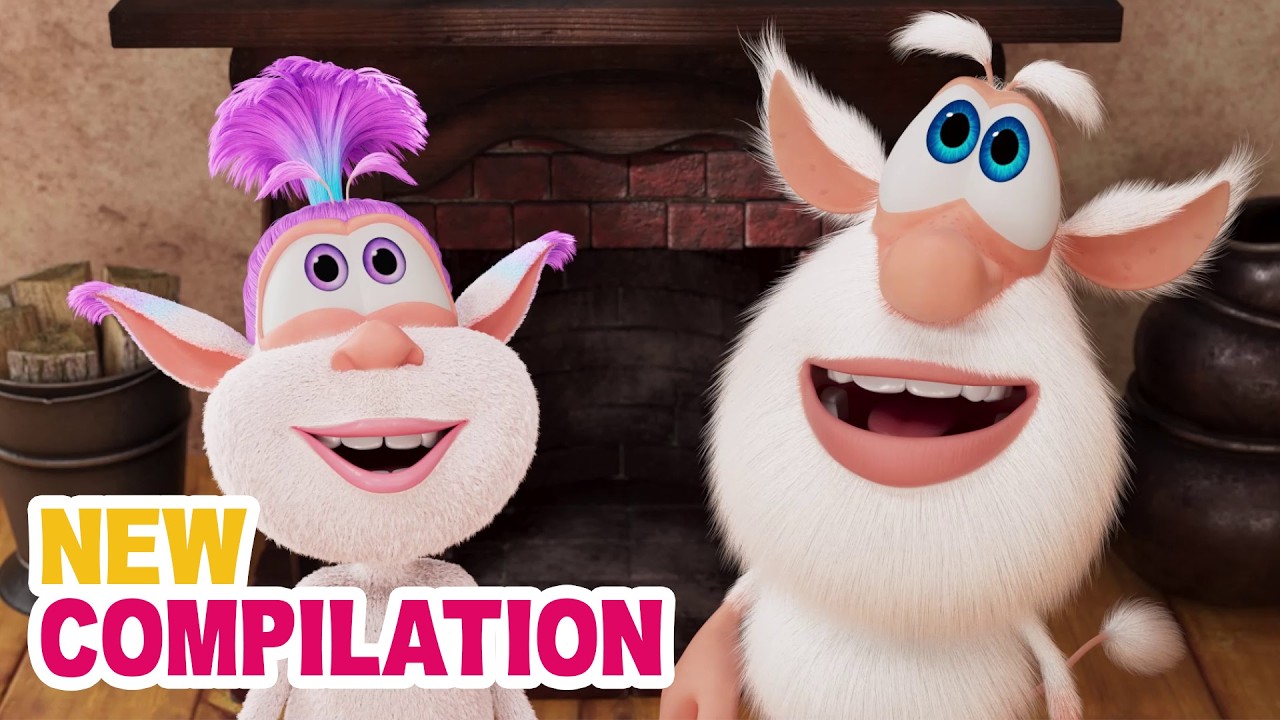
2. Booba Educational Adventures:
Booba’s curious adventures now include lessons on good manners, sharing, and safety.
Benefits:
-
Non-verbal storytelling, making it accessible to all children.
-
Encourages observation and imitative learning.
-
Perfect for toddlers and preschoolers.
3. Super Simple Learning World: Habits Edition:
This series combines songs, animations, and storytelling to teach healthy and social habits.
Learning focus:
-
Daily routines like brushing, washing, and tidying up.
-
Encourages cooperation and sharing among peers.
-
Uses colorful visuals to maintain attention.
4. Little Hero Adventures: Life Lessons:
Animated mini-stories where characters practice responsibility and kindness in everyday situations.
Key themes:
-
Encourages empathy, patience, and helping others.
-
Problem-solving and decision-making modeled by characters.
-
Short, engaging episodes suitable for young children.
5. The Kindness Club: Good Habits Edition:
This series blends emotional intelligence with habit learning, teaching children to manage feelings and interact politely.
Benefits:
-
Builds empathy and emotional awareness.
-
Reinforces positive behaviors through storytelling.
-
Suitable for toddlers and early school-age children.
How to Make Cartoon Learning About Habits Effective:
Parents can take several steps to ensure children internalize good habits from cartoon stories:
-
Watch together: Parents can discuss lessons and model behaviors.
-
Repeat favorite episodes: Repetition strengthens memory and understanding.
-
Practice in real life: Encourage children to apply habits seen in cartoons.
-
Ask questions: “Why do you think Zoya washes her hands?” fosters critical thinking.
-
Mix with offline activities: Drawing charts, creating routines, and role-playing.
-
Keep screen time balanced: Short, focused sessions are most effective for toddlers.
Recommended Cartoon Stories for Teaching Good Habits:
Here’s a curated list of top animated series for 2025:
-
Healthy Habits with Zoya – Hygiene, exercise, and nutrition
-
Booba Educational Adventures – Manners, sharing, and safety
-
Super Simple Learning World: Habits Edition – Daily routines and cooperation
-
Little Hero Adventures: Life Lessons – Responsibility and empathy
-
The Kindness Club: Good Habits Edition – Emotional intelligence and social skills
These cartoons make learning habits fun, visual, and memorable, helping toddlers adopt positive routines naturally.
Final Thoughts:
Teaching good habits through animated stories is a powerful method for early childhood development. In 2025, these cartoons combine entertainment, repetition, and interactive visuals to instill essential life skills in toddlers and preschoolers.
Parents can enhance learning by:
-
Watching alongside children
-
Discussing lessons and asking questions
-
Reinforcing habits in daily routines
With the right series, screen time becomes an educational adventure, helping children develop hygiene, healthy eating, social skills, and emotional intelligence—all while having fun.
Tip for Parents: Encourage children to act out habits from cartoons, like brushing teeth or sharing toys. This strengthens understanding and makes learning active rather than passive.