Best Cartoon Stories About Family and Love

Family and love are central to a child’s early development. In 2025, cartoon stories about family and love have become a favorite tool for parents to teach toddlers and preschoolers the importance of relationships, empathy, and emotional connection. These animated stories combine vivid visuals, engaging characters, and gentle storytelling to help children understand love, respect, and the value of family bonds.

This guide explores the benefits of family-themed cartoons, highlights the top series for 2025, and provides tips for parents to reinforce these lessons in daily life.


Why Family and Love Cartoons Matter:

Children learn social and emotional skills by observing behaviors, and family-focused cartoons provide:

  • Understanding of relationships: Shows positive interactions between family members.

  • Emotional intelligence: Teaches children to recognize and express feelings.

  • Empathy and compassion: Characters model care, patience, and kindness.

  • Safe storytelling: Age-appropriate scenarios with no violence or adult themes.

  • Role models: Illustrates healthy communication, respect, and cooperation.

By combining entertainment with moral lessons, these cartoons help children build a strong emotional foundation.


Key Lessons in Family and Love Cartoons:

  1. Respect for Family Members

  • Encourages listening, sharing, and helping parents, siblings, and grandparents.

  1. Showing Love and Affection

  • Hugs, kind words, and caring actions model positive emotional expression.

  1. Problem-Solving Together

  • Family members work together to overcome challenges, teaching teamwork.

  1. Gratitude and Appreciation

  • Shows children how to value and thank family members.

  1. Conflict Resolution

  • Gentle guidance on managing disagreements and fostering understanding.


Top Cartoon Stories About Family and Love in 2025:

1. The Family Tree Adventures:

A popular series where family members go on adventures and solve problems together, teaching children the importance of unity and support.

Highlights:

  • Focuses on family bonding and teamwork

  • Engaging and colorful animations for toddlers

  • Age-appropriate moral lessons about love and cooperation


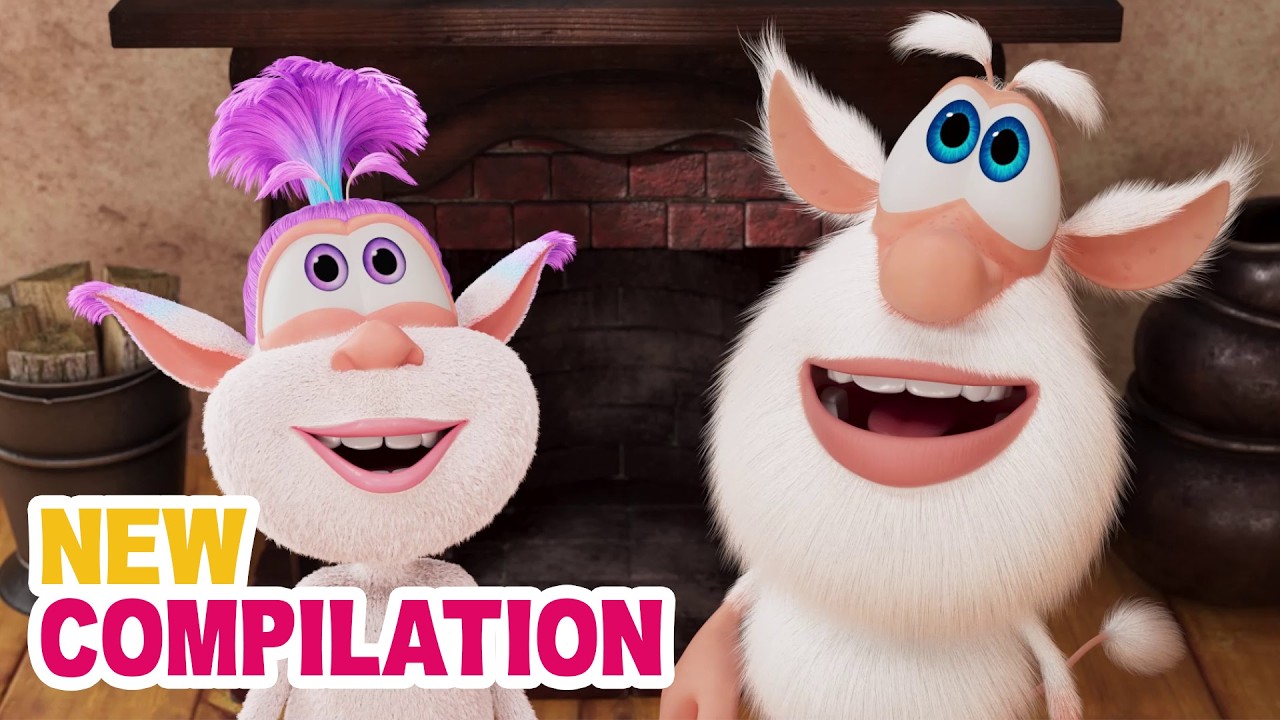
2. Booba’s Family Fun:

Booba interacts with family-like characters, learning lessons about sharing, helping, and expressing affection.

Why it’s popular:

  • Non-verbal storytelling suitable for all languages

  • Teaches social and emotional skills through playful actions

  • Short episodes ideal for young children’s attention spans


3. Little Hearts Club:

Animated mini-stories that show children helping their families, expressing love, and supporting friends.

Key lessons:

  • Empathy and compassion

  • Cooperation and problem-solving

  • Celebrating love and gratitude


4. Animal Families Tales:

Animal characters model family dynamics, teaching children how family members care for and support each other.

Learning highlights:

  • Introduces concepts of sibling care and parent-child interaction

  • Emotional lessons embedded in fun storytelling

  • Encourages children to show love and empathy in real life


5. Super Simple Family Songs:

Animated songs focus on family, love, and gratitude, reinforcing moral lessons through music.

Benefits:

  • Encourages participation through singing and dancing

  • Helps toddlers remember positive behaviors

  • Combines education, music, and gentle humor


How Parents Can Reinforce Lessons:

Parents can enhance learning from family and love cartoons by:

  1. Watching together: Pause to discuss feelings and interactions.

  2. Practice affection: Encourage hugs, kind words, and helping behaviors.

  3. Repeat favorite stories: Reinforces emotional lessons.

  4. Relate to real-life situations: Show children how lessons apply at home.

  5. Use creative play: Role-play family situations to teach empathy and cooperation.

  6. Praise positive behavior: Encourage children when they show love and respect.


Recommended Cartoon Stories About Family and Love:

  • The Family Tree Adventures – Adventures emphasizing bonding and teamwork

  • Booba’s Family Fun – Observation-based lessons on sharing and affection

  • Little Hearts Club – Mini-stories teaching empathy and problem-solving

  • Animal Families Tales – Animal-themed family lessons

  • Super Simple Family Songs – Musical reinforcement of love and gratitude

These cartoons are safe, engaging, and educational, helping children understand relationships, develop empathy, and value family bonds.


Final Thoughts:

Cartoon stories about family and love are more than just entertainment—they are tools for emotional and social development. In 2025, animated series help children learn:

  • How to express love and gratitude

  • How to resolve conflicts and cooperate with family

  • How to develop empathy and positive social skills

Parents can enhance learning by:

  • Watching and discussing episodes together

  • Practicing real-life applications of lessons

  • Encouraging creative and empathetic play

With the right family-themed cartoons, children develop emotional intelligence and appreciation for loved ones while enjoying safe, colorful, and heartwarming stories.

Tip for Parents: Encourage children to draw or act out scenes showing family love, which reinforces creativity, comprehension, and emotional expression.
Advertisement
How Cartoons Improve Vocabulary in Kids
Cartoons are not just a source of entertainment for children; they play a vital role in the development of language skills and vocabulary. Parents often wonder how watching cartoons can benefit their children academically. Research and expert opinions suggest that educational cartoons and carefully selected animated shows can significantly enhance a child’s vocabulary development and communication abilities. 1. Cartoons Make Learning Fun: Children are naturally attracted to colorful visuals, animated characters, and fun storytelling. When they watch kids cartoons, they are not just entertained but also exposed to new words and phrases. Fun and engaging content helps children remember vocabulary more effectively than traditional rote learning. For example, shows like Dora the Explorer or Sesame Street integrate simple language and interactive exercises, allowing children to repeat words, ask questions, and learn through playful interaction. This method of learning through cartoons is effective because children associate words with actions and visuals, making the learning process natural and enjoyable. 2. Exposure to Conversational Language: Most cartoons use simple and clear dialogues that are easy for children to understand. Watching these shows regularly allows kids to hear new words in context, which improves their ability to comprehend and use language. Unlike textbooks, cartoons show conversational language, everyday expressions, and emotional tone, helping children learn how to communicate effectively. For instance, a cartoon character might say, “I am very excited to go on an adventure!” The child not only learns the word “excited” but also understands how to use it in a sentence. This exposure to contextual vocabulary is crucial for early language development. 3. Reinforcement Through Repetition: Cartoons are often designed with repetitive phrases, rhymes, and songs. This repetition helps reinforce new vocabulary and makes it easier for children to remember. Words introduced in a fun and repeated manner stick in the memory more effectively. For example, educational cartoons for preschoolers often repeat animal names, colors, numbers, and common objects. Over time, children start recognizing and using these words naturally in their daily conversations. Repetition is a key strategy in vocabulary acquisition, and cartoons provide this effortlessly. 4. Visual Learning Boosts Word Recognition: Children are visual learners. They understand and retain information better when it is associated with images and actions. Cartoons provide rich visual context for every word. When a character in a cartoon says “ball” while holding a ball, children connect the spoken word with the object, which strengthens their word recognition and understanding. Moreover, cartoons often depict emotions and actions, helping children learn descriptive vocabulary like happy, sad, excited, running, jumping, and more. This visual association enhances cognitive development alongside language skills. 5. Encourages Active Participation: Interactive cartoons and shows often ask children to repeat words or answer simple questions. For example, a character might ask, “Can you say your ABCs?” This kind of active engagement encourages children to practice speaking, which is essential for vocabulary improvement. By responding to prompts and participating in animated activities, children are more likely to retain new words and develop confidence in using language creatively. Parents can further support this by discussing episodes and asking questions about the storyline or characters. 6. Introduces Diverse Vocabulary: High-quality educational cartoons introduce children to a wide range of words and concepts beyond their immediate environment. Shows about animals, science, history, or geography expose children to terms like habitat, ecosystem, adventure, culture, and more. This helps children expand their vocabulary and learn concepts that are part of formal education. Furthermore, cartoons often include rhymes, songs, and storytelling techniques that introduce figurative language, idioms, and new sentence structures. For example, phrases like “time flies” or “piece of cake” are easier for children to understand when presented in a fun cartoon scenario. 7. Boosts Reading and Writing Skills: A rich vocabulary is a foundation for strong reading and writing skills. Children who are exposed to animated educational content are more likely to recognize words when reading books, stories, or school materials. The familiarity with vocabulary gained from cartoons makes reading less intimidating and more enjoyable. Additionally, children often try to write or narrate stories inspired by cartoons. This encourages creative writing and the practical use of new words, reinforcing their learning. 8. Tips for Maximizing Vocabulary Benefits from Cartoons: To ensure that cartoons positively impact vocabulary development, parents and caregivers can follow these tips: Choose educational cartoons: Select shows specifically designed for learning, such as Peppa Pig, Sesame Street, or Bluey. Limit screen time: Avoid excessive viewing; 30–60 minutes of quality content per day is recommended. Watch together: Engage with your child while watching and discuss new words. Reinforce words: Encourage children to repeat words, describe scenes, or narrate stories from the cartoon. Combine with reading: Introduce books or print materials related to the cartoons to strengthen word recognition. Use subtitles: If your child is learning reading skills, subtitles can help them associate spoken words with written forms. Conclusion: Cartoons are a powerful tool for improving vocabulary in children. When chosen wisely, they provide fun, visual, and interactive learning experiences that enhance language skills, comprehension, and communication. Through repetition, context, and engagement, children naturally acquire new words and phrases, which strengthens their reading, writing, and speaking abilities. By incorporating educational cartoons into a child’s daily routine and actively participating in their learning process, parents can support early literacy and cognitive development in an enjoyable and effective way. Investing in the right cartoons today can pave the way for strong language skills and a lifelong love for learning tomorrow.
Best Booba Episodes for Toddlers (1–3 Years)
Toddlers between the ages of 1 and 3 experience the world very differently from older children. Their brains are developing rapidly, their attention span is short, and they respond most strongly to bright colors, simple actions, and clear emotions. This is where Booba becomes an ideal cartoon choice. Booba episodes are specially loved by toddlers because they are simple, safe, colorful, and visually expressive. In this guide, we explore the best Booba episodes for toddlers (1–3 years) and explain why these episodes are perfect for early childhood viewing. Why Booba Is Perfect for Toddlers: Before listing the episodes, it’s important to understand why Booba works so well for this age group. Toddlers need: Visual storytelling (not complex dialogue) Repetition and predictability Bright, high-contrast colors Gentle humor without fear Short and engaging content Booba delivers all of these naturally, making it one of the safest and most engaging cartoons for toddlers. Top Booba Episodes for Toddlers (1–3 Years): 1. Booba and Bubbles This episode is a toddler favorite. Floating bubbles instantly grab attention, and Booba’s attempts to catch and pop them create endless giggles. Why it’s perfect for toddlers: Slow, clear movements Bright shiny bubbles Simple cause-and-effect learning Toddler benefit: Visual tracking and hand-eye coordination. 2. Booba and the Ball In this episode, Booba plays with a colorful ball that rolls, bounces, and escapes him. Why toddlers love it: Repetitive motion Bright primary colors Easy-to-follow action Toddler benefit: Understanding movement and basic physics through play. 3. Booba in the Bedroom Booba explores pillows, blankets, and soft toys. The calm environment makes this episode ideal for very young children. Why it works for ages 1–2: Soft objects Gentle humor Familiar home setting Toddler benefit: Comfort, emotional safety, and recognition of daily surroundings. 4. Booba and the Toy Box A box full of toys becomes a mini adventure. Toys fall out, make sounds, and surprise Booba. Why toddlers enjoy it: Surprise elements without fear Bright toy colors Simple exploration Toddler benefit: Curiosity and sensory stimulation. 5. Booba and Music Sounds This episode focuses on sound-making objects. Booba reacts joyfully to different noises. Why it’s great for toddlers: Clear audio cues Rhythm and repetition Funny reactions Toddler benefit: Early sound recognition and auditory development. 6. Booba and Water Play Booba plays with water in a safe, playful way—splashing, pouring, and reacting to movement. Why toddlers love it: Water fascinates young minds Gentle splashes Clear visual movement Toddler benefit: Sensory awareness and observation skills. 7. Booba and the Box A simple cardboard box becomes a source of endless fun. Booba hides, jumps, and peeks out. Why it’s toddler-friendly: Simple object Repetition Peek-a-boo style humor Toddler benefit: Object permanence and surprise recognition. 8. Booba and Soft Toys Booba interacts with stuffed toys, hugging them and playing gently. Why toddlers feel connected: Familiar comfort objects Calm pace Friendly emotions Toddler benefit: Emotional bonding and empathy. 9. Booba and Lights Booba discovers lights turning on and off, reacting with excitement. Why toddlers are fascinated: Bright visual contrast Immediate cause and effect Toddler benefit: Understanding actions and reactions. 10. Booba’s Happy Dance This episode focuses on movement and dancing. Why toddlers love it: Body movement Fun music Laughing expressions Toddler benefit: Motor skills and body awareness. What Toddlers Learn from These Episodes: Even though Booba is mainly entertainment, toddlers gain valuable early learning skills: Visual focus through movement and colors Emotional recognition through facial expressions Cause-and-effect understanding Motor skill stimulation Curiosity without fear All of this happens naturally, without pressure or complex storytelling. Why Parents Trust Booba for Toddlers: Parents prefer Booba because: No talking means no bad language No violence or scary scenes Short episodes reduce screen overload Calm humor supports positive mood Booba is especially useful for: Quiet time Short breaks Safe screen exposure Screen Time Tip for Parents: For toddlers aged 1–3: Limit screen time Watch together when possible Choose calm episodes Avoid overstimulation Booba’s gentle pacing makes it a better choice than fast, noisy cartoons. Final Thoughts: Booba is one of the best cartoon choices for toddlers because it perfectly matches early childhood psychology. The episodes listed above are ideal for ages 1–3, offering bright visuals, gentle humor, and safe exploration. For parents looking for safe, engaging, and development-friendly entertainment, Booba episodes are a reliable and enjoyable option.
What to Do If Your Child Watches Too Much YouTube
YouTube is a popular platform for children, offering educational videos, cartoons, and entertainment. However, excessive screen time can affect a child’s sleep, behavior, learning, and social skills. Parents need to find a balance between allowing educational content and preventing overuse, ensuring that YouTube remains a safe and beneficial resource. Excessive YouTube viewing can lead to passive consumption, reduced physical activity, and attention difficulties. Understanding why children watch too much and implementing strategies to manage screen time is essential for healthy development. Signs Your Child is Watching Too Much YouTube: Parents should be aware of these signs: Spending hours on the platform without breaks Ignoring meals, homework, or outdoor play Irritability or mood changes when screen time is limited Difficulty focusing on other tasks Preferring YouTube over social interaction or creative play Recognizing these signs early allows parents to intervene before negative effects increase. Set Clear Screen Time Limits: One of the most effective strategies is to establish daily screen time rules: Use device settings or parental control apps to enforce limits Schedule screen time after homework or physical activity Encourage a balance of educational and recreational content Start with reasonable limits (e.g., 30–60 minutes for preschoolers) Clear rules help children develop self-discipline and healthy viewing habits. Curate Safe and Educational Content: Instead of blocking YouTube completely, parents can guide children to age-appropriate content: Use YouTube Kids for controlled, child-friendly content Create playlists of educational videos and cartoons Discuss video topics and encourage learning beyond the screen Remove channels that contain violence, inappropriate language, or ads Curated content ensures children gain value from screen time while avoiding harmful material. Encourage Alternative Activities: To reduce overreliance on YouTube, parents should promote alternative activities: Reading books or listening to audiobooks Outdoor play and physical exercise Arts, crafts, and building projects Music, dance, and interactive learning games Balancing screen time with active, creative, and social activities supports overall development. Co-Viewing and Engagement: Parents can enhance learning and monitoring by watching with their children: Discuss what they are watching Ask questions about the content to encourage critical thinking Relate lessons from videos to real-life experiences Praise positive behavior and creativity inspired by videos Co-viewing ensures that children engage thoughtfully rather than passively consuming content. Set Up Device and App Controls: Many devices and apps allow parents to control usage and monitor activity: Enable screen time limits and device lock features Use parental controls to restrict content and track viewing Block or restrict channels with inappropriate content Adjust settings to prevent autoplay and endless video feeds These tools provide structured, safe, and manageable YouTube usage. Talk About Healthy Habits: Communication is key in helping children develop self-regulation: Explain why limits exist and the benefits of balance Encourage children to suggest alternative fun activities Set a routine for screen-free times (e.g., before bed, mealtimes) Model healthy media habits as a parent This teaches children to self-monitor and make responsible choices regarding screen time. Benefits of Controlled YouTube Usage: When YouTube usage is managed effectively: Children gain educational and creative benefits Screen time does not interfere with social or physical development Children develop critical thinking and media literacy Parents maintain peace of mind regarding online safety Controlled usage allows children to enjoy the benefits of digital content while minimizing potential risks. Conclusion: If your child watches too much YouTube, it’s essential to establish limits, curate content, and encourage alternative activities. By combining technology, engagement, and communication, parents can ensure that YouTube becomes a safe, educational, and enjoyable resource rather than a source of overexposure. Healthy screen habits foster learning, creativity, and balanced growth, preparing children for responsible digital consumption in the future.
20 Booba-Inspired Indoor Games for Kids
Booba’s playful, curious, and energetic adventures are perfect inspiration for indoor games. Kids can recreate Booba’s fun, safe, and chaotic play at home, keeping them entertained while boosting creativity, motor skills, and problem-solving abilities. In this guide, we present 20 Booba-inspired indoor games for kids, suitable for ages 3–7, that combine fun, learning, and physical activity. 1. Balloon Chase Adventure: Inflate colorful balloons and have kids chase and catch them, just like Booba chasing floating objects. Benefits: Improves coordination and gross motor skills. 2. Booba’s Treasure Hunt: Hide small toys around a room and give children simple clues to find them. Benefits: Encourages problem-solving and observation. 3. Obstacle Climb: Set up pillows, chairs, and soft blocks for kids to climb over and crawl under safely, mimicking Booba’s adventurous movements. Benefits: Enhances balance, agility, and spatial awareness. 4. Toy Sorting Race: Give kids a pile of toys and ask them to sort them by color or type as quickly as possible. Benefits: Improves attention to detail and categorization skills. 5. Booba Freeze Dance: Play fun music and have kids dance like Booba. When music stops, they must freeze in a silly pose. Benefits: Boosts motor control, rhythm, and listening skills. 6. Pillow Mountain Jump: Build a small pillow mountain and let kids jump from one pillow to another, safely. Benefits: Enhances coordination, balance, and fun risk-taking. 7. Bubble Popping Challenge: Blow bubbles and let kids pop them before they touch the floor. Benefits: Improves hand-eye coordination and focus. 8. Indoor Slide Adventure: Use a small indoor slide or create one with cushions, letting kids slide down safely, like Booba’s playful antics. Benefits: Encourages gross motor skills and balance. 9. Stuffed Animal Parade: Children line up stuffed toys and parade them around, imitating Booba interacting with soft toys. Benefits: Promotes imaginative play and organization. 10. Booba’s Puzzle Challenge: Use simple floor puzzles and let kids assemble them quickly. Benefits: Improves problem-solving, spatial awareness, and patience. 11. Balloon Volleyball: Kids hit a balloon back and forth without letting it touch the ground. Benefits: Boosts coordination, teamwork, and timing. 12. Color Hunt Adventure: Call out a color, and children must find an object of that color around the room quickly. Benefits: Teaches color recognition and observation. 13. Indoor Bowling: Set up empty plastic bottles and roll a soft ball to knock them down. Benefits: Improves aim, coordination, and gross motor skills. 14. Booba Says (Simon Says): Play “Booba Says” with silly actions like “jump like Booba” or “crawl like Booba.” Benefits: Encourages listening, attention, and imaginative movement. 15. Indoor Hopscotch: Use masking tape to create a hopscotch grid on the floor. Children jump through the squares like Booba navigating obstacles. Benefits: Enhances balance, motor skills, and number recognition. 16. Toy Rescue Mission: Place small toys in hard-to-reach areas and have children retrieve them safely. Benefits: Encourages problem-solving and strategic thinking. 17. Indoor Balloon Maze: Use chairs and cushions to create a maze. Kids must navigate while carrying a balloon without dropping it. Benefits: Promotes balance, coordination, and planning. 18. Booba’s Funny Faces Contest: Kids imitate funny Booba expressions and actions in front of a mirror. Benefits: Enhances creativity, emotional recognition, and self-expression. 19. Treasure Toss Game: Set up containers and let kids toss soft toys or bean bags into them. Benefits: Improves hand-eye coordination and precision. 20. Indoor Adventure Storytelling: Encourage children to create their own Booba-inspired indoor adventure stories using toys, cushions, and props. Benefits: Boosts imagination, storytelling skills, and cooperative play. Why Parents Love Booba-Inspired Games: Parents appreciate these games because they: Keep kids physically active indoors Develop cognitive, social, and motor skills Encourage creative and imaginative play Provide safe chaos similar to Booba episodes These games are perfect for rainy days, small apartments, or structured playtime. Final Thoughts: Booba-inspired indoor games combine the fun and chaos of Booba episodes with valuable learning experiences. Kids can improve motor skills, problem-solving, creativity, and social interaction while laughing, exploring, and having safe, indoor adventures. Whether it’s balloon chasing, obstacle climbing, or imaginative storytelling, these 20 games make Booba’s playful world come alive at home.
Funny Way to Build Good Habits
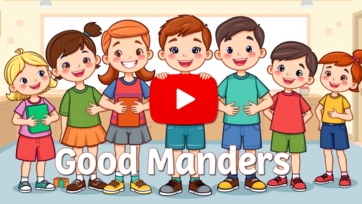
Cartoons play a very important role in a child’s early learning. Whether it’s sharing toys, speaking politely, or helping friends, cartoon stories make manners easy for children to understand. Kids naturally learn better when something is shown in a fun, colorful, and story-based format. That’s why cartoon stories about good manners have become one of the most effective tools for parents and teachers. In today’s busy world, reminding kids about manners again and again can be challenging. But when the same lessons come through a cute animated character, children not only enjoy watching but also remember the message. Let’s explore how cartoon stories help improve manners in kids and which habits are most important. ⭐ Why Cartoons Are Effective for Teaching Manners 1. Kids Understand Visual Messages Quickly Children learn better with pictures and actions. Cartoons show how to behave in real-life situations, which makes learning natural and effortless. 2. Stories Create Emotional Impact When kids see their favorite cartoon hero helping others or apologizing, they feel inspired to do the same. 3. Repetition Makes Learning Strong Cartoons repeat moral messages in simple ways. When children see good manners again and again, they become part of their daily behavior. 4. Learning Feels Like Fun, Not School Most kids resist long lectures but happily watch a 5-minute animated story. This converts manners into enjoyable lessons. ⭐ Important Manners Kids Learn Through Cartoons 1. Saying “Please” and “Thank You” Politeness is one of the first manners parents want kids to learn. In cartoon stories, characters often use polite language, showing kids when and how to say “please,” “thank you,” and “sorry.” 2. Sharing with Friends One of the biggest challenges for toddlers is sharing toys or snacks. Cartoon stories show how sharing brings happiness and how refusing to share can hurt others. 3. Helping Parents and Friends Kids learn responsibility when they see animated characters helping in small tasks like cleaning up, organizing toys, or helping a friend in trouble. 4. Respecting Elders Respectful behavior—listening, not interrupting, and speaking kindly—is often highlighted in kids’ cartoons. 5. Patience and Waiting for Their Turn Children naturally want everything instantly. Cartoons teach them that waiting for their turn is an important manner. 6. Keeping the Environment Clean Many cartoons show characters picking up trash, keeping rooms tidy, and caring for nature. ⭐ Benefits of Using Cartoon Stories for Manners 1. Kids Remember Moral Lessons Longer Because stories have characters, actions, and emotions, children remember the moral values more deeply. 2. Builds Social and Emotional Skills Kids learn empathy, kindness, cooperation, and problem-solving from cartoon-based storytelling. 3. Helps Parents Guide Kids Easily Instead of scolding, parents can say, “Remember what the cartoon character did?” This makes discipline gentle and effective. 4. Safe and Positive Entertainment Good-manner cartoons are clean, age-appropriate, and free from harmful content. ⭐ Examples of Manners Highlighted in Popular Cartoon Stories Helping Friends Stories where a character helps someone fix a broken toy, opens the door for others, or supports a sad friend help kids understand kindness. Apologizing When Wrong Cartoons teach that saying “sorry” is important and shows courage. Kids learn it’s okay to make mistakes but important to apologize. Listening Carefully Animated characters often remind kids to listen to instructions and follow rules in school, home, and playground. Tidy Up Time A common theme shows characters cleaning up after playing, encouraging kids to do the same. ⭐ How Parents Can Use Cartoons to Teach Manners: 1. Watch Together When parents watch with their kids, they can point out important lessons and discuss them. 2. Repeat the Lessons During the Day For example, say:“Just like the cartoon taught, we should share our toys.” 3. Choose High-Quality Content Pick cartoons that focus on learning and character-building instead of violence or meaningless humor. 4. Encourage Kids to Practice the Learned Manners Praise them when they apply a good habit they saw in the cartoon. ⭐ Why Manners Matter in Early Childhood: Good manners help children: Make more friends Build confidence Become responsible Communicate politely Grow into emotionally strong individuals Cartoon stories make this journey easier by showing good habits in an entertaining, child-friendly way. ⭐ Conclusion: Teaching manners doesn’t have to feel difficult or boring. Cartoon stories provide a joyful and effective way to help kids learn how to behave politely, share with others, and build strong character. When children watch animated stories that highlight kindness, respect, and responsibility, they naturally start adopting these habits in daily life. Cartoons aren’t just entertainment—they are powerful learning tools that shape behavior, personality, and values. With the right selection of videos, parents can guide their children toward becoming polite, caring, and well-mannered individuals.
Fun Way to Teach Nutrition to Kids
Teaching children about healthy eating can sometimes be a challenge, especially when they prefer sweets, snacks, and fast food. Healthy eating cartoons for kids offer an engaging and fun way to introduce nutritious foods, balanced meals, and good eating habits. By combining colorful animations, catchy songs, and relatable characters, these cartoons make learning about nutrition enjoyable and memorable for preschoolers and young children. ⭐ Why Healthy Eating Cartoons Are Important: Children develop their eating habits early in life. Animated stories and cartoons can effectively: 1. Introduce Nutritional Concepts: Cartoons can explain the importance of fruits, vegetables, grains, dairy, and proteins in a way children can understand. 2. Encourage Positive Eating Habits: Characters who enjoy healthy foods inspire children to try new fruits, vegetables, and balanced meals. 3. Build Awareness About Junk Food: Through stories, kids can see the negative effects of excessive sugar, fast food, and unhealthy snacks without feeling scared or forced. 4. Make Learning Fun: Bright visuals, fun music, and playful storylines capture attention and help children retain information better. ⭐ Popular Themes in Healthy Eating Cartoons: 1. Fruit and Vegetable Adventures: Characters explore gardens or farms, picking colorful fruits and vegetables, teaching children to recognize and enjoy healthy foods. 2. Balanced Plate Stories: Cartoons show animated meals with all food groups, helping kids understand how to create a balanced diet. 3. Fun Cooking Shows: Animated chefs or children cook simple healthy recipes, encouraging kids to participate and learn basic kitchen skills. 4. Superhero Nutrition: Superheroes gain energy and strength from healthy foods, motivating children to choose nutritious options over junk food. 5. Interactive Songs and Rhymes: Songs about eating fruits, drinking milk, or trying vegetables reinforce learning through repetition and fun. ⭐ Educational Benefits of Healthy Eating Cartoons: 1. Teaches Nutrition Naturally: Children learn which foods are healthy, why they are important, and how to eat them in a balanced way. 2. Encourages Healthy Habits: By seeing favorite characters eat well, children are more likely to try new foods and develop lifelong healthy habits. 3. Improves Cognitive Skills: Interactive cartoons that ask children to count fruits, identify colors, or sort foods also strengthen early math and cognitive skills. 4. Supports Emotional Learning: Characters who feel happy, energetic, or strong after eating healthy foods teach children to connect nutrition with positive feelings. 5. Promotes Family Involvement: Parents can watch cartoons with children and encourage healthy meals together, making learning a shared and enjoyable experience. ⭐ Tips for Parents to Make the Most of Healthy Eating Cartoons: ✔ 1. Watch Together: Discuss the foods characters eat and encourage children to try similar options in real life. ✔ 2. Connect to Real Meals: Reinforce cartoon lessons by preparing fruits, vegetables, and balanced meals with children. ✔ 3. Encourage Fun Challenges: Turn healthy eating into a game, like tasting a new fruit each day, inspired by cartoon stories. ✔ 4. Keep Screen Time Moderate: Even educational content should be limited. 20–30 minutes per day is ideal for preschool children. ✔ 5. Ask Questions: After watching, ask questions like: “Which fruits did the character eat?” or “Why is it good to eat vegetables?” to reinforce learning. ⭐ Conclusion: Healthy eating cartoons for kids are a powerful tool to teach nutrition, balanced diets, and positive food habits in a fun and engaging way. Through colorful animations, interactive songs, and relatable characters, children learn the value of fruits, vegetables, proteins, and other essential foods. By integrating these cartoons into daily routines, parents can encourage children to make healthier choices, understand the importance of nutrition, and develop lifelong habits. With bright visuals, entertaining storylines, and valuable lessons, healthy eating cartoons make learning about food fun, memorable, and enjoyable for every child.
Best English Learning Cartoons in 2025
Music and animation are powerful tools for early learning. In 2025, cartoon songs for kids learning English words have become one of the most effective ways to teach toddlers and preschoolers vocabulary, pronunciation, and basic language skills. Combining catchy tunes, colorful visuals, and interactive lyrics, these songs make learning English fun, engaging, and memorable. This guide explores the benefits of cartoon songs, highlights top series for 2025, and provides tips for parents to maximize learning. Why Cartoon Songs Are Effective for Learning English: Children naturally respond to music and repetition, making cartoon songs an ideal learning tool. Here’s why: Reinforcement through melody: Tunes help children remember new words and phrases. Visual cues: Animated characters show objects, actions, or letters while singing. Interactive learning: Repeating words, singing along, and performing actions improve retention. Early language development: Listening and singing enhances pronunciation, comprehension, and vocabulary. Fun and engagement: Kids perceive learning as play, reducing resistance and boredom. By combining music, visuals, and storytelling, children learn English words effortlessly while having fun. Key Learning Areas in Cartoon Songs: Alphabet and Letters Songs teach A–Z letters with animated visuals. Associating letters with objects (A for Apple, B for Ball) enhances memory. Numbers and Counting Counting songs teach numbers, order, and simple math concepts. Colors, Shapes, and Objects Animated objects and songs introduce colors, shapes, and common items. Basic Vocabulary Everyday words for animals, foods, clothes, and actions. Reinforcement through repetition and visual cues. Simple Phrases and Greetings Introduces polite expressions, short sentences, and conversational phrases. Top Cartoon Songs for Kids Learning English Words in 2025: 1. Super Simple Learning Songs: This series is a favorite among toddlers and preschoolers for learning English words through music. Highlights: Alphabet, numbers, and colors Fun characters and colorful animations Slow, clear pronunciation ideal for early learners 2. ABC Kids Songs: Animated songs with letters and words make learning English engaging. Learning benefits: Improves vocabulary and pronunciation Interactive songs encourage singing along Teaches alphabet sequence and letter sounds 3. Booba’s Learning Songs: Booba introduces words and objects in playful animated scenarios. Why it’s popular: Non-verbal storytelling combined with music Encourages observation and repetition Perfect for toddlers of all languages 4. Little Learners English Songs: Mini-stories combined with catchy songs teach numbers, animals, foods, and basic phrases. Key learning points: Vocabulary expansion through visuals and lyrics Reinforces daily words for home, school, and play Short episodes perfect for attention spans of 2–6 years 5. Fun Animal Alphabet Songs: Songs featuring animals and letters make English vocabulary memorable. Benefits: Associates letters with animals (A for Alligator, B for Bear) Introduces sounds and spelling Engaging for toddlers who love animals How Parents Can Maximize Learning: To make cartoon songs more effective, parents can: Watch and sing along: Encourage children to imitate words and gestures. Repeat favorite songs: Repetition reinforces memory and pronunciation. Use props and toys: Show objects while singing corresponding words. Pause and ask questions: “Can you find the apple?” or “Which animal is this?” Mix learning songs with routine activities: Counting during snack time, naming colors while dressing, etc. Limit screen time: Short sessions of 5–10 minutes per song maximize attention. Recommended Cartoon Songs for Kids Learning English Words in 2025: Super Simple Learning Songs – Alphabet, numbers, colors ABC Kids Songs – Letters, words, and pronunciation Booba’s Learning Songs – Observation-based vocabulary learning Little Learners English Songs – Everyday words, phrases, and objects Fun Animal Alphabet Songs – Letters and animals for interactive learning These animated songs are safe, colorful, and educational, helping children develop early English vocabulary, listening skills, and pronunciation while enjoying fun music and characters. Final Thoughts: Cartoon songs for learning English words are more than entertainment—they are educational powerhouses. In 2025, these series combine music, visuals, and repetition to make learning natural and enjoyable for toddlers and preschoolers. Parents can enhance learning by: Singing along and practicing words together Reinforcing vocabulary in daily routines Repeating songs to strengthen memory and comprehension With the right cartoon songs, children learn English effortlessly while having fun, setting a strong foundation for future language skills. Tip for Parents: Encourage children to draw or point out objects from the songs as they sing along, which reinforces memory and makes learning interactive.
Best Cartoon Stories About Sharing and Caring
Teaching children the values of sharing, caring, and empathy is essential for their social and emotional development. In 2025, cartoon stories about sharing and caring have become a favorite tool for parents to instill these qualities in toddlers and preschoolers. Through colorful animations, relatable characters, and engaging storytelling, children learn to interact positively with peers, family, and the world around them. This guide explores the benefits of sharing and caring cartoons, highlights top series in 2025, and provides tips for parents to reinforce these important lessons. Why Sharing and Caring Cartoons Matter: Children naturally learn by observing behaviors. Cartoons help them internalize positive social skills in a safe and entertaining environment: Encourage empathy: Characters demonstrate understanding and concern for others. Promote teamwork: Children see characters sharing resources and working together. Teach patience and fairness: Stories show taking turns and considering others’ feelings. Improve communication skills: Characters express thoughts and feelings in healthy ways. Create positive role models: Animated heroes model kindness, generosity, and cooperation. By combining fun and education, these cartoons make lessons about sharing and caring memorable and actionable. Key Learning Lessons in Sharing and Caring Cartoons: Sharing Toys and Resources Demonstrates taking turns and letting friends use toys. Encourages children to cooperate without conflict. Helping Others Characters assist friends, family, and community members. Teaches responsibility and compassion. Expressing Feelings Encourages children to talk about emotions instead of acting out. Models healthy conflict resolution. Kindness in Everyday Life Saying thank you, complimenting, and offering help. Reinforces polite and respectful behavior. Teamwork and Cooperation Shows children achieving goals together, highlighting collaboration. Top Cartoon Stories About Sharing and Caring in 2025: 1. The Kindness Club: One of the most popular series in 2025, this cartoon teaches empathy, sharing, and moral values through soft storytelling. Highlights: Focus on friendship, honesty, and caring Age-appropriate for toddlers and preschoolers Engaging stories with colorful animation 2. Booba’s Caring Adventures: Booba explores everyday situations that demonstrate helping, sharing, and empathy. Why it’s trending: Non-verbal storytelling suitable for all languages Encourages observation and understanding Short episodes ideal for toddlers’ attention spans 3. Little Hero Friends: Animated mini-stories where characters work together, share resources, and help one another. Key lessons: Cooperation and teamwork Expressing feelings and resolving conflicts Celebrating kindness and generosity 4. Forest Friends Share & Care: Animal characters in the forest teach children about sharing food, toys, and space while learning about friendship. Learning highlights: Introduces empathy and compassion Fun and engaging nature-based stories Encourages children to apply lessons in real life 5. Super Simple Sharing Songs: Animated songs teach sharing, caring, and polite behavior in an interactive way. Benefits: Reinforces lessons through music and repetition Easy for toddlers to remember and follow Combines learning with fun singing and dancing How Parents Can Reinforce Lessons: Parents can make sharing and caring lessons more effective by: Watching together: Pause and ask questions like, “How can we help our friend?” Role-playing: Practice sharing toys, taking turns, and helping others. Repetition: Re-watch favorite episodes to reinforce key values. Praise positive behavior: Encourage children when they share or show kindness. Discuss real-life situations: Relate cartoon lessons to playground, school, and home scenarios. Combine with offline activities: Art, games, and group activities can strengthen empathy and teamwork. Recommended Cartoon Stories About Sharing and Caring: The Kindness Club – Moral lessons and friendship Booba’s Caring Adventures – Observation-based empathy Little Hero Friends – Cooperation and teamwork Forest Friends Share & Care – Animal-themed kindness stories Super Simple Sharing Songs – Musical lessons in sharing and caring These cartoons are safe, colorful, and educational, helping children learn empathy, kindness, and cooperation in an entertaining way. Final Thoughts: Cartoon stories about sharing and caring are more than just entertainment—they are tools for social and emotional development. In 2025, these animated series help children understand empathy, teamwork, and moral values while enjoying vibrant storytelling. Parents can enhance learning by: Watching together and discussing lessons Practicing sharing and helping in real-life situations Reinforcing values through praise and role-play With the right cartoons, children develop important life skills while having fun, creating a foundation for empathy, kindness, and positive social interaction. Tip for Parents: Encourage children to draw or act out scenes from the cartoons that show sharing and caring, reinforcing both creativity and the moral lesson.