Teaching Manners to Kids with Playful Cartoon Episodes

Cartoon episodes featuring funny, curious, and playful characters can be more than just entertainment—they can help teach children important social skills and manners. By observing characters navigate everyday situations, children learn how to behave politely, cooperate with others, and understand social cues.

This guide explains how parents can use cartoon episodes to reinforce manners and positive behavior in children aged 3–8.


Why Cartoons Are Effective for Teaching Manners:

  1. Modeling Behavior: Children learn by observing characters’ actions and interactions.

  2. Engaging Stories: Entertaining episodes keep kids interested while conveying lessons naturally.

  3. Visual Cues: Expressions, gestures, and reactions help children understand social norms.

  4. Safe Learning Environment: Mistakes made by characters provide learning opportunities without real-world consequences.


Key Manners to Teach Using Cartoons:

1. Sharing and Taking Turns

  • Characters often share toys, food, or space.

  • Discuss with your child how the character shared and why it was kind.

  • Encourage children to practice sharing at home with siblings or friends.


2. Saying “Please” and “Thank You”

  • Highlight episodes where characters use polite words.

  • Ask children to repeat and practice these phrases in daily life.

  • Reinforces respectful communication and social etiquette.


3. Waiting Patiently

  • Many episodes show characters waiting their turn or being patient.

  • Discuss why patience is important and praise children when they demonstrate waiting calmly.


4. Expressing Emotions Politely

  • Characters often feel frustrated, excited, or sad.

  • Talk about how they express emotions appropriately and model similar behavior at home.


5. Helping Others

  • Scenes where characters assist friends, family, or animals teach kindness and empathy.

  • Encourage children to think of ways they can help at home or school.


Tips for Parents to Reinforce Lessons:

  1. Discuss Episodes: After watching, ask your child what the character did and why it was polite or helpful.

  2. Role-Play Scenes: Encourage children to act out manners from the episode.

  3. Praise Positive Behavior: Reinforce good manners with praise, stickers, or small rewards.

  4. Connect to Real Life: Show children how manners in cartoons relate to home, school, and social situations.

  5. Use Interactive Activities: Drawing, coloring, or craft projects featuring characters can reinforce the lesson in a creative way.


Benefits of Teaching Manners Through Cartoons:

  • Social Skills: Sharing, cooperation, and polite communication

  • Emotional Development: Recognizing and expressing feelings respectfully

  • Cognitive Skills: Understanding cause and effect, problem-solving, and empathy

  • Creativity & Imagination: Acting out or drawing scenes promotes imaginative play

  • Positive Reinforcement: Learning manners in a fun context increases engagement


Final Thoughts:

Using playful cartoon episodes to teach manners is an effective, engaging, and enjoyable strategy. By discussing stories, role-playing scenes, and connecting lessons to real life, parents can help children develop good social habits, empathy, and polite behavior while still enjoying their favorite animated adventures.

Advertisement
Booba Drawing Tutorials for Kids
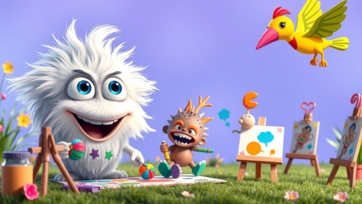
Booba, with his expressive face, playful antics, and simple shapes, is the perfect character for kids to learn drawing. Drawing tutorials inspired by Booba help children develop fine motor skills, creativity, and visual observation while keeping them entertained. In this guide, we will cover easy Booba drawing tutorials for kids and explain how to make the activity fun, educational, and engaging for children aged 3–8. Why Booba Drawing Is Perfect for Kids: Simple Shapes: Booba’s rounded forms and bold features are easy for children to replicate. Expressive Character: Big eyes, exaggerated mouth, and fluffy body encourage creativity. Step-by-Step Learning: Children can follow simple steps to create recognizable characters. Safe & Fun: Requires minimal materials and is suitable for home or classroom settings. Materials Needed: Drawing paper or sketchbook Pencils and erasers Colored pencils, crayons, or markers Optional: Ruler for shapes, templates for guidance Step-by-Step Booba Drawing Tutorial for Kids: 1. Start with Basic Shapes Draw a large oval for Booba’s head. Add a smaller oval or circle for the body. Mark positions for eyes, nose, and mouth lightly with a pencil. Educational Tip: Teaches kids shape recognition and spatial awareness. 2. Add Eyes and Facial Features Draw big circular eyes near the top of the head. Add pupils and highlights to make them expressive. Draw a small oval nose and a wide, smiling mouth. Educational Tip: Encourages fine motor control and observation skills. 3. Draw Booba’s Arms and Legs Use curved lines for arms and legs. Hands can be simple ovals or mitten shapes. Feet are rounded or slightly elongated to mimic Booba’s style. Learning Tip: Helps children understand proportions and symmetry. 4. Add Booba’s Fluffy Ears and Tail Draw large, rounded ears on the sides of the head. Optional: Add a small fluffy tail for additional detail. Educational Tip: Introduces attention to detail and pattern recognition. 5. Add Accessories or Objects Kids can draw Booba interacting with toys, balloons, or pillows. Encourage imagination: Booba can be climbing, jumping, or sliding. Learning Tip: Supports creative thinking and storytelling. 6. Outline and Erase Guidelines Trace final lines with a darker pencil or marker. Erase unnecessary guidelines to clean up the drawing. Educational Tip: Teaches focus, patience, and precision. 7. Coloring Your Booba Drawing Use bright colors to mimic Booba’s animated style. Encourage kids to experiment with new color combinations. Add details like shadows or background items to make it lively. Learning Tip: Enhances color recognition, creativity, and concentration. Tips to Make Booba Drawing More Fun: Follow Along Videos: Use step-by-step tutorials for guidance. Draw Together: Parents or teachers can draw alongside kids to increase engagement. Storytelling: Encourage children to create stories about what Booba is doing in their drawings. Display Artwork: Show off finished drawings on walls or classroom boards to boost confidence. Combine with Crafts: Turn drawings into puppets, masks, or collages. Educational Benefits of Booba Drawing Tutorials: Fine Motor Development: Tracing, coloring, and shaping improve hand strength. Creativity & Imagination: Kids interpret Booba’s expressions in unique ways. Cognitive Skills: Planning steps and drawing sequences enhances problem-solving. Visual Observation: Children learn to observe shapes, proportions, and expressions. Emotional Expression: Drawing expressive faces encourages understanding of emotions. Final Thoughts: Booba drawing tutorials are perfect for combining fun and learning. Kids develop creativity, motor skills, observation, and storytelling abilities while enjoying a hands-on, interactive activity. Drawing Booba can be a daily creative habit or a fun weekend project, making learning exciting and visually engaging.
Homeschooling with Cartoons: Does It Help?
Homeschooling has become increasingly popular, and parents often look for fun, engaging ways to supplement learning at home. One approach is using playful cartoon characters as part of educational activities. But does it actually help children learn? This guide explores the benefits, strategies, and best practices for integrating cartoons into a homeschooling routine for children aged 3–8. Why Cartoons Can Be Effective in Homeschooling: Engaging and Fun: Animated characters keep children interested and attentive, making learning enjoyable. Visual Learning: Cartoons simplify concepts through visual storytelling and demonstrations. Emotional Connection: Kids relate to characters, which can reinforce lessons and social skills. Encourages Creativity: Episodes inspire role-playing, drawing, and imaginative thinking. Learning Benefits of Cartoons in Homeschooling: 1. Cognitive Skills Watching characters solve problems teaches critical thinking and sequencing. Simple storylines can reinforce counting, letters, colors, and shapes. Encourages memory retention through visual and interactive storytelling. 2. Social and Emotional Development Characters model empathy, cooperation, and problem-solving. Children learn to recognize emotions and express themselves appropriately. Encourages positive social behavior and understanding consequences. 3. Creativity and Imagination Children can invent new stories, draw scenes, or act out episodes. Crafts, coloring, and role-play inspired by episodes improve fine motor skills and imaginative thinking. Encourages children to think outside the box and explore creative solutions. 4. Language and Communication Skills Even silent or minimally verbal cartoons help with storytelling, comprehension, and vocabulary development. Parents can ask questions about characters’ actions to reinforce speaking skills. Older children can write mini-stories or describe scenes, boosting literacy. How to Use Cartoons Effectively in Homeschooling: Select High-Quality Content: Choose educational and age-appropriate episodes. Interactive Viewing: Pause videos to ask questions or discuss what’s happening. Integrate Hands-On Activities: Drawing, crafts, or role-playing scenes enhance learning. Combine with Lessons: Connect episodes to subjects like math, science, or social studies. Set Screen Time Limits: 20–30 minutes per session is ideal for young learners. Tips for Parents: Create a Routine: Include cartoon-based learning as part of a balanced schedule. Engage Siblings: Group activities can encourage cooperation and teamwork. Reward Creativity: Praise children for drawing, storytelling, or acting out scenes. Observe and Adjust: Monitor engagement, attention span, and understanding to adapt strategies. Final Thoughts: Using playful cartoon characters in homeschooling can enhance learning, engagement, and creativity. When combined with interactive discussions, crafts, and storytelling, cartoons become a powerful educational tool. By thoughtfully integrating episodes into a homeschooling routine, parents can make learning both fun and effective.
Best Booba Episodes for Kids (4–7 Years)
Booba has become one of the most beloved cartoon characters among children worldwide. While toddlers enjoy simple visuals, kids aged 4–7 years are ready for slightly more complex storylines, adventure, and humor. Booba episodes perfectly match this age group because they are funny, colorful, and interactive, with action-packed sequences that keep children engaged while subtly teaching life lessons. In this guide, we explore the best Booba episodes for kids aged 4–7 years, explaining why each episode is entertaining and developmentally beneficial. Why Booba Appeals to 4–7-Year-Olds: Children in this age group are developing: Logical thinking skills Imaginative play Social understanding Emotional awareness Booba delivers all these in a fun, non-verbal, visually rich format. Episodes feature: Problem-solving scenarios Interactive adventure sequences Bright, high-contrast colors Humor that matches their growing comprehension This combination makes Booba ideal for early school-age children. Top Booba Episodes for Kids (4–7 Years): 1. Booba’s Big Balloon Adventure Booba’s attempts to catch a floating balloon involve climbing, bouncing, and creative problem-solving. Why 4–7 kids love it: Teaches persistence Visual humor with exaggerated reactions Encourages logical thinking Lesson: Sometimes you need multiple attempts to succeed. 2. Booba and the Magical Kitchen Booba explores a kitchen filled with gadgets, ingredients, and utensils. His curiosity leads to chaos and inventive solutions. Why it’s perfect for 4–7-year-olds: Observation and experimentation Encourages creativity Simple cause-and-effect learning Lesson: Exploring new things is fun and educational. 3. Booba and the Flying Carpet A magical carpet adventure introduces fantasy elements. Booba experiments with flying, balancing, and problem-solving mid-air. Why it works for 4–7-year-olds: Encourages imagination Adventure and action are engaging Visual storytelling without language barriers Lesson: Creativity and curiosity can lead to fun discoveries. 4. Booba and the Giant Cake Booba encounters a huge cake and explores it with excitement. The chaos teaches planning, spatial awareness, and cause-and-effect. Why kids enjoy it: Humor and exaggerated expressions Visual learning through interactive objects Teaches playful risk-taking in safe ways Lesson: Exploration is rewarding, even if messy. 5. Booba and the Music Box Booba discovers a music box and experiments with rhythms, beats, and dancing. Why it’s perfect: Encourages musical awareness Improves timing and coordination Fun dancing sequences Lesson: Experimentation and creativity are exciting. 6. Booba and the Vacuum Cleaner Booba treats a vacuum cleaner like a playful creature. He learns, reacts, and solves problems creatively. Why kids love it: Problem-solving through observation Humor in safe, everyday scenarios Interactive and relatable Lesson: Everyday objects can inspire creativity and learning. 7. Booba and Bubble Trouble Booba plays with bubbles, exploring movement and reactions. Why it’s ideal for 4–7-year-olds: Cause-and-effect visual learning Fun, interactive animation Encourages curiosity and observation Lesson: Playful experimentation is part of learning. 8. Booba and the Toy Store Booba explores a store full of toys, climbing, sliding, and creatively interacting with objects. Why kids enjoy it: Interactive exploration Visual humor and problem-solving Encourages imaginative play Lesson: Exploration and creativity go hand in hand. 9. Booba’s Christmas Surprise Festive chaos as Booba interacts with decorations, presents, and a giant Christmas tree. Why it’s perfect for 4–7 kids: Seasonal fun and excitement Teaches cause and effect through safe chaos Encourages imaginative play Lesson: Joy and celebration can be shared safely with others. 10. Booba and the Balloon Animal Booba discovers balloons shaped like animals and interacts with them creatively. Why it works: Combines fantasy and real-world objects Encourages imaginative play Visual humor with colorful objects Lesson: Everyday items can spark imagination and creativity. Educational Benefits of These Episodes: Even though these episodes are primarily entertainment, kids learn: Problem-solving and logical thinking Creative exploration and imagination Cause-and-effect understanding Emotional recognition and humor Safe risk-taking and curiosity Booba combines fun and education in a natural, engaging way for kids aged 4–7. Why Parents Approve: Parents notice that Booba: Keeps children entertained safely Uses bright visuals and short stories ideal for attention spans Promotes social and cognitive skills indirectly Encourages independent observation and creativity Booba is a safe choice for screen time with educational value. Final Thoughts: For kids aged 4–7, Booba episodes provide the perfect blend of humor, adventure, imagination, and learning. Episodes like Big Balloon Adventure, Flying Carpet, and Giant Cake not only make children laugh but also subtly teach problem-solving, creativity, and curiosity. Parents can confidently let children watch Booba while knowing they are getting entertaining content with hidden educational value.
Learning Videos for Toddlers
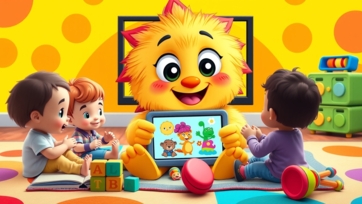
Toddlers are naturally curious, and their early years are critical for building foundational skills like language, numeracy, and color recognition. In today’s digital world, fun learning videos have become one of the most effective ways to engage young children in educational activities. Unlike traditional screen time, carefully selected learning videos help toddlers absorb concepts effortlessly while having fun. This guide explores the benefits of fun learning videos, what types of content are most effective, and top video recommendations for teaching ABC, numbers, colors, and more. Parents will also find practical tips for choosing videos that are both entertaining and educational. Why Fun Learning Videos Matter for Toddlers: Toddlers learn best when learning is interactive, colorful, and playful. Videos specifically designed for this age group combine visuals, music, repetition, and storytelling to help children retain information naturally. Key benefits include: Language development: Videos introduce new words, sounds, and phonics. Early math skills: Counting, recognizing numbers, and basic problem-solving. Color and shape recognition: Children learn to identify colors, shapes, and patterns. Cognitive growth: Interactive videos promote memory, observation, and reasoning. Emotional engagement: Cheerful characters and music keep toddlers focused. Safe learning environment: Carefully curated content avoids harmful messaging. The key is that toddlers perceive these videos as fun entertainment, making learning effortless. Top Fun Learning Video Categories for Toddlers: Here are the main types of videos that parents should consider for toddlers: 1. ABC and Phonics Videos: Learning the alphabet is the first step toward language development. Videos focusing on ABCs combine songs, animation, and repetition to reinforce letter recognition and pronunciation. What toddlers learn: Recognize letters A–Z Correct pronunciation Phonics and letter sounds Vocabulary building with animated characters Example series: Super Simple ABCs – uses songs and playful characters Alphabet Town Adventures – interactive stories teaching letters through fun scenarios 2. Numbers and Counting Videos: Counting and early math concepts can be introduced in an engaging, visual way through videos. Animated characters guide toddlers to recognize numbers and practice counting. Learning benefits: Counting from 1 to 20 (or beyond) Recognizing numeric symbols Basic addition and subtraction concepts Understanding shapes and patterns Popular videos: Momo’s Math World – combines games and songs to make numbers fun Counting with Funimals – uses animals and visual aids to reinforce learning 3. Colors and Shapes Videos: Recognizing colors and shapes is a key early development skill. Bright, visually appealing videos can help toddlers identify and remember colors quickly. Skills covered: Color identification: red, blue, green, yellow, etc. Shape recognition: circle, square, triangle, rectangle Color mixing and pattern recognition Associating objects with colors and shapes Recommended series: Learn Colors with Lolipop – interactive and music-driven lessons Colorful World Adventures – combines storytelling with color learning 4. Multi-Skill Learning Videos: Some videos combine ABCs, numbers, colors, and simple problem-solving into all-in-one educational content. These are excellent for toddlers who enjoy variety and multi-sensory learning. Benefits: Simultaneous development of language, math, and observation skills Promotes curiosity and exploration Keeps toddlers engaged for longer periods Popular choices: Booba Educational Adventures – fun exploration with basic concepts Super Simple Learning World – songs and rhymes for multiple skills How to Choose the Right Learning Videos: Choosing the right videos is crucial to maximize learning while ensuring screen time is healthy and safe. Key factors to consider: Age-appropriate content – Avoid videos with complex language or abstract concepts. Slow-paced visuals – Toddlers learn better when content is not overwhelming. Repetition – Repeating letters, numbers, and colors helps retention. Interactive elements – Videos with prompts, songs, and gestures encourage participation. Positive messaging – Look for videos that promote kindness, sharing, and curiosity. Safe platforms – Choose trusted sources like YouTube Kids, educational apps, or websites like boobacartoon.com. Tips to Make Video Learning Effective: Set a routine: Short, daily learning sessions (10–15 minutes) are more effective than long sessions. Watch together: Parents watching with toddlers can reinforce concepts and answer questions. Repeat favorite videos: Repetition strengthens memory and understanding. Combine with offline activities: Encourage toddlers to trace letters, count objects, or color shapes after watching. Encourage interaction: Pause videos and ask your child questions to keep them engaged. Recommended Fun Learning Videos for Toddlers in 2025: Here’s a curated list of some of the best learning videos for ABC, numbers, and colors: Super Simple ABCs – Alphabet songs with colorful animation and friendly characters. Alphabet Town Adventures – Teaches letters through interactive stories and fun scenarios. Momo’s Math World – Fun counting, addition, and shape games. Counting with Funimals – Toddlers learn numbers using animals and vibrant visuals. Learn Colors with Lolipop – Engaging color recognition with music and interactive prompts. Colorful World Adventures – Teaches colors through objects, shapes, and playful stories. Booba Educational Adventures – Multi-skill learning: letters, numbers, and basic science concepts. Super Simple Learning World – Combines ABCs, numbers, colors, and good habits. Final Thoughts: Fun learning videos are more than just entertainment—they are powerful educational tools that help toddlers develop language, numeracy, color recognition, and cognitive skills naturally. By choosing the right content, parents can ensure their child learns while playing, laying a strong foundation for future growth. In 2025, with a wide variety of options available, parents should focus on age-appropriate, engaging, and safe content. Mix ABC, numbers, colors, and multi-skill videos to give your toddler a well-rounded learning experience. Tip for Parents: Combine screen-based learning with hands-on activities like drawing letters, counting toys, or coloring shapes to reinforce concepts and make learning memorable. With the right videos and guidance, your toddler’s screen time can become a fun and productive learning adventure.
What to Do If Your Child Watches Too Much YouTube
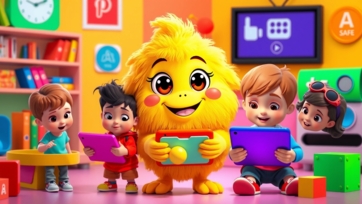
YouTube is a popular platform for children, offering educational videos, cartoons, and entertainment. However, excessive screen time can affect a child’s sleep, behavior, learning, and social skills. Parents need to find a balance between allowing educational content and preventing overuse, ensuring that YouTube remains a safe and beneficial resource. Excessive YouTube viewing can lead to passive consumption, reduced physical activity, and attention difficulties. Understanding why children watch too much and implementing strategies to manage screen time is essential for healthy development. Signs Your Child is Watching Too Much YouTube: Parents should be aware of these signs: Spending hours on the platform without breaks Ignoring meals, homework, or outdoor play Irritability or mood changes when screen time is limited Difficulty focusing on other tasks Preferring YouTube over social interaction or creative play Recognizing these signs early allows parents to intervene before negative effects increase. Set Clear Screen Time Limits: One of the most effective strategies is to establish daily screen time rules: Use device settings or parental control apps to enforce limits Schedule screen time after homework or physical activity Encourage a balance of educational and recreational content Start with reasonable limits (e.g., 30–60 minutes for preschoolers) Clear rules help children develop self-discipline and healthy viewing habits. Curate Safe and Educational Content: Instead of blocking YouTube completely, parents can guide children to age-appropriate content: Use YouTube Kids for controlled, child-friendly content Create playlists of educational videos and cartoons Discuss video topics and encourage learning beyond the screen Remove channels that contain violence, inappropriate language, or ads Curated content ensures children gain value from screen time while avoiding harmful material. Encourage Alternative Activities: To reduce overreliance on YouTube, parents should promote alternative activities: Reading books or listening to audiobooks Outdoor play and physical exercise Arts, crafts, and building projects Music, dance, and interactive learning games Balancing screen time with active, creative, and social activities supports overall development. Co-Viewing and Engagement: Parents can enhance learning and monitoring by watching with their children: Discuss what they are watching Ask questions about the content to encourage critical thinking Relate lessons from videos to real-life experiences Praise positive behavior and creativity inspired by videos Co-viewing ensures that children engage thoughtfully rather than passively consuming content. Set Up Device and App Controls: Many devices and apps allow parents to control usage and monitor activity: Enable screen time limits and device lock features Use parental controls to restrict content and track viewing Block or restrict channels with inappropriate content Adjust settings to prevent autoplay and endless video feeds These tools provide structured, safe, and manageable YouTube usage. Talk About Healthy Habits: Communication is key in helping children develop self-regulation: Explain why limits exist and the benefits of balance Encourage children to suggest alternative fun activities Set a routine for screen-free times (e.g., before bed, mealtimes) Model healthy media habits as a parent This teaches children to self-monitor and make responsible choices regarding screen time. Benefits of Controlled YouTube Usage: When YouTube usage is managed effectively: Children gain educational and creative benefits Screen time does not interfere with social or physical development Children develop critical thinking and media literacy Parents maintain peace of mind regarding online safety Controlled usage allows children to enjoy the benefits of digital content while minimizing potential risks. Conclusion: If your child watches too much YouTube, it’s essential to establish limits, curate content, and encourage alternative activities. By combining technology, engagement, and communication, parents can ensure that YouTube becomes a safe, educational, and enjoyable resource rather than a source of overexposure. Healthy screen habits foster learning, creativity, and balanced growth, preparing children for responsible digital consumption in the future.
Best English Learning Cartoons in 2025
Music and animation are powerful tools for early learning. In 2025, cartoon songs for kids learning English words have become one of the most effective ways to teach toddlers and preschoolers vocabulary, pronunciation, and basic language skills. Combining catchy tunes, colorful visuals, and interactive lyrics, these songs make learning English fun, engaging, and memorable. This guide explores the benefits of cartoon songs, highlights top series for 2025, and provides tips for parents to maximize learning. Why Cartoon Songs Are Effective for Learning English: Children naturally respond to music and repetition, making cartoon songs an ideal learning tool. Here’s why: Reinforcement through melody: Tunes help children remember new words and phrases. Visual cues: Animated characters show objects, actions, or letters while singing. Interactive learning: Repeating words, singing along, and performing actions improve retention. Early language development: Listening and singing enhances pronunciation, comprehension, and vocabulary. Fun and engagement: Kids perceive learning as play, reducing resistance and boredom. By combining music, visuals, and storytelling, children learn English words effortlessly while having fun. Key Learning Areas in Cartoon Songs: Alphabet and Letters Songs teach A–Z letters with animated visuals. Associating letters with objects (A for Apple, B for Ball) enhances memory. Numbers and Counting Counting songs teach numbers, order, and simple math concepts. Colors, Shapes, and Objects Animated objects and songs introduce colors, shapes, and common items. Basic Vocabulary Everyday words for animals, foods, clothes, and actions. Reinforcement through repetition and visual cues. Simple Phrases and Greetings Introduces polite expressions, short sentences, and conversational phrases. Top Cartoon Songs for Kids Learning English Words in 2025: 1. Super Simple Learning Songs: This series is a favorite among toddlers and preschoolers for learning English words through music. Highlights: Alphabet, numbers, and colors Fun characters and colorful animations Slow, clear pronunciation ideal for early learners 2. ABC Kids Songs: Animated songs with letters and words make learning English engaging. Learning benefits: Improves vocabulary and pronunciation Interactive songs encourage singing along Teaches alphabet sequence and letter sounds 3. Booba’s Learning Songs: Booba introduces words and objects in playful animated scenarios. Why it’s popular: Non-verbal storytelling combined with music Encourages observation and repetition Perfect for toddlers of all languages 4. Little Learners English Songs: Mini-stories combined with catchy songs teach numbers, animals, foods, and basic phrases. Key learning points: Vocabulary expansion through visuals and lyrics Reinforces daily words for home, school, and play Short episodes perfect for attention spans of 2–6 years 5. Fun Animal Alphabet Songs: Songs featuring animals and letters make English vocabulary memorable. Benefits: Associates letters with animals (A for Alligator, B for Bear) Introduces sounds and spelling Engaging for toddlers who love animals How Parents Can Maximize Learning: To make cartoon songs more effective, parents can: Watch and sing along: Encourage children to imitate words and gestures. Repeat favorite songs: Repetition reinforces memory and pronunciation. Use props and toys: Show objects while singing corresponding words. Pause and ask questions: “Can you find the apple?” or “Which animal is this?” Mix learning songs with routine activities: Counting during snack time, naming colors while dressing, etc. Limit screen time: Short sessions of 5–10 minutes per song maximize attention. Recommended Cartoon Songs for Kids Learning English Words in 2025: Super Simple Learning Songs – Alphabet, numbers, colors ABC Kids Songs – Letters, words, and pronunciation Booba’s Learning Songs – Observation-based vocabulary learning Little Learners English Songs – Everyday words, phrases, and objects Fun Animal Alphabet Songs – Letters and animals for interactive learning These animated songs are safe, colorful, and educational, helping children develop early English vocabulary, listening skills, and pronunciation while enjoying fun music and characters. Final Thoughts: Cartoon songs for learning English words are more than entertainment—they are educational powerhouses. In 2025, these series combine music, visuals, and repetition to make learning natural and enjoyable for toddlers and preschoolers. Parents can enhance learning by: Singing along and practicing words together Reinforcing vocabulary in daily routines Repeating songs to strengthen memory and comprehension With the right cartoon songs, children learn English effortlessly while having fun, setting a strong foundation for future language skills. Tip for Parents: Encourage children to draw or point out objects from the songs as they sing along, which reinforces memory and makes learning interactive.
Why Kids Love Booba: Psychological Reasons Explained
Booba is one of the most popular cartoon characters among young children across the world. From toddlers to preschoolers, kids are instantly drawn to his funny expressions, playful actions, and curious nature. But what exactly makes Booba so appealing to children? The answer lies not just in animation or humor, but in child psychology. In this article, we explore the psychological reasons why kids love Booba, how his behavior matches early childhood development, and why parents see such strong engagement when children watch Booba episodes. 1. No Language Barrier: Perfect for Young Minds: One of the strongest psychological reasons behind Booba’s popularity is that he does not speak. Children aged 2–6 years process the world mainly through: Visual cues Facial expressions Body movement Booba communicates entirely through sounds, gestures, and exaggerated reactions. This matches how young children naturally understand emotions before language fully develops. Psychological Impact Reduces cognitive load Improves emotional recognition Makes content universal and easy to understand Kids don’t need explanations — they feel the story. 2. Exaggerated Facial Expressions Attract Attention: Children are naturally attracted to big eyes, wide mouths, and dramatic expressions. Booba’s character design is built exactly around this principle. Why This Works Large eyes help babies and toddlers focus Clear emotions help kids identify feelings Over-reaction feels funny and safe From a psychological point of view, exaggerated expressions help children: Learn emotions faster Stay engaged longer Feel emotionally connected This is why kids often laugh even before understanding what is happening. 3. Curiosity Matches a Child’s Natural Behavior: Booba behaves exactly like a child exploring the world for the first time. He touches everything, opens drawers, presses buttons, and experiments without fear. This mirrors early childhood curiosity, where children learn through trial and error. Psychological Connection Children see themselves in Booba: “He is like me” “I do that too” “I want to explore like him” This creates instant emotional bonding, which is why kids keep returning to Booba episodes. 4. Safe Chaos Without Fear: Booba creates mess, chaos, and funny accidents — but nothing bad ever happens. From a child psychology perspective, this is extremely important. Kids enjoy: Falling Slipping Funny mistakes But only when: There is no pain No danger No scary consequences Booba provides controlled chaos, allowing children to laugh freely without stress or fear. 5. Short Attention-Span Friendly Episodes: Young children have a very limited attention span. Booba episodes are usually short, fast-paced, and visually rich. Psychological Benefits Prevents boredom Reduces overstimulation Keeps dopamine levels balanced Quick actions, constant movement, and visual surprises keep the child’s brain engaged without exhaustion. 6. Repetition Creates Comfort: Children love watching the same episode again and again. Booba’s predictable structure helps with this. Psychologically, repetition: Builds emotional safety Increases memory development Reduces anxiety Kids feel comfortable knowing: What kind of fun to expect That nothing scary will happen This is why children often demand the same Booba episode repeatedly. 7. Bright Colors Stimulate the Brain: Booba episodes use bright, high-contrast colors, which are scientifically proven to attract young viewers. Color Psychology for Kids Red & yellow increase excitement Blue creates trust Green adds balance High contrast improves focus These colors stimulate the visual cortex and keep kids emotionally engaged. 8. Booba Encourages Independent Thinking: Booba does not tell children what to think or feel. There is no narration explaining lessons. This allows children to: Observe Interpret Think independently Psychologists call this active viewing, which improves: Cognitive development Decision-making Observation skills Kids feel smarter because they “figure things out” themselves. 9. Positive Emotions Only: Booba’s world is filled with: Joy Surprise Curiosity Laughter There is no anger, fear, or sadness lasting long. For children, this emotional environment feels safe and comforting. This is why parents notice: Calm behavior Happy mood Reduced screen-time tantrums after watching Booba. 10. Booba Builds Emotional Confidence: When kids see Booba: Failing Falling Trying again They learn that: It’s okay to make mistakes Trying again is normal Learning can be fun This builds emotional resilience, an important psychological skill for early childhood. Why Parents Notice Strong Attachment: Parents often report that children: Laugh louder at Booba Watch attentively Ask for Booba again This happens because Booba meets core psychological needs: Safety Curiosity Joy Exploration Very few cartoons achieve this balance. Final Thoughts: Kids love Booba not just because he is funny, but because he is psychologically designed for early childhood development. His silent communication, bright colors, exaggerated emotions, and curiosity-driven adventures perfectly match how young brains learn and feel. Booba is a powerful example of how entertainment, psychology, and education can come together — making him one of the most loved kids’ cartoon characters worldwide.
Best Cartoon Stories About Sharing and Caring
Teaching children the values of sharing, caring, and empathy is essential for their social and emotional development. In 2025, cartoon stories about sharing and caring have become a favorite tool for parents to instill these qualities in toddlers and preschoolers. Through colorful animations, relatable characters, and engaging storytelling, children learn to interact positively with peers, family, and the world around them. This guide explores the benefits of sharing and caring cartoons, highlights top series in 2025, and provides tips for parents to reinforce these important lessons. Why Sharing and Caring Cartoons Matter: Children naturally learn by observing behaviors. Cartoons help them internalize positive social skills in a safe and entertaining environment: Encourage empathy: Characters demonstrate understanding and concern for others. Promote teamwork: Children see characters sharing resources and working together. Teach patience and fairness: Stories show taking turns and considering others’ feelings. Improve communication skills: Characters express thoughts and feelings in healthy ways. Create positive role models: Animated heroes model kindness, generosity, and cooperation. By combining fun and education, these cartoons make lessons about sharing and caring memorable and actionable. Key Learning Lessons in Sharing and Caring Cartoons: Sharing Toys and Resources Demonstrates taking turns and letting friends use toys. Encourages children to cooperate without conflict. Helping Others Characters assist friends, family, and community members. Teaches responsibility and compassion. Expressing Feelings Encourages children to talk about emotions instead of acting out. Models healthy conflict resolution. Kindness in Everyday Life Saying thank you, complimenting, and offering help. Reinforces polite and respectful behavior. Teamwork and Cooperation Shows children achieving goals together, highlighting collaboration. Top Cartoon Stories About Sharing and Caring in 2025: 1. The Kindness Club: One of the most popular series in 2025, this cartoon teaches empathy, sharing, and moral values through soft storytelling. Highlights: Focus on friendship, honesty, and caring Age-appropriate for toddlers and preschoolers Engaging stories with colorful animation 2. Booba’s Caring Adventures: Booba explores everyday situations that demonstrate helping, sharing, and empathy. Why it’s trending: Non-verbal storytelling suitable for all languages Encourages observation and understanding Short episodes ideal for toddlers’ attention spans 3. Little Hero Friends: Animated mini-stories where characters work together, share resources, and help one another. Key lessons: Cooperation and teamwork Expressing feelings and resolving conflicts Celebrating kindness and generosity 4. Forest Friends Share & Care: Animal characters in the forest teach children about sharing food, toys, and space while learning about friendship. Learning highlights: Introduces empathy and compassion Fun and engaging nature-based stories Encourages children to apply lessons in real life 5. Super Simple Sharing Songs: Animated songs teach sharing, caring, and polite behavior in an interactive way. Benefits: Reinforces lessons through music and repetition Easy for toddlers to remember and follow Combines learning with fun singing and dancing How Parents Can Reinforce Lessons: Parents can make sharing and caring lessons more effective by: Watching together: Pause and ask questions like, “How can we help our friend?” Role-playing: Practice sharing toys, taking turns, and helping others. Repetition: Re-watch favorite episodes to reinforce key values. Praise positive behavior: Encourage children when they share or show kindness. Discuss real-life situations: Relate cartoon lessons to playground, school, and home scenarios. Combine with offline activities: Art, games, and group activities can strengthen empathy and teamwork. Recommended Cartoon Stories About Sharing and Caring: The Kindness Club – Moral lessons and friendship Booba’s Caring Adventures – Observation-based empathy Little Hero Friends – Cooperation and teamwork Forest Friends Share & Care – Animal-themed kindness stories Super Simple Sharing Songs – Musical lessons in sharing and caring These cartoons are safe, colorful, and educational, helping children learn empathy, kindness, and cooperation in an entertaining way. Final Thoughts: Cartoon stories about sharing and caring are more than just entertainment—they are tools for social and emotional development. In 2025, these animated series help children understand empathy, teamwork, and moral values while enjoying vibrant storytelling. Parents can enhance learning by: Watching together and discussing lessons Practicing sharing and helping in real-life situations Reinforcing values through praise and role-play With the right cartoons, children develop important life skills while having fun, creating a foundation for empathy, kindness, and positive social interaction. Tip for Parents: Encourage children to draw or act out scenes from the cartoons that show sharing and caring, reinforcing both creativity and the moral lesson.