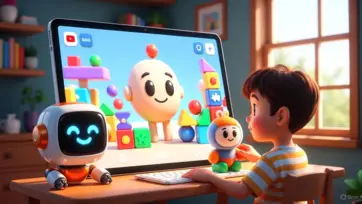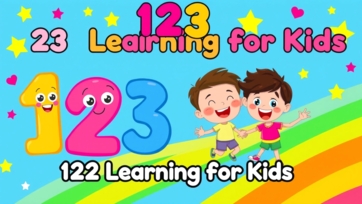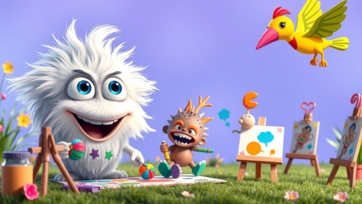
Cartoons are not just entertaining; they are powerful educational tools, especially for Pre-K children. At this age, children are naturally curious and learn best through visual storytelling, repetition, and play. Choosing the right cartoons can help children develop foundational skills in areas such as literacy, numeracy, problem-solving, creativity, and social-emotional understanding.
Pre-K learning focuses on building skills that prepare children for kindergarten and beyond. Well-designed cartoons combine bright visuals, engaging characters, and simple educational concepts, making learning fun and effective.
Why Educational Cartoons Matter for Pre-K Children:
Pre-K children are in a critical stage of cognitive development. Educational cartoons help in:
-
Introducing letters, numbers, and shapes
-
Teaching colors, patterns, and spatial awareness
-
Building vocabulary and language skills
-
Developing social-emotional skills like sharing and empathy
-
Encouraging curiosity and problem-solving
By making learning interactive and visually appealing, cartoons capture attention and increase retention.
Cartoons That Teach Literacy Skills:
Certain cartoons focus on letters, phonics, and storytelling. They help children recognize sounds, words, and sentence structures through:
-
Repetition of letters and words
-
Simple rhymes and songs
-
Story-based lessons with engaging characters
These shows improve early reading and communication skills, helping children develop a strong language foundation.
Cartoons That Teach Numeracy and Math Concepts:
Some educational cartoons introduce numbers, counting, and basic math concepts:
-
Counting objects in fun adventures
-
Identifying shapes and patterns
-
Understanding concepts like more, less, big, and small
These cartoons make abstract concepts tangible and memorable for Pre-K learners.
Cartoons That Encourage Creativity and Imagination:
Creativity is crucial in early learning. Cartoons that inspire drawing, building, or imaginative play help children:
-
Explore colors, shapes, and textures
-
Experiment with ideas in pretend play
-
Build critical thinking and problem-solving skills
Creative cartoons allow children to express themselves freely while learning new concepts.
Cartoons That Teach Social and Emotional Skills:
Pre-K children are learning to interact with peers and manage emotions. Cartoons that focus on friendship, empathy, and teamwork help children:
-
Recognize feelings in themselves and others
-
Understand conflict resolution
-
Develop kindness and sharing habits
These shows support emotional intelligence, which is as important as academic skills at this age.
Benefits of Watching Educational Cartoons:
Watching the right cartoons provides multiple benefits for Pre-K learners:
-
Makes learning fun and engaging
-
Improves memory and attention span
-
Encourages curiosity and exploration
-
Strengthens language and communication skills
-
Prepares children for formal school learning
Educational cartoons turn screen time into productive learning time when chosen wisely.
How Parents Can Maximize Learning from Cartoons:
Parents can enhance the benefits of educational cartoons by:
-
Watching cartoons together and discussing key lessons
-
Asking questions about letters, numbers, shapes, and colors
-
Encouraging children to imitate experiments, songs, or creative tasks
-
Relating cartoon concepts to real-life experiences
This active engagement ensures that children apply what they learn beyond the screen.
Tips for Choosing the Best Pre-K Cartoons:
Not all cartoons are equally educational. Parents should look for shows that:
-
Use bright visuals and slow-paced narration suitable for young children
-
Focus on basic skills like letters, numbers, colors, and social learning
-
Avoid violence, fast cuts, or overly complicated storylines
-
Include positive role models and relatable characters
Popular Pre-K educational shows include Sesame Street, Bluey, Daniel Tiger’s Neighborhood, and Pocoyo, among others.
Conclusion:
Choosing the best cartoons for Pre-K learning can significantly impact a child’s early development. Educational cartoons provide a fun and interactive way to introduce foundational skills in literacy, numeracy, creativity, and social-emotional growth. When parents actively participate and guide learning, cartoons become a powerful tool that nurtures curiosity, engagement, and a love for learning from a young age.