Top Dairy Products for Kids’ Growth and Immunity | Beyond Just a Glass of Milk

Top Dairy Products for Kids’ Growth and Immunity

Dairy products are a cornerstone of children’s nutrition. From infancy to adolescence, milk, yoghurt, cheese, and paneer provide a combination of high-quality protein, calcium, vitamins, and healthy fats that support bone development, muscle growth, immunity, energy, and cognitive function. For children in Pakistan, where dietary gaps often lead to calcium and protein deficiencies, including dairy in daily meals is essential for healthy growth.

While many foods contribute to a child’s diet, dairy is unique because it offers multiple nutrients in a single natural source. Regular consumption ensures that children grow stronger physically, remain active, and maintain better immunity, particularly during periods of rapid growth or increased physical activity.

  1. Milk — The Foundation of Strong Bones and Growth

Milk is naturally rich in calcium, protein, vitamin D, phosphorus, potassium, and vitamin B12, making it ideal for children’s growth. Calcium and vitamin D are critical for bone strength and teeth formation, while protein supports muscle growth and tissue repair.

In Pakistan, studies indicate that a large number of children do not get enough calcium, which increases the risk of weak bones, dental issues, and slower growth. Fortified milk, available in many local markets, enhances calcium absorption and provides vitamin D, which is often deficient due to limited sun exposure or dietary gaps.

Practical Serving Tips:

  • Serve a glass of milk with breakfast cereals or oatmeal.
  • Blend milk with seasonal fruits like mango, banana, or papaya for a smoothie.
  • Use milk in cooking soups, sauces, or desserts to naturally increase nutrient intake.

Health Benefits:
Regular milk consumption supports height and weight gain, strong teeth, and overall skeletal development, while also providing energy for active children.

  1. Yoghurt — Probiotics for Digestion and Immunity

Yoghurt is fermented milk, rich in probiotics, calcium, protein, and vitamins, making it a perfect snack for children. Probiotics help maintain healthy gut bacteria, improve digestion, and enhance nutrient absorption, which is essential for growth.

In addition, yoghurt provides calcium and protein in an easily digestible form, suitable even for children with mild lactose sensitivity. The probiotics in yoghurt strengthen the immune system, reducing the frequency of colds, infections, and stomach upsets.

Practical Serving Tips:

  • Serve plain yoghurt with chopped fruits like berries, banana, or mango.
  • Make yoghurt smoothies with milk and fruit for a nutrient-packed drink.
  • Include yoghurt in breakfast bowls with oats or granola for a balanced meal.

Health Benefits:
Yoghurt supports healthy digestion, strong immunity, and sustained energy, making it an ideal daily addition for children.

  1. Cheese — Calcium and Protein in a Tasty Form

Cheese is a concentrated source of calcium, phosphorus, protein, and vitamins like vitamin A. Calcium and phosphorus work together to strengthen bones and teeth, while protein aids in muscle growth and tissue repair. Vitamin A in cheese supports vision, skin health, and immunity.

Cheese is also convenient and versatile, making it a practical way to increase dairy intake. Its taste appeals to children, so it is often easier to include than plain milk or yoghurt.

Practical Serving Tips:

  • Serve cheese slices or cubes as a snack.
  • Sprinkle grated cheese on pasta, vegetables, or casseroles.
  • Include cheese in sandwiches, wraps, or omelettes for added nutrients.

Health Benefits:
Regular cheese consumption promotes bone density, muscle development, and overall energy, supporting active growth in children.

  1. Paneer (Cottage Cheese) — A Vegetarian Powerhouse

Paneer is rich in high-quality protein, calcium, and phosphorus, making it ideal for vegetarian children who may not get enough protein from other sources. Paneer supports muscle development, bone growth, and satiety, and is extremely versatile in cooking.

Paneer can be easily incorporated into curries, sandwiches, wraps, and snacks, providing a nutrient-dense food option that children enjoy.

Practical Serving Tips:

  • Serve grilled or lightly pan-fried cubes as a snack.
  • Mix paneer into curries with vegetables for a balanced meal.
  • Mash paneer with fruits like banana for a quick snack or smoothie.

Health Benefits:
Paneer supports sustained energy, bone development, and healthy weight gain, making it an important part of daily nutrition.

  1. Dairy for Brain Development

Dairy products are rich in proteins, healthy fats, and micronutrients that support cognitive development, memory, and learning ability. Omega-3-enriched milk or full-fat dairy enhances brain function, particularly in school-age children.

Children who consume dairy regularly show improved focus, memory, and attention span, which translates to better academic performance and problem-solving skills.

Practical Tips:

  • Serve a glass of milk with breakfast for brain-boosting energy.
  • Blend milk or yoghurt with fruits and oats for a nutrient-rich smoothie.
  • Include dairy-based snacks like cheese cubes or yoghurt parfaits during school breaks.

Health Benefits:
Dairy intake promotes mental alertness, concentration, and overall cognitive development, supporting active learning in children.

  1. Dairy for Immunity

Milk, yoghurt, cheese, and paneer contain vitamins A, D, B12, zinc, and protein, which collectively strengthen the immune system. Children with strong immunity have fewer infections, faster recovery, and better overall health.

Combining dairy with vitamin C-rich fruits in smoothies further boosts immunity, making children more resilient during school and playtime.

Practical Tips:

  • Offer milk or yoghurt with fruits like oranges, kiwi, or berries.
  • Include dairy in snacks, breakfast, and dinner for a continuous nutrient supply.
  • Use fortified dairy products for added immune benefits.

Health Benefits:
Regular dairy consumption ensures robust immunity, fewer illnesses, and enhanced recovery, keeping children active and healthy.

  1. Energy and Active Growth

Lactose, the natural sugar in dairy, along with proteins and fats, provides sustained energy for children. Whether at school, during outdoor play, or sports activities, dairy gives steady energy without causing sugar spikes, unlike packaged drinks.

Practical Tips:

  • Serve milk before or after school to maintain energy levels.
  • Blend milk with fruits and oats for an energy-packed smoothie.
  • Include cheese or paneer in meals for slow-release energy.

Health Benefits:
Dairy provides stable energy, supports growth, and fuels physical activity, ensuring children remain active and strong throughout the day.

  1. Tips for Including Dairy in a Daily Diet
  2. Daily Intake: Children aged 4–8 require 2–3 servings of dairy daily; older children may need 3–4 servings.
  3. Variety: Include milk, yoghurt, cheese, and paneer to diversify nutrients.
  4. Fortified Options: Vitamin D or omega-3-fortified dairy enhances bone, brain, and immunity support.
  5. Avoid Added Sugar: Use natural sweetness from fruits instead of sugary milk or yoghurt.
  6. Meal Integration: Incorporate dairy into breakfast, snacks, and cooking for convenience and consistent intake.

Conclusion

Dairy products are essential for children’s growth, immunity, brain development, and energy. Milk, yoghurt, cheese, and paneer provide high-quality proteins, calcium, vitamins, minerals, and healthy fats that are crucial for strong bones, teeth, muscles, immunity, and cognitive development.

Parents should prioritise fresh, fortified, and naturally served dairy, integrating it creatively into meals and snacks. Whether served as milk, smoothies, yoghurt, cheese, or paneer, dairy remains a daily growth booster for children.

With regular consumption, children can achieve optimal growth, robust immunity, enhanced mental development, and sustained energy, creating a strong foundation for a healthy, active, and happy childhood.


Advertisement
Best Learning Videos for Kids in 2025
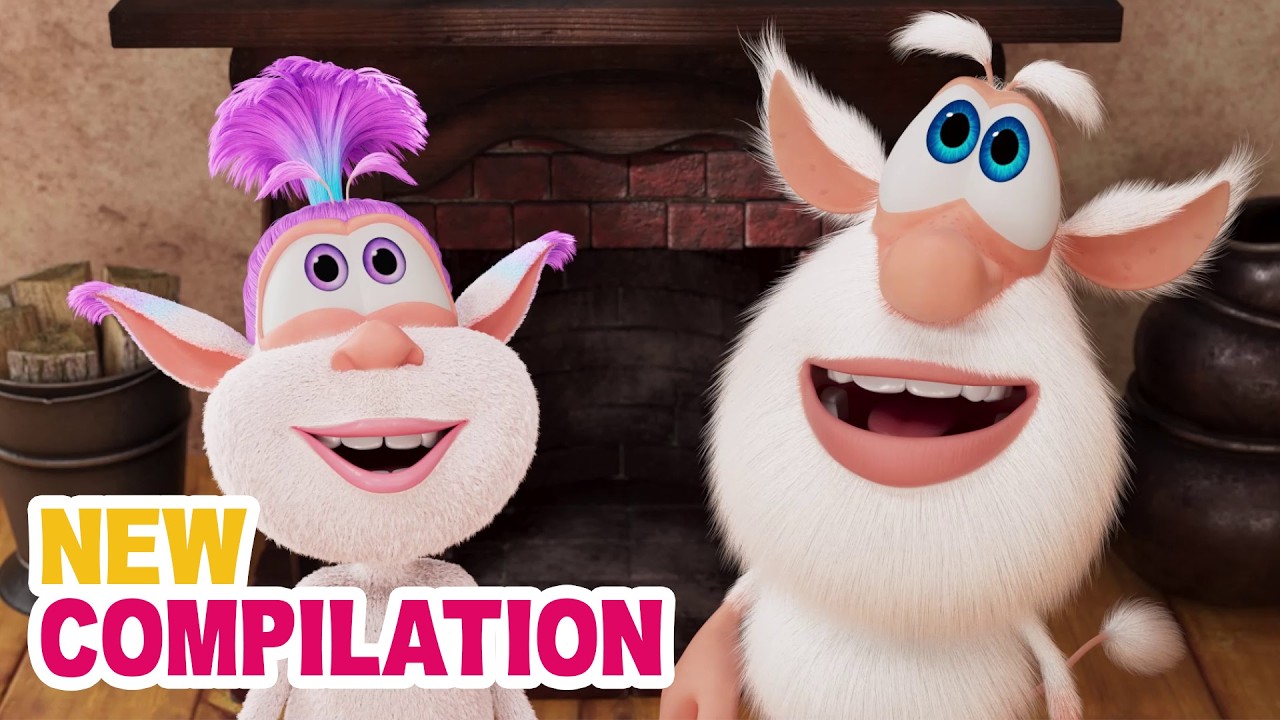
Early childhood is the perfect time for children to learn basic shapes and colors, which are essential building blocks for cognitive development, creativity, and problem-solving skills. In 2025, shape and color learning videos for preschoolers have become one of the most engaging ways to teach these concepts. By combining vivid visuals, catchy songs, and interactive animations, these videos make learning fun, memorable, and effective. This guide explores the benefits of shape and color learning videos, top series for preschoolers in 2025, and tips for parents to enhance learning. Why Shape and Color Videos Are Important: Preschoolers learn best through visuals and interactive content, making animated videos ideal for teaching shapes and colors: Boosts visual recognition: Children quickly identify shapes and colors through repetition and vibrant imagery. Enhances memory retention: Songs and animations help kids remember concepts more easily. Supports cognitive development: Sorting, matching, and recognizing shapes and colors improve critical thinking. Encourages creativity: Children learn to combine shapes and colors to create patterns, drawings, and crafts. Provides interactive learning: Animated videos often include prompts, songs, and activities for active participation. Through these videos, preschoolers develop essential skills while having fun, making early education enjoyable. Key Learning Areas in Shape and Color Videos: Basic Shapes Circle, square, triangle, rectangle, star, and heart Animated examples of shapes in everyday objects Colors Primary colors: red, blue, yellow Secondary colors: green, orange, purple Shades and combinations through playful storytelling Shape and Color Recognition Matching shapes with objects Identifying colors in daily life Simple puzzles and interactive games Patterns and Sorting Learning sequences with shapes and colors Sorting objects by shape or color Encourages analytical thinking and problem-solving Creativity and Art Combining shapes and colors in drawing or building activities Encourages imagination and fine motor skills Top Shape and Color Learning Video Series for Preschoolers in 2025 1. Super Simple Shapes and Colors A favorite series for early learners, combining songs, visuals, and repetition to teach basic shapes and colors. Highlights: Animated characters demonstrate shapes in daily objects Fun songs for color and shape recognition Slow-paced and toddler-friendly 2. ABC Kids – Shapes and Colors Edition This series uses alphabet characters and playful animations to reinforce color and shape learning. Learning benefits: Letter and shape association (A for Apple – round shape) Primary and secondary colors introduced interactively Encourages singing along and participation 3. Booba Learns Colors and Shapes Booba explores different objects and environments while teaching shapes and colors in a playful way. Why it’s popular: Non-verbal storytelling suitable for all languages Observation-based learning Short episodes perfect for attention spans of 2–6 years 4. Little Learners: Colors & Shapes Mini-stories and songs help preschoolers identify shapes and colors in everyday situations. Key learning points: Matching shapes and colors with objects Reinforces vocabulary for shapes and colors Interactive prompts encourage participation 5. Fun Animal Colors & Shapes Animals are used to teach shapes and colors in fun, memorable ways. Learning highlights: Associating colors with animals and objects Introduces patterns and simple puzzles Combines entertainment with educational content How Parents Can Enhance Learning Parents can help children maximize the benefits of shape and color learning videos: Watch together: Point out shapes and colors in the video and at home. Ask interactive questions: “Can you find a red circle?” or “Which objects are triangles?” Repeat favorite videos: Reinforces recognition and memory. Practice offline: Use toys, blocks, or drawing activities to reinforce concepts. Encourage creativity: Let children create art using shapes and colors learned in the videos. Keep sessions short: 5–10 minute videos work best for attention spans of preschoolers. Recommended Shape and Color Learning Videos for 2025 Super Simple Shapes and Colors – Songs and animated examples ABC Kids – Shapes and Colors Edition – Alphabet-based learning Booba Learns Colors and Shapes – Observation and play-based learning Little Learners: Colors & Shapes – Mini-stories and interactive prompts Fun Animal Colors & Shapes – Animal-themed shape and color education These videos are safe, colorful, and educational, helping preschoolers recognize shapes, identify colors, and develop creativity while having fun. Final Thoughts Shape and color learning videos are more than just entertaining—they are essential tools for early childhood development. In 2025, animated series combine bright visuals, music, and interactive storytelling to make learning engaging and effective. Parents can enhance learning by: Watching videos together and discussing concepts Reinforcing lessons with offline activities and creative play Repeating episodes to strengthen memory and recognition With the right videos, preschoolers develop foundational cognitive skills, creativity, and visual awareness while enjoying colorful and fun animations. Tip for Parents: Encourage children to sort toys or draw using learned shapes and colors after watching videos to reinforce learning and motor skills.
Themed Party Favors for Kids: A 2025 Guide to Fun, Simple & Memorable Gifts
Party favors are the final thank-you note, a small token of appreciation for sharing in the celebration. For a party inspired by gentle, curious characters, the best favors aren't just branded trinkets—they're useful, playful, and spark imagination long after the cake is gone. This 2025 guide offers creative, affordable, and low-waste favor ideas that capture a spirit of discovery and fun. The New Rules for Modern Party Favors : Move beyond plastic junk. Today's best favors are: Useful or Experiential: Something kids will actually use or enjoy doing. Low-Waste & Thoughtful: Minimal plastic, functional packaging. Interactive: Encourages play, creation, or discovery. Cohesive: Ties into the party theme without being overly commercial. Category 1: The "Create & Explore" Favor Bag (Ages 3-7) : Favors that are an activity in themselves. DIY "Curiosity" Play Dough Kit: The Idea: A small jar or clear bag of homemade blue play dough (non-toxic, scented with vanilla if desired). Attach a tag that says, "Shape Something Wonderful!" Include a couple of simple tools like a craft stick and a small cookie cutter in a basic shape (circle, star). Why It Works: It's sensory, creative, and the container becomes part of the play. It aligns perfectly with hands-on, tactile discovery. "Mystery Seed" Planting Pot: The Idea: A small terracotta pot painted a solid, cheerful blue (or wrapped in blue paper). Fill it with soil and bury a mystery seed packet for a fast-growing plant like beans, sunflowers, or basil. Tag: "Watch Curiosity Grow!" Why It Works: It's a living, growing favor that teaches patience and care. The "mystery" element adds excitement. "I Spy" Discovery Bottle: The Idea: A clear plastic bottle filled with rice or sand dyed blue, and a mix of small hidden treasures (a tiny plastic lightbulb, a question mark charm, a button, a bead). Hot glue the lid shut for safety. Attach a laminated list of items to find. Why It Works: It’s a calming, focus-building activity. Kids can shake and search for the hidden items again and again. Category 2: The "Useful Adventure Gear" Favors (Ages 5-10) : Items that will be used in everyday play. Personalized "Explorer" Water Bottle Strap: The Idea: A simple, adjustable nylon bottle strap (available in bulk online) customized with a wooden bead painted with two simple dot eyes. It instantly turns any water bottle into a sidekick for adventures. Why It Works: Incredibly practical for school, sports, and outings. The personalization makes it special. "Secret Message" Notepad & Decoder Pen: The Idea: A small, memo-sized notepad with a blue cover. Pair it with a "invisible ink" pen (UV pen that writes in clear ink, requiring the attached UV light to read). Tag: "For Your Top-Secret Discoveries." Why It Works: Combines writing practice with spy-game fun. The interactive element is a huge hit. "Build-Your-Own" Snack Mix & Container: The Idea: A reusable silicone pouch or small metal tin. Set up a snack mix station at the party with blue-tinted popcorn, yogurt-covered pretzels, chocolate chips, and cereal. Let each child fill their own container to take home. Why It Works: Edible, zero-waste, and involves the kids in the favor creation. The container is reusable. Category 3: The "Imagination & Play" Favors (All Ages) : Favors that fuel storytelling and pretend play. Storytelling Dice: The Idea: One or two large wooden dice with simple pictures drawn or glued on each face (a key, a door, a treasure chest, a surprised face, a foot, a question mark). Package in a small muslin bag. Why It Works: Encourages creative language and storytelling. A game that can be played alone or with friends. Character "Face" Bean Bag Toss Game: The Idea: A small favor bag containing three homemade bean bags (simple squares of blue fabric filled with rice or beans, sewn shut) and a paper plate with a face drawn on it (two big eyes and a smile). Kids can take it home and play a tossing game. Why It Works: It's an instant game. Promotes active play and motor skills. "Color Your Own" Canvas Pouch: The Idea: A plain, light-colored canvas drawstring pouch. Include a few fabric markers. Kids can decorate their own favor bag at the party or at home, making it a truly personal keepsake. Why It Works: The bag is the favor and the packaging. It’s functional for storing small toys later. The Presentation: Making it Special : How you package favors matters just as much as what's inside. Thematic Packaging: Use blue paper bags, boxes, or reusable fabric bags. Tie with a simple white or black ribbon. Simple, Clever Tags: Instead of just the guest's name, use tags with phrases like: "Thanks for exploring with me!" "Stay Curious!" "A small treasure from our adventure." Practical Containers: Let the container be part of the favor (the planting pot, the canvas pouch, the silicone snack bag). What to Avoid: The Favor Hall of Shame : Single-Use Plastic Toys: They break instantly and become landfill. Candy Overload: A small treat is fine, but don't make sugar the main gift. Overly Commercial Items: Cheap, mass-produced trinkets with no play value. Anything with Small, Loose Parts for Young Kids: Always consider age and choking hazards. Conclusion: Favors That Feel Like a Gift, Not an Afterthought : The goal of a modern party favor is to leave a little spark of the party's joy in each guest's hands. By choosing favors that are interactive, useful, or creative, you're giving a gift that respects parents (less clutter!), delights kids (fun to use!), and reflects a thoughtful, playful celebration. It’s a small way to say thank you for the biggest gift of all—sharing in your child's special day.
Best Cartoon Stories About Family and Love
Family and love are central to a child’s early development. In 2025, cartoon stories about family and love have become a favorite tool for parents to teach toddlers and preschoolers the importance of relationships, empathy, and emotional connection. These animated stories combine vivid visuals, engaging characters, and gentle storytelling to help children understand love, respect, and the value of family bonds. This guide explores the benefits of family-themed cartoons, highlights the top series for 2025, and provides tips for parents to reinforce these lessons in daily life. Why Family and Love Cartoons Matter: Children learn social and emotional skills by observing behaviors, and family-focused cartoons provide: Understanding of relationships: Shows positive interactions between family members. Emotional intelligence: Teaches children to recognize and express feelings. Empathy and compassion: Characters model care, patience, and kindness. Safe storytelling: Age-appropriate scenarios with no violence or adult themes. Role models: Illustrates healthy communication, respect, and cooperation. By combining entertainment with moral lessons, these cartoons help children build a strong emotional foundation. Key Lessons in Family and Love Cartoons: Respect for Family Members Encourages listening, sharing, and helping parents, siblings, and grandparents. Showing Love and Affection Hugs, kind words, and caring actions model positive emotional expression. Problem-Solving Together Family members work together to overcome challenges, teaching teamwork. Gratitude and Appreciation Shows children how to value and thank family members. Conflict Resolution Gentle guidance on managing disagreements and fostering understanding. Top Cartoon Stories About Family and Love in 2025: 1. The Family Tree Adventures: A popular series where family members go on adventures and solve problems together, teaching children the importance of unity and support. Highlights: Focuses on family bonding and teamwork Engaging and colorful animations for toddlers Age-appropriate moral lessons about love and cooperation 2. Booba’s Family Fun: Booba interacts with family-like characters, learning lessons about sharing, helping, and expressing affection. Why it’s popular: Non-verbal storytelling suitable for all languages Teaches social and emotional skills through playful actions Short episodes ideal for young children’s attention spans 3. Little Hearts Club: Animated mini-stories that show children helping their families, expressing love, and supporting friends. Key lessons: Empathy and compassion Cooperation and problem-solving Celebrating love and gratitude 4. Animal Families Tales: Animal characters model family dynamics, teaching children how family members care for and support each other. Learning highlights: Introduces concepts of sibling care and parent-child interaction Emotional lessons embedded in fun storytelling Encourages children to show love and empathy in real life 5. Super Simple Family Songs: Animated songs focus on family, love, and gratitude, reinforcing moral lessons through music. Benefits: Encourages participation through singing and dancing Helps toddlers remember positive behaviors Combines education, music, and gentle humor How Parents Can Reinforce Lessons: Parents can enhance learning from family and love cartoons by: Watching together: Pause to discuss feelings and interactions. Practice affection: Encourage hugs, kind words, and helping behaviors. Repeat favorite stories: Reinforces emotional lessons. Relate to real-life situations: Show children how lessons apply at home. Use creative play: Role-play family situations to teach empathy and cooperation. Praise positive behavior: Encourage children when they show love and respect. Recommended Cartoon Stories About Family and Love: The Family Tree Adventures – Adventures emphasizing bonding and teamwork Booba’s Family Fun – Observation-based lessons on sharing and affection Little Hearts Club – Mini-stories teaching empathy and problem-solving Animal Families Tales – Animal-themed family lessons Super Simple Family Songs – Musical reinforcement of love and gratitude These cartoons are safe, engaging, and educational, helping children understand relationships, develop empathy, and value family bonds. Final Thoughts: Cartoon stories about family and love are more than just entertainment—they are tools for emotional and social development. In 2025, animated series help children learn: How to express love and gratitude How to resolve conflicts and cooperate with family How to develop empathy and positive social skills Parents can enhance learning by: Watching and discussing episodes together Practicing real-life applications of lessons Encouraging creative and empathetic play With the right family-themed cartoons, children develop emotional intelligence and appreciation for loved ones while enjoying safe, colorful, and heartwarming stories. Tip for Parents: Encourage children to draw or act out scenes showing family love, which reinforces creativity, comprehension, and emotional expression.
Cartoon Stories About Helping Others
Helping others is an essential value that children need to learn from an early age. Cartoon stories about helping others are a fun and effective way to teach children the importance of kindness, empathy, and cooperation. By using colorful animations, engaging characters, and interactive storytelling, these cartoons make moral lessons easy to understand and remember. In this article, we will explore why cartoons about helping others are important, their educational benefits, and how parents can use them to teach valuable life skills. ⭐ Why Cartoon Stories About Helping Others Are Effective: Children learn best through observation, play, and storytelling. Cartoon stories combine these elements to create a meaningful learning experience: 1. Visual Learning: Animated characters and vibrant visuals make abstract concepts like kindness and empathy easy for children to understand. 2. Relatable Characters: Children connect with cartoon characters, which helps them see real-life examples of helping others and applying kindness. 3. Story-Based Lessons: Stories demonstrate the positive outcomes of helping, such as friendship, gratitude, and happiness, making the moral memorable. 4. Emotional Engagement: Cartoons evoke emotions through expressions, music, and storytelling, helping children understand how helping others makes people feel. 5. Repetition Reinforces Values: Many cartoons repeat lessons about helping friends, family, or strangers, reinforcing good behavior without feeling forced. ⭐ Popular Themes in Helping Others Cartoons: 1. Friends in Need: Stories show children or animals helping friends who are sad, lost, or in trouble, emphasizing empathy and teamwork. 2. Family and Community: Cartoons often depict characters helping family members, neighbors, or community members, teaching children the value of cooperation. 3. Environmental Help: Some stories show characters cleaning parks, planting trees, or caring for animals, teaching children to help the environment. 4. Acts of Kindness: Cartoons highlight small gestures like sharing toys, helping a classmate, or comforting someone who is lonely. 5. Problem-Solving Together: Stories show children or characters working together to solve challenges, teaching cooperation, communication, and the joy of helping. ⭐ Educational Benefits of Helping Others Cartoons: 1. Builds Empathy: Children learn to recognize and respond to the feelings of others, strengthening emotional intelligence. 2. Encourages Positive Social Behavior: Watching characters help others motivates children to practice sharing, teamwork, and kindness in real life. 3. Enhances Communication Skills: Interactive cartoons encourage children to express themselves, ask questions, and discuss moral lessons with parents or peers. 4. Develops Problem-Solving Abilities: Stories often show characters finding ways to help, teaching children critical thinking and creative solutions. 5. Promotes Moral and Ethical Growth: By repeatedly observing positive actions, children internalize values such as honesty, generosity, and respect. ⭐ Tips for Parents to Make the Most of Helping Others Cartoons: ✔ 1. Watch Together: Discuss the characters’ actions and ask your child how they would help in a similar situation. ✔ 2. Reinforce Lessons with Real-Life Activities: Encourage children to practice helping at home, in school, or in the neighborhood. ✔ 3. Role-Playing: Act out scenarios from the cartoons to help children practice empathy and problem-solving. ✔ 4. Praise Acts of Kindness: Recognize and praise your child when they help others, reinforcing positive behavior. ✔ 5. Limit Screen Time: Even educational cartoons should be watched in moderation. Short, interactive sessions of 20–30 minutes are ideal. ⭐ Conclusion: Cartoon stories about helping others are an engaging and effective way to teach children kindness, empathy, and cooperation. Through colorful animations, relatable characters, and story-based lessons, children learn the joy of helping friends, family, and the community. By incorporating these cartoons into daily routines, parents and educators can help children develop positive social behaviors, emotional intelligence, and moral values. With interactive storytelling and fun visuals, cartoons about helping others make learning essential life skills both enjoyable and memorable for young minds.
Top 10 Funny Cartoon Characters of All Time
Cartoons have always been a source of laughter and joy for children. Funny cartoon characters capture imagination, lighten moods, and often teach subtle lessons through humor. Parents and educators recognize the value of these characters in engaging children while promoting creativity and emotional understanding. This guide highlights the top 10 funniest cartoon characters of all time that children of all ages love. 1. The Curious Fluffy Creature: Known for playful antics and exaggerated expressions. Inspires creativity, observation, and laughter in young children. 2. Spiky the Tiny Companion: Mischievous and full of surprises. Encourages problem-solving and imaginative play. 3. Cheery Flying Bird: Always optimistic and joyful, bringing energy and cheer to every scene. Teaches friendship, positivity, and teamwork. 4. The Mischievous Twin Squirrels: Famous for pranks and playful chaos. Helps children understand cause and effect in humorous scenarios. 5. Wobbly the Clumsy Elephant: A classic comic character known for slapstick humor. Encourages laughter while showing resilience after mistakes. 6. Tinker the Tiny Inventor: Creates funny gadgets and inventions. Inspires curiosity, creativity, and problem-solving. 7. Jumpy the Hyper Rabbit: Always moving and full of energy. Teaches coordination, timing, and the joy of physical play. 8. Grumpy the Lovable Monster: Despite a grumpy exterior, his antics are hilarious. Highlights empathy, understanding emotions, and humor in differences. 9. Bouncy the Colorful Blob: Shape-shifter who gets into comic situations. Encourages imagination, experimentation, and creativity. 10. Tiny Team of Helpers: A group of small characters that cooperate in humorous ways. Promotes teamwork, cooperation, and problem-solving with fun. Why Funny Characters Are Important for Kids: Boosts Mood: Laughter reduces stress and enhances overall well-being. Encourages Creativity: Kids imitate actions, invent stories, and act out scenarios. Develops Social Skills: Humor helps children understand emotions, empathy, and cooperation. Enhances Observation: Following comic antics improves attention to detail and sequencing skills. Safe Entertainment: Age-appropriate humor keeps kids engaged without exposure to inappropriate content. Tips for Parents: Mix With Learning: Pair funny cartoons with educational content for balance. Discuss Episodes: Talk about the humor and lessons learned. Encourage Role-Play: Let children act out scenes for creativity and language development. Set Screen Limits: Ensure a healthy balance with outdoor play, reading, and crafts. Final Thoughts: Funny cartoon characters have stood the test of time because they combine humor, creativity, and learning. By choosing age-appropriate, engaging, and expressive characters, parents can entertain, educate, and inspire children while keeping screen time fun and safe.
Playful Cartoon Characters vs. Classic Animation: Parents’ Comparison
Parents often wonder which cartoons are better for their children—modern playful characters or classic shows like Masha and the Bear. Each type of animation offers unique benefits and challenges for children aged 3–8. This guide provides a comprehensive comparison, helping parents choose engaging, safe, and educational content for their kids. 1. Entertainment and Engagement: Playful Cartoon Characters: Bright colors, quirky expressions, and funny antics keep children highly engaged. Classic Shows (e.g., Masha and the Bear): Combines humor with storytelling and life lessons. Comparison: Both entertain, but modern characters often include interactive and imaginative scenarios that encourage active participation. 2. Educational Value: Playful Characters: Episodes are designed to teach creativity, problem-solving, social skills, and empathy. Classic Shows: Focus more on storytelling, friendship, and basic moral lessons. Comparison: Playful characters may provide more hands-on learning opportunities, while classics emphasize narrative and emotional understanding. 3. Language and Communication: Playful Characters: May be non-verbal or minimally verbal, encouraging kids to interpret actions and describe scenes, improving vocabulary and narrative skills. Classic Shows: Mostly verbal, helping children learn words, expressions, and conversational language. Comparison: Both enhance communication, but in different ways—visual storytelling vs. dialogue-based learning. 4. Creativity and Imagination: Playful Characters: Inspire children to draw, role-play, and invent new scenarios. Classic Shows: Encourage storytelling and acting out scenes, fostering imagination with existing narratives. Comparison: Playful characters often invite more experimentation, while classics provide structured imaginative play. 5. Social and Emotional Development: Playful Characters: Teach empathy, teamwork, curiosity, and problem-solving. Classic Shows: Teach friendship, patience, and handling conflicts. Comparison: Both are valuable, but playful characters may engage children more actively in learning emotions and social skills. 6. Age Appropriateness: Younger Kids (3–5 years): Playful cartoon characters are generally easier to understand and more visually engaging. Older Kids (6–8 years): Classic shows are better for following storylines, dialogue, and moral lessons. Balanced Approach: Mixing both types of cartoons provides variety, learning, and entertainment. Tips for Parents: Co-View Episodes: Discuss actions, decisions, and emotions to reinforce lessons. Encourage Creativity: Have children draw, role-play, or write alternate endings. Set Screen Limits: Ensure healthy balance with outdoor play and reading. Monitor Behavior: Make sure children don’t imitate aggressive or unsafe actions. Mix Content: Combine playful cartoons with classics to cover learning, creativity, and emotional growth. Final Thoughts: Both modern playful cartoon characters and classic animations like Masha and the Bear offer unique advantages. Playful characters foster creativity, curiosity, and interactive learning, while classics teach storytelling, morals, and social-emotional lessons. The key is moderation, guided viewing, and active engagement, so children can learn, play, and grow through both types of shows.
Storybooks & Educational Materials: A 2025 Guide to Nurturing Curiosity
Beyond the screen, the gentle and curious spirit of beloved characters can be a wonderful gateway to early literacy, emotional learning, and hands-on discovery. Finding the right books and learning materials that embody this spirit of playful exploration can enrich your child's development. This 2025 guide helps you identify high-quality storybooks, activity books, and educational tools that foster the same joy of "figuring things out." What to Look For: The Mark of Quality Learning Materials : The best resources share these traits: Visual Storytelling: Rich in pictures that tell the story, minimizing reliance on text—perfect for pre-readers and early readers. Focus on Process: Stories about solving problems, exploring environments, and discovering how things work. Emotional Simplicity: Themes of curiosity, surprise, friendship, and perseverance without complex moralizing. Interactive Elements: Flaps to lift, textures to feel, or prompts that engage the child directly. Durability: Thick, wipeable pages for young hands or sturdy bindings for frequent use. Category 1: Storybooks That Celebrate Curiosity & Discovery : These books capture the essence of exploration through visual narratives. Wordless & Nearly Wordless Picture Books: Why They're a Perfect Match: They rely entirely on visual sequencing, encouraging children to "read" the pictures, infer emotions, and tell the story in their own words—mirroring non-verbal, observational storytelling. Top Picks to Look For: "Journey" Trilogy by Aaron Becker: A breathtaking wordless adventure where a child uses a red crayon to draw doors into magical worlds. "Flora and the Flamingo" by Molly Idle: A wordless book about mimicry, friendship, and movement with interactive flaps. "The Snowman" by Raymond Briggs: A classic, gentle wordless story of a magical winter adventure. "Problem-Solving" Themed Stories: Why They're a Perfect Match: These books feature protagonists who encounter a puzzle or obstacle and must creatively find a solution through trial, error, and observation. Top Picks to Look For: "Rosie Revere, Engineer" by Andrea Beaty: Celebrates persistence, curiosity, and the spirit of invention after failed attempts. "The Most Magnificent Thing" by Ashley Spires: A girl tries to build something magnificent, dealing with frustration before her breakthrough. "Press Here" by Hervé Tullet:* The ultimate interactive book that turns reading into a series of magical cause-and-effect commands. Simple, Repetitive Phrase Books: Why They're a Perfect Match: For younger fans, books with minimal, repetitive text and bold, clear illustrations help build confidence in "reading" and prediction. Top Picks to Look For: Books by Eric Carle ("The Very Hungry Caterpillar") or Bill Martin Jr. ("Brown Bear, Brown Bear"). The rhythmic text and vibrant collage art are deeply engaging. Category 2: Educational Activity & Workbooks : These turn quiet time into skill-building time with a playful approach. "Seek-and-Find" & "I Spy" Visual Puzzle Books: Why They're a Perfect Match: They train attention to detail, focus, and visual discrimination—all through a game. The task is clear: look closely and discover. What to Look For: Books with busy, colorful scenes (like "Where's Waldo?" for older kids or the "I Spy" series for younger ones). Look for themes of exploration or silly chaos. Beginner Logic & Maze Books: Why They're a Perfect Match: They introduce basic reasoning and spatial skills without requiring reading. Navigating a maze is a silent, physical puzzle on paper. What to Look For: Books like "Kumon Thinking Skills Workbooks" or "Highlights™ Maze Puzzles." Start with simple, wide-path mazes and progress to more complex ones. Sticker Activity & Scene Creation Books: Why They're a Perfect Match: They combine fine motor skill development with storytelling and choice. Children decide where to place elements, creating their own unique scenes. What to Look For: Books with reusable stickers and open-ended backgrounds (a town, a forest, a room). Avoid ones with overly prescriptive instructions. Category 3: Hands-On Educational Materials & Kits : Learning through physical interaction. "How Things Work" Non-Fiction for Kids: Why They're a Perfect Match: Satisfies deep curiosity about everyday objects. Look for books with clear, cutaway diagrams and simple explanations. Top Picks to Look For: "How Machines Work: Zoo Break!" by David Macaulay or the "See Inside" series by Usborne Books, which have informative flaps to lift. Simple Science & Discovery Kits: Why They're a Perfect Match: They provide the tools for hands-on, cause-and-effect experimentation. The focus should be on the fun of the process, not a perfect result. What to Look For: Kits about magnets, color mixing, growing crystals, or basic physics (ramps and gears). Brands like Learning Resources or Thames & Kosmos offer quality beginner kits. Pattern Blocks & Tangram Puzzles: Why They're a Perfect Match: These are the ultimate open-ended, silent puzzles. Children explore shapes, symmetry, and geometry by fitting pieces together to match a picture or create their own designs. What to Look For: A set of wooden pattern blocks in classic shapes (hexagons, trapezoids, squares) with accompanying pattern cards. How to Integrate These Materials: Tips for Parents : "Book and Do" Pairing: After reading a book about building, get out the blocks. After a seek-and-find book, go on a nature walk to "spy" colors and shapes. Follow Their Lead: If they're obsessed with a page showing gears, find a simple gear toy or video to expand on that interest. Embrace the Silence: When looking at a wordless book, don't rush to narrate. Ask, "What do you think is happening here?" Let them be the storyteller. Quality Over Quantity: A few well-chosen, durable books and puzzles are better than a mountain of disposable activity pads. Conclusion: Building a Library of Wonder : The goal is to curate a collection of resources that don't just entertain, but actively engage your child's mind and hands. By choosing storybooks that prize visual discovery, activity books that challenge logic in a fun way, and hands-on materials that reward curiosity, you build a foundation for lifelong learning. You're not just buying books and puzzles—you're providing portals to new ways of thinking, all inspired by the simple, powerful joy of figuring it out.
Best YouTube Channels for Toddlers
YouTube has become a popular platform for young children, offering fun, educational, and engaging videos. However, parents must ensure that toddlers watch age-appropriate content that promotes learning, creativity, and safe screen time. This guide highlights the best YouTube channels for toddlers, suitable for ages 1–4, and offers tips for parents to make the experience both fun and safe. Why Choosing the Right Channel Matters: Safety First: Toddlers can accidentally access inappropriate content. Educational Value: High-quality channels teach numbers, colors, letters, and basic life skills. Entertainment with Learning: Bright visuals, songs, and playful characters keep toddlers engaged while learning. Interactive Experience: Encourages singing, dancing, and role-playing, enhancing physical and cognitive development. Top YouTube Channels for Toddlers: 1. Tiny Tunes World Focuses on songs, nursery rhymes, and interactive storytelling. Helps toddlers learn language, rhythm, and coordination. 2. Little Learners Club Engaging videos on colors, shapes, numbers, and basic concepts. Short episodes perfect for toddlers’ attention span. 3. Happy Critters TV Fun animated characters teach sharing, friendship, and emotional awareness. Combines humor with social and emotional learning. 4. Giggle Garden Outdoor adventures with toddlers-friendly characters. Encourages exploration, observation, and nature awareness. 5. Playful Pals Features playful characters in creative scenarios. Promotes imagination, role-playing, and problem-solving skills. 6. Fuzzy Friends Fun Short, funny clips designed to entertain and educate. Teaches basic cognitive and social skills while keeping toddlers engaged. Tips for Parents Using YouTube for Toddlers: Enable YouTube Kids: Provides safe, curated content suitable for toddlers. Set Screen Time Limits: Limit to 30–60 minutes per day for this age group. Co-View and Interact: Watch together to encourage singing, dancing, and discussion. Pre-Select Content: Choose videos aligned with learning goals and age-appropriateness. Encourage Offline Play: Balance screen time with reading, crafts, and outdoor activities. Benefits of the Right YouTube Channels: Cognitive Development: Enhances memory, language, and problem-solving skills. Social-Emotional Skills: Teaches sharing, empathy, and cooperation through character interactions. Creativity: Inspires drawing, crafts, and imaginative play. Fun Learning: Makes education engaging and enjoyable for toddlers. Safe Entertainment: Provides a controlled environment for screen exposure. Final Thoughts: Choosing the best YouTube channels for toddlers ensures that screen time is educational, entertaining, and safe. Parents can enhance the experience by watching together, engaging in activities, and setting clear limits, creating a balanced, fun, and enriching digital experience for young children.