Best English Learning Cartoons in 2025

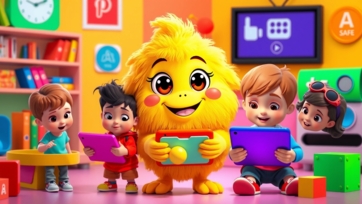
Music and animation are powerful tools for early learning. In 2025, cartoon songs for kids learning English words have become one of the most effective ways to teach toddlers and preschoolers vocabulary, pronunciation, and basic language skills. Combining catchy tunes, colorful visuals, and interactive lyrics, these songs make learning English fun, engaging, and memorable.

This guide explores the benefits of cartoon songs, highlights top series for 2025, and provides tips for parents to maximize learning.


Why Cartoon Songs Are Effective for Learning English:

Children naturally respond to music and repetition, making cartoon songs an ideal learning tool. Here’s why:

  • Reinforcement through melody: Tunes help children remember new words and phrases.

  • Visual cues: Animated characters show objects, actions, or letters while singing.

  • Interactive learning: Repeating words, singing along, and performing actions improve retention.

  • Early language development: Listening and singing enhances pronunciation, comprehension, and vocabulary.

  • Fun and engagement: Kids perceive learning as play, reducing resistance and boredom.

By combining music, visuals, and storytelling, children learn English words effortlessly while having fun.


Key Learning Areas in Cartoon Songs:

  1. Alphabet and Letters

  • Songs teach A–Z letters with animated visuals.

  • Associating letters with objects (A for Apple, B for Ball) enhances memory.

  1. Numbers and Counting

  • Counting songs teach numbers, order, and simple math concepts.

  1. Colors, Shapes, and Objects

  • Animated objects and songs introduce colors, shapes, and common items.

  1. Basic Vocabulary

  • Everyday words for animals, foods, clothes, and actions.

  • Reinforcement through repetition and visual cues.

  1. Simple Phrases and Greetings

  • Introduces polite expressions, short sentences, and conversational phrases.


Top Cartoon Songs for Kids Learning English Words in 2025:

1. Super Simple Learning Songs:

This series is a favorite among toddlers and preschoolers for learning English words through music.

Highlights:

  • Alphabet, numbers, and colors

  • Fun characters and colorful animations

  • Slow, clear pronunciation ideal for early learners


2. ABC Kids Songs:

Animated songs with letters and words make learning English engaging.

Learning benefits:

  • Improves vocabulary and pronunciation

  • Interactive songs encourage singing along

  • Teaches alphabet sequence and letter sounds


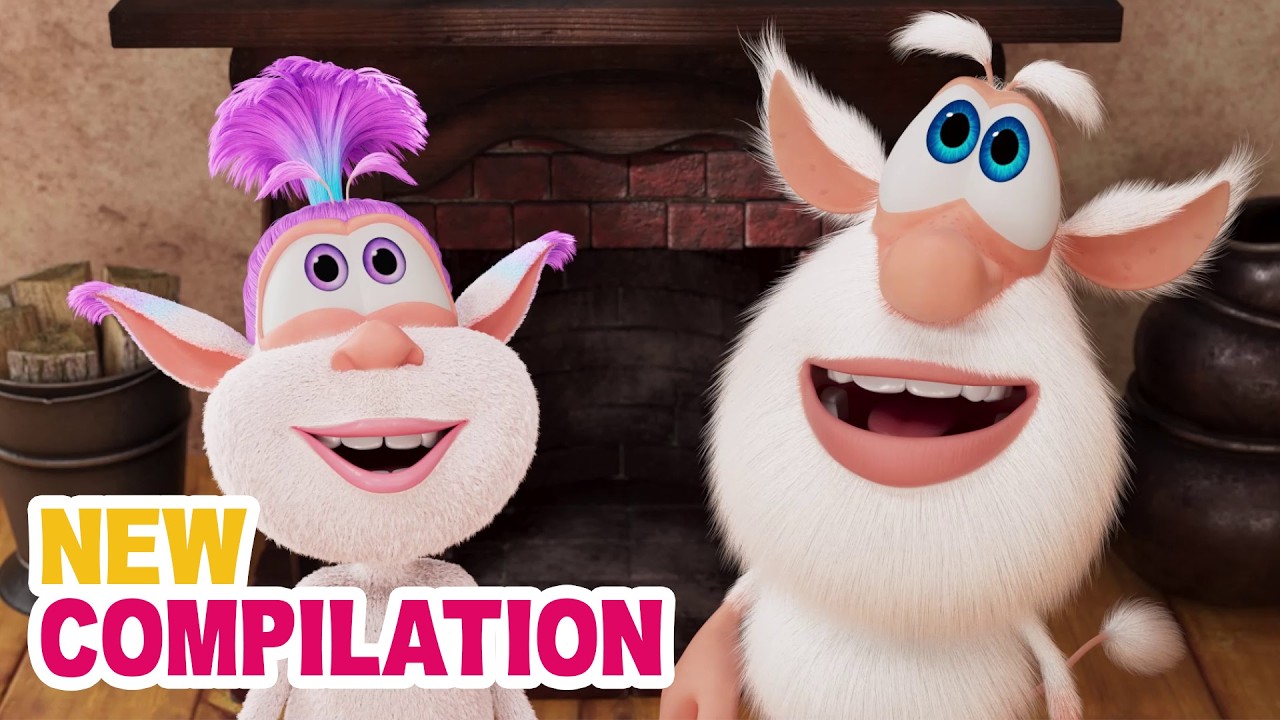
3. Booba’s Learning Songs:

Booba introduces words and objects in playful animated scenarios.

Why it’s popular:

  • Non-verbal storytelling combined with music

  • Encourages observation and repetition

  • Perfect for toddlers of all languages


4. Little Learners English Songs:

Mini-stories combined with catchy songs teach numbers, animals, foods, and basic phrases.

Key learning points:

  • Vocabulary expansion through visuals and lyrics

  • Reinforces daily words for home, school, and play

  • Short episodes perfect for attention spans of 2–6 years


5. Fun Animal Alphabet Songs:

Songs featuring animals and letters make English vocabulary memorable.

Benefits:

  • Associates letters with animals (A for Alligator, B for Bear)

  • Introduces sounds and spelling

  • Engaging for toddlers who love animals


How Parents Can Maximize Learning:

To make cartoon songs more effective, parents can:

  1. Watch and sing along: Encourage children to imitate words and gestures.

  2. Repeat favorite songs: Repetition reinforces memory and pronunciation.

  3. Use props and toys: Show objects while singing corresponding words.

  4. Pause and ask questions: “Can you find the apple?” or “Which animal is this?”

  5. Mix learning songs with routine activities: Counting during snack time, naming colors while dressing, etc.

  6. Limit screen time: Short sessions of 5–10 minutes per song maximize attention.


Recommended Cartoon Songs for Kids Learning English Words in 2025:

  • Super Simple Learning Songs – Alphabet, numbers, colors

  • ABC Kids Songs – Letters, words, and pronunciation

  • Booba’s Learning Songs – Observation-based vocabulary learning

  • Little Learners English Songs – Everyday words, phrases, and objects

  • Fun Animal Alphabet Songs – Letters and animals for interactive learning

These animated songs are safe, colorful, and educational, helping children develop early English vocabulary, listening skills, and pronunciation while enjoying fun music and characters.


Final Thoughts:

Cartoon songs for learning English words are more than entertainment—they are educational powerhouses. In 2025, these series combine music, visuals, and repetition to make learning natural and enjoyable for toddlers and preschoolers.

Parents can enhance learning by:

  • Singing along and practicing words together

  • Reinforcing vocabulary in daily routines

  • Repeating songs to strengthen memory and comprehension

With the right cartoon songs, children learn English effortlessly while having fun, setting a strong foundation for future language skills.

Tip for Parents: Encourage children to draw or point out objects from the songs as they sing along, which reinforces memory and makes learning interactive.
Advertisement
Why Playful Cartoon Characters Are Different from Other Kids’ Cartoons
Not all cartoons are created equal. Some animated shows are just for laughs, while others combine humor, creativity, and educational value. Playful cartoon characters stand out because they entertain while subtly teaching lessons, encouraging imagination, and engaging children in meaningful ways. This guide explains why playful cartoon characters are unique and how they benefit children aged 3–8 compared to other kids’ cartoons. 1. Unique Style and Expression: Visual Appeal: Playful characters often have exaggerated expressions, vibrant colors, and quirky designs. Non-Verbal Storytelling: Many actions and expressions convey emotions and humor without words, making them accessible to children of all language backgrounds. Distinct Animation Style: Fluid, dynamic movement keeps kids engaged and entertained. 2. Humor with Positive Lessons: Unlike some cartoons that rely solely on slapstick, playful characters mix humor with subtle learning. Episodes often teach problem-solving, sharing, curiosity, and empathy. Children laugh while learning, reinforcing cognitive and social skills. 3. Encourages Creativity and Imagination: Playful characters inspire children to draw, craft, role-play, and create stories. Episodes often feature fantastical scenarios that encourage imaginative thinking. Children learn to experiment and explore in both play and daily life. 4. Cross-Cultural Appeal: Minimal or no dialogue makes these cartoons universally understandable. Children from different cultures can enjoy, interpret, and learn from the visual storytelling. Promotes inclusivity and cultural understanding at an early age. 5. Interactive Learning Opportunities: Episodes can be used as storytelling prompts, drawing exercises, or role-play scenarios. Children are encouraged to retell stories, invent new endings, or act out scenes, enhancing language, creativity, and critical thinking skills. Unlike some cartoons, playful characters invite active participation rather than passive viewing. 6. Emotional and Social Development: Characters model empathy, cooperation, and curiosity, helping children understand emotions and relationships. Storylines often show problem-solving and teamwork, reinforcing positive social behavior. Helps children navigate real-life social situations through observation and imitation. Why Parents Prefer Playful Characters: Safe Content: Episodes are typically free of inappropriate violence or language. Educational Value: Combines learning with entertainment naturally. Creative Engagement: Encourages drawing, crafts, and storytelling. Easy Understanding: Non-verbal cues make it accessible to younger children. Universal Appeal: Children of all languages and backgrounds can enjoy and learn. Final Thoughts: Playful cartoon characters are more than just entertainment. They are interactive, educational, and imaginative, offering lessons in social skills, problem-solving, and creativity. Unlike other kids’ cartoons, they engage children actively, making learning fun, memorable, and globally accessible.
Top Booba-Themed Printable Worksheets for Children
Printable worksheets are an excellent way to combine fun and learning for children. Booba, with his playful and expressive personality, provides the perfect theme for worksheets that engage young learners. From coloring and tracing to puzzles and counting activities, Booba worksheets make education interactive, enjoyable, and visually stimulating. In this guide, we present the top Booba-themed printable worksheets for children aged 3–8, along with tips on how to use them for learning at home or in the classroom. 1. Booba Coloring Worksheets: Simple line art of Booba in various poses Bright colors can be added using crayons or markers Teaches color recognition, hand-eye coordination, and creativity Activity Tip: Encourage children to tell a mini story about what Booba is doing in the picture. 2. Booba Tracing Worksheets: Outlines of Booba, objects, and letters for tracing Helps children practice fine motor skills, pencil control, and writing readiness Great for preschoolers and early learners Learning Tip: Tracing can be combined with counting or identifying shapes in the picture. 3. Booba Maze Worksheets: Children help Booba find his way to a toy, balloon, or friend Improves problem-solving, spatial awareness, and patience Fun and engaging way to introduce logical thinking Activity Tip: Reward completion with a sticker or mini Booba stamp. 4. Booba Counting Worksheets: Worksheets with Booba interacting with objects for counting practice Helps children recognize numbers, quantities, and basic math skills Encourages visual learning and numeracy development Learning Tip: Ask children to color a certain number of items while counting aloud. 5. Booba Matching Worksheets: Match Booba characters to their favorite objects or scenes Enhances cognitive skills, attention to detail, and memory Suitable for group activities or solo learning Activity Tip: Use mini stickers for correct matches to make it interactive. 6. Booba Pattern Recognition Worksheets: Identify and continue patterns using Booba-themed objects Boosts critical thinking, sequencing, and problem-solving skills Ideal for preschoolers to practice logical reasoning Learning Tip: Start with simple patterns and gradually increase complexity. 7. Booba Spot-the-Difference Worksheets: Two similar Booba images with subtle differences Encourages visual observation, attention to detail, and patience Great for enhancing focus and concentration Activity Tip: Children can circle or color the differences for added fun. 8. Booba Cut-and-Paste Worksheets: Cut out Booba characters or objects and paste them into the correct scenes Improves fine motor skills, hand-eye coordination, and sequencing Adds a tactile dimension to learning Learning Tip: Turn it into a storytelling activity where children explain their scene. 9. Booba Word Search & Alphabet Worksheets: Introduce Booba-themed words for children to find in a word search Letters or words can be traced or colored for alphabet practice Develops reading skills, vocabulary, and letter recognition Activity Tip: Encourage children to use the words in their own mini stories. 10. Booba Creative Writing Worksheets: Provide a scene with Booba and leave space for children to write or draw what happens next Enhances imagination, storytelling, and writing skills Suitable for older preschoolers and early elementary learners Learning Tip: Combine with coloring and drawing to create a complete activity sheet. How to Use Booba Worksheets Effectively: Combine Multiple Skills: Use worksheets that combine coloring, counting, and tracing for multi-skill development. Set a Theme: Align worksheets with favorite Booba episodes or activities. Interactive Learning: Encourage discussion, storytelling, and role-play while completing worksheets. Reward Completion: Stickers, stamps, or praise motivate children. Rotate Activities: Offer different types of worksheets weekly to maintain interest. Educational Benefits of Booba Worksheets: Cognitive Development: Puzzles, matching, and pattern recognition enhance thinking skills. Fine Motor Skills: Coloring, tracing, and cutting improve hand-eye coordination. Creativity & Imagination: Children interpret Booba scenes and create their own ideas. Problem-Solving: Mazes and pattern activities teach logical thinking. Language & Literacy: Word searches and writing exercises improve vocabulary and literacy. Final Thoughts: Booba-themed printable worksheets are an engaging way to combine fun and learning. From coloring and tracing to mazes, counting, and creative writing, these worksheets help children develop essential skills while exploring Booba’s playful world. Perfect for home learning, preschool classrooms, or rainy-day activities, Booba worksheets keep children entertained and educationally engaged.
Is This Playful Animated Character Good for Child Development?
Animated characters and funny silent cartoons have captured the attention of children worldwide. Parents often wonder whether watching these shows is beneficial for child development. The playful and curious behavior of these characters, combined with visual humor, makes them highly engaging for young audiences. In this guide, we explore the educational, social, and cognitive benefits of watching playful animated characters and how they can be integrated into learning and play for children aged 3–8. Why Children Love Playful Animated Characters: Visual Humor: Exaggerated facial expressions and slapstick comedy attract young children. Curiosity & Exploration: Characters are often curious, exploring their surroundings, encouraging children to explore and ask questions. Silent Storytelling: The absence of complex dialogue helps children understand emotions, expressions, and actions. Relatable Playfulness: Funny mishaps and silly antics resonate with kids’ everyday experiences. Cognitive Benefits: Problem-Solving: Watching characters overcome challenges can inspire children to think critically. Observation Skills: Children learn to notice subtle details, like expressions or changes in the environment. Memory & Sequencing: Following storylines improves short-term memory and logical sequencing. Tip for Parents: Encourage your child to retell the story in their own words, boosting comprehension and language skills. Social & Emotional Development: Empathy: Understanding how characters feel in different situations helps children develop empathy and emotional intelligence. Conflict Resolution: Funny mishaps often resolve peacefully, modeling problem-solving and patience. Cooperation & Sharing: Characters often interact with friends, subtly teaching teamwork and cooperation. Creativity & Imaginative Play: Children often imitate the character’s actions, promoting imaginative role-play. Crafting, drawing, or creating stories inspired by these characters enhances creativity and fine motor skills. Parents can integrate hands-on activities like drawing, coloring, or simple DIY crafts. Screen Time Guidelines for Parents: Age-Appropriate Viewing: Select shows suitable for preschoolers or early elementary children. Moderation: Limit screen time to 20–40 minutes at a time for younger children. Active Engagement: Encourage discussions, role-play, or drawing after watching episodes. Balanced Activities: Combine screen time with physical play, reading, and social interaction. How to Make Viewing Educational: Story Retelling: Ask children to narrate what happened in their own words. Character Analysis: Discuss emotions, actions, and problem-solving methods of characters. Activity Integration: Turn episodes into craft or drawing sessions inspired by the story. Learning Connections: Highlight letters, numbers, colors, or shapes seen during the episode. Final Thoughts: Playful animated characters and funny silent cartoons can be beneficial for child development when used responsibly. They support cognitive, social, emotional, and creative growth while providing entertainment. By actively engaging with children during or after viewing, parents can maximize the learning and developmental benefits.
Best Adventure Cartoon Stories for Children
Adventure cartoons are a favorite among children because they combine excitement, exploration, and learning in one engaging package. In 2025, adventure cartoon stories have become a popular tool for teaching problem-solving, teamwork, creativity, and curiosity while entertaining toddlers and preschoolers. Through imaginative journeys and colorful characters, children learn valuable life skills, moral lessons, and knowledge about the world. This guide explores the benefits of adventure cartoons, top series for 2025, and tips for parents to maximize learning through these exciting stories. Why Adventure Cartoons Are Great for Children: Adventure cartoons engage children in ways that make learning fun and memorable: Encourage curiosity: Children explore new worlds, animals, and concepts through animated adventures. Teach problem-solving: Characters encounter challenges, showing children how to think creatively and logically. Promote teamwork and cooperation: Many stories involve friends or teams working together to overcome obstacles. Introduce moral lessons: Courage, honesty, kindness, and perseverance are woven into adventures. Enhance imagination: Colorful settings and imaginative storylines boost creativity and innovation. By watching adventure cartoons, children absorb knowledge naturally, making screen time both entertaining and educational. Key Learning Lessons in Adventure Cartoons: Problem-Solving and Critical ThinkingCharacters face puzzles, obstacles, or mysteries that require thinking and planning. Teamwork and CooperationChildren see friends working together to achieve goals, reinforcing collaboration skills. Courage and ResilienceHeroes and characters face fears or challenges, teaching children bravery and perseverance. Respect and KindnessInteractions between characters often highlight empathy, sharing, and politeness. Exploration and CuriosityChildren learn about different places, animals, and cultures through fun adventures. Top Adventure Cartoon Series for Children in 2025: 1. Booba Adventure Tales: Booba’s curiosity-driven adventures take children on journeys through forests, cities, and imaginative worlds. Highlights: Non-verbal storytelling for universal understanding Encourages observation, exploration, and problem-solving Perfect for toddlers and preschoolers 2. Dino Learners: Adventure Edition: Dinosaur-themed adventures teach children about prehistoric life, science, and teamwork. Learning benefits: Basic paleontology and dinosaur facts Geography and environmental concepts Adventure-based problem-solving Recommended for ages 4–10 3. Little Hero Adventures: Animated mini-stories where small characters embark on courageous journeys, teaching moral and social lessons. Key lessons: Overcoming fears and challenges Cooperation and helping friends Empathy and resilience 4. Forest Friends Adventures: Animal characters explore forests, rivers, and mountains, solving problems and learning lessons along the way. Learning highlights: Nature and environmental awareness Social skills and teamwork Critical thinking and observation 5. Space Explorers Jr.: A space-themed adventure series that introduces children to planets, stars, and basic astronomy in a fun way. Benefits: Sparking curiosity about science and space Learning cosmic facts through story-driven adventures Encourages problem-solving and imagination How Parents Can Enhance Learning: Adventure cartoons can be more effective with parental guidance: Watch together: Discuss challenges characters face and ask, “What would you do?” Encourage role-play: Children can act out adventures, strengthening imagination and problem-solving skills. Repeat favorite episodes: Repetition reinforces learning and understanding. Relate lessons to real life: Highlight teamwork, courage, or creativity in daily activities. Mix with offline activities: Drawing maps, creating storyboards, or mini-adventures at home. Limit screen time: Short, focused sessions maximize learning without overwhelming toddlers. Recommended Adventure Cartoon Stories for Children in 2025: Booba Adventure Tales – Observation, exploration, and problem-solving Dino Learners: Adventure Edition – Dinosaurs, teamwork, and science learning Little Hero Adventures – Courage, empathy, and social lessons Forest Friends Adventures – Nature, animals, and cooperation Space Explorers Jr. – Space, curiosity, and critical thinking These series are safe, colorful, and educational, providing children with fun-filled adventures that stimulate creativity, learning, and social skills. Final Thoughts: Adventure cartoons are more than just entertainment—they are powerful educational tools. In 2025, these stories help children develop critical thinking, teamwork, moral values, and curiosity, all while enjoying colorful and imaginative worlds. Parents can maximize learning by: Watching episodes together and discussing challenges Encouraging children to act out adventures Combining screen time with offline exploration and activities With the right adventure cartoons, screen time becomes an opportunity for learning, creativity, and social growth, helping children build skills that last a lifetime. Tip for Parents: Ask children to retell or draw the adventure story in their own words to reinforce comprehension, creativity, and memory.
Best Cartoon Stories About Sharing and Caring
Teaching children the values of sharing, caring, and empathy is essential for their social and emotional development. In 2025, cartoon stories about sharing and caring have become a favorite tool for parents to instill these qualities in toddlers and preschoolers. Through colorful animations, relatable characters, and engaging storytelling, children learn to interact positively with peers, family, and the world around them. This guide explores the benefits of sharing and caring cartoons, highlights top series in 2025, and provides tips for parents to reinforce these important lessons. Why Sharing and Caring Cartoons Matter: Children naturally learn by observing behaviors. Cartoons help them internalize positive social skills in a safe and entertaining environment: Encourage empathy: Characters demonstrate understanding and concern for others. Promote teamwork: Children see characters sharing resources and working together. Teach patience and fairness: Stories show taking turns and considering others’ feelings. Improve communication skills: Characters express thoughts and feelings in healthy ways. Create positive role models: Animated heroes model kindness, generosity, and cooperation. By combining fun and education, these cartoons make lessons about sharing and caring memorable and actionable. Key Learning Lessons in Sharing and Caring Cartoons: Sharing Toys and Resources Demonstrates taking turns and letting friends use toys. Encourages children to cooperate without conflict. Helping Others Characters assist friends, family, and community members. Teaches responsibility and compassion. Expressing Feelings Encourages children to talk about emotions instead of acting out. Models healthy conflict resolution. Kindness in Everyday Life Saying thank you, complimenting, and offering help. Reinforces polite and respectful behavior. Teamwork and Cooperation Shows children achieving goals together, highlighting collaboration. Top Cartoon Stories About Sharing and Caring in 2025: 1. The Kindness Club: One of the most popular series in 2025, this cartoon teaches empathy, sharing, and moral values through soft storytelling. Highlights: Focus on friendship, honesty, and caring Age-appropriate for toddlers and preschoolers Engaging stories with colorful animation 2. Booba’s Caring Adventures: Booba explores everyday situations that demonstrate helping, sharing, and empathy. Why it’s trending: Non-verbal storytelling suitable for all languages Encourages observation and understanding Short episodes ideal for toddlers’ attention spans 3. Little Hero Friends: Animated mini-stories where characters work together, share resources, and help one another. Key lessons: Cooperation and teamwork Expressing feelings and resolving conflicts Celebrating kindness and generosity 4. Forest Friends Share & Care: Animal characters in the forest teach children about sharing food, toys, and space while learning about friendship. Learning highlights: Introduces empathy and compassion Fun and engaging nature-based stories Encourages children to apply lessons in real life 5. Super Simple Sharing Songs: Animated songs teach sharing, caring, and polite behavior in an interactive way. Benefits: Reinforces lessons through music and repetition Easy for toddlers to remember and follow Combines learning with fun singing and dancing How Parents Can Reinforce Lessons: Parents can make sharing and caring lessons more effective by: Watching together: Pause and ask questions like, “How can we help our friend?” Role-playing: Practice sharing toys, taking turns, and helping others. Repetition: Re-watch favorite episodes to reinforce key values. Praise positive behavior: Encourage children when they share or show kindness. Discuss real-life situations: Relate cartoon lessons to playground, school, and home scenarios. Combine with offline activities: Art, games, and group activities can strengthen empathy and teamwork. Recommended Cartoon Stories About Sharing and Caring: The Kindness Club – Moral lessons and friendship Booba’s Caring Adventures – Observation-based empathy Little Hero Friends – Cooperation and teamwork Forest Friends Share & Care – Animal-themed kindness stories Super Simple Sharing Songs – Musical lessons in sharing and caring These cartoons are safe, colorful, and educational, helping children learn empathy, kindness, and cooperation in an entertaining way. Final Thoughts: Cartoon stories about sharing and caring are more than just entertainment—they are tools for social and emotional development. In 2025, these animated series help children understand empathy, teamwork, and moral values while enjoying vibrant storytelling. Parents can enhance learning by: Watching together and discussing lessons Practicing sharing and helping in real-life situations Reinforcing values through praise and role-play With the right cartoons, children develop important life skills while having fun, creating a foundation for empathy, kindness, and positive social interaction. Tip for Parents: Encourage children to draw or act out scenes from the cartoons that show sharing and caring, reinforcing both creativity and the moral lesson.
Plush Toys Inspired by Gentle Characters – Your Complete 2025 Buying Guide
A soft, huggable plush friend can be a child's first confidant, a comfort during storms, and a spark for endless imagination. Choosing the right one—especially when it's inspired by a beloved, gentle character—requires more than just picking the cutest face. This complete 2025 buying guide will help you navigate materials, safety, and quality to find the perfect plush companion that's safe, durable, and ready for years of love. Why the Right Plush Toy Matters : A high-quality plush toy is an investment in comfort and creative play. It should be: A Safe Haven: Free from hazards, with secure construction. A Sensory Experience: Made from soft, comforting fabrics. A Durable Friend: Built to withstand hugs, tugs, and adventures. A Spark for Stories: Faithfully representing a character known for kindness and curiosity to inspire positive play. Chapter 1: The Safety First Checklist – Non-Negotiables : Before you consider design, verify these critical safety points. Certifications & Standards: Look for official safety labels like CE (Europe), ASTM (USA), or UKCA (UK). These indicate the toy meets strict safety standards for materials and construction. Construction Integrity: Eyes & Nose: Must be embroidered or digitally printed fabric. Avoid plastic or button eyes/noses that can be pulled off and become a choking hazard. Seams: Should be double-stitched and tight with no loose threads or gaps where stuffing could emerge. Stuffing: Should be a clean, hypoallergenic polyester fiberfill. It should feel evenly distributed with no hard or lumpy spots. Materials & Fabrics: The outer fabric should be soft, durable, and colorfast. Look for mentions of "machine washable" for easy cleaning. Avoid cheap, scratchy, or strongly scented materials. Chapter 2: The Quality & Design Deep Dive – What to Look For : Once safety is confirmed, assess these quality and design factors. Authenticity & Likeness: For character plushes, the design should be faithful and recognizable. The expression should capture the character’s gentle and curious nature. Size & Proportion: Consider both cuddling and portability. Large (16-24 inches): Best for bedtime cuddling and room decor. Medium (10-15 inches): The versatile all-rounder, perfect for play and travel. Small (5-9 inches): Great for little hands, backpack companions, or collectibles. Sensory Features: Extra details enhance play value: Different Textures: Ears, paws, or tummies in a contrasting, soft material. Gentle Squeakers or Rattles: Ensure they are securely sealed inside and designed for calm interaction. Poseability: Some plush toys have wire in the arms/legs for posing, but ensure it is safely encased and the toy is age-appropriate. Chapter 3: Where & How to Buy – Smart Shopping Tips : Navigate the marketplace with confidence. Trusted Retailers: Purchase from official brand stores, reputable toy stores (online or brick-and-mortar), or major, trusted retailers. Be cautious with unknown third-party sellers on large marketplaces. Reading the Fine Print: Always check the product description for: Age Grade: e.g., "0+" or "3+". This is a safety guideline. Material List: Should be clearly stated. Care Instructions: Machine washable is a huge plus. Reviews are Key: Read customer reviews and look at user-uploaded photos. Pay attention to comments about durability after washing, color fading, and seam strength. Chapter 4: The Top Picks Breakdown – By Need : Best for Toddlers (Ages 1.5-3): The Super-Soft Cuddler Look for: Small to medium size, all-embroidered features, multiple tactile textures, and machine-washable fabric. Simpler designs are safer and more appealing at this age. Best for Imaginative Play (Ages 4-7): The Storytelling Companion Look for: Medium size, accurate and expressive design, durable fabric that can handle being part of adventures. This is the prime age for character-driven role-play. Best for Collectors & Older Fans (Ages 8+): The Premium Display Friend Look for: Larger size, high-quality detailing, possible poseability, and special edition features. These are for gentle cuddling and display. Chapter 5: Care & Maintenance – Keeping the Friend for Years : A good plush can last for generations with proper care. Regular Cleaning: Surface clean with a damp cloth. For a full wash, use a gentle cycle in a mesh laundry bag with mild detergent. Air dry thoroughly; avoid high heat from dryers. Damage Check: Regularly inspect for loose seams, holes, or detached parts. Repair small tears immediately to prevent further damage. Storage: When not in use, store in a cool, dry place away from direct sunlight to prevent fading. Red Flags – When to Walk Away : Unbelievably low price from an unknown seller. No safety certifications listed. Plastic parts (eyes, nose) that feel loose or poorly attached. Strong chemical or unnatural odor. Poor stitching or uneven, lumpy stuffing. Conclusion: More Than Just a Toy : Choosing the perfect character-inspired plush is an act of care. It’s selecting a future heirloom that will be a silent witness to bedtime stories, a comfort during sick days, and a catalyst for countless adventures. By prioritizing safety, quality materials, and thoughtful design, you’re not just buying a toy—you’re welcoming a cherished member of the family. May their new friend be soft, strong, and ready for all the love that’s coming their way.
Holiday Special Kids Cartoons in 2025
Holidays are the perfect time for children to relax, have fun, and enjoy some educational entertainment. Holiday special kids cartoons for occasions like Eid, Christmas, and New Year are designed to combine fun, festive cheer, and learning in a colorful, animated format. These cartoons engage children with vibrant visuals, catchy songs, and playful characters while subtly teaching values, culture, and creativity. In this article, we will explore the importance of holiday cartoons, their educational benefits, and how parents can make the most of them during festive seasons. ⭐ Why Holiday Special Kids Cartoons Are Important: Holiday cartoons are more than just entertainment. They provide opportunities for children to: 1. Learn Cultural Traditions: Festive cartoons explain the meaning and traditions behind holidays like Eid, Christmas, and New Year. Children learn why families celebrate, how people share, and the joy of togetherness. 2. Develop Social Skills: Many holiday cartoons feature teamwork, sharing, helping others, and celebrating with friends. This encourages social interaction and empathy in young viewers. 3. Boost Creativity: Festive cartoons often include colorful decorations, music, and creative activities like making gifts or baking. Watching these inspires children to create their own art and participate in celebrations. 4. Build Positive Values: Many holiday cartoons include moral lessons about kindness, generosity, gratitude, and patience. Kids learn important life values in a fun, memorable way. ⭐ Popular Holiday Special Kids Cartoons: 1. Eid Cartoons: Eid cartoons teach children about the importance of sharing, gratitude, and family togetherness. Common themes include: Children helping their parents prepare for Eid Sharing gifts and sweets with friends and neighbors Learning about prayers and cultural traditions Friendly animal characters celebrating Eid 2. Christmas Cartoons: Christmas cartoons focus on fun, gifts, decorations, and family. Popular themes include: Santa Claus delivering presents Children decorating Christmas trees and singing carols Learning to be generous and kind to others Magical adventures in snowy landscapes 3. New Year Cartoons: New Year cartoons often combine celebration with reflection and planning. Themes include: Fireworks and parties in animated cities Characters making resolutions and setting goals Celebrating achievements of the past year Teamwork and cooperation to make New Year fun ⭐ Educational Benefits of Holiday Cartoons: Holiday cartoons do more than entertain—they support learning in multiple ways: 1. Cultural Awareness: Children understand why holidays are celebrated, helping them respect diversity and global traditions. 2. Language Development: Cartoons with dialogues, songs, and rhymes help preschoolers improve vocabulary, pronunciation, and listening skills. 3. Social and Emotional Learning: Watching characters share, celebrate, and solve problems teaches empathy, patience, and cooperation. 4. Creativity and Imagination: Colorful visuals and fun storylines inspire children to craft decorations, draw, or play role-playing games. 5. Cognitive Skills: Interactive cartoons may include counting gifts, recognizing shapes in decorations, or solving simple puzzles, strengthening early learning skills. ⭐ Tips for Parents to Use Holiday Cartoons Effectively: ✔ 1. Choose Age-Appropriate Cartoons: Select cartoons suitable for your child’s age. Preschoolers need shorter, slower-paced videos, while older children can enjoy longer stories. ✔ 2. Watch Together: Participate in the viewing experience. Discuss the story, ask questions, and encourage children to share their thoughts about celebrations. ✔ 3. Integrate Real-Life Activities: After watching, engage children in holiday activities like decorating, drawing, or gift-making to reinforce lessons from cartoons. ✔ 4. Limit Screen Time: Even educational cartoons should be watched in moderation. 20–30 minutes is ideal for preschool children. ✔ 5. Encourage Moral Reflection: Ask children how the characters showed kindness, sharing, or gratitude. This reinforces social values in real life.   ⭐ Why Parents Prefer Holiday Special Cartoons: Parents prefer holiday-themed cartoons because they: Provide safe, engaging entertainment Teach important social, moral, and cultural values Keep children busy during school breaks Inspire creativity and family bonding During Eid, Christmas, and New Year, these cartoons help children understand celebrations while learning positive behavior in an enjoyable way. ⭐ Conclusion: Holiday special kids cartoons are a fantastic combination of fun, education, and festive cheer. They help preschoolers and young children learn about cultural traditions, values like sharing and kindness, and important social skills. Whether it’s Eid, Christmas, or New Year, these cartoons make celebrations exciting while fostering creativity, language development, and moral growth. By incorporating holiday cartoons into daily routines, parents can ensure children enjoy meaningful entertainment that supports learning and personal development. With vibrant animations, catchy songs, and engaging stories, holiday cartoons create memorable experiences that children cherish long after the celebrations end.
Where to Find Stickers, Posters & Printables: A 2025 Guide for Creative Parents
Decorating a room, personalizing a notebook, or finding the perfect craft printable doesn't have to be a wild goose chase. In 2024, a blend of official sources and creative community hubs offers a wealth of options for fans of gentle, popular characters. This guide will navigate you to the best places—both online and offline—to find high-quality, safe, and fun stickers, posters, and printables for your child's next project. Guiding Principle: Safety, Quality & Respect : Prioritize Official Sources: For guaranteed quality and safety (non-toxic inks, safe materials). Trust Reputable Creators: When using independent artists, look for positive reviews and clear usage terms. Respect Copyright: Use printables for personal, non-commercial fun only. Support artists by purchasing their official products. Category 1: Official & Licensed Merchandise – For Guaranteed Quality : These are your go-to sources for authentic, high-fidelity designs. 1. Official Character Website/Online Shop: What You'll Find: This is the primary source for officially licensed posters, high-quality vinyl sticker packs, and sometimes exclusive print-on-demand items like wall decals. Designs will be accurate and vetted. Best For: Premium posters, durable sticker sheets, and official wall art. Tip: Sign up for newsletters to get alerts on new collections and sales. 2. Major Online Retailers (Amazon, Walmart, Target): What You'll Find: Search for "[Character Name] stickers" or "[Character Name] poster" in the Toys, Home Decor, or Office Supplies sections. You'll find a mix of officially licensed and third-party products. Best For: Quick shipping, variety, and easy price comparison. Always check seller ratings and reviews for quality. Tip: Filter by "Amazon's Choice" or "Top Rated" and read customer photos to see the actual product quality. 3. Specialty Toy & Comic Stores: What You'll Find: Local comic book shops, toy stores, or large chains like FYE often carry niche pop culture merchandise, including stickers, button pins, and small posters. Best For: Discovering unique items and supporting local businesses. Great for impulse finds. Tip: Call ahead to ask about their selection of character merchandise. Category 2: The Creative Marketplace – For Unique & Artistic Takes : Platforms where independent artists sell their designs. 1. Etsy: What You'll Find: A treasure trove of handmade and digital goods. Search for "[Character Name] stickers," "[Character Name] printable," or "[Character Name] poster." You'll find original artist interpretations, digital download packs for instant printing, and custom-made items. Best For: Unique art styles, printable activity packs (coloring pages, door hangers), and custom orders. Tip: Read shop reviews diligently. For printables, ensure you understand the file type (PDF, PNG) and license. 2. Redbubble & Society6: What You'll Find: These print-on-demand platforms host millions of artist designs. You can find the character on every product imaginable: stickers, posters, magnets, phone cases, and more. Each item is printed when ordered. Best For: Stickers in every size and shape (matte, transparent, glossy), and large format posters. You're directly supporting the artist with each purchase. Tip: Use the search filters to browse by product type (e.g., "Stickers" or "Wall Art"). You can often choose from multiple design variations by different artists. Category 3: The DIY & Printable Hub – For Instant, At-Home Projects : For the crafty parent who wants to print and play today. 1. Pinterest: What You'll Find: The ultimate visual search engine for ideas. Search "[Character Name] coloring page," "[Character Name] free printable," or "[Character Name] DIY craft." You'll find links to blogs and websites offering free resources. Best For: Inspiration and finding links to free, fan-made coloring sheets, paper crafts, or party decorations. Important: Always click through to the original source (a blog or website) to download. Ensure the site is reputable and the download is intended for free personal use. 2. Educational & Parenting Blogs: What You'll Find: Many creative parenting blogs design and share free printable packs centered around popular, gentle characters. These often include puzzles, matching games, "I Spy" sheets, and cut-out masks. Best For: Screen-free activity sheets that are educational and fun. Quality can be excellent. Tip: These are usually offered as a free download in exchange for an email subscription. Use a dedicated email if concerned about newsletters. 3. Canva (Pro/Free): What You'll Find: A graphic design platform with a vast library of clipart and elements. While you won't find licensed character images, you can use it to create your own themed designs using simple shapes, colors, and text that evoke the character's style (e.g., create a poster with a blue circle, big white eyes, and the text "Stay Curious!"). Best For: Making completely custom, personal posters, chore charts, or sticker designs (if you have printable sticker paper). Tip: Use the color picker tool to match the character's exact signature blue for a coordinated look. Smart Shopping & Safety Checklist : Before you click "buy" or "download," run through this list: Source: Is it official or a reputable seller/artist? Reviews: What do other buyers say about print quality, sticker durability, or accuracy? License: For printables, is it clearly for personal use only? Safety: For young children, are stickers described as safe and non-toxic? Are posters printed on safe paper with soy-based inks? File Format: If buying a digital printable, do you have the software to open it (usually PDF or PNG)? Conclusion: Build a World of Wonder : Whether you're seeking a durable wall decal from an official store, a unique artist's sticker from Etsy, or a free coloring page for a rainy day, the resources are plentiful. By choosing quality sources and respecting the creative work behind these designs, you can easily find the perfect decorative touches to celebrate your child's interests and fuel their imagination. Happy hunting and creating!