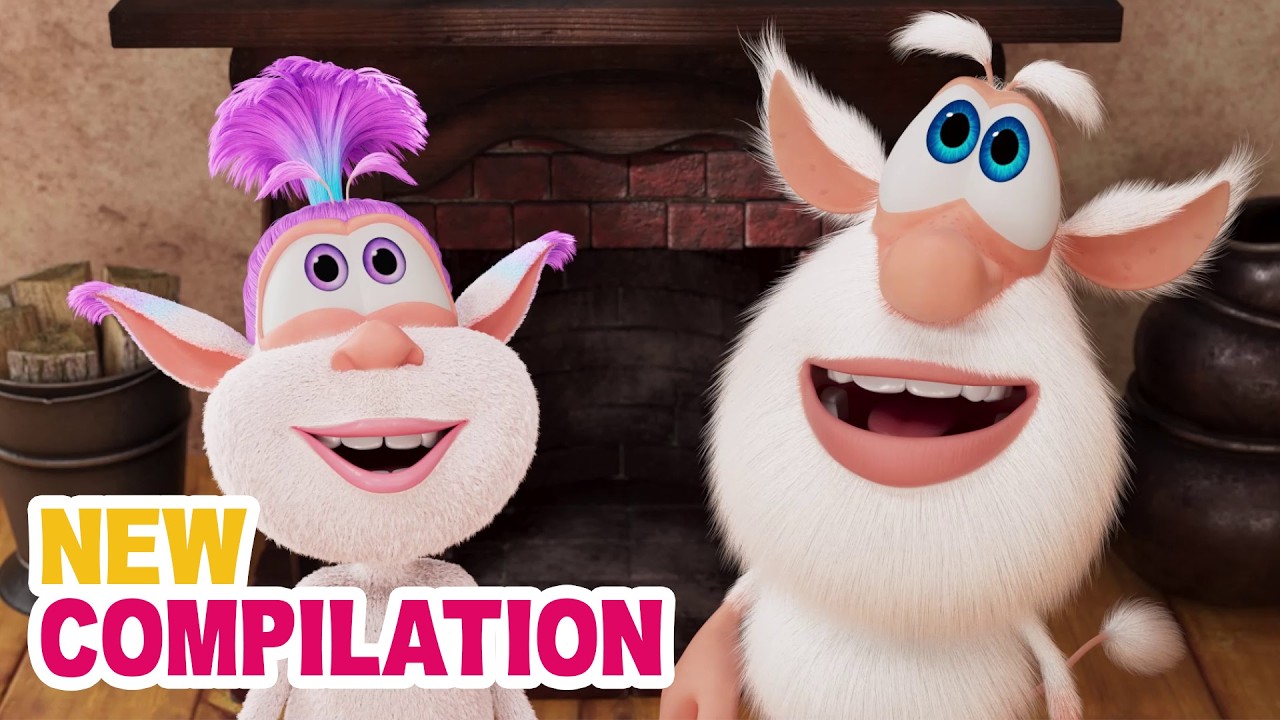
Toddlers between the ages of 1 and 3 experience the world very differently from older children. Their brains are developing rapidly, their attention span is short, and they respond most strongly to bright colors, simple actions, and clear emotions. This is where Booba becomes an ideal cartoon choice.
Booba episodes are specially loved by toddlers because they are simple, safe, colorful, and visually expressive. In this guide, we explore the best Booba episodes for toddlers (1–3 years) and explain why these episodes are perfect for early childhood viewing.
Why Booba Is Perfect for Toddlers:
Before listing the episodes, it’s important to understand why Booba works so well for this age group.
Toddlers need:
-
Visual storytelling (not complex dialogue)
-
Repetition and predictability
-
Bright, high-contrast colors
-
Gentle humor without fear
-
Short and engaging content
Booba delivers all of these naturally, making it one of the safest and most engaging cartoons for toddlers.
Top Booba Episodes for Toddlers (1–3 Years):
1. Booba and Bubbles
This episode is a toddler favorite. Floating bubbles instantly grab attention, and Booba’s attempts to catch and pop them create endless giggles.
Why it’s perfect for toddlers:
-
Slow, clear movements
-
Bright shiny bubbles
-
Simple cause-and-effect learning
Toddler benefit: Visual tracking and hand-eye coordination.
2. Booba and the Ball
In this episode, Booba plays with a colorful ball that rolls, bounces, and escapes him.
Why toddlers love it:
-
Repetitive motion
-
Bright primary colors
-
Easy-to-follow action
Toddler benefit: Understanding movement and basic physics through play.
3. Booba in the Bedroom
Booba explores pillows, blankets, and soft toys. The calm environment makes this episode ideal for very young children.
Why it works for ages 1–2:
-
Soft objects
-
Gentle humor
-
Familiar home setting
Toddler benefit: Comfort, emotional safety, and recognition of daily surroundings.
4. Booba and the Toy Box
A box full of toys becomes a mini adventure. Toys fall out, make sounds, and surprise Booba.
Why toddlers enjoy it:
-
Surprise elements without fear
-
Bright toy colors
-
Simple exploration
Toddler benefit: Curiosity and sensory stimulation.
5. Booba and Music Sounds
This episode focuses on sound-making objects. Booba reacts joyfully to different noises.
Why it’s great for toddlers:
-
Clear audio cues
-
Rhythm and repetition
-
Funny reactions
Toddler benefit: Early sound recognition and auditory development.
6. Booba and Water Play
Booba plays with water in a safe, playful way—splashing, pouring, and reacting to movement.
Why toddlers love it:
-
Water fascinates young minds
-
Gentle splashes
-
Clear visual movement
Toddler benefit: Sensory awareness and observation skills.
7. Booba and the Box
A simple cardboard box becomes a source of endless fun. Booba hides, jumps, and peeks out.
Why it’s toddler-friendly:
-
Simple object
-
Repetition
-
Peek-a-boo style humor
Toddler benefit: Object permanence and surprise recognition.
8. Booba and Soft Toys
Booba interacts with stuffed toys, hugging them and playing gently.
Why toddlers feel connected:
-
Familiar comfort objects
-
Calm pace
-
Friendly emotions
Toddler benefit: Emotional bonding and empathy.
9. Booba and Lights
Booba discovers lights turning on and off, reacting with excitement.
Why toddlers are fascinated:
-
Bright visual contrast
-
Immediate cause and effect
Toddler benefit: Understanding actions and reactions.
10. Booba’s Happy Dance
This episode focuses on movement and dancing.
Why toddlers love it:
-
Body movement
-
Fun music
-
Laughing expressions
Toddler benefit: Motor skills and body awareness.
What Toddlers Learn from These Episodes:
Even though Booba is mainly entertainment, toddlers gain valuable early learning skills:
-
Visual focus through movement and colors
-
Emotional recognition through facial expressions
-
Cause-and-effect understanding
-
Motor skill stimulation
-
Curiosity without fear
All of this happens naturally, without pressure or complex storytelling.
Why Parents Trust Booba for Toddlers:
Parents prefer Booba because:
-
No talking means no bad language
-
No violence or scary scenes
-
Short episodes reduce screen overload
-
Calm humor supports positive mood
Booba is especially useful for:
-
Quiet time
-
Short breaks
-
Safe screen exposure
Screen Time Tip for Parents:
For toddlers aged 1–3:
-
Limit screen time
-
Watch together when possible
-
Choose calm episodes
-
Avoid overstimulation
Booba’s gentle pacing makes it a better choice than fast, noisy cartoons.
Final Thoughts:
Booba is one of the best cartoon choices for toddlers because it perfectly matches early childhood psychology. The episodes listed above are ideal for ages 1–3, offering bright visuals, gentle humor, and safe exploration.
For parents looking for safe, engaging, and development-friendly entertainment, Booba episodes are a reliable and enjoyable option.