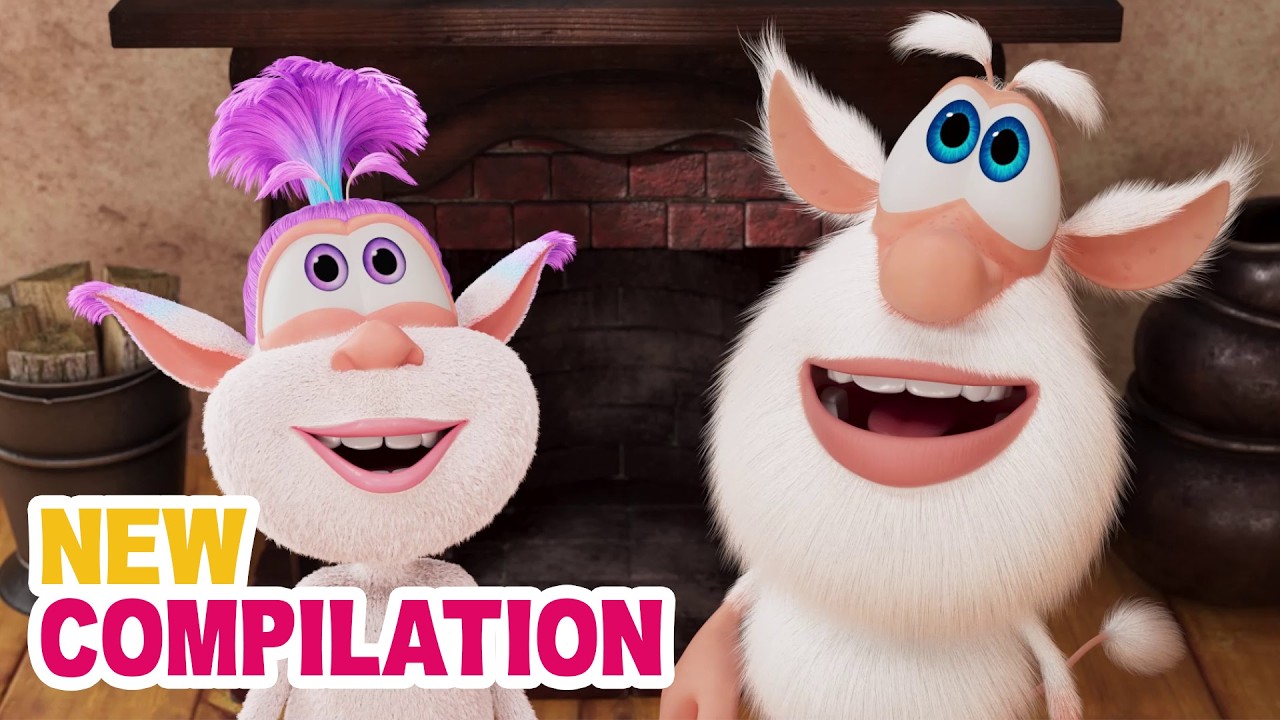
Booba Coloring Pages & How to Use Them for Learning

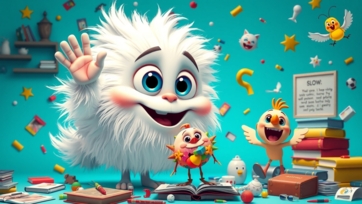
Booba coloring pages are more than just a fun activity—they provide children with opportunities to develop creativity, motor skills, and early learning abilities. Coloring helps children express themselves while enhancing focus, hand-eye coordination, and even early academic skills.

In this guide, we explore Booba coloring pages and how to use them for educational purposes, making learning both playful and effective.


Why Booba Coloring Pages Are Perfect for Kids:

Booba’s simple, expressive design makes it ideal for coloring. Key benefits include:

  • Clear outlines: Easy for children to color inside

  • Engaging characters: Booba, Spike, Loola, and Mr. Beak spark imagination

  • Safe and non-violent: Perfect for ages 3–7

  • Versatile learning opportunities: Can be combined with lessons on colors, shapes, and creativity


Educational Benefits of Coloring Booba Pages:

1. Fine Motor Skill Development

Coloring requires controlled hand movements, improving:

  • Grip strength

  • Precision

  • Hand-eye coordination

Example: Coloring Booba’s round eyes or expressive hands helps strengthen small muscles necessary for writing and drawing.


2. Creativity and Imagination

Booba’s world is playful and imaginative. Coloring allows children to:

  • Experiment with colors freely

  • Create unique interpretations of familiar characters

  • Imagine new adventures

Example: Children can color Booba’s clothes, toys, and surroundings in ways that reflect their creativity.


3. Learning Colors and Shapes

Parents can guide children to:

  • Identify primary and secondary colors

  • Learn about shapes by coloring different objects in the scene

  • Understand patterns and symmetry

Example: Coloring a scene with balloons, blocks, and a toy box can teach color recognition and shape differentiation.


4. Emotional Expression

Booba’s exaggerated expressions help children explore emotions while coloring.

  • Happiness, surprise, or mischief can be discussed

  • Encourages empathy and emotional awareness

  • Safe outlet for expressing feelings through art

Example: A surprised Booba can prompt discussions about emotions and storytelling.


5. Focus and Concentration

Coloring requires sustained attention, helping kids develop focus and patience.

  • Completing a page builds a sense of accomplishment

  • Encourages attention to detail

  • Prepares children for structured learning tasks

Example: Coloring all elements in a Booba adventure scene helps children concentrate for longer periods.


6. Storytelling and Language Skills

Booba coloring pages can spark creative storytelling. Children can narrate what Booba is doing while coloring.

  • Encourages vocabulary development

  • Improves verbal skills

  • Fosters narrative thinking

Example: “Booba is sliding on a pillow, and Spike is chasing a ball” – children create mini-stories while coloring.


7. Social Interaction and Sharing

Coloring can be turned into a group activity:

  • Siblings or friends can color together

  • Encourages collaboration and sharing

  • Teaches patience and taking turns

Example: Two children coloring a Booba scene together can practice teamwork and social skills.


8. Calm and Mindfulness

Coloring is a relaxing activity, helping children:

  • Manage emotions

  • Reduce restlessness

  • Develop mindfulness and focus

Example: After an active day, Booba coloring pages can provide a quiet, creative break.


Tips for Using Booba Coloring Pages Effectively:

  1. Provide a variety of tools: Crayons, colored pencils, and markers

  2. Combine with learning prompts: Ask questions like “What color should Booba’s toy be?”

  3. Encourage storytelling: Let children narrate the scene while coloring

  4. Create themed sets: Group pages by adventure, music, or indoor play

  5. Display finished work: Boosts confidence and motivates kids


Conclusion:

Booba coloring pages are both fun and educational, helping children develop fine motor skills, creativity, focus, emotional awareness, and early academic abilities. When combined with storytelling, discussion, and group activities, these coloring pages become a powerful tool for learning while keeping the playful spirit of Booba alive.

Parents and educators can easily integrate these pages into home activities, classrooms, or daycare centers, ensuring that children learn while having fun.
Advertisement
Top 10 Funniest Booba Episodes of All Time
Booba, the adorable, curious, and mischievous cartoon creature, has captured the hearts of children around the world. Known for his expressive antics, playful adventures, and endless curiosity, Booba has become a favorite among preschoolers and young kids. If you’re a parent or a fan wondering which episodes are the most hilarious, we’ve compiled the Top 10 Funniest Booba Episodes of All Time. These episodes are guaranteed to make kids laugh, stay entertained, and even learn something new along the way. 1. Booba’s Big Balloon Adventure: In this episode, Booba discovers a colorful balloon that floats away whenever he tries to grab it. His hilarious attempts to catch the balloon include climbing chairs, bouncing on cushions, and even trying to use kitchen utensils as tools. The episode teaches kids about problem-solving while keeping the laughs coming. Why it’s funny: Booba’s exaggerated expressions, clumsy movements, and endless determination make this a comedy classic. 2. Booba and the Magical Kitchen: Booba sneaks into a kitchen full of gadgets, appliances, and ingredients. Chaos ensues as he tries to cook or taste everything he finds. From mixing flour in the air to accidentally turning on the blender, every moment is a source of laughter. Why it’s funny: The combination of everyday objects becoming unpredictable and Booba’s reactions creates endless humor. 3. Booba’s Bubble Trouble: In this episode, Booba discovers soap bubbles and is immediately fascinated. The playful bubbles float everywhere, causing Booba to chase, pop, and occasionally fall into funny situations. Why it’s funny: The episode uses visual comedy, with Booba slipping, sliding, and interacting with the bubbles in unexpected ways. 4. Booba at the Toy Store: Booba visits a toy store and becomes overwhelmed by the variety of toys. He climbs shelves, tries ride-on toys, and even causes a playful toy avalanche. This episode is packed with physical comedy and imaginative play. Why it’s funny: Booba’s curiosity leads to chaotic situations that kids find relatable and entertaining. 5. Booba and the Music Box: Booba finds a music box that plays different tunes when opened. He experiments with dancing, creating new sounds, and trying to imitate the music. His goofy dance moves and offbeat timing create endless giggles. Why it’s funny: Booba’s funny dancing, coupled with unexpected music, engages both children and parents alike. 6. Booba and the Flying Carpet: In this fantasy-inspired episode, Booba discovers a magic carpet. His attempts to fly it lead to funny crashes, dizzy spins, and comical landings. Children enjoy watching him navigate this new adventure while laughing at his clumsy but determined efforts. Why it’s funny: Visual humor, magical elements, and Booba’s expressive reactions make it highly entertaining. 7. Booba and the Giant Cake: Booba encounters a huge cake and can’t resist trying to taste it. He climbs, jumps, and slides across the cake, eventually creating a mess but having the time of his life. Why it’s funny: Booba’s obsession with food and the resulting chaos is relatable and hilarious for young viewers. 8. Booba in the Bathroom: Booba explores the bathroom, experimenting with water, soap, and the toilet. His curious antics lead to slippery floors, water splashes, and funny reactions. Why it’s funny: The episode uses slapstick humor and everyday scenarios that children easily relate to. 9. Booba and the Vacuum Cleaner: Booba discovers a vacuum cleaner and treats it as a giant robot. He runs, hides, and even tries to “tame” it, leading to a series of comical events. Why it’s funny: Booba’s fearless approach and exaggerated movements turn a simple household appliance into a source of endless laughter. 10. Booba’s Christmas Surprise: In this holiday special, Booba gets into festive mischief with Christmas decorations, presents, and a giant tree. His excitement leads to ornaments falling, lights flickering, and playful chaos. Why it’s funny: The combination of holiday cheer, Booba’s curiosity, and visual comedy makes this episode memorable and funny. Why Booba Episodes Are So Entertaining: Booba’s humor is universal. The show doesn’t rely on spoken language, which allows children of all ages and languages to enjoy it. Key factors that make Booba episodes funny include: Physical Comedy: Booba’s exaggerated movements, clumsy reactions, and playful antics appeal to young kids. Relatable Situations: Everyday objects and environments become hilarious adventures. Curiosity Gone Wild: Booba’s endless curiosity leads to funny chaos, which keeps kids laughing. Bright, Colorful Animation: Visual appeal adds to the entertainment factor. Parents also appreciate that the show is safe, educational, and encourages creativity, making Booba a favorite in homes worldwide. Educational Benefits of Funny Booba Episodes: Even though Booba’s episodes are primarily humorous, they also provide learning opportunities: Problem-Solving Skills: Kids learn through observation as Booba experiments with objects. Imagination and Creativity: Everyday items are transformed into fun adventures. Social Skills: Interaction with other characters teaches sharing, teamwork, and empathy. Emotional Understanding: Booba’s reactions help children identify emotions like surprise, joy, and curiosity. Where to Watch Booba Episodes: Parents can watch Booba episodes on multiple platforms: YouTube: Free access to all episodes. Netflix & Amazon Prime: Some seasons available for streaming. Official Booba App: Region-dependent availability. This makes it easy to enjoy Booba anytime, anywhere. Final Thoughts: Booba’s funniest episodes are more than just a source of laughter—they combine humor, curiosity, and learning into a single entertaining package. From playful balloon adventures to magical flying carpets, Booba brings joy to children worldwide. Parents can rest assured that Booba is a safe, educational, and engaging option for kids’ digital entertainment. Whether you’re looking for short, laugh-out-loud episodes or educational fun, these Top 10 Funniest Booba Episodes are the ultimate guide for parents and kids alike.
Best Kids Safety Cartoon in 2025
Keeping children safe is a top priority for every parent. In 2025, kids safety cartoon videos have become an effective way to teach toddlers and preschoolers home safety, road safety, and general precautions in a fun, engaging, and memorable way. Animated safety videos use colorful visuals, relatable characters, and storytelling to convey important lessons without being scary or overwhelming. This guide explores the benefits of safety cartoons, top series for children in 2025, and tips for parents to reinforce learning. Why Safety Cartoon Videos Are Important: Young children are naturally curious, which can put them at risk if they do not understand basic safety rules. Safety cartoons help by: Teaching essential safety skills: Home safety, road safety, and stranger awareness. Providing visual examples: Demonstrates safe behavior step by step. Promoting memory and recall: Repetition and catchy songs make rules easy to remember. Encouraging discussion: Parents and children can talk about what was learned. Making learning fun: Children perceive lessons as entertaining, not boring. Animated characters model correct behaviors, helping toddlers imitate and internalize safety habits naturally. Key Safety Lessons in Kids Cartoon Videos: 1. Home Safety: Avoid touching sharp objects, hot surfaces, or electrical outlets. Keep small objects away from toddlers to prevent choking. Demonstrate safe ways to climb stairs, use furniture, and play indoors. 2. Road Safety: Look both ways before crossing the street. Always hold an adult’s hand near traffic. Wear helmets while riding bikes or scooters. Follow traffic lights and pedestrian rules. 3. Stranger Awareness: Teach children not to go with strangers. Explain safe ways to seek help when lost. 4. Emergency Awareness: How to call for help (parents, guardians, emergency numbers). Stay calm and wait in a safe spot during emergencies. Top Kids Safety Cartoon Series in 2025: 1. Safety with Zoya: Zoya is a cheerful character who teaches home and road safety in an entertaining way. Highlights: Animated songs and repetition reinforce learning. Demonstrates safety routines through fun storytelling. Ideal for toddlers and preschoolers aged 3–7. 2. Booba Safety Adventures: Booba’s curiosity leads to situations where children learn safety rules through observation. Benefits: Non-verbal storytelling suitable for all languages. Engages children in identifying safe and unsafe actions. Perfect for young learners exploring their environment. 3. Super Simple Safety Songs: Combines nursery rhymes with safety lessons. Learning focus: Road safety songs like “Stop, Look, and Listen.” Home safety rhymes for brushing teeth, washing hands, and using toys safely. Reinforces memory through music and repetition. 4. Little Hero Safety Stories: Mini-stories teach children how to stay safe, act responsibly, and help others in emergencies. Key lessons: Fire safety and first aid basics Crossing streets safely Asking for help from trusted adults 5. Safe Friends Adventures: Animal characters demonstrate safety rules through fun situations. Learning benefits: Teaches sharing, cooperation, and hazard awareness. Introduces basic science and safety concepts in playful stories. Suitable for preschool and early school-age children. How Parents Can Maximize Learning: Parents can help children internalize safety lessons from cartoons by: Watching together: Discuss each scenario and ask questions like, “What should we do next?” Role-playing: Practice crossing streets, emergency drills, or safe indoor play. Repeating favorite episodes: Repetition helps toddlers remember important rules. Reinforcing in daily life: Praise children when they follow safety habits at home or outside. Interactive quizzes: Ask simple questions after watching videos to reinforce learning. Balance screen time: Short, focused episodes work best for toddlers. Recommended Kids Safety Cartoon Videos for 2025: Safety with Zoya – Home and road safety lessons Booba Safety Adventures – Observation and hazard awareness Super Simple Safety Songs – Nursery rhymes with safety themes Little Hero Safety Stories – Fire, emergency, and first aid lessons Safe Friends Adventures – Animal characters teaching safety These animated videos make learning safety engaging, fun, and practical, helping children adopt good habits that protect them in everyday life. Final Thoughts: Kids safety cartoon videos are a powerful tool for teaching toddlers and preschoolers essential safety skills. In 2025, animated series combine storytelling, music, and colorful visuals to make learning fun, memorable, and effective. Parents can enhance learning by: Watching together and discussing lessons Practicing safety routines in real life Reinforcing rules through role-play and repetition With the right safety cartoons, screen time becomes educational, giving children practical knowledge that helps them stay safe, confident, and responsible in everyday situations. Tip for Parents: Encourage children to demonstrate safety rules learned from cartoons, which improves retention and practical application.
Best Cartoon Stories About Family and Love
Family and love are central to a child’s early development. In 2025, cartoon stories about family and love have become a favorite tool for parents to teach toddlers and preschoolers the importance of relationships, empathy, and emotional connection. These animated stories combine vivid visuals, engaging characters, and gentle storytelling to help children understand love, respect, and the value of family bonds. This guide explores the benefits of family-themed cartoons, highlights the top series for 2025, and provides tips for parents to reinforce these lessons in daily life. Why Family and Love Cartoons Matter: Children learn social and emotional skills by observing behaviors, and family-focused cartoons provide: Understanding of relationships: Shows positive interactions between family members. Emotional intelligence: Teaches children to recognize and express feelings. Empathy and compassion: Characters model care, patience, and kindness. Safe storytelling: Age-appropriate scenarios with no violence or adult themes. Role models: Illustrates healthy communication, respect, and cooperation. By combining entertainment with moral lessons, these cartoons help children build a strong emotional foundation. Key Lessons in Family and Love Cartoons: Respect for Family Members Encourages listening, sharing, and helping parents, siblings, and grandparents. Showing Love and Affection Hugs, kind words, and caring actions model positive emotional expression. Problem-Solving Together Family members work together to overcome challenges, teaching teamwork. Gratitude and Appreciation Shows children how to value and thank family members. Conflict Resolution Gentle guidance on managing disagreements and fostering understanding. Top Cartoon Stories About Family and Love in 2025: 1. The Family Tree Adventures: A popular series where family members go on adventures and solve problems together, teaching children the importance of unity and support. Highlights: Focuses on family bonding and teamwork Engaging and colorful animations for toddlers Age-appropriate moral lessons about love and cooperation 2. Booba’s Family Fun: Booba interacts with family-like characters, learning lessons about sharing, helping, and expressing affection. Why it’s popular: Non-verbal storytelling suitable for all languages Teaches social and emotional skills through playful actions Short episodes ideal for young children’s attention spans 3. Little Hearts Club: Animated mini-stories that show children helping their families, expressing love, and supporting friends. Key lessons: Empathy and compassion Cooperation and problem-solving Celebrating love and gratitude 4. Animal Families Tales: Animal characters model family dynamics, teaching children how family members care for and support each other. Learning highlights: Introduces concepts of sibling care and parent-child interaction Emotional lessons embedded in fun storytelling Encourages children to show love and empathy in real life 5. Super Simple Family Songs: Animated songs focus on family, love, and gratitude, reinforcing moral lessons through music. Benefits: Encourages participation through singing and dancing Helps toddlers remember positive behaviors Combines education, music, and gentle humor How Parents Can Reinforce Lessons: Parents can enhance learning from family and love cartoons by: Watching together: Pause to discuss feelings and interactions. Practice affection: Encourage hugs, kind words, and helping behaviors. Repeat favorite stories: Reinforces emotional lessons. Relate to real-life situations: Show children how lessons apply at home. Use creative play: Role-play family situations to teach empathy and cooperation. Praise positive behavior: Encourage children when they show love and respect. Recommended Cartoon Stories About Family and Love: The Family Tree Adventures – Adventures emphasizing bonding and teamwork Booba’s Family Fun – Observation-based lessons on sharing and affection Little Hearts Club – Mini-stories teaching empathy and problem-solving Animal Families Tales – Animal-themed family lessons Super Simple Family Songs – Musical reinforcement of love and gratitude These cartoons are safe, engaging, and educational, helping children understand relationships, develop empathy, and value family bonds. Final Thoughts: Cartoon stories about family and love are more than just entertainment—they are tools for emotional and social development. In 2025, animated series help children learn: How to express love and gratitude How to resolve conflicts and cooperate with family How to develop empathy and positive social skills Parents can enhance learning by: Watching and discussing episodes together Practicing real-life applications of lessons Encouraging creative and empathetic play With the right family-themed cartoons, children develop emotional intelligence and appreciation for loved ones while enjoying safe, colorful, and heartwarming stories. Tip for Parents: Encourage children to draw or act out scenes showing family love, which reinforces creativity, comprehension, and emotional expression.
Raising Curious Kids: Lessons from Playful Cartoon Characters’ Personality
Curiosity is a key trait that drives learning, creativity, and problem-solving in children. Funny, playful cartoon characters often display endless curiosity, exploring their surroundings, asking questions, and experimenting with new things. Parents can use these traits as a guide to foster curiosity and learning in their children. This guide explores lessons parents can draw from animated characters’ personalities to raise curious, engaged, and imaginative kids. Why Curiosity Matters in Early Childhood: Encourages Exploration: Curious children are more likely to explore their environment, leading to hands-on learning. Boosts Problem-Solving Skills: A curious mindset helps children approach challenges creatively and persistently. Fosters Lifelong Learning: Early curiosity lays the foundation for self-directed learning and growth. Enhances Social Skills: Curious kids ask questions and seek to understand, building communication and empathy. Lessons from Playful Cartoon Characters: 1. Embrace Mistakes as Learning Opportunities Animated characters often try new things and make mistakes. Teach children that failure is part of learning and encourage them to try again. 2. Explore and Ask Questions Characters demonstrate curiosity by investigating objects, places, and scenarios. Parents can encourage children to ask “why” and “how” during everyday activities. 3. Be Bold and Creative Playful characters often think outside the box and solve problems in unusual ways. Encourage children to experiment with art, building blocks, or imaginative play. 4. Pay Attention to Details Observing small details helps cartoon characters navigate their world. Activities like drawing, matching games, and puzzles enhance observational skills in children. 5. Celebrate Curiosity When characters discover something new, it’s exciting and fun. Praise children when they show curiosity, reinforcing positive learning behaviors. Practical Ways for Parents to Foster Curiosity: Provide Open-Ended Activities: Puzzles, building blocks, and art projects encourage exploration. Use Playful Learning Tools: Animated characters, storybooks, and educational games make learning engaging. Ask Open-Ended Questions: Encourage children to explain what they think, see, or feel. Create a Safe Exploration Environment: Let children experiment without fear of mistakes. Encourage Outdoor Exploration: Nature walks, simple science experiments, and sensory activities stimulate curiosity. Benefits of Encouraging Curiosity: Cognitive Development: Improves problem-solving, reasoning, and understanding. Emotional Growth: Builds resilience and confidence in trying new things. Creativity & Imagination: Inspires inventive thinking and imaginative play. Social Learning: Curiosity leads to better communication, collaboration, and empathy. Final Thoughts: Playful cartoon characters are a fun example of curiosity in action. By observing and encouraging similar traits in children—exploration, boldness, questioning, and experimentation—parents can raise curious, confident, and creative kids. Combining fun activities, hands-on learning, and guided discussions with everyday experiences will help children develop curiosity into lifelong learning habits.
Best Nursery Rhymes for Children in 2025
Learn and Sing with Fun Nursery rhymes have been a beloved part of early childhood education for generations. In 2025, their role has become even more significant, thanks to animated videos and interactive digital content. Nursery rhymes help children develop language skills, memory, rhythm, and social understanding—all while having fun. This guide explores the benefits of nursery rhymes, popular animated series for children, and tips for parents to make the most out of rhyme-based learning. Why Nursery Rhymes Are Important for Children: Nursery rhymes are more than simple songs—they are powerful educational tools. They combine melody, rhythm, and repetition, making learning enjoyable and effective. Key benefits of nursery rhymes include: Language development: Helps children learn new words, pronunciation, and sentence structure. Memory and recall: Repetition and rhyming enhance memory skills. Rhythm and musical skills: Introduces children to beat, melody, and rhythm. Cognitive development: Patterns, sequences, and storylines encourage thinking and reasoning. Social and emotional growth: Singing together promotes bonding, cooperation, and emotional expression. Popular Types of Nursery Rhymes: Nursery rhymes can be grouped into several categories to target different learning skills: 1. Traditional Rhymes: These are the classic rhymes like Twinkle Twinkle Little Star, Humpty Dumpty, or Baa Baa Black Sheep. They are simple, melodic, and easy to memorize, making them perfect for toddlers and preschoolers. 2. Alphabet and Counting Rhymes: Songs that combine rhymes with alphabet letters or numbers help children learn language and numeracy simultaneously. Examples include ABC Song and One, Two, Buckle My Shoe. 3. Movement and Action Rhymes: Action rhymes involve gestures and physical activity, improving gross motor skills and coordination. Examples include If You’re Happy and You Know It or Head, Shoulders, Knees, and Toes. 4. Themed Rhymes: Some nursery rhymes focus on animals, seasons, or daily routines, teaching children about the world in a fun, musical way. Examples include Old MacDonald Had a Farm and Rain, Rain, Go Away. Top Animated Nursery Rhymes for Children in 2025: 1. Super Simple Songs: A favorite among toddlers, this series combines animated visuals, slow-paced music, and easy-to-follow lyrics. Highlights: Alphabet, numbers, and action rhymes Interactive, easy for children to sing along Bright, colorful animations for engagement 2. Booba’s Nursery Rhymes: Booba, a popular character, now features nursery rhyme adventures that make classic songs fun and playful. Benefits: Non-verbal and universally understandable Encourages observation and rhythm learning Perfect for toddlers and preschoolers 3. Little Baby Bum: One of the most well-known animated nursery rhyme channels, Little Baby Bum offers: Wide range of rhymes from traditional to modern Fun animations to hold children’s attention Songs that reinforce early language, counting, and colors 4. Cocomelon: Cocomelon is widely popular for combining nursery rhymes with short educational stories. Learning focus: Letters, numbers, and colors Social skills and good habits Memory and listening skills through repetition 5. Nursery Rhymes Club: An interactive animated series with sing-along features and visual cues for each word. Benefits: Engages children in singing and reading Improves pronunciation and vocabulary Introduces rhythm and melody for early musical skills How to Use Nursery Rhymes Effectively: While nursery rhymes are fun, parents play a key role in enhancing their educational value: Sing along: Join your child to improve language and bonding. Add gestures and movements: Action rhymes improve coordination and memory. Repetition is key: Repeating songs helps reinforce learning. Combine with visuals: Animated videos make rhymes more engaging. Discuss the story or theme: Even short rhymes can teach lessons about animals, nature, or social behavior. Create a daily routine: Singing nursery rhymes at consistent times (morning, bedtime) reinforces memory and habit formation. Benefits of Animated Nursery Rhymes: Animated nursery rhymes combine music, movement, and storytelling to create a multi-sensory learning experience: Visual learning: Bright characters, colors, and movements enhance memory. Auditory learning: Repetition of sounds, words, and rhythms improves language skills. Interactive engagement: Sing-along and dance-along features make learning fun. Emotional connection: Characters and songs help children express feelings and connect with stories. Recommended Nursery Rhymes for Children in 2025: Here’s a curated list of popular and educational nursery rhyme series: Super Simple Songs – Alphabet, numbers, and classic rhymes Booba’s Nursery Rhymes – Fun adventures with playful characters Little Baby Bum – Wide variety of rhymes with vibrant animations Cocomelon – Combines songs with short stories and social lessons Nursery Rhymes Club – Interactive sing-along videos for toddlers These series provide safe, colorful, and educational content, making learning enjoyable for toddlers and preschoolers. Final Thoughts: Nursery rhymes are a timeless tool for early childhood learning, helping children develop language, memory, rhythm, and social skills. In 2025, animated and interactive videos make these rhymes even more engaging, allowing toddlers to learn while having fun. Parents can maximize the benefits by: Singing along with their children Incorporating gestures and movements Repeating favorite rhymes regularly Pairing songs with discussion or hands-on activities With the right nursery rhymes, screen time becomes productive and educational, giving toddlers a strong foundation for learning, creativity, and social development. Tip for Parents: Encourage children to create their own rhymes or act out songs—this reinforces creativity, memory, and understanding of language patterns.
20 Booba-Inspired Indoor Games for Kids
Booba’s playful, curious, and energetic adventures are perfect inspiration for indoor games. Kids can recreate Booba’s fun, safe, and chaotic play at home, keeping them entertained while boosting creativity, motor skills, and problem-solving abilities. In this guide, we present 20 Booba-inspired indoor games for kids, suitable for ages 3–7, that combine fun, learning, and physical activity. 1. Balloon Chase Adventure: Inflate colorful balloons and have kids chase and catch them, just like Booba chasing floating objects. Benefits: Improves coordination and gross motor skills. 2. Booba’s Treasure Hunt: Hide small toys around a room and give children simple clues to find them. Benefits: Encourages problem-solving and observation. 3. Obstacle Climb: Set up pillows, chairs, and soft blocks for kids to climb over and crawl under safely, mimicking Booba’s adventurous movements. Benefits: Enhances balance, agility, and spatial awareness. 4. Toy Sorting Race: Give kids a pile of toys and ask them to sort them by color or type as quickly as possible. Benefits: Improves attention to detail and categorization skills. 5. Booba Freeze Dance: Play fun music and have kids dance like Booba. When music stops, they must freeze in a silly pose. Benefits: Boosts motor control, rhythm, and listening skills. 6. Pillow Mountain Jump: Build a small pillow mountain and let kids jump from one pillow to another, safely. Benefits: Enhances coordination, balance, and fun risk-taking. 7. Bubble Popping Challenge: Blow bubbles and let kids pop them before they touch the floor. Benefits: Improves hand-eye coordination and focus. 8. Indoor Slide Adventure: Use a small indoor slide or create one with cushions, letting kids slide down safely, like Booba’s playful antics. Benefits: Encourages gross motor skills and balance. 9. Stuffed Animal Parade: Children line up stuffed toys and parade them around, imitating Booba interacting with soft toys. Benefits: Promotes imaginative play and organization. 10. Booba’s Puzzle Challenge: Use simple floor puzzles and let kids assemble them quickly. Benefits: Improves problem-solving, spatial awareness, and patience. 11. Balloon Volleyball: Kids hit a balloon back and forth without letting it touch the ground. Benefits: Boosts coordination, teamwork, and timing. 12. Color Hunt Adventure: Call out a color, and children must find an object of that color around the room quickly. Benefits: Teaches color recognition and observation. 13. Indoor Bowling: Set up empty plastic bottles and roll a soft ball to knock them down. Benefits: Improves aim, coordination, and gross motor skills. 14. Booba Says (Simon Says): Play “Booba Says” with silly actions like “jump like Booba” or “crawl like Booba.” Benefits: Encourages listening, attention, and imaginative movement. 15. Indoor Hopscotch: Use masking tape to create a hopscotch grid on the floor. Children jump through the squares like Booba navigating obstacles. Benefits: Enhances balance, motor skills, and number recognition. 16. Toy Rescue Mission: Place small toys in hard-to-reach areas and have children retrieve them safely. Benefits: Encourages problem-solving and strategic thinking. 17. Indoor Balloon Maze: Use chairs and cushions to create a maze. Kids must navigate while carrying a balloon without dropping it. Benefits: Promotes balance, coordination, and planning. 18. Booba’s Funny Faces Contest: Kids imitate funny Booba expressions and actions in front of a mirror. Benefits: Enhances creativity, emotional recognition, and self-expression. 19. Treasure Toss Game: Set up containers and let kids toss soft toys or bean bags into them. Benefits: Improves hand-eye coordination and precision. 20. Indoor Adventure Storytelling: Encourage children to create their own Booba-inspired indoor adventure stories using toys, cushions, and props. Benefits: Boosts imagination, storytelling skills, and cooperative play. Why Parents Love Booba-Inspired Games: Parents appreciate these games because they: Keep kids physically active indoors Develop cognitive, social, and motor skills Encourage creative and imaginative play Provide safe chaos similar to Booba episodes These games are perfect for rainy days, small apartments, or structured playtime. Final Thoughts: Booba-inspired indoor games combine the fun and chaos of Booba episodes with valuable learning experiences. Kids can improve motor skills, problem-solving, creativity, and social interaction while laughing, exploring, and having safe, indoor adventures. Whether it’s balloon chasing, obstacle climbing, or imaginative storytelling, these 20 games make Booba’s playful world come alive at home.
Booba Crafts for Preschoolers
Booba is a playful, curious, and visually engaging character that sparks creativity and imagination in young children. For preschoolers, crafting activities inspired by Booba are not only fun but also educational, promoting fine motor skills, creativity, and problem-solving. In this guide, we explore easy and engaging Booba crafts for preschoolers, designed for children aged 3–5, suitable for home, preschool classrooms, or daycare centers. Why Booba Crafts Are Perfect for Preschoolers: Visual Engagement: Booba’s expressive eyes, fluffy body, and exaggerated actions captivate young children. Simple Designs: Easy shapes and bold outlines are ideal for preschool-level crafts. Hands-On Learning: Cutting, gluing, and coloring enhance fine motor development. Imaginative Play: Crafting Booba characters allows role-play and storytelling. Top Booba Craft Ideas for Preschoolers: 1. Booba Paper Mask Materials: Printable Booba template, cardstock, crayons, child-safe scissors, elastic string Activity: Color, cut, and assemble a Booba mask Learning: Enhances motor skills, creativity, and role-play 2. Booba Hand Puppets Materials: Paper bags, markers, glue, colored paper Activity: Decorate bags to create Booba puppets Learning: Encourages storytelling, imaginative play, and social interaction 3. Booba Coloring Sheets Materials: Printable coloring pages, crayons, colored pencils Activity: Color Booba in different scenes Learning: Improves hand-eye coordination, color recognition, and focus 4. Booba Balloon Art Materials: Balloons, markers, colored paper Activity: Draw Booba faces on balloons Learning: Enhances creativity and visual expression 5. Booba Paper Plate Craft Materials: Paper plates, glue, colored paper, crayons Activity: Make Booba’s face on a plate Learning: Teaches shapes, textures, and spatial awareness 6. Booba Collage Materials: Scrap paper, magazines, glue, markers Activity: Cut and paste shapes to recreate Booba’s adventures Learning: Boosts creativity, observation, and fine motor skills 7. Booba Finger Puppets Materials: Felt, glue, markers Activity: Create small Booba finger puppets for storytelling Learning: Encourages role-playing, storytelling, and hand dexterity 8. Booba Origami Materials: Colored paper Activity: Fold paper to make Booba or related objects Learning: Enhances spatial reasoning, sequencing, and fine motor skills 9. Booba Craft Stick Characters Materials: Popsicle sticks, markers, glue, colored paper Activity: Make Booba and friends on sticks for imaginative play Learning: Promotes creative thinking and storytelling 10. Booba Sensory Bottles Materials: Clear plastic bottles, glitter, small Booba figures, water Activity: Fill bottles with water and decorations for visual play Learning: Encourages focus, sensory exploration, and calm play Educational Benefits of Booba Crafts: Fine Motor Skills: Cutting, coloring, and gluing improve hand strength and coordination. Creativity & Imagination: Children interpret Booba’s adventures in their own way. Cognitive Development: Planning craft steps encourages problem-solving and sequencing. Social Skills: Craft activities in groups teach sharing, cooperation, and communication. Emotional Expression: Recreating Booba’s expressions helps children explore feelings. Tips for Parents and Educators: Supervise cutting and gluing activities for safety. Encourage children to narrate stories while crafting. Rotate crafts for variety: masks, puppets, and coloring activities. Display finished crafts to boost confidence and motivation. Use Booba episodes as inspiration to connect crafts with storytelling. Final Thoughts: Booba crafts are a perfect combination of fun and education for preschoolers. Through hands-on activities like masks, puppets, coloring, and collages, children develop fine motor skills, creativity, imagination, and social abilities. Integrating Booba-inspired crafts into playtime or preschool activities ensures that learning and fun happen simultaneously.
DIY Bedroom Decor Inspired by Gentle Characters: A 2025 Creative Guide
Transforming a child's room into a space that sparks joy and curiosity doesn't require a full remodel or a big budget. By channeling the playful, exploratory spirit of gentle, popular characters, you can create a personalized sanctuary that encourages imagination and calm. This 2025 guide offers safe, creative, and non-permanent DIY ideas to bring a touch of playful wonder to any bedroom. Guiding Philosophy: Whimsy, Not Overstimulation : The goal is to create a space that feels playful yet peaceful, not chaotic. Think subtle nods and interactive elements over overwhelming themes. Focus on the character's core traits: curiosity, simplicity, and joyful discovery. Safety First: All projects should use non-toxic, child-safe paints and materials. Ensure any wall hangings are securely mounted and all electrical elements (like LEDs) are low-voltage and supervised. Idea 1: The "Curiosity Door" Silhouette : Add a touch of magic to the room's entrance. What You'll Need: Dark blue or black adhesive vinyl (or removable wall decal paper and a projector), a craft knife, and a cutting mat. The DIY: Find a simple, recognizable silhouette of the character in a curious pose—peeking around a corner, holding a light bulb. Use a projector to trace the outline onto the vinyl, then carefully cut it out. Apply it to the door at child-height, as if the character is peeking into their room. It's a welcoming, non-permanent detail. Pro Tip: For a 3D effect, use craft foam sheets instead of vinyl. Idea 2: Glow-in-the-Dark "Discovery" Constellation Wall : Capture the wonder of exploration on the ceiling or an accent wall. What You'll Need: Glow-in-the-dark star stickers, glow-in-the-dark fabric paint, a stencil of simple shapes (light bulb, question mark, gear), and a blacklight bulb for a lamp (optional). The DIY: Create a custom "constellation" on the ceiling above the bed. Instead of just stars, use the glow paint and stencils to add themed shapes among the stars. Use the star stickers to connect them into unique constellations. The glow paint will charge by day and create a magical, calming night light effect. Pro Tip: Name the constellations together ("The Great Light Bulb," "The Curious Question Mark"). Idea 3: "Adventure Gear" Wall Hooks : Turn clutter into part of the decor. What You'll Need: Plain wooden wall hooks, sandpaper, non-toxic acrylic paints (blues, whites, black), and clear sealant. The DIY: Sand and paint the hooks to resemble the character's simple color scheme—a blue base with white "gloves" on the hook prongs. Paint two large, curious black and white eyes near the top of each hook. Mount them at kid-height for hanging backpacks, hats, or dress-up capes. It looks like helpful little friends holding their gear. Pro Tip: Use command strips to mount them without damaging walls. Idea 4: Interactive "What's Inside?" Fabric Bins : Add mystery to toy storage. What You'll Need: Plain canvas storage cubes or bins, fabric paint or markers, and a plain, contrasting fabric circle. The DIY: On the front of each bin, paint or draw a large, simple version of the character's face with a huge, curious open mouth. Sew or use strong fabric glue to attach the fabric circle behind the mouth opening, creating a sturdy "pocket." Kids can now "feed" the bin by putting toys through the mouth, or pull toys out from inside. Label bins with pictures (blocks, cars, animals) on the sides. Pro Tip: Use different facial expressions on each bin (surprised, happy, puzzled). Idea 5: Oversized "Friendly Friend" Bean Bag Chair : Create the ultimate cozy reading nook. What You'll Need: A large, plain bean bag chair (or a bean bag insert and durable fabric to make a cover), blue and white fleece or minky fabric, and black felt. The DIY: Create a custom slipcover. Use blue fabric for the main body. Sew on large white oval "eye" patches and a white tummy patch. Cut and securely attach black felt circles for pupils and a simple, smiling mouth. The result is a giant, huggable version of their friend that they can actually sit on and relax with. Pro Tip: Make the cover zippered and machine-washable. Idea 6: "Mystery Object" Shadow Box Shelves : Display treasures with a sense of wonder. What You'll Need: A few deep, wooden shadow box frames, non-toxic paint (in the character's signature blue), and battery-operated LED puck lights. The DIY: Paint the interior back panel of each shadow box a deep blue. Arrange and secure a collection of your child's interesting "found objects"—a cool rock, a pinecone, a vintage key, a colorful marble—inside each box. Install a small LED light inside to illuminate the collection. Mount the boxes together on the wall. It celebrates curiosity and makes everyday objects look like museum exhibits. Pro Tip: Let your child curate and change the objects seasonally. Final Touch: The "Idea Jar" Nightstand Companion : Encourage creativity right from bed. What You'll Need: A simple blue jar, a label, and popsicle sticks. The DIY: Label the jar "Adventure Ideas." On each popsicle stick, write a simple, curious prompt: "Find something blue tomorrow," "Listen for a new sound," "Build a fort after school," "Ask a 'why' question." It extends the room's theme of curiosity into daily life. Conclusion: A Room That Grows With Them : The best DIY decor is flexible, personal, and full of heart. These projects focus on interactivity and subtle themes that won't feel "babyish" in a year. By creating a space that values curiosity and cozy comfort, you're building more than just a bedroom—you're creating a launchpad for imagination, designed with love, one creative project at a time.