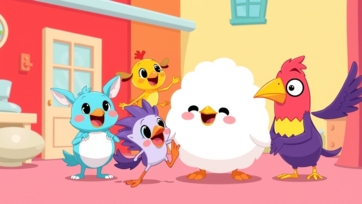
Top Cartoons Similar to Playful Cartoon Characters Kids Will Love

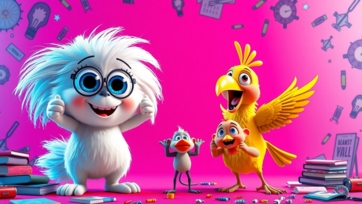
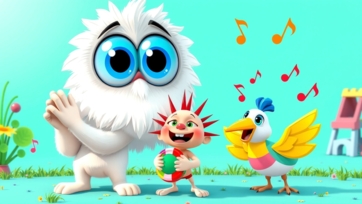
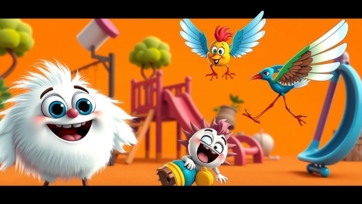
Kids love funny, curious, and colorful animated characters. Many children who enjoy one playful cartoon are often drawn to similar shows that combine humor, creativity, and learning.

This guide highlights top cartoons similar to playful animated characters, helping parents choose age-appropriate, engaging, and educational content for children aged 3–8.


Why Kids Love Playful Cartoons:

  • Bright Colors and Fun Animations: Eye-catching visuals keep kids engaged.

  • Expressive Characters: Funny faces and exaggerated actions appeal to young viewers.

  • Simple Stories: Easy-to-follow plots help children understand cause and effect.

  • Humor and Slapstick Comedy: Silly antics make learning fun.

  • Positive Lessons: Episodes often teach friendship, creativity, problem-solving, and empathy.


Top Cartoons Similar to Playful Characters:

1. Pip and Pop Adventures

  • Focuses on curious, playful creatures exploring their world.

  • Teaches problem-solving, cooperation, and curiosity.

2. Tiny Tales

  • Short, humorous episodes perfect for toddlers.

  • Highlights colors, numbers, and shapes with visual storytelling.

3. Happy Critters Club

  • Group of animal friends engaging in funny adventures.

  • Encourages friendship, sharing, and teamwork.

4. Momo’s Magical World

  • Combines fantasy, humor, and educational content.

  • Episodes promote creativity, imagination, and storytelling.

5. Fuzzy Friends Fun

  • Focuses on curiosity, exploration, and learning through play.

  • Teaches basic concepts like shapes, letters, and problem-solving.

6. Giggle Garden

  • Outdoor adventures with playful characters.

  • Encourages observation skills, nature awareness, and imagination.


Tips for Parents Choosing Cartoons:

  1. Check Age Appropriateness: Ensure content is suitable for your child’s age.

  2. Mix Education with Entertainment: Look for shows with learning opportunities and fun stories.

  3. Watch Together: Co-viewing promotes discussion, comprehension, and bonding.

  4. Encourage Activities Post-Episode: Drawing, crafts, or role-play extends learning.

  5. Monitor Screen Time: Balance viewing with offline activities, outdoor play, and reading.


Benefits of Watching Similar Cartoons:

  • Creativity and Imagination: Inspires storytelling, drawing, and role-play.

  • Social Skills: Characters model friendship, sharing, and empathy.

  • Cognitive Skills: Episodes teach problem-solving, observation, and sequencing.

  • Emotional Understanding: Helps children recognize feelings and emotions.


Final Thoughts:

Children who enjoy playful cartoon characters can benefit from exploring similar animated shows. By choosing age-appropriate, entertaining, and educational cartoons, parents can enhance creativity, learning, and social skills, while keeping screen time fun and safe.


Advertisement
Best Cartoon Stories Based on Fairy Tales
Fairy tales have been a favorite source of entertainment and learning for children for generations. Today, cartoon stories based on fairy tales (new versions) are a creative way to bring these classic tales to life with modern twists, vibrant animations, and engaging storytelling. These new versions not only entertain children but also teach moral lessons, creativity, and problem-solving skills. In this article, we will explore the importance of updated fairy tale cartoons, their educational benefits, and how parents can use them to support children’s learning. ⭐ Why Cartoon Fairy Tales Are Effective for Children: Cartoon adaptations of fairy tales offer several advantages over traditional storytelling: 1. Modernized Stories: New versions of fairy tales often include updated plots, characters, and settings that are more relatable to today’s children. They can include contemporary themes, gender equality, teamwork, and environmental awareness. 2. Engaging Visuals: Animations make fairy tales visually appealing. Bright colors, expressive characters, and imaginative landscapes capture children’s attention, making it easier for them to understand and remember the story. 3. Teaching Moral Lessons: Fairy tales always carry moral values, such as honesty, courage, kindness, and perseverance. Cartoon adaptations highlight these lessons in ways children can relate to and emulate. 4. Promotes Language Development: Cartoon dialogues, rhymes, and songs improve vocabulary, pronunciation, and comprehension skills, especially for preschool and early school-age children. 5. Stimulates Creativity: Animated fairy tales inspire children to imagine new worlds, create their own stories, or draw and play based on the characters and adventures they see. ⭐ Popular Themes in New Version Fairy Tale Cartoons: 1. Classic Tales with a Twist: Stories like Cinderella, Little Red Riding Hood, and Snow White are reimagined with new adventures, modern settings, or humorous characters while keeping the original moral lessons intact. 2. Diverse Characters and Cultures: Modern fairy tale cartoons include characters from different cultures, promoting inclusivity, empathy, and understanding of diversity. 3. Problem-Solving and Teamwork: Many new versions focus on collaboration. Characters work together to solve challenges, teaching children teamwork and creative thinking. 4. Environmental and Social Lessons: Updated fairy tales sometimes include themes about protecting nature, helping others, and showing kindness—preparing children to face real-life situations positively. 5. Musical and Interactive Cartoons: Cartoons often integrate songs, rhymes, and interactive questions to engage children actively. For example, asking children to count magical items or predict what happens next strengthens learning while having fun. ⭐ Educational Benefits of Cartoon Fairy Tales: 1. Builds Moral Values: Updated fairy tales focus on honesty, kindness, bravery, and empathy, teaching children to apply these values in real life. 2. Enhances Cognitive Skills: Children develop memory, attention, and problem-solving skills while following the storylines and understanding character choices. 3. Encourages Reading and Storytelling: Watching animated fairy tales inspires children to read books, retell stories, or even create their own stories, promoting literacy and imagination. 4. Supports Emotional Development: Children learn to recognize emotions like happiness, sadness, fear, and excitement through animated characters, improving their emotional intelligence. 5. Fun Learning: By combining entertainment and education, cartoon fairy tales make learning enjoyable, keeping children engaged without feeling forced. ⭐ Tips for Parents to Make the Most of Fairy Tale Cartoons: ✔ 1. Watch Together: Watching stories with your children allows you to discuss the lessons, ask questions, and relate the story to real-life situations. ✔ 2. Encourage Story Retelling: After the cartoon, encourage children to retell the story in their own words. This improves language skills, memory, and comprehension. ✔ 3. Integrate Creative Activities: Children can draw, color, or act out favorite scenes, boosting creativity and fine motor skills. ✔ 4. Discuss Moral Lessons: Ask questions like, “Why was Cinderella kind?” or “How did teamwork help the characters?” to reinforce understanding of values. ✔ 5. Limit Screen Time: Even educational cartoons should be moderated. Short episodes or specific viewing times are ideal for preschoolers. ⭐ Conclusion: Cartoon stories based on fairy tales (new versions) are an exciting way to combine fun, learning, and creativity for children. By modernizing classic stories with vibrant animation, updated characters, and interactive features, these cartoons teach important life lessons, foster imagination, and support emotional and cognitive development. Parents and educators can use these cartoons not only to entertain children but also to instill moral values, inspire creativity, and encourage literacy and problem-solving skills. With captivating visuals and engaging storytelling, fairy tale cartoons continue to be a timeless tool for children’s education and entertainment.
Teaching Manners to Kids with Playful Cartoon Episodes
Cartoon episodes featuring funny, curious, and playful characters can be more than just entertainment—they can help teach children important social skills and manners. By observing characters navigate everyday situations, children learn how to behave politely, cooperate with others, and understand social cues. This guide explains how parents can use cartoon episodes to reinforce manners and positive behavior in children aged 3–8. Why Cartoons Are Effective for Teaching Manners: Modeling Behavior: Children learn by observing characters’ actions and interactions. Engaging Stories: Entertaining episodes keep kids interested while conveying lessons naturally. Visual Cues: Expressions, gestures, and reactions help children understand social norms. Safe Learning Environment: Mistakes made by characters provide learning opportunities without real-world consequences. Key Manners to Teach Using Cartoons: 1. Sharing and Taking Turns Characters often share toys, food, or space. Discuss with your child how the character shared and why it was kind. Encourage children to practice sharing at home with siblings or friends. 2. Saying “Please” and “Thank You” Highlight episodes where characters use polite words. Ask children to repeat and practice these phrases in daily life. Reinforces respectful communication and social etiquette. 3. Waiting Patiently Many episodes show characters waiting their turn or being patient. Discuss why patience is important and praise children when they demonstrate waiting calmly. 4. Expressing Emotions Politely Characters often feel frustrated, excited, or sad. Talk about how they express emotions appropriately and model similar behavior at home. 5. Helping Others Scenes where characters assist friends, family, or animals teach kindness and empathy. Encourage children to think of ways they can help at home or school. Tips for Parents to Reinforce Lessons: Discuss Episodes: After watching, ask your child what the character did and why it was polite or helpful. Role-Play Scenes: Encourage children to act out manners from the episode. Praise Positive Behavior: Reinforce good manners with praise, stickers, or small rewards. Connect to Real Life: Show children how manners in cartoons relate to home, school, and social situations. Use Interactive Activities: Drawing, coloring, or craft projects featuring characters can reinforce the lesson in a creative way. Benefits of Teaching Manners Through Cartoons: Social Skills: Sharing, cooperation, and polite communication Emotional Development: Recognizing and expressing feelings respectfully Cognitive Skills: Understanding cause and effect, problem-solving, and empathy Creativity & Imagination: Acting out or drawing scenes promotes imaginative play Positive Reinforcement: Learning manners in a fun context increases engagement Final Thoughts: Using playful cartoon episodes to teach manners is an effective, engaging, and enjoyable strategy. By discussing stories, role-playing scenes, and connecting lessons to real life, parents can help children develop good social habits, empathy, and polite behavior while still enjoying their favorite animated adventures.
Music & Rhythm: Lessons from Animated Episodes
Music and rhythm play an important role in early childhood development. Animated episodes, especially those designed for preschoolers, combine fun, movement, and melody to teach children fundamental lessons about music, coordination, and creativity. Through repetitive tunes, catchy songs, and playful beats, children learn to recognize patterns, improve memory, and express themselves through rhythm. Episodes that incorporate music also stimulate multiple areas of the brain. Visual storytelling paired with musical elements enhances attention, auditory skills, and emotional understanding. Children are naturally drawn to music, and animated episodes provide a safe and engaging environment to explore this creative form. Why Music and Rhythm Are Important for Young Children: Music is more than entertainment; it is a tool for learning and development. For preschoolers, rhythm and melody help in: Developing auditory discrimination skills Enhancing memory and concentration Encouraging physical coordination and movement Fostering creativity and imagination Supporting emotional expression and social interaction Animated episodes make these skills accessible by combining visual cues with musical patterns. How Animated Episodes Teach Musical Patterns: Episodes often introduce simple melodies and repetitive songs that children can follow. Repetition helps young learners: Recognize beats and rhythm Learn to clap, tap, or move in sync with music Predict the next notes or lyrics Understand concepts like fast/slow or loud/soft This foundational understanding of rhythm supports later learning in music, math, and language. Incorporating Movement and Dance: Many animated episodes encourage movement along with music. Characters may: Tap their feet or hands to the beat Dance in simple, exaggerated motions Use gestures to represent musical concepts When children imitate these actions, they improve coordination, gross motor skills, and rhythm recognition. Developing Listening and Memory Skills: Music-based episodes improve listening and memory. Children learn to: Follow sequences of sounds or notes Memorize short songs and lyrics Recognize patterns in melody and rhythm This active listening strengthens cognitive skills and enhances the child’s ability to focus and retain information. Encouraging Creativity and Self-Expression: Music and rhythm also provide an outlet for creative expression. Animated episodes often: Encourage children to create their own songs or beats Inspire imaginative play with musical instruments Promote storytelling through sound and movement Such activities help children develop confidence and individuality while having fun. Lessons in Cooperation and Social Interaction: Musical episodes frequently show group singing or dancing, teaching children important social lessons: Taking turns Coordinating with others Listening to group cues Celebrating together These social experiences promote empathy, teamwork, and emotional intelligence in a playful setting. How Parents Can Support Music-Based Learning: Parents can enhance the learning experience by: Singing along with episodes Clapping or moving to the rhythm together Providing safe instruments like tambourines, shakers, or xylophones Encouraging children to invent their own musical patterns Active participation reinforces concepts and makes learning more interactive and fun. Choosing the Right Musical Episodes: Not all animated episodes are equally beneficial. Parents should select shows that: Include simple, repetitive songs suitable for preschoolers Encourage movement and interaction Use bright visuals and friendly characters Avoid overly complex or loud sequences that may overwhelm young children Educational musical episodes, such as those with nursery rhymes or rhythm-based adventures, are particularly effective. Conclusion: Music and rhythm lessons from animated episodes provide a playful and effective way for preschoolers to develop essential skills. By combining melody, movement, and repetition, these episodes support auditory, cognitive, motor, and social development. When parents engage with children and encourage active participation, music becomes not only fun but also a powerful educational tool, laying the foundation for creativity, coordination, and a lifelong appreciation for music.
Booba Characters Explained: Loola, Spike, Mr. Beak & More
The world of Booba is not just about one curious little creature—it is filled with colorful, funny, and memorable characters that make every episode exciting. Each character in the Booba cartoon series has a unique personality, role, and lesson to offer children. Together, they create a playful universe that keeps kids entertained while subtly teaching important values. In this detailed guide, we explain all major Booba characters, including Loola, Spike, Mr. Beak, and more, and explore why kids love them so much. Why Booba Characters Matter: Booba episodes rely heavily on visual storytelling, expressions, and character interactions. Since there is no spoken dialogue, each character’s body language, emotions, and behavior play a major role in storytelling. These characters help children learn: Social interaction Emotional understanding Friendship and cooperation Problem-solving through observation 1. Booba – The Curious Explorer: Booba is the heart of the series. He is a small, fluffy, white creature with big blue eyes and endless curiosity. Booba loves exploring everyday environments like kitchens, bedrooms, and gardens, turning simple objects into fun adventures. Personality Traits Curious and adventurous Playful and energetic Innocent and kind-hearted Determined and brave What Kids Learn from Booba Curiosity leads to learning Mistakes are okay Trying again is important Imagination makes life fun Booba’s exaggerated reactions and expressive face make him instantly lovable for young children. 2. Loola – The Energetic Companion: Loola is one of the most cheerful characters in the Booba universe. She is energetic, playful, and often seen dancing or jumping around with excitement. Loola brings movement, rhythm, and joy into many episodes. Personality Traits Energetic and lively Friendly and playful Confident and expressive Role in Episodes Loola often joins adventures and adds excitement to scenes. Her movements and enthusiasm encourage kids to stay active and expressive. Lesson for Kids Expressing happiness is healthy Physical activity is fun Sharing joy strengthens friendships 3. Spike – The Mischievous Hedgehog: Spike is the troublemaker of the group. As a small hedgehog, he loves creating playful chaos, surprising others, and testing boundaries. While Spike can be mischievous, he is never truly mean. Personality Traits Mischievous and playful Curious but careless Funny and unpredictable Role in Episodes Spike’s actions often create funny problems that Booba and others must solve. Lesson for Kids Actions have consequences Mischief should not harm others Mistakes can be fixed Spike teaches children about responsibility through humor. 4. Mr. Beak – The Clever Observer: Mr. Beak is a smart and calm parrot who usually watches events from a distance. He appears thoughtful and sometimes helps guide situations without directly interfering. Personality Traits Intelligent and observant Calm and patient Helpful and wise Role in Episodes Mr. Beak often notices things others miss. He sometimes reacts subtly, encouraging kids to observe carefully. Lesson for Kids Observation is important Thinking before acting helps Calm behavior solves problems 5. Googa – The Inventor: Googa is the creative genius of the group. He loves tools, machines, and experiments. His curiosity focuses more on how things work rather than just playing with them. Personality Traits Intelligent and creative Curious and focused Innovative and logical Role in Episodes Googa introduces gadgets, inventions, and mechanical fun that adds educational value. Lesson for Kids Creativity and logic go together Building and experimenting are valuable skills Learning how things work is exciting How These Characters Help Child Development: Each Booba character contributes to a child’s development in a unique way: Character Skill Encouraged Booba Curiosity & resilience Loola Confidence & expression Spike Responsibility & awareness Mr. Beak Observation & patience Googa Creativity & problem-solving Together, they create a balanced learning environment for kids. Why Kids Love Booba Characters: Children connect with these characters because: They are visually expressive Their personalities are easy to understand Situations are relatable There is no language barrier This makes Booba a globally loved kids’ cartoon. Why Parents Trust Booba Characters: Parents appreciate Booba because: No violence or bad language Positive behavior modeling Encourages creativity and thinking Safe for preschoolers Each character reinforces healthy emotional and social development. Final Thoughts: The Booba cartoon series is successful not only because of its humor but because of its well-designed characters. Loola brings energy, Spike adds playful chaos, Mr. Beak offers wisdom, and Googa fuels curiosity. Together with Booba, they create a world that is fun, educational, and emotionally safe for children. Understanding these characters helps parents appreciate why Booba is more than just entertainment—it is a powerful learning experience wrapped in laughter.
What to Do If Your Child Watches Too Much YouTube
YouTube is a popular platform for children, offering educational videos, cartoons, and entertainment. However, excessive screen time can affect a child’s sleep, behavior, learning, and social skills. Parents need to find a balance between allowing educational content and preventing overuse, ensuring that YouTube remains a safe and beneficial resource. Excessive YouTube viewing can lead to passive consumption, reduced physical activity, and attention difficulties. Understanding why children watch too much and implementing strategies to manage screen time is essential for healthy development. Signs Your Child is Watching Too Much YouTube: Parents should be aware of these signs: Spending hours on the platform without breaks Ignoring meals, homework, or outdoor play Irritability or mood changes when screen time is limited Difficulty focusing on other tasks Preferring YouTube over social interaction or creative play Recognizing these signs early allows parents to intervene before negative effects increase. Set Clear Screen Time Limits: One of the most effective strategies is to establish daily screen time rules: Use device settings or parental control apps to enforce limits Schedule screen time after homework or physical activity Encourage a balance of educational and recreational content Start with reasonable limits (e.g., 30–60 minutes for preschoolers) Clear rules help children develop self-discipline and healthy viewing habits. Curate Safe and Educational Content: Instead of blocking YouTube completely, parents can guide children to age-appropriate content: Use YouTube Kids for controlled, child-friendly content Create playlists of educational videos and cartoons Discuss video topics and encourage learning beyond the screen Remove channels that contain violence, inappropriate language, or ads Curated content ensures children gain value from screen time while avoiding harmful material. Encourage Alternative Activities: To reduce overreliance on YouTube, parents should promote alternative activities: Reading books or listening to audiobooks Outdoor play and physical exercise Arts, crafts, and building projects Music, dance, and interactive learning games Balancing screen time with active, creative, and social activities supports overall development. Co-Viewing and Engagement: Parents can enhance learning and monitoring by watching with their children: Discuss what they are watching Ask questions about the content to encourage critical thinking Relate lessons from videos to real-life experiences Praise positive behavior and creativity inspired by videos Co-viewing ensures that children engage thoughtfully rather than passively consuming content. Set Up Device and App Controls: Many devices and apps allow parents to control usage and monitor activity: Enable screen time limits and device lock features Use parental controls to restrict content and track viewing Block or restrict channels with inappropriate content Adjust settings to prevent autoplay and endless video feeds These tools provide structured, safe, and manageable YouTube usage. Talk About Healthy Habits: Communication is key in helping children develop self-regulation: Explain why limits exist and the benefits of balance Encourage children to suggest alternative fun activities Set a routine for screen-free times (e.g., before bed, mealtimes) Model healthy media habits as a parent This teaches children to self-monitor and make responsible choices regarding screen time. Benefits of Controlled YouTube Usage: When YouTube usage is managed effectively: Children gain educational and creative benefits Screen time does not interfere with social or physical development Children develop critical thinking and media literacy Parents maintain peace of mind regarding online safety Controlled usage allows children to enjoy the benefits of digital content while minimizing potential risks. Conclusion: If your child watches too much YouTube, it’s essential to establish limits, curate content, and encourage alternative activities. By combining technology, engagement, and communication, parents can ensure that YouTube becomes a safe, educational, and enjoyable resource rather than a source of overexposure. Healthy screen habits foster learning, creativity, and balanced growth, preparing children for responsible digital consumption in the future.
Best Cartoon Stories About Sharing and Caring
Teaching children the values of sharing, caring, and empathy is essential for their social and emotional development. In 2025, cartoon stories about sharing and caring have become a favorite tool for parents to instill these qualities in toddlers and preschoolers. Through colorful animations, relatable characters, and engaging storytelling, children learn to interact positively with peers, family, and the world around them. This guide explores the benefits of sharing and caring cartoons, highlights top series in 2025, and provides tips for parents to reinforce these important lessons. Why Sharing and Caring Cartoons Matter: Children naturally learn by observing behaviors. Cartoons help them internalize positive social skills in a safe and entertaining environment: Encourage empathy: Characters demonstrate understanding and concern for others. Promote teamwork: Children see characters sharing resources and working together. Teach patience and fairness: Stories show taking turns and considering others’ feelings. Improve communication skills: Characters express thoughts and feelings in healthy ways. Create positive role models: Animated heroes model kindness, generosity, and cooperation. By combining fun and education, these cartoons make lessons about sharing and caring memorable and actionable. Key Learning Lessons in Sharing and Caring Cartoons: Sharing Toys and Resources Demonstrates taking turns and letting friends use toys. Encourages children to cooperate without conflict. Helping Others Characters assist friends, family, and community members. Teaches responsibility and compassion. Expressing Feelings Encourages children to talk about emotions instead of acting out. Models healthy conflict resolution. Kindness in Everyday Life Saying thank you, complimenting, and offering help. Reinforces polite and respectful behavior. Teamwork and Cooperation Shows children achieving goals together, highlighting collaboration. Top Cartoon Stories About Sharing and Caring in 2025: 1. The Kindness Club: One of the most popular series in 2025, this cartoon teaches empathy, sharing, and moral values through soft storytelling. Highlights: Focus on friendship, honesty, and caring Age-appropriate for toddlers and preschoolers Engaging stories with colorful animation 2. Booba’s Caring Adventures: Booba explores everyday situations that demonstrate helping, sharing, and empathy. Why it’s trending: Non-verbal storytelling suitable for all languages Encourages observation and understanding Short episodes ideal for toddlers’ attention spans 3. Little Hero Friends: Animated mini-stories where characters work together, share resources, and help one another. Key lessons: Cooperation and teamwork Expressing feelings and resolving conflicts Celebrating kindness and generosity 4. Forest Friends Share & Care: Animal characters in the forest teach children about sharing food, toys, and space while learning about friendship. Learning highlights: Introduces empathy and compassion Fun and engaging nature-based stories Encourages children to apply lessons in real life 5. Super Simple Sharing Songs: Animated songs teach sharing, caring, and polite behavior in an interactive way. Benefits: Reinforces lessons through music and repetition Easy for toddlers to remember and follow Combines learning with fun singing and dancing How Parents Can Reinforce Lessons: Parents can make sharing and caring lessons more effective by: Watching together: Pause and ask questions like, “How can we help our friend?” Role-playing: Practice sharing toys, taking turns, and helping others. Repetition: Re-watch favorite episodes to reinforce key values. Praise positive behavior: Encourage children when they share or show kindness. Discuss real-life situations: Relate cartoon lessons to playground, school, and home scenarios. Combine with offline activities: Art, games, and group activities can strengthen empathy and teamwork. Recommended Cartoon Stories About Sharing and Caring: The Kindness Club – Moral lessons and friendship Booba’s Caring Adventures – Observation-based empathy Little Hero Friends – Cooperation and teamwork Forest Friends Share & Care – Animal-themed kindness stories Super Simple Sharing Songs – Musical lessons in sharing and caring These cartoons are safe, colorful, and educational, helping children learn empathy, kindness, and cooperation in an entertaining way. Final Thoughts: Cartoon stories about sharing and caring are more than just entertainment—they are tools for social and emotional development. In 2025, these animated series help children understand empathy, teamwork, and moral values while enjoying vibrant storytelling. Parents can enhance learning by: Watching together and discussing lessons Practicing sharing and helping in real-life situations Reinforcing values through praise and role-play With the right cartoons, children develop important life skills while having fun, creating a foundation for empathy, kindness, and positive social interaction. Tip for Parents: Encourage children to draw or act out scenes from the cartoons that show sharing and caring, reinforcing both creativity and the moral lesson.
Funny Way to Build Good Habits
Cartoons play a very important role in a child’s early learning. Whether it’s sharing toys, speaking politely, or helping friends, cartoon stories make manners easy for children to understand. Kids naturally learn better when something is shown in a fun, colorful, and story-based format. That’s why cartoon stories about good manners have become one of the most effective tools for parents and teachers. In today’s busy world, reminding kids about manners again and again can be challenging. But when the same lessons come through a cute animated character, children not only enjoy watching but also remember the message. Let’s explore how cartoon stories help improve manners in kids and which habits are most important. ⭐ Why Cartoons Are Effective for Teaching Manners 1. Kids Understand Visual Messages Quickly Children learn better with pictures and actions. Cartoons show how to behave in real-life situations, which makes learning natural and effortless. 2. Stories Create Emotional Impact When kids see their favorite cartoon hero helping others or apologizing, they feel inspired to do the same. 3. Repetition Makes Learning Strong Cartoons repeat moral messages in simple ways. When children see good manners again and again, they become part of their daily behavior. 4. Learning Feels Like Fun, Not School Most kids resist long lectures but happily watch a 5-minute animated story. This converts manners into enjoyable lessons. ⭐ Important Manners Kids Learn Through Cartoons 1. Saying “Please” and “Thank You” Politeness is one of the first manners parents want kids to learn. In cartoon stories, characters often use polite language, showing kids when and how to say “please,” “thank you,” and “sorry.” 2. Sharing with Friends One of the biggest challenges for toddlers is sharing toys or snacks. Cartoon stories show how sharing brings happiness and how refusing to share can hurt others. 3. Helping Parents and Friends Kids learn responsibility when they see animated characters helping in small tasks like cleaning up, organizing toys, or helping a friend in trouble. 4. Respecting Elders Respectful behavior—listening, not interrupting, and speaking kindly—is often highlighted in kids’ cartoons. 5. Patience and Waiting for Their Turn Children naturally want everything instantly. Cartoons teach them that waiting for their turn is an important manner. 6. Keeping the Environment Clean Many cartoons show characters picking up trash, keeping rooms tidy, and caring for nature. ⭐ Benefits of Using Cartoon Stories for Manners 1. Kids Remember Moral Lessons Longer Because stories have characters, actions, and emotions, children remember the moral values more deeply. 2. Builds Social and Emotional Skills Kids learn empathy, kindness, cooperation, and problem-solving from cartoon-based storytelling. 3. Helps Parents Guide Kids Easily Instead of scolding, parents can say, “Remember what the cartoon character did?” This makes discipline gentle and effective. 4. Safe and Positive Entertainment Good-manner cartoons are clean, age-appropriate, and free from harmful content. ⭐ Examples of Manners Highlighted in Popular Cartoon Stories Helping Friends Stories where a character helps someone fix a broken toy, opens the door for others, or supports a sad friend help kids understand kindness. Apologizing When Wrong Cartoons teach that saying “sorry” is important and shows courage. Kids learn it’s okay to make mistakes but important to apologize. Listening Carefully Animated characters often remind kids to listen to instructions and follow rules in school, home, and playground. Tidy Up Time A common theme shows characters cleaning up after playing, encouraging kids to do the same. ⭐ How Parents Can Use Cartoons to Teach Manners: 1. Watch Together When parents watch with their kids, they can point out important lessons and discuss them. 2. Repeat the Lessons During the Day For example, say:“Just like the cartoon taught, we should share our toys.” 3. Choose High-Quality Content Pick cartoons that focus on learning and character-building instead of violence or meaningless humor. 4. Encourage Kids to Practice the Learned Manners Praise them when they apply a good habit they saw in the cartoon. ⭐ Why Manners Matter in Early Childhood: Good manners help children: Make more friends Build confidence Become responsible Communicate politely Grow into emotionally strong individuals Cartoon stories make this journey easier by showing good habits in an entertaining, child-friendly way. ⭐ Conclusion: Teaching manners doesn’t have to feel difficult or boring. Cartoon stories provide a joyful and effective way to help kids learn how to behave politely, share with others, and build strong character. When children watch animated stories that highlight kindness, respect, and responsibility, they naturally start adopting these habits in daily life. Cartoons aren’t just entertainment—they are powerful learning tools that shape behavior, personality, and values. With the right selection of videos, parents can guide their children toward becoming polite, caring, and well-mannered individuals.
How to Build Kids’ Imagination Power Through Cartoons
Cartoons are not just a source of entertainment—they are a powerful tool to nurture imagination in children. Early childhood is a critical period for creativity and imaginative thinking. By observing characters, colorful worlds, and inventive storylines, children expand their minds, learn problem-solving, and develop cognitive flexibility. Animated shows provide children with visual stimulation, narrative structure, and playful scenarios that encourage creative thinking. When kids engage with these imaginative worlds, they are more likely to explore, create, and innovate in their own ways. Why Imagination is Important for Children: Imagination is essential for intellectual, social, and emotional development. It helps children: Solve problems creatively Develop storytelling and language skills Understand emotions and social interactions Build cognitive flexibility Explore new ideas and possibilities Cartoons provide an accessible and enjoyable way for children to exercise their imagination while learning. How Cartoons Encourage Creative Thinking: Animated shows often feature fantastical worlds and inventive characters, inspiring children to think outside the box. Through imaginative scenarios, children learn to: Explore “what if” situations Visualize new worlds and concepts Connect ideas in unexpected ways Experiment with solutions to challenges This kind of storytelling strengthens divergent thinking, a key component of creativity. Role of Characters and Storylines: Characters in cartoons often face challenges that require innovation and resourcefulness. When children see how characters solve problems: They develop problem-solving skills They practice empathy by understanding characters’ choices They gain confidence in experimenting with their own ideas Storylines that are open-ended encourage children to imagine multiple outcomes, enhancing cognitive flexibility. Using Visuals to Spark Imagination: Bright colors, exaggerated shapes, and dynamic animation engage children’s visual senses. Visual cues in cartoons: Encourage children to explore new patterns Inspire creative drawing, building, or role-playing Help children form mental images of stories and concepts The more visually stimulating the cartoon, the more it engages children’s imaginative thinking. Music, Sound, and Movement: Music and sound effects in cartoons further stimulate imagination. Rhythmic patterns, sound cues, and playful music: Encourage movement and mimicry Inspire children to create their own sounds and songs Enhance memory and storytelling abilities Combining visuals with music and movement creates a multisensory experience that nurtures imagination. Encouraging Kids to Participate Actively: Parents and educators can amplify the imaginative impact of cartoons by: Asking children what they think might happen next Encouraging role-play based on cartoon scenarios Providing art supplies or building blocks to recreate scenes Inviting children to invent their own endings or characters Active participation transforms passive viewing into creative learning. Social and Emotional Imagination: Cartoons also allow children to explore social and emotional situations safely. Through interactions between characters, children: Learn to empathize with others Understand different perspectives Practice problem-solving in social contexts Experiment with expressing emotions This strengthens both emotional intelligence and imaginative reasoning. Benefits of Imagination-Based Learning: Building imagination through cartoons provides multiple benefits: Enhances creativity and cognitive flexibility Develops problem-solving and critical thinking Improves storytelling and language skills Encourages curiosity and exploration Fosters confidence and self-expression By regularly engaging with imaginative cartoons, children cultivate skills that benefit academic, social, and personal growth. Conclusion: Cartoons are more than entertainment; they are tools for building kids’ imagination power. Through engaging storylines, colorful visuals, inventive characters, and interactive music, children develop creativity, problem-solving skills, and emotional understanding. With the right guidance and active participation from parents, cartoons become a gateway to limitless imaginative thinking, preparing children for a world full of ideas and possibilities.