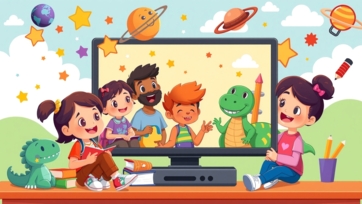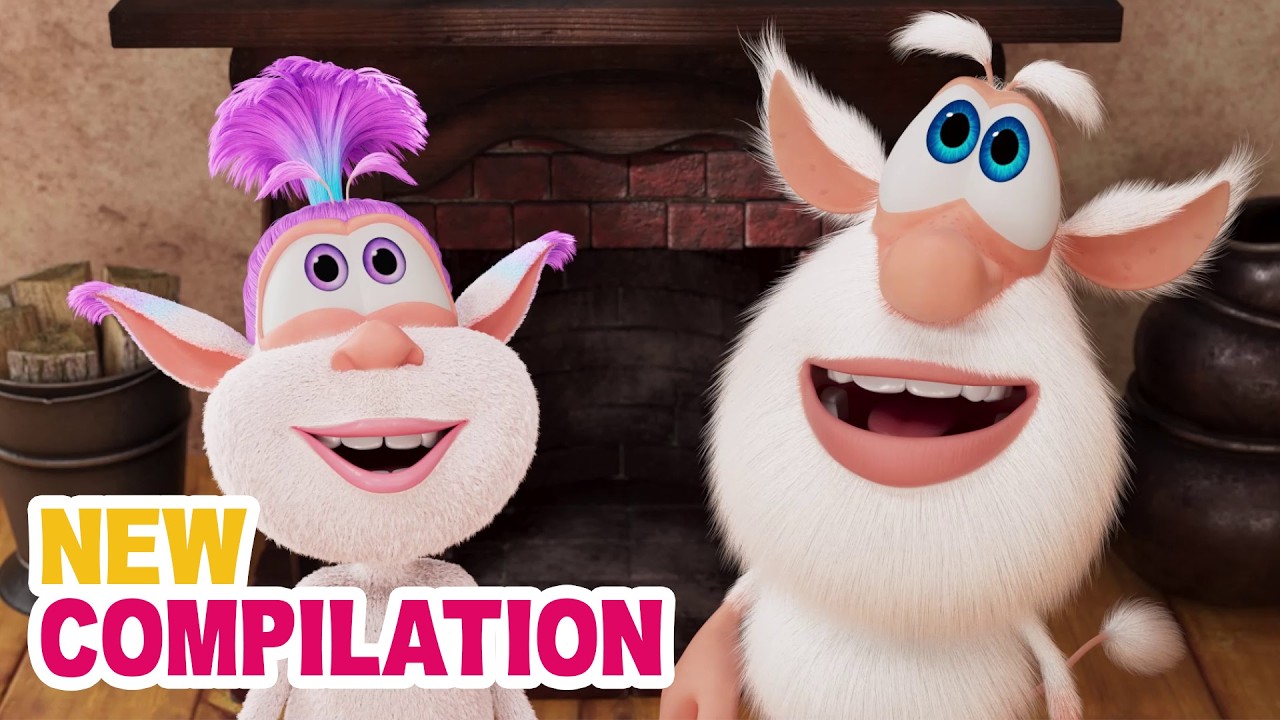
Cartoons are not just a source of entertainment for children; they play a vital role in the development of language skills and vocabulary. Parents often wonder how watching cartoons can benefit their children academically. Research and expert opinions suggest that educational cartoons and carefully selected animated shows can significantly enhance a child’s vocabulary development and communication abilities.
1. Cartoons Make Learning Fun:
Children are naturally attracted to colorful visuals, animated characters, and fun storytelling. When they watch kids cartoons, they are not just entertained but also exposed to new words and phrases. Fun and engaging content helps children remember vocabulary more effectively than traditional rote learning.
For example, shows like Dora the Explorer or Sesame Street integrate simple language and interactive exercises, allowing children to repeat words, ask questions, and learn through playful interaction. This method of learning through cartoons is effective because children associate words with actions and visuals, making the learning process natural and enjoyable.
2. Exposure to Conversational Language:
Most cartoons use simple and clear dialogues that are easy for children to understand. Watching these shows regularly allows kids to hear new words in context, which improves their ability to comprehend and use language. Unlike textbooks, cartoons show conversational language, everyday expressions, and emotional tone, helping children learn how to communicate effectively.
For instance, a cartoon character might say, “I am very excited to go on an adventure!” The child not only learns the word “excited” but also understands how to use it in a sentence. This exposure to contextual vocabulary is crucial for early language development.
3. Reinforcement Through Repetition:
Cartoons are often designed with repetitive phrases, rhymes, and songs. This repetition helps reinforce new vocabulary and makes it easier for children to remember. Words introduced in a fun and repeated manner stick in the memory more effectively.
For example, educational cartoons for preschoolers often repeat animal names, colors, numbers, and common objects. Over time, children start recognizing and using these words naturally in their daily conversations. Repetition is a key strategy in vocabulary acquisition, and cartoons provide this effortlessly.
4. Visual Learning Boosts Word Recognition:
Children are visual learners. They understand and retain information better when it is associated with images and actions. Cartoons provide rich visual context for every word. When a character in a cartoon says “ball” while holding a ball, children connect the spoken word with the object, which strengthens their word recognition and understanding.
Moreover, cartoons often depict emotions and actions, helping children learn descriptive vocabulary like happy, sad, excited, running, jumping, and more. This visual association enhances cognitive development alongside language skills.
5. Encourages Active Participation:
Interactive cartoons and shows often ask children to repeat words or answer simple questions. For example, a character might ask, “Can you say your ABCs?” This kind of active engagement encourages children to practice speaking, which is essential for vocabulary improvement.
By responding to prompts and participating in animated activities, children are more likely to retain new words and develop confidence in using language creatively. Parents can further support this by discussing episodes and asking questions about the storyline or characters.
6. Introduces Diverse Vocabulary:
High-quality educational cartoons introduce children to a wide range of words and concepts beyond their immediate environment. Shows about animals, science, history, or geography expose children to terms like habitat, ecosystem, adventure, culture, and more. This helps children expand their vocabulary and learn concepts that are part of formal education.
Furthermore, cartoons often include rhymes, songs, and storytelling techniques that introduce figurative language, idioms, and new sentence structures. For example, phrases like “time flies” or “piece of cake” are easier for children to understand when presented in a fun cartoon scenario.
7. Boosts Reading and Writing Skills:
A rich vocabulary is a foundation for strong reading and writing skills. Children who are exposed to animated educational content are more likely to recognize words when reading books, stories, or school materials. The familiarity with vocabulary gained from cartoons makes reading less intimidating and more enjoyable.
Additionally, children often try to write or narrate stories inspired by cartoons. This encourages creative writing and the practical use of new words, reinforcing their learning.
8. Tips for Maximizing Vocabulary Benefits from Cartoons:
To ensure that cartoons positively impact vocabulary development, parents and caregivers can follow these tips:
-
Choose educational cartoons: Select shows specifically designed for learning, such as Peppa Pig, Sesame Street, or Bluey.
-
Limit screen time: Avoid excessive viewing; 30–60 minutes of quality content per day is recommended.
-
Watch together: Engage with your child while watching and discuss new words.
-
Reinforce words: Encourage children to repeat words, describe scenes, or narrate stories from the cartoon.
-
Combine with reading: Introduce books or print materials related to the cartoons to strengthen word recognition.
-
Use subtitles: If your child is learning reading skills, subtitles can help them associate spoken words with written forms.
Conclusion:
Cartoons are a powerful tool for improving vocabulary in children. When chosen wisely, they provide fun, visual, and interactive learning experiences that enhance language skills, comprehension, and communication. Through repetition, context, and engagement, children naturally acquire new words and phrases, which strengthens their reading, writing, and speaking abilities.
By incorporating educational cartoons into a child’s daily routine and actively participating in their learning process, parents can support early literacy and cognitive development in an enjoyable and effective way.
Investing in the right cartoons today can pave the way for strong language skills and a lifelong love for learning tomorrow.