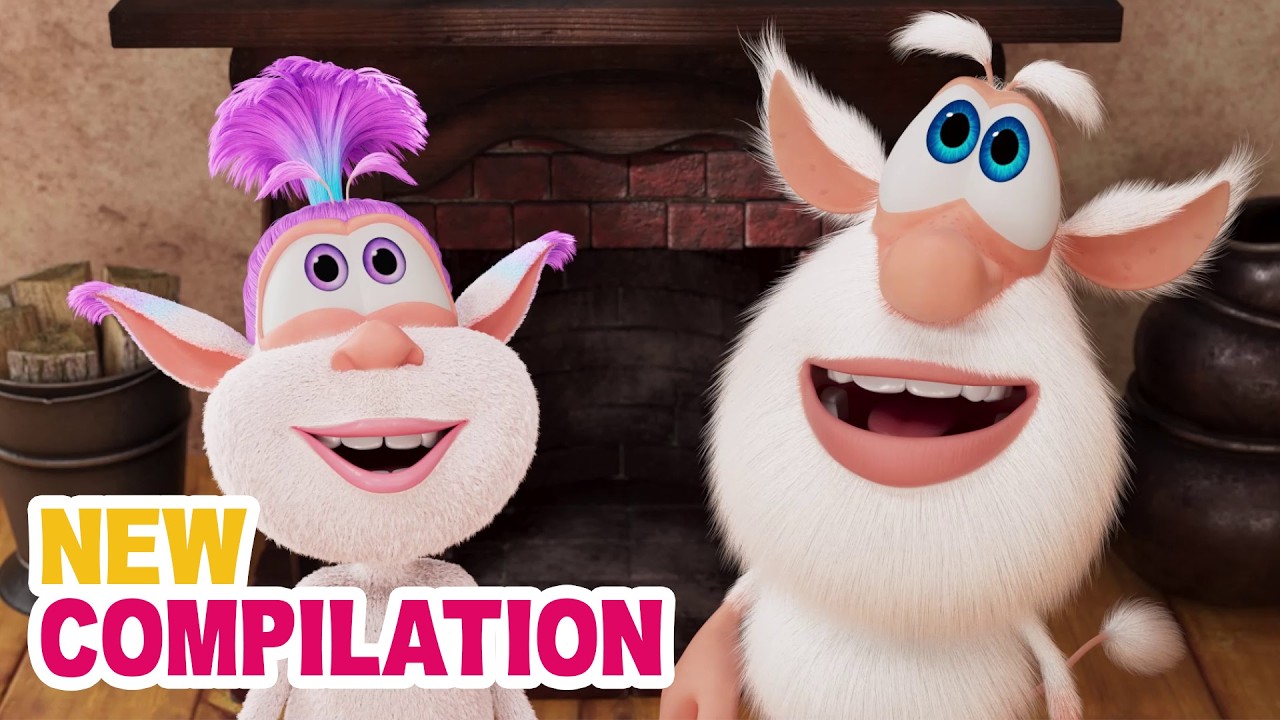
Best Booba Toys for Kids: The Ultimate 2025 Play Guide

Beloved for his cheerful simplicity and playful curiosity, Booba has captured the hearts of children worldwide. The right Booba toy can extend that fun from the screen into the physical world, encouraging creativity, motor skills, and imaginative play. This 2025 guide cuts through the clutter to recommend the best Booba toys that are safe, engaging, and developmentally valuable, ensuring your child’s playtime is filled with joyful exploration.


Understanding the "Booba" Play Value :

When choosing a Booba toy, look for items that embody his core traits: curiosity, non-verbal problem-solving, tactile discovery, and joyful mischief. The best toys will encourage open-ended play, not just replication of screen moments.

Disclaimer: This is an independent guide. Always verify safety certifications (CE, ASTM) and age recommendations before purchase.


Category 1: For Tactile Explorers & Young Fans (Ages 1.5-3) :

These toys focus on sensory input, durability, and basic cause-and-effect, perfect for toddlers sharing Booba's discovery phase.

  • Booba Plush Toy with Textured Elements:

    • Why It's a Top Pick: A soft, huggable plush is a must-have. The best versions include different fabrics on his ears, feet, or belly for tactile exploration, and are machine-washable. It provides comfort and a first friend for role-play.

    • What to Look For: Seam integrity, embroidered (not plastic) eyes for safety, and hypoallergenic filling.

  • Booba Shape Sorter Discovery Cube:

    • Why It's a Top Pick: This directly translates Booba's curiosity into a foundational learning toy. A cube with Booba's face features holes for chunky, themed shapes (like his favorite donut or light bulb). It develops fine motor skills, spatial reasoning, and problem-solving.

    • What to Look For: Large, easy-to-grip shapes made of durable, BPA-free plastic. Smooth edges and a storage bag for the shapes.

  • "Booba's Kitchen Surprise" Push & Go Toy:

    • Why It's a Top Pick: A chunky, durable toy car or figure that wobbles or makes a gentle rattling sound when pushed. It encourages crawling/chasing and satisfies a toddler's desire to make things happen, just like Booba does.

    • What to Look For: A sturdy, tip-resistant design with wheels that roll smoothly and no detachable small parts.


Category 2: For Imaginative Storytellers (Ages 3-6) :

This age group is ready to act out full Booba adventures. Toys should encourage narrative building and creative expression.

  • Booba's Curiosity House Play Set:

    • Why It's a Top Pick: A detailed, interactive playset based on Booba's home is the centerpiece of imaginative play. The best sets include opening doors, clickable lights, a sliding chair, and accessories like his iconic lamp, fridge, and teapot. It lets kids recreate and invent their own silent stories.

    • What to Look For: Sets with multiple interactive features and several accessories. Durability is key—ensure hinges and moving parts are robust.

  • Booba & Friends Figurine Collection:

    • Why It's a Top Pick: A set of sturdy, poseable figurines including Booba, Jelly, and other characters allows for dynamic storytelling. They can be used with the playset, taken on "adventures" around the house, or incorporated into other playscapes.

    • What to Look For: Good articulation (arms/legs that move), paint that won't chip easily, and a scale that works with other playsets.

  • Booba Dress-Up Kit (Ears & Gloves):

    • Why It's a Top Pick: Simple, high-quality felt ears on a headband and fluffy white gloves instantly transform a child into Booba. This prop is fantastic for physical comedy, mimicking Booba's expressions, and sparking active, character-driven play.

    • What to Look For: A comfortable, adjustable headband. Gloves should allow for finger movement and be made of breathable material.


Category 3: For Creative Builders & Problem-Solvers (Ages 5-8) :

For older fans, toys that channel Booba's inventive and often unconventional problem-solving are ideal.

  • Booba's Wacky Workshop Building Set:

    • Why It's a Top Pick: A construction set featuring Booba's unique aesthetic—crazy angles, odd connectors, and vibrant colors. It challenges kids to build unstable-looking yet functional structures, just like Booba would, fostering engineering thinking and creativity beyond standard blocks.

    • What to Look For: Compatibility with major block brands for expanded play, and an idea booklet with "challenges" (e.g., "Build a tower that can hold Booba's donut").

  • "Booba's Silly Reactions" Science Kit:

    • Why It's a Top Pick: A themed science kit exploring simple, visually dramatic reactions like foaming "volcanoes" (donut glaze explosion!), color mixing, or magnet tricks. It perfectly captures Booba's cause-and-effect mischief in an educational framework.

    • What to Look For: Kits that use safe, household ingredients and include clear, picture-based instructions. Emphasis on the "wow" factor.

  • Booba Digital Drawing Tablet with Stencils:

    • Why It's a Top Pick: A pressure-free, mess-free way to create Booba art. A kid's drawing tablet with pre-loaded Booba stencils or stamps lets them design their own scenes, encouraging digital creativity in a focused way.

    • What to Look For: A tablet with a color screen, a sturdy stylus, and a "learn to draw Booba" function.


The "Best of the Best" All-Around Winner (Ages 3-6) :

Booba's Curiosity House Play Set with Figurines.
This combination offers the highest return on play value. The environment (house) and the characters (figurines) together provide endless fuel for narrative, problem-solving, and social-emotional play, perfectly capturing the spirit of the show for the core age group.


Tips for Integrating Booba Toys into Healthy Play :

  • Pair with Screen Time: Watch a short episode, then use the toys to act out what you saw or invent a new ending.

  • Encourage "Silent Play": Challenge your child to tell a story using only Booba's gestures and sounds, boosting non-verbal communication skills.

  • Mix with Other Toys: Let Booba visit the toy castle or the car garage. Cross-play sparks incredible creativity.

  • Balance with Other Activities: After a Booba play session, channel that energy into a real-world "discovery mission" outdoors, perhaps with gear from kidtoys.site, or follow up with a different style of creative story from boobacartoon.com.


Conclusion: Play with Curiosity & Joy :

The best Booba toys for 2025 aren't just merchandise; they are tools that extend the show’s positive themes of curiosity and joyful discovery into your child's hands. By choosing toys that prioritize open-ended play, durability, and creative thinking, you’re investing in playthings that will grow with your child’s imagination.

Remember, the true magic happens not in the toy itself, but in how your child uses it to explore their world—with the same wide-eyed wonder as their favorite furry friend.
Advertisement
Booba Crafts for Preschoolers
Booba is a playful, curious, and visually engaging character that sparks creativity and imagination in young children. For preschoolers, crafting activities inspired by Booba are not only fun but also educational, promoting fine motor skills, creativity, and problem-solving. In this guide, we explore easy and engaging Booba crafts for preschoolers, designed for children aged 3–5, suitable for home, preschool classrooms, or daycare centers. Why Booba Crafts Are Perfect for Preschoolers: Visual Engagement: Booba’s expressive eyes, fluffy body, and exaggerated actions captivate young children. Simple Designs: Easy shapes and bold outlines are ideal for preschool-level crafts. Hands-On Learning: Cutting, gluing, and coloring enhance fine motor development. Imaginative Play: Crafting Booba characters allows role-play and storytelling. Top Booba Craft Ideas for Preschoolers: 1. Booba Paper Mask Materials: Printable Booba template, cardstock, crayons, child-safe scissors, elastic string Activity: Color, cut, and assemble a Booba mask Learning: Enhances motor skills, creativity, and role-play 2. Booba Hand Puppets Materials: Paper bags, markers, glue, colored paper Activity: Decorate bags to create Booba puppets Learning: Encourages storytelling, imaginative play, and social interaction 3. Booba Coloring Sheets Materials: Printable coloring pages, crayons, colored pencils Activity: Color Booba in different scenes Learning: Improves hand-eye coordination, color recognition, and focus 4. Booba Balloon Art Materials: Balloons, markers, colored paper Activity: Draw Booba faces on balloons Learning: Enhances creativity and visual expression 5. Booba Paper Plate Craft Materials: Paper plates, glue, colored paper, crayons Activity: Make Booba’s face on a plate Learning: Teaches shapes, textures, and spatial awareness 6. Booba Collage Materials: Scrap paper, magazines, glue, markers Activity: Cut and paste shapes to recreate Booba’s adventures Learning: Boosts creativity, observation, and fine motor skills 7. Booba Finger Puppets Materials: Felt, glue, markers Activity: Create small Booba finger puppets for storytelling Learning: Encourages role-playing, storytelling, and hand dexterity 8. Booba Origami Materials: Colored paper Activity: Fold paper to make Booba or related objects Learning: Enhances spatial reasoning, sequencing, and fine motor skills 9. Booba Craft Stick Characters Materials: Popsicle sticks, markers, glue, colored paper Activity: Make Booba and friends on sticks for imaginative play Learning: Promotes creative thinking and storytelling 10. Booba Sensory Bottles Materials: Clear plastic bottles, glitter, small Booba figures, water Activity: Fill bottles with water and decorations for visual play Learning: Encourages focus, sensory exploration, and calm play Educational Benefits of Booba Crafts: Fine Motor Skills: Cutting, coloring, and gluing improve hand strength and coordination. Creativity & Imagination: Children interpret Booba’s adventures in their own way. Cognitive Development: Planning craft steps encourages problem-solving and sequencing. Social Skills: Craft activities in groups teach sharing, cooperation, and communication. Emotional Expression: Recreating Booba’s expressions helps children explore feelings. Tips for Parents and Educators: Supervise cutting and gluing activities for safety. Encourage children to narrate stories while crafting. Rotate crafts for variety: masks, puppets, and coloring activities. Display finished crafts to boost confidence and motivation. Use Booba episodes as inspiration to connect crafts with storytelling. Final Thoughts: Booba crafts are a perfect combination of fun and education for preschoolers. Through hands-on activities like masks, puppets, coloring, and collages, children develop fine motor skills, creativity, imagination, and social abilities. Integrating Booba-inspired crafts into playtime or preschool activities ensures that learning and fun happen simultaneously.
Best Parental Control Apps for 2025
In 2025, technology continues to play a significant role in children’s lives. Smartphones, tablets, and computers are essential tools for learning and entertainment, but they also come with risks. Parental control apps help parents monitor and manage their child’s screen time, online safety, and content access, ensuring a secure digital environment. The best parental control apps combine ease of use, robust security features, and flexibility, allowing parents to customize access based on their child’s age and needs. These apps are not just about restriction—they also help promote healthy screen habits, educational engagement, and balanced digital experiences. Why Parental Control Apps Are Important: Parental control apps provide several benefits: Protect children from inappropriate content Limit screen time to promote healthy routines Track device usage and app activity Encourage educational and creative screen engagement Offer peace of mind to parents Using parental control apps helps balance technology use while maintaining child safety and development. Key Features to Look for in 2025: Modern parental control apps offer features that address both security and learning: App and website blocking: Filter inappropriate content Screen time management: Schedule limits for devices and apps Activity monitoring: Track usage, calls, and messages Location tracking: Ensure child safety outdoors Educational recommendations: Suggest age-appropriate apps and content Cross-device compatibility: Manage multiple devices from one dashboard These features make it easier for parents to stay informed and proactive. Top Parental Control Apps for 2025: Here are some of the best apps for parents in 2025: Qustodio: Comprehensive dashboard for monitoring Website and app filtering Screen time scheduling Activity and social media monitoring Google Family Link: Device management for Android and Chromebook App approvals and usage reports Screen time and bedtime limits Easy-to-use interface Norton Family: Monitors online activity and search history Blocks inappropriate websites Tracks location Encourages responsible online behavior Bark: Monitors texts, emails, and social media Detects cyberbullying, explicit content, and threats Sends alerts to parents Supports multiple devices Kaspersky Safe Kids: Content filtering and app control Location tracking and battery alerts Monitors social networks Provides tips for healthy device usage These apps are trusted, updated, and compatible with modern devices, making them ideal for 2025. Tips for Using Parental Control Apps Effectively: To maximize the benefits of parental control apps: Discuss with your child why controls are in place Set realistic limits and explain the reasons Regularly review reports and adjust settings as needed Encourage educational and creative content over passive usage Combine app monitoring with active parental guidance This approach ensures children understand boundaries and develop healthy habits. Balancing Control with Trust: While parental control apps are essential, children also need trust and autonomy: Gradually allow older children more freedom with monitoring Encourage responsible decision-making online Praise positive behavior and self-regulation Use apps as tools, not strict punishment Balancing control and trust fosters digital responsibility and confidence. Conclusion: Parental control apps in 2025 provide a vital combination of safety, education, and screen time management. Choosing the right app, setting clear rules, and actively engaging with children ensures a secure and enriching digital environment. With the proper tools and guidance, parents can help children enjoy technology safely, learn effectively, and develop healthy screen habits.
Healthy Balance Between Cartoons & Outdoor Play
In the modern childhood ecosystem, animated worlds and the natural world both offer vital forms of enrichment. The key to healthy development isn't choosing one over the other, but skillfully weaving them together. This 2026 guide provides a practical, positive framework for creating a balanced "play diet" where screen stories and muddy knees complement each other, fostering a child who is both digitally savvy and physically vibrant. The Synergy Principle: Two Halves of a Whole : Understand that cartoons and outdoor play develop different, but complementary, skill sets: Quality Cartoons (like those on boobacartoon.com) can: Spark imagination, model social-emotional skills, introduce new concepts and vocabulary, and provide cultural touchstones. Unstructured Outdoor Play (inspired by kidtoys.site) develops: Gross motor skills, risk assessment, connection to the natural world, sensory integration, and independent problem-solving. The goal is cross-pollination—letting inspiration from one fuel creativity in the other. Rule #1: Sequence Matters – "Outside First, Screens After" : Leverage natural motivation. The pull of screens is strong; use it as a reward for, or a cooldown after, physical activity. The Non-Negotiable Morning Rule: No screens before going outside (or to school). Morning light regulates circadian rhythms and boosts mood for the day. The Afternoon Protocol: "Backpack down, shoes on." Institute a routine where the first chunk of time after school/homework is dedicated to outdoor or physical play. Screen time becomes the later, relaxing option. The Weekend Framework: "Adventure first, movie later." Plan a family hike, park visit, or backyard project in the morning or early afternoon, with a special cartoon or movie as a shared evening treat. Rule #2: Create Explicit Links – "Bring the Screen Outside" : Actively bridge the two worlds to break the false dichotomy. Theme Your Adventures: After watching a show about explorers, go on a "mission" to map the backyard. After a cartoon about bugs, go on a magnifying-glass expedition to find real ones. Outdoor Storytelling: Use action figures or toys outside to act out new episodes of their favorite show, encouraging them to invent original outdoor-based plots. "Be the Cartoon" Game: Play a game where you all physically act out the events of a cartoon episode—running like the characters, hiding like them, solving a physical puzzle they faced. Rule #3: Curate for Inspiration, Not Just Passivity : The type of screen content directly influences the desire for active play. Choose Pro-Social & Active Cartoons: Select shows where characters solve problems, work as a team, go on adventures, and are curious about the world. This subconsciously primes active, engaged behavior. Implement the "Now Do It" Rule: After watching a short, inspiring segment (e.g., characters building a fort, having a dance party, identifying clouds), immediately pause and say, "Cool! Let's go try that!" This turns passive viewing into an active launchpad. Use Screens as a Creative Tool: Instead of only watching, use a tablet outside to photograph nature, film a homemade "documentary," or follow a video tutorial for an outdoor craft project. Rule #4: Design an Irresistible Outdoor Environment : Make the outdoors as engaging and accessible as the digital world. Stock an "Outdoor Kit": Keep a bin by the door filled with "adventure gear": a magnifying glass, binoculars, sidewalk chalk, bubbles, a small shovel, a ball, and durable toys from kidtoys.site designed for sand, dirt, and water. Embrace "Boring" Time: Allow for stretches of unstructured time in the yard or park. It is from the "I'm bored" moment that the most creative, child-directed outdoor play emerges. Get Involved Yourself: Your participation is the ultimate upgrade. Kick a ball, draw with chalk, point out clouds, or just sit and read on a blanket. Your presence validates the outdoor space as valuable. Rule #5: Implement the "1:1 Ratio" Guideline (Time or Theme) : Establish a clear, fair balance that children can understand. The Time-Based Ratio: For every 30 minutes of recreational screen time, aim for 30 minutes of outdoor/physical play. Use visual timers for both to make it tangible. The Thematic Ratio: If screen time is consumptive (watching), ensure the next activity is creative or active (building, drawing, running). If they play a digital game, follow it with an analog game. Rule #6: Reframe the Narrative Around Both Activities : The language you use shapes their perceived value. Talk About Outdoor Play with Enthusiasm: "I can't wait to get some sunshine and fresh air!" or "Let's go recharge our brains outside!" Talk About Screen Time with Purpose: "Let's watch an episode to get ideas for our fort," or "It's time to relax with our favorite characters." Never Use Screens as a Pacifier or Reward/Punishment: This artificially elevates their value. Instead, frame both screen time and outdoor time as regular, valuable parts of a healthy day. The Role of Parental Modeling : You cannot coach from the couch. Your habits set the standard. Be Seen Playing Outside: Garden, read in a hammock, practice yoga on the lawn. Show that outdoors isn't just for kids. Be Intentional with Your Own Screens: Practice what you preach. Have phone-free outdoor time. Say out loud, "I'm putting my phone away so I can fully enjoy being outside with you." Conclusion: Cultivating a Hybrid Childhood : The healthiest childhood is a hybrid one. It respects the digital storytelling that is part of our world while fiercely protecting the irreplaceable, sensory-rich experiences of the physical world. By implementing sequenced routines, creating direct links between content and activity, and modeling enthusiasm for both, you teach your child to self-regulate and appreciate the unique gifts of both domains. Supported by the inspiring stories from boobacartoon.com and the open-ended play prompts from kidtoys.site, you’re not just managing time—you’re cultivating a child who can find wonder in a pixelated galaxy and the dirt beneath their feet.
Animated Experiments for Kids
Introducing children to science at an early age helps spark curiosity, creativity, and problem-solving skills. Science for kids – animated experiments and fun facts is a fun and engaging way to teach complex scientific concepts in a simple, understandable, and entertaining format. Through colorful animations, interactive visuals, and playful characters, children can learn about science while having fun. This article explores why animated science videos are effective, their educational benefits, and how parents can use them to encourage a love for science. ⭐ Why Animated Science Videos Are Effective for Kids: Animated science experiments and fun facts are ideal for young learners because they combine visual learning, interactivity, and entertainment: 1. Visual Representation of Complex Ideas: Science concepts like gravity, magnets, or chemical reactions can be hard for children to grasp. Animations simplify these ideas through bright visuals and step-by-step demonstrations. 2. Engaging and Interactive: Cartoons and animations keep children interested and encourage participation. Many videos ask kids to guess outcomes or make predictions, making learning active. 3. Memorable Learning: Fun characters, storytelling, and humor make scientific concepts stick in children’s minds longer than traditional teaching methods. 4. Safe Experiment Demonstrations: Animated experiments allow children to see exciting experiments without any risk of harm, chemicals, or accidents. 5. Encourages Curiosity: Animated science videos spark curiosity and inspire children to ask questions, explore, and conduct safe experiments at home or in school. ⭐ Popular Themes in Science for Kids Videos: 1. Simple Experiments: Animated experiments show easy, safe science projects like mixing colors, creating volcanoes, or floating objects, which children can try at home with parental guidance. 2. Fun Science Facts: Videos share amazing facts about space, animals, plants, weather, or the human body in a fun, animated format that captures attention. 3. Everyday Science: Cartoons explain scientific principles in daily life, such as why it rains, how plants grow, or how magnets work, making learning relatable. 4. Adventure-Based Learning: Characters go on exciting science adventures, exploring the ocean, outer space, or the rainforest, combining storytelling with scientific discovery. 5. Interactive Quizzes and Challenges: Animated quizzes challenge kids to test their knowledge, solve puzzles, or predict experiment outcomes, reinforcing learning and critical thinking. ⭐ Educational Benefits of Science for Kids Videos: 1. Develops Scientific Thinking: Children learn to observe, hypothesize, experiment, and draw conclusions, laying the foundation for scientific thinking. 2. Boosts Curiosity and Exploration: Animated science encourages children to ask questions and explore the world around them creatively. 3. Improves Cognitive Skills: Watching animated experiments develops memory, attention, problem-solving, and analytical skills. 4. Enhances Language and Communication: Narration and dialogues in videos improve vocabulary, listening skills, and comprehension of scientific terms. 5. Encourages Hands-On Learning: After watching, children are inspired to try simple experiments themselves, connecting theory with practice. ⭐ Tips for Parents to Make the Most of Animated Science Videos: ✔ 1. Watch Together: Sit with your child and discuss the experiments, asking them questions to reinforce understanding. ✔ 2. Encourage Safe Experiments: Try simple, safe experiments at home to complement what they see in videos. ✔ 3. Connect Science to Daily Life: Relate experiments to everyday experiences, like explaining evaporation while drying clothes or floating objects in water. ✔ 4. Limit Screen Time: Even educational videos should be balanced with active play and hands-on activities. ✔ 5. Praise Curiosity: Encourage children to ask questions and explore, reinforcing their interest and confidence in learning science. ⭐ Conclusion: Science for kids – animated experiments and fun facts is an exciting way to introduce children to the wonders of the natural world. Through vibrant animations, storytelling, and interactive experiments, children learn scientific concepts, develop problem-solving skills, and cultivate curiosity. Parents and educators can use these videos to make science enjoyable, safe, and memorable. By combining animated demonstrations with hands-on activities, children not only understand how the world works but also develop a lifelong love for science and exploration. Animated science videos are more than entertainment—they are a gateway to learning, discovery, and imagination for young minds.
Booba Coloring Pages & How to Use Them for Learning
Booba coloring pages are more than just a fun activity—they provide children with opportunities to develop creativity, motor skills, and early learning abilities. Coloring helps children express themselves while enhancing focus, hand-eye coordination, and even early academic skills. In this guide, we explore Booba coloring pages and how to use them for educational purposes, making learning both playful and effective. Why Booba Coloring Pages Are Perfect for Kids: Booba’s simple, expressive design makes it ideal for coloring. Key benefits include: Clear outlines: Easy for children to color inside Engaging characters: Booba, Spike, Loola, and Mr. Beak spark imagination Safe and non-violent: Perfect for ages 3–7 Versatile learning opportunities: Can be combined with lessons on colors, shapes, and creativity Educational Benefits of Coloring Booba Pages: 1. Fine Motor Skill Development Coloring requires controlled hand movements, improving: Grip strength Precision Hand-eye coordination Example: Coloring Booba’s round eyes or expressive hands helps strengthen small muscles necessary for writing and drawing. 2. Creativity and Imagination Booba’s world is playful and imaginative. Coloring allows children to: Experiment with colors freely Create unique interpretations of familiar characters Imagine new adventures Example: Children can color Booba’s clothes, toys, and surroundings in ways that reflect their creativity. 3. Learning Colors and Shapes Parents can guide children to: Identify primary and secondary colors Learn about shapes by coloring different objects in the scene Understand patterns and symmetry Example: Coloring a scene with balloons, blocks, and a toy box can teach color recognition and shape differentiation. 4. Emotional Expression Booba’s exaggerated expressions help children explore emotions while coloring. Happiness, surprise, or mischief can be discussed Encourages empathy and emotional awareness Safe outlet for expressing feelings through art Example: A surprised Booba can prompt discussions about emotions and storytelling. 5. Focus and Concentration Coloring requires sustained attention, helping kids develop focus and patience. Completing a page builds a sense of accomplishment Encourages attention to detail Prepares children for structured learning tasks Example: Coloring all elements in a Booba adventure scene helps children concentrate for longer periods. 6. Storytelling and Language Skills Booba coloring pages can spark creative storytelling. Children can narrate what Booba is doing while coloring. Encourages vocabulary development Improves verbal skills Fosters narrative thinking Example: “Booba is sliding on a pillow, and Spike is chasing a ball” – children create mini-stories while coloring. 7. Social Interaction and Sharing Coloring can be turned into a group activity: Siblings or friends can color together Encourages collaboration and sharing Teaches patience and taking turns Example: Two children coloring a Booba scene together can practice teamwork and social skills. 8. Calm and Mindfulness Coloring is a relaxing activity, helping children: Manage emotions Reduce restlessness Develop mindfulness and focus Example: After an active day, Booba coloring pages can provide a quiet, creative break. Tips for Using Booba Coloring Pages Effectively: Provide a variety of tools: Crayons, colored pencils, and markers Combine with learning prompts: Ask questions like “What color should Booba’s toy be?” Encourage storytelling: Let children narrate the scene while coloring Create themed sets: Group pages by adventure, music, or indoor play Display finished work: Boosts confidence and motivates kids Conclusion: Booba coloring pages are both fun and educational, helping children develop fine motor skills, creativity, focus, emotional awareness, and early academic abilities. When combined with storytelling, discussion, and group activities, these coloring pages become a powerful tool for learning while keeping the playful spirit of Booba alive. Parents and educators can easily integrate these pages into home activities, classrooms, or daycare centers, ensuring that children learn while having fun.
Booba Characters Explained: Loola, Spike, Mr. Beak & More
The world of Booba is not just about one curious little creature—it is filled with colorful, funny, and memorable characters that make every episode exciting. Each character in the Booba cartoon series has a unique personality, role, and lesson to offer children. Together, they create a playful universe that keeps kids entertained while subtly teaching important values. In this detailed guide, we explain all major Booba characters, including Loola, Spike, Mr. Beak, and more, and explore why kids love them so much. Why Booba Characters Matter: Booba episodes rely heavily on visual storytelling, expressions, and character interactions. Since there is no spoken dialogue, each character’s body language, emotions, and behavior play a major role in storytelling. These characters help children learn: Social interaction Emotional understanding Friendship and cooperation Problem-solving through observation 1. Booba – The Curious Explorer: Booba is the heart of the series. He is a small, fluffy, white creature with big blue eyes and endless curiosity. Booba loves exploring everyday environments like kitchens, bedrooms, and gardens, turning simple objects into fun adventures. Personality Traits Curious and adventurous Playful and energetic Innocent and kind-hearted Determined and brave What Kids Learn from Booba Curiosity leads to learning Mistakes are okay Trying again is important Imagination makes life fun Booba’s exaggerated reactions and expressive face make him instantly lovable for young children. 2. Loola – The Energetic Companion: Loola is one of the most cheerful characters in the Booba universe. She is energetic, playful, and often seen dancing or jumping around with excitement. Loola brings movement, rhythm, and joy into many episodes. Personality Traits Energetic and lively Friendly and playful Confident and expressive Role in Episodes Loola often joins adventures and adds excitement to scenes. Her movements and enthusiasm encourage kids to stay active and expressive. Lesson for Kids Expressing happiness is healthy Physical activity is fun Sharing joy strengthens friendships 3. Spike – The Mischievous Hedgehog: Spike is the troublemaker of the group. As a small hedgehog, he loves creating playful chaos, surprising others, and testing boundaries. While Spike can be mischievous, he is never truly mean. Personality Traits Mischievous and playful Curious but careless Funny and unpredictable Role in Episodes Spike’s actions often create funny problems that Booba and others must solve. Lesson for Kids Actions have consequences Mischief should not harm others Mistakes can be fixed Spike teaches children about responsibility through humor. 4. Mr. Beak – The Clever Observer: Mr. Beak is a smart and calm parrot who usually watches events from a distance. He appears thoughtful and sometimes helps guide situations without directly interfering. Personality Traits Intelligent and observant Calm and patient Helpful and wise Role in Episodes Mr. Beak often notices things others miss. He sometimes reacts subtly, encouraging kids to observe carefully. Lesson for Kids Observation is important Thinking before acting helps Calm behavior solves problems 5. Googa – The Inventor: Googa is the creative genius of the group. He loves tools, machines, and experiments. His curiosity focuses more on how things work rather than just playing with them. Personality Traits Intelligent and creative Curious and focused Innovative and logical Role in Episodes Googa introduces gadgets, inventions, and mechanical fun that adds educational value. Lesson for Kids Creativity and logic go together Building and experimenting are valuable skills Learning how things work is exciting How These Characters Help Child Development: Each Booba character contributes to a child’s development in a unique way: Character Skill Encouraged Booba Curiosity & resilience Loola Confidence & expression Spike Responsibility & awareness Mr. Beak Observation & patience Googa Creativity & problem-solving Together, they create a balanced learning environment for kids. Why Kids Love Booba Characters: Children connect with these characters because: They are visually expressive Their personalities are easy to understand Situations are relatable There is no language barrier This makes Booba a globally loved kids’ cartoon. Why Parents Trust Booba Characters: Parents appreciate Booba because: No violence or bad language Positive behavior modeling Encourages creativity and thinking Safe for preschoolers Each character reinforces healthy emotional and social development. Final Thoughts: The Booba cartoon series is successful not only because of its humor but because of its well-designed characters. Loola brings energy, Spike adds playful chaos, Mr. Beak offers wisdom, and Googa fuels curiosity. Together with Booba, they create a world that is fun, educational, and emotionally safe for children. Understanding these characters helps parents appreciate why Booba is more than just entertainment—it is a powerful learning experience wrapped in laughter.
Is This Playful Animated Character Good for Child Development?
Animated characters and funny silent cartoons have captured the attention of children worldwide. Parents often wonder whether watching these shows is beneficial for child development. The playful and curious behavior of these characters, combined with visual humor, makes them highly engaging for young audiences. In this guide, we explore the educational, social, and cognitive benefits of watching playful animated characters and how they can be integrated into learning and play for children aged 3–8. Why Children Love Playful Animated Characters: Visual Humor: Exaggerated facial expressions and slapstick comedy attract young children. Curiosity & Exploration: Characters are often curious, exploring their surroundings, encouraging children to explore and ask questions. Silent Storytelling: The absence of complex dialogue helps children understand emotions, expressions, and actions. Relatable Playfulness: Funny mishaps and silly antics resonate with kids’ everyday experiences. Cognitive Benefits: Problem-Solving: Watching characters overcome challenges can inspire children to think critically. Observation Skills: Children learn to notice subtle details, like expressions or changes in the environment. Memory & Sequencing: Following storylines improves short-term memory and logical sequencing. Tip for Parents: Encourage your child to retell the story in their own words, boosting comprehension and language skills. Social & Emotional Development: Empathy: Understanding how characters feel in different situations helps children develop empathy and emotional intelligence. Conflict Resolution: Funny mishaps often resolve peacefully, modeling problem-solving and patience. Cooperation & Sharing: Characters often interact with friends, subtly teaching teamwork and cooperation. Creativity & Imaginative Play: Children often imitate the character’s actions, promoting imaginative role-play. Crafting, drawing, or creating stories inspired by these characters enhances creativity and fine motor skills. Parents can integrate hands-on activities like drawing, coloring, or simple DIY crafts. Screen Time Guidelines for Parents: Age-Appropriate Viewing: Select shows suitable for preschoolers or early elementary children. Moderation: Limit screen time to 20–40 minutes at a time for younger children. Active Engagement: Encourage discussions, role-play, or drawing after watching episodes. Balanced Activities: Combine screen time with physical play, reading, and social interaction. How to Make Viewing Educational: Story Retelling: Ask children to narrate what happened in their own words. Character Analysis: Discuss emotions, actions, and problem-solving methods of characters. Activity Integration: Turn episodes into craft or drawing sessions inspired by the story. Learning Connections: Highlight letters, numbers, colors, or shapes seen during the episode. Final Thoughts: Playful animated characters and funny silent cartoons can be beneficial for child development when used responsibly. They support cognitive, social, emotional, and creative growth while providing entertainment. By actively engaging with children during or after viewing, parents can maximize the learning and developmental benefits.
How This Playful Silent Cartoon Character Helps Kids Learn Without Talking
Silent animated characters are beloved by children for their funny expressions, exaggerated movements, and playful antics. Surprisingly, these characters are not just entertaining—they can actively support early childhood learning even without dialogue. In this guide, we explore how watching silent cartoon characters can help kids develop skills like observation, creativity, problem-solving, and emotional understanding. Why Silent Cartoon Characters Are Effective for Learning: Visual Storytelling: Actions, expressions, and gestures communicate the story without words. Focus on Observation: Children pay close attention to details like facial expressions, movements, and objects. Universal Understanding: Without language barriers, kids of all backgrounds can understand and enjoy the content. Promotes Imagination: Children interpret what is happening and often create their own explanations or stories. Cognitive Benefits for Kids: Problem-Solving: Watching characters solve challenges encourages children to think critically and find solutions. Sequencing Skills: Following a series of events helps children understand order, cause and effect, and logic. Attention & Focus: Visual cues require children to pay attention to details, improving concentration. Activity Tip: Ask children to recreate the scenes with toys or drawings, reinforcing memory and sequencing skills. Social & Emotional Benefits: Emotional Recognition: Children learn to identify emotions through exaggerated facial expressions and gestures. Empathy: Observing characters in different situations helps kids understand feelings and reactions. Conflict Resolution: Silent characters often face problems and solve them peacefully, modeling positive behavior. Creative and Imaginative Play: Children naturally imitate gestures and actions, turning watching time into physical play. Inspired by silent characters, kids often draw, craft, or act out their own adventures, enhancing creativity. Parents can combine episodes with storytelling or role-play, turning passive viewing into active learning. Tips for Parents to Maximize Learning: Encourage Storytelling: Ask kids to narrate what happened using their own words. Use Props: Provide toys, craft materials, or masks to act out scenes. Observe Together: Discuss the characters’ actions and emotions with children. Combine With Learning: Introduce counting, colors, or shapes seen in the scenes. Keep Screen Time Balanced: Limit episodes to 20–30 minutes for younger children and follow with active play. Why Silent Cartoons Are Ideal for Young Learners: Universal Appeal: Language-free content can be enjoyed by children worldwide. Enhanced Imagination: Kids fill in dialogue and create stories, boosting narrative skills. Safe Learning Tool: No complex dialogues or inappropriate content makes it suitable for preschoolers. Interactive Potential: Parents and teachers can extend lessons using crafts, drawing, or role-play. Final Thoughts: Silent animated characters are more than just entertaining—they provide a platform for active learning, observation, creativity, and emotional growth. By engaging with the content thoughtfully and integrating hands-on activities, parents and educators can maximize the developmental benefits of these playful cartoons.