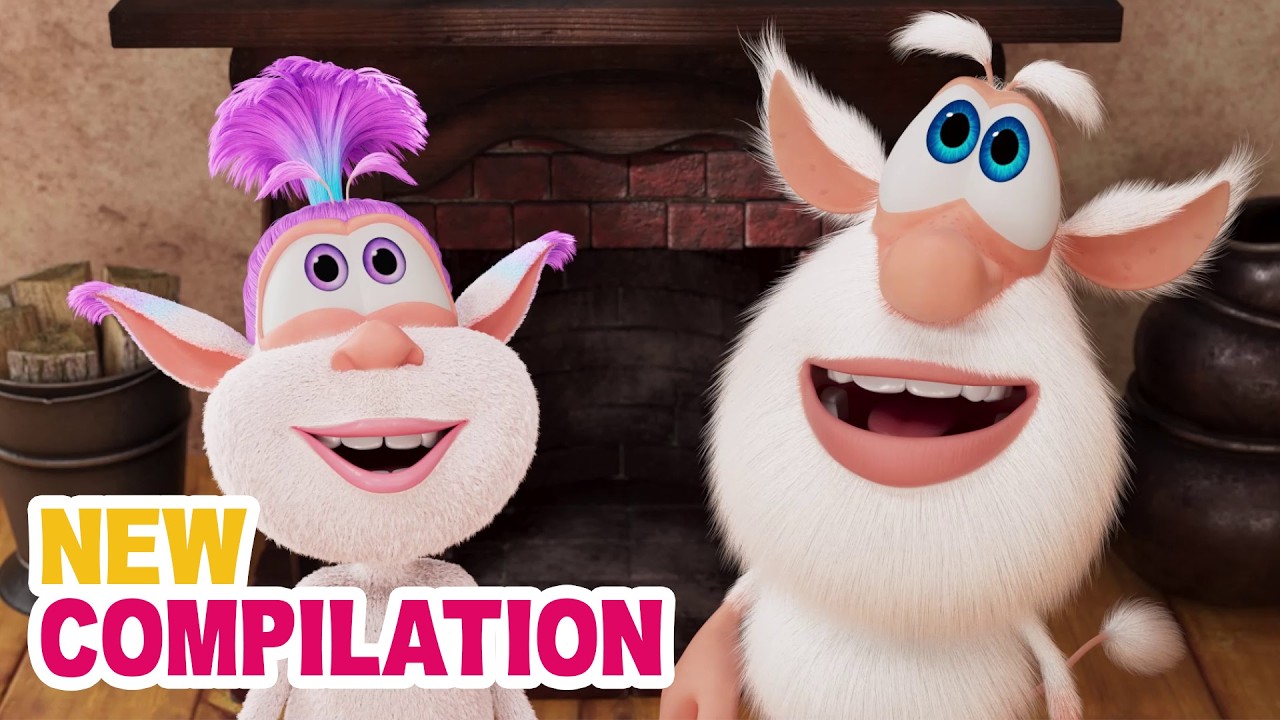
Beyond the screen, the gentle and curious spirit of beloved characters can be a wonderful gateway to early literacy, emotional learning, and hands-on discovery. Finding the right books and learning materials that embody this spirit of playful exploration can enrich your child's development. This 2025 guide helps you identify high-quality storybooks, activity books, and educational tools that foster the same joy of "figuring things out."
What to Look For: The Mark of Quality Learning Materials :
The best resources share these traits:
-
Visual Storytelling: Rich in pictures that tell the story, minimizing reliance on text—perfect for pre-readers and early readers.
-
Focus on Process: Stories about solving problems, exploring environments, and discovering how things work.
-
Emotional Simplicity: Themes of curiosity, surprise, friendship, and perseverance without complex moralizing.
-
Interactive Elements: Flaps to lift, textures to feel, or prompts that engage the child directly.
-
Durability: Thick, wipeable pages for young hands or sturdy bindings for frequent use.
Category 1: Storybooks That Celebrate Curiosity & Discovery :
These books capture the essence of exploration through visual narratives.
-
Wordless & Nearly Wordless Picture Books:
-
Why They're a Perfect Match: They rely entirely on visual sequencing, encouraging children to "read" the pictures, infer emotions, and tell the story in their own words—mirroring non-verbal, observational storytelling.
-
Top Picks to Look For:
-
"Journey" Trilogy by Aaron Becker: A breathtaking wordless adventure where a child uses a red crayon to draw doors into magical worlds.
-
"Flora and the Flamingo" by Molly Idle: A wordless book about mimicry, friendship, and movement with interactive flaps.
-
"The Snowman" by Raymond Briggs: A classic, gentle wordless story of a magical winter adventure.
-
-
-
"Problem-Solving" Themed Stories:
-
Why They're a Perfect Match: These books feature protagonists who encounter a puzzle or obstacle and must creatively find a solution through trial, error, and observation.
-
Top Picks to Look For:
-
"Rosie Revere, Engineer" by Andrea Beaty: Celebrates persistence, curiosity, and the spirit of invention after failed attempts.
-
"The Most Magnificent Thing" by Ashley Spires: A girl tries to build something magnificent, dealing with frustration before her breakthrough.
-
"Press Here" by Hervé Tullet:* The ultimate interactive book that turns reading into a series of magical cause-and-effect commands.
-
-
-
Simple, Repetitive Phrase Books:
-
Why They're a Perfect Match: For younger fans, books with minimal, repetitive text and bold, clear illustrations help build confidence in "reading" and prediction.
-
Top Picks to Look For: Books by Eric Carle ("The Very Hungry Caterpillar") or Bill Martin Jr. ("Brown Bear, Brown Bear"). The rhythmic text and vibrant collage art are deeply engaging.
-
Category 2: Educational Activity & Workbooks :
These turn quiet time into skill-building time with a playful approach.
-
"Seek-and-Find" & "I Spy" Visual Puzzle Books:
-
Why They're a Perfect Match: They train attention to detail, focus, and visual discrimination—all through a game. The task is clear: look closely and discover.
-
What to Look For: Books with busy, colorful scenes (like "Where's Waldo?" for older kids or the "I Spy" series for younger ones). Look for themes of exploration or silly chaos.
-
-
Beginner Logic & Maze Books:
-
Why They're a Perfect Match: They introduce basic reasoning and spatial skills without requiring reading. Navigating a maze is a silent, physical puzzle on paper.
-
What to Look For: Books like "Kumon Thinking Skills Workbooks" or "Highlights™ Maze Puzzles." Start with simple, wide-path mazes and progress to more complex ones.
-
-
Sticker Activity & Scene Creation Books:
-
Why They're a Perfect Match: They combine fine motor skill development with storytelling and choice. Children decide where to place elements, creating their own unique scenes.
-
What to Look For: Books with reusable stickers and open-ended backgrounds (a town, a forest, a room). Avoid ones with overly prescriptive instructions.
-
Category 3: Hands-On Educational Materials & Kits :
Learning through physical interaction.
-
"How Things Work" Non-Fiction for Kids:
-
Why They're a Perfect Match: Satisfies deep curiosity about everyday objects. Look for books with clear, cutaway diagrams and simple explanations.
-
Top Picks to Look For: "How Machines Work: Zoo Break!" by David Macaulay or the "See Inside" series by Usborne Books, which have informative flaps to lift.
-
-
Simple Science & Discovery Kits:
-
Why They're a Perfect Match: They provide the tools for hands-on, cause-and-effect experimentation. The focus should be on the fun of the process, not a perfect result.
-
What to Look For: Kits about magnets, color mixing, growing crystals, or basic physics (ramps and gears). Brands like Learning Resources or Thames & Kosmos offer quality beginner kits.
-
-
Pattern Blocks & Tangram Puzzles:
-
Why They're a Perfect Match: These are the ultimate open-ended, silent puzzles. Children explore shapes, symmetry, and geometry by fitting pieces together to match a picture or create their own designs.
-
What to Look For: A set of wooden pattern blocks in classic shapes (hexagons, trapezoids, squares) with accompanying pattern cards.
-
How to Integrate These Materials: Tips for Parents :
-
"Book and Do" Pairing: After reading a book about building, get out the blocks. After a seek-and-find book, go on a nature walk to "spy" colors and shapes.
-
Follow Their Lead: If they're obsessed with a page showing gears, find a simple gear toy or video to expand on that interest.
-
Embrace the Silence: When looking at a wordless book, don't rush to narrate. Ask, "What do you think is happening here?" Let them be the storyteller.
-
Quality Over Quantity: A few well-chosen, durable books and puzzles are better than a mountain of disposable activity pads.
Conclusion: Building a Library of Wonder :
The goal is to curate a collection of resources that don't just entertain, but actively engage your child's mind and hands. By choosing storybooks that prize visual discovery, activity books that challenge logic in a fun way, and hands-on materials that reward curiosity, you build a foundation for lifelong learning.
You're not just buying books and puzzles—you're providing portals to new ways of thinking, all inspired by the simple, powerful joy of figuring it out.