Future of Kids’ Animation: Exciting Trends of 2025

The world of kids' animation is no longer just Saturday morning cartoons. It's a dynamic, fast-evolving landscape where new technology, changing viewing habits, and fresh creative ideas are shaping what the next generation will watch and love. Here’s a look at the key trends defining the future of animation for kids in 2025.


1. Hyper-Personalized & Interactive Stories :

Animation is becoming a two-way street.

  • Choose-Your-Own-Adventure Style: Platforms are experimenting with episodes where kids can make choices for the characters (e.g., "Should they go through the red door or the blue door?"), leading to different story outcomes. This boosts engagement and makes them co-creators of the narrative.

  • AI-Assisted Customization: Imagine a show where the main character has your child's name or their favorite color appears in key scenes. While in early stages, AI is beginning to allow for subtle personalization within animated streams.

2. The Rise of "Calmimation" – Slower, Gentler Content :

In response to overstimulation, a new genre focused on well-being is booming.

  • Focus on Pacing & Mood: Shows with slower pacing, softer color palettes, and calming soundtracks are being designed to reduce anxiety and promote focus. Think less frenetic slapstick, more thoughtful exploration.

  • Themes of Mindfulness: Plots will increasingly incorporate simple mindfulness, emotional regulation, and kindness as core elements, teaching SEL (Social-Emotional Learning) skills directly through the narrative.

3. Hybrid Techniques – Blending 2D, 3D & Real-World Elements :

The lines between animation styles are blurring in exciting ways.

  • 2D Charm with 3D Depth: Many shows use stylized 3D animation that retains the warmth and expressiveness of hand-drawn 2D, often with visible line work and textured, "crafted" feels.

  • Mixed-Media Mashups: It’s becoming more common to see 3D characters interact with photorealistic backgrounds, or live-action kids inserted into animated worlds seamlessly, creating a unique and immersive visual experience.

4. Micro-Content & Vertical Animation :

TikTok and YouTube Shorts have changed how kids consume media.

  • Animation Designed for Phones: Studios are creating original, high-quality animated series made specifically for short-form, vertical video platforms. These are fast-paced, loopable, and designed to capture attention in under 90 seconds.

  • Comedy in a Flash: The humor and storytelling are adapting to this ultra-quick format, relying on instant visual gags and concise character expressions.

5. Sustainability as a Core Theme & Production Goal :

Eco-consciousness is moving from plot point to production principle.

  • On-Screen Narratives: More stories will center on environmental stewardship, nature connection, and science-based problem-solving related to the planet.

  • Behind the Scenes: Studios are adopting "green" production pipelines, using cloud rendering (which uses renewable energy) and developing tools to reduce the massive computational (and energy) cost of animation.

6. Global Stories, Authentic Voices :

The world of animation is becoming as diverse as its global audience.

  • Beyond Western Settings: We'll see a significant increase in shows set in and co-produced by countries across Africa, Asia, and South America, featuring local folklore, landscapes, and cultural nuances.

  • Authentic Representation: There’s a strong push for creative teams (writers, directors, designers) to come from the cultures being portrayed, ensuring authentic and respectful storytelling.

7. The Educational Playground – "Edu-tainment" Gets Smarter :

Learning is being woven into entertainment more seamlessly than ever.

  • Stealth Learning: Curricula in coding basics, foundational logic, natural science, and emotional intelligence will be embedded directly into adventure plots and character challenges, not presented as separate "lesson time."

  • Interactive Learning Companions: Animated characters may begin to appear in companion educational apps, breaking the "fourth wall" and encouraging kids to apply lessons from the show in interactive games.

8. AI as a Creative Tool, Not a Replacement :

AI is entering the animation studio as a powerful assistant for artists.

  • Inbetweening & Clean-Up: AI tools can handle time-consuming, repetitive tasks like generating in-between frames from an animator's key poses or cleaning up rough line art, freeing up human artists for more creative work.

  • Background Generation & Effects: AI can quickly generate complex background variations or intricate effects (like flowing water or swarming crowds), allowing smaller studios to create visually rich worlds.

9. The "Phygital" Toy Connection :

The link between screen and play is becoming more sophisticated.

  • Toys with Digital Avatars: Physical toys (like those from kidtoys.site) will increasingly connect to apps, unlocking exclusive animated content, character backstories, or new abilities in a related game.

  • Augmented Reality (AR) Integration: Shows will have companion AR apps that let kids bring characters into their real-world space through their tablet, blending animated play with physical environments.

10. Nostalgia Reimagined for a New Generation :

Classics are getting smart updates.

  • Legacy Characters, Modern Stories: Beloved characters from the 80s and 90s are returning in reboots that maintain their core spirit but update the humor, pacing, and social themes for today's kids and modern animation techniques.

  • Cross-Generational Appeal: These updates are crafted to entertain both kids discovering them for the first time and their parents, fostering shared viewing experiences.


Conclusion: A More Immersive, Inclusive & Intentional Future :

The future of kids' animation in 2025 is bright, diverse, and thoughtfully designed. It’s moving towards experiences that are not just watched but felt and interacted with. It values calmness as much as comedy, authenticity as much as adventure, and seeks to connect with children on a more personal and global level. For young viewers, this means a richer, more engaging, and wonderfully varied animated world to explore.
Advertisement
Cartoons That Teach Teamwork
Teamwork is an essential life skill that children need to develop from an early age. Animated cartoons can be an excellent medium for teaching young children how to collaborate, share responsibilities, and solve problems together. Through colorful characters, engaging storylines, and relatable scenarios, children learn the value of working with others in a fun and memorable way. Cartoons that emphasize teamwork often present challenges or adventures where characters must combine skills and ideas to achieve a goal. Watching these stories allows children to understand cooperation, empathy, and communication, all while being entertained. Why Teamwork is Important for Kids: Learning teamwork early helps children: Develop social and communication skills Understand the importance of sharing and fairness Build empathy and respect for others Learn conflict resolution Enhance problem-solving and critical thinking Cartoons make these lessons accessible and enjoyable by providing visual examples of cooperation that children can easily understand. How Cartoons Demonstrate Collaboration: Teamwork-focused cartoons often depict characters working together to solve a problem or complete a task. Children observe: Sharing responsibilities among group members Combining individual skills to achieve common goals Supporting friends when they struggle Celebrating success as a team These storylines teach children that collaboration is not only productive but also fun and rewarding. Promoting Communication and Listening Skills: Effective teamwork requires clear communication and active listening. Cartoons can demonstrate these skills by showing: Characters explaining ideas clearly Listening to others’ suggestions Negotiating or compromising to reach a solution Encouraging quieter characters to participate Young viewers learn to express themselves, consider others’ viewpoints, and work together respectfully. Problem-Solving Through Teamwork: Many teamwork-oriented episodes present challenges that cannot be solved alone. Children learn: To think creatively as a group To assign roles based on each character’s strengths To test solutions and adapt if something doesn’t work That failures are part of learning together This helps children internalize practical teamwork strategies that can be applied in real life. Building Empathy and Emotional Intelligence: Cartoons that focus on teamwork also teach empathy and emotional awareness: Recognizing when a friend is upset or needs help Encouraging positive reinforcement and praise Understanding the consequences of selfish behavior Appreciating the value of cooperation These lessons support both social and emotional development. Role of Fun and Play in Learning Teamwork: Teamwork-focused cartoons often incorporate games, sports, or adventures, which make collaboration more engaging. Children observe: Characters playing games that require joint effort Solving puzzles or completing quests together Celebrating milestones as a group This combination of play and learning reinforces the idea that teamwork is enjoyable and beneficial. Tips for Parents to Reinforce Teamwork Skills: Parents can maximize the impact of teamwork cartoons by: Watching episodes together and discussing character actions Encouraging children to reflect on how they can help friends or siblings Organizing small group activities or games to practice collaboration Praising cooperative behavior and shared problem-solving Active engagement ensures children internalize lessons and apply them in daily life. Choosing the Right Teamwork Cartoons: Parents should select shows that: Feature age-appropriate challenges and problem-solving Emphasize cooperation, empathy, and positive social interactions Avoid violence or overly competitive behavior Include relatable characters and situations Popular teamwork-oriented educational shows for preschoolers include Paw Patrol, Octonauts, and Team Umizoomi, which encourage collaboration in fun, safe settings. Conclusion: Cartoons that teach teamwork provide a fun and effective way for children to learn essential social skills. By observing characters collaborate, communicate, and solve problems together, children gain insights into cooperation, empathy, and shared success. When parents support this learning with discussion and practical activities, cartoons become more than entertainment—they become tools for nurturing teamwork, social intelligence, and confidence in young minds.
Who Is Booba? Complete Character Guide for Kids
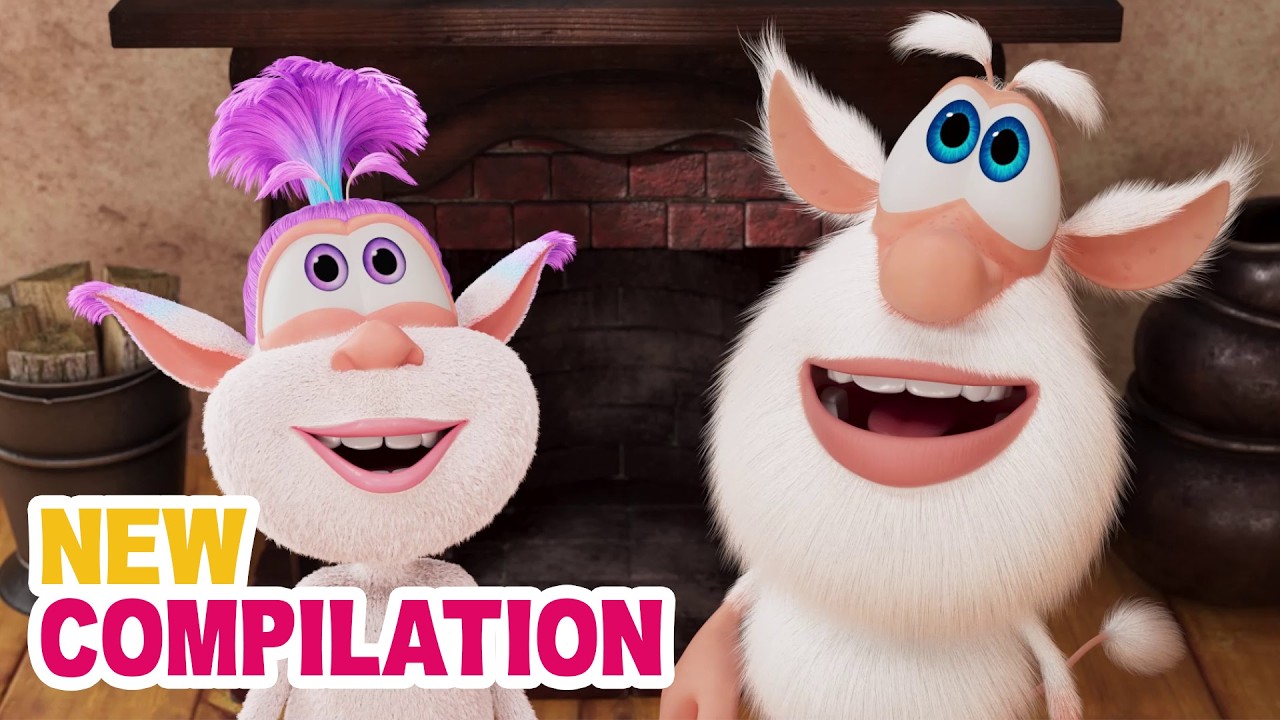
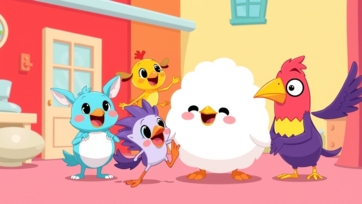
If your child enjoys fun, laughter, and imaginative adventures, chances are they already know Booba—the charming little creature who has taken the internet by storm. Booba is one of the most beloved animated characters for young children, thanks to his expressive face, adorable reactions, and exciting curiosity-filled world. But who exactly is Booba, and why do millions of kids love him so much? In this complete character guide, we explain everything parents and kids need to know about this funny and family-friendly cartoon character. Who Is Booba? Booba is a small, furry, and extremely curious creature who explores the world with child-like wonder. He does not speak words. Instead, he communicates through expressive sounds, funny gestures, and silly reactions. His biggest strength is his ability to turn the most ordinary things—like a lamp, a fridge, or a pair of shoes—into a hilarious adventure. Created by the animation studio 3D Sparrow, Booba first appeared on YouTube and quickly went viral among preschoolers. Today, the show is available on multiple streaming platforms, and Booba is recognized globally as a top children’s entertainment character. What Does Booba Look Like? Booba has a very unique and instantly recognizable appearance: A small white furry body Big blue eyes Pink cheeks A long tail Large ears A tiny backpack in some episodes His design is perfect for kids because it is both friendly and funny. His big expressions and exaggerated reactions make him enjoyable even for toddlers who cannot understand spoken language yet. What Makes Booba Popular Among Kids? Booba’s global popularity comes from several child-friendly qualities: 1. No Dialogue – Universal Entertainment Booba does not speak, which makes the show easy for children from all languages to enjoy. Kids focus on the actions, comedy, and visual storytelling, making it a perfect show for early learners. 2. Safe, Fun, and Educational Without violence, fear, or inappropriate content, Booba is completely safe for young children. The show encourages: Curiosity Exploration Creativity Problem-solving Each episode teaches children how to observe and learn from everyday things. 3. Short and Engaging Episodes Booba episodes are usually 3–5 minutes long, which matches the attention span of preschoolers. The fast-paced humor keeps kids laughing and entertained without overwhelming them. 4. Positive Character Personality Booba always remains cheerful, even when things go wrong. His reactions help children understand: It is okay to make mistakes Learning can be fun Curiosity leads to discovery His positive attitude is one of the main reasons parents trust this show. Booba’s Personality and Traits: Booba’s charm comes from his lovable personality. Some of his key traits include: Curiosity Booba is extremely curious. Whether he finds a toy, a kitchen gadget, or a musical instrument, he wants to explore it completely. This curiosity encourages kids to explore their environment safely. Playfulness He loves to play! Everything becomes a game for him. This playfulness helps kids develop imagination and creativity. Kindness Booba is friendly with everyone he meets, even if they cause trouble. His kindness teaches kids about empathy and good behavior. Bravery He often faces new things without fear. This trait inspires children to be confident and brave in new situations. Funny and Expressive Nature His silly reactions and big facial expressions make kids laugh instantly. Humor is a big part of why Booba is so addictive for children. Supporting Characters in Booba’s World: Booba is not alone in his adventures. Several characters join him and make the episodes more exciting. 1. Loola Loola is an active and energetic girl-like creature who loves to dance and play. She often joins Booba in exploring new places. 2. Googa Googa is the intelligent and inventive character in the Booba universe. He loves gadgets, tools, and creative ideas. 3. Spike Spike is the mischievous hedgehog who sometimes creates problems but always adds humor. 4. Mr. Beak Mr. Beak is a clever parrot who enjoys watching Booba’s silly actions while sometimes offering help. Together, these characters make the show more dynamic and enjoyable for kids. What Age Group Is Booba For? Booba is mainly designed for children aged 2 to 8 years, but toddlers and even older kids enjoy it due to its humor and visual appeal. Many parents say that even they enjoy watching Booba because of the comedy and creativity. Why Parents Approve of Booba Parents appreciate Booba because it: Avoids bad language Does not include violence Encourages positive learning Stimulates imagination Keeps kids engaged without harmful content It is a safe digital entertainment option compared to many noisy or aggressive children’s shows. Where Can Kids Watch Booba? Booba episodes are available on major platforms such as: YouTube Netflix Amazon Prime Booba’s official app (in some regions) This makes the show easy to access anywhere, anytime. Educational Benefits of Watching Booba: Although Booba is mostly a comedy show, it provides many learning opportunities: 1. Understanding Everyday Objects Kids learn how different items work—like a blender, vacuum cleaner, or mirror. 2. Visual Learning Skills Booba uses visual storytelling, which helps children improve observation and comprehension. 3. Social Skills Booba often interacts with friends, teaching kids about: Teamwork Sharing Friendship Cooperation 4. Creative Thinking Since Booba imagines new ways to use common things, children develop creative thinking and problem-solving skills. Booba Toys and Merchandise Booba’s popularity has led to many toys and merchandise for kids, including: Plush toys Storybooks Coloring books Puzzles School supplies These items help children engage with their favorite character in real life. Final Thoughts: Why Kids Love Booba So Much: Booba is more than just a cartoon character—he is a source of joy, creativity, and learning. His curious nature, funny adventures, and expressive personality make him a favorite among children everywhere. Without using any language, Booba communicates universal emotions that every child can understand. For parents searching for safe, educational, and fun entertainment, Booba is one of the best choices available today. His imaginative world encourages kids to explore, laugh, and learn—making him a truly unforgettable character.
Best Parental Control Apps for 2025
In 2025, technology continues to play a significant role in children’s lives. Smartphones, tablets, and computers are essential tools for learning and entertainment, but they also come with risks. Parental control apps help parents monitor and manage their child’s screen time, online safety, and content access, ensuring a secure digital environment. The best parental control apps combine ease of use, robust security features, and flexibility, allowing parents to customize access based on their child’s age and needs. These apps are not just about restriction—they also help promote healthy screen habits, educational engagement, and balanced digital experiences. Why Parental Control Apps Are Important: Parental control apps provide several benefits: Protect children from inappropriate content Limit screen time to promote healthy routines Track device usage and app activity Encourage educational and creative screen engagement Offer peace of mind to parents Using parental control apps helps balance technology use while maintaining child safety and development. Key Features to Look for in 2025: Modern parental control apps offer features that address both security and learning: App and website blocking: Filter inappropriate content Screen time management: Schedule limits for devices and apps Activity monitoring: Track usage, calls, and messages Location tracking: Ensure child safety outdoors Educational recommendations: Suggest age-appropriate apps and content Cross-device compatibility: Manage multiple devices from one dashboard These features make it easier for parents to stay informed and proactive. Top Parental Control Apps for 2025: Here are some of the best apps for parents in 2025: Qustodio: Comprehensive dashboard for monitoring Website and app filtering Screen time scheduling Activity and social media monitoring Google Family Link: Device management for Android and Chromebook App approvals and usage reports Screen time and bedtime limits Easy-to-use interface Norton Family: Monitors online activity and search history Blocks inappropriate websites Tracks location Encourages responsible online behavior Bark: Monitors texts, emails, and social media Detects cyberbullying, explicit content, and threats Sends alerts to parents Supports multiple devices Kaspersky Safe Kids: Content filtering and app control Location tracking and battery alerts Monitors social networks Provides tips for healthy device usage These apps are trusted, updated, and compatible with modern devices, making them ideal for 2025. Tips for Using Parental Control Apps Effectively: To maximize the benefits of parental control apps: Discuss with your child why controls are in place Set realistic limits and explain the reasons Regularly review reports and adjust settings as needed Encourage educational and creative content over passive usage Combine app monitoring with active parental guidance This approach ensures children understand boundaries and develop healthy habits. Balancing Control with Trust: While parental control apps are essential, children also need trust and autonomy: Gradually allow older children more freedom with monitoring Encourage responsible decision-making online Praise positive behavior and self-regulation Use apps as tools, not strict punishment Balancing control and trust fosters digital responsibility and confidence. Conclusion: Parental control apps in 2025 provide a vital combination of safety, education, and screen time management. Choosing the right app, setting clear rules, and actively engaging with children ensures a secure and enriching digital environment. With the proper tools and guidance, parents can help children enjoy technology safely, learn effectively, and develop healthy screen habits.
Plush Toys Inspired by Gentle Characters – Your Complete 2025 Buying Guide
A soft, huggable plush friend can be a child's first confidant, a comfort during storms, and a spark for endless imagination. Choosing the right one—especially when it's inspired by a beloved, gentle character—requires more than just picking the cutest face. This complete 2025 buying guide will help you navigate materials, safety, and quality to find the perfect plush companion that's safe, durable, and ready for years of love. Why the Right Plush Toy Matters : A high-quality plush toy is an investment in comfort and creative play. It should be: A Safe Haven: Free from hazards, with secure construction. A Sensory Experience: Made from soft, comforting fabrics. A Durable Friend: Built to withstand hugs, tugs, and adventures. A Spark for Stories: Faithfully representing a character known for kindness and curiosity to inspire positive play. Chapter 1: The Safety First Checklist – Non-Negotiables : Before you consider design, verify these critical safety points. Certifications & Standards: Look for official safety labels like CE (Europe), ASTM (USA), or UKCA (UK). These indicate the toy meets strict safety standards for materials and construction. Construction Integrity: Eyes & Nose: Must be embroidered or digitally printed fabric. Avoid plastic or button eyes/noses that can be pulled off and become a choking hazard. Seams: Should be double-stitched and tight with no loose threads or gaps where stuffing could emerge. Stuffing: Should be a clean, hypoallergenic polyester fiberfill. It should feel evenly distributed with no hard or lumpy spots. Materials & Fabrics: The outer fabric should be soft, durable, and colorfast. Look for mentions of "machine washable" for easy cleaning. Avoid cheap, scratchy, or strongly scented materials. Chapter 2: The Quality & Design Deep Dive – What to Look For : Once safety is confirmed, assess these quality and design factors. Authenticity & Likeness: For character plushes, the design should be faithful and recognizable. The expression should capture the character’s gentle and curious nature. Size & Proportion: Consider both cuddling and portability. Large (16-24 inches): Best for bedtime cuddling and room decor. Medium (10-15 inches): The versatile all-rounder, perfect for play and travel. Small (5-9 inches): Great for little hands, backpack companions, or collectibles. Sensory Features: Extra details enhance play value: Different Textures: Ears, paws, or tummies in a contrasting, soft material. Gentle Squeakers or Rattles: Ensure they are securely sealed inside and designed for calm interaction. Poseability: Some plush toys have wire in the arms/legs for posing, but ensure it is safely encased and the toy is age-appropriate. Chapter 3: Where & How to Buy – Smart Shopping Tips : Navigate the marketplace with confidence. Trusted Retailers: Purchase from official brand stores, reputable toy stores (online or brick-and-mortar), or major, trusted retailers. Be cautious with unknown third-party sellers on large marketplaces. Reading the Fine Print: Always check the product description for: Age Grade: e.g., "0+" or "3+". This is a safety guideline. Material List: Should be clearly stated. Care Instructions: Machine washable is a huge plus. Reviews are Key: Read customer reviews and look at user-uploaded photos. Pay attention to comments about durability after washing, color fading, and seam strength. Chapter 4: The Top Picks Breakdown – By Need : Best for Toddlers (Ages 1.5-3): The Super-Soft Cuddler Look for: Small to medium size, all-embroidered features, multiple tactile textures, and machine-washable fabric. Simpler designs are safer and more appealing at this age. Best for Imaginative Play (Ages 4-7): The Storytelling Companion Look for: Medium size, accurate and expressive design, durable fabric that can handle being part of adventures. This is the prime age for character-driven role-play. Best for Collectors & Older Fans (Ages 8+): The Premium Display Friend Look for: Larger size, high-quality detailing, possible poseability, and special edition features. These are for gentle cuddling and display. Chapter 5: Care & Maintenance – Keeping the Friend for Years : A good plush can last for generations with proper care. Regular Cleaning: Surface clean with a damp cloth. For a full wash, use a gentle cycle in a mesh laundry bag with mild detergent. Air dry thoroughly; avoid high heat from dryers. Damage Check: Regularly inspect for loose seams, holes, or detached parts. Repair small tears immediately to prevent further damage. Storage: When not in use, store in a cool, dry place away from direct sunlight to prevent fading. Red Flags – When to Walk Away : Unbelievably low price from an unknown seller. No safety certifications listed. Plastic parts (eyes, nose) that feel loose or poorly attached. Strong chemical or unnatural odor. Poor stitching or uneven, lumpy stuffing. Conclusion: More Than Just a Toy : Choosing the perfect character-inspired plush is an act of care. It’s selecting a future heirloom that will be a silent witness to bedtime stories, a comfort during sick days, and a catalyst for countless adventures. By prioritizing safety, quality materials, and thoughtful design, you’re not just buying a toy—you’re welcoming a cherished member of the family. May their new friend be soft, strong, and ready for all the love that’s coming their way.
Best Cartoon Stories About Family and Love
Family and love are central to a child’s early development. In 2025, cartoon stories about family and love have become a favorite tool for parents to teach toddlers and preschoolers the importance of relationships, empathy, and emotional connection. These animated stories combine vivid visuals, engaging characters, and gentle storytelling to help children understand love, respect, and the value of family bonds. This guide explores the benefits of family-themed cartoons, highlights the top series for 2025, and provides tips for parents to reinforce these lessons in daily life. Why Family and Love Cartoons Matter: Children learn social and emotional skills by observing behaviors, and family-focused cartoons provide: Understanding of relationships: Shows positive interactions between family members. Emotional intelligence: Teaches children to recognize and express feelings. Empathy and compassion: Characters model care, patience, and kindness. Safe storytelling: Age-appropriate scenarios with no violence or adult themes. Role models: Illustrates healthy communication, respect, and cooperation. By combining entertainment with moral lessons, these cartoons help children build a strong emotional foundation. Key Lessons in Family and Love Cartoons: Respect for Family Members Encourages listening, sharing, and helping parents, siblings, and grandparents. Showing Love and Affection Hugs, kind words, and caring actions model positive emotional expression. Problem-Solving Together Family members work together to overcome challenges, teaching teamwork. Gratitude and Appreciation Shows children how to value and thank family members. Conflict Resolution Gentle guidance on managing disagreements and fostering understanding. Top Cartoon Stories About Family and Love in 2025: 1. The Family Tree Adventures: A popular series where family members go on adventures and solve problems together, teaching children the importance of unity and support. Highlights: Focuses on family bonding and teamwork Engaging and colorful animations for toddlers Age-appropriate moral lessons about love and cooperation 2. Booba’s Family Fun: Booba interacts with family-like characters, learning lessons about sharing, helping, and expressing affection. Why it’s popular: Non-verbal storytelling suitable for all languages Teaches social and emotional skills through playful actions Short episodes ideal for young children’s attention spans 3. Little Hearts Club: Animated mini-stories that show children helping their families, expressing love, and supporting friends. Key lessons: Empathy and compassion Cooperation and problem-solving Celebrating love and gratitude 4. Animal Families Tales: Animal characters model family dynamics, teaching children how family members care for and support each other. Learning highlights: Introduces concepts of sibling care and parent-child interaction Emotional lessons embedded in fun storytelling Encourages children to show love and empathy in real life 5. Super Simple Family Songs: Animated songs focus on family, love, and gratitude, reinforcing moral lessons through music. Benefits: Encourages participation through singing and dancing Helps toddlers remember positive behaviors Combines education, music, and gentle humor How Parents Can Reinforce Lessons: Parents can enhance learning from family and love cartoons by: Watching together: Pause to discuss feelings and interactions. Practice affection: Encourage hugs, kind words, and helping behaviors. Repeat favorite stories: Reinforces emotional lessons. Relate to real-life situations: Show children how lessons apply at home. Use creative play: Role-play family situations to teach empathy and cooperation. Praise positive behavior: Encourage children when they show love and respect. Recommended Cartoon Stories About Family and Love: The Family Tree Adventures – Adventures emphasizing bonding and teamwork Booba’s Family Fun – Observation-based lessons on sharing and affection Little Hearts Club – Mini-stories teaching empathy and problem-solving Animal Families Tales – Animal-themed family lessons Super Simple Family Songs – Musical reinforcement of love and gratitude These cartoons are safe, engaging, and educational, helping children understand relationships, develop empathy, and value family bonds. Final Thoughts: Cartoon stories about family and love are more than just entertainment—they are tools for emotional and social development. In 2025, animated series help children learn: How to express love and gratitude How to resolve conflicts and cooperate with family How to develop empathy and positive social skills Parents can enhance learning by: Watching and discussing episodes together Practicing real-life applications of lessons Encouraging creative and empathetic play With the right family-themed cartoons, children develop emotional intelligence and appreciation for loved ones while enjoying safe, colorful, and heartwarming stories. Tip for Parents: Encourage children to draw or act out scenes showing family love, which reinforces creativity, comprehension, and emotional expression.
Best Educational Cartoons for Kids in 2025
A Complete Guide for Parents As digital learning continues to evolve, parents are becoming more selective about the content their children watch. In 2025, the demand for high-quality educational cartoons for kids has reached an all-time high. Families now want animated series that combine entertainment with learning—covering language development, moral lessons, science, early mathematics, and emotional intelligence. This guide explores the best educational cartoons for kids in 2025, why they are trending, and how they support mental, emotional, and cognitive growth. If you’re searching for valuable learning content for your child, this article will help you make informed choices. Why Educational Cartoons Matter in 2025: Today’s children learn differently. Early exposure to screens means they absorb information faster through visuals, colors, and characters. Educational cartoons create an immersive learning environment where kids learn naturally while having fun. Key benefits include: Enhanced vocabulary and language skills Improved problem-solving and analytical thinking Better understanding of numbers, shapes, sounds, and colors Stronger emotional intelligence and social behavior Increased creativity and imagination Safe entertainment without harmful messaging The best part? Children perceive these cartoons as fun, not study—making learning effortless. Top 10 Educational Cartoons for Kids in 2025: 1. Booba Educational Adventures (2025 Edition) Booba remains a favorite among toddlers for his curiosity-driven adventures. The series introduces children to new environments, safety rules, and basic science concepts. Why it’s trending: Non-verbal learning suitable for all languages Encourages observation and critical thinking Kids learn by watching Booba explore real-world situations Perfect for toddlers and preschoolers 2. Super Simple Learning World Ideal for early English learners, this series uses colorful animations, easy rhymes, and step-by-step learning. Focus areas: Alphabet A–Z Numbers, counting, and shapes Opposites, colors, and phonics Simple manners and good habits Its soft music and gentle pacing make it perfect for toddlers and preschoolers. 3. Dino Learners: The Smart Adventures Dino-themed learning adventures combine science, history, and teamwork for children aged 4–10. Learning benefits: Boosts curiosity about dinosaurs and prehistoric life Teaches teamwork and problem-solving Introduces basic geography and animal behavior 4. Little Genius World Designed to stimulate mental growth, this 2025 series engages kids with puzzles, mini-games, and creative challenges. Key themes: Memory-building activities Logical reasoning and early math Creative drawing and imagination Shape recognition and pattern analysis 5. Alphabet Town Adventures Perfect for toddlers learning ABCs, this series strengthens early reading skills. Why parents choose it: Correct pronunciation of English words Vocabulary-building through animated stories Engaging visuals keep kids motivated 6. The Kindness Club Emotional intelligence (EQ) is a key focus of this series, which teaches morals and social skills gently and entertainingly. Lesson themes: Sharing and caring Respect and honesty Friendship and empathy Managing feelings 7. Space Explorers Jr. This space-themed cartoon sparks curiosity about planets, stars, and the cosmos. Learning highlights: Names of planets and their characteristics Basics of space travel Stars, moons, and galaxies explained simply 8. Momo’s Math World One of the most fun math learning series of 2025, turning numbers and problem-solving into an adventure. Focus areas: Numbers and counting Addition and subtraction Shapes and measurements Early problem-solving 9. Healthy Habits with Zoya Health education meets fun! Zoya encourages children to adopt healthy daily habits. Topics include: Eating nutritious food Brushing teeth properly Sleeping on time Simple exercises Keeping surroundings clean 10. The Creative Arts Studio Creativity-focused learning helps children explore art, music, dance, and crafts. Benefits: Improves hand–eye coordination Boosts artistic confidence Encourages emotional expression How to Choose the Right Educational Cartoon Before selecting a cartoon, consider: Age-appropriate content – Avoid shows that are too simple or too advanced. Positive messaging – Ensure lessons about kindness, honesty, and safety. Pacing – Slow, clear visuals prevent overstimulation. Interactive elements – Songs, repetition, and simple tasks enhance learning. Language clarity – Dialogue should be child-friendly and easy to understand. Choosing the right cartoon can significantly improve your child’s early development and learning speed. Final Thoughts In 2025, educational cartoons are more than entertainment—they’re powerful learning tools that nurture language skills, emotional intelligence, creativity, and problem-solving. Whether your child enjoys science, language, adventure, or moral stories, these top 10 series offer safe, engaging, and educational experiences. Start your child’s learning adventure today by exploring these cartoons on trusted platforms like YouTube or dedicated educational websites such as boobacartoon.com.
Screen Time Rules for Different Age Groups
In 2026, screens are woven into the fabric of learning, creativity, and connection. The goal for parents is no longer mere restriction, but smart curation—crafting a "digital diet" that is age-appropriate, purposeful, and balanced with the rich nutrients of offline life. This guide provides clear, flexible rules and strategies tailored to each developmental stage, helping you move from daily battles over "five more minutes" to a sustainable family media plan. The Foundational Principles for All Ages : Before diving into age groups, these universal rules form the bedrock of healthy screen use for every family member. Quality Over Quantity: Focus on what they are doing on screens, not just for how long. An hour video-chatting with grandparents is not the same as an hour of mindless scrolling. Co-View & Co-Play: Whenever possible, engage with your child's digital world. It's the single most effective safety and bonding strategy. Tech-Free Zones & Times: Protect family meals, bedrooms, and the first hour after school/wake-up as sacred screen-free times to foster connection and calm. Model the Behavior: Your own intentional screen use is the most powerful lesson. Practice "phone away" times and explain your own media choices. Ages 0-2: The Digital Fasting Phase (Minimal to No Solo Screen Time) : Developmental Need: Direct, hands-on interaction with the physical world to build neural connections, motor skills, and secure attachment. The Rules : Video Chat is the Exception: Live, interactive video calls with loved ones are beneficial and encouraged as a social activity. Avoid Solo Media: The American Academy of Pediatrics (AAP) strongly discourages any solo, passive screen media for this age group. Their brains cannot transfer learning from 2D screens to 3D reality effectively. If You Do Use Media: Only high-quality content, always watched with a parent who describes and connects it to the real world. ("Look, the duck is yellow! Just like your rubber duck!"). Parent Strategy: Fill their world with sensory play, books, and outdoor exploration. Resources from kidtoys.site offer perfect, engaging alternatives. Screens are not a necessary babysitter; your interaction is. Ages 3-5: The Introduction Phase (Up to 1 Hour/Day, Highly Curated) : Developmental Need: Imaginative play, language acquisition, and learning basic social-emotional skills. The Rules : Strict Time Limit: Coherent daily limit of 30-60 minutes total of high-quality programming. Full Parental Control: Use kid-safe platforms and devices. All content is pre-selected by you. Autoplay must be disabled. Always Co-Engage: Sit with them. Ask questions about the characters' feelings and choices. Pause and discuss. Turn shows from boobacartoon.com into lessons about kindness or problem-solving. No Personal Devices: Screens should be shared family devices in common areas. Parent Strategy: This is the time to establish the "when" and "where" routines. "We watch one show after lunch, on the living room couch." Use a visual timer. Prioritize interactive apps that promote creation over passive consumption. Ages 6-10: The Training Wheels Phase (Consistent Limits, Focus on Education & Creation) : Developmental Need: Developing academic skills, personal interests, and understanding rules and consequences. The Rules : Clear, Consistent Caps: 60-90 minutes on weekdays of recreational screen time, with more flexibility possible on weekends. Schoolwork does not count toward this limit. Establish "Homework First": A non-negotiable rule: all homework, chores, and offline responsibilities must be complete before any recreational screen time. Introduce "Screen-Time Tickets": Give them physical or digital tickets representing their daily time allowance (e.g., 3 x 30-minute tickets), teaching them to budget and choose between activities. Begin Safety Education: Teach core safety rules: never share personal info, ask before downloading, and come to you if something feels weird. Use resources from learn.universitiesforllm.com for structured digital literacy lessons. Parent Strategy: Shift from pure control to guided autonomy. Have weekly check-ins about what games they're playing or videos they're watching. Encourage them to create digital art, code simple games, or make family videos. Ages 11-13: The Negotiation & Independence Phase (Managing Autonomy & Social Life) : Developmental Need: Social connection, identity exploration, and increased responsibility. The Rules : Move to a Weekly Allowance: Instead of a daily minute count, grant a weekly pool of hours (e.g., 8-10 hours). They learn to manage it across the week for games, social media, and videos. The Device Contract: Before getting their first smartphone or personal device, co-create and sign a detailed contract covering safety, etiquette, time limits, and consequences for misuse. Bedroom Ban Continues: All devices charge overnight in a common family charging station, not in the bedroom. This protects sleep and reduces nighttime temptation. Social Media Readiness: Delay social media as long as possible. If introduced, accounts must be private, you must have passwords, and you will follow each other. Review privacy settings together monthly. Parent Strategy: Your role is now a coach and mediator. Have deep-dive conversations about online reputation, cyberbullying, and media literacy. "Walk the line" between respecting their growing privacy and ensuring their safety. Ages 14+: The Driver's License Phase (From Rules to Responsibilities) : Developmental Need: Preparing for adult independence, self-regulation, and complex social dynamics. The Rules : Focus on Responsibilities, Not Just Minutes: Shift the framework. Expectations include: maintaining grades, fulfilling family/activity commitments, and demonstrating responsible online behavior. As these are met, grant increased screen autonomy. Open Dialogue & Audits: You retain the right to occasional, announced "audits" of social media or browsing history, framed as a safety check-in, not spying. The key is transparency on both sides. Critical Discussions are Mandatory: Regularly discuss news stories about digital footprints, ethics, and the impact of technology on mental health and society. The "Offline Life" Balance: Insist on evidence of a balanced life—in-person hobbies, sports, face-to-face friend time, and unplugged downtime. Parent Strategy: You are now a consultant. Your goal is to ensure their internal compass is strong enough to guide them when you're not there. Trust is earned through demonstrated responsibility. Continue to model a balanced digital life yourself. Conclusion: Flexibility Within the Framework : These rules are a blueprint, not a prison. Be prepared to adapt for special occasions, educational projects, or your child's unique needs. The constant is your engaged presence and ongoing conversation. By using age-appropriate strategies and leveraging quality resources—like the structured guides from learn.universitiesforllm.com, the positive narratives from boobacartoon.com, and the engaging offline play from kidtoys.site—you can guide your child to develop a healthy, intentional, and empowered relationship with technology that serves them for a lifetime.
Themed Party Favors for Kids: A 2025 Guide to Fun, Simple & Memorable Gifts
Party favors are the final thank-you note, a small token of appreciation for sharing in the celebration. For a party inspired by gentle, curious characters, the best favors aren't just branded trinkets—they're useful, playful, and spark imagination long after the cake is gone. This 2025 guide offers creative, affordable, and low-waste favor ideas that capture a spirit of discovery and fun. The New Rules for Modern Party Favors : Move beyond plastic junk. Today's best favors are: Useful or Experiential: Something kids will actually use or enjoy doing. Low-Waste & Thoughtful: Minimal plastic, functional packaging. Interactive: Encourages play, creation, or discovery. Cohesive: Ties into the party theme without being overly commercial. Category 1: The "Create & Explore" Favor Bag (Ages 3-7) : Favors that are an activity in themselves. DIY "Curiosity" Play Dough Kit: The Idea: A small jar or clear bag of homemade blue play dough (non-toxic, scented with vanilla if desired). Attach a tag that says, "Shape Something Wonderful!" Include a couple of simple tools like a craft stick and a small cookie cutter in a basic shape (circle, star). Why It Works: It's sensory, creative, and the container becomes part of the play. It aligns perfectly with hands-on, tactile discovery. "Mystery Seed" Planting Pot: The Idea: A small terracotta pot painted a solid, cheerful blue (or wrapped in blue paper). Fill it with soil and bury a mystery seed packet for a fast-growing plant like beans, sunflowers, or basil. Tag: "Watch Curiosity Grow!" Why It Works: It's a living, growing favor that teaches patience and care. The "mystery" element adds excitement. "I Spy" Discovery Bottle: The Idea: A clear plastic bottle filled with rice or sand dyed blue, and a mix of small hidden treasures (a tiny plastic lightbulb, a question mark charm, a button, a bead). Hot glue the lid shut for safety. Attach a laminated list of items to find. Why It Works: It’s a calming, focus-building activity. Kids can shake and search for the hidden items again and again. Category 2: The "Useful Adventure Gear" Favors (Ages 5-10) : Items that will be used in everyday play. Personalized "Explorer" Water Bottle Strap: The Idea: A simple, adjustable nylon bottle strap (available in bulk online) customized with a wooden bead painted with two simple dot eyes. It instantly turns any water bottle into a sidekick for adventures. Why It Works: Incredibly practical for school, sports, and outings. The personalization makes it special. "Secret Message" Notepad & Decoder Pen: The Idea: A small, memo-sized notepad with a blue cover. Pair it with a "invisible ink" pen (UV pen that writes in clear ink, requiring the attached UV light to read). Tag: "For Your Top-Secret Discoveries." Why It Works: Combines writing practice with spy-game fun. The interactive element is a huge hit. "Build-Your-Own" Snack Mix & Container: The Idea: A reusable silicone pouch or small metal tin. Set up a snack mix station at the party with blue-tinted popcorn, yogurt-covered pretzels, chocolate chips, and cereal. Let each child fill their own container to take home. Why It Works: Edible, zero-waste, and involves the kids in the favor creation. The container is reusable. Category 3: The "Imagination & Play" Favors (All Ages) : Favors that fuel storytelling and pretend play. Storytelling Dice: The Idea: One or two large wooden dice with simple pictures drawn or glued on each face (a key, a door, a treasure chest, a surprised face, a foot, a question mark). Package in a small muslin bag. Why It Works: Encourages creative language and storytelling. A game that can be played alone or with friends. Character "Face" Bean Bag Toss Game: The Idea: A small favor bag containing three homemade bean bags (simple squares of blue fabric filled with rice or beans, sewn shut) and a paper plate with a face drawn on it (two big eyes and a smile). Kids can take it home and play a tossing game. Why It Works: It's an instant game. Promotes active play and motor skills. "Color Your Own" Canvas Pouch: The Idea: A plain, light-colored canvas drawstring pouch. Include a few fabric markers. Kids can decorate their own favor bag at the party or at home, making it a truly personal keepsake. Why It Works: The bag is the favor and the packaging. It’s functional for storing small toys later. The Presentation: Making it Special : How you package favors matters just as much as what's inside. Thematic Packaging: Use blue paper bags, boxes, or reusable fabric bags. Tie with a simple white or black ribbon. Simple, Clever Tags: Instead of just the guest's name, use tags with phrases like: "Thanks for exploring with me!" "Stay Curious!" "A small treasure from our adventure." Practical Containers: Let the container be part of the favor (the planting pot, the canvas pouch, the silicone snack bag). What to Avoid: The Favor Hall of Shame : Single-Use Plastic Toys: They break instantly and become landfill. Candy Overload: A small treat is fine, but don't make sugar the main gift. Overly Commercial Items: Cheap, mass-produced trinkets with no play value. Anything with Small, Loose Parts for Young Kids: Always consider age and choking hazards. Conclusion: Favors That Feel Like a Gift, Not an Afterthought : The goal of a modern party favor is to leave a little spark of the party's joy in each guest's hands. By choosing favors that are interactive, useful, or creative, you're giving a gift that respects parents (less clutter!), delights kids (fun to use!), and reflects a thoughtful, playful celebration. It’s a small way to say thank you for the biggest gift of all—sharing in your child's special day.