Holiday Special Kids Cartoons in 2025

Holidays are the perfect time for children to relax, have fun, and enjoy some educational entertainment. Holiday special kids cartoons for occasions like Eid, Christmas, and New Year are designed to combine fun, festive cheer, and learning in a colorful, animated format. These cartoons engage children with vibrant visuals, catchy songs, and playful characters while subtly teaching values, culture, and creativity. In this article, we will explore the importance of holiday cartoons, their educational benefits, and how parents can make the most of them during festive seasons.


Why Holiday Special Kids Cartoons Are Important:

Holiday cartoons are more than just entertainment. They provide opportunities for children to:

1. Learn Cultural Traditions:

Festive cartoons explain the meaning and traditions behind holidays like Eid, Christmas, and New Year. Children learn why families celebrate, how people share, and the joy of togetherness.

2. Develop Social Skills:

Many holiday cartoons feature teamwork, sharing, helping others, and celebrating with friends. This encourages social interaction and empathy in young viewers.

3. Boost Creativity:

Festive cartoons often include colorful decorations, music, and creative activities like making gifts or baking. Watching these inspires children to create their own art and participate in celebrations.

4. Build Positive Values:

Many holiday cartoons include moral lessons about kindness, generosity, gratitude, and patience. Kids learn important life values in a fun, memorable way.


Popular Holiday Special Kids Cartoons:

1. Eid Cartoons:

Eid cartoons teach children about the importance of sharing, gratitude, and family togetherness. Common themes include:

  • Children helping their parents prepare for Eid

  • Sharing gifts and sweets with friends and neighbors

  • Learning about prayers and cultural traditions

  • Friendly animal characters celebrating Eid

2. Christmas Cartoons:

Christmas cartoons focus on fun, gifts, decorations, and family. Popular themes include:

  • Santa Claus delivering presents

  • Children decorating Christmas trees and singing carols

  • Learning to be generous and kind to others

  • Magical adventures in snowy landscapes

3. New Year Cartoons:

New Year cartoons often combine celebration with reflection and planning. Themes include:

  • Fireworks and parties in animated cities

  • Characters making resolutions and setting goals

  • Celebrating achievements of the past year

  • Teamwork and cooperation to make New Year fun


Educational Benefits of Holiday Cartoons:

Holiday cartoons do more than entertain—they support learning in multiple ways:

1. Cultural Awareness:

Children understand why holidays are celebrated, helping them respect diversity and global traditions.

2. Language Development:

Cartoons with dialogues, songs, and rhymes help preschoolers improve vocabulary, pronunciation, and listening skills.

3. Social and Emotional Learning:

Watching characters share, celebrate, and solve problems teaches empathy, patience, and cooperation.

4. Creativity and Imagination:

Colorful visuals and fun storylines inspire children to craft decorations, draw, or play role-playing games.

5. Cognitive Skills:

Interactive cartoons may include counting gifts, recognizing shapes in decorations, or solving simple puzzles, strengthening early learning skills.


Tips for Parents to Use Holiday Cartoons Effectively:

1. Choose Age-Appropriate Cartoons:

Select cartoons suitable for your child’s age. Preschoolers need shorter, slower-paced videos, while older children can enjoy longer stories.

2. Watch Together:

Participate in the viewing experience. Discuss the story, ask questions, and encourage children to share their thoughts about celebrations.

3. Integrate Real-Life Activities:

After watching, engage children in holiday activities like decorating, drawing, or gift-making to reinforce lessons from cartoons.

4. Limit Screen Time:

Even educational cartoons should be watched in moderation. 20–30 minutes is ideal for preschool children.

5. Encourage Moral Reflection:

Ask children how the characters showed kindness, sharing, or gratitude. This reinforces social values in real life.


Why Parents Prefer Holiday Special Cartoons:

Parents prefer holiday-themed cartoons because they:

  • Provide safe, engaging entertainment

  • Teach important social, moral, and cultural values

  • Keep children busy during school breaks

  • Inspire creativity and family bonding

During Eid, Christmas, and New Year, these cartoons help children understand celebrations while learning positive behavior in an enjoyable way.


Conclusion:

Holiday special kids cartoons are a fantastic combination of fun, education, and festive cheer. They help preschoolers and young children learn about cultural traditions, values like sharing and kindness, and important social skills. Whether it’s Eid, Christmas, or New Year, these cartoons make celebrations exciting while fostering creativity, language development, and moral growth.

By incorporating holiday cartoons into daily routines, parents can ensure children enjoy meaningful entertainment that supports learning and personal development. With vibrant animations, catchy songs, and engaging stories, holiday cartoons create memorable experiences that children cherish long after the celebrations end.

Advertisement
Top Cartoons Similar to Playful Cartoon Characters Kids Will Love
Kids love funny, curious, and colorful animated characters. Many children who enjoy one playful cartoon are often drawn to similar shows that combine humor, creativity, and learning. This guide highlights top cartoons similar to playful animated characters, helping parents choose age-appropriate, engaging, and educational content for children aged 3–8. Why Kids Love Playful Cartoons: Bright Colors and Fun Animations: Eye-catching visuals keep kids engaged. Expressive Characters: Funny faces and exaggerated actions appeal to young viewers. Simple Stories: Easy-to-follow plots help children understand cause and effect. Humor and Slapstick Comedy: Silly antics make learning fun. Positive Lessons: Episodes often teach friendship, creativity, problem-solving, and empathy. Top Cartoons Similar to Playful Characters: 1. Pip and Pop Adventures Focuses on curious, playful creatures exploring their world. Teaches problem-solving, cooperation, and curiosity. 2. Tiny Tales Short, humorous episodes perfect for toddlers. Highlights colors, numbers, and shapes with visual storytelling. 3. Happy Critters Club Group of animal friends engaging in funny adventures. Encourages friendship, sharing, and teamwork. 4. Momo’s Magical World Combines fantasy, humor, and educational content. Episodes promote creativity, imagination, and storytelling. 5. Fuzzy Friends Fun Focuses on curiosity, exploration, and learning through play. Teaches basic concepts like shapes, letters, and problem-solving. 6. Giggle Garden Outdoor adventures with playful characters. Encourages observation skills, nature awareness, and imagination. Tips for Parents Choosing Cartoons: Check Age Appropriateness: Ensure content is suitable for your child’s age. Mix Education with Entertainment: Look for shows with learning opportunities and fun stories. Watch Together: Co-viewing promotes discussion, comprehension, and bonding. Encourage Activities Post-Episode: Drawing, crafts, or role-play extends learning. Monitor Screen Time: Balance viewing with offline activities, outdoor play, and reading. Benefits of Watching Similar Cartoons: Creativity and Imagination: Inspires storytelling, drawing, and role-play. Social Skills: Characters model friendship, sharing, and empathy. Cognitive Skills: Episodes teach problem-solving, observation, and sequencing. Emotional Understanding: Helps children recognize feelings and emotions. Final Thoughts: Children who enjoy playful cartoon characters can benefit from exploring similar animated shows. By choosing age-appropriate, entertaining, and educational cartoons, parents can enhance creativity, learning, and social skills, while keeping screen time fun and safe.
10 Brain-Boosting Activities Inspired by Cartoons
Cartoons are not just entertaining; they can be a source of creative and educational inspiration for children. Many educational cartoons are designed to encourage problem-solving, critical thinking, and cognitive skill development. Parents can leverage these shows to create fun, brain-boosting activities at home that support learning through play. Here are 10 activities inspired by cartoons that can enhance your child’s brain development and vocabulary. 1. Storytelling and Role-Play: Cartoons often have engaging stories and memorable characters. Encourage your child to retell episodes or act out their favorite scenes. This activity improves vocabulary, creativity, and narrative skills. For example, after watching a show like Dora the Explorer or Paw Patrol, children can role-play characters, solve problems, and create their own adventures. This not only makes learning fun but also enhances imagination and social skills. 2. Word Games and Puzzles: Many cartoons introduce new words, phrases, or simple riddles. Turn this into interactive word games at home. Use flashcards, crossword puzzles, or matching games with words learned from cartoons. This strengthens memory, vocabulary, and problem-solving skills, while keeping children engaged in educational play. 3. Drawing and Coloring Activities: Cartoons are visually appealing, making them ideal for drawing and coloring exercises. Ask your child to draw their favorite characters or scenes. This activity improves fine motor skills, hand-eye coordination, and creativity, while allowing children to practice storytelling visually. Parents can also introduce new words related to colors, shapes, and actions during the activity. 4. Interactive Quizzes: After watching a cartoon episode, create simple quizzes about the story, characters, or moral lessons. Use multiple-choice or true/false questions to make it fun. Interactive quizzes enhance critical thinking, attention span, and comprehension skills, and make children more attentive to details in animated shows. 5. Memory Games: Many cartoons repeat phrases, rhymes, or sequences, which can be used for memory-boosting exercises. Encourage children to recall sequences of events or dialogue from their favorite shows. This activity strengthens working memory, focus, and language retention, making it easier for kids to learn and use new vocabulary. 6. Educational Craft Projects: Inspired by cartoon themes, children can create crafts, such as building models, making puppets, or designing simple props. For instance, after watching a show about animals, kids can make paper animals or masks. Craft projects boost problem-solving, creativity, and fine motor skills, while reinforcing knowledge and vocabulary related to the cartoon theme. 7. Music and Singing Activities: Many cartoons include songs and rhymes. Encourage children to sing along, dance, or create their own lyrics inspired by these songs. Music-based activities enhance memory, language development, and rhythm recognition, while making learning fun and interactive. It also helps children pronounce new words clearly. 8. Puzzle-Based Problem Solving: Cartoons often feature characters solving simple challenges or mysteries. Turn these scenarios into hands-on problem-solving games, like jigsaw puzzles, building blocks, or treasure hunts. This improves logical thinking, spatial awareness, and concentration, while teaching children to think creatively like their favorite cartoon heroes. 9. Science and Exploration Experiments: Some educational cartoons introduce basic science concepts. Use these as inspiration for safe and simple experiments at home. For example, shows about nature or animals can lead to planting seeds, exploring magnets, or observing insects. These activities boost curiosity, observational skills, and scientific vocabulary, turning cartoon inspiration into practical learning experiences. 10. Reading and Writing Exercises: Cartoons often feature stories, letters, or written messages. Encourage children to write their own short stories or letters based on episodes they watched. This reinforces writing, reading comprehension, and vocabulary acquisition. It also helps children connect visual storytelling with written language, strengthening their literacy skills. Tips for Parents to Maximize Learning: Select educational cartoons: Choose shows with clear language, problem-solving, and moral lessons. Limit screen time: Use cartoons as inspiration, not a passive activity; 30–60 minutes per day is ideal. Engage actively: Watch with your child, discuss new words, and encourage participation. Combine activities: Mix drawing, crafts, quizzes, and memory games to reinforce learning. Use bright and playful tools: Colorful materials and interactive props make activities more engaging and memorable. Conclusion: Cartoons are much more than entertainment—they are a powerful tool for brain development in children. By translating animated stories into hands-on activities, parents can boost cognitive skills, vocabulary, creativity, and problem-solving abilities. Integrating these 10 brain-boosting activities inspired by cartoons into your child’s routine transforms screen time into meaningful learning experiences, ensuring that fun and education go hand in hand. With creative play, interactive exercises, and storytelling, children can develop essential skills that last a lifetime—all while enjoying their favorite cartoons.
Non-Violent Cartoons Parents Can Trust
In today’s digital age, parents are often concerned about the content their children watch. Non-violent cartoons provide safe entertainment, while teaching values, problem-solving, and social skills. These shows are fun, engaging, and educational, without exposing children to aggression or inappropriate behavior. This guide highlights non-violent cartoons suitable for children aged 2–8 and explains why they are trusted by parents. Why Non-Violent Cartoons Matter: Safety First: Ensures children aren’t exposed to aggression, scary scenes, or unsafe behavior. Emotional Well-Being: Promotes positive behavior, empathy, and kindness. Learning Through Fun: Many shows teach numbers, colors, social skills, and creativity. Age-Appropriate Humor: Keeps children engaged without confusing or frightening content. Interactive Opportunities: Encourages role-play, drawing, and imaginative storytelling. Top Non-Violent Cartoons Parents Can Trust: 1. Playful Creature Adventures Bright, expressive characters exploring fun worlds. Teaches problem-solving, creativity, and cooperation. 2. Tiny Tales Universe Short, entertaining episodes for toddlers and preschoolers. Promotes learning through humor, songs, and storytelling. 3. Fuzzy Friends Academy A group of playful friends solving challenges together. Encourages teamwork, sharing, and imaginative play. 4. Giggle Garden Explorers Outdoor adventures with creative problem-solving scenarios. Introduces nature, observation, and exploration in a safe environment. 5. Happy Helpers Club Characters help each other while having fun. Teaches empathy, responsibility, and cooperative skills. Tips for Parents: Pre-Select Shows: Ensure content is age-appropriate and non-violent. Co-View and Engage: Discuss episodes to reinforce lessons and moral values. Encourage Creativity: Let children draw or role-play their favorite scenes. Set Screen Time Limits: Balance viewing with outdoor play, reading, and crafts. Praise Positive Behavior: Highlight lessons learned and model kindness and cooperation. Benefits of Non-Violent Cartoons: Cognitive Development: Enhances observation, memory, and problem-solving skills. Social Skills: Encourages sharing, empathy, and collaboration. Creativity: Inspires drawing, storytelling, and imaginative play. Emotional Intelligence: Helps children understand emotions and moral lessons. Safe Entertainment: Provides fun without exposing children to aggressive content or negative behavior. Final Thoughts: Non-violent cartoons are a safe, entertaining, and educational option for children. By selecting trusted shows with playful, expressive characters, parents can foster creativity, social-emotional skills, and cognitive growth while keeping screen time enjoyable and safe.
Safe YouTube Tips for Kids Who Love Playful Cartoon Characters
YouTube is a popular platform for children to watch funny and engaging animated characters. While these videos can be entertaining, it’s important for parents to ensure that children watch safely and responsibly. This guide provides practical tips for parents to help kids enjoy videos of their favorite playful cartoon characters without compromising safety or development. Why YouTube Can Be Both Fun and Risky: Educational Potential: Quality videos can teach colors, numbers, shapes, creativity, and problem-solving skills. Entertainment & Creativity: Watching funny animations encourages imaginative play and storytelling. Risks: Unsupervised viewing can expose children to inappropriate content, ads, or excessive screen time. Tips for Safe YouTube Viewing: 1. Use YouTube Kids App Designed specifically for children under 13 Filters content to be age-appropriate and educational Allows parental control over watch time, playlists, and channels 2. Set Viewing Limits Limit screen time according to age and daily schedule: Ages 3–5: ~1 hour/day Ages 6–12: 1–2 hours/day Combine with offline activities like drawing, crafts, or reading 3. Co-View and Engage Watch videos together and discuss: What the character is doing What the child learned Fun ideas to recreate or act out scenes Encourages interaction, comprehension, and bonding 4. Create Playlists of Trusted Content Pre-select favorite channels or videos of playful cartoon characters Avoid letting children browse freely, reducing the risk of inappropriate recommendations Include educational or creative content 5. Teach Digital Safety Explain not to click unknown links or ads Encourage children to ask a parent before searching new content Model responsible technology use 6. Integrate Hands-On Activities Turn videos into active learning experiences: Drawing or coloring characters Crafting or origami Role-playing favorite scenes Educational Tip: This transforms passive viewing into interactive learning and creativity. 7. Monitor and Adjust Observe the child’s reaction to videos: Are they engaged or frustrated? Do they imitate positive behaviors or problematic actions? Adjust content, time, and activities accordingly Benefits of Safe Viewing: Learning Skills: Numbers, letters, colors, shapes, and problem-solving Imagination & Creativity: Encourages storytelling, drawing, and acting Emotional Understanding: Recognizing characters’ expressions and emotions Screen-Time Balance: Teaches healthy viewing habits from an early age Final Thoughts: Children can enjoy funny and playful cartoon characters on YouTube safely when parents guide viewing habits. By pre-selecting content, limiting time, co-viewing, and integrating hands-on activities, parents can ensure videos are both fun and educational, promoting safe and positive screen experiences.
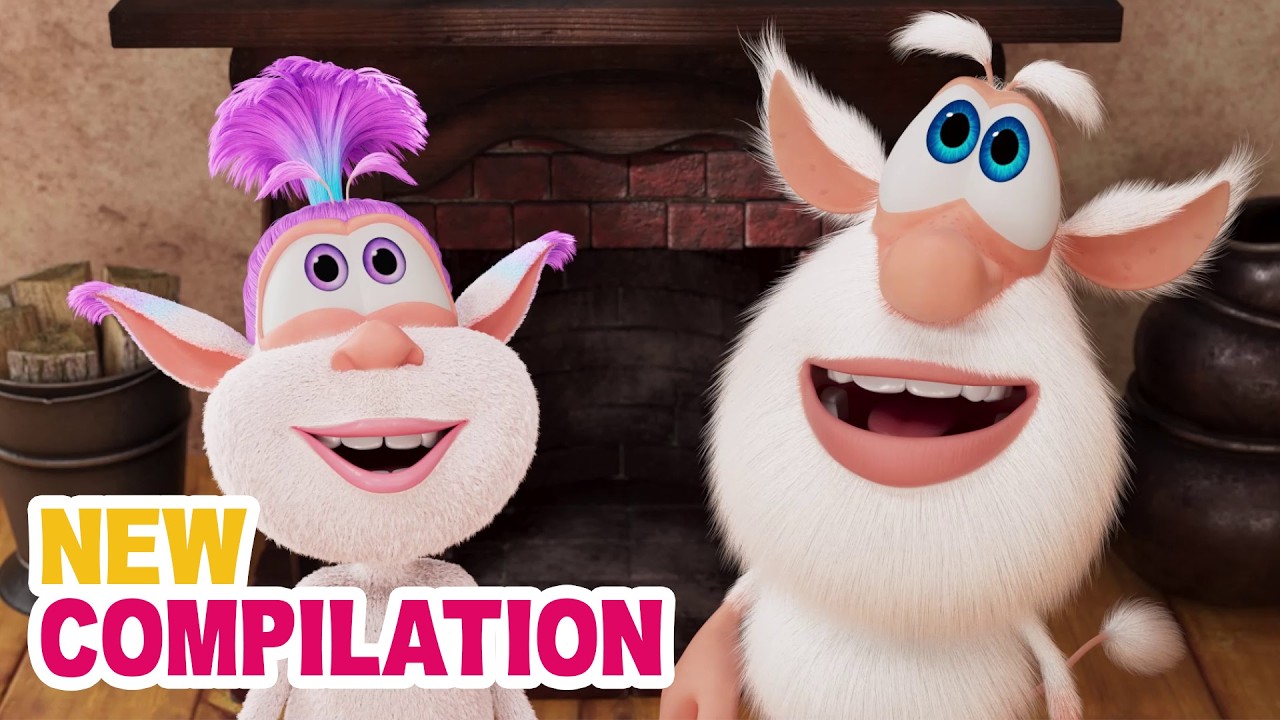
Booba Characters Explained: Loola, Spike, Mr. Beak & More
The world of Booba is not just about one curious little creature—it is filled with colorful, funny, and memorable characters that make every episode exciting. Each character in the Booba cartoon series has a unique personality, role, and lesson to offer children. Together, they create a playful universe that keeps kids entertained while subtly teaching important values. In this detailed guide, we explain all major Booba characters, including Loola, Spike, Mr. Beak, and more, and explore why kids love them so much. Why Booba Characters Matter: Booba episodes rely heavily on visual storytelling, expressions, and character interactions. Since there is no spoken dialogue, each character’s body language, emotions, and behavior play a major role in storytelling. These characters help children learn: Social interaction Emotional understanding Friendship and cooperation Problem-solving through observation 1. Booba – The Curious Explorer: Booba is the heart of the series. He is a small, fluffy, white creature with big blue eyes and endless curiosity. Booba loves exploring everyday environments like kitchens, bedrooms, and gardens, turning simple objects into fun adventures. Personality Traits Curious and adventurous Playful and energetic Innocent and kind-hearted Determined and brave What Kids Learn from Booba Curiosity leads to learning Mistakes are okay Trying again is important Imagination makes life fun Booba’s exaggerated reactions and expressive face make him instantly lovable for young children. 2. Loola – The Energetic Companion: Loola is one of the most cheerful characters in the Booba universe. She is energetic, playful, and often seen dancing or jumping around with excitement. Loola brings movement, rhythm, and joy into many episodes. Personality Traits Energetic and lively Friendly and playful Confident and expressive Role in Episodes Loola often joins adventures and adds excitement to scenes. Her movements and enthusiasm encourage kids to stay active and expressive. Lesson for Kids Expressing happiness is healthy Physical activity is fun Sharing joy strengthens friendships 3. Spike – The Mischievous Hedgehog: Spike is the troublemaker of the group. As a small hedgehog, he loves creating playful chaos, surprising others, and testing boundaries. While Spike can be mischievous, he is never truly mean. Personality Traits Mischievous and playful Curious but careless Funny and unpredictable Role in Episodes Spike’s actions often create funny problems that Booba and others must solve. Lesson for Kids Actions have consequences Mischief should not harm others Mistakes can be fixed Spike teaches children about responsibility through humor. 4. Mr. Beak – The Clever Observer: Mr. Beak is a smart and calm parrot who usually watches events from a distance. He appears thoughtful and sometimes helps guide situations without directly interfering. Personality Traits Intelligent and observant Calm and patient Helpful and wise Role in Episodes Mr. Beak often notices things others miss. He sometimes reacts subtly, encouraging kids to observe carefully. Lesson for Kids Observation is important Thinking before acting helps Calm behavior solves problems 5. Googa – The Inventor: Googa is the creative genius of the group. He loves tools, machines, and experiments. His curiosity focuses more on how things work rather than just playing with them. Personality Traits Intelligent and creative Curious and focused Innovative and logical Role in Episodes Googa introduces gadgets, inventions, and mechanical fun that adds educational value. Lesson for Kids Creativity and logic go together Building and experimenting are valuable skills Learning how things work is exciting How These Characters Help Child Development: Each Booba character contributes to a child’s development in a unique way: Character Skill Encouraged Booba Curiosity & resilience Loola Confidence & expression Spike Responsibility & awareness Mr. Beak Observation & patience Googa Creativity & problem-solving Together, they create a balanced learning environment for kids. Why Kids Love Booba Characters: Children connect with these characters because: They are visually expressive Their personalities are easy to understand Situations are relatable There is no language barrier This makes Booba a globally loved kids’ cartoon. Why Parents Trust Booba Characters: Parents appreciate Booba because: No violence or bad language Positive behavior modeling Encourages creativity and thinking Safe for preschoolers Each character reinforces healthy emotional and social development. Final Thoughts: The Booba cartoon series is successful not only because of its humor but because of its well-designed characters. Loola brings energy, Spike adds playful chaos, Mr. Beak offers wisdom, and Googa fuels curiosity. Together with Booba, they create a world that is fun, educational, and emotionally safe for children. Understanding these characters helps parents appreciate why Booba is more than just entertainment—it is a powerful learning experience wrapped in laughter.
Top School Supplies Inspired by Friendly Cartoon Characters
Getting ready for school can be an adventure with the right tools! Supplies featuring popular, gentle cartoon characters can make organization fun and spark excitement for learning. This 2025 guide highlights the best back-to-school essentials that combine quality, functionality, and the cheerful, curious spirit kids love—helping them stay organized and motivated all year long. Why Character Supplies Work : Themed supplies from favorite shows do more than just look fun. They: Build Positive Associations: Connect schoolwork with familiar, joyful characters. Encourage Responsibility: Kids are more likely to keep track of items they love. Spark Creativity: A cheerful pencil case or notebook can make brainstorming feel more like play. Note: Always prioritize quality and safety. Look for non-toxic certifications, durable materials, and age-appropriate designs from reputable brands. Category 1: The Core Essentials – For Daily Organization : These are the workhorses of the school bag, keeping everything in its place. The Ultimate Character Backpack with Padded Compartments: Why It’s a Top Pick: A well-designed backpack sets the tone. Look for one with a subtle but cheerful character patch or pattern, ergonomic padded straps, multiple compartments for organization, and durable, water-resistant fabric. A front pocket for a lunchbox and side pockets for a water bottle are must-haves. Key Features: Lightweight yet sturdy construction, reflective strips for safety, and a design that balances fun with practicality for school hallways. Insulated Character Lunch Box & Bento Set: Why It’s a Top Pick: Lunchtime is more fun with a friend. A high-quality insulated lunch bag featuring cheerful characters, paired with a Bento-style box with compartments, encourages healthy eating and reduces waste. Look for sets that are leak-proof, easy to clean, and sized right for your child's appetite. Key Features: Non-toxic, BPA-free materials, a sturdy zip, and an ice pack compartment. Bento dividers help make food visually appealing. Large, Zippered Pencil Case with Multiple Pockets: Why It’s a Top Pick: Chaos ends here. A spacious, structured pencil case with the cheerful character's face and internal organizers (loops for pencils, mesh pockets for erasers) keeps supplies from getting lost at the bottom of the bag. Key Features: Robust zipper, easy-to-clean lining, and enough room for pencils, pens, a small sharpener, and a glue stick. Category 2: The Writing & Creativity Toolkit – For Expressing Ideas : These supplies turn homework and notes into a more engaging activity. Character-Themed Notebook & Folder Set: Why It’s a Top Pick: Organization starts on page one. A matching set of durable poly folders and composition notebooks or binders with the cheerful character helps separate subjects. Look for reinforced edges on notebooks and sturdy prongs in folders. Key Features: Thick, bleed-resistant paper in notebooks; folders with interior pockets for loose sheets. Mechanical Pencils, Erasers & Highlighters Set: Why It’s a Top Pick: A curated set featuring small character details (like a topper on a pencil or a shaped eraser) makes writing and studying more enjoyable. Mechanical pencils eliminate the need for a sharpener, and brightly colored highlighters are essential for note-taking. Key Features: Non-toxic, break-resistant lead for pencils; latex-free, smudge-free erasers; highlighters with mild, vibrant ink. Art Supply Kit in a Carry Case: Why It’s a Top Pick: Perfect for art class or creative breaks. A kit with character branding that includes colored pencils, washable markers, crayons, and a small sketchpad in a portable case encourages artistic expression. Key Features: AP-certified non-toxic supplies, a case that closes securely, and a variety of colors for complete projects. Category 3: The Motivational Extras – For Fun & Function : These items add a special touch to the school routine. Character Water Bottle with Time Markings: Why It’s a Top Pick: Hydration is key to concentration. An insulated stainless-steel bottle decorated with friendly characters and time markers (e.g., "Drink by 10 AM!") serves as a fun, visual reminder to drink water throughout the day. Key Features: Leak-proof lid, easy-to-carry handle, vacuum insulation to keep drinks cold, and durable finish that won't peel. Desk Organizer with USB LED Light: Why It’s a Top Pick: Creates a dedicated, cheerful homework station. A small desk caddy shaped or decorated like the character's house, with compartments for supplies and a built-in, rechargeable LED light, fosters focus and organization at home. Key Features: Sturdy plastic or wood, cable management, and a warm, eye-friendly light for evening work. Interactive Homework Planner with Stickers: Why It’s a Top Pick: Teaches time management with a smile. A weekly planner featuring the cheerful character and themed stickers (stars, checkmarks, playful icons) allows kids to track assignments, tests, and goals in an engaging, rewarding way. Key Features: A simple, intuitive layout, plenty of space for writing, and a sheet of reusable stickers. Tips for Choosing & Using Themed Supplies : Involve Your Child: Let them pick their favorite character from a selection of high-quality options you've pre-approved. Ownership increases care. Label Everything: Use a permanent marker or fun labels to add your child's name to each item, especially on common character gear. Balance is Key: Pair one or two standout character items (like a backpack and lunchbox) with more neutral, durable essentials to keep the look cohesive and age-appropriate as they grow. Connect to Positive Habits: Use the themed planner to celebrate completed homework, or the water bottle to track healthy habits. Conclusion: Pack for Success with a Smile : The best school supplies for 2025 blend durability, smart design, and a touch of personalized joy. By choosing quality items inspired by positive, curious characters, you’re not just equipping a backpack—you’re helping build a positive mindset toward learning and organization. When school feels like an adventure, every assignment is a new discovery waiting to happen.
Top 10 Funny Cartoon Characters of All Time
Cartoons have always been a source of laughter and joy for children. Funny cartoon characters capture imagination, lighten moods, and often teach subtle lessons through humor. Parents and educators recognize the value of these characters in engaging children while promoting creativity and emotional understanding. This guide highlights the top 10 funniest cartoon characters of all time that children of all ages love. 1. The Curious Fluffy Creature: Known for playful antics and exaggerated expressions. Inspires creativity, observation, and laughter in young children. 2. Spiky the Tiny Companion: Mischievous and full of surprises. Encourages problem-solving and imaginative play. 3. Cheery Flying Bird: Always optimistic and joyful, bringing energy and cheer to every scene. Teaches friendship, positivity, and teamwork. 4. The Mischievous Twin Squirrels: Famous for pranks and playful chaos. Helps children understand cause and effect in humorous scenarios. 5. Wobbly the Clumsy Elephant: A classic comic character known for slapstick humor. Encourages laughter while showing resilience after mistakes. 6. Tinker the Tiny Inventor: Creates funny gadgets and inventions. Inspires curiosity, creativity, and problem-solving. 7. Jumpy the Hyper Rabbit: Always moving and full of energy. Teaches coordination, timing, and the joy of physical play. 8. Grumpy the Lovable Monster: Despite a grumpy exterior, his antics are hilarious. Highlights empathy, understanding emotions, and humor in differences. 9. Bouncy the Colorful Blob: Shape-shifter who gets into comic situations. Encourages imagination, experimentation, and creativity. 10. Tiny Team of Helpers: A group of small characters that cooperate in humorous ways. Promotes teamwork, cooperation, and problem-solving with fun. Why Funny Characters Are Important for Kids: Boosts Mood: Laughter reduces stress and enhances overall well-being. Encourages Creativity: Kids imitate actions, invent stories, and act out scenarios. Develops Social Skills: Humor helps children understand emotions, empathy, and cooperation. Enhances Observation: Following comic antics improves attention to detail and sequencing skills. Safe Entertainment: Age-appropriate humor keeps kids engaged without exposure to inappropriate content. Tips for Parents: Mix With Learning: Pair funny cartoons with educational content for balance. Discuss Episodes: Talk about the humor and lessons learned. Encourage Role-Play: Let children act out scenes for creativity and language development. Set Screen Limits: Ensure a healthy balance with outdoor play, reading, and crafts. Final Thoughts: Funny cartoon characters have stood the test of time because they combine humor, creativity, and learning. By choosing age-appropriate, engaging, and expressive characters, parents can entertain, educate, and inspire children while keeping screen time fun and safe.
Best Cartoon Stories Based on Fairy Tales
Fairy tales have been a favorite source of entertainment and learning for children for generations. Today, cartoon stories based on fairy tales (new versions) are a creative way to bring these classic tales to life with modern twists, vibrant animations, and engaging storytelling. These new versions not only entertain children but also teach moral lessons, creativity, and problem-solving skills. In this article, we will explore the importance of updated fairy tale cartoons, their educational benefits, and how parents can use them to support children’s learning. ⭐ Why Cartoon Fairy Tales Are Effective for Children: Cartoon adaptations of fairy tales offer several advantages over traditional storytelling: 1. Modernized Stories: New versions of fairy tales often include updated plots, characters, and settings that are more relatable to today’s children. They can include contemporary themes, gender equality, teamwork, and environmental awareness. 2. Engaging Visuals: Animations make fairy tales visually appealing. Bright colors, expressive characters, and imaginative landscapes capture children’s attention, making it easier for them to understand and remember the story. 3. Teaching Moral Lessons: Fairy tales always carry moral values, such as honesty, courage, kindness, and perseverance. Cartoon adaptations highlight these lessons in ways children can relate to and emulate. 4. Promotes Language Development: Cartoon dialogues, rhymes, and songs improve vocabulary, pronunciation, and comprehension skills, especially for preschool and early school-age children. 5. Stimulates Creativity: Animated fairy tales inspire children to imagine new worlds, create their own stories, or draw and play based on the characters and adventures they see. ⭐ Popular Themes in New Version Fairy Tale Cartoons: 1. Classic Tales with a Twist: Stories like Cinderella, Little Red Riding Hood, and Snow White are reimagined with new adventures, modern settings, or humorous characters while keeping the original moral lessons intact. 2. Diverse Characters and Cultures: Modern fairy tale cartoons include characters from different cultures, promoting inclusivity, empathy, and understanding of diversity. 3. Problem-Solving and Teamwork: Many new versions focus on collaboration. Characters work together to solve challenges, teaching children teamwork and creative thinking. 4. Environmental and Social Lessons: Updated fairy tales sometimes include themes about protecting nature, helping others, and showing kindness—preparing children to face real-life situations positively. 5. Musical and Interactive Cartoons: Cartoons often integrate songs, rhymes, and interactive questions to engage children actively. For example, asking children to count magical items or predict what happens next strengthens learning while having fun. ⭐ Educational Benefits of Cartoon Fairy Tales: 1. Builds Moral Values: Updated fairy tales focus on honesty, kindness, bravery, and empathy, teaching children to apply these values in real life. 2. Enhances Cognitive Skills: Children develop memory, attention, and problem-solving skills while following the storylines and understanding character choices. 3. Encourages Reading and Storytelling: Watching animated fairy tales inspires children to read books, retell stories, or even create their own stories, promoting literacy and imagination. 4. Supports Emotional Development: Children learn to recognize emotions like happiness, sadness, fear, and excitement through animated characters, improving their emotional intelligence. 5. Fun Learning: By combining entertainment and education, cartoon fairy tales make learning enjoyable, keeping children engaged without feeling forced. ⭐ Tips for Parents to Make the Most of Fairy Tale Cartoons: ✔ 1. Watch Together: Watching stories with your children allows you to discuss the lessons, ask questions, and relate the story to real-life situations. ✔ 2. Encourage Story Retelling: After the cartoon, encourage children to retell the story in their own words. This improves language skills, memory, and comprehension. ✔ 3. Integrate Creative Activities: Children can draw, color, or act out favorite scenes, boosting creativity and fine motor skills. ✔ 4. Discuss Moral Lessons: Ask questions like, “Why was Cinderella kind?” or “How did teamwork help the characters?” to reinforce understanding of values. ✔ 5. Limit Screen Time: Even educational cartoons should be moderated. Short episodes or specific viewing times are ideal for preschoolers. ⭐ Conclusion: Cartoon stories based on fairy tales (new versions) are an exciting way to combine fun, learning, and creativity for children. By modernizing classic stories with vibrant animation, updated characters, and interactive features, these cartoons teach important life lessons, foster imagination, and support emotional and cognitive development. Parents and educators can use these cartoons not only to entertain children but also to instill moral values, inspire creativity, and encourage literacy and problem-solving skills. With captivating visuals and engaging storytelling, fairy tale cartoons continue to be a timeless tool for children’s education and entertainment.