How to Create a Booba Treasure Hunt at Home

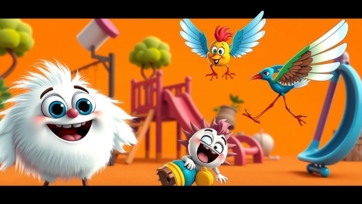
A Booba treasure hunt is a fun, interactive, and educational activity for children. Inspired by Booba’s playful adventures, this activity encourages problem-solving, creativity, teamwork, and physical activity. Setting up a Booba-themed treasure hunt at home is easy, safe, and provides hours of entertainment for kids aged 3–8.

This guide explains step-by-step how to create a Booba treasure hunt, along with tips for making it educational and exciting.


Why Booba Treasure Hunts Are Perfect for Kids:

  1. Engaging and Fun: Booba’s playful personality makes kids excited to participate.

  2. Educational: Develops problem-solving, observation, and critical thinking skills.

  3. Physical Activity: Encourages children to move around safely indoors or in the backyard.

  4. Teamwork & Social Skills: Promotes cooperation when children play together.


Materials Needed:

  • Booba-themed clues or cards (printable or handmade)

  • Small toys, treats, or Booba-themed items for treasures

  • Baskets or containers for collecting treasures

  • Paper, markers, and crayons for clues

  • Optional: Booba masks or plush toys for added fun


Step-by-Step Guide to Creating a Booba Treasure Hunt:

1. Plan the Treasure Hunt Area

  • Choose a safe space indoors or in the backyard.

  • Identify locations for hiding clues: under pillows, behind doors, near toys, or in containers.

  • Make sure hiding spots are accessible and safe for children.

Educational Tip: Discuss spatial awareness and location terms (under, behind, next to).


2. Create Booba-Themed Clues

  • Write simple riddles or draw pictorial clues that lead to the next location.

  • Use Booba characters, objects, or favorite items in the clues.

  • Keep clues age-appropriate:

    • Preschoolers: simple picture clues

    • Older children: easy riddles or word clues

Educational Tip: Boosts reading, comprehension, and problem-solving skills.


3. Hide the Clues and Treasure

  • Place clues sequentially, each leading to the next.

  • Hide the treasure at the final location: a small Booba toy, treats, or stickers.

  • Ensure clues are easy to find but still engaging.

Fun Tip: Use bright colors and Booba stickers to make clues visually appealing.


4. Explain the Rules to Children

  • Show children the first clue to start the adventure.

  • Explain they must follow the clues to find the treasure.

  • Encourage teamwork if multiple children are participating.

Educational Tip: Introduces following instructions and sequencing.


5. Participate or Observe

  • Adults can join as helpers or narrators to make the hunt more engaging.

  • Encourage children to solve clues independently or with minimal hints.

  • Celebrate progress at each clue to keep excitement high.

Learning Tip: Teaches perseverance, patience, and logical thinking.


6. Incorporate Mini Challenges

  • Add small tasks at clue locations, such as:

    • Jump like Booba 5 times

    • Draw a Booba character

    • Solve a mini puzzle or riddle

Educational Tip: Combines physical activity, creativity, and cognitive skills.


7. Conclude with a Treasure Reward

  • The treasure can be a Booba toy, a small treat, or a certificate for completing the hunt.

  • Encourage children to share or discuss their favorite parts of the adventure.

Learning Tip: Reinforces positive reinforcement, sharing, and reflection.


Educational Benefits of a Booba Treasure Hunt:

  • Problem-Solving Skills: Clues require logical thinking and reasoning.

  • Observation Skills: Children must notice details in their environment.

  • Fine and Gross Motor Skills: Moving, bending, and reaching enhance coordination.

  • Teamwork and Communication: Group hunts encourage collaboration and discussion.

  • Creativity & Imagination: Booba-themed scenarios make the hunt playful and imaginative.

  • Confidence and Achievement: Completing the treasure hunt boosts self-esteem.


Tips to Make Booba Treasure Hunts More Fun:

  1. Use Multi-Character Themes: Include Booba, Spike, Loola, and Mr. Beak in clues.

  2. Colorful Clues and Treasure: Bright visuals attract children’s attention.

  3. Time Challenges: Add a playful time limit for older children.

  4. Story-Based Hunts: Create a mini adventure story featuring Booba’s quest.

  5. Photo Fun: Let children take photos or record videos of their treasure hunt journey.


Final Thoughts:

Creating a Booba treasure hunt at home is a fun, educational, and interactive activity that children will love. With simple clues, creative tasks, and colorful treasures, kids can enjoy Booba-inspired adventures while developing critical thinking, physical skills, and imagination. This activity is perfect for playdates, weekend fun, or birthday celebrations and ensures a memorable, engaging experience.

Advertisement
Best Bedtime Stories for Kids in 2025
Bedtime can sometimes be a challenge for parents, especially when toddlers and preschoolers are full of energy. In 2025, bedtime animated stories have emerged as a powerful tool to help children relax, unwind, and sleep peacefully while also providing gentle learning opportunities. These stories combine soothing visuals, soft music, and engaging characters to create a calm environment that signals to children that it’s time to rest. In addition to promoting sleep, bedtime animations can teach moral lessons, mindfulness, and emotional regulation, making them a valuable resource for parents. Why Bedtime Animated Stories Are Important: Bedtime stories in animated form are more effective than traditional books for many children because they: Promote relaxation: Soft visuals, calm voices, and gentle music reduce stress and anxiety. Encourage a sleep routine: Consistent bedtime stories signal that it’s time to wind down. Teach life lessons: Morals, sharing, kindness, and mindfulness can be subtly integrated. Engage imagination: Children visualize gentle stories without overstimulation. Support language development: Narration helps improve vocabulary and comprehension. By combining entertainment with calmness, bedtime animated stories make it easier for parents to establish a nightly routine. Key Benefits of Bedtime Animated Stories: Better Sleep Quality Calm visuals and gentle storytelling help children fall asleep faster and stay asleep longer. Emotional Regulation Children learn to manage feelings like fear, frustration, or excitement before bed. Language and Cognitive Development Listening to narration enhances vocabulary, comprehension, and attention span. Moral and Social Learning Stories can include lessons about kindness, honesty, empathy, and gratitude. Routine and Consistency Watching the same series or characters nightly builds a sense of comfort and security. Top Bedtime Animated Story Series in 2025: 1. Goodnight with Zoya: Zoya leads gentle adventures designed to calm children and teach soft lessons before bedtime. Highlights: Soft music and soothing narration Gentle lessons about kindness, gratitude, and sharing Suitable for toddlers aged 2–6 2. Booba’s Sleepy Adventures: Booba’s curiosity slows down in these bedtime episodes, helping children relax while still enjoying storytelling. Benefits: Non-verbal storytelling suitable for all languages Visual cues signal calmness and winding down Short episodes ideal for bedtime routines 3. Super Simple Sleepy Songs: This series combines soft songs, nursery rhymes, and gentle animation to help children unwind. Learning focus: Soothing melodies for relaxation Short stories teaching morals and routines Helps children associate music and visuals with bedtime 4. Little Dreamers Adventures: Animated mini-stories where characters experience calm adventures before sleep, teaching mindfulness and relaxation. Key lessons: Deep breathing and mindful thinking Positive storytelling to reduce nighttime anxiety Short episodes, perfect for preschoolers 5. Sleepy Animal Tales: Animal characters guide children through gentle bedtime journeys in forests, oceans, and magical lands. Learning highlights: Introduces children to nature and animals Teaches patience, empathy, and calmness Multi-sensory learning through visuals and soft narration How Parents Can Maximize the Benefits: To make bedtime animated stories effective, parents can: Establish a routine: Watch the same series or character at bedtime for consistency. Create a calm environment: Dim lights, reduce noise, and ensure comfort. Discuss the story: Ask simple questions like, “What did Zoya learn today?” Combine with offline relaxation: Gentle stretches, deep breathing, or soft hugs. Limit screen brightness and duration: Use short episodes and reduce blue light exposure. Reinforce morals in daily life: Encourage children to practice kindness, gratitude, or sharing learned from the story. Recommended Bedtime Animated Stories for Kids in 2025: Goodnight with Zoya – Calm adventures and moral lessons Booba’s Sleepy Adventures – Non-verbal calming stories Super Simple Sleepy Songs – Nursery rhymes and gentle melodies Little Dreamers Adventures – Mindfulness and relaxation exercises Sleepy Animal Tales – Animal-themed gentle bedtime journeys These series are safe, soothing, and educational, helping children develop healthy sleep habits, emotional intelligence, and language skills while enjoying animated adventures. Final Thoughts: Bedtime animated stories are more than just entertainment—they are a tool to support healthy sleep, emotional development, and learning in toddlers and preschoolers. In 2025, these animations combine soothing music, soft visuals, and gentle storytelling to create a calm bedtime environment. Parents can enhance their benefits by: Watching together and discussing stories Incorporating mindfulness exercises Creating a consistent nightly routine With the right bedtime animated stories, screen time becomes both relaxing and educational, helping children sleep peacefully while learning important life lessons. Tip for Parents: Encourage children to share what they remember from the story or draw their favorite scenes, which reinforces memory, comprehension, and creativity.
How Much Screen Time Should Kids Have? Expert Guide
Screen time is a major part of modern childhood. With tablets, TVs, and computers, parents often ask: “How much screen time is appropriate for my child?” Understanding recommended limits and guidelines can help children benefit from educational content while avoiding negative effects on health, development, and sleep. This guide presents expert advice on safe screen time limits for children, along with tips for making screen use educational and interactive. Recommended Screen Time by Age: 1. Infants and Toddlers (0–2 years) Experts recommend avoiding screen time except for video calls with family. Focus on hands-on play, reading, and exploration. 2. Preschoolers (3–5 years) Limit screen time to about 1 hour per day of high-quality, educational content. Encourage co-viewing with parents to enhance understanding and engagement. 3. Early School Age (6–12 years) Screen time should be balanced with physical activity, homework, reading, and social interaction. Educational programs, creative apps, and interactive learning tools are preferable. 4. Teenagers (13–18 years) Encourage moderation and healthy habits, balancing screen use with sleep, exercise, and real-world interactions. Limit recreational screen use, especially before bedtime. Tips for Healthy Screen Use: Co-View and Discuss: Watch educational programs with your child and ask questions to enhance learning. Interactive Content: Choose apps, games, or shows that promote creativity, problem-solving, and active thinking. Breaks Are Essential: Encourage a 10–15 minute break every hour to reduce eye strain and maintain attention. Set Screen-Free Zones: Keep mealtime, bedrooms, and outdoor play areas free from screens. Model Healthy Behavior: Children often imitate parents, so limit your own recreational screen time. Benefits of Controlled Screen Time: Educational Value: High-quality programs and apps can teach numbers, letters, languages, and problem-solving skills. Creativity & Imagination: Interactive games, drawing apps, or storytelling programs foster creative thinking. Social Skills: Video calls with relatives or collaborative learning apps help maintain social connections. Digital Literacy: Moderate screen use teaches children responsible and safe technology use. Risks of Excessive Screen Time: Sleep Disruption: Excessive screen time, especially before bedtime, can affect sleep patterns. Behavioral Issues: Too much passive viewing can contribute to short attention span or hyperactivity. Reduced Physical Activity: Sedentary screen time may limit exercise and outdoor play. Social Isolation: Overuse of screens may reduce interaction with peers or family. Creating a Balanced Screen Schedule: Plan Educational and Recreational Use: Allocate time for learning, creative play, and entertainment. Set Daily Limits: Use timers or parental controls if needed. Encourage Offline Activities: Sports, crafts, reading, and outdoor exploration should complement screen time. Observe and Adapt: Watch for signs of fatigue, frustration, or disinterest, and adjust accordingly. Final Thoughts: Screen time is not inherently harmful; it can be educational and fun if carefully monitored. By setting limits, choosing quality content, and encouraging interaction, parents can ensure children benefit from technology while maintaining healthy development.
Booba Story Time: Create Your Own Adventure
Booba’s playful and curious world is perfect for storytelling activities. “Booba Story Time” allows children to create their own adventures, improving imagination, language skills, and creativity while having fun. This guide explains how to set up Booba story time, tips for encouraging storytelling, and fun activities to help children aged 3–8 craft their own Booba adventures. Why Booba Story Time Works for Kids: Expressive Characters: Booba’s exaggerated expressions inspire stories and imaginative scenarios. Simple Actions: Silent comedy and clear actions make it easy for children to understand and adapt for storytelling. Hands-On Creativity: Children can draw, act, or narrate their own stories. Language Development: Storytelling improves vocabulary, sentence structure, and communication skills. Materials Needed: Booba coloring pages or drawing templates Blank paper or notebooks Crayons, colored pencils, or markers Puppets or masks for role-play Optional: Props like pillows, toys, or small household items Steps to Create Your Own Booba Adventure: 1. Choose Your Characters Include Booba as the main character. Add friends like Spike, Loola, or Mr. Beak. Children can invent their own supporting characters. Educational Tip: Encourages creativity, character development, and imagination. 2. Set the Scene Decide where the adventure takes place: indoors, playground, kitchen, or imaginary world. Encourage children to describe the environment using colors, shapes, and objects. Learning Tip: Develops observation, description, and spatial awareness. 3. Decide on the Adventure Brainstorm simple storylines: Booba discovers a hidden toy Booba chases a balloon Booba solves a small puzzle or problem Educational Tip: Enhances problem-solving, sequencing, and planning skills. 4. Create Story Pages or Script Draw scenes on paper or write short sentences describing Booba’s actions. Use speech bubbles or thought bubbles for expressive ideas. Learning Tip: Boosts literacy, sequencing, and storytelling skills. 5. Act Out the Adventure Children can wear Booba masks or puppets to act out their stories. Use toys, cushions, or household props to make scenes more interactive. Educational Tip: Encourages role-play, cooperation, and social-emotional learning. 6. Share the Story Children can present their stories to family members or classmates. Encourage discussion about each adventure, what Booba learned, and what could happen next. Educational Tip: Enhances public speaking, confidence, and reflective thinking. 7. Repeat and Expand Story time can be ongoing: children can continue the same adventure or create new ones. Introduce new characters or challenges for Booba to face. Learning Tip: Fosters creativity, memory, and narrative development. Fun Activities to Complement Booba Story Time: Draw Your Adventure: Illustrate each scene as a mini comic. Build a Set: Use pillows, blocks, or toys to create Booba’s world. Story Dice: Roll dice with pictures to decide what happens next in the story. Collaborative Storytelling: Group storytelling where each child adds a scene. Interactive Puppets: Use puppets to act out dialogues or silent comedy. Educational Benefit: These activities combine play, creativity, and cognitive development while keeping children engaged. Educational Benefits of Booba Story Time: Language Skills: Enhances vocabulary, sentence formation, and narrative ability. Creativity & Imagination: Children invent scenarios, characters, and adventures. Problem-Solving: Deciding how Booba overcomes obstacles builds critical thinking. Social Skills: Group storytelling encourages sharing, listening, and collaboration. Emotional Awareness: Acting out feelings improves empathy and emotional expression. Final Thoughts: Booba Story Time is a fun, educational, and interactive way to engage children. By creating their own adventures, children develop creativity, storytelling skills, social-emotional learning, and cognitive abilities. Whether through drawing, acting, or narrating, Booba inspires kids to explore, imagine, and share their playful worlds.
Booba Drawing Tutorials for Kids
Booba, with his expressive face, playful antics, and simple shapes, is the perfect character for kids to learn drawing. Drawing tutorials inspired by Booba help children develop fine motor skills, creativity, and visual observation while keeping them entertained. In this guide, we will cover easy Booba drawing tutorials for kids and explain how to make the activity fun, educational, and engaging for children aged 3–8. Why Booba Drawing Is Perfect for Kids: Simple Shapes: Booba’s rounded forms and bold features are easy for children to replicate. Expressive Character: Big eyes, exaggerated mouth, and fluffy body encourage creativity. Step-by-Step Learning: Children can follow simple steps to create recognizable characters. Safe & Fun: Requires minimal materials and is suitable for home or classroom settings. Materials Needed: Drawing paper or sketchbook Pencils and erasers Colored pencils, crayons, or markers Optional: Ruler for shapes, templates for guidance Step-by-Step Booba Drawing Tutorial for Kids: 1. Start with Basic Shapes Draw a large oval for Booba’s head. Add a smaller oval or circle for the body. Mark positions for eyes, nose, and mouth lightly with a pencil. Educational Tip: Teaches kids shape recognition and spatial awareness. 2. Add Eyes and Facial Features Draw big circular eyes near the top of the head. Add pupils and highlights to make them expressive. Draw a small oval nose and a wide, smiling mouth. Educational Tip: Encourages fine motor control and observation skills. 3. Draw Booba’s Arms and Legs Use curved lines for arms and legs. Hands can be simple ovals or mitten shapes. Feet are rounded or slightly elongated to mimic Booba’s style. Learning Tip: Helps children understand proportions and symmetry. 4. Add Booba’s Fluffy Ears and Tail Draw large, rounded ears on the sides of the head. Optional: Add a small fluffy tail for additional detail. Educational Tip: Introduces attention to detail and pattern recognition. 5. Add Accessories or Objects Kids can draw Booba interacting with toys, balloons, or pillows. Encourage imagination: Booba can be climbing, jumping, or sliding. Learning Tip: Supports creative thinking and storytelling. 6. Outline and Erase Guidelines Trace final lines with a darker pencil or marker. Erase unnecessary guidelines to clean up the drawing. Educational Tip: Teaches focus, patience, and precision. 7. Coloring Your Booba Drawing Use bright colors to mimic Booba’s animated style. Encourage kids to experiment with new color combinations. Add details like shadows or background items to make it lively. Learning Tip: Enhances color recognition, creativity, and concentration. Tips to Make Booba Drawing More Fun: Follow Along Videos: Use step-by-step tutorials for guidance. Draw Together: Parents or teachers can draw alongside kids to increase engagement. Storytelling: Encourage children to create stories about what Booba is doing in their drawings. Display Artwork: Show off finished drawings on walls or classroom boards to boost confidence. Combine with Crafts: Turn drawings into puppets, masks, or collages. Educational Benefits of Booba Drawing Tutorials: Fine Motor Development: Tracing, coloring, and shaping improve hand strength. Creativity & Imagination: Kids interpret Booba’s expressions in unique ways. Cognitive Skills: Planning steps and drawing sequences enhances problem-solving. Visual Observation: Children learn to observe shapes, proportions, and expressions. Emotional Expression: Drawing expressive faces encourages understanding of emotions. Final Thoughts: Booba drawing tutorials are perfect for combining fun and learning. Kids develop creativity, motor skills, observation, and storytelling abilities while enjoying a hands-on, interactive activity. Drawing Booba can be a daily creative habit or a fun weekend project, making learning exciting and visually engaging.
Screen Time Rules for Different Age Groups
In 2026, screens are woven into the fabric of learning, creativity, and connection. The goal for parents is no longer mere restriction, but smart curation—crafting a "digital diet" that is age-appropriate, purposeful, and balanced with the rich nutrients of offline life. This guide provides clear, flexible rules and strategies tailored to each developmental stage, helping you move from daily battles over "five more minutes" to a sustainable family media plan. The Foundational Principles for All Ages : Before diving into age groups, these universal rules form the bedrock of healthy screen use for every family member. Quality Over Quantity: Focus on what they are doing on screens, not just for how long. An hour video-chatting with grandparents is not the same as an hour of mindless scrolling. Co-View & Co-Play: Whenever possible, engage with your child's digital world. It's the single most effective safety and bonding strategy. Tech-Free Zones & Times: Protect family meals, bedrooms, and the first hour after school/wake-up as sacred screen-free times to foster connection and calm. Model the Behavior: Your own intentional screen use is the most powerful lesson. Practice "phone away" times and explain your own media choices. Ages 0-2: The Digital Fasting Phase (Minimal to No Solo Screen Time) : Developmental Need: Direct, hands-on interaction with the physical world to build neural connections, motor skills, and secure attachment. The Rules : Video Chat is the Exception: Live, interactive video calls with loved ones are beneficial and encouraged as a social activity. Avoid Solo Media: The American Academy of Pediatrics (AAP) strongly discourages any solo, passive screen media for this age group. Their brains cannot transfer learning from 2D screens to 3D reality effectively. If You Do Use Media: Only high-quality content, always watched with a parent who describes and connects it to the real world. ("Look, the duck is yellow! Just like your rubber duck!"). Parent Strategy: Fill their world with sensory play, books, and outdoor exploration. Resources from kidtoys.site offer perfect, engaging alternatives. Screens are not a necessary babysitter; your interaction is. Ages 3-5: The Introduction Phase (Up to 1 Hour/Day, Highly Curated) : Developmental Need: Imaginative play, language acquisition, and learning basic social-emotional skills. The Rules : Strict Time Limit: Coherent daily limit of 30-60 minutes total of high-quality programming. Full Parental Control: Use kid-safe platforms and devices. All content is pre-selected by you. Autoplay must be disabled. Always Co-Engage: Sit with them. Ask questions about the characters' feelings and choices. Pause and discuss. Turn shows from boobacartoon.com into lessons about kindness or problem-solving. No Personal Devices: Screens should be shared family devices in common areas. Parent Strategy: This is the time to establish the "when" and "where" routines. "We watch one show after lunch, on the living room couch." Use a visual timer. Prioritize interactive apps that promote creation over passive consumption. Ages 6-10: The Training Wheels Phase (Consistent Limits, Focus on Education & Creation) : Developmental Need: Developing academic skills, personal interests, and understanding rules and consequences. The Rules : Clear, Consistent Caps: 60-90 minutes on weekdays of recreational screen time, with more flexibility possible on weekends. Schoolwork does not count toward this limit. Establish "Homework First": A non-negotiable rule: all homework, chores, and offline responsibilities must be complete before any recreational screen time. Introduce "Screen-Time Tickets": Give them physical or digital tickets representing their daily time allowance (e.g., 3 x 30-minute tickets), teaching them to budget and choose between activities. Begin Safety Education: Teach core safety rules: never share personal info, ask before downloading, and come to you if something feels weird. Use resources from learn.universitiesforllm.com for structured digital literacy lessons. Parent Strategy: Shift from pure control to guided autonomy. Have weekly check-ins about what games they're playing or videos they're watching. Encourage them to create digital art, code simple games, or make family videos. Ages 11-13: The Negotiation & Independence Phase (Managing Autonomy & Social Life) : Developmental Need: Social connection, identity exploration, and increased responsibility. The Rules : Move to a Weekly Allowance: Instead of a daily minute count, grant a weekly pool of hours (e.g., 8-10 hours). They learn to manage it across the week for games, social media, and videos. The Device Contract: Before getting their first smartphone or personal device, co-create and sign a detailed contract covering safety, etiquette, time limits, and consequences for misuse. Bedroom Ban Continues: All devices charge overnight in a common family charging station, not in the bedroom. This protects sleep and reduces nighttime temptation. Social Media Readiness: Delay social media as long as possible. If introduced, accounts must be private, you must have passwords, and you will follow each other. Review privacy settings together monthly. Parent Strategy: Your role is now a coach and mediator. Have deep-dive conversations about online reputation, cyberbullying, and media literacy. "Walk the line" between respecting their growing privacy and ensuring their safety. Ages 14+: The Driver's License Phase (From Rules to Responsibilities) : Developmental Need: Preparing for adult independence, self-regulation, and complex social dynamics. The Rules : Focus on Responsibilities, Not Just Minutes: Shift the framework. Expectations include: maintaining grades, fulfilling family/activity commitments, and demonstrating responsible online behavior. As these are met, grant increased screen autonomy. Open Dialogue & Audits: You retain the right to occasional, announced "audits" of social media or browsing history, framed as a safety check-in, not spying. The key is transparency on both sides. Critical Discussions are Mandatory: Regularly discuss news stories about digital footprints, ethics, and the impact of technology on mental health and society. The "Offline Life" Balance: Insist on evidence of a balanced life—in-person hobbies, sports, face-to-face friend time, and unplugged downtime. Parent Strategy: You are now a consultant. Your goal is to ensure their internal compass is strong enough to guide them when you're not there. Trust is earned through demonstrated responsibility. Continue to model a balanced digital life yourself. Conclusion: Flexibility Within the Framework : These rules are a blueprint, not a prison. Be prepared to adapt for special occasions, educational projects, or your child's unique needs. The constant is your engaged presence and ongoing conversation. By using age-appropriate strategies and leveraging quality resources—like the structured guides from learn.universitiesforllm.com, the positive narratives from boobacartoon.com, and the engaging offline play from kidtoys.site—you can guide your child to develop a healthy, intentional, and empowered relationship with technology that serves them for a lifetime.
Best Apps & Games for Young Explorers
For fans of gentle, curious characters, finding digital experiences that match that spirit of joyful, non-verbal discovery is key. The best apps and games nurture problem-solving, creativity, and exploration in a safe, ad-light environment. This 2025 guide curates top-tier picks that channel a similar sense of wonder, ensuring screen time is engaging, educational, and aligned with positive values. Our Selection Philosophy: What Makes a Great "Explorer" App? We prioritize apps and games that are: Curiosity-Driven: Focused on exploration, cause-and-effect, and open-ended discovery. Minimally Verbal: Relying on visual cues, sounds, and intuitive interaction over complex instructions. Commercially Safe: With no intrusive ads, aggressive in-app purchases, or data collection concerns. High-Quality & Respectful: Featuring calm design, pleasant sounds, and respect for the child's intelligence. Important Note: Always supervise initial play, use parental controls, and check age ratings (PEGI, ESRB) before downloading. Category 1: For Young Discoverers (Ages 2-4) – Tap, Explore, Giggle : These apps focus on simple cause-and-effect, sensory feedback, and gentle humor. App: "Toca Kitchen" (Toca Boca) Why It’s a Perfect Match: This is the digital equivalent of curious, messy experimentation. Kids can take various foods, cook them in silly ways (boil, fry, microwave), and feed them to characters who react with exaggerated, non-verbal expressions of delight or disgust. It’s all about discovery without rules or pressure. Key Features: No goals or scores, intuitive drag-and-drop, charmingly quirky reactions, and a one-time purchase model. App: "Sago Mini World" (Sago Sago) Why It’s a Perfect Match: This subscription-based suite offers dozens of mini-worlds to explore. Games like "Sago Mini Builders" or "Sago Mini Planes" let kids playfully interact with environments in unexpected ways—building wobbly towers or flying a plane to pop giant bubbles. The tone is consistently friendly, cheerful, and explorative. Key Features: Vast library of ad-free games, consistent gentle aesthetic, offline play, and a focus on open-ended fun. Game: "Peek-a-Zoo" by Duck Duck Moose Why It’s a Perfect Match: This app is a digital "hide and seek" focused on observation and identifying emotions/actions. Based on the classic "Peekaboo" format, it asks, “Who is crying?” or “Who is dancing?” fostering attentive looking and simple deduction in a joyful, animal-filled setting. Key Features: No ads, no in-app purchases, aligns with early learning standards for social-emotional growth. Category 2: For Creative Problem-Solvers (Ages 5-8) – Think, Tinker, Create : These selections encourage logical thinking, physics-based experimentation, and creative expression. Game: "Thinkrolls" Series (Avokiddo) Why It’s a Perfect Match: This award-winning series is pure logic and physics puzzles wrapped in charming characters. Kids guide a bouncy ball through increasingly complex mazes, manipulating objects like boxes, balloons, and teleporters. The problem-solving is non-verbal, trial-and-error based, and deeply satisfying—capturing the "aha!" moment of figuring things out. Key Features: Hundreds of levels, gradual difficulty increase, no reading required, and a one-time purchase. App: "Khan Academy Kids" Why It’s a Perfect Match: While educational, its spirit is one of joyful exploration. The "Creativity" section lets kids draw, color, and make stories. The friendly animal guides encourage curiosity across reading, math, and logic games in a completely free, ad-free environment. It feels like a playful clubhouse of learning. Key Features: 100% free, no ads, vast curriculum, and a strong emphasis on self-paced discovery. Game: "PBS Kids Games" App Why It’s a Perfect Match: This hub offers games from all PBS Kids shows. For explorer-minded kids, seek out games like "Wild Kratts Creature Math" (animal adventures) or "Cat in the Hat Builda-ma-loo" (inventive construction). The games are tied to educational curricula, vetted for safety, and feature beloved, positive characters. Key Features: Free, trusted source, new games added regularly, and parental resources. Category 3: For Budding Architects & Storytellers (Ages 7-10) – Build, Design, Imagine : These apps provide tools for complex creation and storytelling. Game: "Minecraft" (Education Mode or Creative Mode) Why It’s a Perfect Match: The ultimate digital sandbox for curiosity. In Creative Mode, with unlimited resources, kids can build anything they imagine—a wobbly tower, a hidden cave house, a giant pixel-art portrait of their favorite character. It’s a world governed by simple rules of placement and physics, encouraging endless experimentation. Key Tips: Use the Education Edition for a more structured, classroom-safe environment, or set up a private, supervised Creative Mode world. Supervise multiplayer. App: "Stop Motion Studio" Why It’s a Perfect Match: This app lets kids create their own animated shorts frame-by-frame using toys, clay, or drawings. It directly channels the spirit of making simple, funny, visual stories without words. They can make their plush toys go on curious adventures, mimicking the playful, physical comedy they love. Key Features: Intuitive interface, onion-skinning for smooth animation, and the ability to add sound effects and music. A powerful tool for patient creators. App: "Drawing Cartoon 2" Why It’s a Perfect Match: A step up from simple coloring apps, this provides easy tools to design original cartoon characters and simple animations. Kids can create their own curious explorer character, give them big eyes and expressive poses, and even make them walk or jump in a loop. Key Features: Bone-based rigging for easy animation, pre-set character templates to modify, and a focus on fun, cartoon-style creation. Essential Tips for Parents : Co-Play First: Sit with your child as they try a new app. Explore it together, which models how to engage with it thoughtfully. Use Device-Level Controls: Utilize "Guided Access" (iOS) or "Screen Pinning" (Android) to lock the device into a single app, preventing accidental exits or purchases. Seek Out "Paid-Up-Front" Models: Favor apps with a one-time purchase price over "free-to-play" models, which often rely on ads or microtransactions. Balance is Key: Pair digital exploration with hands-on play. After building in Minecraft, build with real blocks. After making a stop-motion film, act out a live play. Conclusion: Digital Tools for Real-World Curiosity : The best apps and games don't just entertain; they extend a child's natural desire to explore, figure things out, and create. By choosing high-quality, respectful digital experiences that prioritize discovery over consumption, you give your child a digital sandbox worthy of their imagination—one that complements the joyful, curious play inspired by their favorite gentle characters and real-world adventures.
Holiday Special Kids Cartoons in 2025
Holidays are the perfect time for children to relax, have fun, and enjoy some educational entertainment. Holiday special kids cartoons for occasions like Eid, Christmas, and New Year are designed to combine fun, festive cheer, and learning in a colorful, animated format. These cartoons engage children with vibrant visuals, catchy songs, and playful characters while subtly teaching values, culture, and creativity. In this article, we will explore the importance of holiday cartoons, their educational benefits, and how parents can make the most of them during festive seasons. ⭐ Why Holiday Special Kids Cartoons Are Important: Holiday cartoons are more than just entertainment. They provide opportunities for children to: 1. Learn Cultural Traditions: Festive cartoons explain the meaning and traditions behind holidays like Eid, Christmas, and New Year. Children learn why families celebrate, how people share, and the joy of togetherness. 2. Develop Social Skills: Many holiday cartoons feature teamwork, sharing, helping others, and celebrating with friends. This encourages social interaction and empathy in young viewers. 3. Boost Creativity: Festive cartoons often include colorful decorations, music, and creative activities like making gifts or baking. Watching these inspires children to create their own art and participate in celebrations. 4. Build Positive Values: Many holiday cartoons include moral lessons about kindness, generosity, gratitude, and patience. Kids learn important life values in a fun, memorable way. ⭐ Popular Holiday Special Kids Cartoons: 1. Eid Cartoons: Eid cartoons teach children about the importance of sharing, gratitude, and family togetherness. Common themes include: Children helping their parents prepare for Eid Sharing gifts and sweets with friends and neighbors Learning about prayers and cultural traditions Friendly animal characters celebrating Eid 2. Christmas Cartoons: Christmas cartoons focus on fun, gifts, decorations, and family. Popular themes include: Santa Claus delivering presents Children decorating Christmas trees and singing carols Learning to be generous and kind to others Magical adventures in snowy landscapes 3. New Year Cartoons: New Year cartoons often combine celebration with reflection and planning. Themes include: Fireworks and parties in animated cities Characters making resolutions and setting goals Celebrating achievements of the past year Teamwork and cooperation to make New Year fun ⭐ Educational Benefits of Holiday Cartoons: Holiday cartoons do more than entertain—they support learning in multiple ways: 1. Cultural Awareness: Children understand why holidays are celebrated, helping them respect diversity and global traditions. 2. Language Development: Cartoons with dialogues, songs, and rhymes help preschoolers improve vocabulary, pronunciation, and listening skills. 3. Social and Emotional Learning: Watching characters share, celebrate, and solve problems teaches empathy, patience, and cooperation. 4. Creativity and Imagination: Colorful visuals and fun storylines inspire children to craft decorations, draw, or play role-playing games. 5. Cognitive Skills: Interactive cartoons may include counting gifts, recognizing shapes in decorations, or solving simple puzzles, strengthening early learning skills. ⭐ Tips for Parents to Use Holiday Cartoons Effectively: ✔ 1. Choose Age-Appropriate Cartoons: Select cartoons suitable for your child’s age. Preschoolers need shorter, slower-paced videos, while older children can enjoy longer stories. ✔ 2. Watch Together: Participate in the viewing experience. Discuss the story, ask questions, and encourage children to share their thoughts about celebrations. ✔ 3. Integrate Real-Life Activities: After watching, engage children in holiday activities like decorating, drawing, or gift-making to reinforce lessons from cartoons. ✔ 4. Limit Screen Time: Even educational cartoons should be watched in moderation. 20–30 minutes is ideal for preschool children. ✔ 5. Encourage Moral Reflection: Ask children how the characters showed kindness, sharing, or gratitude. This reinforces social values in real life.   ⭐ Why Parents Prefer Holiday Special Cartoons: Parents prefer holiday-themed cartoons because they: Provide safe, engaging entertainment Teach important social, moral, and cultural values Keep children busy during school breaks Inspire creativity and family bonding During Eid, Christmas, and New Year, these cartoons help children understand celebrations while learning positive behavior in an enjoyable way. ⭐ Conclusion: Holiday special kids cartoons are a fantastic combination of fun, education, and festive cheer. They help preschoolers and young children learn about cultural traditions, values like sharing and kindness, and important social skills. Whether it’s Eid, Christmas, or New Year, these cartoons make celebrations exciting while fostering creativity, language development, and moral growth. By incorporating holiday cartoons into daily routines, parents can ensure children enjoy meaningful entertainment that supports learning and personal development. With vibrant animations, catchy songs, and engaging stories, holiday cartoons create memorable experiences that children cherish long after the celebrations end.
Using Cartoons to Teach Kids Problem-Solving
Cartoons are often seen as a fun pastime for children, but they can be much more than entertainment. When used wisely, educational cartoons become a powerful tool to teach problem-solving skills in kids. Animated stories, colorful characters, and simple challenges help children learn how to think, analyze situations, and find solutions in an engaging way. In today’s world, where critical thinking and problem-solving abilities are essential life skills, cartoons can play an important role in early childhood development. This article explores how cartoons help kids develop problem-solving skills and how parents can use them effectively. Why Problem-Solving Skills Matter for Kids: Problem-solving is the ability to identify a problem, think about possible solutions, and choose the best one. These skills help children: Think independently Build confidence Improve decision-making Handle challenges calmly Perform better in academics and daily life Developing problem-solving skills early prepares children for school learning, social situations, and real-life challenges. Cartoons provide a safe and fun environment where kids can observe and learn these skills naturally. How Cartoons Teach Problem-Solving Skills: 1. Cartoons Present Simple Problems Most kids’ cartoons are built around small challenges or conflicts. A character might lose something, face an obstacle, or need help to complete a task. These situations introduce children to the idea that problems are normal and solvable. For example, a cartoon character may need to cross a river, help a friend, or fix a mistake. Children watch how the character thinks, tries different ideas, and finally solves the problem. This teaches kids that every problem has a solution. 2. Step-by-Step Thinking Educational cartoons often show step-by-step problem-solving. Characters talk through their thoughts, try one solution, fail, and then try another. This process teaches children: To think before acting To try more than one solution To not give up after failure This kind of logical thinking is essential for developing strong cognitive skills in children. 3. Learning Through Observation Children learn a lot by watching and copying behavior. When they see cartoon characters calmly solving problems, they naturally imitate the same behavior. For instance, when a character works as a team, asks questions, or uses tools creatively, children learn the importance of: Teamwork Communication Creative thinking This makes cartoons a great medium for learning problem-solving through observation. 4. Encourages Critical Thinking Many cartoons encourage children to think along with the characters. Some shows pause and ask questions like:“What should we do next?” or “Can you help solve this problem?” This interactive style boosts critical thinking skills and keeps children mentally active instead of being passive viewers. Kids start thinking ahead, predicting outcomes, and analyzing situations. 5. Builds Emotional Problem-Solving Problem-solving is not just about logic; it also involves emotions. Cartoons often show characters dealing with: Fear Frustration Anger Sadness By watching how characters manage emotions and still solve problems, children learn emotional intelligence. They understand that staying calm helps in finding better solutions. Types of Problem-Solving Skills Cartoons Teach Logical Thinking Cartoons often involve puzzles, patterns, and cause-and-effect situations. This helps children improve logical reasoning and analytical thinking. Decision-Making Characters frequently choose between different options. Kids learn that choices have consequences, which improves decision-making skills. Creative Problem-Solving Some problems in cartoons are solved in unexpected and creative ways. This encourages kids to think outside the box. Social Problem-Solving Cartoons also show conflicts between friends and how they are resolved. This teaches children how to: Share Apologize Cooperate Resolve conflicts peacefully Benefits of Using Cartoons for Problem-Solving Using cartoons to teach problem-solving offers many benefits: Makes learning fun and stress-free Improves attention span Enhances memory and comprehension Encourages curiosity and exploration Builds confidence in handling challenges Because cartoons are visually rich and engaging, children remain interested while learning important life skills. How Parents Can Use Cartoons Effectively Choose the Right Cartoons Not all cartoons are educational. Parents should select shows that focus on: Problem-solving Moral lessons Teamwork and creativity Clear and positive language Educational cartoons designed for learning have a much stronger impact on kids’ cognitive development. Watch and Discuss Together Watching cartoons with children and discussing the story helps reinforce learning. Parents can ask questions like: What was the problem? How did the character solve it? Was there another solution? This discussion strengthens thinking and communication skills. Turn Cartoons into Activities After watching a cartoon, parents can create simple activities: Role-play the problem and solution Ask the child to draw the solution Create similar real-life problems and solve them together These activities help children apply problem-solving skills beyond the screen. Balance Screen Time Cartoons should inspire learning, not replace real-world experiences. Limited and meaningful screen time ensures children stay active and engaged in other learning activities as well. Long-Term Impact on Learning Children who develop problem-solving skills early tend to: Perform better in school Show independence in learning Handle stress and challenges confidently Develop leadership qualities By using cartoons as a learning tool, parents can support long-term intellectual and emotional growth. Conclusion Using cartoons to teach kids problem-solving is an effective and enjoyable approach to early learning. Cartoons present challenges in a friendly and engaging way, helping children understand how to think, analyze, and find solutions. Through storytelling, visual learning, and relatable characters, children develop critical thinking, creativity, and emotional intelligence. When parents choose the right cartoons and actively engage with their children, cartoons become more than entertainment—they become a valuable educational resource. With the right balance, cartoons can help children build strong problem-solving skills that will benefit them throughout their lives