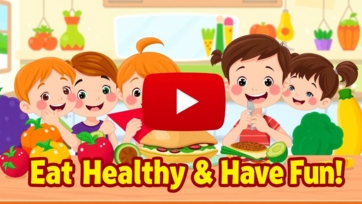
Top 10 Power Fruits for Kids | Healthy Snacks for Growing Bodies

Top 10 Fruits for Kids:

Fruits are a powerhouse for children’s growth, energy, immunity, and brain development. Each fruit brings its unique blend of vitamins, minerals, fiber, and antioxidants that support overall well-being. While all fruits are beneficial, some stand out for their nutrient density and child-friendly taste. Here’s a detailed guide to the top 10 fruits every child should eat regularly, along with their benefits and practical ways to include them in a child’s diet.

  1. Banana — Energy and Potassium Booster:

Bananas are one of the most child-friendly fruits. They are rich in potassium, which supports heart health and muscle function, and contain natural sugars that provide quick yet sustained energy. Bananas are also high in fiber, which aids digestion and keeps children full between meals.

Practical Tips:

  • Slice bananas into breakfast cereal or oatmeal.
  • Blend with milk for a nutritious smoothie.
  • Serve as a quick snack for school or outdoor play.
  1. Apple — Fiber and Immunity Support:

Apples are packed with fiber, vitamin C, and antioxidants, making them excellent for digestion and immunity. The peel contains a significant amount of nutrients, so serving apples unpeeled is recommended. Apples also improve satiety, reducing cravings for unhealthy snacks.

Practical Tips:

  • Cut into thin slices for lunchboxes.
  • Mix with peanut butter for a fun snack.
  • Bake with cinnamon for a warm treat.
  1. Orange — Immune and Vitamin C Powerhouse:

Oranges are rich in vitamin C, which strengthens the immune system, supports skin health, and aids iron absorption from other foods. They are juicy, sweet, and naturally appealing to children.

Practical Tips:

  • Serve as segments for snacks.
  • Freshly squeeze for homemade juice (without sugar).
  • Add orange slices to fruit salads.
  1. Mango — Growth and Eye Health:

Mangoes are not only delicious but are also high in vitamin A, vitamin C, and antioxidants, which help improve vision, support immunity, and promote tissue growth. Mangoes are perfect for summer and are generally well-loved by children.

Practical Tips:

  • Serve as mango cubes or puree.
  • Add to smoothies or yoghurt bowls.
  • Mix with other fruits for a tropical fruit salad.
  1. Papaya — Digestion and Immune Booster:

Papaya contains enzymes like papain that aid digestion and make nutrient absorption easier. It’s rich in vitamin C, folate, and potassium, which support growth, immunity, and muscle function.

Practical Tips:

  • Serve raw as cubes for breakfast or a snack.
  • Blend into smoothies with banana or mango.
  • Mix with a little yoghurt for an easy dessert.
  1. Guava — Vitamin C Superfruit:

Guava is one of the richest sources of vitamin C, far exceeding oranges. It also contains fiber, potassium, and antioxidants. Regular consumption supports immunity, healthy skin, and digestive health.

Practical Tips:

  • Serve sliced or in small chunks.
  • Mash and mix with yoghurt.
  • Add to fruit salads for extra colour and nutrition.
  1. Blueberries — Brain and Antioxidant Support:

Blueberries are loaded with antioxidants, vitamins, and flavonoids that support brain development, memory, and learning in children. They also protect cells from damage caused by free radicals.

Practical Tips:

  • Add to oatmeal, cereal, or yoghurt.
  • Serve fresh or frozen as a snack.
  • Mix into pancake or muffin batter.
  1. Watermelon — Hydration and Refreshment:

Watermelon is more than just a juicy summer treat. It provides hydration, vitamin C, potassium, and antioxidants, helping children stay refreshed, maintain energy, and support heart health.

Practical Tips:

  • Cut into fun shapes for kids.
  • Blend for a natural, hydrating juice.
  • Mix with berries for a colourful summer salad.
  1. Pomegranate — Immunity and Heart Support:

Pomegranates are rich in antioxidants, vitamin C, and fiber, supporting immunity, heart health, and digestion. The bright red seeds are fun to eat and can be mixed into meals or snacks.

Practical Tips:

  • Serve arils (seeds) as a snack.
  • Sprinkle over yoghurt or oatmeal.
  • Mix into salads or smoothies.
  1. Strawberries — Antioxidant and Digestive Aid:

Strawberries are high in vitamin C, fiber, and antioxidants, supporting immunity, skin health, and digestion. They are naturally sweet and usually a favourite among children.

Practical Tips:

  • Serve whole or sliced as a snack.
  • Blend into smoothies or milkshakes.
  • Mix with other fruits for colourful fruit bowls.

Tips for Incorporating Fruits in Children’s Diets:

  1. Variety is Key: Offer a mix of fruits in different colours, flavours, and textures to ensure a wide range of nutrients.
  2. Seasonal Choices: Seasonal fruits are often richer in nutrients and fresher. Adjust the fruit selection according to the season.
  3. Creative Presentation: Cut fruits into fun shapes, create fruit skewers, or mix with yoghurt and oats to make them appealing.
  4. Consistency Over Quantity: Encourage daily fruit intake rather than occasional large servings. Small, regular servings work best.
  5. Pairing for Better Absorption: Pair vitamin C-rich fruits like oranges or guava with iron-rich meals to enhance nutrient absorption.

Final Thoughts:

Fruits are a cornerstone of a healthy childhood diet. They provide energy, immunity, digestive support, and brain-enhancing nutrients. The **top 10 fruits listed here—banana, apple, orange, mango, papaya, guava, blueberries, watermelon, pomegranate, and strawberries—**cover the essential nutrients that growing children need.

Including these fruits regularly ensures children develop strong bones, sharp minds, and a resilient immune system. Parents should focus on variety, seasonal availability, and creative serving methods to make fruit consumption enjoyable and consistent. Remember, fruits are not just snacks—they are essential growth boosters that can shape a child’s health for life.


Advertisement
Understand Feelings and Emotions in 2025
Emotional intelligence (EQ) is just as important as academic learning for young children. In 2025, emotional learning cartoons for kids have become an essential resource for parents and educators to help toddlers and preschoolers identify, express, and manage their feelings. Through engaging storytelling, colorful animations, and relatable characters, these cartoons teach empathy, self-awareness, and healthy social interactions. This guide explores the benefits of emotional learning cartoons, highlights top series in 2025, and provides tips for parents to enhance their child’s emotional development. Why Emotional Learning Cartoons Matter: Children often struggle to identify or express their feelings. Emotional learning cartoons provide: Recognition of emotions: Helps children understand happiness, sadness, anger, fear, and excitement. Healthy coping strategies: Teaches ways to manage difficult emotions. Empathy development: Shows characters caring for and understanding others. Social skills: Encourages sharing, teamwork, and effective communication. Safe environment: Provides age-appropriate guidance without judgment. By combining fun, storytelling, and visuals, these cartoons make emotional learning engaging and memorable for children. Key Emotional Skills Taught in Cartoons: Identifying Feelings Recognizing facial expressions, body language, and situations that cause emotions. Expressing Emotions Safely Encourages children to talk about feelings instead of acting out aggressively. Empathy and Compassion Understanding how others feel and showing care. Problem-Solving in Emotional Situations Learning to manage conflicts, disappointment, or frustration positively. Mindfulness and Self-Regulation Breathing, calming techniques, and reflective thinking for emotional control. Top Emotional Learning Cartoon Series for Kids in 2025: 1. The Feelings Club: A highly popular series where animated characters navigate everyday situations and express their emotions. Highlights: Shows multiple feelings like happiness, sadness, fear, and excitement Provides simple coping strategies for children Interactive and age-appropriate storytelling 2. Booba Learns Emotions: Booba explores situations where emotional awareness and empathy are required, teaching children through observation and playful actions. Why it’s trending: Non-verbal storytelling suitable for all languages Promotes curiosity, empathy, and social skills Short episodes perfect for toddlers’ attention spans 3. Little Hearts Feelings Tales: Mini-stories that focus on managing emotions, understanding others, and building empathy. Key lessons: Identifying feelings in themselves and others Responding appropriately to different emotional situations Celebrating empathy and kindness 4. Animal Emotions Adventures: Animal characters show joy, sadness, worry, and excitement, teaching children how to recognize and respond to feelings. Learning highlights: Emotional vocabulary introduction Problem-solving through social interactions Engaging storytelling with moral lessons 5. Super Simple Emotions Songs: Animated songs designed to teach toddlers about feelings, self-regulation, and social behavior in a fun, interactive way. Benefits: Reinforces emotional vocabulary Interactive songs encourage singing and participation Combines music, visuals, and moral lessons How Parents Can Enhance Emotional Learning: Parents can make emotional learning cartoons more effective by: Watching together: Pause to ask questions like, “How is this character feeling?” Encourage expression: Ask children to share their own feelings during or after the video. Repeat episodes: Reinforces understanding of emotions. Relate to real life: Discuss situations at home or school where the lesson applies. Practice coping strategies: Breathing, counting, or talking through emotions. Praise emotional intelligence: Encourage empathy, patience, and problem-solving behaviors. Recommended Emotional Learning Cartoons for Kids in 2025: The Feelings Club – Recognition and coping strategies Booba Learns Emotions – Observation-based emotional learning Little Hearts Feelings Tales – Mini-stories teaching empathy and emotional expression Animal Emotions Adventures – Emotional vocabulary and social skills Super Simple Emotions Songs – Musical reinforcement of emotional awareness These cartoons are safe, colorful, and educational, helping children understand, express, and manage their emotions while enjoying engaging stories. Final Thoughts: Emotional learning cartoons are more than entertainment—they are tools for lifelong emotional intelligence. In 2025, animated series help children: Recognize and express feelings appropriately Develop empathy and compassion Manage social interactions and conflicts positively Parents can maximize benefits by: Watching and discussing episodes together Encouraging real-life applications of emotional lessons Reinforcing empathy and coping strategies through play With the right emotional learning cartoons, children grow emotionally aware, empathetic, and socially skilled while enjoying safe, colorful, and interactive stories. Tip for Parents: Encourage children to draw or act out scenarios showing different feelings, which reinforces creativity, comprehension, and emotional expression.
Best Cartoon Stories About Family and Love
Family and love are central to a child’s early development. In 2025, cartoon stories about family and love have become a favorite tool for parents to teach toddlers and preschoolers the importance of relationships, empathy, and emotional connection. These animated stories combine vivid visuals, engaging characters, and gentle storytelling to help children understand love, respect, and the value of family bonds. This guide explores the benefits of family-themed cartoons, highlights the top series for 2025, and provides tips for parents to reinforce these lessons in daily life. Why Family and Love Cartoons Matter: Children learn social and emotional skills by observing behaviors, and family-focused cartoons provide: Understanding of relationships: Shows positive interactions between family members. Emotional intelligence: Teaches children to recognize and express feelings. Empathy and compassion: Characters model care, patience, and kindness. Safe storytelling: Age-appropriate scenarios with no violence or adult themes. Role models: Illustrates healthy communication, respect, and cooperation. By combining entertainment with moral lessons, these cartoons help children build a strong emotional foundation. Key Lessons in Family and Love Cartoons: Respect for Family Members Encourages listening, sharing, and helping parents, siblings, and grandparents. Showing Love and Affection Hugs, kind words, and caring actions model positive emotional expression. Problem-Solving Together Family members work together to overcome challenges, teaching teamwork. Gratitude and Appreciation Shows children how to value and thank family members. Conflict Resolution Gentle guidance on managing disagreements and fostering understanding. Top Cartoon Stories About Family and Love in 2025: 1. The Family Tree Adventures: A popular series where family members go on adventures and solve problems together, teaching children the importance of unity and support. Highlights: Focuses on family bonding and teamwork Engaging and colorful animations for toddlers Age-appropriate moral lessons about love and cooperation 2. Booba’s Family Fun: Booba interacts with family-like characters, learning lessons about sharing, helping, and expressing affection. Why it’s popular: Non-verbal storytelling suitable for all languages Teaches social and emotional skills through playful actions Short episodes ideal for young children’s attention spans 3. Little Hearts Club: Animated mini-stories that show children helping their families, expressing love, and supporting friends. Key lessons: Empathy and compassion Cooperation and problem-solving Celebrating love and gratitude 4. Animal Families Tales: Animal characters model family dynamics, teaching children how family members care for and support each other. Learning highlights: Introduces concepts of sibling care and parent-child interaction Emotional lessons embedded in fun storytelling Encourages children to show love and empathy in real life 5. Super Simple Family Songs: Animated songs focus on family, love, and gratitude, reinforcing moral lessons through music. Benefits: Encourages participation through singing and dancing Helps toddlers remember positive behaviors Combines education, music, and gentle humor How Parents Can Reinforce Lessons: Parents can enhance learning from family and love cartoons by: Watching together: Pause to discuss feelings and interactions. Practice affection: Encourage hugs, kind words, and helping behaviors. Repeat favorite stories: Reinforces emotional lessons. Relate to real-life situations: Show children how lessons apply at home. Use creative play: Role-play family situations to teach empathy and cooperation. Praise positive behavior: Encourage children when they show love and respect. Recommended Cartoon Stories About Family and Love: The Family Tree Adventures – Adventures emphasizing bonding and teamwork Booba’s Family Fun – Observation-based lessons on sharing and affection Little Hearts Club – Mini-stories teaching empathy and problem-solving Animal Families Tales – Animal-themed family lessons Super Simple Family Songs – Musical reinforcement of love and gratitude These cartoons are safe, engaging, and educational, helping children understand relationships, develop empathy, and value family bonds. Final Thoughts: Cartoon stories about family and love are more than just entertainment—they are tools for emotional and social development. In 2025, animated series help children learn: How to express love and gratitude How to resolve conflicts and cooperate with family How to develop empathy and positive social skills Parents can enhance learning by: Watching and discussing episodes together Practicing real-life applications of lessons Encouraging creative and empathetic play With the right family-themed cartoons, children develop emotional intelligence and appreciation for loved ones while enjoying safe, colorful, and heartwarming stories. Tip for Parents: Encourage children to draw or act out scenes showing family love, which reinforces creativity, comprehension, and emotional expression.
Who Is Booba? Complete Character Guide for Kids
If your child enjoys fun, laughter, and imaginative adventures, chances are they already know Booba—the charming little creature who has taken the internet by storm. Booba is one of the most beloved animated characters for young children, thanks to his expressive face, adorable reactions, and exciting curiosity-filled world. But who exactly is Booba, and why do millions of kids love him so much? In this complete character guide, we explain everything parents and kids need to know about this funny and family-friendly cartoon character. Who Is Booba? Booba is a small, furry, and extremely curious creature who explores the world with child-like wonder. He does not speak words. Instead, he communicates through expressive sounds, funny gestures, and silly reactions. His biggest strength is his ability to turn the most ordinary things—like a lamp, a fridge, or a pair of shoes—into a hilarious adventure. Created by the animation studio 3D Sparrow, Booba first appeared on YouTube and quickly went viral among preschoolers. Today, the show is available on multiple streaming platforms, and Booba is recognized globally as a top children’s entertainment character. What Does Booba Look Like? Booba has a very unique and instantly recognizable appearance: A small white furry body Big blue eyes Pink cheeks A long tail Large ears A tiny backpack in some episodes His design is perfect for kids because it is both friendly and funny. His big expressions and exaggerated reactions make him enjoyable even for toddlers who cannot understand spoken language yet. What Makes Booba Popular Among Kids? Booba’s global popularity comes from several child-friendly qualities: 1. No Dialogue – Universal Entertainment Booba does not speak, which makes the show easy for children from all languages to enjoy. Kids focus on the actions, comedy, and visual storytelling, making it a perfect show for early learners. 2. Safe, Fun, and Educational Without violence, fear, or inappropriate content, Booba is completely safe for young children. The show encourages: Curiosity Exploration Creativity Problem-solving Each episode teaches children how to observe and learn from everyday things. 3. Short and Engaging Episodes Booba episodes are usually 3–5 minutes long, which matches the attention span of preschoolers. The fast-paced humor keeps kids laughing and entertained without overwhelming them. 4. Positive Character Personality Booba always remains cheerful, even when things go wrong. His reactions help children understand: It is okay to make mistakes Learning can be fun Curiosity leads to discovery His positive attitude is one of the main reasons parents trust this show. Booba’s Personality and Traits: Booba’s charm comes from his lovable personality. Some of his key traits include: Curiosity Booba is extremely curious. Whether he finds a toy, a kitchen gadget, or a musical instrument, he wants to explore it completely. This curiosity encourages kids to explore their environment safely. Playfulness He loves to play! Everything becomes a game for him. This playfulness helps kids develop imagination and creativity. Kindness Booba is friendly with everyone he meets, even if they cause trouble. His kindness teaches kids about empathy and good behavior. Bravery He often faces new things without fear. This trait inspires children to be confident and brave in new situations. Funny and Expressive Nature His silly reactions and big facial expressions make kids laugh instantly. Humor is a big part of why Booba is so addictive for children. Supporting Characters in Booba’s World: Booba is not alone in his adventures. Several characters join him and make the episodes more exciting. 1. Loola Loola is an active and energetic girl-like creature who loves to dance and play. She often joins Booba in exploring new places. 2. Googa Googa is the intelligent and inventive character in the Booba universe. He loves gadgets, tools, and creative ideas. 3. Spike Spike is the mischievous hedgehog who sometimes creates problems but always adds humor. 4. Mr. Beak Mr. Beak is a clever parrot who enjoys watching Booba’s silly actions while sometimes offering help. Together, these characters make the show more dynamic and enjoyable for kids. What Age Group Is Booba For? Booba is mainly designed for children aged 2 to 8 years, but toddlers and even older kids enjoy it due to its humor and visual appeal. Many parents say that even they enjoy watching Booba because of the comedy and creativity. Why Parents Approve of Booba Parents appreciate Booba because it: Avoids bad language Does not include violence Encourages positive learning Stimulates imagination Keeps kids engaged without harmful content It is a safe digital entertainment option compared to many noisy or aggressive children’s shows. Where Can Kids Watch Booba? Booba episodes are available on major platforms such as: YouTube Netflix Amazon Prime Booba’s official app (in some regions) This makes the show easy to access anywhere, anytime. Educational Benefits of Watching Booba: Although Booba is mostly a comedy show, it provides many learning opportunities: 1. Understanding Everyday Objects Kids learn how different items work—like a blender, vacuum cleaner, or mirror. 2. Visual Learning Skills Booba uses visual storytelling, which helps children improve observation and comprehension. 3. Social Skills Booba often interacts with friends, teaching kids about: Teamwork Sharing Friendship Cooperation 4. Creative Thinking Since Booba imagines new ways to use common things, children develop creative thinking and problem-solving skills. Booba Toys and Merchandise Booba’s popularity has led to many toys and merchandise for kids, including: Plush toys Storybooks Coloring books Puzzles School supplies These items help children engage with their favorite character in real life. Final Thoughts: Why Kids Love Booba So Much: Booba is more than just a cartoon character—he is a source of joy, creativity, and learning. His curious nature, funny adventures, and expressive personality make him a favorite among children everywhere. Without using any language, Booba communicates universal emotions that every child can understand. For parents searching for safe, educational, and fun entertainment, Booba is one of the best choices available today. His imaginative world encourages kids to explore, laugh, and learn—making him a truly unforgettable character.
Non-Violent Cartoons Parents Can Trust
In today’s digital age, parents are often concerned about the content their children watch. Non-violent cartoons provide safe entertainment, while teaching values, problem-solving, and social skills. These shows are fun, engaging, and educational, without exposing children to aggression or inappropriate behavior. This guide highlights non-violent cartoons suitable for children aged 2–8 and explains why they are trusted by parents. Why Non-Violent Cartoons Matter: Safety First: Ensures children aren’t exposed to aggression, scary scenes, or unsafe behavior. Emotional Well-Being: Promotes positive behavior, empathy, and kindness. Learning Through Fun: Many shows teach numbers, colors, social skills, and creativity. Age-Appropriate Humor: Keeps children engaged without confusing or frightening content. Interactive Opportunities: Encourages role-play, drawing, and imaginative storytelling. Top Non-Violent Cartoons Parents Can Trust: 1. Playful Creature Adventures Bright, expressive characters exploring fun worlds. Teaches problem-solving, creativity, and cooperation. 2. Tiny Tales Universe Short, entertaining episodes for toddlers and preschoolers. Promotes learning through humor, songs, and storytelling. 3. Fuzzy Friends Academy A group of playful friends solving challenges together. Encourages teamwork, sharing, and imaginative play. 4. Giggle Garden Explorers Outdoor adventures with creative problem-solving scenarios. Introduces nature, observation, and exploration in a safe environment. 5. Happy Helpers Club Characters help each other while having fun. Teaches empathy, responsibility, and cooperative skills. Tips for Parents: Pre-Select Shows: Ensure content is age-appropriate and non-violent. Co-View and Engage: Discuss episodes to reinforce lessons and moral values. Encourage Creativity: Let children draw or role-play their favorite scenes. Set Screen Time Limits: Balance viewing with outdoor play, reading, and crafts. Praise Positive Behavior: Highlight lessons learned and model kindness and cooperation. Benefits of Non-Violent Cartoons: Cognitive Development: Enhances observation, memory, and problem-solving skills. Social Skills: Encourages sharing, empathy, and collaboration. Creativity: Inspires drawing, storytelling, and imaginative play. Emotional Intelligence: Helps children understand emotions and moral lessons. Safe Entertainment: Provides fun without exposing children to aggressive content or negative behavior. Final Thoughts: Non-violent cartoons are a safe, entertaining, and educational option for children. By selecting trusted shows with playful, expressive characters, parents can foster creativity, social-emotional skills, and cognitive growth while keeping screen time enjoyable and safe.
Best Funny Cartoon Series for Kids
Laughter is one of the most effective ways for children to learn, relax, and develop social skills. In 2025, funny cartoon series for kids—featuring slapstick comedy and safe humor—have become extremely popular among toddlers and preschoolers. These animated series combine physical comedy, playful antics, and humorous storytelling while ensuring content is safe, age-appropriate, and educational. Parents now recognize that humor-based cartoons can improve a child’s creativity, problem-solving, and emotional resilience, making them a valuable addition to early learning content. Why Funny Cartoons Are Important: Funny cartoons provide entertainment with subtle learning opportunities: Promote social skills: Children observe humor, timing, and social interactions. Encourage creativity: Slapstick and playful situations spark imaginative thinking. Boost emotional health: Laughter reduces stress and increases positive emotions. Support problem-solving: Characters often overcome funny obstacles, teaching perseverance. Safe entertainment: Carefully curated humor avoids violence, inappropriate jokes, or harmful behavior. By combining fun and educational values, funny cartoons create a balanced screen-time experience for young children. Key Features of Funny Cartoon Series: Slapstick Humor Gentle, non-violent physical comedy like slipping, tumbling, and playful mistakes. Engages children’s attention and encourages laughter without fear. Safe, Age-Appropriate Content No scary scenes, crude jokes, or adult themes. Reinforces positive behavior even in funny situations. Colorful and Expressive Animation Bright visuals and exaggerated expressions enhance comedic effect. Helps children recognize emotions and expressions. Short, Engaging Episodes Perfect for toddlers’ attention spans (3–7 minutes). Fast-paced, visually stimulating storytelling keeps kids entertained. Subtle Learning Opportunities Problem-solving, teamwork, empathy, and perseverance are often embedded in comedic plots. Top Funny Cartoon Series for Kids in 2025: 1. Booba’s Silly Adventures: Booba’s playful curiosity leads to funny situations that teach children observation, problem-solving, and laughter. Highlights: Non-verbal comedy suitable for all languages Physical humor, visual gags, and slapstick Encourages curiosity and learning through laughter 2. Super Simple Funny Songs: Animated songs with comedic storytelling teach letters, numbers, and daily life routines in a fun way. Learning benefits: Vocabulary and early concepts reinforced through humor Interactive songs encourage participation Gentle comedy keeps toddlers engaged 3. Little Hero Comedy Tales: Mini-stories where characters overcome challenges in humorous ways while learning cooperation and problem-solving. Key lessons: Teamwork and sharing Creativity and imaginative thinking Resilience through playful challenges 4. Animal Antics Series: Animal characters engage in playful mischief, funny encounters, and gentle pranks suitable for preschoolers. Learning highlights: Encourages empathy by showing how actions affect friends Recognizing emotions and reactions Combines humor with moral lessons in a safe environment 5. Giggles & Friends: A modern cartoon series focused on slapstick and playful humor, promoting laughter while subtly teaching life skills. Benefits: Engaging plots with safe comedy Reinforces cooperation, problem-solving, and creative thinking Short episodes perfect for toddlers and preschoolers How Parents Can Make Funny Cartoons More Beneficial: Parents can enhance the value of funny cartoons by: Watching together: Discuss funny situations and relate them to real-life lessons. Pause and question: “What could we do differently?” or “Why was that funny?” Repeat favorite episodes: Reinforces learning and enjoyment. Encourage creative play: Let children act out scenes, building imagination and confidence. Monitor humor: Ensure children understand the difference between funny and harmful behavior. Balance screen time: Short, engaging episodes work best for attention spans of 2–6 years. Recommended Funny Cartoon Series for Kids in 2025: Booba’s Silly Adventures – Non-verbal physical comedy Super Simple Funny Songs – Educational songs with humor Little Hero Comedy Tales – Mini-stories with playful learning Animal Antics Series – Gentle animal mischief and life lessons Giggles & Friends – Slapstick humor with educational value These series provide safe, entertaining, and educational laughter, helping children develop creativity, social skills, and resilience while enjoying playful humor. Final Thoughts: Funny cartoon series for kids are more than just entertainment—they are tools for learning and emotional growth. In 2025, slapstick comedy and safe humor provide children with: Social and emotional awareness Problem-solving and creative thinking Joyful, stress-free entertainment Parents can maximize benefits by: Watching and discussing the episodes together Encouraging creative play inspired by funny stories Reinforcing learning and empathy through humor With the right funny cartoons, children laugh, learn, and develop important skills while enjoying safe, playful adventures. Tip for Parents: Encourage children to draw or act out their favorite funny scenes, which reinforces creativity, comprehension, and social skills.
Best Cartoon Stories About Sharing and Caring
Teaching children the values of sharing, caring, and empathy is essential for their social and emotional development. In 2025, cartoon stories about sharing and caring have become a favorite tool for parents to instill these qualities in toddlers and preschoolers. Through colorful animations, relatable characters, and engaging storytelling, children learn to interact positively with peers, family, and the world around them. This guide explores the benefits of sharing and caring cartoons, highlights top series in 2025, and provides tips for parents to reinforce these important lessons. Why Sharing and Caring Cartoons Matter: Children naturally learn by observing behaviors. Cartoons help them internalize positive social skills in a safe and entertaining environment: Encourage empathy: Characters demonstrate understanding and concern for others. Promote teamwork: Children see characters sharing resources and working together. Teach patience and fairness: Stories show taking turns and considering others’ feelings. Improve communication skills: Characters express thoughts and feelings in healthy ways. Create positive role models: Animated heroes model kindness, generosity, and cooperation. By combining fun and education, these cartoons make lessons about sharing and caring memorable and actionable. Key Learning Lessons in Sharing and Caring Cartoons: Sharing Toys and Resources Demonstrates taking turns and letting friends use toys. Encourages children to cooperate without conflict. Helping Others Characters assist friends, family, and community members. Teaches responsibility and compassion. Expressing Feelings Encourages children to talk about emotions instead of acting out. Models healthy conflict resolution. Kindness in Everyday Life Saying thank you, complimenting, and offering help. Reinforces polite and respectful behavior. Teamwork and Cooperation Shows children achieving goals together, highlighting collaboration. Top Cartoon Stories About Sharing and Caring in 2025: 1. The Kindness Club: One of the most popular series in 2025, this cartoon teaches empathy, sharing, and moral values through soft storytelling. Highlights: Focus on friendship, honesty, and caring Age-appropriate for toddlers and preschoolers Engaging stories with colorful animation 2. Booba’s Caring Adventures: Booba explores everyday situations that demonstrate helping, sharing, and empathy. Why it’s trending: Non-verbal storytelling suitable for all languages Encourages observation and understanding Short episodes ideal for toddlers’ attention spans 3. Little Hero Friends: Animated mini-stories where characters work together, share resources, and help one another. Key lessons: Cooperation and teamwork Expressing feelings and resolving conflicts Celebrating kindness and generosity 4. Forest Friends Share & Care: Animal characters in the forest teach children about sharing food, toys, and space while learning about friendship. Learning highlights: Introduces empathy and compassion Fun and engaging nature-based stories Encourages children to apply lessons in real life 5. Super Simple Sharing Songs: Animated songs teach sharing, caring, and polite behavior in an interactive way. Benefits: Reinforces lessons through music and repetition Easy for toddlers to remember and follow Combines learning with fun singing and dancing How Parents Can Reinforce Lessons: Parents can make sharing and caring lessons more effective by: Watching together: Pause and ask questions like, “How can we help our friend?” Role-playing: Practice sharing toys, taking turns, and helping others. Repetition: Re-watch favorite episodes to reinforce key values. Praise positive behavior: Encourage children when they share or show kindness. Discuss real-life situations: Relate cartoon lessons to playground, school, and home scenarios. Combine with offline activities: Art, games, and group activities can strengthen empathy and teamwork. Recommended Cartoon Stories About Sharing and Caring: The Kindness Club – Moral lessons and friendship Booba’s Caring Adventures – Observation-based empathy Little Hero Friends – Cooperation and teamwork Forest Friends Share & Care – Animal-themed kindness stories Super Simple Sharing Songs – Musical lessons in sharing and caring These cartoons are safe, colorful, and educational, helping children learn empathy, kindness, and cooperation in an entertaining way. Final Thoughts: Cartoon stories about sharing and caring are more than just entertainment—they are tools for social and emotional development. In 2025, these animated series help children understand empathy, teamwork, and moral values while enjoying vibrant storytelling. Parents can enhance learning by: Watching together and discussing lessons Practicing sharing and helping in real-life situations Reinforcing values through praise and role-play With the right cartoons, children develop important life skills while having fun, creating a foundation for empathy, kindness, and positive social interaction. Tip for Parents: Encourage children to draw or act out scenes from the cartoons that show sharing and caring, reinforcing both creativity and the moral lesson.
Best Learning Videos for Kids in 2025
Early childhood is the perfect time for children to learn basic shapes and colors, which are essential building blocks for cognitive development, creativity, and problem-solving skills. In 2025, shape and color learning videos for preschoolers have become one of the most engaging ways to teach these concepts. By combining vivid visuals, catchy songs, and interactive animations, these videos make learning fun, memorable, and effective. This guide explores the benefits of shape and color learning videos, top series for preschoolers in 2025, and tips for parents to enhance learning. Why Shape and Color Videos Are Important: Preschoolers learn best through visuals and interactive content, making animated videos ideal for teaching shapes and colors: Boosts visual recognition: Children quickly identify shapes and colors through repetition and vibrant imagery. Enhances memory retention: Songs and animations help kids remember concepts more easily. Supports cognitive development: Sorting, matching, and recognizing shapes and colors improve critical thinking. Encourages creativity: Children learn to combine shapes and colors to create patterns, drawings, and crafts. Provides interactive learning: Animated videos often include prompts, songs, and activities for active participation. Through these videos, preschoolers develop essential skills while having fun, making early education enjoyable. Key Learning Areas in Shape and Color Videos: Basic Shapes Circle, square, triangle, rectangle, star, and heart Animated examples of shapes in everyday objects Colors Primary colors: red, blue, yellow Secondary colors: green, orange, purple Shades and combinations through playful storytelling Shape and Color Recognition Matching shapes with objects Identifying colors in daily life Simple puzzles and interactive games Patterns and Sorting Learning sequences with shapes and colors Sorting objects by shape or color Encourages analytical thinking and problem-solving Creativity and Art Combining shapes and colors in drawing or building activities Encourages imagination and fine motor skills Top Shape and Color Learning Video Series for Preschoolers in 2025 1. Super Simple Shapes and Colors A favorite series for early learners, combining songs, visuals, and repetition to teach basic shapes and colors. Highlights: Animated characters demonstrate shapes in daily objects Fun songs for color and shape recognition Slow-paced and toddler-friendly 2. ABC Kids – Shapes and Colors Edition This series uses alphabet characters and playful animations to reinforce color and shape learning. Learning benefits: Letter and shape association (A for Apple – round shape) Primary and secondary colors introduced interactively Encourages singing along and participation 3. Booba Learns Colors and Shapes Booba explores different objects and environments while teaching shapes and colors in a playful way. Why it’s popular: Non-verbal storytelling suitable for all languages Observation-based learning Short episodes perfect for attention spans of 2–6 years 4. Little Learners: Colors & Shapes Mini-stories and songs help preschoolers identify shapes and colors in everyday situations. Key learning points: Matching shapes and colors with objects Reinforces vocabulary for shapes and colors Interactive prompts encourage participation 5. Fun Animal Colors & Shapes Animals are used to teach shapes and colors in fun, memorable ways. Learning highlights: Associating colors with animals and objects Introduces patterns and simple puzzles Combines entertainment with educational content How Parents Can Enhance Learning Parents can help children maximize the benefits of shape and color learning videos: Watch together: Point out shapes and colors in the video and at home. Ask interactive questions: “Can you find a red circle?” or “Which objects are triangles?” Repeat favorite videos: Reinforces recognition and memory. Practice offline: Use toys, blocks, or drawing activities to reinforce concepts. Encourage creativity: Let children create art using shapes and colors learned in the videos. Keep sessions short: 5–10 minute videos work best for attention spans of preschoolers. Recommended Shape and Color Learning Videos for 2025 Super Simple Shapes and Colors – Songs and animated examples ABC Kids – Shapes and Colors Edition – Alphabet-based learning Booba Learns Colors and Shapes – Observation and play-based learning Little Learners: Colors & Shapes – Mini-stories and interactive prompts Fun Animal Colors & Shapes – Animal-themed shape and color education These videos are safe, colorful, and educational, helping preschoolers recognize shapes, identify colors, and develop creativity while having fun. Final Thoughts Shape and color learning videos are more than just entertaining—they are essential tools for early childhood development. In 2025, animated series combine bright visuals, music, and interactive storytelling to make learning engaging and effective. Parents can enhance learning by: Watching videos together and discussing concepts Reinforcing lessons with offline activities and creative play Repeating episodes to strengthen memory and recognition With the right videos, preschoolers develop foundational cognitive skills, creativity, and visual awareness while enjoying colorful and fun animations. Tip for Parents: Encourage children to sort toys or draw using learned shapes and colors after watching videos to reinforce learning and motor skills.
How Much Screen Time Should Kids Have? Expert Guide
Screen time is a major part of modern childhood. With tablets, TVs, and computers, parents often ask: “How much screen time is appropriate for my child?” Understanding recommended limits and guidelines can help children benefit from educational content while avoiding negative effects on health, development, and sleep. This guide presents expert advice on safe screen time limits for children, along with tips for making screen use educational and interactive. Recommended Screen Time by Age: 1. Infants and Toddlers (0–2 years) Experts recommend avoiding screen time except for video calls with family. Focus on hands-on play, reading, and exploration. 2. Preschoolers (3–5 years) Limit screen time to about 1 hour per day of high-quality, educational content. Encourage co-viewing with parents to enhance understanding and engagement. 3. Early School Age (6–12 years) Screen time should be balanced with physical activity, homework, reading, and social interaction. Educational programs, creative apps, and interactive learning tools are preferable. 4. Teenagers (13–18 years) Encourage moderation and healthy habits, balancing screen use with sleep, exercise, and real-world interactions. Limit recreational screen use, especially before bedtime. Tips for Healthy Screen Use: Co-View and Discuss: Watch educational programs with your child and ask questions to enhance learning. Interactive Content: Choose apps, games, or shows that promote creativity, problem-solving, and active thinking. Breaks Are Essential: Encourage a 10–15 minute break every hour to reduce eye strain and maintain attention. Set Screen-Free Zones: Keep mealtime, bedrooms, and outdoor play areas free from screens. Model Healthy Behavior: Children often imitate parents, so limit your own recreational screen time. Benefits of Controlled Screen Time: Educational Value: High-quality programs and apps can teach numbers, letters, languages, and problem-solving skills. Creativity & Imagination: Interactive games, drawing apps, or storytelling programs foster creative thinking. Social Skills: Video calls with relatives or collaborative learning apps help maintain social connections. Digital Literacy: Moderate screen use teaches children responsible and safe technology use. Risks of Excessive Screen Time: Sleep Disruption: Excessive screen time, especially before bedtime, can affect sleep patterns. Behavioral Issues: Too much passive viewing can contribute to short attention span or hyperactivity. Reduced Physical Activity: Sedentary screen time may limit exercise and outdoor play. Social Isolation: Overuse of screens may reduce interaction with peers or family. Creating a Balanced Screen Schedule: Plan Educational and Recreational Use: Allocate time for learning, creative play, and entertainment. Set Daily Limits: Use timers or parental controls if needed. Encourage Offline Activities: Sports, crafts, reading, and outdoor exploration should complement screen time. Observe and Adapt: Watch for signs of fatigue, frustration, or disinterest, and adjust accordingly. Final Thoughts: Screen time is not inherently harmful; it can be educational and fun if carefully monitored. By setting limits, choosing quality content, and encouraging interaction, parents can ensure children benefit from technology while maintaining healthy development.