How This Playful Silent Cartoon Character Helps Kids Learn Without Talking

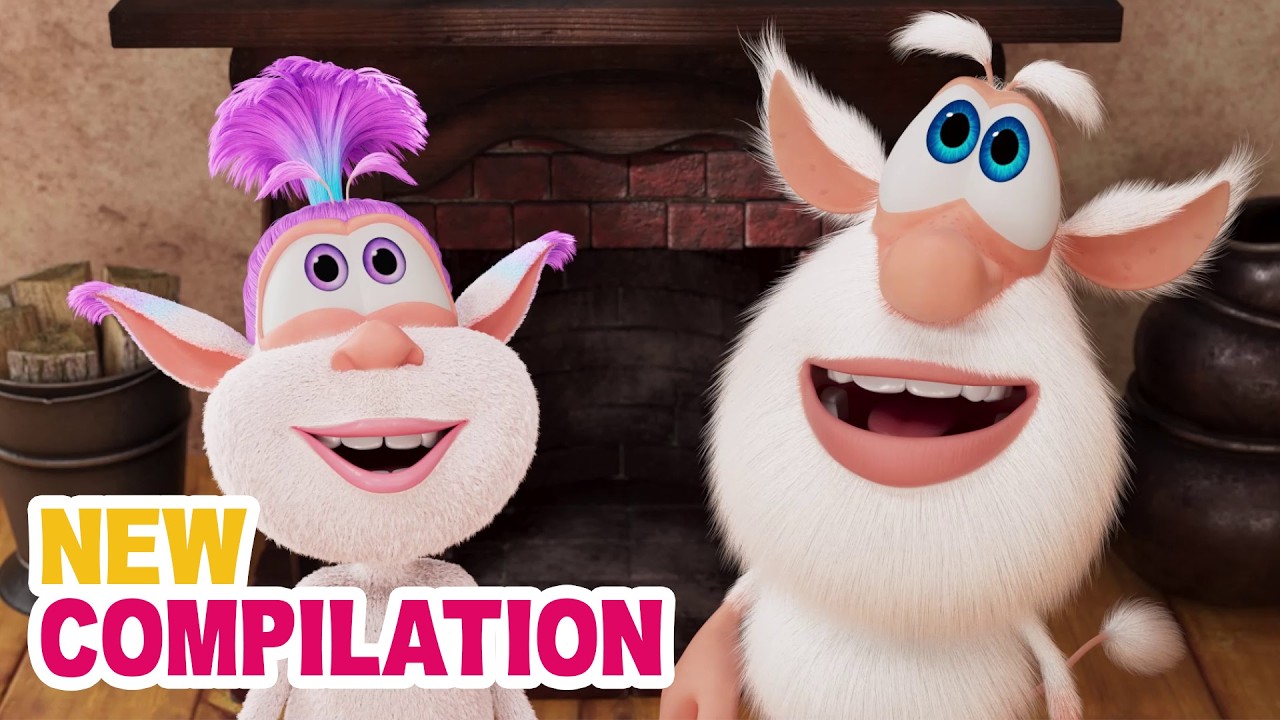
Silent animated characters are beloved by children for their funny expressions, exaggerated movements, and playful antics. Surprisingly, these characters are not just entertaining—they can actively support early childhood learning even without dialogue.

In this guide, we explore how watching silent cartoon characters can help kids develop skills like observation, creativity, problem-solving, and emotional understanding.


Why Silent Cartoon Characters Are Effective for Learning:

  1. Visual Storytelling: Actions, expressions, and gestures communicate the story without words.

  2. Focus on Observation: Children pay close attention to details like facial expressions, movements, and objects.

  3. Universal Understanding: Without language barriers, kids of all backgrounds can understand and enjoy the content.

  4. Promotes Imagination: Children interpret what is happening and often create their own explanations or stories.


Cognitive Benefits for Kids:

  • Problem-Solving: Watching characters solve challenges encourages children to think critically and find solutions.

  • Sequencing Skills: Following a series of events helps children understand order, cause and effect, and logic.

  • Attention & Focus: Visual cues require children to pay attention to details, improving concentration.

Activity Tip: Ask children to recreate the scenes with toys or drawings, reinforcing memory and sequencing skills.


Social & Emotional Benefits:

  • Emotional Recognition: Children learn to identify emotions through exaggerated facial expressions and gestures.

  • Empathy: Observing characters in different situations helps kids understand feelings and reactions.

  • Conflict Resolution: Silent characters often face problems and solve them peacefully, modeling positive behavior.


Creative and Imaginative Play:

  • Children naturally imitate gestures and actions, turning watching time into physical play.

  • Inspired by silent characters, kids often draw, craft, or act out their own adventures, enhancing creativity.

  • Parents can combine episodes with storytelling or role-play, turning passive viewing into active learning.


Tips for Parents to Maximize Learning:

  1. Encourage Storytelling: Ask kids to narrate what happened using their own words.

  2. Use Props: Provide toys, craft materials, or masks to act out scenes.

  3. Observe Together: Discuss the characters’ actions and emotions with children.

  4. Combine With Learning: Introduce counting, colors, or shapes seen in the scenes.

  5. Keep Screen Time Balanced: Limit episodes to 20–30 minutes for younger children and follow with active play.


Why Silent Cartoons Are Ideal for Young Learners:

  • Universal Appeal: Language-free content can be enjoyed by children worldwide.

  • Enhanced Imagination: Kids fill in dialogue and create stories, boosting narrative skills.

  • Safe Learning Tool: No complex dialogues or inappropriate content makes it suitable for preschoolers.

  • Interactive Potential: Parents and teachers can extend lessons using crafts, drawing, or role-play.


Final Thoughts:

Silent animated characters are more than just entertaining—they provide a platform for active learning, observation, creativity, and emotional growth. By engaging with the content thoughtfully and integrating hands-on activities, parents and educators can maximize the developmental benefits of these playful cartoons.


Advertisement
Most Popular Kids’ Cartoons in 2025
The world of children’s entertainment is constantly evolving. In 2025, playful, colorful, and creative animated shows continue to captivate young audiences. Parents and educators are always looking for age-appropriate, engaging, and educational cartoons that entertain while inspiring creativity, learning, and social skills. This guide explores the most popular kids’ cartoons in 2025 and highlights why children love them. Why These Cartoons Are Popular: Vibrant Animation: Bright colors, expressive characters, and fun visual effects keep kids engaged. Relatable Characters: Funny, curious, and adventurous characters capture children’s imagination. Humor and Storytelling: Combining comedy with engaging storylines makes learning fun. Educational Value: Many shows include problem-solving, social skills, and creativity. Interactive Appeal: Episodes encourage role-play, drawing, storytelling, and crafts. Top Kids’ Cartoons of 2025: 1. Playful Creature Adventures Focuses on curious, expressive characters exploring their world. Teaches creativity, problem-solving, and social skills. 2. Tiny Tales Universe Short, engaging stories for toddlers. Highlights colors, numbers, shapes, and emotional learning. 3. Fuzzy Friends Academy Group of animal friends on humorous adventures. Encourages friendship, teamwork, and empathy. 4. Magical Garden Explorers Outdoor adventures with educational lessons about nature and science. Inspires observation, creativity, and imagination. 5. Happy Helpers Club Characters engage in activities promoting responsibility, sharing, and cooperation. Great for role-playing and learning life skills. 6. Giggles and Wonders Combines humor, storytelling, and visual learning. Encourages children to retell stories and create their own adventures. How Parents Can Maximize Learning: Watch Together: Discuss episodes to reinforce lessons and encourage conversation. Extend Learning Activities: Drawing, crafts, or acting out scenes improves engagement. Set Limits: Maintain healthy screen time for balance with outdoor play and reading. Encourage Creativity: Ask children to invent new storylines or design characters. Praise Participation: Celebrate curiosity, questions, and creative efforts inspired by the shows. Benefits of Watching Popular Cartoons: Cognitive Skills: Improves observation, problem-solving, and comprehension. Social Skills: Encourages empathy, teamwork, and communication. Creativity and Imagination: Inspires drawing, storytelling, and imaginative play. Language Development: Expands vocabulary and strengthens narrative skills. Safe Entertainment: Age-appropriate and educational content ensures fun learning. Final Thoughts: The most popular kids’ cartoons in 2025 are more than just entertainment. They combine humor, imagination, and learning, making them a valuable tool for parents and educators. By choosing these shows thoughtfully and pairing them with creative activities and discussions, children can enjoy fun, safe, and enriching screen time.
Best Cartoon Stories About Sharing and Caring
Teaching children the values of sharing, caring, and empathy is essential for their social and emotional development. In 2025, cartoon stories about sharing and caring have become a favorite tool for parents to instill these qualities in toddlers and preschoolers. Through colorful animations, relatable characters, and engaging storytelling, children learn to interact positively with peers, family, and the world around them. This guide explores the benefits of sharing and caring cartoons, highlights top series in 2025, and provides tips for parents to reinforce these important lessons. Why Sharing and Caring Cartoons Matter: Children naturally learn by observing behaviors. Cartoons help them internalize positive social skills in a safe and entertaining environment: Encourage empathy: Characters demonstrate understanding and concern for others. Promote teamwork: Children see characters sharing resources and working together. Teach patience and fairness: Stories show taking turns and considering others’ feelings. Improve communication skills: Characters express thoughts and feelings in healthy ways. Create positive role models: Animated heroes model kindness, generosity, and cooperation. By combining fun and education, these cartoons make lessons about sharing and caring memorable and actionable. Key Learning Lessons in Sharing and Caring Cartoons: Sharing Toys and Resources Demonstrates taking turns and letting friends use toys. Encourages children to cooperate without conflict. Helping Others Characters assist friends, family, and community members. Teaches responsibility and compassion. Expressing Feelings Encourages children to talk about emotions instead of acting out. Models healthy conflict resolution. Kindness in Everyday Life Saying thank you, complimenting, and offering help. Reinforces polite and respectful behavior. Teamwork and Cooperation Shows children achieving goals together, highlighting collaboration. Top Cartoon Stories About Sharing and Caring in 2025: 1. The Kindness Club: One of the most popular series in 2025, this cartoon teaches empathy, sharing, and moral values through soft storytelling. Highlights: Focus on friendship, honesty, and caring Age-appropriate for toddlers and preschoolers Engaging stories with colorful animation 2. Booba’s Caring Adventures: Booba explores everyday situations that demonstrate helping, sharing, and empathy. Why it’s trending: Non-verbal storytelling suitable for all languages Encourages observation and understanding Short episodes ideal for toddlers’ attention spans 3. Little Hero Friends: Animated mini-stories where characters work together, share resources, and help one another. Key lessons: Cooperation and teamwork Expressing feelings and resolving conflicts Celebrating kindness and generosity 4. Forest Friends Share & Care: Animal characters in the forest teach children about sharing food, toys, and space while learning about friendship. Learning highlights: Introduces empathy and compassion Fun and engaging nature-based stories Encourages children to apply lessons in real life 5. Super Simple Sharing Songs: Animated songs teach sharing, caring, and polite behavior in an interactive way. Benefits: Reinforces lessons through music and repetition Easy for toddlers to remember and follow Combines learning with fun singing and dancing How Parents Can Reinforce Lessons: Parents can make sharing and caring lessons more effective by: Watching together: Pause and ask questions like, “How can we help our friend?” Role-playing: Practice sharing toys, taking turns, and helping others. Repetition: Re-watch favorite episodes to reinforce key values. Praise positive behavior: Encourage children when they share or show kindness. Discuss real-life situations: Relate cartoon lessons to playground, school, and home scenarios. Combine with offline activities: Art, games, and group activities can strengthen empathy and teamwork. Recommended Cartoon Stories About Sharing and Caring: The Kindness Club – Moral lessons and friendship Booba’s Caring Adventures – Observation-based empathy Little Hero Friends – Cooperation and teamwork Forest Friends Share & Care – Animal-themed kindness stories Super Simple Sharing Songs – Musical lessons in sharing and caring These cartoons are safe, colorful, and educational, helping children learn empathy, kindness, and cooperation in an entertaining way. Final Thoughts: Cartoon stories about sharing and caring are more than just entertainment—they are tools for social and emotional development. In 2025, these animated series help children understand empathy, teamwork, and moral values while enjoying vibrant storytelling. Parents can enhance learning by: Watching together and discussing lessons Practicing sharing and helping in real-life situations Reinforcing values through praise and role-play With the right cartoons, children develop important life skills while having fun, creating a foundation for empathy, kindness, and positive social interaction. Tip for Parents: Encourage children to draw or act out scenes from the cartoons that show sharing and caring, reinforcing both creativity and the moral lesson.
How to Use Playful Cartoon Characters to Improve Kids’ Creativity
Children love watching funny, curious, and playful animated characters. Beyond entertainment, these characters can be powerful tools to boost creativity, imagination, and problem-solving skills in young learners. This guide explains how parents can use animated characters to inspire creativity in children aged 3–8 through activities, storytelling, and interactive play. Why Animated Characters Boost Creativity: Imaginative Scenarios: Characters often explore unusual or silly situations, inspiring children to think outside the box. Visual Storytelling: Exaggerated expressions and playful antics allow children to interpret and invent stories. Hands-On Inspiration: Watching characters can motivate kids to draw, craft, or role-play. Problem-Solving: Funny mishaps encourage children to invent solutions, enhancing cognitive skills. Ways to Use Animated Characters to Enhance Creativity: 1. Storytelling Activities Ask children to retell the episode in their own words. Encourage them to change endings or invent new adventures. Use props or toys to act out scenes, promoting imagination. Educational Tip: Enhances narrative skills, sequencing, and vocabulary. 2. Drawing and Coloring Inspired by Characters Let kids draw or color scenes from the episode. Encourage adding new elements or characters, fostering creativity. Combine with storytelling by asking them to describe their drawings. Learning Tip: Supports fine motor skills and creative thinking. 3. Craft and DIY Projects Create character-themed crafts, such as paper puppets, masks, or origami figures. Encourage children to design new characters or accessories, boosting problem-solving and innovation. Learning Tip: Hands-on crafts enhance planning, coordination, and imaginative skills. 4. Role-Playing and Acting Children can recreate scenes or improvise new stories. Use safe props or costumes to make play interactive. Role-play helps children experiment with different emotions and scenarios. Learning Tip: Develops emotional intelligence, social skills, and creativity. 5. Writing Mini Stories For older children (6–8 years), encourage writing short stories inspired by episodes. They can illustrate characters and adventures, combining art and writing. Helps build literacy skills, imagination, and self-expression. Tips for Parents: Co-Create Stories: Participate with your child to make storytelling interactive. Provide Materials: Supply markers, colored paper, scissors, or toys for creative activities. Encourage Originality: Praise unique ideas rather than copying. Set a Routine: Incorporate 20–30 minutes of creativity-inspired activities after watching episodes. Display Work: Showcase drawings or crafts to boost confidence and motivation. Benefits of Using Animated Characters for Creativity: Imagination Growth: Kids learn to invent and visualize new scenarios. Problem-Solving Skills: Characters’ challenges encourage innovative thinking. Fine Motor Development: Drawing, coloring, and crafting enhance hand-eye coordination. Emotional Expression: Acting or storytelling helps express feelings. Confidence and Achievement: Completing projects inspired by characters increases self-esteem. Final Thoughts: Playful cartoon characters are more than just entertainment—they can inspire creativity, problem-solving, and imaginative play in children. By integrating drawing, storytelling, role-playing, and crafts, parents can turn screen time into interactive learning experiences, boosting both fun and skill development.
Best Nursery Rhymes for Children in 2025
Learn and Sing with Fun Nursery rhymes have been a beloved part of early childhood education for generations. In 2025, their role has become even more significant, thanks to animated videos and interactive digital content. Nursery rhymes help children develop language skills, memory, rhythm, and social understanding—all while having fun. This guide explores the benefits of nursery rhymes, popular animated series for children, and tips for parents to make the most out of rhyme-based learning. Why Nursery Rhymes Are Important for Children: Nursery rhymes are more than simple songs—they are powerful educational tools. They combine melody, rhythm, and repetition, making learning enjoyable and effective. Key benefits of nursery rhymes include: Language development: Helps children learn new words, pronunciation, and sentence structure. Memory and recall: Repetition and rhyming enhance memory skills. Rhythm and musical skills: Introduces children to beat, melody, and rhythm. Cognitive development: Patterns, sequences, and storylines encourage thinking and reasoning. Social and emotional growth: Singing together promotes bonding, cooperation, and emotional expression. Popular Types of Nursery Rhymes: Nursery rhymes can be grouped into several categories to target different learning skills: 1. Traditional Rhymes: These are the classic rhymes like Twinkle Twinkle Little Star, Humpty Dumpty, or Baa Baa Black Sheep. They are simple, melodic, and easy to memorize, making them perfect for toddlers and preschoolers. 2. Alphabet and Counting Rhymes: Songs that combine rhymes with alphabet letters or numbers help children learn language and numeracy simultaneously. Examples include ABC Song and One, Two, Buckle My Shoe. 3. Movement and Action Rhymes: Action rhymes involve gestures and physical activity, improving gross motor skills and coordination. Examples include If You’re Happy and You Know It or Head, Shoulders, Knees, and Toes. 4. Themed Rhymes: Some nursery rhymes focus on animals, seasons, or daily routines, teaching children about the world in a fun, musical way. Examples include Old MacDonald Had a Farm and Rain, Rain, Go Away. Top Animated Nursery Rhymes for Children in 2025: 1. Super Simple Songs: A favorite among toddlers, this series combines animated visuals, slow-paced music, and easy-to-follow lyrics. Highlights: Alphabet, numbers, and action rhymes Interactive, easy for children to sing along Bright, colorful animations for engagement 2. Booba’s Nursery Rhymes: Booba, a popular character, now features nursery rhyme adventures that make classic songs fun and playful. Benefits: Non-verbal and universally understandable Encourages observation and rhythm learning Perfect for toddlers and preschoolers 3. Little Baby Bum: One of the most well-known animated nursery rhyme channels, Little Baby Bum offers: Wide range of rhymes from traditional to modern Fun animations to hold children’s attention Songs that reinforce early language, counting, and colors 4. Cocomelon: Cocomelon is widely popular for combining nursery rhymes with short educational stories. Learning focus: Letters, numbers, and colors Social skills and good habits Memory and listening skills through repetition 5. Nursery Rhymes Club: An interactive animated series with sing-along features and visual cues for each word. Benefits: Engages children in singing and reading Improves pronunciation and vocabulary Introduces rhythm and melody for early musical skills How to Use Nursery Rhymes Effectively: While nursery rhymes are fun, parents play a key role in enhancing their educational value: Sing along: Join your child to improve language and bonding. Add gestures and movements: Action rhymes improve coordination and memory. Repetition is key: Repeating songs helps reinforce learning. Combine with visuals: Animated videos make rhymes more engaging. Discuss the story or theme: Even short rhymes can teach lessons about animals, nature, or social behavior. Create a daily routine: Singing nursery rhymes at consistent times (morning, bedtime) reinforces memory and habit formation. Benefits of Animated Nursery Rhymes: Animated nursery rhymes combine music, movement, and storytelling to create a multi-sensory learning experience: Visual learning: Bright characters, colors, and movements enhance memory. Auditory learning: Repetition of sounds, words, and rhythms improves language skills. Interactive engagement: Sing-along and dance-along features make learning fun. Emotional connection: Characters and songs help children express feelings and connect with stories. Recommended Nursery Rhymes for Children in 2025: Here’s a curated list of popular and educational nursery rhyme series: Super Simple Songs – Alphabet, numbers, and classic rhymes Booba’s Nursery Rhymes – Fun adventures with playful characters Little Baby Bum – Wide variety of rhymes with vibrant animations Cocomelon – Combines songs with short stories and social lessons Nursery Rhymes Club – Interactive sing-along videos for toddlers These series provide safe, colorful, and educational content, making learning enjoyable for toddlers and preschoolers. Final Thoughts: Nursery rhymes are a timeless tool for early childhood learning, helping children develop language, memory, rhythm, and social skills. In 2025, animated and interactive videos make these rhymes even more engaging, allowing toddlers to learn while having fun. Parents can maximize the benefits by: Singing along with their children Incorporating gestures and movements Repeating favorite rhymes regularly Pairing songs with discussion or hands-on activities With the right nursery rhymes, screen time becomes productive and educational, giving toddlers a strong foundation for learning, creativity, and social development. Tip for Parents: Encourage children to create their own rhymes or act out songs—this reinforces creativity, memory, and understanding of language patterns.
Best Bedtime Stories for Kids in 2025
Bedtime can sometimes be a challenge for parents, especially when toddlers and preschoolers are full of energy. In 2025, bedtime animated stories have emerged as a powerful tool to help children relax, unwind, and sleep peacefully while also providing gentle learning opportunities. These stories combine soothing visuals, soft music, and engaging characters to create a calm environment that signals to children that it’s time to rest. In addition to promoting sleep, bedtime animations can teach moral lessons, mindfulness, and emotional regulation, making them a valuable resource for parents. Why Bedtime Animated Stories Are Important: Bedtime stories in animated form are more effective than traditional books for many children because they: Promote relaxation: Soft visuals, calm voices, and gentle music reduce stress and anxiety. Encourage a sleep routine: Consistent bedtime stories signal that it’s time to wind down. Teach life lessons: Morals, sharing, kindness, and mindfulness can be subtly integrated. Engage imagination: Children visualize gentle stories without overstimulation. Support language development: Narration helps improve vocabulary and comprehension. By combining entertainment with calmness, bedtime animated stories make it easier for parents to establish a nightly routine. Key Benefits of Bedtime Animated Stories: Better Sleep Quality Calm visuals and gentle storytelling help children fall asleep faster and stay asleep longer. Emotional Regulation Children learn to manage feelings like fear, frustration, or excitement before bed. Language and Cognitive Development Listening to narration enhances vocabulary, comprehension, and attention span. Moral and Social Learning Stories can include lessons about kindness, honesty, empathy, and gratitude. Routine and Consistency Watching the same series or characters nightly builds a sense of comfort and security. Top Bedtime Animated Story Series in 2025: 1. Goodnight with Zoya: Zoya leads gentle adventures designed to calm children and teach soft lessons before bedtime. Highlights: Soft music and soothing narration Gentle lessons about kindness, gratitude, and sharing Suitable for toddlers aged 2–6 2. Booba’s Sleepy Adventures: Booba’s curiosity slows down in these bedtime episodes, helping children relax while still enjoying storytelling. Benefits: Non-verbal storytelling suitable for all languages Visual cues signal calmness and winding down Short episodes ideal for bedtime routines 3. Super Simple Sleepy Songs: This series combines soft songs, nursery rhymes, and gentle animation to help children unwind. Learning focus: Soothing melodies for relaxation Short stories teaching morals and routines Helps children associate music and visuals with bedtime 4. Little Dreamers Adventures: Animated mini-stories where characters experience calm adventures before sleep, teaching mindfulness and relaxation. Key lessons: Deep breathing and mindful thinking Positive storytelling to reduce nighttime anxiety Short episodes, perfect for preschoolers 5. Sleepy Animal Tales: Animal characters guide children through gentle bedtime journeys in forests, oceans, and magical lands. Learning highlights: Introduces children to nature and animals Teaches patience, empathy, and calmness Multi-sensory learning through visuals and soft narration How Parents Can Maximize the Benefits: To make bedtime animated stories effective, parents can: Establish a routine: Watch the same series or character at bedtime for consistency. Create a calm environment: Dim lights, reduce noise, and ensure comfort. Discuss the story: Ask simple questions like, “What did Zoya learn today?” Combine with offline relaxation: Gentle stretches, deep breathing, or soft hugs. Limit screen brightness and duration: Use short episodes and reduce blue light exposure. Reinforce morals in daily life: Encourage children to practice kindness, gratitude, or sharing learned from the story. Recommended Bedtime Animated Stories for Kids in 2025: Goodnight with Zoya – Calm adventures and moral lessons Booba’s Sleepy Adventures – Non-verbal calming stories Super Simple Sleepy Songs – Nursery rhymes and gentle melodies Little Dreamers Adventures – Mindfulness and relaxation exercises Sleepy Animal Tales – Animal-themed gentle bedtime journeys These series are safe, soothing, and educational, helping children develop healthy sleep habits, emotional intelligence, and language skills while enjoying animated adventures. Final Thoughts: Bedtime animated stories are more than just entertainment—they are a tool to support healthy sleep, emotional development, and learning in toddlers and preschoolers. In 2025, these animations combine soothing music, soft visuals, and gentle storytelling to create a calm bedtime environment. Parents can enhance their benefits by: Watching together and discussing stories Incorporating mindfulness exercises Creating a consistent nightly routine With the right bedtime animated stories, screen time becomes both relaxing and educational, helping children sleep peacefully while learning important life lessons. Tip for Parents: Encourage children to share what they remember from the story or draw their favorite scenes, which reinforces memory, comprehension, and creativity.
Using Cartoons to Teach Kids Problem-Solving
Cartoons are often seen as a fun pastime for children, but they can be much more than entertainment. When used wisely, educational cartoons become a powerful tool to teach problem-solving skills in kids. Animated stories, colorful characters, and simple challenges help children learn how to think, analyze situations, and find solutions in an engaging way. In today’s world, where critical thinking and problem-solving abilities are essential life skills, cartoons can play an important role in early childhood development. This article explores how cartoons help kids develop problem-solving skills and how parents can use them effectively. Why Problem-Solving Skills Matter for Kids: Problem-solving is the ability to identify a problem, think about possible solutions, and choose the best one. These skills help children: Think independently Build confidence Improve decision-making Handle challenges calmly Perform better in academics and daily life Developing problem-solving skills early prepares children for school learning, social situations, and real-life challenges. Cartoons provide a safe and fun environment where kids can observe and learn these skills naturally. How Cartoons Teach Problem-Solving Skills: 1. Cartoons Present Simple Problems Most kids’ cartoons are built around small challenges or conflicts. A character might lose something, face an obstacle, or need help to complete a task. These situations introduce children to the idea that problems are normal and solvable. For example, a cartoon character may need to cross a river, help a friend, or fix a mistake. Children watch how the character thinks, tries different ideas, and finally solves the problem. This teaches kids that every problem has a solution. 2. Step-by-Step Thinking Educational cartoons often show step-by-step problem-solving. Characters talk through their thoughts, try one solution, fail, and then try another. This process teaches children: To think before acting To try more than one solution To not give up after failure This kind of logical thinking is essential for developing strong cognitive skills in children. 3. Learning Through Observation Children learn a lot by watching and copying behavior. When they see cartoon characters calmly solving problems, they naturally imitate the same behavior. For instance, when a character works as a team, asks questions, or uses tools creatively, children learn the importance of: Teamwork Communication Creative thinking This makes cartoons a great medium for learning problem-solving through observation. 4. Encourages Critical Thinking Many cartoons encourage children to think along with the characters. Some shows pause and ask questions like:“What should we do next?” or “Can you help solve this problem?” This interactive style boosts critical thinking skills and keeps children mentally active instead of being passive viewers. Kids start thinking ahead, predicting outcomes, and analyzing situations. 5. Builds Emotional Problem-Solving Problem-solving is not just about logic; it also involves emotions. Cartoons often show characters dealing with: Fear Frustration Anger Sadness By watching how characters manage emotions and still solve problems, children learn emotional intelligence. They understand that staying calm helps in finding better solutions. Types of Problem-Solving Skills Cartoons Teach Logical Thinking Cartoons often involve puzzles, patterns, and cause-and-effect situations. This helps children improve logical reasoning and analytical thinking. Decision-Making Characters frequently choose between different options. Kids learn that choices have consequences, which improves decision-making skills. Creative Problem-Solving Some problems in cartoons are solved in unexpected and creative ways. This encourages kids to think outside the box. Social Problem-Solving Cartoons also show conflicts between friends and how they are resolved. This teaches children how to: Share Apologize Cooperate Resolve conflicts peacefully Benefits of Using Cartoons for Problem-Solving Using cartoons to teach problem-solving offers many benefits: Makes learning fun and stress-free Improves attention span Enhances memory and comprehension Encourages curiosity and exploration Builds confidence in handling challenges Because cartoons are visually rich and engaging, children remain interested while learning important life skills. How Parents Can Use Cartoons Effectively Choose the Right Cartoons Not all cartoons are educational. Parents should select shows that focus on: Problem-solving Moral lessons Teamwork and creativity Clear and positive language Educational cartoons designed for learning have a much stronger impact on kids’ cognitive development. Watch and Discuss Together Watching cartoons with children and discussing the story helps reinforce learning. Parents can ask questions like: What was the problem? How did the character solve it? Was there another solution? This discussion strengthens thinking and communication skills. Turn Cartoons into Activities After watching a cartoon, parents can create simple activities: Role-play the problem and solution Ask the child to draw the solution Create similar real-life problems and solve them together These activities help children apply problem-solving skills beyond the screen. Balance Screen Time Cartoons should inspire learning, not replace real-world experiences. Limited and meaningful screen time ensures children stay active and engaged in other learning activities as well. Long-Term Impact on Learning Children who develop problem-solving skills early tend to: Perform better in school Show independence in learning Handle stress and challenges confidently Develop leadership qualities By using cartoons as a learning tool, parents can support long-term intellectual and emotional growth. Conclusion Using cartoons to teach kids problem-solving is an effective and enjoyable approach to early learning. Cartoons present challenges in a friendly and engaging way, helping children understand how to think, analyze, and find solutions. Through storytelling, visual learning, and relatable characters, children develop critical thinking, creativity, and emotional intelligence. When parents choose the right cartoons and actively engage with their children, cartoons become more than entertainment—they become a valuable educational resource. With the right balance, cartoons can help children build strong problem-solving skills that will benefit them throughout their lives
Best Animal Cartoons for Kids in 2025
How Kids Can Learn with Fun Animal cartoons have always captured children’s imagination. In 2025, they are not just entertaining—they have become powerful learning tools. By combining colorful animation, fun characters, and educational storytelling, animal cartoons help toddlers and preschoolers learn about nature, animals, social skills, and essential life concepts. This guide explores the benefits of animal cartoons for kids, highlights top series in 2025, and provides tips for parents to make the most of these engaging learning resources. Why Animal Cartoons Are Great for Learning: Children naturally love animals, making them ideal learning companions. Animal cartoons provide a safe and playful way for children to: Learn about different animals: Names, habitats, diets, and behaviors. Develop empathy and social skills: Understanding feelings and actions of characters. Introduce science and nature concepts: Ecosystems, seasons, and environmental awareness. Enhance language skills: Vocabulary, pronunciation, and storytelling. Encourage problem-solving and teamwork: Characters often work together to overcome challenges. Animated animals turn learning into interactive and memorable experiences, keeping children engaged for longer periods. Types of Educational Animal Cartoons: 1. Animal Adventure Series: These cartoons follow animal characters on adventures, exploring forests, oceans, and jungles. They teach habitat, geography, and problem-solving skills. 2. Animal ABC and Counting Series: Animated animals introduce letters, numbers, and basic math concepts. Examples include counting fish, identifying animal names by letters, or sorting shapes. 3. Moral and Social Lessons Through Animals: Animals are often used to teach values and life skills. Stories about sharing, kindness, honesty, and cooperation resonate well with children. 4. Science and Nature Series: Some animal cartoons focus on biology, ecosystems, and wildlife conservation. They introduce kids to environmental awareness in a fun, digestible way. Top Animal Cartoons for Kids Learning in 2025: 1. Dino Learners: Smart Adventures: A dinosaur-themed series that combines fun with science learning. Learning benefits: Basic paleontology and dinosaur facts Problem-solving and teamwork Introduction to geography and prehistoric life Recommended age: 4–10 years 2. Booba’s Animal Adventures: Booba explores animal habitats and interactions in playful, curiosity-driven episodes. Highlights: Non-verbal storytelling suitable for all languages Encourages observation and critical thinking Perfect for toddlers and preschoolers 3. Animal ABCs with Friends: This series introduces letters and vocabulary using animal characters. Key learning areas: Alphabet recognition Vocabulary building Pronunciation practice Fun songs and rhymes 4. Little Wild Explorers: Animated mini-stories where animal friends learn life lessons, teamwork, and emotional skills. Themes include: Cooperation and friendship Problem-solving in small adventures Emotional intelligence and empathy 5. Forest Fun with Friends: A series focusing on habitat learning, nature awareness, and social skills through animal stories. Learning highlights: Identifying animals and their environments Understanding food chains and nature cycles Promoting environmental responsibility 6. Super Simple Animal Rhymes: A combination of songs and animations using animals to teach letters, numbers, colors, and shapes. Benefits: Engaging and interactive for toddlers Improves memory and language skills Multi-sensory learning through visual and auditory cues How Parents Can Maximize Learning: Parents can enhance the educational value of animal cartoons by: Watching together: Discuss animals, their habitats, and behaviors. Repeating favorite episodes: Repetition reinforces learning. Combining offline activities: Drawing animals, counting toys, or acting out stories. Asking questions: “Where does this animal live?” or “What does it eat?” to encourage thinking. Mixing genres: Combine adventure, ABC, and moral-based animal cartoons for well-rounded learning. Limiting screen time: Short, focused sessions are more effective for toddlers. Recommended Animal Cartoons for Kids Learning in 2025: Dino Learners: Smart Adventures – Dinosaurs and basic science concepts Booba’s Animal Adventures – Habitats, observation, and curiosity learning Animal ABCs with Friends – Letters, vocabulary, and rhymes Little Wild Explorers – Life lessons, teamwork, and emotional skills Forest Fun with Friends – Nature, animals, and environmental awareness Super Simple Animal Rhymes – Multi-skill learning with music and animals These series are safe, colorful, and educational, making them perfect for toddlers and preschoolers who love animals. Final Thoughts: Animal cartoons are not just entertaining—they are powerful educational tools. In 2025, they combine storytelling, music, and visuals to teach language, math, social skills, and environmental awareness. Parents can enhance learning by: Watching with children and discussing content Reinforcing concepts through real-life activities Encouraging creativity and empathy through role-play With the right animal cartoons, screen time becomes both fun and productive, helping children develop knowledge, skills, and emotional intelligence while enjoying vibrant, imaginative worlds. Tip for Parents: Encourage children to act out animal behaviors or stories, which strengthens memory, observation, and engagement while making learning interactive.
Why Non-Verbal Cartoons Are Good for Language Learning
Non-verbal cartoons—funny, expressive animated characters that don’t speak—are incredibly popular with children. Beyond entertainment, they can also support language development and early literacy skills in young learners. This guide explains how non-verbal cartoons help children learn language, develop communication skills, and enhance comprehension, even without dialogue. How Non-Verbal Cartoons Support Language Learning: Focus on Visual Cues Children pay attention to gestures, facial expressions, and actions, which teach meaning without words. Helps them understand context and emotion, key elements of language comprehension. Encourages Storytelling Skills Kids can describe what is happening in their own words, enhancing vocabulary and sentence formation. Promotes narrative skills by encouraging children to recreate or extend the story. Boosts Observation and Comprehension Non-verbal storytelling requires children to connect events logically, improving understanding and sequencing skills. Enhances attention to detail, a critical skill for reading and listening comprehension. Practical Ways to Use Non-Verbal Cartoons for Language Learning: 1. Ask Children to Narrate the Story Pause the episode and ask: “What do you think happens next?” Encourage full sentences and creative descriptions. Helps expand vocabulary and language structure. 2. Role-Play Scenes Children can act out the characters’ actions. Encourage them to use words to describe what they are doing, practicing verbal communication. 3. Draw or Write About the Episode Drawing scenes or writing short descriptions reinforces story comprehension and vocabulary. Older kids can write mini-stories inspired by the episode, connecting words with visual cues. 4. Use as a Prompt for Conversation Ask open-ended questions: “Why do you think the character did that?” “How would you feel in that situation?” Encourages discussion, critical thinking, and emotional vocabulary. Benefits of Non-Verbal Cartoons for Language Learning: Vocabulary Development: Kids learn words by describing actions, objects, and emotions. Sentence Formation: Encourages proper sentence structure and verbal expression. Narrative Skills: Enhances storytelling ability and logical sequencing. Listening and Observation: Teaches children to interpret meaning from context. Cross-Cultural Learning: Non-verbal cartoons can be understood by children of any language background, promoting inclusivity. Tips for Parents: Choose Age-Appropriate Episodes: Focus on simple, clear actions and expressive characters. Encourage Active Engagement: Ask children to explain, describe, or act out scenes. Combine With Hands-On Activities: Drawing, crafts, or role-play extends the learning experience. Praise Participation: Celebrate attempts at storytelling and description to build confidence. Repeat Viewing: Re-watching episodes reinforces comprehension and vocabulary. Final Thoughts: Non-verbal cartoons are a fun, interactive, and effective way to support early language development. By encouraging children to observe, narrate, act, and create, parents can turn passive viewing into an active language learning experience, enhancing vocabulary, storytelling, and comprehension skills.